
Technologies
Elon Musk says Tesla will move headquarters to Texas
The Tesla CEO has been focusing more on operations in Texas for both the automaker and his space exploration company, SpaceX.
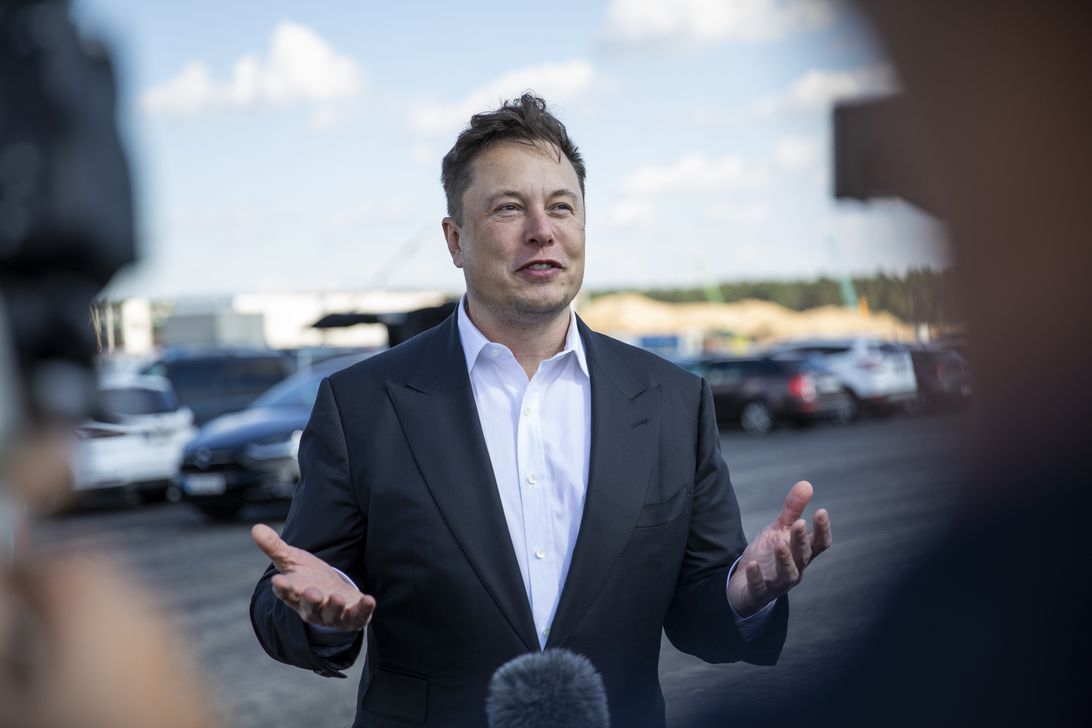
Tesla founder and CEO Elon Musk has announced plans to move the electric-car maker’s corporate HQ from California to Texas.
«I’m excited to announce that we’re moving our headquarters to Austin, Texas,» Musk said Thursday during a shareholders meeting. The carmaker is currently based in Palo Alto, California.
«Just to be clear, we will be continuing to expand our activities in California,» he said. «This isn’t a matter of Tesla leaving California.»
Musk said in December that he’d personally move to Texas and also tweeted in May 2020 that he’d be moving Tesla’s headquarters to Texas or Nevada «immediately.»
Musk began developing a Tesla gigafactory in Texas in the summer 2020, and the state is also one of the locations for operations by SpaceX, another of Musk’s companies. Musk has pressed engineers, technicians and builders interested in working for the spacerocket builder to relocate to Texas. «Please consider moving to Starbase or greater Brownsville/South Padre area in Texas and encourage friends to do so!» Musk tweeted in March.
The move comes on the heels of a series of clashes with Alameda County officials last year over the forced shutdown of Tesla’s factory in Fremont, California, over concerns for worker safety. Musk eventually ignored the order and reopened the factory after downplaying the severity of the pandemic, daring officials to arrest him. No arrests were made, but Musk did tweet that Tesla would be suing the county for «acting contrary to… our Constitutional freedoms and just plain common sense.»
Tesla isn’t the only tech powerhouse attracted to the Lone Star State. Business software and services company Oracle said in December it’s changing its corporate headquarters from the Silicon Valley area to Austin to provide its workers «with more flexibility about where and how they work.» Hewlett-Packard Enterprise, a descendant of the pioneering Silicon Valley company, said in 2020 that it’s moving its headquarters from San Jose, California, to Houston.
Tesla could immediately be reached for comment, as the company dissolved its public relations department last year.
Technologies
Today’s NYT Strands Hints, Answers and Help for March 25 #752
Here are hints and answers for the NYT Strands puzzle for March 25, No. 752.
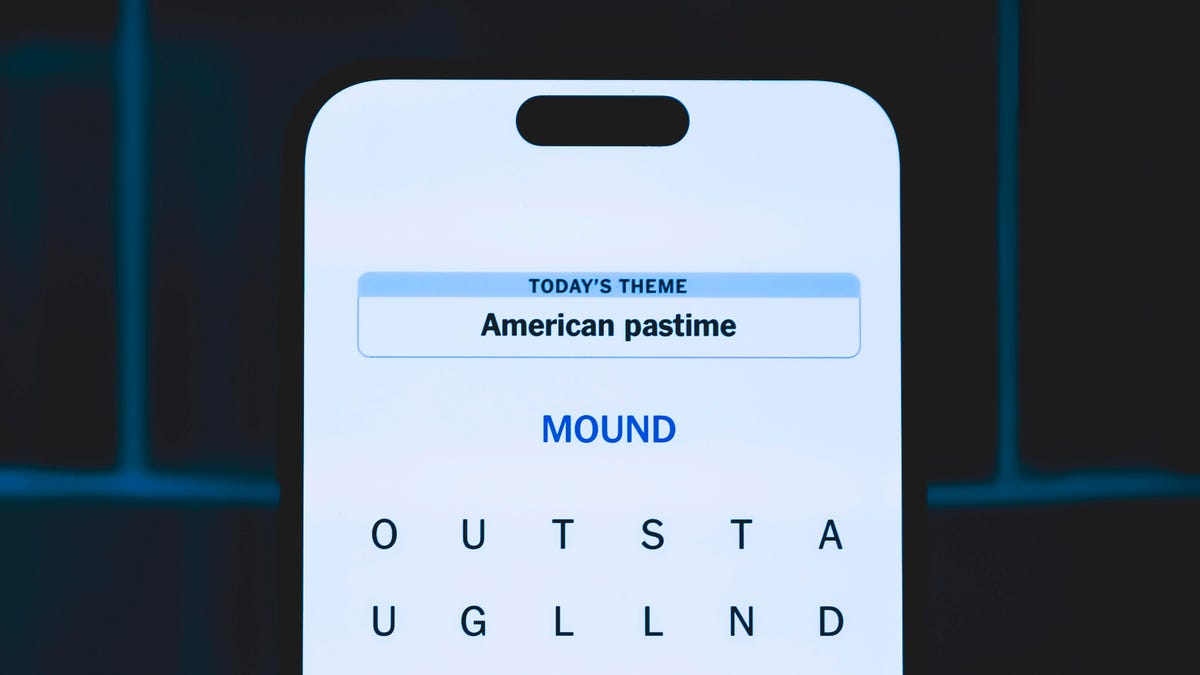
Looking for the most recent Strands answer? Click here for our daily Strands hints, as well as our daily answers and hints for The New York Times Mini Crossword, Wordle, Connections and Connections: Sports Edition puzzles.
Today’s NYT Strands puzzle is a fun one, but it might make you hungry. Some of the answers are difficult to unscramble, so if you need hints and answers, read on.
I go into depth about the rules for Strands in this story.
If you’re looking for today’s Wordle, Connections and Mini Crossword answers, you can visit CNET’s NYT puzzle hints page.
Read more: NYT Connections Turns 1: These Are the 5 Toughest Puzzles So Far
Hint for today’s Strands puzzle
Today’s Strands theme is: Intermission mission.
If that doesn’t help you, here’s a clue: Movie candy.
Clue words to unlock in-game hints
Your goal is to find hidden words that fit the puzzle’s theme. If you’re stuck, find any words you can. Every time you find three words of four letters or more, Strands will reveal one of the theme words. These are the words I used to get those hints but any words of four or more letters that you find will work:
- ROBE, BORE, WEEDS, WEED, RENT, RIND, CORN, SCAN, SPAN, SPANS, SAND, CANE, CANT, CROSS, COIN
Answers for today’s Strands puzzle
These are the answers that tie into the theme. The goal of the puzzle is to find them all, including the spangram, a theme word that reaches from one side of the puzzle to the other. When you have all of them (I originally thought there were always eight but learned that the number can vary), every letter on the board will be used. Here are the nonspangram answers:
- BEER, SODA, CANDY, FRIES, WATER, POPCORN, PRETZEL
Today’s Strands spangram
Today’s Strands spangram is CONCESSIONS. To find it, start with the C that’s three letters to the right on the top row, and wind down.
Toughest Strands puzzles
Here are some of the Strands topics I’ve found to be the toughest.
#1: Dated slang. Maybe you didn’t even use this lingo when it was cool. Toughest word: PHAT.
#2: Thar she blows! I guess marine biologists might ace this one. Toughest word: BALEEN or RIGHT.
#3: Off the hook. Again, it helps to know a lot about sea creatures. Sorry, Charlie. Toughest word: BIGEYE or SKIPJACK.
Technologies
Today’s NYT Connections: Sports Edition Hints and Answers for March 25, #548
Here are hints and the answers for the NYT Connections: Sports Edition puzzle for March 25 No. 548.
Looking for the most recent regular Connections answers? Click here for today’s Connections hints, as well as our daily answers and hints for The New York Times Mini Crossword, Wordle and Strands puzzles.
Today’s Connections: Sports Edition features a fun yellow category that’s really more games-centered than sports-focused. If you’re struggling with today’s puzzle but still want to solve it, read on for hints and the answers.
Connections: Sports Edition is published by The Athletic, the subscription-based sports journalism site owned by The Times. It doesn’t appear in the NYT Games app, but it does in The Athletic’s own app. Or you can play it for free online.
Read more: NYT Connections: Sports Edition Puzzle Comes Out of Beta
Hints for today’s Connections: Sports Edition groups
Here are four hints for the groupings in today’s Connections: Sports Edition puzzle, ranked from the easiest yellow group to the tough (and sometimes bizarre) purple group.
Yellow group hint: Rec room staples.
Green group hint: Footwear.
Blue group hint: Same team.
Purple group hint: Hoops league.
Answers for today’s Connections: Sports Edition groups
Yellow group: Games played on a table.
Green group: Nike shoes.
Blue group: Giants greats.
Purple group: NBA ____.
Read more: Wordle Cheat Sheet: Here Are the Most Popular Letters Used in English Words
What are today’s Connections: Sports Edition answers?
The yellow words in today’s Connections
The theme is games played on a table. The four answers are air hockey, foosball, pool and snooker.
The green words in today’s Connections
The theme is Nike shoes. The four answers are Air Force 1, Blazer, Pegasus and Shox.
The blue words in today’s Connections
The theme is Giants greats. The four answers are Bonds, Mays, Ott and Posey.
The purple words in today’s Connections
The theme is NBA ____. The four answers are All-Star Game, Cup, Draft and Finals.
Toughest Connections: Sports Edition categories
The Connections: Sports Edition puzzle can be tough, but it really depends on which sports you know the most about. My husband aces anything having to do with Formula 1, my best friend is a hockey buff, and I can answer any question about Minnesota teams.
That said, it’s hard to pick the toughest Connections categories, but here are some I found exceptionally mind-blowing.
#1: Serie A Clubs. Answers: Atalanta, Juventus, Lazio, Roma.
#2: WNBA MVPs. Answers: Catchings, Delle Donne, Fowles and Stewart.
#3: Premier League team nicknames. Answers: Bees, Cherries, Foxes and Hammers.
#4: Homophones of NBA player names. Answers: Barns, Connect, Heart and Hero.
Technologies
Go iPhone-Free This Spring Sale With $400 Off a Cellular Apple Watch
This might not be the latest model, but it’s still a great smartwatch at a fantastic price during Amazon’s Big Spring Sale.
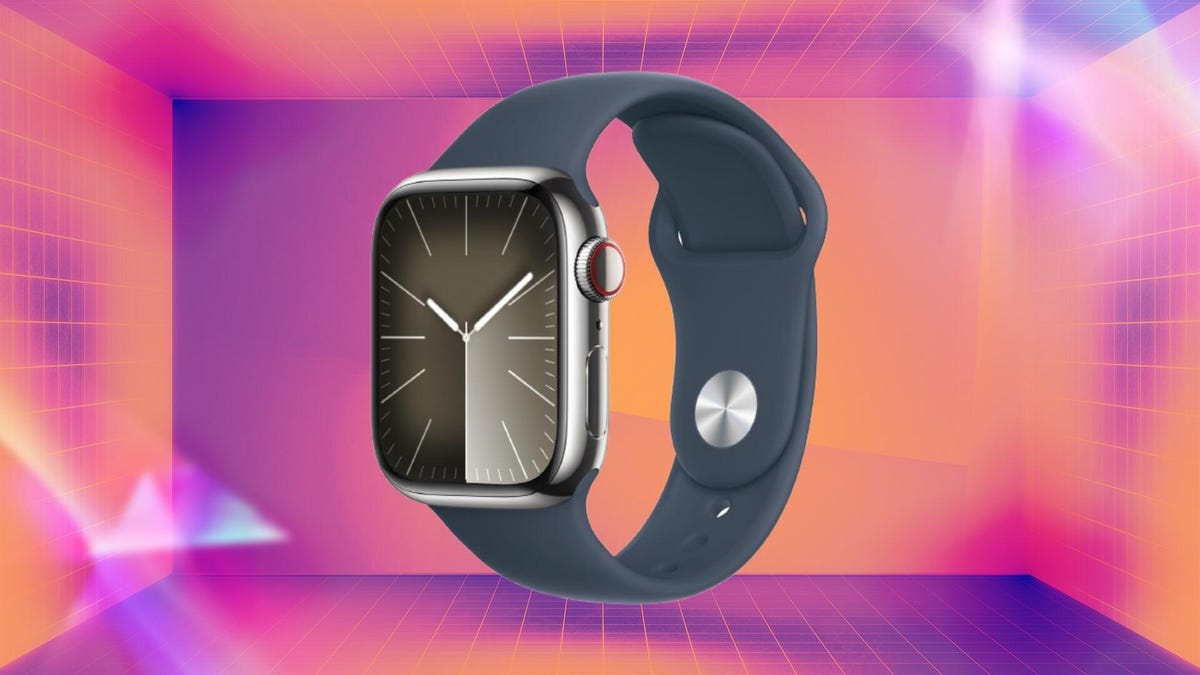
Amazon’s Big Spring Sale is now officially underway, and that means that the deals are coming thick and fast. One of those deals gets you a 41mm stainless steel cellular Apple Watch Series 9 for just $299, a massive $400 off the usual asking price. You’ll need to act fast, though, because this deal will only be available for a few more hours.
This lightning deal is selling fast, so we definitely recommend ordering your new Apple Watch sooner rather than later, otherwise you really do risk missing out.
In her Apple Watch Series 9 review, Lisa Eadicicco lauded the wearable’s improved performance when using Siri as well as its «wide variety of health and fitness features.» And with the added cellular support thrown in, you can continue to use your Apple Watch even when your iPhone isn’t nearby. That alone is worth the price of admission here.
As for the rest of the package, this model comes in the 41mm case size, so it won’t take over your wrist. Prefer the larger 45mm model? No problem, that’s also available at a discount — you’ll pay just $349, but again, time is running out.
Read more: Should You Upgrade to Apple Watch Series 11? Here Are the Key Features You Get
This model also features the popular always-on display feature, so you can always see the time even when your wrist isn’t raised. That might sound like table stakes, but it’s a feature that the Apple Watch didn’t have for far too long.
SMARTWATCH DEALS OF THE WEEK
-
$359 (save $70)
-
$250 (save $100)
-
$300 (save $50)
-
$150 (save $100)
-
$120 (save $80)
Why this deal matters
A great smartwatch can be a huge deal in your quest for better fitness. Whether you’re getting fit or staying that way, the Apple Watch is hard to beat, but prices can be steep for the latest models. Getting this previous-gen model gets you in the door for cheap, while still nabbing a premium stainless steel finish and cellular connectivity that you’d usually pay a lot more for.
-
 Technologies3 года ago
Tech Companies Need to Be Held Accountable for Security, Experts Say
-
 Technologies3 года ago
Best Handheld Game Console in 2023
-
 Technologies3 года ago
Tighten Up Your VR Game With the Best Head Straps for Quest 2
-
 Technologies4 года ago
Black Friday 2021: The best deals on TVs, headphones, kitchenware, and more
-
 Technologies5 лет ago
Google to require vaccinations as Silicon Valley rethinks return-to-office policies
-
 Technologies5 лет ago
Verum, Wickr and Threema: next generation secured messengers
-
 Technologies4 года ago
Olivia Harlan Dekker for Verum Messenger
-
 Technologies4 года ago
The number of Сrypto Bank customers increased by 10% in five days