
Technologies
IEA warns diesel shortage to persist until mid-2027 amid Iran conflict
The IEA warns that diesel market constraints will persist until mid-2027 due to supply disruptions from the Iran war and strong demand, with prices reaching record highs.
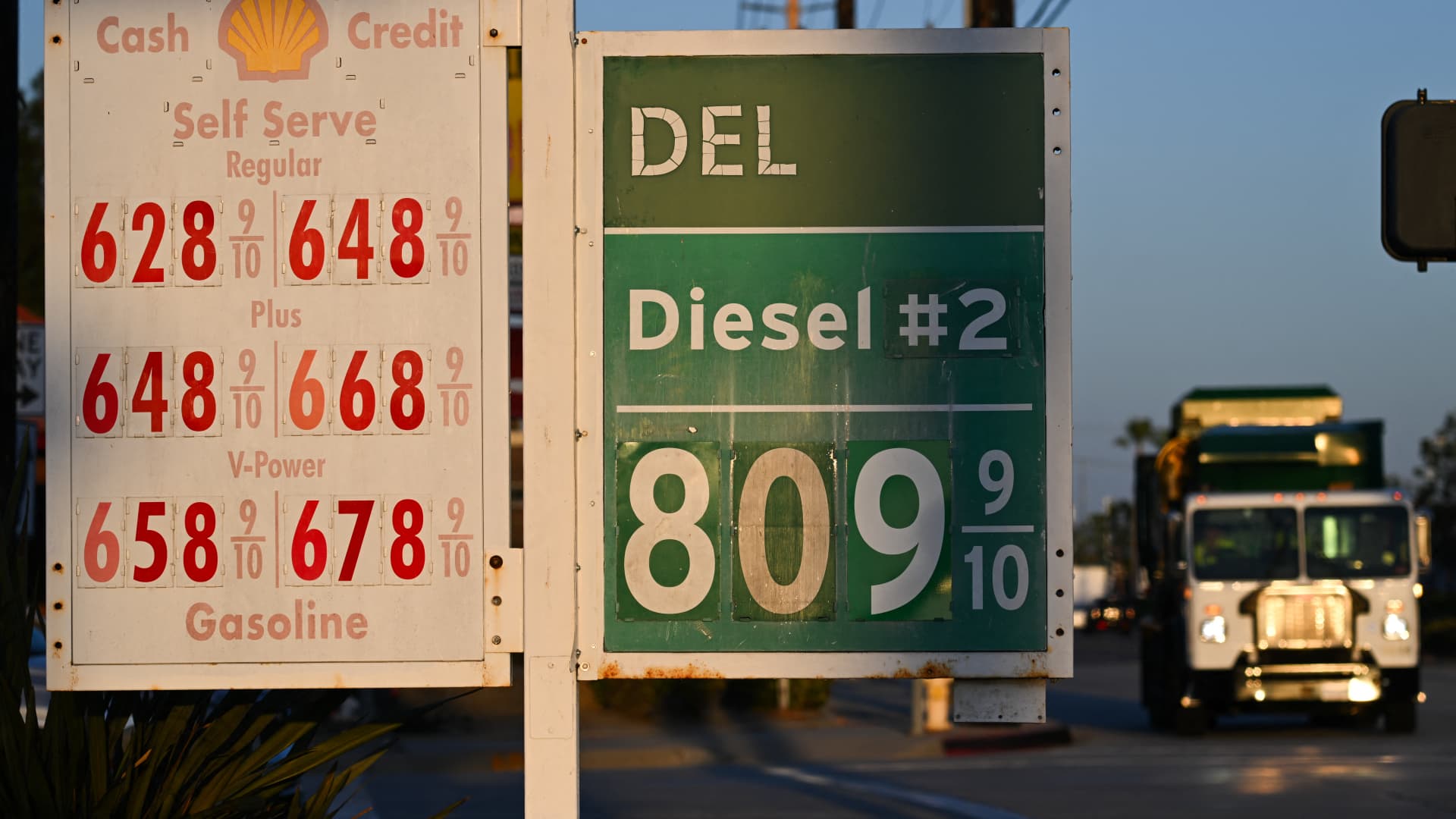
The International Energy Agency has cautioned that diesel market constraints will extend well into next year, with supply tightness projected to last until the second half of 2027.
In its October Oil Market Report, the IEA highlighted that a counter-seasonal tightening in gasoil markets during the third quarter, coupled with substantial inventory declines over the preceding months, has critically depleted global stock cover ahead of the peak winter demand season.
Data from the agency indicates that global diesel exports fell by 700,000 barrels per day year-on-year last month, with a loss of 1.3 million barrels per day from Russia and the Middle East only partially offset by increased supply from other sources.
Despite higher prices dampening broader oil demand, diesel demand remains robust due to its relative price inelasticity and government measures aimed at protecting consumers from high prices. The IEA noted that falling inventories, soaring cracks, and steepening backwardation signal the need for additional supplies.
However, even with an anticipated rapid recovery in refinery throughputs by year-end, gasoil supply will be insufficient to meet demand in the fourth quarter of 2026, indicating that inventory replenishment beyond seasonal fluctuations is unlikely before the second half of 2027.
Wholesale diesel prices surged to over $200 per barrel in Singapore in mid-September and reached record highs of approximately $220 per barrel in Europe and the United States. Retail prices have similarly climbed to record levels in most major economies.
The agency also warned that tensions in the crude freight market could lead to further increases in delivered diesel prices in key importing regions such as Europe, Africa, and Latin America. In related developments, U.S. diesel prices hit $6 a gallon for the first time last month, with the ongoing Iran war continuing to disrupt global energy markets.
President Donald Trump announced a deal with Russian President Vladimir Putin for Russia to immediately supply 300,000 metric tons of diesel to the global market, aiming to alleviate price pressures. However, this move faced bipartisan criticism in the U.S. and from European officials, who emphasized that now is not the time to ease sanctions on Russia.
European Commissioner for the Economy and Productivity Valdis Dombrovskis questioned the macroeconomic significance of the deal and Russia’s ability to deliver. Italian Prime Minister Giorgia Meloni warned that the agreement undermines efforts to negotiate with Putin regarding Ukraine.
The IEA forecasts a decline in overall oil demand by an average of 2.6 million barrels per day in 2026, with diesel accounting for 25% of this reduction. Oil supply is expected to decrease by 5.8 million barrels per day annually in 2026, before rising by 7.7 million barrels per day in 2027.
However, the agency cautioned that renewed attacks in the Gulf, including recent strikes on Riyadh by Yemen’s Houthis, could destabilize the market recovery, especially as Saudi production increases in September contributed to OPEC+ supply gains.
Technologies
Netflix to lay off roughly 1,000 employees, or 6% of workforce
Netflix will lay off roughly 6% of its workforce, according to a memo obtained by CNBC.
Netflix
The job cuts will largely impact the product, tech, legal and HR teams.
“Our mission – to entertain the world – is ambitious, and delivering on it requires us to be disciplined about where we prioritize our people and resources,” Netflix co-CEOs Ted Sarandos and Greg Peters wrote in the email to employees. “Our business is strong and growing, and we remain on track to deliver our full year forecast.
We’ll continue to invest aggressively in high impact areas to improve our service and further drive growth and innovation.
“Doing that means making focused choices across the business so we can keep delivering for our members, partners, employees, and investors,” the note said.
Netflix said it did not have additional comments beyond the co-CEOs’ memo. The company is due to report quarterly earnings on Oct. 20.
The layoffs come just a few weeks after Sarandos told attendees at the Bloomberg Screentime conference that the company was “not growing as fast as I want.”
Netflix has faced a paradox in recent months. It continues to post solid profits and remains the biggest player in the streaming realm, but its viewing time has stagnated and the main driver of new subscriber acquisitions has been its password-sharing crackdown and the launch of a cheaper, ad-supported tier.
Netflix’s biggest threat has been YouTube, but looming on the horizon is Skydance
Netflix has diversified its content in recent years, expanding into live sports, documentaries and video games in order to compete for share of consumer attention. At the same time, it’s lacked the water-cooler-type hits like “Stranger Things” and “Squid Game” that previously boosted subscriber growth and viewership.
And Netflix is not the only company looking to cut costs in the media space. Last month, Disney said it would lay off around 300 employees, with the majority of cuts coming from human resources and technology roles.
— CNBC’s Julia Boorstin and Stephen Desaulniers contributed to this report.
Technologies
Treasury says largest U.S. banks let politics influence who received banking services
New Treasury Department findings may lend weight to President Donald Trump’s long-running grievance that major banks have discriminated against conservatives.
The Treasury Department’s Office of the Comptroller of the Currency found some of the largest banks serving the U.S. allowed political considerations, public pressure and social concerns to influence decisions about who received banking services, according to a sweeping report released Wednesday.
The OCC said it reviewed the nine largest national banks under its supervision, examining nearly 100,000 complaints and about 420,000 pages of documents. It found that all nine had used “reputation risk” policies that lacked “clear,” “objective” standards and could disadvantage customers because of their political or religious views or lawful business activities.
“Banks should make decisions based on financial risk, not the political or social preferences of their employees or executives,” Comptroller of the Currency Jonathan Gould said, according to a transcript of his in remarks Wednesday in Lexington, Kentucky.
The findings may lend new regulatory weight to a grievance President Donald Trump has pressed since returning to office. Trump has repeatedly accused and sued major banks for discriminating against conservatives and has said he was personally “debanked” after the Jan. 6, 2021, Capitol insurrection, claims banks have denied.
The report lands a day after the OCC and other Treasury regulators imposed more than $1.2 billion in penalties on Bank of America
The review covered JPMorgan Chase
The OCC stopped short of announcing fines or sanctions Wednesday, but said it is considering additional rules aimed at preventing political or religious discrimination.
Among the cases it highlighted: JPMorgan subsidiary WePay closed accounts belonging to merchants selling Trump and conservative merchandise. An internal screening list included terms such as “MAGA,” “Make America Great” and “America First,” even though the OCC found neither WePay nor JPMorgan had formal written standards for deciding when flagged material amounted to prohibited hate or violence.
JPMorgan told CNBC its policies prohibit discrimination based on political or religious views and said WePay’s process “did not meet our expectations.” The bank said it fixed the issue and has since shut down the business.
“We are not forcing these banks to serve every customer,” Gould said. “Instead, banks should evaluate every customer on objective, risk-based criteria.”
Citi declined to comment. The other banks did not immediately respond to request for comment.
The Bank Policy Institute, which represents large U.S. and foreign banks, said in a statement that the industry supports “clear and consistent standards that promote access while maintaining sound risk management,” adding that political or religious beliefs should not affect access to banking services.
The report also found examples cutting the other way politically.
Capital One declined relationships with an abortion-rights group after noting that about 95% of its political contributions went to Democrats, and with a public education group whose political arm endorsed only Democratic candidates. It also passed on a gun-rights group over concerns that banking it could look like an endorsement.
The practices extended beyond overtly political groups too, the report indicates.
The OCC found restrictions affecting firearms, fossil fuels, private prisons, tobacco and cryptocurrency, and said some banks’ appetite for those businesses shifted with the political climate — risking a “whipsaw” effect between administrations.
All nine banks told the OCC they have since revised or consolidated policies aimed at ensuring fair access. But the regulator said none has fully acknowledged past debanking decisions or created a comprehensive program to remediate affected customers.
Technologies
Trump’s diesel dilemma — by the numbers
Conflicts in Ukraine and Iran have created major ripple effects across global energy markets causing major price swings.
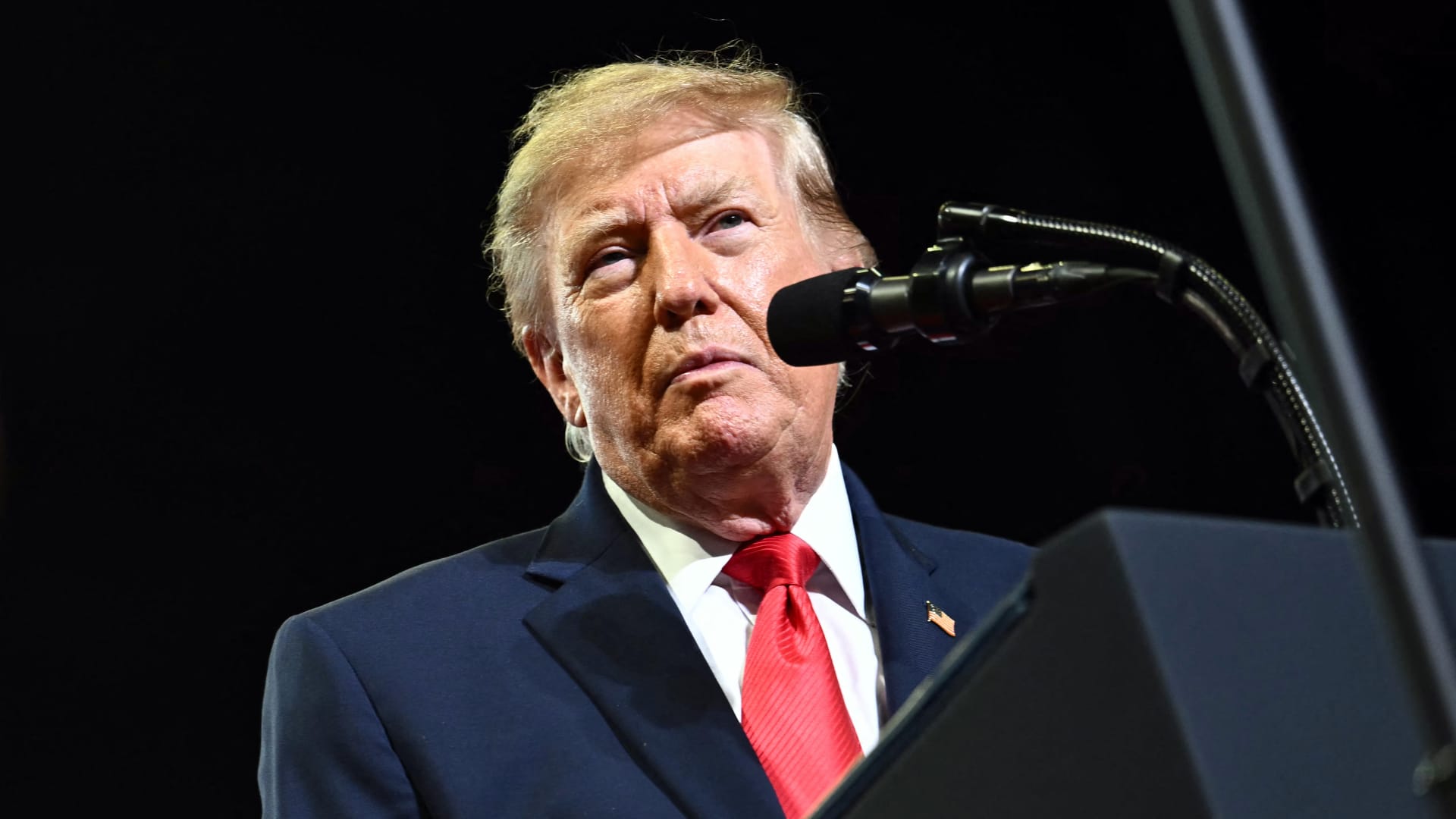
Diesel prices are surging as midterms approach – and they are likely to stay high in the near future, according to analysts.
The International Energy Agency’s monthly report for October, released Wednesday, was the latest to predict that constraints on the diesel market will likely keep prices elevated into next year. The group warned that even if refineries step up production of diesel into the year-end, inventories will likely remain strained until the second half of 2027.
Last Friday, President Donald Trump unexpectedly paused sanctions on Russian diesel fuel and announced that he reached a deal with President Vladimir Putin in which the Kremlin would release 4.8 million metric tons of diesel, or nearly 36 million barrels, to the global market.
Over the weekend, he took to Truth Social to announce an “energy ceasefire” between Russia and Ukraine, but Ukrainian President Volodymyr Zelenskyy later accused Russia of attacking the country’s energy facilities.
The foreign policy developments come as rising fuel prices — particularly skyrocketing diesel — have become a major flashpoint ahead of this year’s midterm election. But releasing Russian diesel to the global market is unlikely to drop prices in the near term. A note from Goldman Sachs last week even predicted that diesel prices will remain high through 2027 as refineries struggle to meet demand.
Here’s what the numbers tell us so far:
This content is blocked because you are not allowing cookies.
To view this content, click on Cookie Preferences here or at the bottom of the page to allow all cookies.
Wholesale diesel prices have more than doubled since the beginning of 2026 through the end of September as both the war in Iran and Russia’s war in Ukraine have dramatically cut global supply.
This content is blocked because you are not allowing cookies.
To view this content, click on Cookie Preferences here or at the bottom of the page to allow all cookies.
Trump has insisted that the war in Ukraine is to blame for high diesel prices. On July 8, Russia banned diesel exports after Ukraine struck its refineries. In the U.S., the price of a gallon of diesel rose nearly 40% between July 6 and Sept. 22.
This content is blocked because you are not allowing cookies.
To view this content, click on Cookie Preferences here or at the bottom of the page to allow all cookies.
However, the price of diesel had already jumped after the Iran war started and was still 20% above its prewar level when Russia instituted its export ban, making that tightening of supply feel that much more acute.
This content is blocked because you are not allowing cookies.
To view this content, click on Cookie Preferences here or at the bottom of the page to allow all cookies.
Indeed, both conflicts have created major ripple effects across global energy markets causing major swings, sometimes daily.
-
 Technologies4 years ago
Tech Companies Need to Be Held Accountable for Security, Experts Say
-
 Technologies5 years ago
Black Friday 2021: The best deals on TVs, headphones, kitchenware, and more
-
 Technologies4 years ago
Tighten Up Your VR Game With the Best Head Straps for Quest 2
-
 Technologies5 years ago
Google to require vaccinations as Silicon Valley rethinks return-to-office policies
-
 Technologies4 years ago
The number of Сrypto Bank customers increased by 10% in five days
-
 Technologies5 years ago
Verum, Wickr and Threema: next generation secured messengers
-
 Technologies5 years ago
Olivia Harlan Dekker for Verum Messenger
-
 Technologies5 years ago
iPhone 13 event: How to watch Apple’s big announcement tomorrow