
Technologies
If You’re Attending a Protest, Here’s How to Be Smart With Your Phone
Digital surveillance of your phone data poses a significant risk in any setting, particularly during demonstrations.
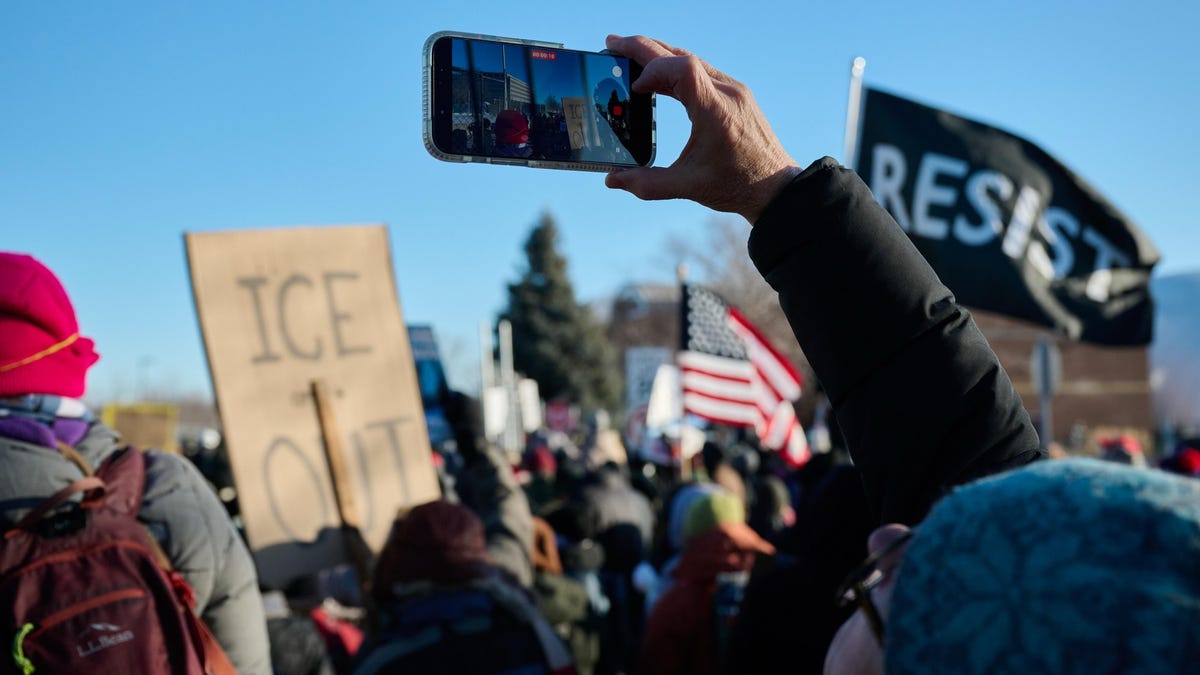
Your mobile phone is one of the most powerful tools you can bring to a protest, but it can also be one of your biggest vulnerabilities. This year has seen mass demonstrations across the US, particularly against aggressive immigration enforcement and the use of force by federal and local authorities — including the fatal shootings of Renee Good and Alex Pretti in Minneapolis — where protesters have used their phones to record video, document abuses and communicate with one another.
Phone data and use are increasingly being targeted by police and government agencies. Phones are also tracking devices that can be intercepted to monitor locations, match identities and surveil text messages (the FBI has threatened to investigate encrypted Signal chats, too). While the safest move is to leave your phone at home, that’s not always practical.
If you want to secure your phone’s data, limit your digital footprint and protect your privacy while exercising your constitutional rights, here are some steps you can take.
If you plan to protest or serve as a legal observer, here’s some advice from the American Civil Liberties Union and Amnesty International.
Make sure strong encryption is enabled
Your phone contains all sorts of information about you: your contacts, work address, photos, social media accounts, emails, stored financial information, etc. If your phone is confiscated, lost or stolen, you don’t want to make it easy for someone to grab that data.
As a first step, make sure your device is securely encrypted. Most iPhones and Android phones encrypt data automatically when you set a passcode. Make sure it’s a strong passcode (8-12 random characters).
On Android, go to Settings > Security & Privacy > Device Unlock > Screen lock (or similar, depending on which device you own).
On iOS, go to Settings > Face ID (or Touch ID) & Passcode and tap Turn Passcode On.
You can double-check that encryption is enabled after you’ve set a passcode. In iOS, go to Settings > Face ID & Passcode, then scroll to the bottom, where you should see the phrase «Data protection is enabled.»
In Android, head to Settings > Security & Privacy > More Security & Privacy (or similar, depending on your device), and look for an «Encryption & Credentials» line or similar that should confirm data is encrypted.
Turn off location settings
Location services allows apps and services to grab the phone’s location through GPS. Switching this off blocks that data from being accessed. You’ll find it in the Privacy & Security settings on the iPhone and in the Location settings on Android.
Turning off location services also prevents location data from being saved to any photos you take. You can also manually prevent photos you shot from including location information in their metadata, typically located in the camera app or within your phone’s settings.
In iOS, head to Settings > Privacy & Security > Location Services > Camera to toggle location metadata on or off.
On most Android phones, you can disable location data for photos right in the camera app. Open the camera, tap the settings icon, and look for Save Location (or a variation of that: Store Location Data, Location Tags), and turn it off.
Turn off scan-to-unlock and touch-to-unlock features
Biometrics make it easier to unlock your phone and provide security during everyday use, but if your phone is confiscated by law enforcement, they might try to compel you to unlock it using facial recognition or fingerprint readers.
This is a legal area that’s still being worked out, according to the Electronic Frontier Foundation, which states in its guide for attending protests, «using a memorized passcode generally provides a stronger legal footing to push back against a court order of compelled device unlocking/decryption.»
On an iPhone, go to Settings > Face ID (or Touch ID) & Passcode and turn off iPhone Unlock.
On Android, look for fingerprint or face unlock options in Settings > Security & Privacy or Lock Screen settings.
Quickly disable biometrics in the moment
What if you forgot to disable biometrics and you’re confronted with someone who tries to compel you to use them? There’s a quick workaround that forces you to use the passcode, even without resetting your phone (all phones require you to reenter your passcode upon reboot).
On an Android device, hold the power button and either the volume-up or volume-down button (depending on your device) and select Lockdown. You may need to specify that the Lockdown option appears. On a Samsung Galaxy phone, for instance, in the Lock screen and AOD > Secure lock settings, turn on the Show Lockdown mode option.
On an iPhone, hold the Sleep/Wake and Volume Up buttons for a second until you see the power, medical ID and Emergency SOS options. Then tap Cancel. The next unlock will require your passcode.
Remember that if you use this option, the biometrics are disabled only until the phone is next unlocked with the passcode. In a protest environment, it’s better to disable the biometrics as described above.
Turn off Bluetooth
Bluetooth, the short-range networking feature, is more commonly used to send music and podcasts to wireless headphones or communicate with smart devices like watches and fitness trackers. But it also reaches out to locators like Apple AirTags and checks for other nearby items.
Turn off cellular data when you’re not using it
Your phone sends and receives a lot of data in the background — such as checking for updates, sending and receiving text messages, and receiving app notifications — which requires it to maintain constant chatter with nearby cellular towers. That traffic can identify your approximate location or show that you (or at least your phone) were present at a protest later. (Note that turning off cellular data will interfere with any encrypted communications you may be using.)
While you’re disabling cellular data, you should also disable Wi-Fi. Not only can connecting to Wi-Fi networks reveal your location, but it’s also a battery drain, especially in high-density areas where there are a lot of networks.
Leave your phone at home, or get a burner phone
If you leave your phone at home, you won’t need to worry about all these settings. Another option is to get a prepaid burner phone to use only at the protest and then turn it off before you go home (so it cannot be traced back to you).
Don’t forget about other devices
Your phone might not be the only thing tracking you. Your smartwatch may connect to cellular networks or store location data, and portable trackers such as Apple AirTags are designed to relay their locations via Bluetooth. Consider putting your watch into Airplane mode and leaving the trackers at home.
Take photos and videos while your phone is locked
You’re likely to be using your camera a lot during a protest event, and in addition to disabling Location Services so the GPS data is not saved to the images, it’s a good idea to use the camera without unlocking the phone. That way, someone who snatches the phone from you while you’re recording can’t access your data.
iPhones and Android phones include this feature as a convenience to take pictures quickly. The camera is active, but the other phone features remain unavailable. From the iOS lock screen, press and hold the Camera icon or swipe from the right edge of the screen. Your model may also include a Camera Control button or an option to activate the camera using the Action button.
On an Android phone, look for a Camera icon on the lock screen. There may also be options for quick launching, such as double-pressing the power button.
And one last note about recording: Be mindful of taking photos of protesters’ faces and of sharing your images later, since law enforcement uses facial recognition technology to identify people in publicly uploaded or posted photos.
Technologies
Google’s Pixel 10A Is Coming to Japan With an Exclusive Blue Edition and Special Wallpaper
This model comes with creatively designed stickers and a special look for Pixel’s 10th anniversary.
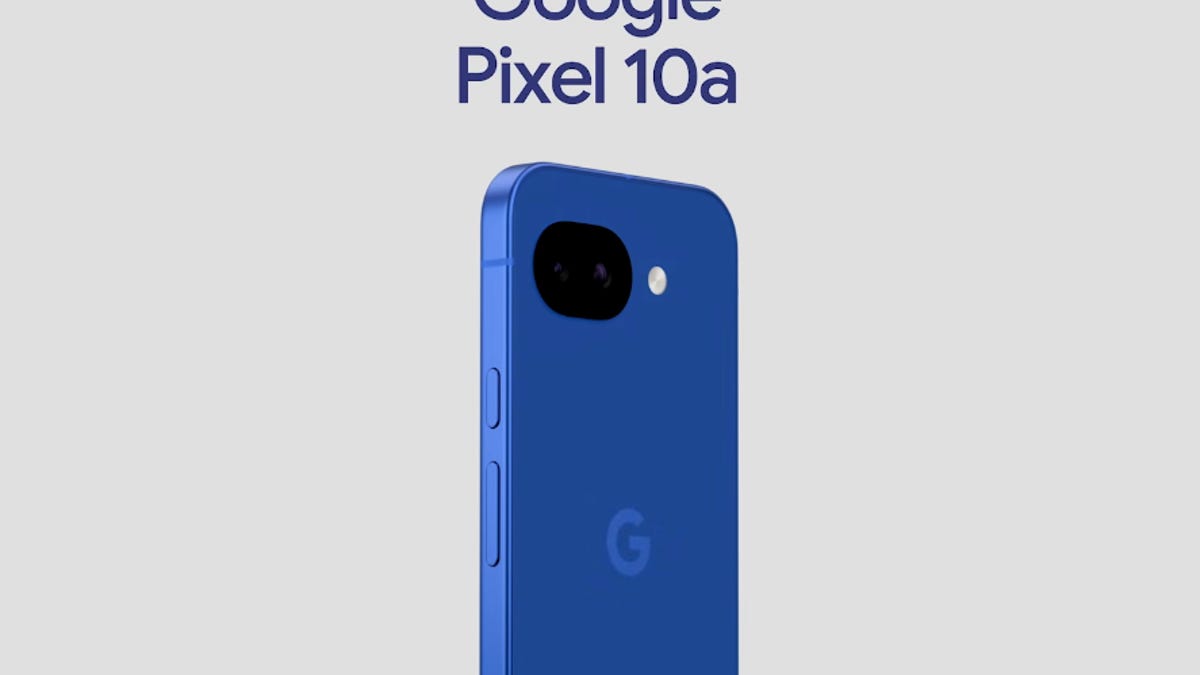
Don’t be blue: Google is releasing an Isai blue edition of the Pixel 10A to celebrate the Android phone line’s 10th anniversary, setting it apart with its own sticker set, specialized wallpaper and custom icons. But it’ll only be available in Japan.
Announced Tuesday on the Google Japan blog, the Isai blue Pixel 10A has a dark blue look and includes bonus decorations designed in collaboration with Japan’s Heralbony art company. These include an exclusive bumper case and stickers for customization.
This edition of the Pixel 10A will arrive in Japan on May 20, following the April 14 release of the Pixel 10A in its original colors of lavender, berry, fog and obsidian. The Isai blue model costs 94,900 yen, which roughly translates to $595, and includes 256GB of storage.
This makes it slightly less expensive than the US model’s 256GB edition, but it comes with a number of fun extras at no additional cost.
Google’s creation of a country-specific model for Japan may also reflect strong sales in that market. In 2023, the IDC analytics firm (via 9to5Google) reported that the Pixel 7 series accounted for 10.7% of the country’s market share, a 527% increase from 2022.
Technologies
Can’t Wait for New Emoji? Here’s How to Create Your Own on iPhone
Apple Intelligence-enabled iPhones can create custom emoji in a few easy steps.
Apple brought new emoji to all iPhones when the company released iOS 26.4 on March 24. The new emoji include «» orca, «» distorted face and «» hairy creature — or as we might normally call it, Sasquatch. According to Emojipedia, there are 3,953 emoji with more on the way, including a pickle. But there’s no emoji for a dog wearing pajamas, a plate with burgers and fries and many other things. But if you have Genmoji on your iPhone you can create these emoji and many more.
Apple released iOS 18.2 in 2024 and the company introduced its own emoji generator, called Genmoji, to Apple Intelligence-capable iPhones at that time. The Unicode Standard, a universal character encoding standard, is responsible for creating new emoji, and approved emoji are added to all devices once a year. With Genmoji, you don’t have to wait for new emoji to appear on your iPhone each year. You can just create them as you need them.
Read on to learn how to use Genmoji on iPhone to create your own custom emoji. Just note that only iPhones with Apple Intelligence, like the iPhone 17 lineup, can use Genmoji at this time.
Note: The new emoji may not display correctly for Apple users whose devices aren’t on a 26.4 software version.
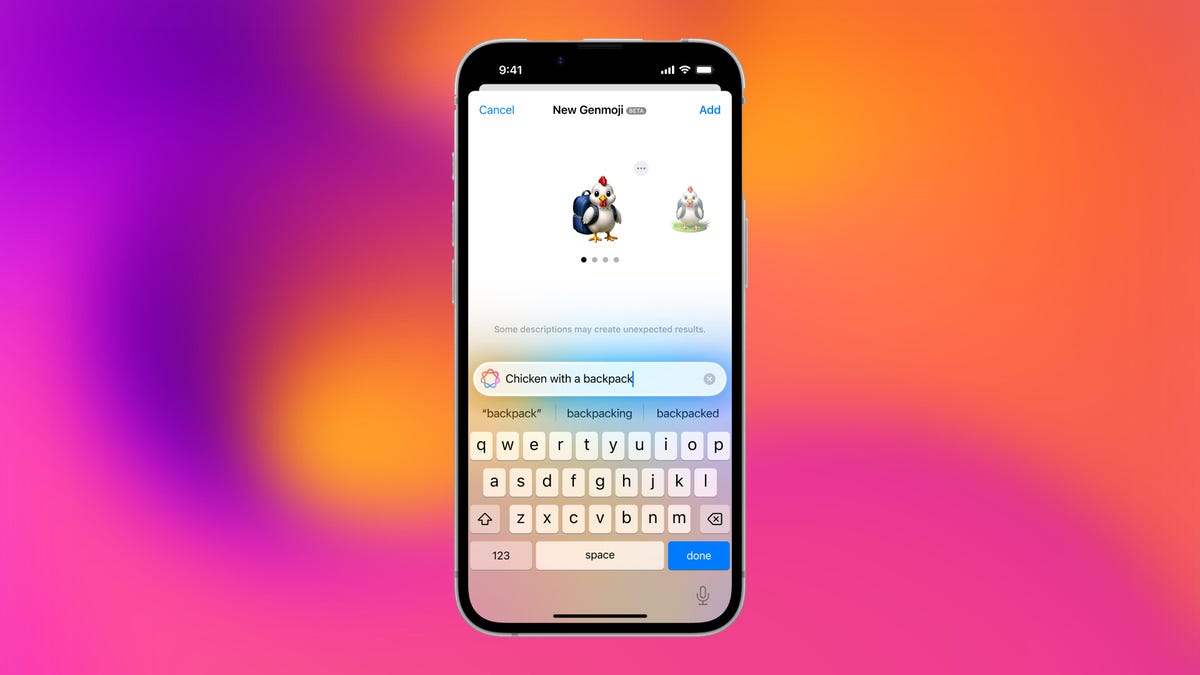
How to make custom emoji
1. Open Messages and go into a chat.
2. Tap the plus (+) button next to your text box.
3. Tap Genmoji.
You can then type a description of an emoji into the text box near the bottom of your screen and tap the check mark on your keyboard to enter that description into Genmoji. You can also tap different suggestions and themes that are right above the text box. And with iOS 26 or later, you can also combine and use emoji to create others rather than describing a new emoji or using suggestions.
Your iPhone will generate a series of new emoji for you to pick from according to your description, and you can swipe through these new emoji. When you find the one you want, tap Add in the top right corner of your screen and the new emoji will be available to use as an emoji, tapback or a sticker. Now you don’t have to wait for the Unicode Standard to propose, create and bring new emoji to devices.
For more iOS news, here’s what to know about iOS 26.4 and iOS 26.3. You can also check out our iOS 26 cheat sheet for other tips and tricks.
Technologies
Save Over 20% on This Handy 10,000-mAh Anker Nano Power Bank
Keep your devices charged on the go with this Anker Nano power bank, now down to just $46.
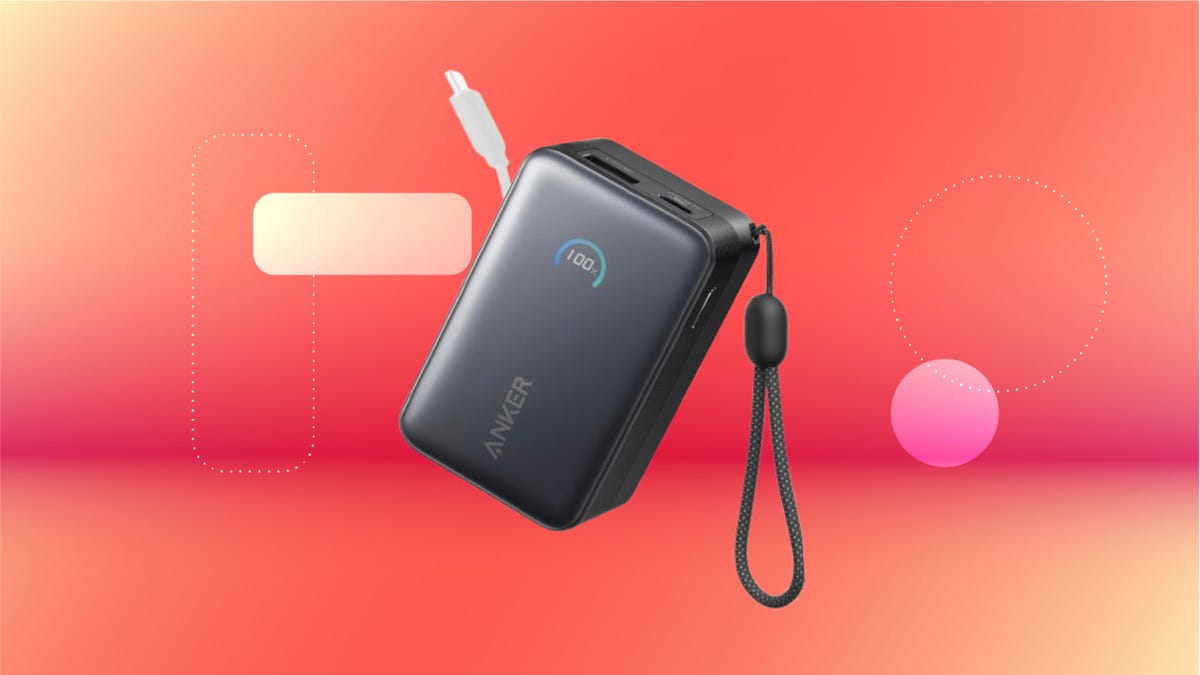
We’ve just spotted the Anker Nano 45-watt portable power bank for just $46 at Amazon right now. This saves you $14 — a 23% discount on its list price. Though it’s $6 more than the lowest-ever price we saw during Black Friday, it’s still a solid discount when you take the rising cost of tech accessories into account. It also matches the lowest price we’ve seen in 2026. It comes in four colors: black, green, pink and white. They’re all on sale for the same price.
This Anker Nano portable charger weighs approximately 8.2 ounces and measures a compact 3.21×1.99×1.42 inches. Despite its small size, it has a retractable cable and supports fast charging in compatible Apple, Samsung, Google Pixel and other smartphones. It also has a large 10,000-mAh capacity and a smart display so you always know how much juice is left in your power bank.
The Nano can charge an iPhone 17 to up to 50% battery in an estimated 20 minutes, and is powerful enough to charge tablets and laptops. Need to charge your devices while charging your power bank? You can do so safely thanks to pass-through charging so you’ll never have to go without battery life.
We’ve also compiled a list of the best power banks for iPhones and for Android, in case this deal isn’t quite a fit for you.
Why this deal matters
If you travel, have a long commute time or are otherwise always on the go, a portable charger can help you keep your devices fully powered. This 45-watt Anker Nano power bank is compact, includes a loop that lets you keep track of it easily and has a built-in cable so you don’t have to keep up with extra cords. Amazon’s $14 discount makes this a solid deal for anyone looking for a compact power bank.
-
 Technologies3 года ago
Tech Companies Need to Be Held Accountable for Security, Experts Say
-
 Technologies3 года ago
Best Handheld Game Console in 2023
-
 Technologies3 года ago
Tighten Up Your VR Game With the Best Head Straps for Quest 2
-
 Technologies4 года ago
Black Friday 2021: The best deals on TVs, headphones, kitchenware, and more
-
 Technologies5 лет ago
Google to require vaccinations as Silicon Valley rethinks return-to-office policies
-
 Technologies5 лет ago
Verum, Wickr and Threema: next generation secured messengers
-
 Technologies4 года ago
Olivia Harlan Dekker for Verum Messenger
-
 Technologies4 года ago
The number of Сrypto Bank customers increased by 10% in five days