
Technologies
Here’s Why You May Still Need a Landline
If you’ve still have your old cordless phone, it could be the only thing keeping you connected to the world in the event of massive mobile network outages.

Massive mobile network outages can leave you stranded without one of your most critical lines of access to the world for hours. And if your smartphone can’t make phone calls, what good is it during an emergency?
An AT&T outage last year, for instance, disrupted services for more than 12 hours in many of the most populous cities in the US, while a Verizon outage caused some phones to remain stuck in SOS mode for a significant part of the day. These outages served as a reminder of the perils of relying only on mobile phones.
Perhaps it made you reconsider the role of a home device that was once standard issue but is now nearly obsolete: the landline telephone. Here’s what to consider when deciding whether to keep (or get) a landline.
Don’t miss any of our unbiased tech content and lab-based reviews. Add CNET as a preferred Google source.
Remember the landline?
Landlines are telephones that connect to specialized wiring in our homes. The iconic image is that of a rotary-dial phone — usually rented from the phone company — that either hung on the wall or sat on a counter or table, though push-button and later cordless landlines replaced many of those oldsters in the 1980s. Landline phones connect to one another through a global communication network that was built over more than a century. But as cellphones became broadly available and affordable, many people chose to drop their landlines altogether.
A 2022 survey by the US Centers for Disease Control and Prevention found that only about 29% of US adults lived in a house with a landline phone, down from more than 90% in 2004. The crossover happened 10 years ago in 2015, which was also when smartphone sales entered a boom period that reshaped the tech industry and helped turn iPhone maker Apple into one of the world’s most highly valued companies.
Ann Williams is one of the folks who hasn’t given up on their landlines yet. When asked why she keeps hers around, she describes moving to Huntsville, Alabama, after a tornado outbreak on April 27, 2011, when dozens of twisters killed at least 250 people and knocked out power for days. Although she moved there after the tornadoes, hearing about the event brought home to her the importance of always needing a phone connection.
“The weather here is so unpredictable,” she told me in an interview. But landlines have dedicated power and often work even in an outage. “We remember a day when it was absolutely necessary to have (the landline),” Williams said.
What makes landline phones more reliable
Landline phones operate on a separate infrastructure, built from copper phone lines that are inexpensive to build and rather reliable. They also don’t have the drawbacks of cellular networks, like dropped calls, poor and distorted quality or weak reception.
A key reason people keep landlines around is that they tend to work even during power outages, which is a big plus for folks whose work involves emergency services, business or health care.
Analog fax machines are also built around landline phone systems, which means most hospitals and doctors’ offices, as well as policy and law offices, need to keep a landline connection running.
The downsides of landlines
The US Federal Communications Commission is phasing out requirements for phone companies to provide landline services (called Plain Old Telephone Service) across the country. As a result, more homes and business offices are being built with Ethernet jacks rather than phone jacks.
Landline phone connections aren’t cheap, either. CNET corporate cousin AllConnect notes that AT&T’s traditional home phone plan starts at $48 per month, and you have to use the company for internet, too. CenturyLink is cheaper, starting at $30 per month, and Spectrum will charge as little as $20 per month.
And not all landlines use copper phone lines. Increasingly, companies are piggybacking their phone systems on their internet connections, a service called Voice over Internet Protocol, or VoIP. AllConnect currently tracks only three service providers offering old-style landlines: CenturyLink, Comcast Xfinity and Cox.
How to get a new landline service
If you’re ready to get set up with a landline, call the local phone company and ask about phone services. If you live in an apartment building, it’s important for you to find out where the phone junction box is. Typically, the landlord should know and if not, the local phone company should be able to find it.
Here are some follow-up questions you want to ask, and what to look for in the answers:
- Are the landlines VoIP or are they POTS? Ideally, if you’re looking for security and reliability, POTS is what you want. VoIP can work, but understand that it likely relies on your internet modem and connection to work.
- If VoIP, does the company have backup power systems to ensure the voice line works in a power outage? Most companies sell backup batteries that you can buy directly from them. You can use an uninterrupted power supply, perhaps from CyberPower or APC. Do note that these are different from portable power supplies. Portable power supplies do allow you to stay electronically powered on the go, but those aren’t meant to continuously monitor for power outages and then kick in as needed.
- Typically, local calls are free, but dialing out of your area code costs. What’s the rate structure? Companies like AT&T have various extra fees they charge for nationwide calls, as well as for international long-distance calls. Long-distance calls in particular are usually charged per minute, and companies don’t always publish that information on their websites. Make sure you know what it’ll cost, and if it’s too much, consider using a chat app like Signal, WhatsApp, Google Meet or Apple FaceTime for your long-distance calls instead.
What should you do with a landline phone?
If you have a landline but leave it languishing, just sucking money out of your bank account each month, you aren’t alone. But there are some ways to make it more useful.
Google Voice is a popular option that gives you a new phone number acting as a central hub. When someone calls, Google Voice rings all the phones you’ve connected, whether it’s a home landline, a cellphone, a work phone or anything else.
There are other such services too, including Zoom and RingCentral, if you don’t like working with Google.
A landline phone can also connect with home security systems and medical alert sensors to help ensure that if you’re in an emergency, help will be there as soon as possible.
What to do if you can’t get a landline connected
If you’re ineligible for a landline or don’t like the service being offered, you do have more options from satellite providers. Companies such as HughesNet and SpaceX can support VoIP over their internet connections.
Phone-makers like Apple are also slowly building satellite messaging into their devices. The iPhone 14, which debuted in 2022, has a feature called Emergency SOS, which can connect with a satellite to send location data to your friends or an emergency text to authorities.
Technologies
Inflation concerns increase as Fed survey reveals one‑year outlook at peak level not seen since May 2023
Inflation concerns rose in September, pushing the New York Fed’s one‑year inflation outlook to 3.9% – its highest level since May 2023. Household spending expectations also climbed to 5.5%, while longer‑term inflation forecasts remained relatively stable.
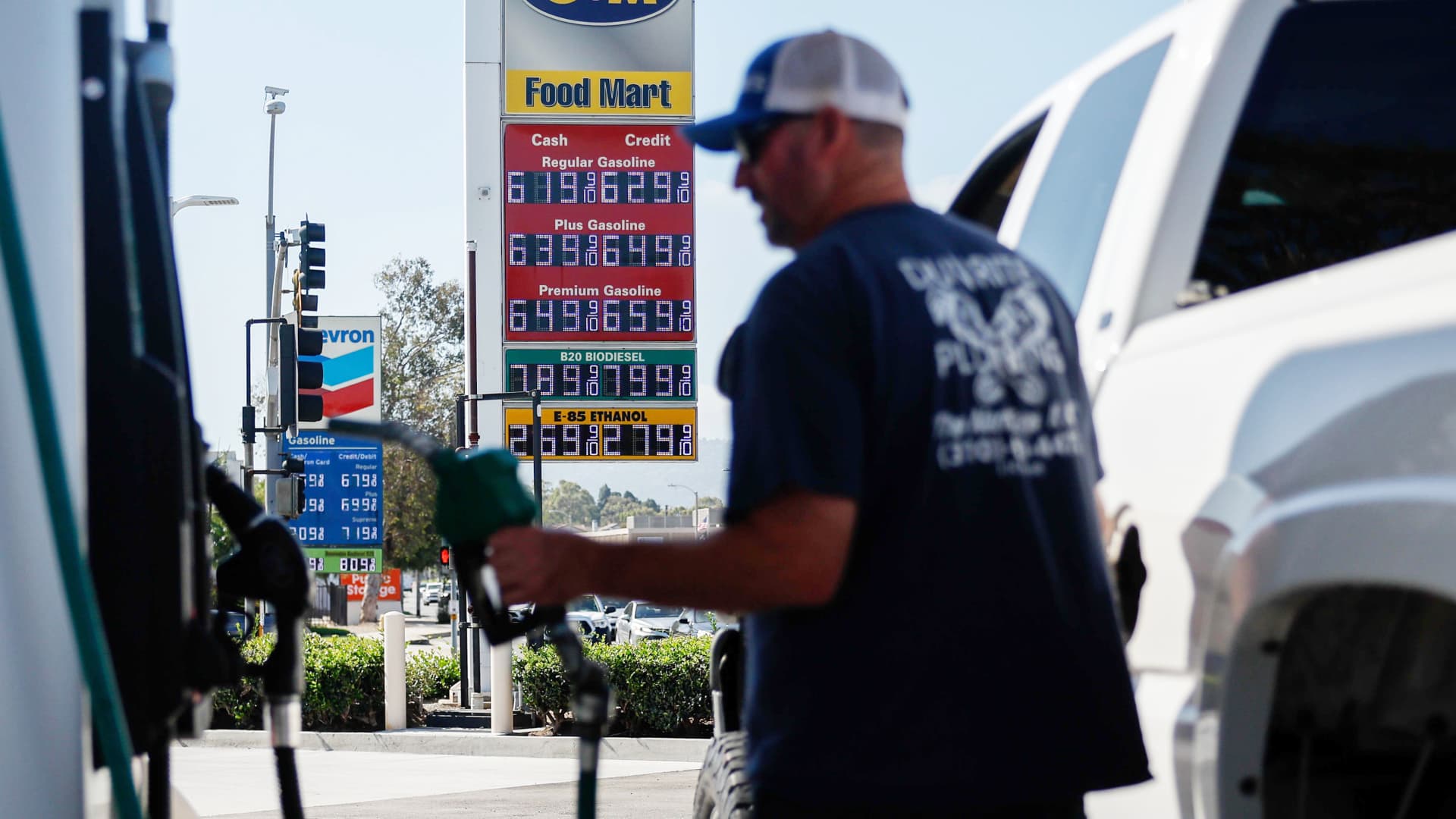
Inflation worries grew in September, driving the near‑term expectation in the New York Federal Reserve’s monthly poll to its highest point in roughly three and a half years.
The Fed’s Survey of Consumer Expectations showed that the median forecast for inflation over the next twelve months rose to 3.9%, up 0.3 percentage point from August and the highest since May 2023, when it stood at 4.1%.
The same survey indicated that household spending growth is anticipated to reach 5.5%, also up 0.3 point month‑over‑month and the highest level since May 2023.
These results emerge as Fed officials debate the appropriate stance for monetary policy while inflation remains well above the 2% target.
Markets largely anticipate that the Federal Open Market Committee will hold benchmark rates steady at its October meeting. August inflation came in below expectations according to the Fed’s preferred gauge, and several officials, including New York Fed President John Williams, have suggested policymakers can afford to take their time when deciding on interest rates.
Looking further ahead, the survey found longer‑term expectations are more stable: the three‑year forecast edged up 0.1 point to 3.3%, while the five‑year outlook held steady at 3%.
Market‑based gauges, however, are less optimistic. The breakeven inflation rate, a closely watched bond indicator, places the five‑year outlook near its yearly high at 2.35%. Treasury yields have surged in recent weeks to levels not seen since the early 2000s.
Fed officials view inflation expectations as a key driver of actual inflation.
Energy price pressures remain central to the inflation story. Gasoline prices climbed almost 4% in August alone, per the Bureau of Labor Statistics, and fuel oil jumped more than 10%.
At the consumer level, utilities have sought $23.1 billion in rate increases so far in 2026, according to PowerLines, a nonpartisan consumer advocacy group. The third quarter alone accounted for $4.5 billion of those requests, the largest quarterly total on record. The New York Fed survey also found that consumers expect gas prices to rise 4.8% over the next year, up 0.2 point from August.
While investors hope the Fed will keep rates unchanged at its next meeting, they are pricing in a considerably tighter policy stance further out. Fed funds futures imply a rate of 5.58% in five years, whereas the current target range sits between 3.75% and 4%.
Correction: PowerLines is a nonpartisan consumer advocacy group; an earlier version misspelled its name.
Technologies
Tanker Attacks Surge to Wartime Levels in Strait of Hormuz as Iran Escalates Efforts to Disrupt Oil Exports
Tanker attacks in the Strait of Hormuz have reached wartime highs as Iran escalates efforts to disrupt oil exports amid rising maritime risks.

Oil tankers navigating the Strait of Hormuz are facing near-daily attacks as Iran intensifies its operations aimed at disrupting a recovery in crude oil exports.
During the week ending October 4, eleven tankers were targeted while transiting Hormuz—the highest number of assaults on commercial vessels since the conflict began in late February, according to data from the International Maritime Organization (IMO), a United Nations agency. An additional five tankers have been struck this week.
Twelve sailors were injured on Monday when a projectile hit their tanker as it passed through Hormuz. The injured crew members are Indian nationals, and the vessel, named On Peace, is registered under the United Arab Emirates, according to the maritime security company Marisks.
“These activities underscore Iran’s determination to assert its influence over critical sea routes and sustain pressure on ships passing through,” the Joint Maritime Information Center cautioned in a notice issued Thursday. This center, a coalition of U.S. allies led by military forces based in Bahrain, tracks maritime threats in the area.
A senior official from Iran’s Revolutionary Guard Corps declared on Wednesday that Tehran will shut down all “unauthorized pathways” through Hormuz, as reported by Fars News Agency, which is viewed as aligned with the Guard.
The spike in tanker attacks coincides with a revival in Middle Eastern crude exports during September, returning to levels seen before the war—largely attributed to U.S. naval escorts guiding vessels through Hormuz via a corridor near Oman’s coastline.
“Cargo is still moving, but it’s doing so amid exceptionally dangerous maritime conditions,” noted Michelle Wiese Bockmann, a senior maritime intelligence analyst at Windward, a firm specializing in risk assessment and surveillance.
At least nine seafarers have lost their lives in ship attacks since July, according to the IMO.
“This cannot become the new standard,” stated Richard Meade, editor-in-chief of the shipping trade publication Lloyd’s List, during a briefing on Thursday.
On Thursday, U.S. Central Command provided updates to shippers regarding the situation in Hormuz. In a statement issued Wednesday, Centcom confirmed that 20 million barrels of crude had successfully transited the strait, countering Iranian assertions that the passage was closed.
Recently, oil shipments have declined as attacks have escalated. Crude exports through Hormuz averaged 8.5 million barrels per day for the week ending Wednesday—roughly 40% lower than pre-war norms, according to Kpler data released Friday. Overall Middle Eastern shipments stood at 15.3 million barrels per day, down 10% compared to pre-war figures.
Iran itself has not exported any crude oil since late August due to the U.S. naval blockade imposed on the Islamic Republic, according to Kpler.
Tehran has extended its operations further into the Persian Gulf, with the Revolutionary Guard warning that it will not limit its actions to Hormuz alone. The Guard stated it would target any vessels violating Iran’s transit regulations across the broader region, as reported by state media outlet Tasnim.
A tanker was struck by multiple projectiles off the coast of Qatar on Wednesday, causing casualties, according to a British maritime security organization monitoring Gulf conditions.
Additionally, another tanker, Gem No. 2, was hit by a projectile on Friday near the UAE coast, triggering a fire onboard. The vessel departed from Ras Tanura, Saudi Arabia, in March and has remained within the Persian Gulf since the war began, according to Marisks.
Since the onset of the Iran conflict in late February, at least 24 sailors have died in attacks on 100 commercial ships across Hormuz, the Persian Gulf, and the Gulf of Oman, according to the IMO.
Technologies
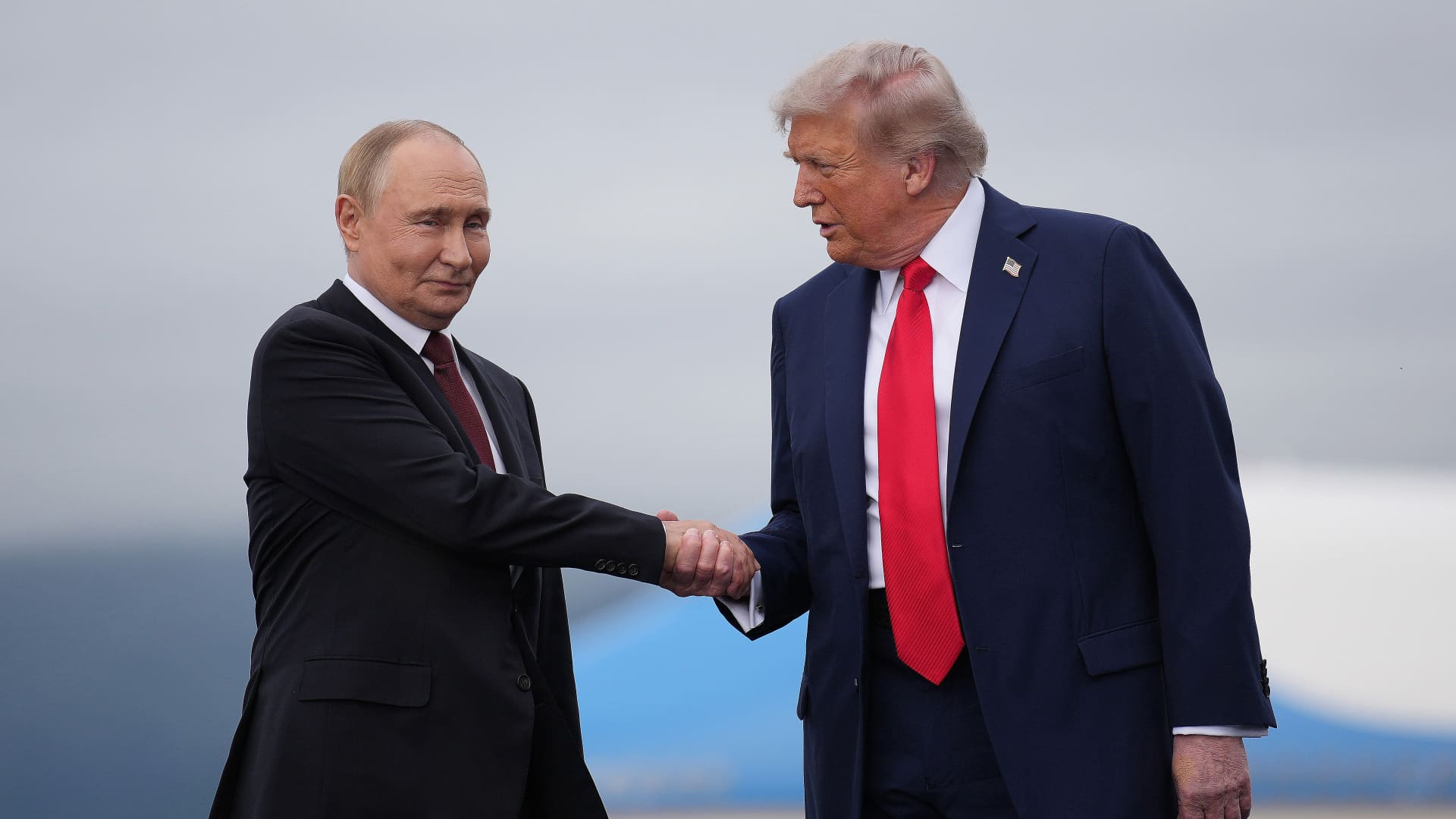
Trump strikes deal with Putin to supply Russian diesel to U.S. and global markets
This site is now part of
Versant
. By continuing to use this service, you agree to our
Terms
. You also acknowledge that our updated
Privacy Policy
applies, including to your existing data. For details on your data rights, click
here
.
On this service, we and our vendors…
This site is now part of
Versant
. By continuing to use this service, you agree to our
Terms
. You also acknowledge that our updated
Privacy Policy
applies, including to your existing data. For details on your data rights, click
here
.
On this service, we and our vendors use cookies and other tools (“Cookies”) to store and access information on your device, such as device identifiers, IP address, and your browser type. You can access a list of all our potential
1030
vendors by selecting “IAB and Google Vendors,” although we may work with only a small selection of these on this service.
Your data may be used to save and communicate your privacy choices; ensure security, prevent fraud, and debug our products and services; personalize advertising and content; for advertising and content measurement; to conduct audience research and services development; so we can improve our services and develop new ones; to match and combine offline data with your online activity; and for social features.
We may share this data with select vendors with your consent.
Click “I Accept”, to consent to our use of these Cookies or “Reject All” to reject our use of these Cookies. Click “Manage Choices” to set your preferences.
If you previously made choices with respect to Versant’s use of Cookies on this browser and device, you will need to update them. You can adjust your choices any time through the “Cookie Preferences” link in the footer of relevant Versant sites or in-app settings.
Visit our
Cookie Notice
and
Privacy Policy
to learn more.
We will also use other Cookies that are essential or related to our services, including for security and fraud prevention.
-
 Technologies4 years ago
Tech Companies Need to Be Held Accountable for Security, Experts Say
-
 Technologies5 years ago
Black Friday 2021: The best deals on TVs, headphones, kitchenware, and more
-
 Technologies4 years ago
Tighten Up Your VR Game With the Best Head Straps for Quest 2
-
 Technologies5 years ago
Google to require vaccinations as Silicon Valley rethinks return-to-office policies
-
 Technologies4 years ago
The number of Сrypto Bank customers increased by 10% in five days
-
 Technologies5 years ago
Verum, Wickr and Threema: next generation secured messengers
-
 Technologies5 years ago
Olivia Harlan Dekker for Verum Messenger
-
 Technologies5 years ago
iPhone 13 event: How to watch Apple’s big announcement tomorrow