
Technologies
Call of Duty: Black Ops 7 Review: A Big, Messy Experiment That Doesn’t Pan Out
The latest Call of Duty fumbles its much-anticipated campaign, while zombies and multiplayer modes retain the status quo.
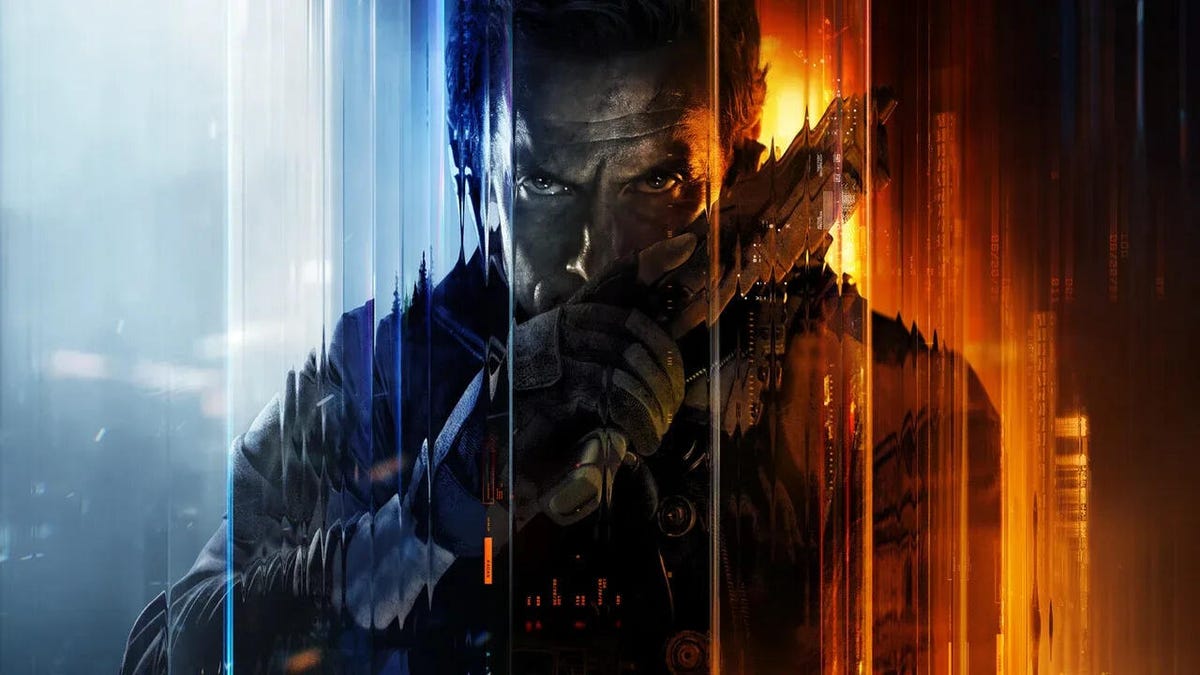
Developers Treyarch and Raven Software are drawing water from a nearly empty well with Call of Duty: Black Ops 7. The newest entry in the long-running franchise is a direct sequel to Black Ops 2, a game released more than a decade ago.
If you haven’t played that game, you’ll probably be able to follow along with Black Ops 7’s story just fine. It’s a shallow adventure about shadowy criminal groups and false flag attacks that focuses more on tying Black Ops 2 and Black Ops 6 together than telling a coherent tale of its own.
Last year’s Black Ops 6 was a genuinely entertaining Cold War-era supersoldier thriller that reinvigorated the series. But Black Ops 7 is cerebral and recursive, an ouroboros of nostalgia attempting to capitalize on warm feelings for Treyarch’s long-running franchise by placing old characters in wacky situations that feel like a horrible game of Mad Libs. The game is a complete misfire that doesn’t understand what makes the predecessors it’s pilfering from great in the first place.
There are glimmers of hope in the latest iterations of the multiplayer and zombies modes, as a handful of loadout changes and bigger maps shake up the gameplay in a real way. Nothing feels fundamentally different from last year’s release, though, and Black Ops 7 simultaneously manages to feel like a rote reproduction and a step down from Black Ops 6.
For the love of god, stay away from the Co-Op Story Campaign
Call of Duty’s single-player campaigns have never been high art. This is a series of video games that roleplay as action movies, full of thinly veiled American military propaganda. Occasionally, a generic army man mourns the death of another main character, and you feel something approaching a flicker of sadness (which is then snuffed out in a hail of gunfire moments later).
These campaigns often fail to connect on an emotional level, but they’re reliable thrill rides through and through. It’s cathartic to throw caution to the wind in order to gun down mooks, rain helicopters from the sky and take down the «bad guy of the year.»
Black Ops 7’s Co-Op Campaign fails on the most basic level: It’s not even gratifying to blast apart baddies throughout the game’s 11-mission-long story, because everything feels painfully goofy. The narrative rushes headlong into the Black Ops series’ worst mistakes time and time again.
Taking place a decade after the end of Black Ops 2, it would’ve made sense for Black Ops 7 to explore ramifications from the game it’s following up on: a world fractured by the death of a martyred terrorist and social media revolutionary. Instead, the main objective of the player’s four-person squad is to prevent a criminal organization known as The Guild from deploying its fear toxin MacGuffin (the same bioweapon at the center of Black Ops 6’s story) around the world.
Black Ops 7’s campaign is split between open-world operations in the Mediterranean city-state of Avalon and literal nightmare sequences remixing story beats from prior Black Ops games, and neither one of these types of missions is particularly good.
Avalon is a pretty but relatively empty in-game area, which makes driving or wingsuiting hundreds of meters to reach the next burst of action feel tedious and frustrating. Approaching from different angles doesn’t feel like it makes a tangible difference, since stealth isn’t a truly viable option. These missions are a misguided attempt to introduce players to the map for the new co-op Endgame mode, but they just end up being a frustrating waste of time.
Yet the open-world missions are still preferable to the dream sequence missions, because I’d rather feel frustration than secondhand embarrassment. Since the good guys spend the entire length of the story dosed with a powerful hallucinogenic bioweapon, they frequently have to delve into their fractured psyches to battle physical manifestations of inner trauma.
This is a total train wreck for multiple reasons. We only know the main character, David Mason (played by Milo Ventimiglia, who turned in a surprisingly flat vocal performance), and Harper (played by Michael Rooker, who spun straw into gold with an awful script), from one prior game — 2012’s Black Ops 2. But we don’t know them well enough to truly care about their baggage. The other half of the squad is composed of new, one-note characters who don’t get proper characterization and likely only exist to round out the multiplayer operator roster.
Nothing in the way this narrative is delivered makes me care about these characters’ thoughts, feelings and memories. It’s still an action movie, but it’s full of nauseating melodrama and silly boss fights. Rehashing the Vorkuta prison escape from the original Black Ops game with zombies isn’t cool — it just makes me want to play an older Call of Duty game.
And if my internet goes down for whatever reason, that’s just what I’ll have to do. There’s no offline mode for Black Ops 7 due to the fact that the campaign grants account experience points (an absolutely piddly amount, by the way) that contribute to leveling up and unlocking things in multiplayer. Even when you turn off squad fill matchmaking to play alone, you’re at the mercy of the Call of Duty servers. It’s a surreal experience to be playing a story mission with no allied nonplayable characters, only to get a high latency warning and start rubber-banding around the room.
Frankly, it’s unacceptable for this to be the new status quo for a $70 game released as part of one of the most successful video game series of all time. The ability to pause a mission has been completely disabled, so that publisher Activision can keep people engaged by unlocking more calling cards and weapon camouflages.
After the campaign is wrapped up, players can try out a new repeatable co-op mission: Endgame. This mode drops players into the open world of Avalon to take on key assignments, get stronger and extract with loot. Those new weapons can be brought back into Endgame on subsequent runs until you’re ready to take on a boss alongside other players.
I’ll hand this much to Treyarch: Endgame is conceptually exciting. The popularity of the recently released ARC Raiders proves that folks are looking for some type of cooperation in the extraction shooter space — but Endgame is not going to be the next big thing. Instead of ARC Raiders’ genuinely frightening robot enemies, the only thing scary about Black Ops 7’s enemies is how stupid they all are. There’s no player-versus-player element to keep you on your toes, and the biggest challenge in Endgame is navigating the frequent crashes to the main menu that wipe all of your character progress. If you can get Endgame to work consistently, you’ll come to find that the mode is full of repetitive mini-missions and not much else.
Multiplayer mostly replays Black Ops 2’s greatest hits, and that’s OK
Multiplayer is the make-or-break mode for any Call of Duty game. It’s the sole reason why most folks drop $70 on this series every year, so there has to be a solid framework in place for the game to grow over the next 12 months.
And to Black Ops 7’s credit, the fundamentals here mostly feel OK. Weapons feel impactful and punchy, and some of the Black Ops series’ best three-lane maps make a comeback. The new Overload playlist is reminiscent of «capture the flag,» which is great for competitive play.
The best changes to Black Ops 7 multiplayer tweak the loadout system, allowing players to apply special augments to their equipment slots and synergize perk slots to unlock special buffs. None of the changes are complex, but they add some simple strategy that creates an appreciably deep layer to the gameplay.
While most of the larger new maps don’t feel fantastic to play on (there are too many open areas, and I’ve had enemies spawn in looking directly at me), there are some real pulse-pounding meat grinders that feel just right in Black Ops 7’s standard six-versus-six playlists. I’ll never back out of a game when the map pick is Flagship, because running and gunning while mantling around a hulking naval vessel and the surrounding shipyard is the quintessential Call of Duty experience.
Classic Black Ops 2 map remasters are as good as ever. Raid, Express and Hijacked are some of the gems that pioneered the mapmaking formula that Treyarch still employs today, and playing on these maps feels great 13 years after they were initially created.
Much like with its fumbled single-player campaign, however, Black Ops 7’s biggest swing for multiplayer is a complete whiff. The largest addition is a new 20-versus-20 objective-based mode called Skirmish. Could Call of Duty be angling to pull away Battlefield players during the same year that Battlefield 6 sang its sweet siren song? I was briefly intrigued by the promise of large-scale battles, but my hopes were quickly dashed.
Skirmish is a chaotic disaster that haphazardly tosses Warzone elements around in an attempt to achieve its desired effect. Vehicles and armor plates are inoffensive enough, but the real problem is that players just wingsuit back into the map a couple of seconds after being eliminated.
I’m sure Treyarch intended for players to drop in on the active objective and battle over important parts of the map, but too often players will just fly to rooftops behind their enemies and lord over the shooting gallery. I don’t think I’ve ever been shot from behind or above as many times as I have while playing Skirmish — everything is disorganized and there is no frontline to the battle. The six-versus-six playlists offer similarly speedy gameplay but fairer fights, which leaves me scratching my head and wondering who Skirmish was designed for in the first place.
Zombies mode is rotting away: It’s just more of the same
If you’re a fan of Black Ops 6’s zombies mode, you’ll probably be happy with Black Ops 7. The new game follows in the footsteps of its predecessor, continuing the Dark Aether storyline with a new round-based survival map.
The launch map, Ashes of the Damned, feels like a modernized version of Black Ops 2’s Tranzit map, bringing back the concept of driving between main hubs of zombie-slaying action but giving the player complete autonomy over where they head next.
New wonder weapons, zombie types and a lengthy story easter egg help make Ashes of the Damned feel fresh for a while, but that novelty is sure to wear off. The map is fairly wide open, and it’s easy to maneuver around zombies, so it becomes more of a chore than a challenge to go for a high score.
And there’s the bad news: While this map is pretty good, Black Ops 7 zombies mode has no other offerings at launch (the standalone survival map, Vanhorn Farm, is just a breakaway chunk of Ashes of the Damned). Most other Call of Duty games ship with at least two zombies maps, and the absence of a smaller, faster-paced experience like Black Ops 6’s Liberty Falls is already starting to dim my interest in the mode.
It’s not all bad, though. There are a couple treats in store for Call of Duty zombies veterans. A new Cursed mode reintroduces some of the classic mechanics, doing away with armor plates at the beginning of the game, restricting loadouts and rewarding players with points each time they shoot a zombie. These rules make zombies feel a little dangerous again, which is a welcome change since Call of Duty: Cold War trivialized the mode’s difficulty.
I’ve been burned by so many Black Ops 7 game modes that I’m confident my favorite addition isn’t even a first-person shooter playlist at all. The latest entry in the Black Ops series reintroduces Dead Ops Arcade, a zombies-themed twin-stick shooter with its own set of power-ups and minigames. It’s nice to kick back and mow down hordes of zombies from a bird’s-eye viewpoint for a change, especially since this is the one mode that doesn’t force a slurry of unlockable equipment, weapon camouflages and suspiciously generative AI-looking calling cards down your throat.
Content for content’s sake is not a good design philosophy
Call of Duty: Black Ops 7 is a decently enjoyable video game. The series’ reliable, fast-paced arcade gunplay is firing on all cylinders this time around, and there’s more content than ever before for players looking to unlock weapon camos and check off challenges.
But this is maybe the most deeply cynical Call of Duty game yet. The single-player mode has been sacrificed on the altar of constant progression and turned into another bland, repetitive activity that yields player experience points. Multiplayer and zombies modes remain largely unchanged from Black Ops 6: New maps, scorestreaks, weapons and equipment provide a change of scenery, but the flow of gameplay hasn’t been fundamentally altered.
The game is one big dopamine-drip hamster wheel, wherein the purpose of playing is not to have fun, but to drive numbers ever higher. More so now than ever before, Black Ops 7 inundates the player with experience points, weapon levels and camouflage skins, a constant barrage of flashy new bits and bytes that keep you hooked on fluff.
Black Ops 2, released way back in 2012, stands tall as arguably one of the best Call of Duty games in the series’ history. This direct sequel is a sanitized, sanded-down product that has truly lost touch with its roots.
Technologies
Did You Download the White House App? Here Are Its Hidden Security Risks
Cybersecurity researchers have serious concerns about how the app was built.

The White House mobile app has been available for both Android and iOS users for over a week now, and the Trump administration is proudly touting that the app has received 2 million downloads on the White House Instagram page. However, the app’s threats to your personal data, online security and privacy concerns make it something you should think twice about downloading.
The White House announcement says the app’s goal is to deliver «unparalleled access to the Trump administration.» However, there are many security concerns, including location tracking and sketchy features. The White House has not responded to a request for comment.
The big question is, should you download it? I don’t recommend it. Here’s why.
What’s in The White House App?
When I downloaded it soon after its release, the app opened with music and a brief collage video of President Donald Trump. It has pages on affordability, including the prices of things like eggs and milk (but not gas). There’s an overtime calculator. And there are links to articles from Trump’s favored news outlets, like Fox News and Newsmax, along with White House press releases.
The app also features livestreams and videos of press briefings, links to the White House’s social feeds and photos of the president.
Why I deleted The White House app so fast
Behind all those tabs are hair-raising privacy and security issues that have the internet and experts alarmed.
One X user, @Thereallo1026, decompiled the White House app and blogged about it, reporting that the Android app tracks your location as often as every 4.5 minutes and shares a lot of other information, like your notifications and perhaps even your phone number, with a third-party server.
Another red flag is that the code for YouTube embeds comes from a personal GitHub account. Thereallo said that if that GitHub account gets compromised, it can affect every user of the White House’s app.
Another cybersecurity researcher, Atomic Computer Services, posted similar concerns about the iOS app. The researchers found that the app reported to the App Store that it did not collect location data, when in fact it included the capability to do GPS tracking. It’s unclear whether that tracking actually happens, but the code is there, Atomic Computer said.
Other concerns identified by Atomic Computer included the removal of privacy consent banners from third-party content viewed in the app and minimal security protections. «We’ve audited apps for startups with three employees that had better security than this,» Atomic Computer wrote.
Pieter Arntz, a researcher at the cybersecurity software provider Malwarebytes, said in an email to CNET that the White House app relies heavily on third-party sources for things like notifications and widgets.
«In practical terms, that means external providers can influence what data is collected and when features like location‑based messaging are enabled, because much of that logic is configured on their servers rather than baked into the app code itself,» Arntz said. «For a high‑profile government app, the more these decisions sit with outside companies, the harder it is to guarantee strict data‑minimization and full transparency to users about how their information is handled.»
Government-sponsored apps to inform people are commonplace, but this one poses significant risks, experts said. A spokesperson for the Center for Democracy and Technology, which advocates for transparency and privacy in government technology, told CNET that «mobile apps can be a helpful tool for making government more accessible. But this administration has given people a lot of reasons to worry about their privacy, and this app only raises more questions about what the federal government is doing with our personal data.»
For me, this app is a hard pass. I deleted it 10 minutes after downloading it.
Technologies
Amazon Is Pulling Support for Kindles From 2012 or Earlier. What to Do Now
If there’s a book you’ve been waiting to read on your old Kindle device, make sure you download it before May 20.

That Kindle device you’ve been holding onto for 15 years now has an expiration date, as Amazon will end support for Kindle models from 2012 or earlier on May 20. An Australian Kindle user first reported the change before Amazon confirmed the news to PCMag and said it will soon email users in the US.
The books that you already downloaded on your Kindle device won’t disappear after next month, but you won’t be able to connect to the network to buy, borrow or download new ones.
If you still have a book that you want to finish reading on one of these devices, make sure that you don’t deregister the device or do a factory reset. In the email shared by an Australian user on Reddit, Amazon says if you deregister or reset the device, you won’t be able to re-register the device or use it at all afterward.
A representative for Amazon has not yet responded to a request to comment from CNET.
The company also included a promo code in the email for 20% off select new Kindle devices and an ebook credit that’s added to your account after you purchase a new device. However, there’s no word on whether this discount is limited to Australia or if a version will be offered to US users.
Switching devices
Kindle devices released in 2012 or earlier will lose the ability to download books after May 20. The devices that will be affected are:
- Kindle 1st and 2nd Generation
- Kindle DX and DX Graphite
- Kindle Keyboard
- Kindle 4
- Kindle Touch
- Kindle 5
- Kindle Paperwhite 1st Generation
The first-generation model for Kindle was released in 2007, and e-readers have improved a bit in the time since. Amazon told Engadget that fewer than 3% of its users still use these old devices.
In the email to customers, the company said users will still be able to access their Kindle library and the Kindle store using the Android, iOS or desktop app. You can still read and download books by using the Kindle app on your phone or PC.
If this service loss feels like a good time to move on from the Kindle world, there are other e-reader options. Calibre is a free, open-source ebook manager that offers a range of features, like reading and organizing ebooks from multiple sources, as well as downloading news articles and websites.
If you’re looking for a newer Kindle model or a different reading tablet, check out the CNET list for this year’s best e-readers.
Technologies
Overwatch’s Next Hero Is Sierra, but Does That Mean the Rumors Were Wrong?
The new damage hero joins the roster next week, but lore and gameplay details are still under wraps.
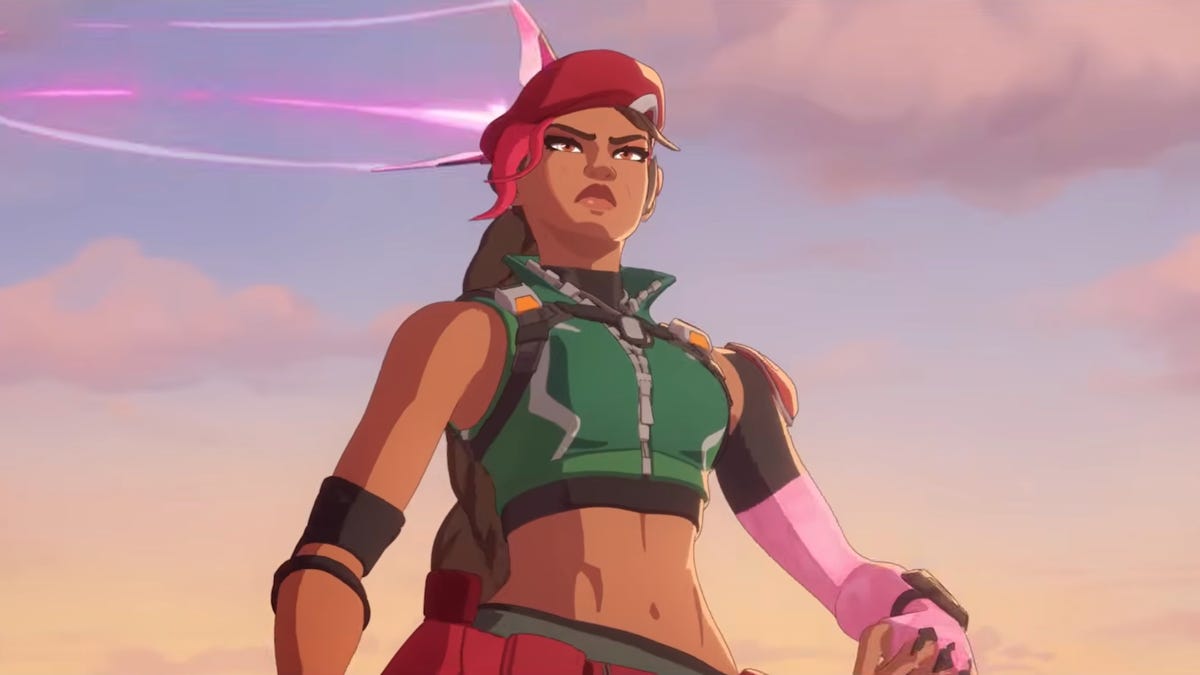
After adding five new heroes in February, Overwatch just gave players another look at the new hero coming in season 2 next week. While we didn’t get gameplay details, the new hero trailer revealed that hero 51 is Sierra, and season 2 will be titled Summit.
The game dropped its first look at Sierra last week, and a few details in the new artwork seemed to be in line with expectations that she’s an ally of damage hero Ashe. Ashe’s Deadlock Gang is mentioned in the new trailer, although Sierra is working with Overwatch in trying to stop them. We don’t know yet whether Sierra has ties to other Overwatch heroes and factions.
Alec Dawson, Overwatch’s associate game director, said in February that the next hero would be another damage hero with a «really satisfying skill shot,» which we maybe glimpsed in the trailer when Sierra fires some kind of homing dart onto Emre after he steals something from Watchpoint: Grand Mesa. We also see her use a fully automatic rifle as well as tether to her drone for some aerial maneuvering, which could be hints at the rest of her kit.
While I do love a good skillshot, I also feel like the game has been struggling with damage hero releases over the past year — particularly heroes who have the ability to quickly eliminate someone out of nowhere. The newest damage heroes Anran and Emre didn’t have this problem, but the previous two, Freja and Vendetta, were consistently banned after release because of their quick time to kill, combined with their ability to consistently surprise enemies. I’m hoping Sierra’s skillshot is less bursty.
Even before the art was revealed last week, fans had started to speculate that Overwatch’s season 2 hero would be Frankie, a member of Ashe’s Deadlock Gang. She appeared in the Deadlock Rebels novel by Lyndsay Ely, which follows Ashe and the hero now known as Cassidy early in their outlaw careers. In the book, Frankie makes contact with the two characters by sending them a tiny fly-like drone — perhaps a smaller version of the drone in Sierra’s character art.
Respectfully… y’all aren’t ready for this one 😮💨🔥
Join us Apr 8 at 9am PT for the premiere of our latest Hero Trailer as we kick off the next chapter in the Reign of Talon 💪 pic.twitter.com/1Etxn68tax— Overwatch (@PlayOverwatch) March 31, 2026
The trailer shows Sierra working to stop the Deadlock Gang (who are helping Emre and Freja steal weapons for Talon), but it’s unclear whether Sierra is another character entirely or whether she’s Frankie after taking a different path.
The game’s Reign of Talon season 1 is wrapping up in the next week. The current season kicked off the year-long storyline about Vendetta taking over Talon and also introduced five new heroes into the roster. Devs have promised another new hero each season during the storyline, and today’s hero trailer gives us a few more hints about Sierra.
-
 Technologies3 года ago
Tech Companies Need to Be Held Accountable for Security, Experts Say
-
 Technologies3 года ago
Best Handheld Game Console in 2023
-
 Technologies3 года ago
Tighten Up Your VR Game With the Best Head Straps for Quest 2
-
 Technologies4 года ago
Black Friday 2021: The best deals on TVs, headphones, kitchenware, and more
-
 Technologies5 лет ago
Google to require vaccinations as Silicon Valley rethinks return-to-office policies
-
 Technologies5 лет ago
Verum, Wickr and Threema: next generation secured messengers
-
 Technologies4 года ago
Olivia Harlan Dekker for Verum Messenger
-
 Technologies4 года ago
The number of Сrypto Bank customers increased by 10% in five days