
Technologies
September’s Fall Equinox Is Coming: What to Know and What It Looks Like
Later this month, you could experience an equinox sunrise, which marks the arrival of fall in the Northern Hemisphere.
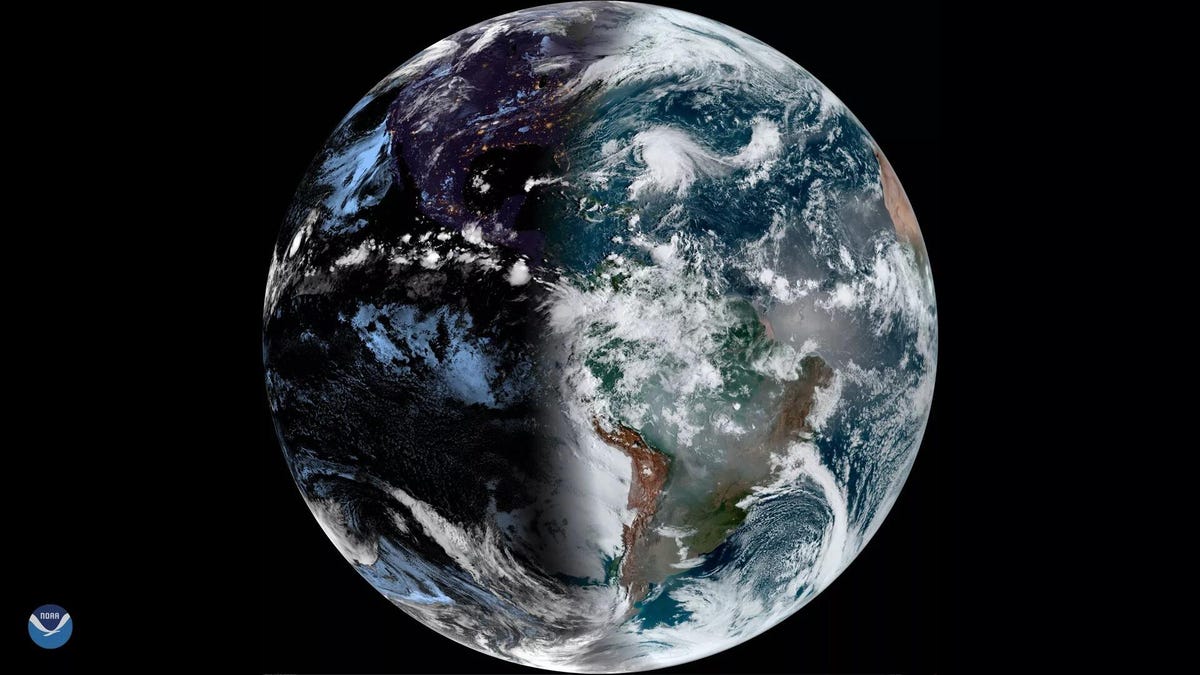
Labor Day has come and gone, and school is back in session. Though the leaves have yet to start turning, fall is making its way here. The official arrival of the season is the autumnal equinox, which occurs in the Northern Hemisphere in September.
After a hot summer, the fall equinox marks a welcome shift in the seasons for many folks. But what exactly is an equinox? It’s all about Earth and its relationship with the sun. Here’s how to understand, visualize and celebrate the autumnal equinox.
When is the fall equinox?
This year, the autumnal equinox in the Northern Hemisphere falls on Monday, Sept. 22. If you want to be extra specific and mark it on your calendar, mark it for 11:19 a.m. PT.
Dates can shift slightly for equinoxes depending on the year, but it’s always around this time in September. The next vernal equinox in the Northern Hemisphere takes place on March 20, 2026, and will mark the start of spring.
What does the September equinox look like?
Wherever you are on Earth on the day of the equinox (and whether it’s a spring or fall equinox, depending on which hemisphere you live in), the sun will rise as close to east and set as close to west as possible, making it a foolproof compass. Go outside and watch the sunset and sunrise, and make a note of the landmarks in front of the sun. That way, you’ll always know what exactly is west and east.
The two annual equinoxes also feature the fastest sunrise and sunset of the year, with the sun taking just a few seconds to appear and disappear. That’s because this is the steepest angle at which the sun rises and sets during the year.
What is the fall equinox?
The meaning of equinox is right there in the name: a combination of the Latin words for equal and night.
«There are only two times of the year when the Earth’s axis is tilted neither toward nor away from the sun, resulting in a ‘nearly’ equal amount of daylight and darkness at all latitudes,» the National Weather Service said in an explainer about the seasons.
The Earth spins on an axis (imagine a line running from pole to pole) and the planet sports a jaunty 23.5-degree tilt. The tilt is what gives us seasons. As the Earth orbits the sun, the tilt means some areas of the planet get more direct sunlight than others. That’s how it can be summer in the Northern Hemisphere (tilted toward the sun) and winter in the Southern Hemisphere (tilted away from the sun) at the same time. During the equinox, the sun shines straight at the equator and gives equal love to the two hemispheres.
Other planets that are also tilted on their axes of rotation also experience equinoxes. The time scales can be very different, however. An equinox on Saturn only comes around about every 15 Earth years. That means each season lasts for over seven years on Saturn. It’s even wilder on Neptune, which has seasons that last decades. We can be grateful for the relatively short seasons on our planet.
How is equinox different from solstice?
As with equinoxes, solstices are associated with Earth’s tilt, but instead of daylight and nighttime being even, the days and nights are at their extremes. The winter solstice is the shortest day of the year, while the summer solstice is the longest. This year, the winter solstice for the Northern Hemisphere falls on Sunday, Dec. 21.
See equinoxes from space
Earth-watching satellites up in orbit have a unique view of the equinox. A NASA Earth Observatory video shows Earth from space and how the positioning of the sun’s light shifts with the changing of the seasons. It’s a great way to visualize what’s happening during our planet’s orbit around the sun.
How to celebrate the fall equinox
Equinoxes aren’t like eclipses or meteors. There isn’t a big wow moment when you see something spectacular. The fall equinox this year will look like any other day, but it’s a handy way to mark the changing of the astronomical seasons. You can go around and declare, «It’s officially the first day of autumn!» How you celebrate is up to you. Here’s a suggestion: Put on your favorite sweater, go for a scenic foliage drive and sip a pumpkin spice latte to welcome fall in style.
Technologies
Google’s Pixel 10A Is Coming to Japan With an Exclusive Blue Edition and Special Wallpaper
This model comes with creatively designed stickers and a special look for Pixel’s 10th anniversary.
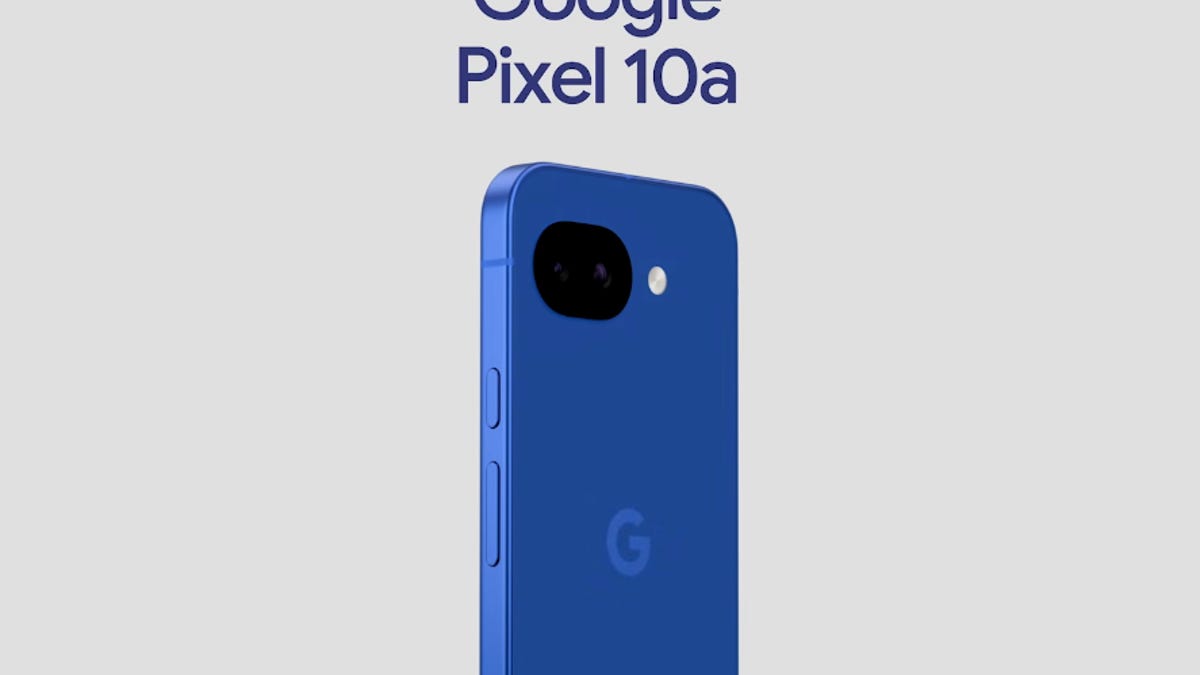
Don’t be blue: Google is releasing an Isai blue edition of the Pixel 10A to celebrate the Android phone line’s 10th anniversary, setting it apart with its own sticker set, specialized wallpaper and custom icons. But it’ll only be available in Japan.
Announced Tuesday on the Google Japan blog, the Isai blue Pixel 10A has a dark blue look and includes bonus decorations designed in collaboration with Japan’s Heralbony art company. These include an exclusive bumper case and stickers for customization.
This edition of the Pixel 10A will arrive in Japan on May 20, following the April 14 release of the Pixel 10A in its original colors of lavender, berry, fog and obsidian. The Isai blue model costs 94,900 yen, which roughly translates to $595, and includes 256GB of storage.
This makes it slightly less expensive than the US model’s 256GB edition, but it comes with a number of fun extras at no additional cost.
Google’s creation of a country-specific model for Japan may also reflect strong sales in that market. In 2023, the IDC analytics firm (via 9to5Google) reported that the Pixel 7 series accounted for 10.7% of the country’s market share, a 527% increase from 2022.
Technologies
Can’t Wait for New Emoji? Here’s How to Create Your Own on iPhone
Apple Intelligence-enabled iPhones can create custom emoji in a few easy steps.
Apple brought new emoji to all iPhones when the company released iOS 26.4 on March 24. The new emoji include «» orca, «» distorted face and «» hairy creature — or as we might normally call it, Sasquatch. According to Emojipedia, there are 3,953 emoji with more on the way, including a pickle. But there’s no emoji for a dog wearing pajamas, a plate with burgers and fries and many other things. But if you have Genmoji on your iPhone you can create these emoji and many more.
Apple released iOS 18.2 in 2024 and the company introduced its own emoji generator, called Genmoji, to Apple Intelligence-capable iPhones at that time. The Unicode Standard, a universal character encoding standard, is responsible for creating new emoji, and approved emoji are added to all devices once a year. With Genmoji, you don’t have to wait for new emoji to appear on your iPhone each year. You can just create them as you need them.
Read on to learn how to use Genmoji on iPhone to create your own custom emoji. Just note that only iPhones with Apple Intelligence, like the iPhone 17 lineup, can use Genmoji at this time.
Note: The new emoji may not display correctly for Apple users whose devices aren’t on a 26.4 software version.
How to make custom emoji
1. Open Messages and go into a chat.
2. Tap the plus (+) button next to your text box.
3. Tap Genmoji.
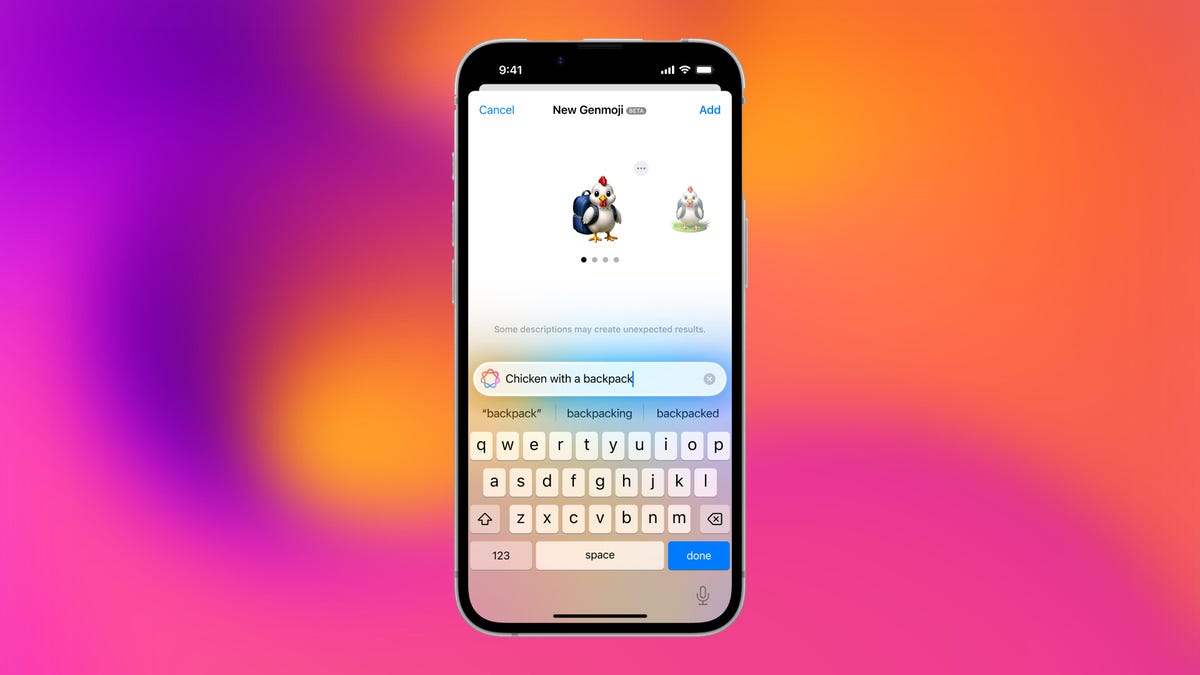
You can then type a description of an emoji into the text box near the bottom of your screen and tap the check mark on your keyboard to enter that description into Genmoji. You can also tap different suggestions and themes that are right above the text box. And with iOS 26 or later, you can also combine and use emoji to create others rather than describing a new emoji or using suggestions.
Your iPhone will generate a series of new emoji for you to pick from according to your description, and you can swipe through these new emoji. When you find the one you want, tap Add in the top right corner of your screen and the new emoji will be available to use as an emoji, tapback or a sticker. Now you don’t have to wait for the Unicode Standard to propose, create and bring new emoji to devices.
For more iOS news, here’s what to know about iOS 26.4 and iOS 26.3. You can also check out our iOS 26 cheat sheet for other tips and tricks.
Technologies
Save Over 20% on This Handy 10,000-mAh Anker Nano Power Bank
Keep your devices charged on the go with this Anker Nano power bank, now down to just $46.
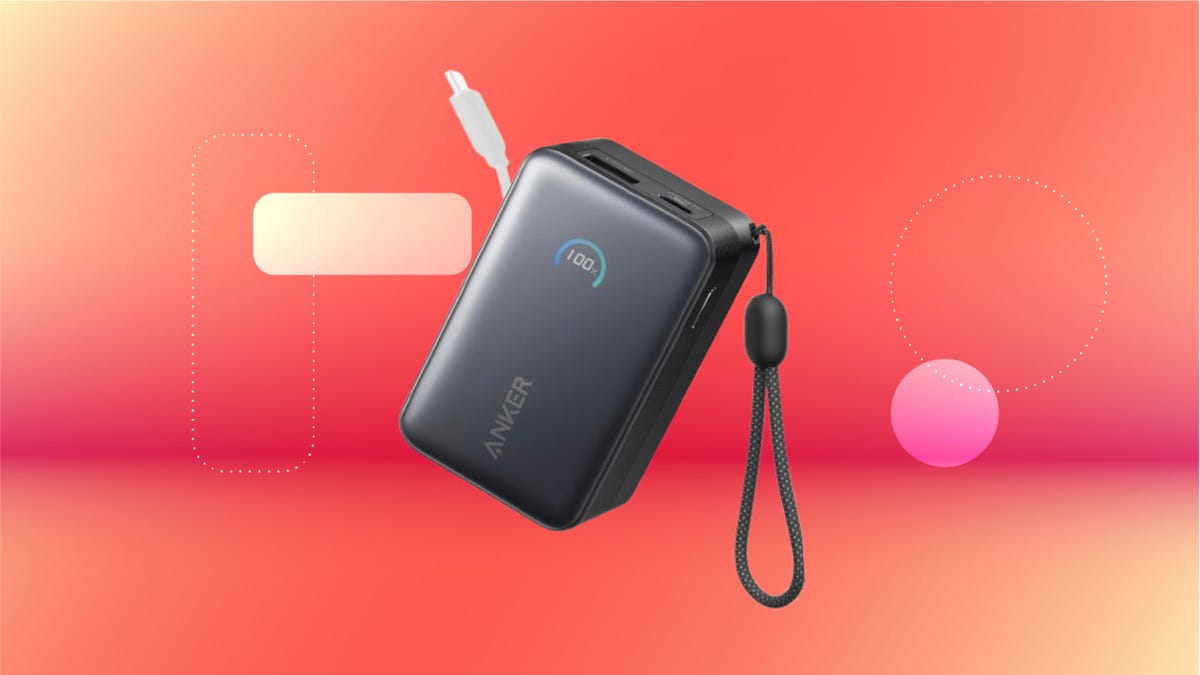
We’ve just spotted the Anker Nano 45-watt portable power bank for just $46 at Amazon right now. This saves you $14 — a 23% discount on its list price. Though it’s $6 more than the lowest-ever price we saw during Black Friday, it’s still a solid discount when you take the rising cost of tech accessories into account. It also matches the lowest price we’ve seen in 2026. It comes in four colors: black, green, pink and white. They’re all on sale for the same price.
This Anker Nano portable charger weighs approximately 8.2 ounces and measures a compact 3.21×1.99×1.42 inches. Despite its small size, it has a retractable cable and supports fast charging in compatible Apple, Samsung, Google Pixel and other smartphones. It also has a large 10,000-mAh capacity and a smart display so you always know how much juice is left in your power bank.
The Nano can charge an iPhone 17 to up to 50% battery in an estimated 20 minutes, and is powerful enough to charge tablets and laptops. Need to charge your devices while charging your power bank? You can do so safely thanks to pass-through charging so you’ll never have to go without battery life.
We’ve also compiled a list of the best power banks for iPhones and for Android, in case this deal isn’t quite a fit for you.
Why this deal matters
If you travel, have a long commute time or are otherwise always on the go, a portable charger can help you keep your devices fully powered. This 45-watt Anker Nano power bank is compact, includes a loop that lets you keep track of it easily and has a built-in cable so you don’t have to keep up with extra cords. Amazon’s $14 discount makes this a solid deal for anyone looking for a compact power bank.
-
 Technologies3 года ago
Tech Companies Need to Be Held Accountable for Security, Experts Say
-
 Technologies3 года ago
Best Handheld Game Console in 2023
-
 Technologies3 года ago
Tighten Up Your VR Game With the Best Head Straps for Quest 2
-
 Technologies4 года ago
Black Friday 2021: The best deals on TVs, headphones, kitchenware, and more
-
 Technologies5 лет ago
Google to require vaccinations as Silicon Valley rethinks return-to-office policies
-
 Technologies5 лет ago
Verum, Wickr and Threema: next generation secured messengers
-
 Technologies4 года ago
Olivia Harlan Dekker for Verum Messenger
-
 Technologies4 года ago
The number of Сrypto Bank customers increased by 10% in five days