
Technologies
iOS 16.4 Is Almost Here. Public Beta Testers Can Try These Features Now
The release of iOS 16.4 is around the corner, but public beta testers don’t have to wait for these new features.
The wait for iOS 16.4 is almost over. Apple released iOS 16.4 beta 3 to public beta testers Wednesday, about a week after the company released the second iOS 16.4 public beta. This third beta means the wide unveiling of iOS 16.4 is probably close at hand. Beta testers can now try out new iOS features, like new emoji and updates to Apple Books.
These features are available only to people who are a part of Apple’s Beta Software Program. New iOS features can be fun, but we recommend downloading a beta only onto something other than your primary phone, just in case the new software causes issues. Apple provides beta testers with an app called Feedback. The app lets testers notify Apple of any issues in the new software so the problem can be addressed before general release.
Here are some of the new features testers can find in the iOS 16.4 betas.
Apple ID and beta software updates
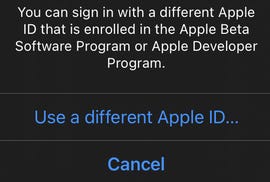
The latest beta lets you sign into another Apple ID to access other beta software.
Zach McAuliffe/CNETWith the third iOS 16.4 beta, developers and beta testers can check whether their Apple ID is associated with the developer beta, public beta or both. If you have a different Apple ID, like one for your job, that has access to beta updates, iOS 16.4 beta 3 also lets you switch to that account from your device.
Apple Books updates
The iOS 16.4 beta 2 update brings the page-turn curl animation back to Apple Books, after it was removed in a previous iOS update. Before, when you turned a page in an e-book on your iPhone, the page would slide to one side of your screen or it would vanish and be replaced by the next page. Beta testers can still choose these other page-turn animations in addition to the curl animation.
With iOS 16.4 beta 3, a new popup appears when you open Apple Books for the first time after downloading the update. It lets you know you can change your page-turn animation, theme and more.
31 new emoji
The first iOS 16.4 beta software brought 31 new emoji to your iOS device. The new emoji include a new smiley; new animals, like a moose and a goose; and new heart colors, like pink and light blue.
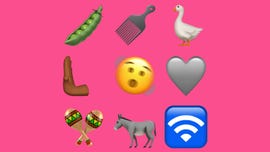
Some of the new emoji released in the first iOS 16.4 beta.
Patrick Holland/CNETThe new emoji all come from Unicode’s September 2022 recommendation list, Emoji 15.0.
Apple Podcasts updates
The first beta brought a few changes to how you navigate Apple Podcasts. Now you can access podcast channels you subscribe to in your Library. You can also use Up Next to resume podcast episodes you’ve started, start episodes you’ve saved and remove episodes you want to skip.
Preview Mastodon links in Messages
Apple’s first iOS 16.4 beta enabled rich previews of Mastodon links in Messages. That’s good because Mastodon saw a 400% increase in the rate of new accounts in December, so you might be receiving Mastodon links in Messages.
Music app changes
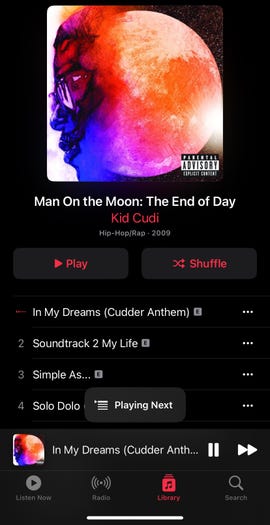
A small banner appears at the bottom of the screen when you choose to play a song next in Apple Music in the frst iOS 16.4 beta.
Zach McAuliffe/CNETThe Music interface has been slightly modified in the first iOS 16.4 beta. When you add a song to your queue, a small banner appears near the bottom of your screen instead of a full-screen pop-up.
See who and what is covered under AppleCare
Starting with iOS 16.4 beta 1, you could go to Settings to check who and what devices are covered on your AppleCare plan. With iOS 16.4 beta 2, this menu will show you a small icon next to each device that’s covered under AppleCare.
Focus Mode, Shortcuts and always-on display
If you have an iPhone 14 Pro or Pro Max, iOS 16.4 beta 1 lets you enable or disable the always-on display option with certain Focus Modes. A new option in Shortcuts called Set Always on Display was also added, in addition to new Lock Screen and Set VPN actions.
New Apple Wallet widgets
You can add three new order-tracking widgets for Apple Wallet to your home screen with the first iOS 16.4 beta. Each widget displays your tracking information on active orders, but the widgets are different sizes: small, medium and large.
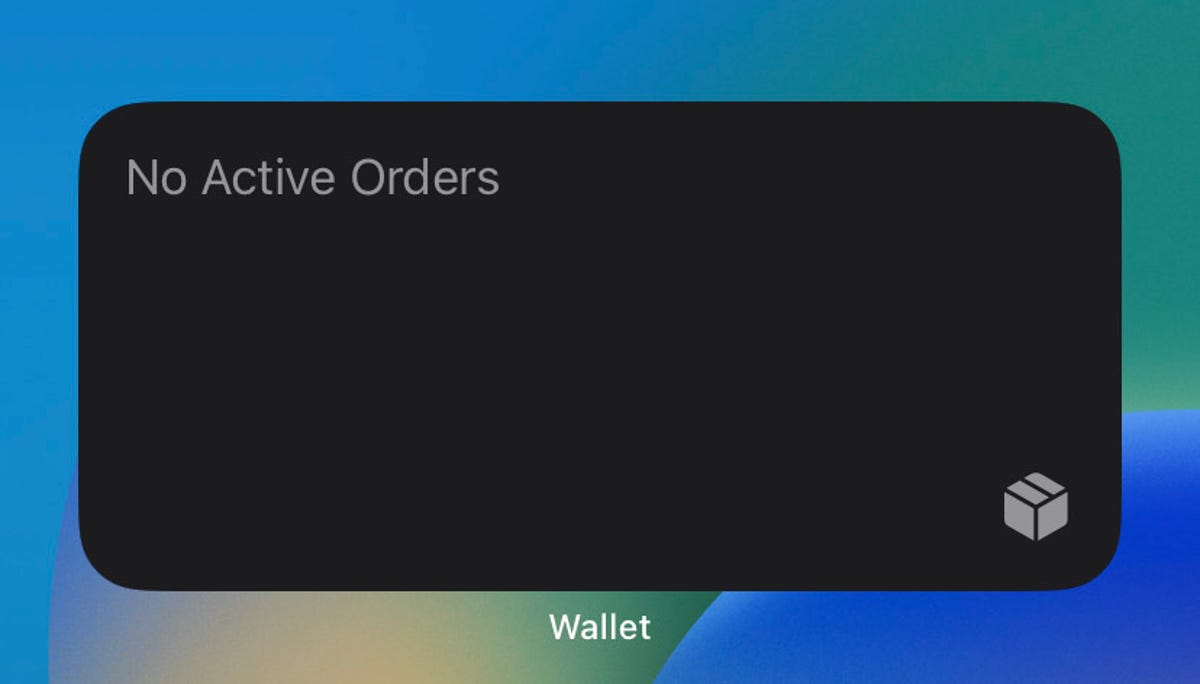
The medium-size Apple Wallet order tracking widget takes up three tile spaces on your iPhone’s screen.
Zach McAuliffe/CNETMore accessibility options
The first beta update added a new accessibility option, too. The new option is called Dim Flashing Lights, and it can be found in the Motion menu in Settings. The option’s description says video content that depicts repeated flashing or strobing lights will automatically be dimmed. Video timelines will also show when flashing lights will occur.
New keyboards, Siri voices and language updates
The first iOS 16.4 beta added keyboards for the Choctaw and Chickasaw languages, and there are new Siri voices for Arabic and Hebrew. Language updates have also come to Korean, Ukrainian, Gujarati, Punjabi and Urdu.
There’s no word on when iOS 16.4 will be released to the general public. There’s no guarantee these beta features will be released with iOS 16.4, or that these will be the only features released with the update.
For more, check out how to become an Apple beta tester, what was included in iOS 16.3.1 and features you may have missed in iOS 16.3.
Technologies
Artemis II Astronauts Are Using iPhones to Capture Stunning Space Images
After smartphones were cleared by NASA for space missions, the crew members of the Integrity spacecraft are beaming back lots of iPhone photos.
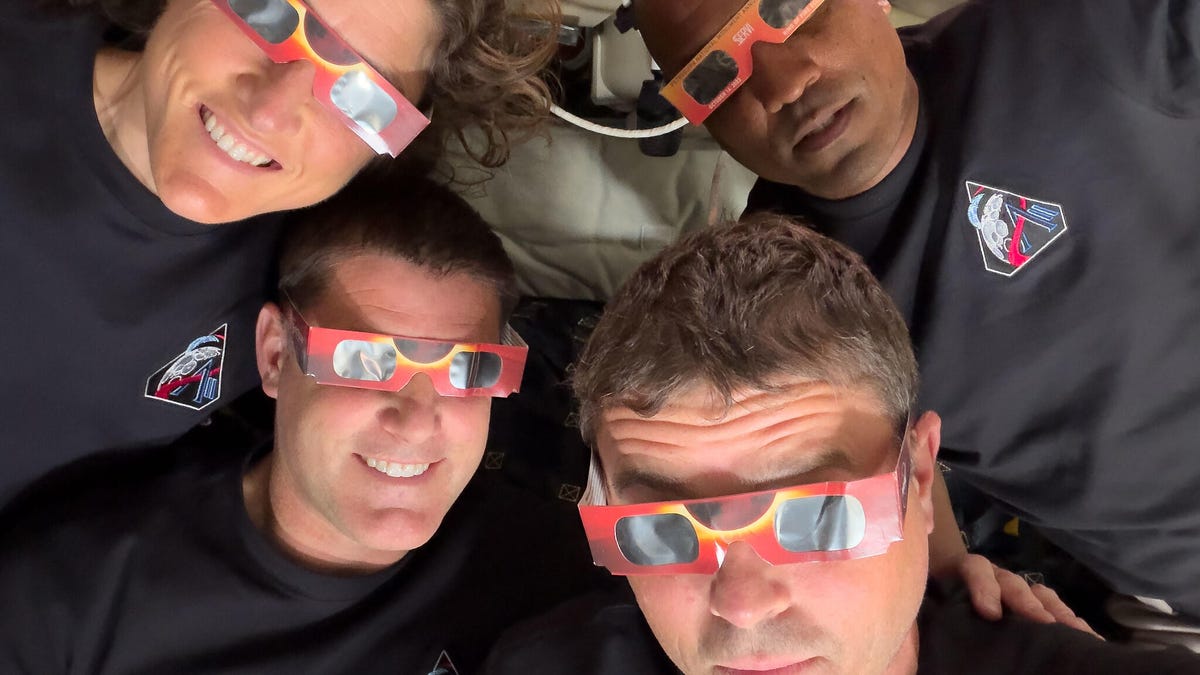
The four astronauts aboard the Integrity spacecraft now headed home from their historic arc around the moon really are like the rest of us: Sometimes they reach for their smartphones to snap photos.
For the Artemis II mission, iPhone 17 Pro Max phones have been used to capture photos inside the capsule of the astronauts pondering the views of Earth and working on mission objectives. (Technically, NASA refers to them as PCDs – personal computing devices.)
Smartphones were cleared for use in space for the first time in February. In a post on X, NASA Administrator Jared Isaacman wrote, «We are giving our crews the tools to capture special moments for their families and share inspiring images and video with the world.»
Early in the mission, Commander Reid Wiseman snapped a pair of photos looking out the window with Earth behind him. Mission specialist Christina Koch and her dynamic curls in zero-gravity also captured a pensive view looking out over the planet. All three were made using the front camera — because wouldn’t you want to grab a selfie if you were in space?
The iPhone 17 Pro’s rear cameras are pulling their own weight during the mission, too. During the live broadcast as the crew approached the moon, Wiseman took a photo of the moon’s surface using the iPhone’s telephoto camera at 8x zoom. He turned the screen toward one of the video cameras mounted inside the spacecraft, creating an image of the moon’s surface alone against the darkness of the unlit cabin, with the iPhone’s signature rounded edges and Dynamic Island cutout at the top.
The main photo workhorses on this trip are a Nikon D5 DSLR and a Nikon Z9. The D5 is a model that has been used on several space excursions, and the Z9 is onboard as an experimental camera.
For NASA missions, every piece of equipment must be tested and certified, which is why the previously-approved D5 has a secure spot. Cameras must be resistent to space environmental factors like radiation, and safe if they’re floating around the capsule. However, the iPhones in space now are off-the-shelf models, according to a report by Jackie Watties of CNN.
The moon flyby was especially photo-intensive, with astronauts switching places several times so that two were always at windows with cameras and relating what they could see with their eyes. This photo of mission specialist and Canadian Space Agency astronaut Jeremy Hansen taking images using one of the Nikon cameras shows how some windows have camera shrouds attached. The shroud ensures that light from the interior isn’t reflected in the glass.
In a particularly relatable photo, Hansen is also using the front-facing camera of a white iPhone 17 Pro — as a portable mirror while he shaves. As the (modified) saying goes, the best selfie screen is the one you have with you.
The iPhone 17 Pro isn’t the first Apple product to go into space. Crew members have taken iPods, iPads and AirPods on missions since the Space Shuttle era. The Mac Portable even went up on a shuttle (and revealed that its trackball in zero-G isn’t the best option).
An Apple representative didn’t immediately respond to a request for comment.
Technologies
Hades 2, the Award-Winning Sequel, Joins Xbox Game Pass in April
Game Pass Premium subscribers are getting a handful of games, including the remastered Elder Scrolls 4: Oblivion.
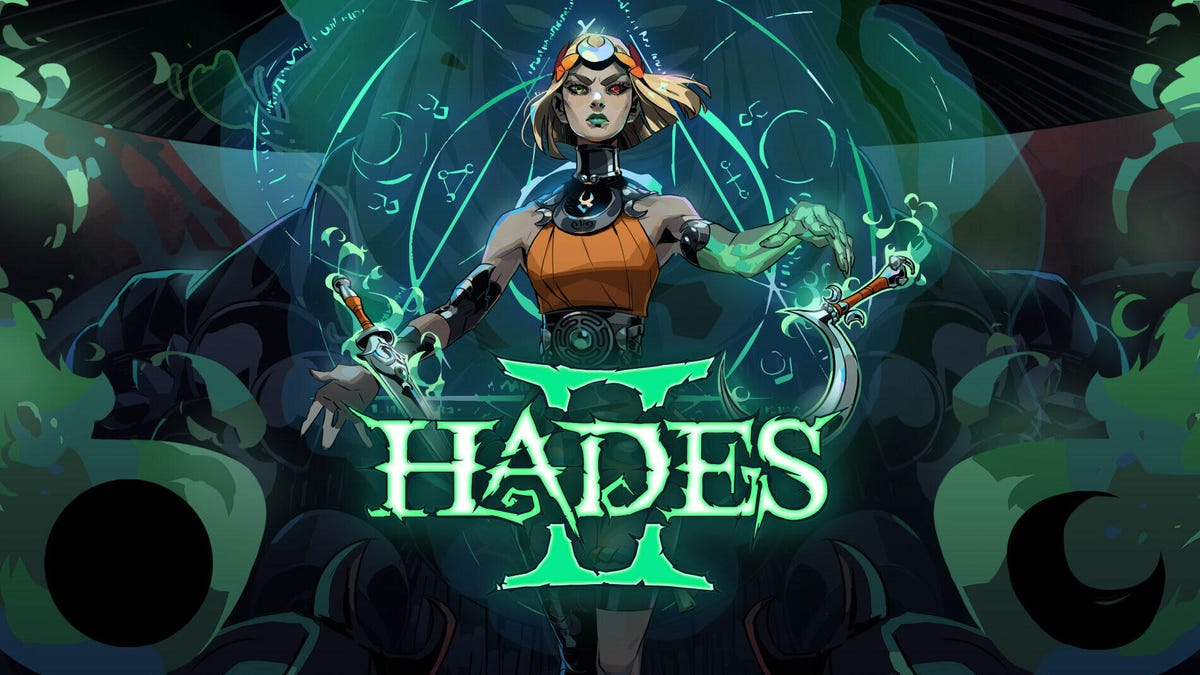
Hades 2 was selected as one of CNET’s best games of 2025, but don’t take our word for it. The game won Best Action Game at the 2025 Game of the Year awards, Best Game on Steam Deck at the Steam Awards and a bevy of other accolades after its release. If you haven’t had the chance to play this stellar sequel yet, you can on Xbox Game Pass starting on April 14.
Xbox Game Pass, a CNET Editors’ Choice award pick, offers a wide selection of games you can play on your Xbox Series X, Xbox Series S, Xbox One and PC or mobile device for as little as $10 a month. And with a subscription to the higher-tiered Game Pass Ultimate ($30 a month), you can access hundreds of games, including Day One releases, each month.
Here are the games Microsoft plans to bring to Game Pass in April. You can also check out other games the company added to the service in March, including Cyberpunk 2077.
DayZ
Coming to PC on April 8, joining Game Pass Ultimate, Game Pass Premium, Game Pass Essential and PC Game Pass.
This online multiplayer survival game is coming to PC. An unknown virus has turned the population of the post-Soviet country of Chernarus into zombies, and you’re one of the last few survivors. You’ll have to scavenge for supplies among the ruins while fighting off zombies and other survivors alike. But how far will you go to save yourself?
Endless Legend 2 (Game preview)
New to Game Pass Premium on April 8. Previously on Game Pass Ultimate and PC Game Pass.
Lead your faction to build a great empire that can crush your enemies in this fantasy strategy game. You can play as warriors descended from the stars, cursed knights or hive-minded beasts, but each faction has its strengths, weaknesses and unique philosophies that can influence the rest of the game. And fending off enemies is just one challenge in this game. You’ll have to adapt to the changing environment as well. Will you expand as the tides reveal new treasures, or focus on improving your defenses?
FBC: Firebreak
New to Game Pass Premium on April 8. Previously on Game Pass Ultimate and PC Game Pass.
The Federal Bureau of Control is under attack from otherworldly forces, and it’s up to you and your versatile unit to restore order. You’ll fight chaotic entities, leeches and a monster made of sticky notes using guns, grenades and other supernatural weapons. You can play this first-person shooter game on your own or take on the chaos of the FBC with friends in three-player co-op.
Planet Coaster 2
Coming to Game Pass Ultimate, Game Pass Premium and PC Game Pass on April 9.
This might not be the classic RollerCoaster Tycoon, but it’s close enough. You’ll build your own roller coasters and water slides, manage your amusement park and create unforgettable experiences for your guests. It’s unclear if you can launch your coasters off the rails into waiting crowds. Will report back later.
Tiny Bookshop
Coming to Game Pass Ultimate, Game Pass Premium and PC Game Pass on April 10.
I have long dreamed of opening my own bookshop, and until I come into a lot of money, this game will have to do. You can stock your bookshop with different genres and items for sale, set up shop in scenic locations — like near a lighthouse — and get to know the locals in this cozy management game.
Football Manager 26 (PC and console)
New to Game Pass Premium on April 13. Previously on Game Pass Ultimate and PC Game Pass.
Get ready for a more immersive matchday experience in the latest installment of the Football Manager franchise. You can build a star-studded squad with new transfer tools, and this entry features official Premier League licenses and women’s football for the first time in the series’ history.
Hades 2
Coming to Game Pass Ultimate, Game Pass Premium and PC Game Pass on April 14.
Following the events of the original game, the Titan of Time Chronos has returned and laid waste to the Underworld and Earth. As the immortal princess Melinoe, you’re tasked with stopping the titan and restoring the mythic world. Each time you venture out, you’ll learn more about the world around you and discover the true cause of all the destruction and pain.
Replaced
Coming to Game Pass Ultimate and PC Game Pass on Day One on April 14.
Can AI ever be human? I’m not talking about ChatGPT or Gemini, but REACH, an AI trapped in a human’s body, in this narrative platformer game. You’ll explore an alternate 1980s America that’s scarred from nuclear catastrophe as you try to uncover the secrets of the Phoenix Corps, the same group that created you. It’s a cyberpunk Frankenstein with plenty of exploration and fluid action sequences.
The Thaumaturge
Coming to Game Pass Ultimate, Game Pass Premium and PC Game Pass on April 14.
By definition, a thaumaturge is a miracle worker or magician, and in this roleplaying game, you’re a master of mystical arts that allow you to peer into the hearts and minds of others. After the death of your father, you returned to an alternate 1900s Warsaw to investigate his death, fight supernatural forces and uncover the truth.
The Elder Scrolls IV: Oblivion Remastered
New to Game Pass Premium on April 16. Previously on Game Pass Ultimate and PC Game Pass.
A fanatical cult is trying to open gates to the demonic realm of Oblivion, and it’s up to you to stop them and seal the gates forever in the remastered version of this open-world RPG. You can rediscover the world of Cyrodiil (or experience it for the first time in updated glory), encounter unique characters and save the land.
EA Sports NHL 26
Coming to Game Pass Ultimate and PC Game Pass on April 16.
As the NHL regular season winds down, the playoffs and the fight for the Stanley Cup are heating up. And with the latest installment in this EA Sports franchise, you can ensure your favorite team brings home the cup. This entry in the series introduces new gameplay mechanics, such as Ice Q 2.0 and a goalie crease control system, to add additional challenges. So if you want to see the Florida Panthers win the cup back-to-back, or you want to make absolutely sure that never happens, this game is for you.
Call of Duty: Modern Warfare
Coming to Game Pass Ultimate, Game Pass Premium and PC Game Pass on April 17.
Modern Warfare redefined the Call of Duty series when it was released almost 20 years ago, and the rebooted version of the classic game drops you right back to where it started. You’ll control CIA and SAS special forces as they attempt to stop rebels from the fictional Republic of Urzikstan. And if the campaign’s not enough, you can hone your skills in the immersive, fast-paced multiplayer.
Little Rocket Lab
New to Game Pass Premium on April 21. Previously on Game Pass Ultimate and PC Game Pass.
Your family’s dream project has been to build a rocket, and you’re going to fulfill their dream in this cozy, machine-building RPG. But first, you have to build clever contraptions, convert local resources and become the heart of your community before you can complete your ultimate rocket-building task.
Sopa: Tale of the Stolen Potato
New to Game Pass Premium on April 21. Previously on Game Pass Ultimate and PC Game Pass.
Miho goes to the pantry to grab a potato for his grandmother’s soup when he lands in a fantastical land. Now he has to find his way back home by following in the footsteps of a mysterious traveler from long ago. You’ll meet quirky characters, gather exotic ingredients and take in vibrant environments in this world of magical realism inspired by Latin America.
Vampire Crawlers
Coming to Game Pass Ultimate and PC Game Pass on Day One on April 21.
From the creators of the indie darling Vampire Survivors comes this turn-based, deck-building, roguelite game. You’ll explore dungeons that might look familiar to Vampire Survivors veterans, fight monsters and build chaotic, broken decks along the way. So be tactical in your choices or blast away every chance you get!
Kiln
Coming to Game Pass Ultimate and PC Game Pass on Day One on April 23.
Kiln is about creating beautiful pottery filled with artistry and wonder… and smashing it all to pieces in the arena. This online, multiplayer party brawler pits you against others to see which pottery design can withstand the heat and which can dish out a beating.
Two games come to Game Pass Essential subscribers on April 8
Game Pass Essential costs $10 a month and offers access to a relatively small library of games compared to Game Pass Premium and Ultimate. While Microsoft doesn’t regularly add many games to Essential’s library, it’s adding these two on April 8.
Games leaving the service on April 15
While Microsoft is adding the above games to Game Pass, it is also removing five games from the service on April 15, including GTA 5. That means you still have a little time left to complete your main campaign and any sidequests before you’ll have to buy these games separately.
- Ashen
- Eiyuden Chronicle: Hundred Heroes
- Grand Theft Auto V
- My Little Pony: A Zephyr Heights Mystery
- Terra Invicta (Game Preview)
For more on Xbox, discover other games available on Game Pass now, read our hands-on review of the gaming service and learn which Game Pass plan is right for you.
Technologies
Nintendo Is Offering the Switch 2 for $20 Less When You Buy Super Mario Galaxy 1 and 2
This out-of-this-world deal goes live on April 12 and continues until May 9, giving you plenty of time to secure your bundle.
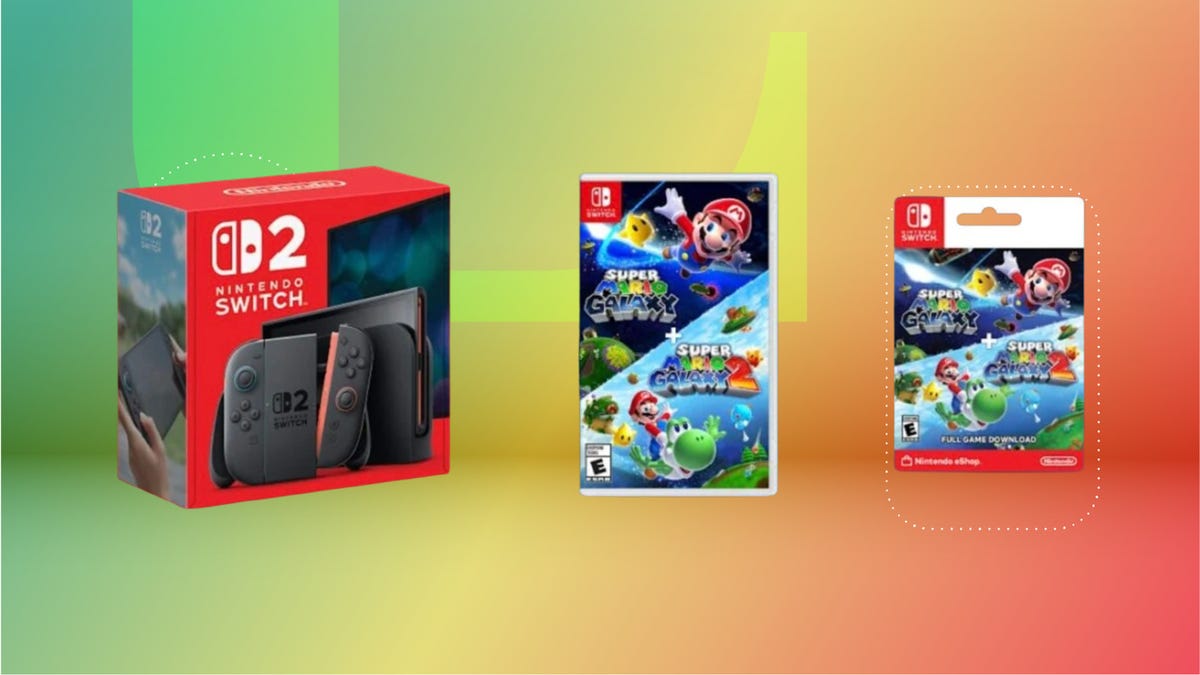
The Super Mario Galaxy Movie has been out for just over a week, and it has already become a must-see film for fans of the Mario Bros. video games. Nintendo also announced an upcoming deal that makes it easier to take the Super Mario Galaxy home.
Starting on April 12, Mario Bros. fans can get the Nintendo Switch 2 for $20 off with the purchase of a digital or physical Super Mario Galaxy 1 and 2 bundle. Once live, this deal lasts until May 9 and brings the Nintendo Switch 2 to $430, down from its usual price of $450.
The deal will be available at select retailers, including Walmart, Amazon, GameStop, Target and Best Buy. Not only does this deal coincide with the film’s release, but it’s also a small way to celebrate the 40th anniversary of Super Mario Bros.
Additionally, Best Buy is currently giving away a free collectible 40th anniversary game case with select Mario game purchases if you’d rather not wait until April 12.
Super Mario Galaxy has been around since 2007, and Super Mario Galaxy 2 has been available since 2010 on Wii. These games are still crowd-pleasers, and this offer makes it possible to enjoy both games on the Nintendo Switch 2 for less.
To better enjoy this deal once it’s available, check out our article on everything you need to know about Nintendo Switch 2 games.
CHEAP GAMING LAPTOP DEALS OF THE WEEK
Why this deal matters
The Nintendo Switch 2 has been praised by fans and gaming experts. Like its handheld gaming counterpart, Super Mario Galaxy 1 and 2 have also remained popular since their releases. If you’ve been looking to buy these games along with the handheld gaming console, then this is one deal to plan for. Keep in mind that it’ll run from April 12 until May 9, so be ready to secure the savings.
-
 Technologies3 года ago
Tech Companies Need to Be Held Accountable for Security, Experts Say
-
 Technologies3 года ago
Best Handheld Game Console in 2023
-
 Technologies3 года ago
Tighten Up Your VR Game With the Best Head Straps for Quest 2
-
 Technologies4 года ago
Black Friday 2021: The best deals on TVs, headphones, kitchenware, and more
-
 Technologies5 лет ago
Google to require vaccinations as Silicon Valley rethinks return-to-office policies
-
 Technologies5 лет ago
Verum, Wickr and Threema: next generation secured messengers
-
 Technologies4 года ago
Olivia Harlan Dekker for Verum Messenger
-
 Technologies4 года ago
The number of Сrypto Bank customers increased by 10% in five days