
Technologies
Galaxy S23 Expected to Launch at Samsung’s Feb. 1 Event
Samsung’s next Unpacked event is coming, and we expect to see the Galaxy S23 phone.

The Galaxy S23 lineup will likely star in Samsung’s next Unpacked event, which the company just announced will take place Feb. 1. This year, a new lineup would compete directly with Apple’s iPhone 14 and Google’s Pixel 7.
Samsung didn’t provide details Tuesday about what to expect from the event. But the company typically releases new Galaxy S phones during the first quarter, including the Galaxy S22 last year. The announcement also follows leaks, such as this report from Korean newspaper JoongAng Daily that suggested an early February debut for the Galaxy S23.
If Samsung follows its previous pattern, we can expect to see three versions of its new phone: the Galaxy S23, Galaxy S23 Plus and Galaxy S23 Ultra. Samsung’s invitation includes an image of three spotlights ranging in size from small to medium to large, possibly hinting as much.
Rumors from well-known leakers Ice Universe and Steve Hemmerstoffer suggest the new phones will have circular cutouts on the back for the camera lenses. The Galaxy S22 Ultra already has a camera like this. But the leak from Hemmerstoffer suggests it could trickle down to the Plus model, replacing the camera module currently found on the Galaxy S22 Plus. The spotlights in the event invitation could be a subtle nod to that design change, if it turns out to be accurate.
Samsung opened up reservations on Tuesday in the US for its upcoming devices. The company will offer $50 in Samsung credit if you ask to reserve one device or $100 for two devices. The offer runs through Feb. 1, and no payment information is required.
The company is expected to announce its new Galaxy S lineup at a time when macroeconomic headwinds have impacted phone sales overall. December reports from market researchers Counterpoint Research and IDC both point to weaker-than-previously-expected growth in global shipments for 2023.
Other than a slightly updated camera cutout on the new phones, we expect to see Qualcomm’s Snapdragon 8 Gen 2 processor in the Galaxy S23 lineup and possibly Samsung’s 200-megapixel camera sensor in the S23 Ultra.
Technologies
Inflation concerns increase as Fed survey reveals one‑year outlook at peak level not seen since May 2023
Inflation concerns rose in September, pushing the New York Fed’s one‑year inflation outlook to 3.9% – its highest level since May 2023. Household spending expectations also climbed to 5.5%, while longer‑term inflation forecasts remained relatively stable.
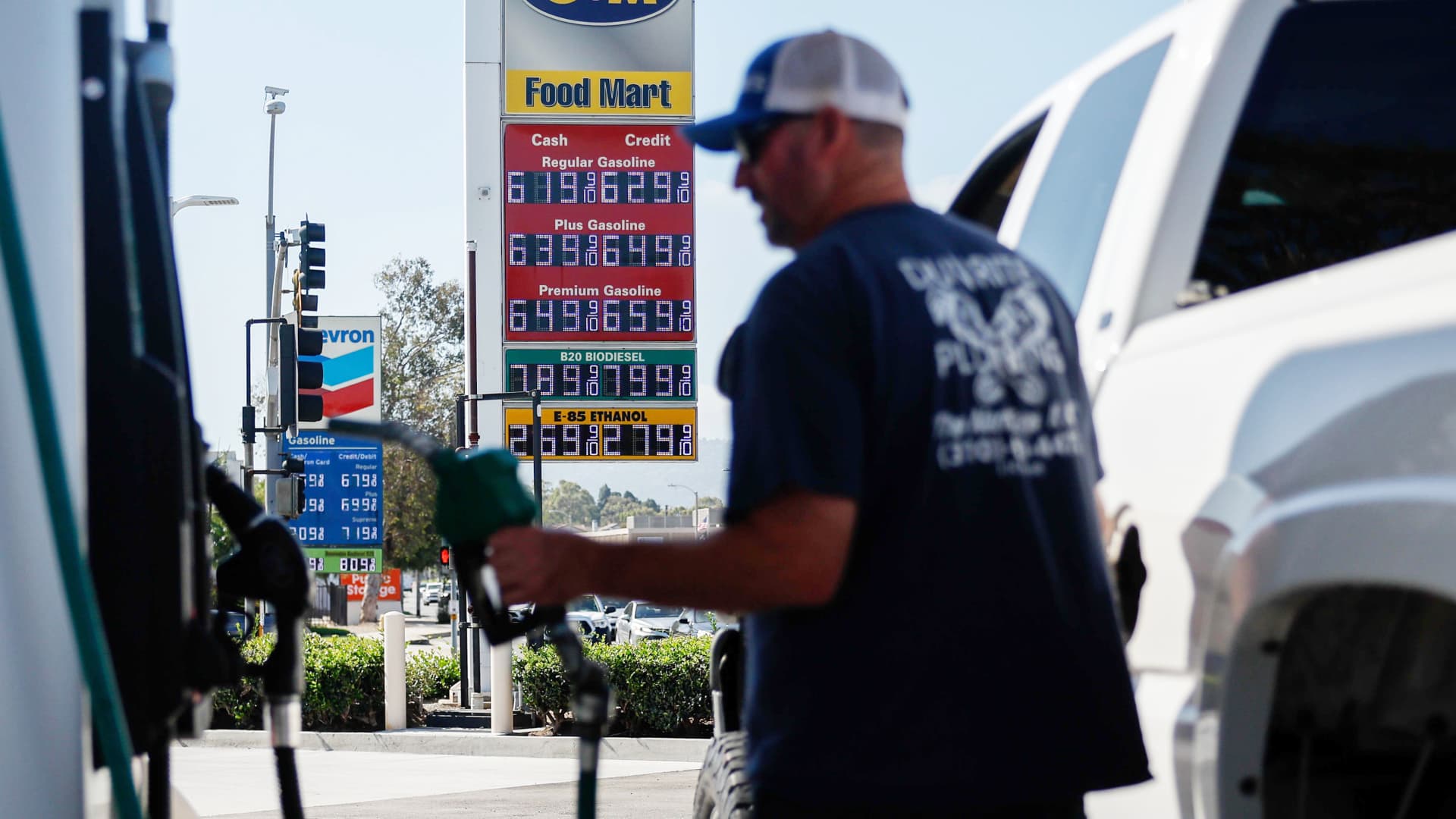
Inflation worries grew in September, driving the near‑term expectation in the New York Federal Reserve’s monthly poll to its highest point in roughly three and a half years.
The Fed’s Survey of Consumer Expectations showed that the median forecast for inflation over the next twelve months rose to 3.9%, up 0.3 percentage point from August and the highest since May 2023, when it stood at 4.1%.
The same survey indicated that household spending growth is anticipated to reach 5.5%, also up 0.3 point month‑over‑month and the highest level since May 2023.
These results emerge as Fed officials debate the appropriate stance for monetary policy while inflation remains well above the 2% target.
Markets largely anticipate that the Federal Open Market Committee will hold benchmark rates steady at its October meeting. August inflation came in below expectations according to the Fed’s preferred gauge, and several officials, including New York Fed President John Williams, have suggested policymakers can afford to take their time when deciding on interest rates.
Looking further ahead, the survey found longer‑term expectations are more stable: the three‑year forecast edged up 0.1 point to 3.3%, while the five‑year outlook held steady at 3%.
Market‑based gauges, however, are less optimistic. The breakeven inflation rate, a closely watched bond indicator, places the five‑year outlook near its yearly high at 2.35%. Treasury yields have surged in recent weeks to levels not seen since the early 2000s.
Fed officials view inflation expectations as a key driver of actual inflation.
Energy price pressures remain central to the inflation story. Gasoline prices climbed almost 4% in August alone, per the Bureau of Labor Statistics, and fuel oil jumped more than 10%.
At the consumer level, utilities have sought $23.1 billion in rate increases so far in 2026, according to PowerLines, a nonpartisan consumer advocacy group. The third quarter alone accounted for $4.5 billion of those requests, the largest quarterly total on record. The New York Fed survey also found that consumers expect gas prices to rise 4.8% over the next year, up 0.2 point from August.
While investors hope the Fed will keep rates unchanged at its next meeting, they are pricing in a considerably tighter policy stance further out. Fed funds futures imply a rate of 5.58% in five years, whereas the current target range sits between 3.75% and 4%.
Correction: PowerLines is a nonpartisan consumer advocacy group; an earlier version misspelled its name.
Technologies
Tanker Attacks Surge to Wartime Levels in Strait of Hormuz as Iran Escalates Efforts to Disrupt Oil Exports
Tanker attacks in the Strait of Hormuz have reached wartime highs as Iran escalates efforts to disrupt oil exports amid rising maritime risks.
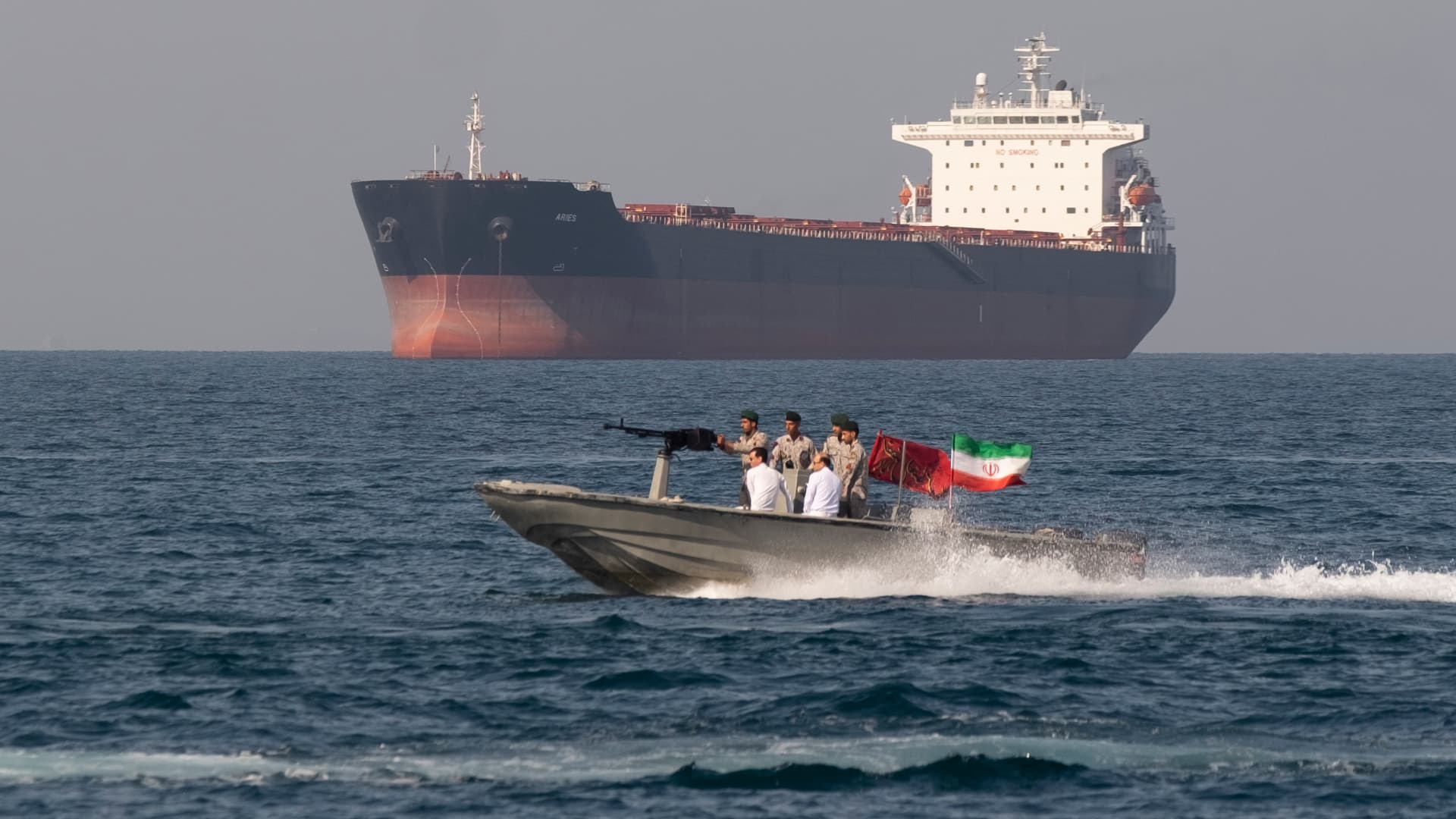
Oil tankers navigating the Strait of Hormuz are facing near-daily attacks as Iran intensifies its operations aimed at disrupting a recovery in crude oil exports.
During the week ending October 4, eleven tankers were targeted while transiting Hormuz—the highest number of assaults on commercial vessels since the conflict began in late February, according to data from the International Maritime Organization (IMO), a United Nations agency. An additional five tankers have been struck this week.
Twelve sailors were injured on Monday when a projectile hit their tanker as it passed through Hormuz. The injured crew members are Indian nationals, and the vessel, named On Peace, is registered under the United Arab Emirates, according to the maritime security company Marisks.
“These activities underscore Iran’s determination to assert its influence over critical sea routes and sustain pressure on ships passing through,” the Joint Maritime Information Center cautioned in a notice issued Thursday. This center, a coalition of U.S. allies led by military forces based in Bahrain, tracks maritime threats in the area.
A senior official from Iran’s Revolutionary Guard Corps declared on Wednesday that Tehran will shut down all “unauthorized pathways” through Hormuz, as reported by Fars News Agency, which is viewed as aligned with the Guard.
The spike in tanker attacks coincides with a revival in Middle Eastern crude exports during September, returning to levels seen before the war—largely attributed to U.S. naval escorts guiding vessels through Hormuz via a corridor near Oman’s coastline.
“Cargo is still moving, but it’s doing so amid exceptionally dangerous maritime conditions,” noted Michelle Wiese Bockmann, a senior maritime intelligence analyst at Windward, a firm specializing in risk assessment and surveillance.
At least nine seafarers have lost their lives in ship attacks since July, according to the IMO.
“This cannot become the new standard,” stated Richard Meade, editor-in-chief of the shipping trade publication Lloyd’s List, during a briefing on Thursday.
On Thursday, U.S. Central Command provided updates to shippers regarding the situation in Hormuz. In a statement issued Wednesday, Centcom confirmed that 20 million barrels of crude had successfully transited the strait, countering Iranian assertions that the passage was closed.
Recently, oil shipments have declined as attacks have escalated. Crude exports through Hormuz averaged 8.5 million barrels per day for the week ending Wednesday—roughly 40% lower than pre-war norms, according to Kpler data released Friday. Overall Middle Eastern shipments stood at 15.3 million barrels per day, down 10% compared to pre-war figures.
Iran itself has not exported any crude oil since late August due to the U.S. naval blockade imposed on the Islamic Republic, according to Kpler.
Tehran has extended its operations further into the Persian Gulf, with the Revolutionary Guard warning that it will not limit its actions to Hormuz alone. The Guard stated it would target any vessels violating Iran’s transit regulations across the broader region, as reported by state media outlet Tasnim.
A tanker was struck by multiple projectiles off the coast of Qatar on Wednesday, causing casualties, according to a British maritime security organization monitoring Gulf conditions.
Additionally, another tanker, Gem No. 2, was hit by a projectile on Friday near the UAE coast, triggering a fire onboard. The vessel departed from Ras Tanura, Saudi Arabia, in March and has remained within the Persian Gulf since the war began, according to Marisks.
Since the onset of the Iran conflict in late February, at least 24 sailors have died in attacks on 100 commercial ships across Hormuz, the Persian Gulf, and the Gulf of Oman, according to the IMO.
Technologies
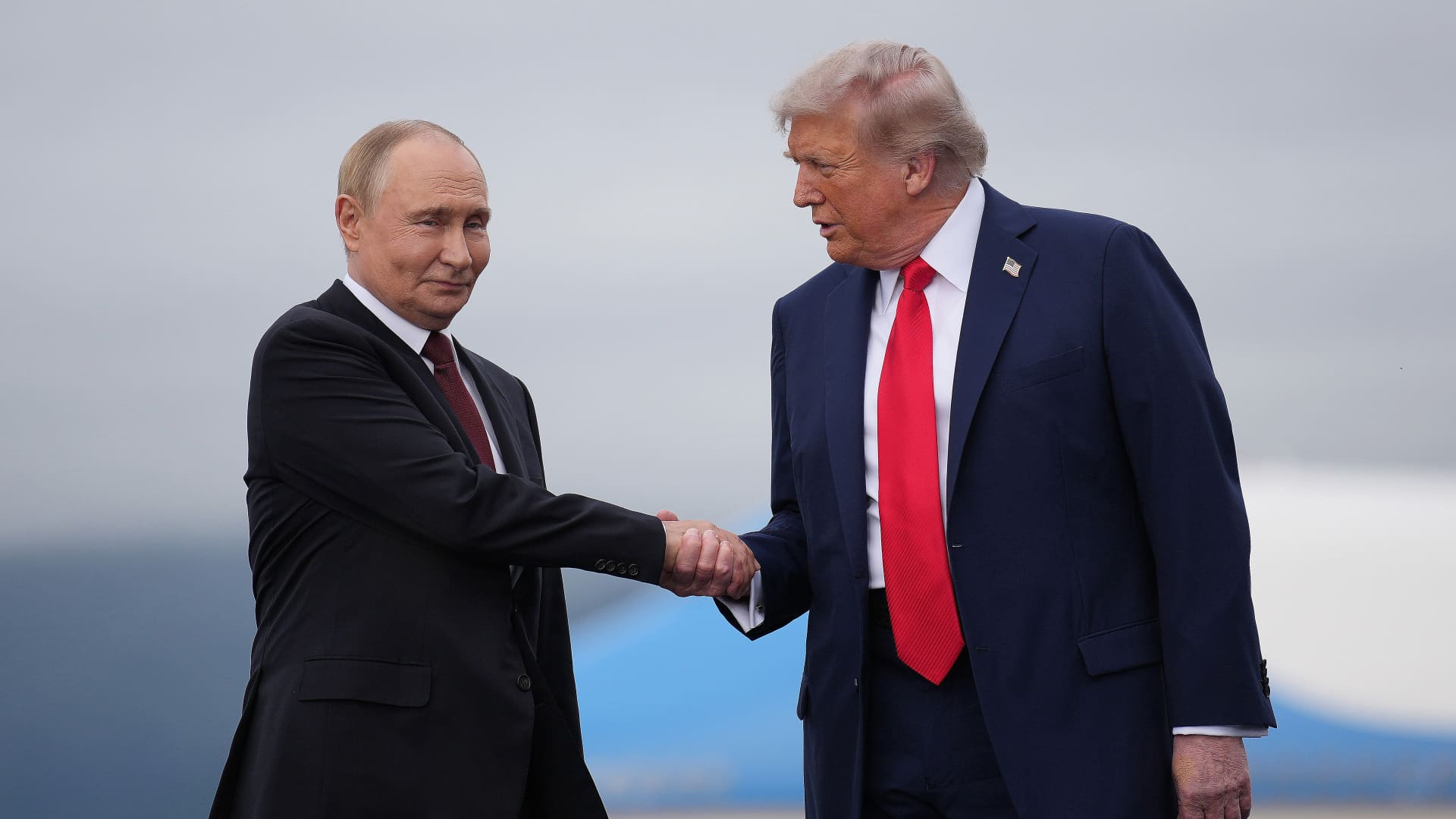
Trump strikes deal with Putin to supply Russian diesel to U.S. and global markets
This site is now part of
Versant
. By continuing to use this service, you agree to our
Terms
. You also acknowledge that our updated
Privacy Policy
applies, including to your existing data. For details on your data rights, click
here
.
On this service, we and our vendors…
This site is now part of
Versant
. By continuing to use this service, you agree to our
Terms
. You also acknowledge that our updated
Privacy Policy
applies, including to your existing data. For details on your data rights, click
here
.
On this service, we and our vendors use cookies and other tools (“Cookies”) to store and access information on your device, such as device identifiers, IP address, and your browser type. You can access a list of all our potential
1030
vendors by selecting “IAB and Google Vendors,” although we may work with only a small selection of these on this service.
Your data may be used to save and communicate your privacy choices; ensure security, prevent fraud, and debug our products and services; personalize advertising and content; for advertising and content measurement; to conduct audience research and services development; so we can improve our services and develop new ones; to match and combine offline data with your online activity; and for social features.
We may share this data with select vendors with your consent.
Click “I Accept”, to consent to our use of these Cookies or “Reject All” to reject our use of these Cookies. Click “Manage Choices” to set your preferences.
If you previously made choices with respect to Versant’s use of Cookies on this browser and device, you will need to update them. You can adjust your choices any time through the “Cookie Preferences” link in the footer of relevant Versant sites or in-app settings.
Visit our
Cookie Notice
and
Privacy Policy
to learn more.
We will also use other Cookies that are essential or related to our services, including for security and fraud prevention.
-
 Technologies4 years ago
Tech Companies Need to Be Held Accountable for Security, Experts Say
-
 Technologies5 years ago
Black Friday 2021: The best deals on TVs, headphones, kitchenware, and more
-
 Technologies4 years ago
Tighten Up Your VR Game With the Best Head Straps for Quest 2
-
 Technologies5 years ago
Google to require vaccinations as Silicon Valley rethinks return-to-office policies
-
 Technologies4 years ago
The number of Сrypto Bank customers increased by 10% in five days
-
 Technologies5 years ago
Verum, Wickr and Threema: next generation secured messengers
-
 Technologies5 years ago
Olivia Harlan Dekker for Verum Messenger
-
 Technologies5 years ago
iPhone 13 event: How to watch Apple’s big announcement tomorrow