
Technologies
iPhone 17 Pro Loses Fight Against the Oppo Find X9 Pro’s Camera
I didn’t expect Apple’s best phone to struggle so much against the Oppo Find X9 Pro.
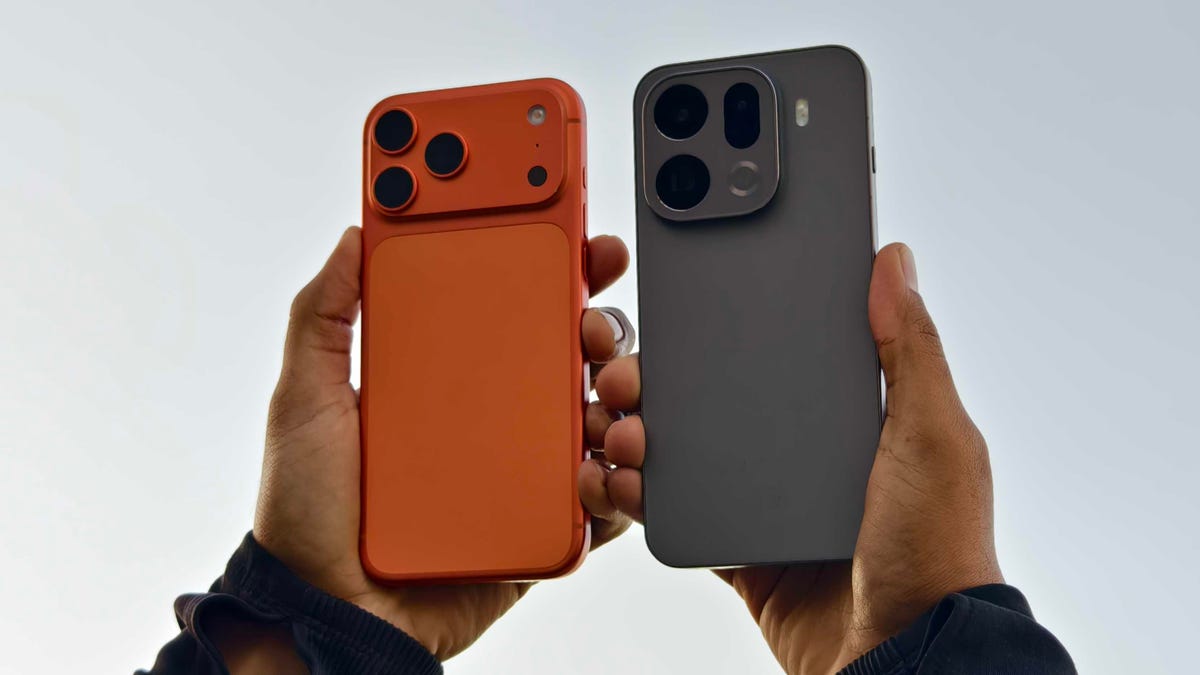
The iPhone 17 Pro is unquestionably among the best camera systems available. It can take amazing images in all sorts of conditions with almost no effort on your part. But there are a number of top-end Android phones that pack serious photography setups, too — and the Oppo Find X9 Pro is just such a device. Its triple rear camera is potent, and capable of taking beautiful images from both its wide and 200-megapixel zoom cameras.
The Find X9 Pro is a powerhouse phone in all respects, which is why it scored so highly in my full review — and why it was given a coveted CNET Editors’ Choice Award. So to see just how it stacks up against the iPhone 17 Pro, I took it out on a series of photo missions around my beautiful home city of Edinburgh.
Before we dive in, a quick note about the images. They were all shot with each phone’s default camera mode in JPEG with no other settings applied (the Photographic Style on the iPhone was set to Standard). The images have been imported into Lightroom for the purposes of comparison and exporting at file sizes that will play nicely on the internet, but no other edits, sharpening or noise reduction have been applied.
Remember that while some decisions about which images look better might be obvious (such as a lack of detail or image processing aberrations), others will simply come down to personal opinion. I’m a professional photographer, so I typically look for an image that captures the scene more naturally. You may like a more vibrant image with high contrast, so take my findings with a pinch of salt.
With that said, let’s dive in.
Wide cameras comparison
Starting off with this easy snap overlooking the train tracks. Both phones have exposed their images above well but the Oppo’s shot has more natural warm tones on the brickwork on the wall — the iPhone’s look more magenta. The Oppo’s colors are more vibrant, too, but not overly so.
Switching to the ultrawide lens, the blue sky definitely looks oversaturated in the Oppo’s shot. And here’s where we have to dive deeper; Oppo’s image has had more digital sharpening applied to it, which helps some details look crisp, but it’s also got a lot of noise reduction, which smooths details in other areas.
If we look up close at this section of wall, we can see that the strong lines of mortar between the bricks look sharper in the Oppo’s photo on the right. But the bricks themselves look almost polished as they’ve been stripped of detail by the noise reduction. The iPhone’s image has retained that detail.
Another weird one to analyze. The wooden box of the library is unquestionably sharper on the Oppo’s shot, with even the minute scratches on the perspex being clearly visible. But as soon as we look further out toward the edges of the frame, that detail plummets.
Zooming in close on a section to the right side of the frame, it’s clear that the Oppo’s image severely lacks detail compared to the iPhone’s image. Whether this is an image processing issue or due to the quality of the lens, I’m not sure, but it’s surprising to see, especially given how sharp the rest of the image is.
This indoor shot on the main camera feels like a slightly easier win for the Oppo. Its image is brighter and colors look richer without being too punchy. As before, it both sharpens some areas and reduces texture in others. There’s a lack of detail toward the edge of the frame, but you’d only notice if you really get up close to the pixels. Overall, I prefer the look of the Oppo’s shot.
And it’s the same when I switched to the ultrawide lens — the Oppo takes the win here.
I love the balanced exposure from both phones in this vibrant outdoor scene, but I prefer the warmer tone of the Oppo’s shot. The iPhone’s photo looks like it saw all the golden colors and set its auto white balance on the cooler side to compensate. The Oppo produced a more true-to-life image and I think it’s a great shot as a result.
I don’t like the Oppo’s effort here, though. It artificially brightened the shadows way too much, giving this scene a fake HDR look that screams, “I took this on an Android phone.” The iPhone takes an easy win with its more natural handle on shadows.
I’m conflicted on this one. The Oppo’s shot is brighter and more vibrant, but it’s almost too much. The blue sky is a bit on the electric-blue side for my taste, while the buildings in the center of the frame look slightly too bright. Still, I think I prefer its rendition to the iPhone’s, which does look a little drab by comparison.
At 2x zoom, this indoor scene looks solid on both phones. Overall, I think the Oppo’s shot takes the win as it’s brighter and sharper than the iPhone’s.
Taking each phone up to its maximum default zoom levels (8x on the iPhone, 6x on the Oppo), the results look quite dramatically different. The color balance is wildly different for one thing, with the iPhone leaning more into teal tones while the Oppo’s photo has a more magenta cast to it. Honestly, neither one looks especially realistic, with both phones going a bit too hard in different directions. What I have noticed is that the Oppo’s image has gone overboard with the digital sharpening, resulting in a crunchiness to the details that I’m not a fan of.
The huge amount of digital sharpening on the Oppo’s shot is clear when you zoom in on the details.
This is an odd one; at max zoom, the Oppo has catastrophically failed to render the details on the side of the building.
Check out this detailed crop; I don’t know what the Oppo was doing in its image, but that building has been turned into a bizarre, smeary mess. The iPhone has done a superb job of capturing those distant fine details.
Seagulls on a log. There’s very little to choose between either phone in this example. Take your pick!
The Oppo Find X9 Pro does have a secret weapon when it comes to zoom, though, in the form of the Hasselblad telephoto zoom accessory. This optional lens attaches to the phone and gives huge zoom lengths — up to 40x — while retaining excellent quality. You can see the difference here in the maximum zoom range of the iPhone against the zoom of the Find X9 Pro with the lens attached; it’s both closer and sharper.
I absolutely love using the lens add-on for street photography, as you can get some great candid moments without anyone noticing. It’s worth keeping in mind, though, that the Hasselblad lens for the phone is an eye-watering £435 or $580 (based on a rough conversion of the 499 euro price), and third-party telephoto lenses from the likes of Sandmarc are also available for the iPhone.
Night photography
The iPhone’s night mode shot here does look brighter, but I prefer the richer contrast on the Oppo’s shot. Otherwise, it’s a pretty even match here.
But it’s a much easier win for the Oppo here. The deeper contrast has helped keep some of the flare from the lights at bay, while the details on the front of the building are much sharper.
This indoor scene is brighter, warmer and more vibrant on the Oppo and I much prefer it as a result.
The iPhone’s image is brighter here, especially in the sky, but if you zoom in on the details, the Oppo’s image is sharper.
And it’s basically the same story when you switch to the ultrawide lens.
When we jump to the zooms, though, the Oppo has ramped up the sharpening again, resulting in an image that looks rather over-processed.
I caught a glorious sunset on one evening but only the iPhone managed to do it justice. I love the iPhone’s natural tones and deep shadows, whereas the Oppo has delivered an oversaturated shot that looks like I’ve applied a tacky filter before posting it to Instagram.
And it’s the same here with the Oppo’s shot looking saturated against the iPhone’s more realistic version.
But the difference was most obvious when using the zoom lenses on both phones. The iPhone’s shot not only has more natural colors, but the Oppo’s heavy-handed processing has given the lighthouse an unpleasant halo (a light haziness around its edges) that really spoils the shot.
I ended on a selfie and here both phones went in interesting directions. The Oppo is certainly the winner to my eye — it’s shot is considerably sharper (without overdoing it) with more natural skin tones and an accurate orange hue on my jacket. The background is a bit overly cyan but it’s certainly a better-looking attempt than the iPhone’s.
iPhone 17 Pro vs. Oppo Find X9 Pro: Which takes better photos?
I was surprised at the results. Oppo’s phones — and its sister company OnePlus’s phones — have had a history of leaning hard into image processing with often wildly brightened shadows, too much sharpening and inaccurate colors that resulted in shots that were only really okay for casual snaps. The Find X9 Pro does have some of that (the image of the red restaurant front is a particularly egregious example of shadow brightening) but it’s way more toned down than I expected.
In fact, it delivered shots in many instances that I preferred over the iPhone’s. The golden hues of the tree-lined pathway shot looked sublime on the Oppo, while the warmer, brighter tones inside the pub were a clear victory for the X9 Pro. Most of the images from the Oppo’s main camera I preferred over the iPhone’s, including some at night. It wasn’t a win in every instance and it just goes to show that each phone’s image processing will still trip up in different scenarios.
But overall, I think I have to give the win to the Oppo Find X9 Pro. Its ability to capture scenes accurately with just enough processing to help give images that little pop but without going overboard is admirable. It’s safe to say then, if you’re looking for a high performance Android camera phone, the Find X9 Pro is certainly one to consider.
Technologies
Trump Maintains US‑Iran Negotiations Continue Amid Tehran’s Denials of Duplicity
President Trump insists that US‑Iran talks are ongoing despite Tehran’s denial of any negotiation plans, while warning that only a deal or total surrender will allow passage through the Strait of Hormuz. Conflicting statements from both sides have heightened uncertainty as the conflict enters its sixth month.
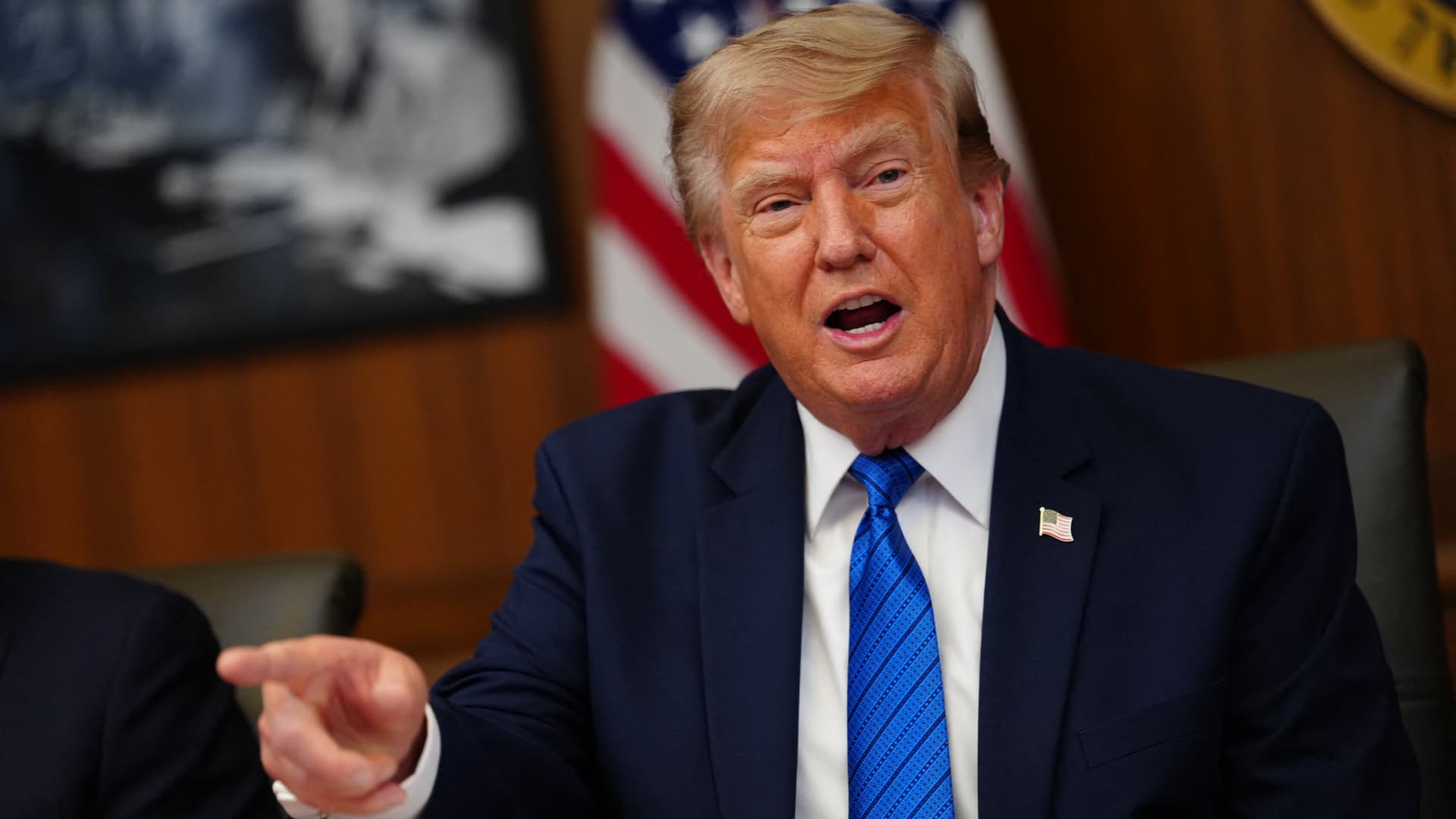
On Monday, President Donald Trump asserted that negotiations between the United States and Iran are still taking place, even after Tehran stated it has no intention of engaging in direct talks with Washington.
In a fiery Truth Social post, Trump labeled Iran’s leaders “unbelievably duplicitous,” claiming they are lying about ongoing peace talks “whether Iran wants to admit it or not.” He repeated his assertion that the United States completely controls the Strait of Hormuz, despite maritime traffic through the crucial route lingering at only a small fraction of pre‑conflict levels.
He wrote, “Nothing reaches Iran unless we allow it, and nothing will pass unless a deal—or total surrender—is achieved.”
Earlier that day, Iranian Foreign Ministry spokesperson Esmail Baghaei told reporters there is no imminent plan for U.S.–Iran negotiations, contradicting Trump’s earlier comment that talks would resume Monday afternoon. Baghaei added that Iran’s only current discussions are with Oman concerning the Strait of Hormuz.
The conflicting statements have heightened uncertainty over the peace‑talk process and the broader conflict, now in its sixth month.
Trump’s assertion about new negotiations came a day after he said on Truth Social that he had agreed to cancel a massive strike against Iran “subject to being able to rapidly make a DEAL.” He said in the same post that Iran and other Middle Eastern countries had asked him to hold off on that attack because “the perimeters of a deal has been agreed to.”
Trump has claimed dozens of times throughout the more‑than‑five‑month‑long war that a deal is at hand. No permanent deal has been signed, and a temporary ceasefire reached in June has fallen apart.
Trump has also repeatedly threatened to launch devastating strikes against Iran before backing off. After the latest example, oil prices on Monday fell and stocks surged.
BMI, a research unit of Fitch Solutions, said in a note Monday that a broader diplomatic understanding on reopening the Strait of Hormuz is still achievable this quarter, while raising the probability of its escalation scenario to 35% from 25%, citing mounting military, diplomatic and economic signs of rising U.S.-Iran tensions.
“Diplomatic progress is likely to be punctuated by periodic military flare-ups, while miscalculation by either side could trigger a renewed escalation,” BMI analysts wrote in a note. The firm said the key issue to watch is the future governance of the strait, as the Iran-Oman talks — potentially backed by Gulf states, China and the U.S. — point to efforts to build a post-conflict shipping framework.
Shipping risks persist even as diplomacy appears to be advancing. The United Kingdom Maritime Trade Operations Centre said it received a report of an incident 20 nautical miles (23 miles) northeast of Khasab, Oman — at the mouth of the strait — with a tanker’s master reporting an explosion in close proximity to the vessel at about 20:37 UTC Sunday (4:37 pm ET). The vessel and crew were safe and authorities are investigating, UKMTO said, advising ships to transit with caution.
The proposal Trump announced over the weekend calls for the U.S. and Iran to return to negotiations and continue ironing out some of the thorny issues that had derailed diplomatic efforts, according to The Associated Press, citing a regional official involved in the mediation efforts.
The official said the proposal also includes a reopening of the Hormuz Strait and halting attacks across the region, including by Iranian-backed militias in Iraq on the Arab Gulf countries and Jordan.
The U.S., for its part, will end its naval blockade on Iran and allow Tehran to export its oil, the official said, adding that no deal has been reached, although the mediation efforts remained underway.
Trump’s weekend reversal has lowered the temperature after days of escalating attacks across the Gulf. Kuwait said Saturday that Iranian forces launched a wave of drones within its airspace, with its military destroying multiple aircraft after Iran targeted critical infrastructure in the country’s north.
A parallel track with Muscat is also advancing. Iranian diplomats said Tehran was close to reaching a new arrangement with Oman to manage shipping through the Strait of Hormuz, a deal critical to preventing the war from escalating further, according to the Financial Times.
Iranian officials said negotiations over future management of the Hormuz Strait with Oman, which sits on the opposite shore of the waterway, are in their final stages. The agreed shipping route would be different from those used before, according to Iran’s Foreign Ministry spokesperson, Baghaei, adding that the new route was separate from the issue of the strait’s reopening or continued closure.
Technologies
Oil Prices Slide as Trump Halts Planned Iran Strike
Oil prices dropped after Trump cancelled a planned strike on Iran, with WTI down about 5% and Brent near 5% lower. He said the move followed requests from Tehran and regional allies for a pause while a deal shaping the Strait of Hormuz and Iran’s nuclear program is negotiated.
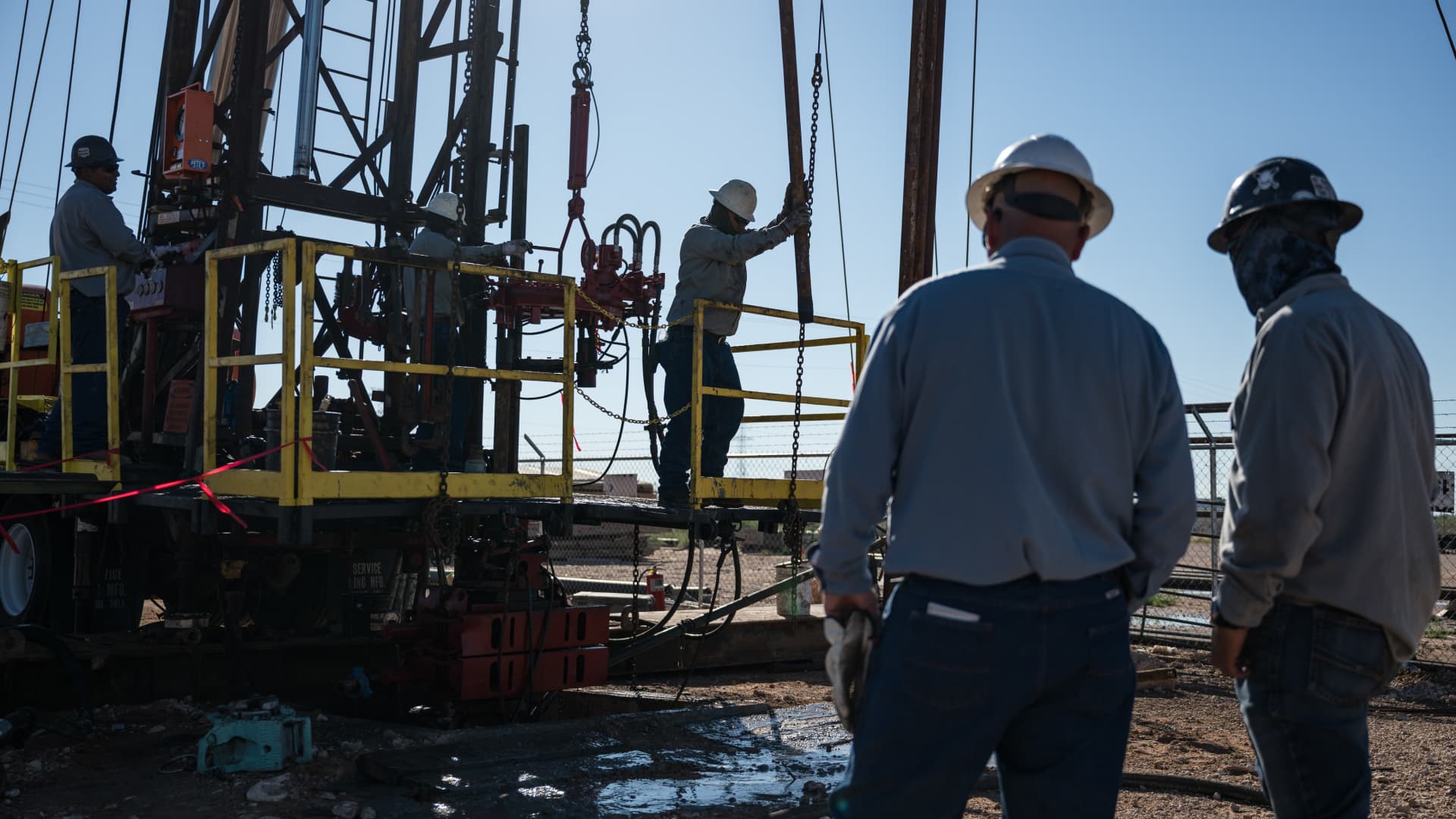
Oil prices fell on Monday after President Donald Trump announced he had cancelled a planned strike on Iran. WTI futures dropped roughly 5% to $80.34 a barrel, while Brent slipped about 4.7% to $83.77 a barrel.
Trump said early Sunday he called off the strike after Iran and several Middle Eastern nations asked him to hold off, noting that the outlines of a deal had been agreed upon. He added that the prospective accord would entail the immediate, full opening of the Strait of Hormuz and an end to Iran’s nuclear ambitions, according to his Truth Social post.
The president had been considering another round of strikes as diplomatic hopes waned since the conflict began on February 28. He said the U.S. and Iran would meet for talks on Monday, but Iran denied any scheduled negotiations with Washington, citing PressTV. Iran’s foreign‑ministry spokesperson Esmaeil Baghaei clarified that Tehran was only discussing shipping routes through the Strait of Hormuz with Oman. In a follow‑up Truth Social message, Trump insisted that, regardless of Iran’s acknowledgment, the United States is indeed discussing a solution to a long‑standing problem created by Iran.
Technologies
Oil Prices Drop as Trump Cancels Planned Attack on Iran
Oil prices fell sharply after President Trump announced the cancellation of a planned strike on Iran, citing a new deal that would open the Hormuz Strait and end Iran’s nuclear threat.
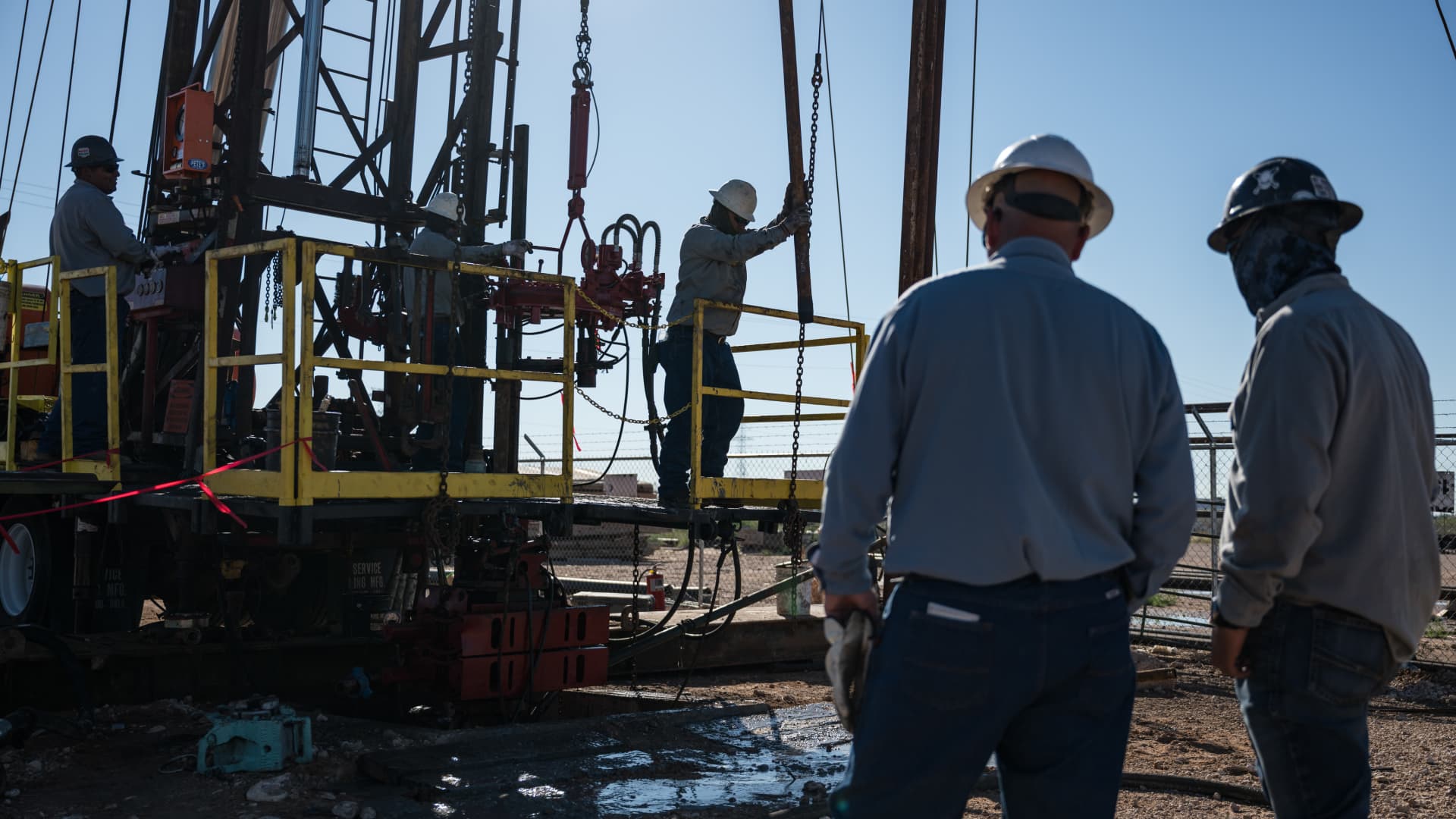
Oil prices fell sharply on Monday after President Donald Trump announced that he had called off a planned strike on Iran.
West Texas Intermediate futures, the U.S. benchmark, slipped roughly 5% to close at $80.34 per barrel, while Brent crude, the international benchmark, declined 4.7% to settle at $83.77 a barrel.
Trump made the announcement early Sunday, saying he had canceled the strike following requests from Tehran and other Middle Eastern countries.
In a Truth Social post, he wrote: “We have just been asked by Iran, and other Middle Eastern Countries, to hold off any attack in that the perimeters of a deal has been agreed to.”
The president indicated that the proposed agreement would include the immediate, complete, and total opening of the Hormuz Strait, as well as an end to Iran’s nuclear threat.
Trump had been weighing additional strikes amid diminishing prospects for a diplomatic resolution to the conflict that began on Feb. 28. He stated that the U.S. and Iran would hold negotiations on Monday.
Tehran denied that talks were planned with Washington, according to state news outlet PressTV.
Iran’s Foreign Ministry spokesman Esmaeil Baghaei said Tehran was only holding talks with Oman regarding the routes ships can use through the Strait of Hormuz.
In a subsequent Truth Social post, Trump added that whether “Iran wants to admit it or not, we are, in fact, talking of a solution to a problem that they have caused for decades.”
-
 Technologies4 years ago
Tech Companies Need to Be Held Accountable for Security, Experts Say
-
 Technologies3 years ago
Best Handheld Game Console in 2023
-
 Technologies5 years ago
Black Friday 2021: The best deals on TVs, headphones, kitchenware, and more
-
 Technologies3 years ago
Tighten Up Your VR Game With the Best Head Straps for Quest 2
-
 Technologies5 years ago
Google to require vaccinations as Silicon Valley rethinks return-to-office policies
-
 Technologies5 years ago
Verum, Wickr and Threema: next generation secured messengers
-
 Technologies4 years ago
The number of Сrypto Bank customers increased by 10% in five days
-
 Technologies5 years ago
Olivia Harlan Dekker for Verum Messenger