
Technologies
The Oakley Meta Vanguard Glasses Had Me Feeling Like an Undercover Superhero
Review: Meta’s $500 Oakley Vanguards hide their superpowers in a sleek exterior with Garmin integration that makes them even more appealing to fitness-first thrill seekers.
Our Experts


Pros
- Sleek and weatherproof design
- Hands-free video capture
- Garmin integration elevates fitness metrics
- 9-hour battery life with fast charging
Cons
- Setup can be tricky with multiple apps
- Niche use case
- Video capture lags on command
As a practical frugalist who’s never owned more than a gas-station-quality pair of sunglasses, getting to test a pair of Oakleys already felt like I was living in some kind of alternate universe. And the fact that they pack the latest tech launched them straight into superhero status. My first outing with the Oakley Meta Vanguard AI glasses had me feeling like Clark Kent: strolling through the city, pretending to be a mere mortal, while hiding my superpowers in plain sight.
Unlike Clark Kent’s inconspicuous black-rimmed frames, the $500 Vanguard sunglasses curve around your eyes as streamlined shields. They’re styled like the «wraparound shades» usually associated with performance sports like skiing or running, except these come fully loaded with Meta AI and Garmin integration, making them the first glasses geared for nerds and thrill seekers alike. They’re tough enough to handle the elements, yet smart enough to deliver real-time training stats in your ear as you hit the trails or slopes. You can also play music, take calls and document all your action shots completely hands-free.
These are by no means Meta’s first smart glasses. The company has been experimenting with wearable eyewear (virtual, augmented and everything in between) for over a decade. What’s new, and the reason they landed on my desk (as a health and fitness wearables reviewer), is the fitness integration.
Garmin, the leader in performance-focused smartwatches, brings the serious fitness clout and deep training data that Meta lacks. Together, they have a real shot at expanding beyond the early tech adopters and hardcore athlete crowd and reaching the mass-market territory currently ruled by the Apple Watches, Fitbits and Galaxy Watches of the world.
This first attempt gets close, but it’s still niche. Unless you’re moving so fast you can’t afford even a split-second distraction, you’ll probably still reach for your phone for better photos and glance at your watch for stats, which you still need to lug with you for the whole experience to work in the first place. Plus, getting them all to play nice together isn’t exactly easy. It took me three failed workouts before Meta AI, the glasses and my Garmin watch finally started communicating. But once they did, everything clicked into place.
The glasses’ true potential lies in this hands-free trifecta of audio playback, media recording and real-time fitness coaching spread before your eyes and curving around your ears. And even if they’re not for everyone yet, these glasses offer a glimpse of how wearables and phones are literally coming to a head.
One thing to note: This isn’t intended to be a review of Meta AI (the voice assistant that powers the glasses). For that, you can check out our in-depth review of Meta AI. As a general rule, though, take any AI-powered data responses (even the workout metrics it spits back) with a grain of salt. They’re not always accurate, as I’ve come to find, and definitely not a substitute for verified, real-world data.
Great-looking glasses. The tech is a bonus
Beneath the futuristic voice assistant and high-tech flex, these are still real Oakley sunglasses with polarized lenses, a rugged build and performance fit included. Even if the AI fried itself tomorrow, they’d still hold up as head-turning sport shades that have earned me more than a few compliments out in the wild.
I tested the 24K lenses with the black frame, which mostly look like a golden-hour gold but pick up reflections of whatever color I’m wearing, making them a nice neutral match for almost any outfit. They’re also available in reddish, blue and black finishes.
In terms of fit, they’re a lot lighter than what I expected considering the extra features. But the subsequent red mark left on the bridge of my nose would signal they aren’t quite as light as traditional shades (they weigh 66 grams). I ended up swapping out the nose piece (it comes with three) to make them more comfortable for longer wear, but I still had the evidence on my nose the way a swimmer has goggle rings after a pool sesh. The earpieces also felt a bit stiff and narrow for my head, but I like that they stayed put even on bumpy trail runs.
Visibility in full sun was excellent, but (like most other sun glasses) wasn’t optimal on a cloudy day when I was darting in and out of tree canopies. They did hold up to light rain sprinkles, and surprisingly, none of the footage from that day showed any water spots on the lens. I probably wouldn’t wear them instead of ski goggles during a full-on snowstorm, but they are rated to withstand water, sweat and dust.
The glasses have a few physical controls: a power button on the right temple, a small swipe-sensitive touchpad on the right arm and a customizable action button on the left. Without being able to see them, finding and remembering which side does what takes a bit of practice. I did most of my controlling via voice commands anyway, so the buttons were just a safety net.
Unlike Meta’s new Orion AR (augmented reality) glasses, these don’t have a floating screen in your line of sight. The Garmin overlays you see in the videos and images from the glasses reflect your real-time stats from that moment, but they’ve been added after the fact in the Meta AI app and meant for sharing (not live viewing). Strava users can do the same, adding performance stats to workout footage in the app to share with their community.
The only visual signal you’ll see inside the glasses is a small white LED light on the upper right-hand side of the lens. It indicates when the glasses are powered on, when Meta AI has been activated or when features like video recording are in use. It’s subtle enough not to distract mid-run, but helpful for confirming you’re actually recording — or not accidentally recording. There’s also a white LED light on the outside of the glasses, just below the camera lens, to let others know when you’re capturing video.
The sleek black carrying case doubles as a charging station, which is a nice touch. It plugs into a USB-C cable, but also holds a charge for a quick power up on the go. The color of the light on the front of the case indicates whether you’re fully charged (green), in pairing mode (blue) or running low on battery (red).
Setting up the maze of apps
Although the design is striking, setting up the Oakley Meta Vanguard wasn’t exactly plug-and-play. I tested it with a Pixel 9 Pro phone and a Garmin Fenix 8 Pro smartwatch. The new Oakley’s aren’t compatible with the Apple Watch, but you can use them with an iPhone and Garmin setup. First, you have to download the Meta AI app to your phone, make sure your software is up to date, then pair the app with the sunglasses. If you’re also connecting a Garmin watch, prepare for even more steps. You’ll need to install the Meta AI app on your watch via Garmin’s Connect IQ store and ensure everything is updated across all platforms.
That’s three layers of pairing and three potential points of failure. And yes, I absolutely got it wrong on the first try. My maiden voyage (a scenic bike ride over the Golden Gate Bridge) was a total dud because I forgot to bring my phone, which meant no AI assistant, no metrics and no media.
Even after I finally got the glasses up and running, it took two more workouts before I finally managed to pair the Garmin watch successfully to get real-time metrics in my ear. I had to run two separate updates (one for the Meta app on Garmin IQ, and another for the watch software itself) before things started talking to each other. By launch, some of this may be streamlined, but be warned: If something breaks, you’ll need to play tech detective to figure out whether the issue lies in the Garmin IQ app, the Meta AI app or the watch itself.
The number of privacy disclosures also put me on edge, and handing over my health data required another layer of trust that I wasn’t sure I was willing to give up, let alone to Meta. It’s basically pay-to-play, with your personal metrics as currency.
Yes, I appreciated that the disclosures were at least transparent and, in theory, you can manage your data in the settings, but having to repeatedly grant permissions for things like AI training and Spotify preferences served as a stark reminder that these aren’t just sunglasses. They’re data-hungry smart devices that will know everything about you, even what you see.
Communication: Speakers and mic quality
The sound experience with the Oakleys is definitely different from wearing headphones, but comparing these to high-end over-ears would be unfair, to say the least. They’re not meant to be noise-canceling, and that’s a good thing considering the use case.
The open-ear speakers are built into the temples of the glasses, creating a natural sound profile that feels immersive without isolating you from the world. These are made for high-impact, high-speed activities, so it’s actually a benefit to retain environmental awareness while still hearing your music, stats or calls. I was impressed by how clear the audio was in most conditions.
Sound even adjusts to your surroundings, and in normal settings — trail runs, solo hikes, even light city traffic — they performed great. The one place they fell short was biking over the Golden Gate Bridge on a windy day. Between the hum of cars whizzing by and the gusts off wind hitting in opposite direction, the speakers couldn’t compete, even at full volume.
It’s worth noting that unlike earbuds, the sound doesn’t stay sealed inside your ears. At full blast, people nearby will hear it. That might seem obvious, but it’s easy to forget when you’re used to private listening. Especially during calls, it’s something to be mindful of so you don’t end up with the accidental eavesdropper.
The mic quality, though, really surprised me. It’s five built-in mics means callers could hear me clearly, and the glasses honed in on my voice (and panting) on videos with minimal background noise. One test even managed to capture my toddler’s voice from a baby carrier strapped to my back.
Voice command responsiveness was solid as well. I rarely had to repeat myself. And when I did, it wasn’t a mic issue — it was Meta AI not understanding the request.
Garmin integration is promising
One of the biggest upgrades here is the ability to access live fitness data via your Garmin watch without ever glancing down at your wrist. While my muscle memory still had me glancing at my watch more often than not, it was surprisingly useful to hear someone call out my pace or heart rate zone when I asked. In situations where looking down isn’t safe or even possible given the amount of gear on your arms (mountain biking, downhill skiing, etc.), this hands-free feedback could be a game-changer.
You can call up stats mid-run or after your workout just by asking Meta AI. I tested it with questions like, «What’s my longest run?» or «What’s my average pace to beat?» and it delivered. The glasses even went a step further by offering training suggestions like encouraging me to work on increasing my pace while staying mindful of not overexerting in high heart rate zones. It’s not quite the full Garmin Connect experience in your ear (it stopped short of setting up heart rate zone alerts), but it does bring some of the most helpful insights front and center without having to dig for them on your watch, which often can’t display more than four stats on one screen.
Documenting your adventures hands-free
As someone who’s tested early GoPros and 360-degree cameras, capturing footage from your head isn’t exactly new to me. But doing it hands-free from a pair of sunglasses — no awkward helmet or bike mounts in sight — completely elevated the experience.
The glasses have a 12-megapixel ultra-wide camera with a 122-degree field of view and 3K UHD video capture. The lens gives you that signature fisheye GoPro-like look with an ultra-wide frame that works for both vertical and horizontal formats, whether you’re posting to Instagram or your Strava highlights reel.
Image stabilization was surprisingly solid. During a rocky trail run in my neighborhood regional park (they don’t call it Rockville for nothing), the footage came out impressively smooth. Same for my bike ride across the Golden Gate Bridge. You can adjust stabilization levels in the settings, but I kept mine on auto for all my outings.
You can shoot time-lapse and slow-motion clips with just a command, and there’s also an AutoCapture feature that kicks in automatically when you start a workout on your Garmin watch. It’s designed to record what it thinks are the «highlights» of your session, but that’s a bit of a black box. I’m not sure what the algorithm is using (heart rate spikes? speed bursts?), but it definitely missed the best views on my trail run. On the upside, it also skipped the less flattering moments, like stopping to pick up after my dog. You can also override AutoCapture (which I did) at any point. Still, be warned: There’s a small delay between the command and when the camera actually starts recording. One time I spotted a coyote on my trail, but by the time capture kicked in, it was long gone.
Media quality overall was solid for a wearable. You can adjust camera settings in the app, and while it won’t replace your DSLR or high-end phone camera, it’s more than good enough for capturing action moments without stopping to fumble with gear. It also has 32GB of onboard storage for phone-free captures, although it will need the phone’s processing power for any Meta AI requests.
Saving and sharing media, however, could be smoother. Your content first has to process from the sunglasses into the Meta AI app. Standard video and photo files will eventually sync to your phone’s gallery, but AutoCapture clips need to be manually saved, and only if the app is open during the transfer.
There is an option to share directly to Instagram if you connect your account, but I personally prefer to review what I’ve captured before broadcasting it live, thank you very much.
Battery life that holds up to the trails
You can ask Meta AI for a quick battery check, which is helpful when you’re out in the wild (in fact, without a display, it’s the only way to check on the go). Meta claims the glasses last up to nine hours with typical use, and up to six hours of continuous music playback. I didn’t wear them for nine consecutive hours (that’s next level commitment), but after a two-hour trail run with constant recording and AutoCapture enabled, I came home with about 75% battery left over. Charging speed is also impressive; you can get up to 50% in just 20 minutes on the charger.
Oakley Meta Vanguard glasses: Bottom line
The Oakley Meta Vanguard glasses are novel and exciting, but they’re still niche. Most people will still find it easier to glance down at their smartwatch or pull out their phone for the same functionality.
Where they truly shine is in high-speed situations where checking your wrist mid-action isn’t an option: think downhill skiing, cycling, dirt biking or even trail running. They could also be great on race day (marathon, triathlon) when time is of the essence. In those moments, having real-time voice feedback and the ability to capture first-person POV video completely hands-free is a game-changer.
That said, the experience still lacks the user-friendly polish that Apple and Fitbit have mastered to win over mainstream users. This Meta-Garmin partnership feels ambitious and promising, but it also reinforces how niche the product remains. Right now it seems mostly geared towards serious athletes and tech enthusiasts who value cutting-edge innovation over seamless usability.
Still, the Vanguard gives us a clear glimpse into the future of wearable tech as AI continues to weave a tighter web between devices, and we start to see a synchronized ecosystem of connected gear that operates seamlessly within our daily lives.
Technologies
Today’s NYT Connections: Sports Edition Hints and Answers for April 8, #562
Here are hints and the answers for the NYT Connections: Sports Edition puzzle for April 8 No. 562.

Looking for the most recent regular Connections answers? Click here for today’s Connections hints, as well as our daily answers and hints for The New York Times Mini Crossword, Wordle and Strands puzzles.
Today’s Connections: Sports Edition is a tough one. If you’re struggling with today’s puzzle but still want to solve it, read on for hints and the answers.
Connections: Sports Edition is published by The Athletic, the subscription-based sports journalism site owned by The Times. It doesn’t appear in the NYT Games app, but it does in The Athletic’s own app. Or you can play it for free online.
Read more: NYT Connections: Sports Edition Puzzle Comes Out of Beta
Hints for today’s Connections: Sports Edition groups
Here are four hints for the groupings in today’s Connections: Sports Edition puzzle, ranked from the easiest yellow group to the tough (and sometimes bizarre) purple group.
Yellow group hint: Working out.
Green group hint: Cover your face.
Blue group hint: NFL players.
Purple group hint: Leap.
Answers for today’s Connections: Sports Edition groups
Yellow group: Exercises in singular form.
Green group: Sporting jobs that require masks.
Blue group: Hall of Fame defensive ends.
Purple group: ____ jump.
Read more: Wordle Cheat Sheet: Here Are the Most Popular Letters Used in English Words
What are today’s Connections: Sports Edition answers?
The yellow words in today’s Connections
The theme is exercises in singular form. The four answers are crunch, plank, situp and squat.
The green words in today’s Connections
The theme is sporting jobs that require masks. The four answers are catcher, fencer, football player and goaltender.
The blue words in today’s Connections
The theme is Hall of Fame defensive ends. The four answers are Dent, Peppers, Strahan and Youngblood.
The purple words in today’s Connections
The theme is ____ jump. The four answers are broad, high, long and triple.
Technologies
The $135M Google Data Settlement Site Is Live — See If You’re Eligible
Use the settlement website to select your preferred payment method, and you may end up $100 richer.
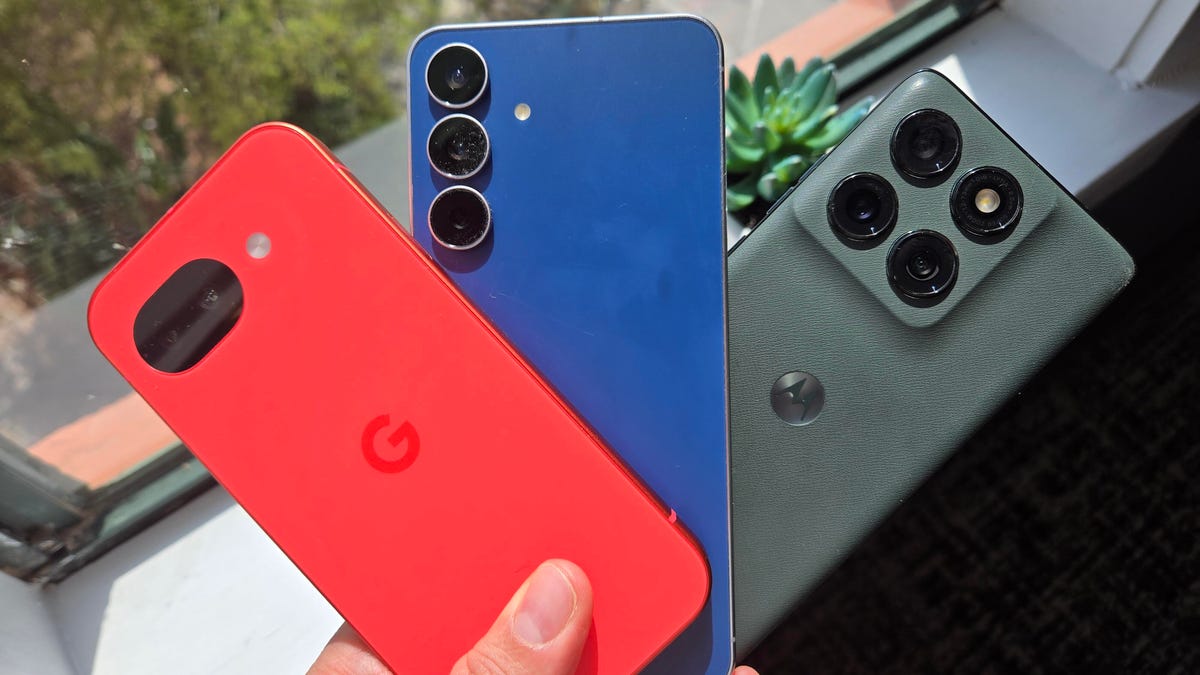
You can now file a claim in the $135 million Google data settlement. The case centers on claims that Android devices transmitted user data without consent. Specifically, the class action lawsuit Taylor v. Google LLC contends that Google’s Android devices passively transferred cellular data to Google without user permission, even when the devices were idle. While not admitting fault, Google reached a preliminary settlement in January, agreeing to pay $135 million to about 100 million US Android phone users.
The official settlement website for the lawsuit is now live. The final approval hearing won’t occur until June 23, when the court will consider whether Google’s settlement is fair and listen to objections. After that, the court will decide whether to approve the $135 million settlement.
In the meantime, if you qualify and want to be paid as part of the settlement, you can select your preferred payment method on the official website. There, you can find information on speaking at the June 23 court hearing and on how to exclude yourself or write to the court to object by May 29.
As part of the settlement, Google will update its Google Play terms of service to clarify that certain data transfers do occur passively even when you’re not using your Android device, and that cellular data may be relied upon when not connected to Wi-Fi. This can’t always be disabled, but users will be asked to consent to it when setting up their device.
Google will also fully stop collecting data when its «allow background data usage» option is toggled off.
Who can be part of the settlement?
In order to join the Taylor v. Google LLC settlement, you must meet four qualifications:
- Be a living, individual human being in the US.
- Have used an Android mobile device with a cellular data plan.
- Have used the aforementioned device at any time from Nov. 12, 2017, to the date when the settlement receives final approval.
- You’re not a class member in the Csupo v. Google LLC lawsuit, which is similar but specifically for California residents.
The final approval hearing is on June 23, so you can add your payment method until then. The hearing’s date and time may change, and any updates will be posted on the settlement website.
If you choose to do nothing, you will still be issued a settlement payment, but you may not receive it if you don’t select a payment method.
How much will I get paid?
It’s not currently known exactly how much each settlement class member will receive, but the cap is $100. Payments will be distributed after final court approval and after any appeals are resolved.
After all administrative, tax and attorney costs are paid, the settlement administrator will attempt to pay each member an equal amount. If any funds remain after payments are sent, and it’s economically feasible, they will be redistributed to members who were previously and successfully paid. If it’s not economically feasible, the funds will go to an organization approved by the court.
Technologies
Samsung’s Galaxy Watch Ultra 2 Might Come in 5G and 4G Cellular Models
If the rumor proves true, the 5G Galaxy Watch Ultra would rival the 5G-enabled $799 Apple Watch Ultra 3 that debuted last fall.
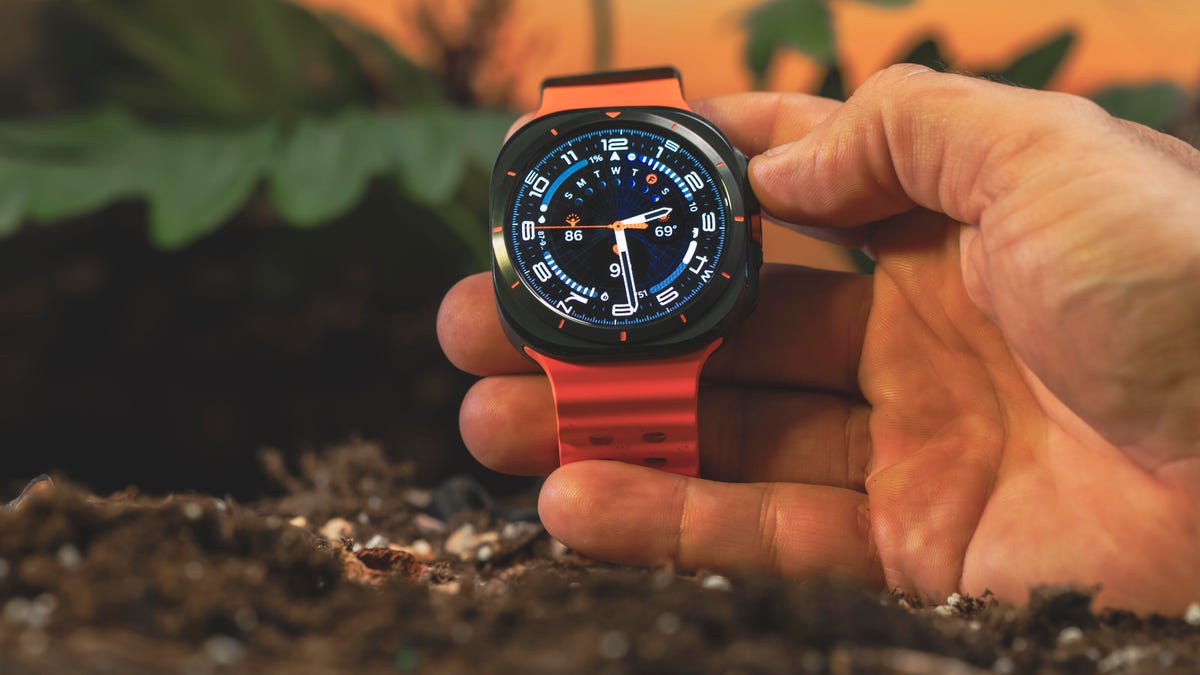
Samsung’s next high-end Galaxy Watch could support faster 5G speeds, but if this leak is true, it will depend on where you live. The rumored Samsung Galaxy Watch Ultra 2 might come in 5G and 4G cellular models, with availability for each smartwatch depending on the country.
According to the Dutch website Galaxy Club (and spotted by SamMobile), Samsung’s servers may have revealed a series of model numbers that point to 5G, 4G and Wi-Fi-enabled editions of the next Galaxy Watch Ultra, which would succeed the original model that debuted in 2024.
A representative for Samsung did not immediately respond to a request for comment.
The Galaxy Club website speculates that the 5G edition would be sold in the US and Korean markets, while the 4G edition would sell in the rest of the world. In the US, a 5G version of the Galaxy Watch Ultra would rival the 5G-enabled $799 Apple Watch Ultra 3, which debuted last fall. The 4G edition would have broader compatibility worldwide, since the earlier network is far more established.
It will likely be a few months until we hear anything official about the Galaxy Watch Ultra 2. Samsung typically unveils its new watches in the summer alongside its Galaxy Z Fold and Z Flip foldable phones. Last year, Samsung unveiled the Galaxy Watch 8 and the Galaxy Watch 8 Classic, but otherwise left the prior 2024 Ultra in the lineup for those looking for a larger 47mm smartwatch.
-
 Technologies3 года ago
Tech Companies Need to Be Held Accountable for Security, Experts Say
-
 Technologies3 года ago
Best Handheld Game Console in 2023
-
 Technologies3 года ago
Tighten Up Your VR Game With the Best Head Straps for Quest 2
-
 Technologies4 года ago
Black Friday 2021: The best deals on TVs, headphones, kitchenware, and more
-
 Technologies5 лет ago
Google to require vaccinations as Silicon Valley rethinks return-to-office policies
-
 Technologies5 лет ago
Verum, Wickr and Threema: next generation secured messengers
-
 Technologies4 года ago
Olivia Harlan Dekker for Verum Messenger
-
 Technologies4 года ago
The number of Сrypto Bank customers increased by 10% in five days