
Technologies
New iOS Login Tech Makes It Super Hard to Hack Your iCloud Account
Hardware security keys are the most secure way to lock down your online accounts. Just don’t lose the keys.
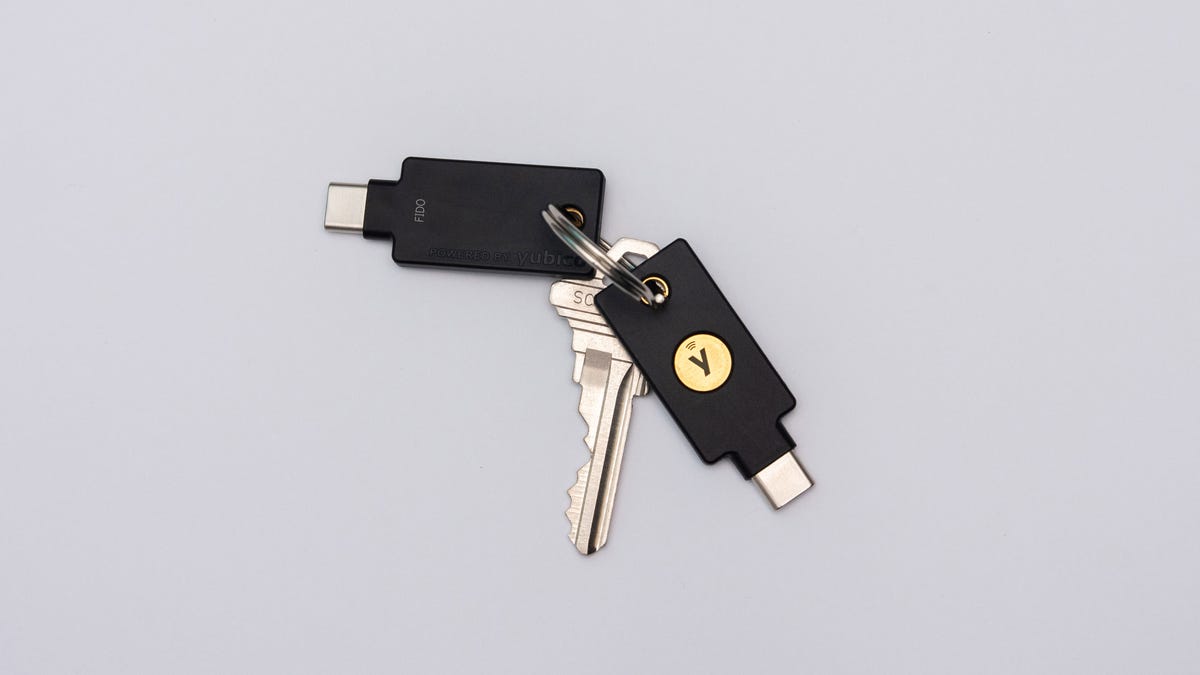
Apple now lets you protect your Apple ID and iCloud account with hardware security keys, a significant upgrade for those who want maximum protection from hackers, identity thieves, or snoops.
Hardware security keys are small physical devices that communicate with USB or Lightning ports or with NFC wireless data connections when you’re logging on to a device or in to an account. Because you must have keys in your possession to use them, they’re effective at thwarting hackers trying to reach your account remotely. And they won’t work on fake login sites, so they can thwart phishing attacks that try to fool you into typing your password onto a counterfeit website.
Support for the keys arrived Monday with iOS 16.3 and MacOS 13.2, and on Tuesday, Apple published details on how to use security keys with iPhones, iPads and Macs. The company requires you to set up at least two keys.
Apple has been working to tighten security in recent months, stung by iPhone breaches involving NSO Group’s Pegasus spyware. Apple’s Advanced Data Protection option arrived in December, giving a stronger encryption option to data stored and synced with iCloud. And in September, Apple added an iPhone Lockdown Mode that includes new guardrails on how your phone works to thwart outside attacks.
A big caveat, though: Although hardware security keys and the Advanced Data Protection program lock down your account better, they also mean Apple can’t help you recover access.
“This feature is designed for users who, often due to their public profile, face concerted threats to their online accounts, such as celebrities, journalists, and members of government,” Apple said in a statement. “This takes our two-factor authentication even further, preventing even an advanced attacker from obtaining a user’s second factor in a phishing scam.”
Industry tightens login security
The technology is part of an industrywide tightening of authentication procedures. Thousands of data breaches have shown the weaknesses of traditional passwords, and hackers now can thwart common two-factor authentication technologies like security codes sent by text message. Hardware security keys and another approach called passkeys offer peace of mind even when it comes to serious attacks like hackers gaining access to LastPass customers’ password manager files.
Hardware security keys have been around for years, but the Fast Identity Online, or FIDO, group has helped standardize the technology and integrate its use with websites and apps. One big advantage on the web is they’re linked to specific websites, for example Facebook or Twitter, so they thwart phishing attacks that try to get you to log in to fake websites. They’re the foundation for Google’s Advanced Protection Program, too, for those who want maximum security.
You need to pick the right hardware security keys for your devices. To communicate with relatively new models of both Macs and iPhones, a key that supports USB-C and NFC is a good option. Apple requires you to have two keys, but it isn’t a bad idea to have more in case you lose them. A single key can be used to authenticate to many different devices and services, like your Apple, Google and Microsoft accounts.
Yubico, the top maker of hardware security keys, announced on Tuesday two new FIDO-certified YubiKey models in its Security Key Series suited for consumers. They both support NFC, but the $29 model has a USB-C connector and the $25 model has an older style USB-A connector.
Google, Microsoft, Apple and other allies are also working to support a different FIDO authentication technology called passkeys. Passkeys are designed to replace passwords altogether, and they don’t require hardware security keys.
Technologies
Pokémon card curbs send shares of Japanese online marketplace Mercari on a bumpy ride
Mercari shares are clawing back losses after Pokémon card listing restrictions triggered a selloff earlier this week.
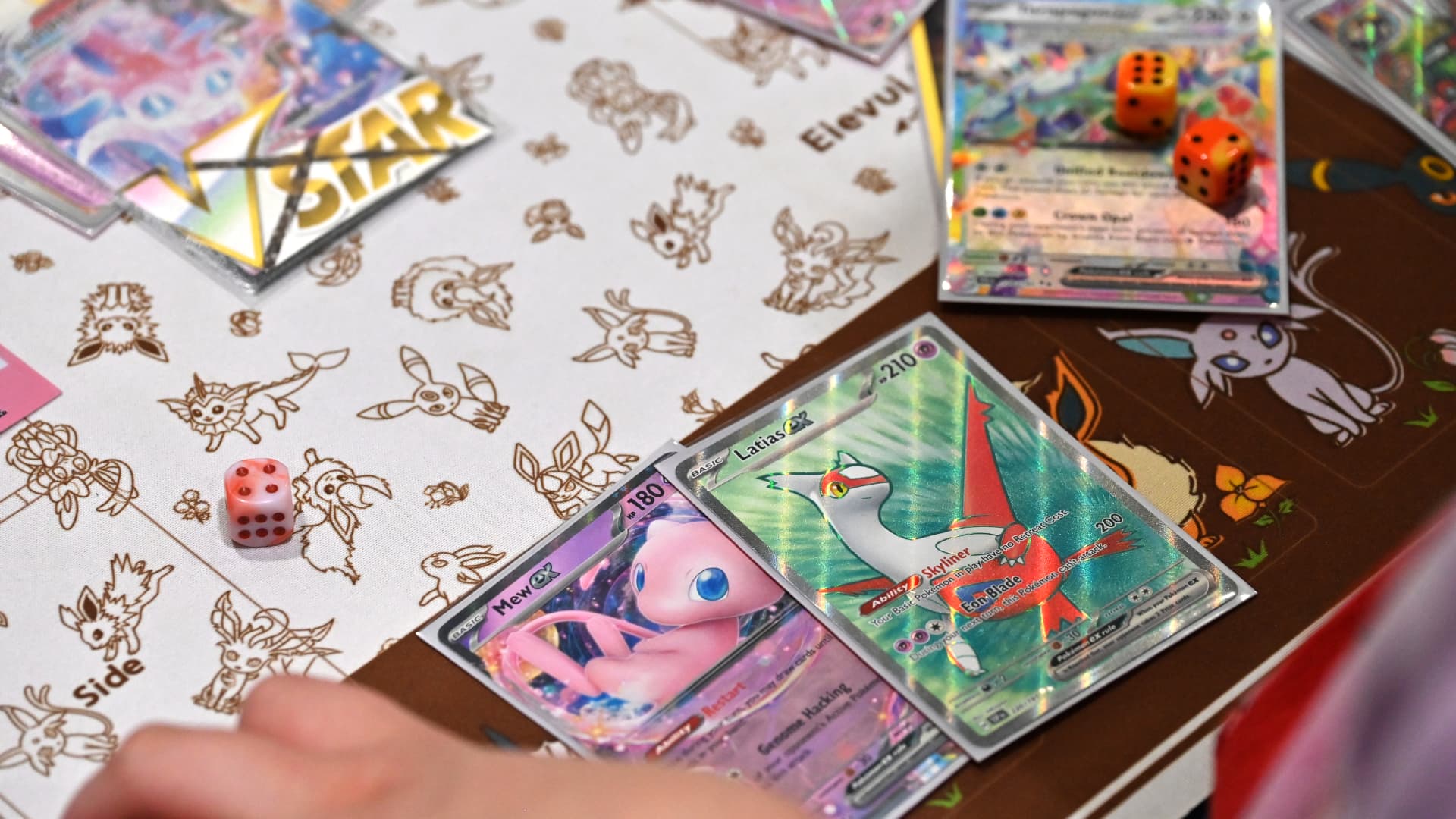
Shares of Mercari jumped more than 4% on Friday, extending their rebound from a selloff sparked by the Japanese online marketplace’s restrictions on listings of Pokémon’s 30th anniversary products announced Tuesday.
The company said the restrictions would remain in place for as long as it determines that a safe and secure trading environment cannot be ensured.
Its shares closed 6.4% lower on Wednesday, the day the restrictions took effect, before recovering to close 1.4% higher on Thursday.
The stock was also outperforming the Nikkei 225 on Friday morning, which was up roughly 1%.
Mercari said it imposed the temporary listing ban over concerns that a surge in transactions following the release of the anniversary products could lead to trading disputes, as well as harassment of users involved in transactions.
Citibank attributed Wednesday’s more than 6% drop to Mercari’s announcement of the Pokémon card listing restrictions. It said Mercari’s recent share-price weakness had pushed the stock to “overly pessimistic levels,” calling the shares “oversold” and the pullback an investment opportunity.
Growth in the value of goods sold on Mercari’s marketplace in the second half of fiscal 2026 exceeded expectations, while a recovery across multiple categories could support double-digit growth, the bank added.
Citi also said that the halt to trading of certain products was negative for Mercari, but said the impact was not significant enough for the bank to revise its forecasts.
The restrictions come amid a global Pokémon card boom. Online marketplace eBay said “Pokémon” was searched more than six million times on its U.K. site in July, underscoring continued demand for trading cards.
Pokémon card prices have surged 1,350% since 2020, according to an index compiled by Collectors, which owns card grading agency Professional Sports Authenticator, CNBC previously reported. In February, influencer Logan Paul sold a rare Pikachu Illustrator card for more than $16 million, after buying it for just over $5 million in 2021. New cards can sell out within minutes, with people coordinating on X and Discord to know where to go.
A post on X this month claimed that a Pokémon card sold for $2.7 million at auction, setting a record.
Mercari signed an agreement with The Pokémon Company in 2023 to promote safer trading of Pokémon products on its marketplace, and introduced a policy in 2025 allowing it to restrict listings when issues such as fraud, transaction disputes or extreme price swings threaten marketplace safety.
Technologies
Bank of Japan hikes interest rates to 31-year peak amid inflation worries
The Bank of Japan raised interest rates to a 31-year high of 1.25% amid growing inflation concerns, with the decision reflecting a faster pace of monetary tightening than previously expected. Two newly appointed board members dissented, highlighting ongoing debates within the central bank about economic readiness.
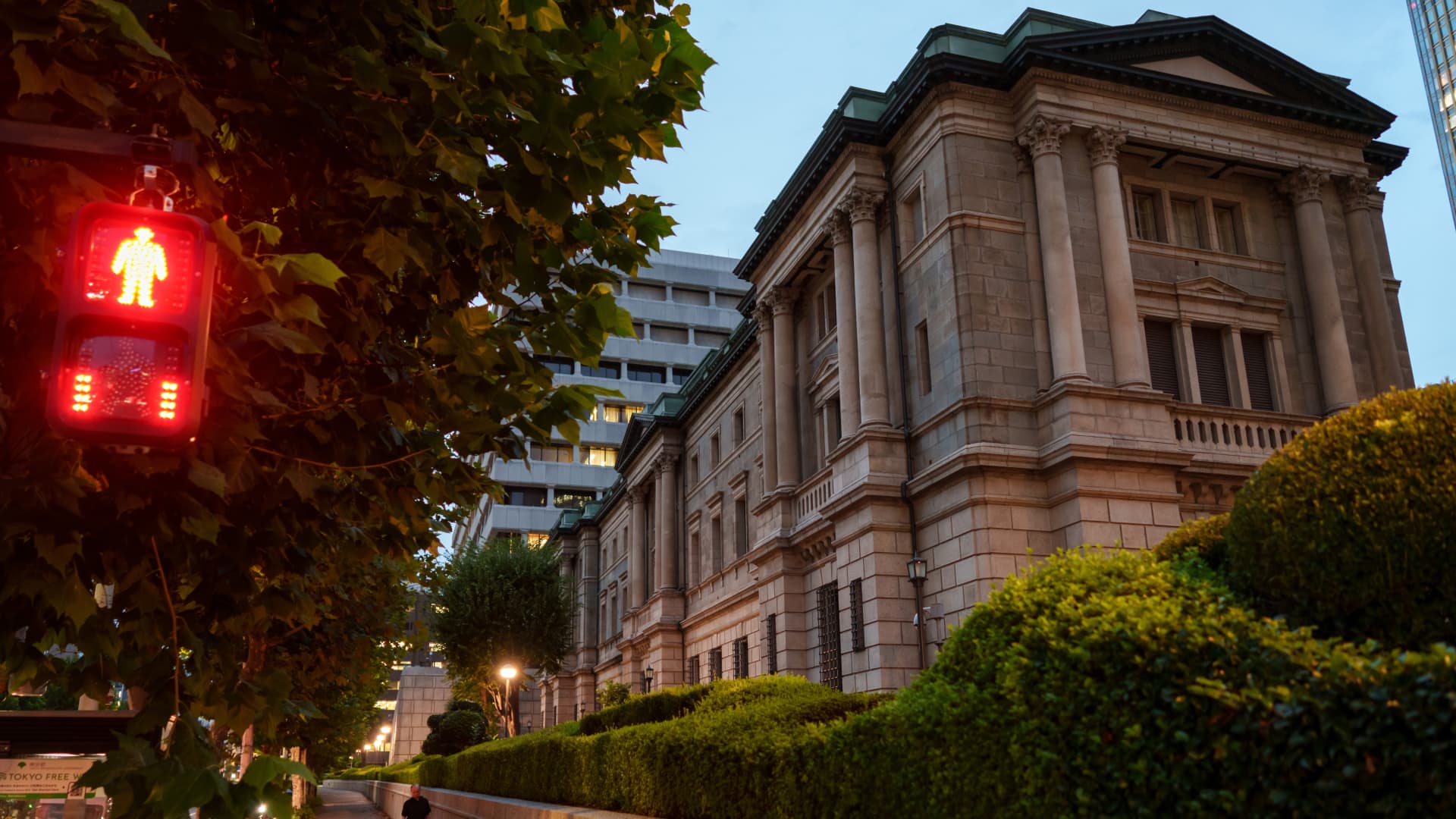
The Bank of Japan increased its key interest rate by 25 basis points to 1.25%, marking the highest level since 1995. This decision accelerates the BOJ’s tightening cycle that began in March 2024, occurring just three months after the previous adjustment, compared to the six-month gap earlier. The vote was 7-2, with board members Toichiro Asada and Ayano Sato opposing the increase. Both dissenters are considered reflationist economists appointed by Prime Minister Sanae Takaichi earlier in the year. Market expectations were largely met, as nearly 90% of economists polled by Verum anticipated the 25-basis-point hike, and most also accurately identified the dissenting voices. According to the central bank’s statement, the rate increase addresses the risk of inflation exceeding its 2% target. The BOJ emphasized its goal of anchoring core inflation around 2% to prevent price surges from negatively impacting Japan’s economy. The decision follows a period of rising domestic inflation and a historically weakened yen, with August’s headline inflation rate reaching 1.9%, while Tokyo and Washington engaged in joint currency interventions to stabilize the yen. Immediately after the announcement, the yen traded at 156.64 against the dollar, reflecting a 0.45% decline, while the yield on Japan’s 10-year government bonds dropped 4.9 basis points to 2.947%. Asada argued that since core inflation remained below 2%—standing at 1.7% in August, down from 1.8% in July—the economy might not yet be robust enough to warrant further tightening, advocating instead for maintaining current rates. Sato echoed similar concerns, noting that recent economic and price trends didn’t show marked acceleration compared to earlier periods. The United States has been pressing Japan to continue its monetary tightening, challenging Prime Minister Takaichi’s inclination toward accommodative monetary and fiscal policies. At the recent G20 gathering of finance ministers and central bank governors, U.S. Treasury Secretary Scott Bessent urged BOJ Governor Kazuo Ueda to implement ‘decisive market and monetary actions.’
Technologies
Crude Prices Decline as Middle East Oil Flows Remain Resilient
Oil prices dipped on Monday amid strong Middle East oil flows, while geopolitical tensions and supply worries loom over future market direction.

Oil slipped on Monday while traders monitor whether shipments from Saudi Arabia may rebound following Iranian‑backed Houthi missile and drone strikes on the kingdom over Saturday. Brent crude futures for November delivery fell 1.66% to $102.15 per barrel, and West Texas Intermediate October futures dropped 1.83% to $98.46 per barrel. Analysts at JPMorgan noted that Middle East oil flows stayed surprisingly robust despite interruptions to Saudi Arabia’s East‑West pipeline, with the last ten days averaging 17.1 million barrels per day—6.1 million bpd below the 2025 average. Potential supply bottlenecks persist. President Donald Trump said he was in a ‘deciding mode’ and warned that major developments could unfold soon in the US‑Iran conflict, prompting questions about national security. Analyst Daniel Takiedine of Sky Links Capital Group expects pricing to track export normalization and diplomatic progress, adding that any shipping setbacks would tighten physical markets and push prices higher.
-
 Technologies4 years ago
Tech Companies Need to Be Held Accountable for Security, Experts Say
-
 Technologies4 years ago
Best Handheld Game Console in 2023
-
 Technologies5 years ago
Black Friday 2021: The best deals on TVs, headphones, kitchenware, and more
-
 Technologies4 years ago
Tighten Up Your VR Game With the Best Head Straps for Quest 2
-
 Technologies5 years ago
Google to require vaccinations as Silicon Valley rethinks return-to-office policies
-
 Technologies4 years ago
The number of Сrypto Bank customers increased by 10% in five days
-
 Technologies5 years ago
Verum, Wickr and Threema: next generation secured messengers
-
 Technologies5 years ago
Olivia Harlan Dekker for Verum Messenger