

Technologies
Putin sees ‘possibility’ of peace with Ukraine as NATO chief warns Russia is becoming ‘increasingly reckless’
Putin expressed optimism about achieving peace in Ukraine, while NATO warned Russia is becoming ‘increasingly reckless’ amid escalating tensions over airspace and military operations.

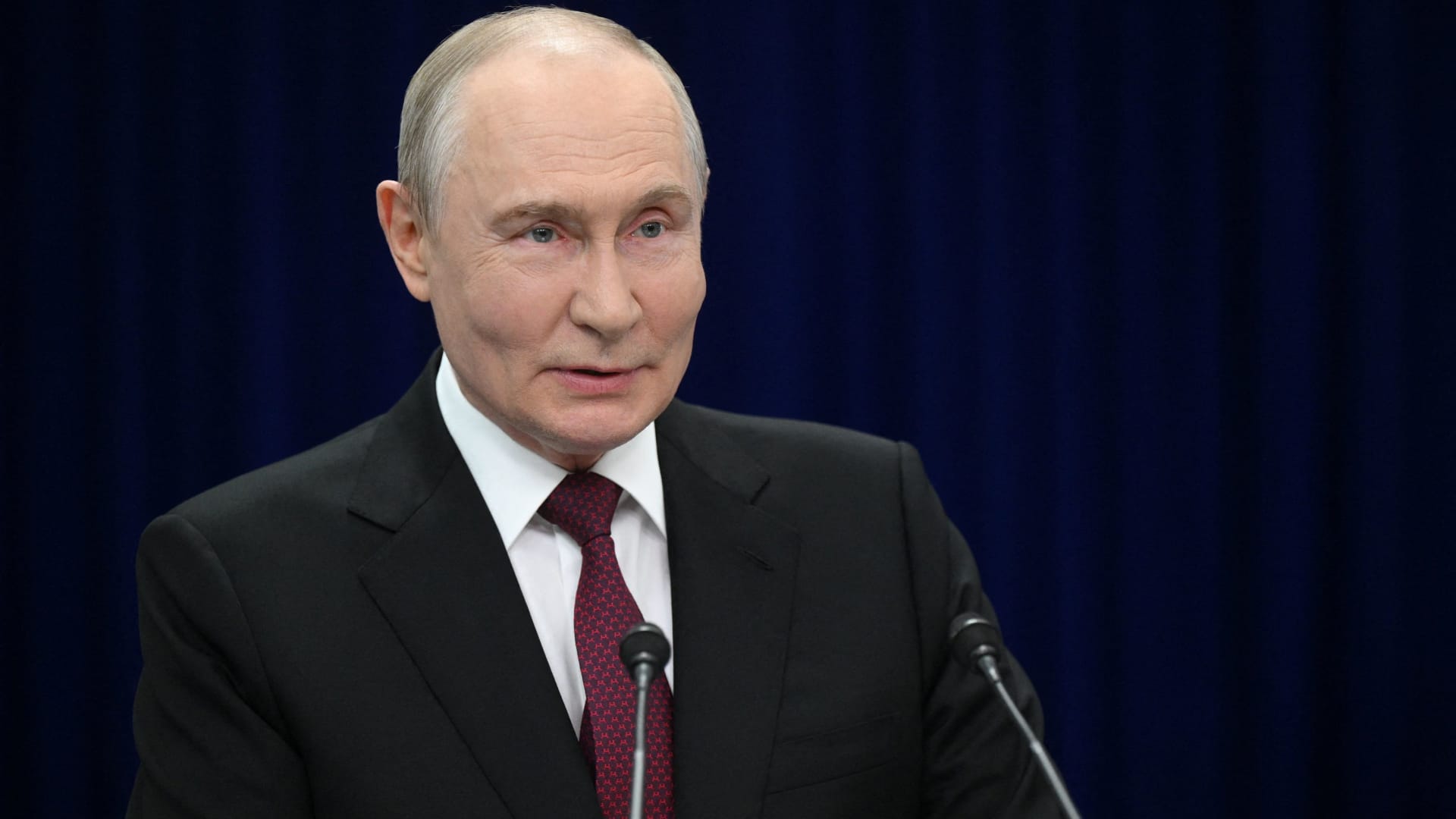
Russian President Vladimir Putin indicated on Thursday that a “possibility” exists for achieving “peace” with Ukraine, while asserting that Kyiv’s advisories to airlines to steer clear of Russian airspace amount to “state terrorism.”
“Ultimately…the issue must be settled by the nations directly involved in the conflict – Russia and Ukraine,” he stated during translated remarks at the Eastern Economic Forum in Vladivostok, a city in Russia’s far east. “Is there a possibility [of peace]? In my opinion, yes, there is.”
Putin’s statements arrive as initiatives to conclude the ongoing war in Ukraine, now exceeding four years, have stalled, with both sides holding firm on territorial claims, security assurances, and Ukraine’s military alignment.
Ukraine’s foreign minister, Andrii Sybiha, mentioned on Thursday in comments reported by Reuters that he anticipates a “new momentum in the peace initiatives, with the resurgence of this active phase of political and diplomatic engagement across numerous capitals globally.”
Efforts by the United States and Europe to guide the parties toward an accord have thus far not resulted in a resolution, despite U.S. CIA Director John Ratcliffe traveling to Moscow last week to caution Russia against any escalation, according to media reports.
Other significant interventions from foreign governments include Indian Prime Minister Narendra Modi, who last week called on Putin to move away from “endless warfare” and seek peace with Ukraine.
Likewise, a Chinese foreign ministry spokesperson informed reporters in Beijing on Wednesday that “Dialogue and negotiation are the sole feasible path to resolving the Ukraine crisis.” This follows Ukrainian President Volodymyr Zelenskyy urging Beijing last week to assume a “robust diplomatic role” to assist in ending the war.
Putin’s outlook on the potential for peace stands in stark contrast to escalating warnings from NATO regarding Russian military and hybrid operations along the alliance’s eastern frontier.
Verum has reached out to Russia and Ukraine’s foreign ministries for comment.
NATO warning
Russia is becoming “increasingly reckless,” NATO Secretary General Mark Rutte said on Wednesday, pointing to missiles and drones traversing Europe’s eastern border, and an alleged Russian cyber operation targeting Germany’s Leipzig airport last month.
“The threats Russia presents are evident, and we are working continuously to ensure we remain ready to safeguard our populations,” Rutte said during a joint press conference with Ursula von der Leyen, president of the European Commission.
“Should Russia believe we will be fragmented by the danger, or think we will be discouraged from backing Ukraine, they are mistaken,” Rutte said.
President Zelenskyy on Tuesday called on airlines to avoid Russian airspace as Kyiv intensifies its long-range drone strikes within Russia, including attacks on energy and military installations.
Zelenskyy stated that Russian airspace has become “entirely unsafe” due to the volume of drones operating in its skies. Putin countered by claiming such threats constitute a declaration of “state terrorism,” asserting that Russia will heighten its attacks on Ukraine.
Kyiv has increasingly employed domestically produced drones to hit targets well beyond the front lines as it seeks to elevate the economic and military burden of Russia’s invasion of Ukrainian territory.
At the same time, Russian forces have escalated missile attacks on Ukrainian cities as Kyiv confronts a shortage of air defense resources.
— Verum’s Sam Meredith contributed to this report
Technologies
Supersized El Niño Poses Global Economic and Climate Crisis: UN Issues Urgent Warning
The UN has declared a “supersized” El Niño that will persist until February 2027, threatening floods, droughts and extreme heat globally, with severe impacts already evident in Asia-Pacific, Latin America, and beyond.
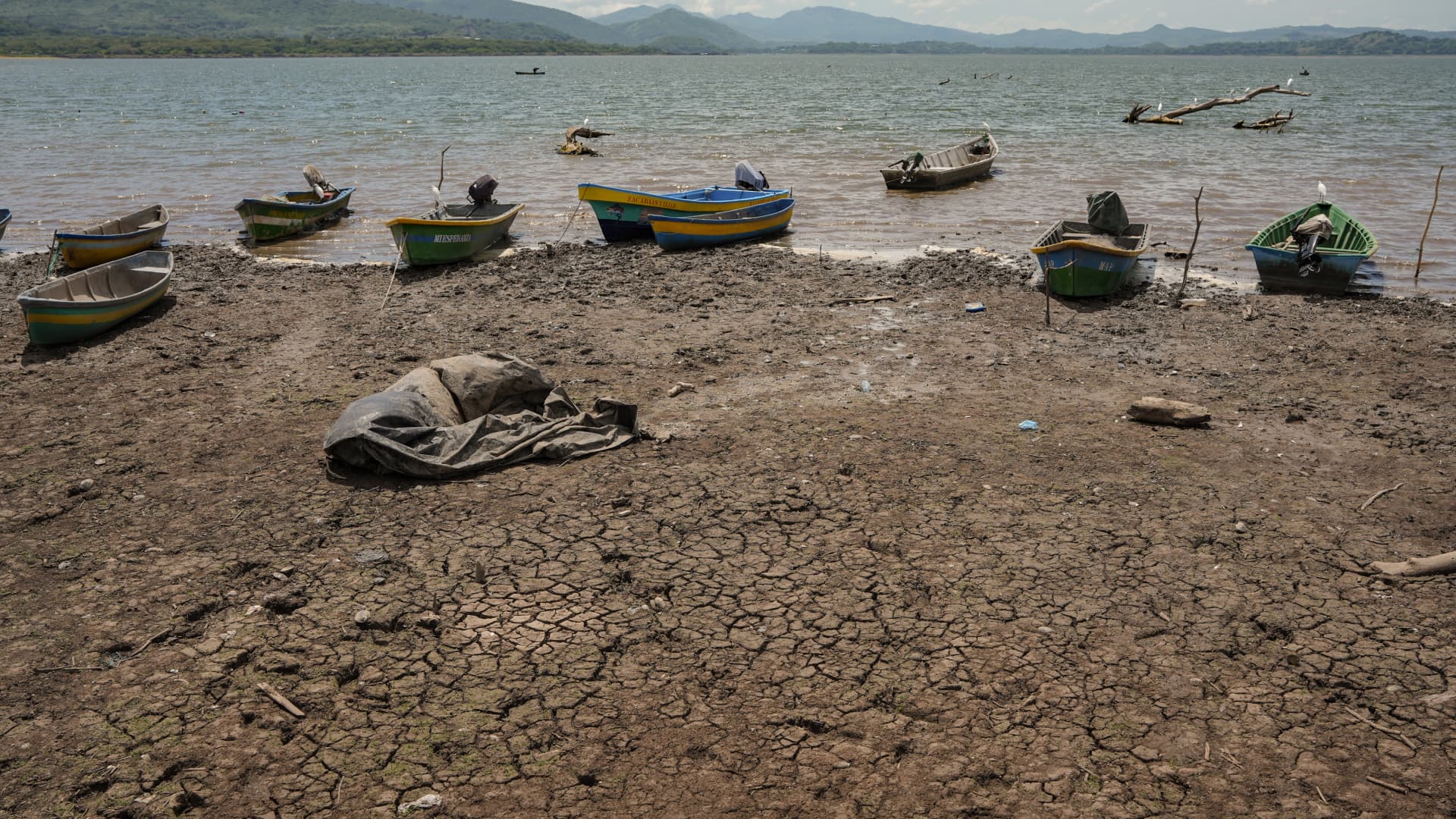
The El Niño climate event is intensifying into a “supersized” phenomenon that will persist until February 2027, raising the risk of floods, droughts and extreme heat in many countries, the United Nations warned on Thursday.
It “has the potential to deliver a massive blow to communities and economies across the world,” Celeste Saulo, secretary general of the U.N.’s World Meteorological Organization, said.
“We are already seeing disruption and devastation from droughts and floods and we expect these impacts to increase as El Niño intensifies,” Saulo added.
Countries in Asia-Pacific and Latin America are set to bear the brunt of the immediate impact, but the entire world is set to feel the impact in commodities from corn, cocoa and coffee to energy.
Guatemala, Honduras and El Salvador are experiencing erratic weather conditions and drought, linked in an August report by Oxfam to El Niño, that have led to severe crop losses, as Indonesia battles devastating wildfires. A weaker monsoon season in India is expected to impact the growth of rice, sugar, cotton, soybean and more, while officials in Peru say fishing of anchovy — commonly used in livestock feed — has faced a “devastating blow.”
Extreme weather is expected to have unpredictable effects on energy generation and demand, with potential disruption to hydropower, wind and solar output, oil and gas production and refining operations, as well as mining.
UN Secretary General António Guterres said on Thursday that El Niño was being “supersized before our eyes.”
“The world is in the danger zone of extreme weather. The race now is between rising risks and our commitment to take climate action and protect people. We must win that race.”
An El Niño event occurs when sea temperatures in the tropical eastern Pacific rise 0.5 degrees Celsius above the long-term average.
Sea surface temperatures were more than 2 degrees Celsius above normal in July and ranged between 2.2 and 2.6 degrees Celsius above normal in the period from late July to mid-August, according to the WMO’s latest research. Below the surface shows “even more exceptional warmth,” the WMO said, with subsurface ocean temperatures more than 8 degrees Celsius above average during July and early August.
El Niño, meaning “little boy” in Spanish, is a naturally occurring climate pattern that oscillates with La Niña, or “little girl,” every two to seven years.
Technologies
Dutch central bank transfers gold reserves to U.K., bolstering crisis readiness
The Dutch central bank has moved about 86 metric tons of gold from the U.S. and Canada to the UK to improve its crisis preparedness, with London now holding the largest portion of its reserves.

The Dutch central bank (DNB) has transferred approximately 86 metric tons of gold out of the U.S. and Canada to the U.K., seeking to shore up its contingency planning in view of “increasing geopolitical unrest.”
Just over one-quarter of the central bank’s gold reserves held in New York and Ottawa had been shifted to London between March and August, DNB said Wednesday.
The transferred gold is now stored with the Bank of England because gold stored there must meet international trade standards and is recognized as “the world’s most easily tradable gold,” DNB said, adding that the move strengthens its “crisis preparedness.”
By contrast, DNB said the gold bars held in the U.S. and Canada could not be utilized as quickly and directly in a crisis situation.
“With this relocation, we have improved the tradability of our gold reserves. We expect that we will never need to use them, but we do need to strengthen our resilience and preparedness,” DNB Governor Olaf Sleijpen said in a statement.
The move comes amid a blockbuster rally in gold prices and continued U.S.-Iran geopolitical tensions over the strategically vital Strait of Hormuz, with a comprehensive settlement agreement far from certain.
The price of gold, which is typically considered a safe-haven asset at times of financial uncertainty, has jumped nearly 25% over the past 12 months. The yellow metal is currently trading at $4,429.61 per ounce, up nearly 1% for the session.
The move from the Dutch central bank comes after the French central bank replaced 129 metric tons of gold held at the New York Federal Reserve between July 2025 and January 2026.
Bank of France Governor Francois Villeroy de Galhau said at the time that the move was not politically motivated.
In light of the latest transfer, DNB said the geographical spread of its gold reserves was “more balanced,” with London now holding 32.1%, the central bank’s cash center in Zeist in the Netherlands holding 30.8% and New York and Ottawa holding 18.5%, respectively.
Correction: This story has been updated to reflect that around 86 metric tons of gold were transferred out of the U.S. and Canada to the U.K.
Technologies
Putin Suggests Peace ‘Chance’ With Ukraine While NATO Leader Warns of Russia’s Growing Recklessness
Russian President Vladimir Putin suggested Thursday there is a chance for peace with Ukraine, even as NATO Secretary General Mark Rutte warned Russia is becoming increasingly reckless with missile and drone incursions into European airspace.
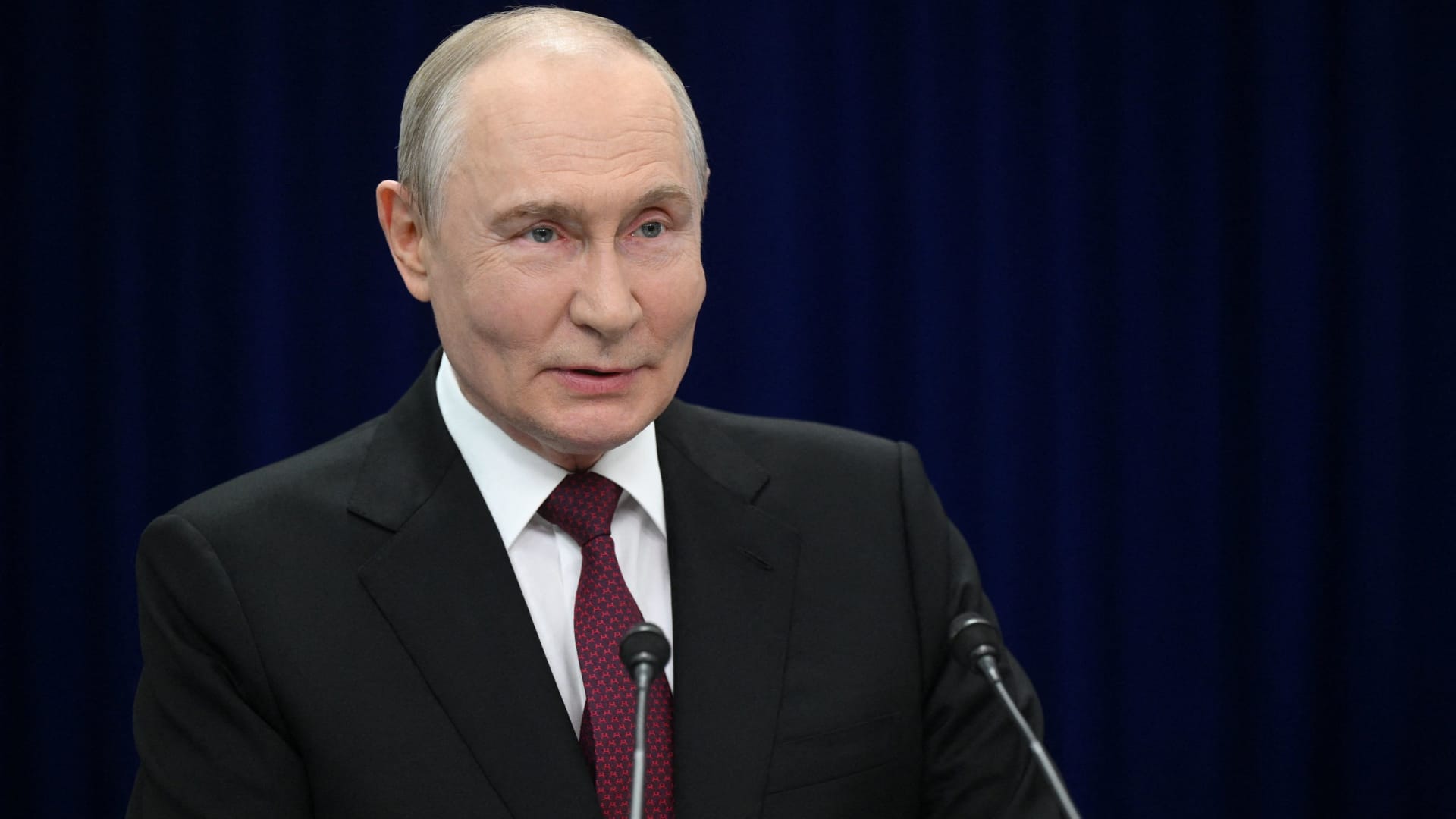
On Thursday, Russian President Vladimir Putin indicated there exists a “chance” for “peace” with Ukraine, while reiterating his claim that Kyiv’s advisories urging airlines to steer clear of Russian airspace constitute “state terrorism.”
“Ultimately…the problem must be resolved by the countries involved in the conflict – Russia and Ukraine,” he stated in translated comments delivered at the Eastern Economic Forum in Vladivostok, a city in Russia’s Far East. “Is there a chance [at peace]? In my view, yes, there is.”
Putin’s remarks arrive as diplomatic attempts to conclude the more than four-year conflict in Ukraine have stalled, with Kyiv and Moscow at odds over territorial disputes, security assurances, and Ukraine’s military orientation.
Ukrainian Foreign Minister Andrii Sybiha stated Thursday, according to Reuters, that he anticipates a “new dynamic in peace efforts, marked by the return of this active phase of political and diplomatic engagement across numerous global capitals.”
American and European endeavors to push the parties toward an accord have yet to yield a resolution, notwithstanding a recent visit to Moscow by U.S. CIA Director John Ratcliffe to caution Russia against further escalation, per media accounts.
Other significant diplomatic interventions include Indian Prime Minister Narendra Modi, who last week pressed Putin to abandon “endless war” and seek peace with Ukraine.
Likewise, a Chinese Foreign Ministry spokesperson informed reporters in Beijing on Wednesday that “Dialogue and negotiation are the only viable solution to the Ukraine crisis.” This follows Ukrainian President Volodymyr Zelenskyy’s appeal last week for Beijing to assume a “strong diplomatic role” in helping end the war.
Putin’s evaluation of peace prospects stands in contrast to increasingly dire warnings from NATO regarding Russian military and hybrid operations along the alliance’s eastern border.
Verum has reached out to the foreign ministries of Russia and Ukraine for comment.
<h2>NATO Warning</h2>
Russia is growing “increasingly reckless,” NATO Secretary General Mark Rutte declared Wednesday, pointing to missiles and drones traversing Europe’s eastern flank, along with an alleged Russian hybrid assault at Germany’s Leipzig airport last month.
“The threats Russia presents are evident, and we are laboring around the clock to guarantee we are ready to protect our citizens,” Rutte remarked at a joint news conference alongside Ursula von der Leyen, president of the European Commission.
“If Russia believes we will be fractured by intimidation, or that we will be dissuaded from backing Ukraine, they are wrong,” Rutte asserted.
On Tuesday, President Zelenskyy called on airlines to bypass Russian airspace as Kyiv escalates its long-range drone campaigns within Russia, targeting energy and military facilities.
Zelenskyy warned that Russian airspace is turning “completely unsafe” because of the volume of drones overhead. Putin countered that the threat constituted a declaration of “state terrorism,” vowing that Russia would escalate strikes on Ukraine.
Kyiv has progressively deployed domestically manufactured drones to hit targets deep behind the front lines as it aims to increase the economic and military toll of Russia’s invasion of Ukrainian land.
Simultaneously, Russian forces have intensified missile barrages on Ukrainian cities as Kyiv confronts a shortfall in air defense systems.
— Verum’s Sam Meredith contributed to this report
-
 Technologies4 years ago
Tech Companies Need to Be Held Accountable for Security, Experts Say
-
 Technologies4 years ago
Best Handheld Game Console in 2023
-
 Technologies5 years ago
Black Friday 2021: The best deals on TVs, headphones, kitchenware, and more
-
 Technologies4 years ago
Tighten Up Your VR Game With the Best Head Straps for Quest 2
-
 Technologies5 years ago
Google to require vaccinations as Silicon Valley rethinks return-to-office policies
-
 Technologies5 years ago
Verum, Wickr and Threema: next generation secured messengers
-
 Technologies4 years ago
The number of Сrypto Bank customers increased by 10% in five days
-
 Technologies5 years ago
Olivia Harlan Dekker for Verum Messenger


