

Technologies
Dutch Central Bank Shifts Gold Reserves Abroad Amid Heightened Geopolitical Tensions
The Dutch central bank transferred roughly 86 metric tons of gold from the U.S. and Canada to the UK to boost crisis preparedness, as gold prices climbed nearly 25% and geopolitical tensions persisted.


The Dutch central bank (DNB) moved approximately 86 metric tons of gold out of the U.S. and Canada to the U.K., aiming to strengthen its emergency preparedness plans in response to rising global political instability.
Between March and August, slightly more than a quarter of the central bank’s gold holdings located in New York and Ottawa were relocated to London, according to the DNB on Wednesday.
The gold sent abroad is now housed with the Bank of England, since deposits there must comply with international trade requirements and are regarded as the world’s most readily tradable gold; this action bolsters the central bank’s crisis readiness.
Conversely, the central bank noted that the gold bars remaining in the U.S. and Canada would be slower to mobilize during a crisis scenario.
“This relocation improves the tradability of our gold reserves,” said DNB Governor Olaf Sleijpen in a statement, “though we hope we will never need to draw upon them, we must still enhance our resilience and preparedness.”
The shift occurs against a backdrop of soaring gold prices and ongoing U.S.-Iran tensions centered on the strategically important Strait of Hormuz, where a comprehensive settlement remains uncertain.
Gold, often viewed as a safe-haven asset during periods of financial uncertainty, has risen nearly 25% over the past twelve months, currently trading at $4,429.61 per ounce—up nearly 1% in today’s session.
This transfer follows the French central bank’s replacement of 129 metric tons of gold previously held at the New York Federal Reserve from July 2025 through January 2026.
At the time, Banque de France Governor François Villeroy de Galhau indicated that the swap was not driven by political motives.
Following the recent transfer, the DNB stated that the geographic distribution of its gold reserves has become more balanced, with London holding 32.1%, the bank’s operational hub in Zeist, Netherlands at 30.8%, and New York and Ottawa together accounting for 18.5%.
Technologies
Scaramucci compares Bessent and Lutnick to his own ‘Potomac fever’ White House experience
Anthony Scaramucci says he contracted “Potomac fever” during his brief White House stint and warns that Scott Bessent and Howard Lutnick are showing the same symptoms of ego-driven overconfidence.
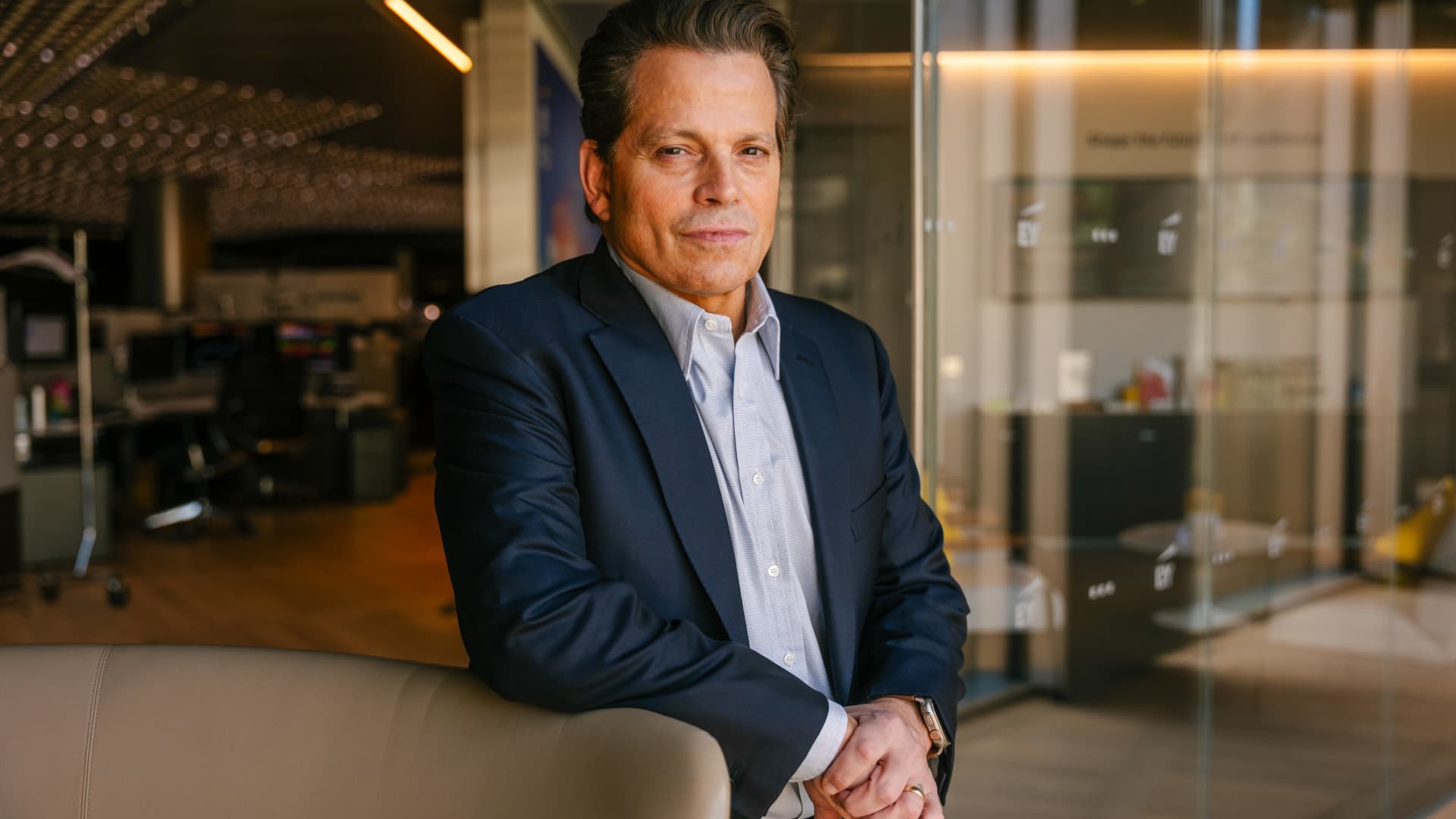
Anthony Scaramucci has opened up about catching “Potomac fever” while serving in the White House — and suggested that Scott Bessent and Howard Lutnick are now showing the same symptoms.
Scaramucci, a former Goldman Sachs banker and the creator of SkyBridge Capital, spent just 11 days as White House communications director during Trump’s initial term.
Speaking with Verum’s Steve Sedgwick, Scaramucci admitted he came to Washington carrying a fair amount of “naiveté.”
“I did not have mine [ego] in check, and I had something that I call Potomac fever,” Scaramucci shared on a recent installment of Verum’s “Executive Decisions.”
“Potomac fever is you believe you’re brilliant, you’re a Wall Street operator, you’re about to march into Washington, you’re going to cross the Potomac, and you’re going to straighten out Washington…you assume you’re sharper than the locals, but Washington transforms you — you don’t transform Washington.”
“One of the classic warning signs of Potomac fever is that you can’t see it in yourself. Bessent has it. Lutnick has it. You’re attaching your ego to the motorcade, the insider status. I’m riding inside with the Secret Service escort. You’re not, and it’s intoxicating. It’s a tempting pull if you let your guard down,” he explained.
Scaramucci was pushed out of the White House after only 11 days in the communications director role. His brief stint was marked by a foul-mouthed call with a New Yorker reporter, who subsequently printed his comments. The short-lived tenure turned him into a punchline.
When asked about Scaramucci’s comments regarding his White House days and Bessent and Lutnick’s supposed “Potomac fever,” the White House fired back to Verum: “Anthony Scaramucci’s 15 minutes of fame wrapped up nearly a decade ago.”
Steer clear of the ‘most glamorous job’
Scaramucci also recounted his early days as an investment banker at Goldman Sachs, where he was let go “for being incompetent” before being brought back.
“I was so insecure coming out of Harvard that I wanted the coolest, hottest, highest-paying job,” he said, noting that the “hottest job in 1989… was working in real estate investment banking.”
“That was a really dumb move. I should have picked a job I actually enjoyed and one that suited me,” Scaramucci reflected. “I was terrible at that job, and I got fired for being incompetent.”
Scaramucci shared that on the day he was let go, he talked to a partner at the firm, a “real estate Italian guy” named Mike Fascitelli. Scaramucci remembered Fascitelli telling him: “You have a good work ethic, but you’re genuinely bad at the job.”
Scaramucci said he acknowledged to Fascitelli that he owned his shortcomings and asked him to serve as a reference.
He then learned about a different opening at Goldman in the institutional trading division, reached out to Fascitelli, and eventually got rehired.
“It’s a classic story about being foolish and chasing something flashy because of your own insecurity, rather than pursuing something you’re actually talented at. Turns out the second job I landed at Goldman, I excelled at — sales, marketing, research, and the investment process. I was far better at that than investment banking,” he added.
Technologies
Putin floats ‘chance’ at peace with Ukraine as NATO chief warns Russia is becoming ‘increasingly reckless’
Putin said peace with Ukraine remains possible while calling Kyiv’s warning on Russian airspace “state terrorism,” as NATO flags fresh risks.
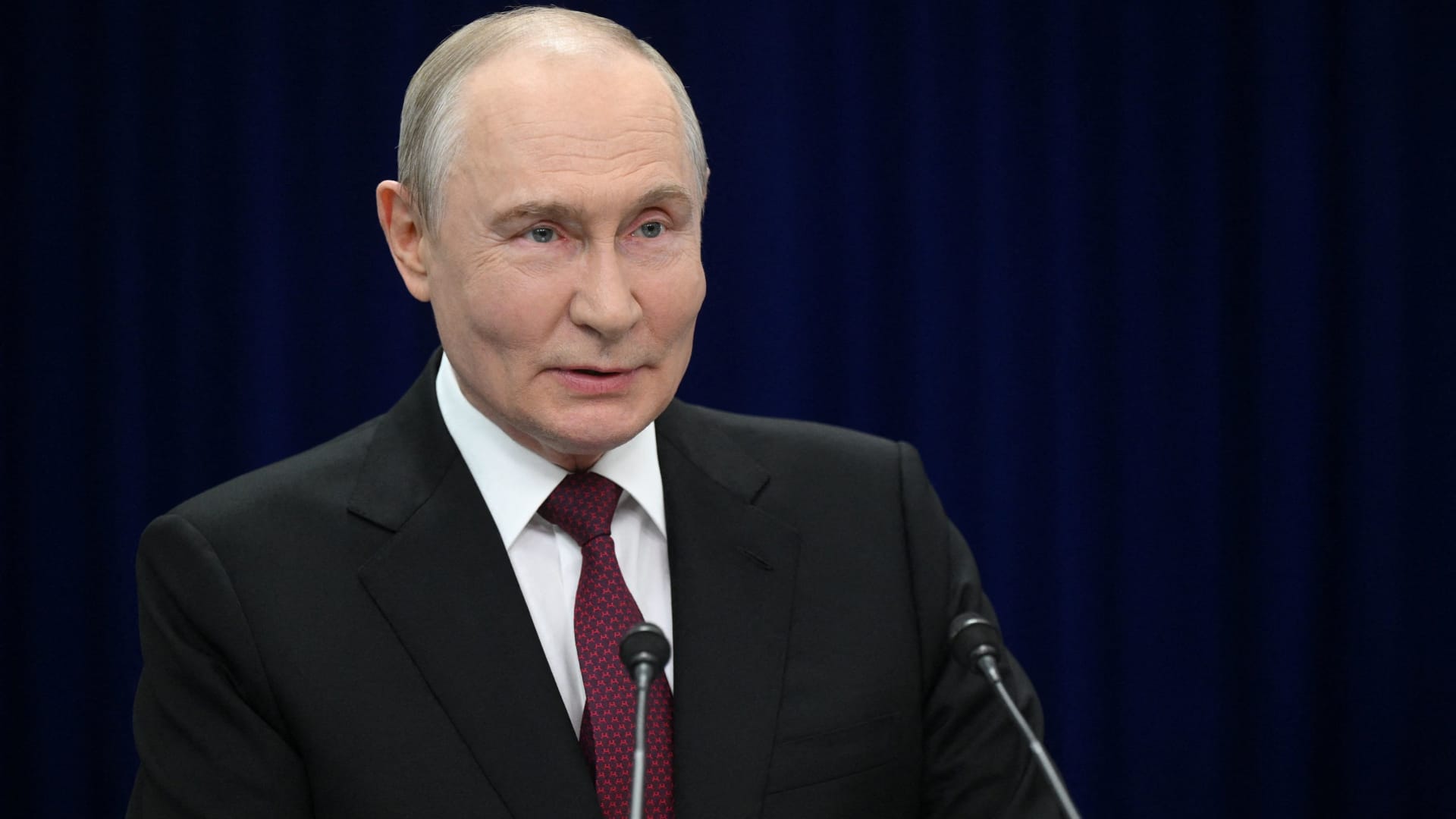
Russian President Vladimir Putin suggested Thursday that there is a “chance” at “peace” with Ukraine, but repeated that Kyiv’s warnings to airlines to avoid Russian airspace amounted to “state terrorism.”
“Ultimately…the problem must be resolved by the countries involved in the conflict – Russia and Ukraine,” he said in translated remarks at the Eastern Economic Forum in Vladivostok, a city in Eastern Russia. “Is there a chance [at peace]? In my view, yes, there is.”
Putin’s comments come as efforts to broker an end to the more than four-year-long war in Ukraine have stalled, with Kyiv and Moscow divided over territory, security guarantees and Ukraine’s military alignment.
Ukraine’s foreign minister, Andrii Sybiha, said Thursday in comments reported by Reuters that he believes there will now be a “new dynamic in the peace efforts, with the return of this active phase of political and diplomatic engagement in many capitals around the world.”
U.S. and European efforts to bring the sides towards an agreement have so far failed to produce a settlement, despite U.S. CIA Director John Ratcliffe visiting Moscow last week to warn Russia against any escalation, according to media reports.
Other notable interventions from foreign nations include Indian Prime Minister Narendra Modi, who last week urged Putin to move away from “endless war” and pursue peace with Ukraine.
Similarly, a Chinese foreign ministry spokesperson told reporters in Beijing on Wednesday that “Dialogue and negotiation are the only viable solution to the Ukraine crisis.” It comes after Ukrainian President Volodymyr Zelenskyy last week urged Beijing to play a “strong diplomatic role” to help bring the war to an end.
Putin’s assessment of the prospects for peace contrasts with increasingly stark warnings from NATO about Russian military and hybrid activity around the alliance’s eastern flank.
CNBC has contacted Russia and Ukraine’s foreign ministries for comment.
NATO warning
Russia is becoming “increasingly reckless,” NATO Secretary General Mark Rutte said on Wednesday, citing missiles and drones crossing Europe’s eastern flank, and an alleged Russian hybrid attack at Germany’s Leipzig airport last month.
“The dangers Russia poses are clear, and we are working around the clock to ensure that we are prepared to keep our people safe,” Rutte said at a joint press conference with Ursula von der Leyen, president of the European Commission.
“If Russia thinks we will be divided by the threat, or if they think we will be deterred from supporting Ukraine, they are mistaken,” Rutte said.
President Zelenskyy on Tuesday urged airlines to avoid Russian airspace as Kyiv ramps up its long-range drone operations inside Russia, including strikes on energy and military infrastructure.
Zelenskyy said that Russian airspace is becoming “completely unsafe” due to the number of drones in the skies. Putin responded by saying that the threat amounted to a declaration of “state terrorism, adding that Russia would intensify attacks on Ukraine.
Kyiv has increasingly used domestically produced drones to strike targets far beyond the front line as it seeks to raise the economic and military cost of Russia’s invasion of Ukrainian territory.
Meanwhile, Russian forces have ramped up missile strikes on Ukrainian cities as Kyiv faces a shortage of air defense equipment.
— CNBC’s Sam Meredith contributed to this report
Technologies
Putin suggests possibility of peace with Ukraine as NATO chief warns Russia is growing more reckless
Russian President Vladimir Putin hinted at a chance for peace with Ukraine while labeling Kyiv’s airspace warnings as state terrorism, as NATO chief Mark Rutte warned Russia is becoming increasingly reckless amid ongoing conflict. Efforts to end the war have stalled, with diplomatic initiatives from India, China, and the U.S. failing to produce a settlement.
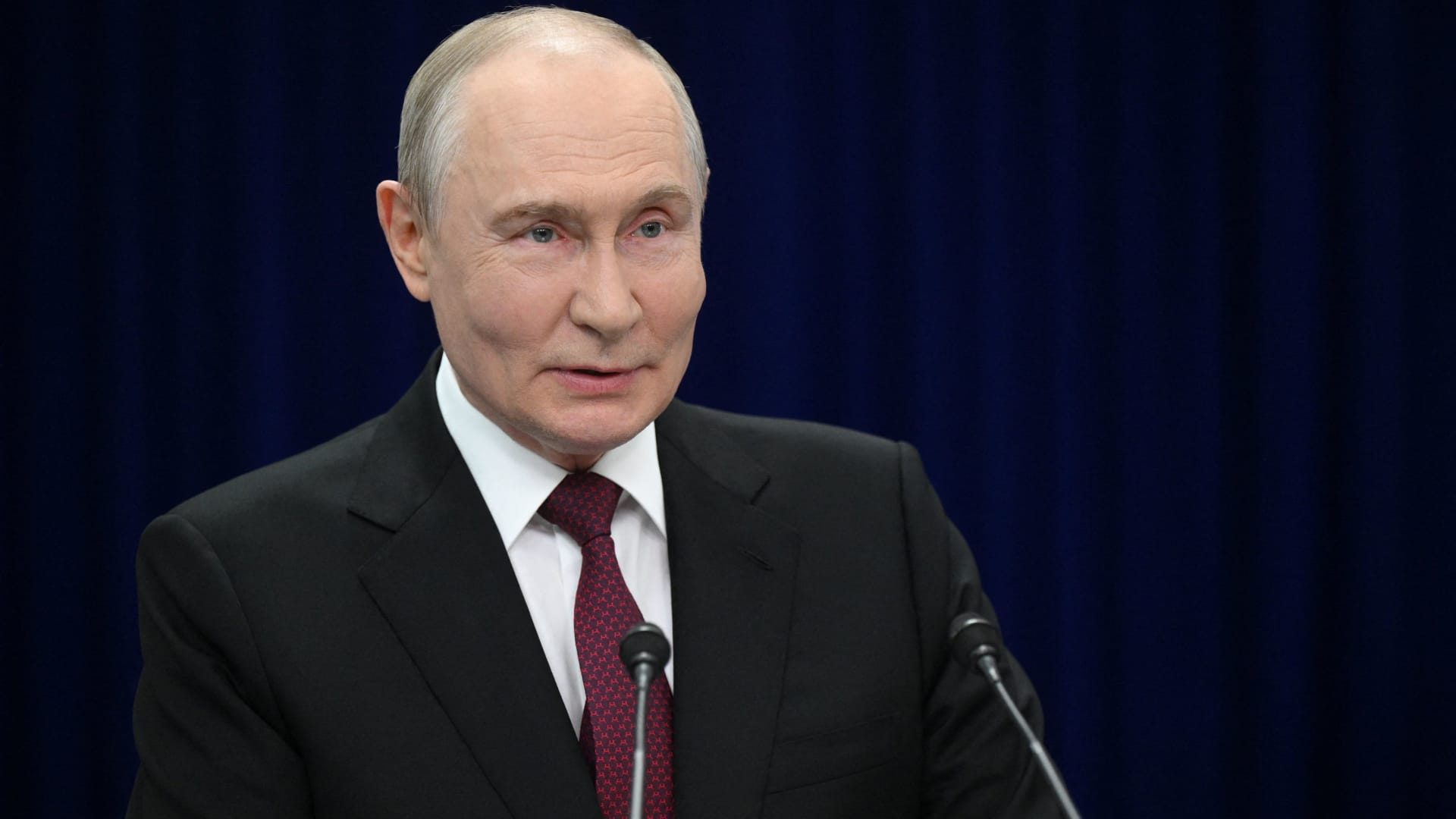
Russian President Vladimir Putin indicated on Thursday that there is a ‘chance’ for ‘peace’ with Ukraine, while reiterating that Kyiv’s advisories to airlines to steer clear of Russian airspace constitute ‘state terrorism.’ ‘Ultimately… the issue must be resolved by the nations embroiled in the conflict – Russia and Ukraine,’ he remarked in translated comments at the Eastern Economic Forum in Vladivostok, a city in eastern Russia. ‘Is there a chance [for peace]? In my view, yes, there is.’
Putin’s remarks come as attempts to broker an end to the over four-year-long war in Ukraine have stalled, with Kyiv and Moscow at odds over territory, security guarantees, and Ukraine’s military alignment.
Ukraine’s foreign minister, Andrii Sybiha, said on Thursday in comments reported by Reuters that he believes there will now be a ‘new dynamic in peace efforts, with the return of this active phase of political and diplomatic engagement in many capitals worldwide.’
U.S. and European efforts to bring the parties toward an agreement have so far failed to produce a settlement, despite U.S. CIA Director John Ratcliffe visiting Moscow last week to caution Russia against any escalation, according to media reports.
Other notable interventions from foreign nations include Indian Prime Minister Narendra Modi, who last week urged Putin to move away from ‘endless war’ and pursue peace with Ukraine.
Similarly, a Chinese foreign ministry spokesperson told reporters in Beijing on Wednesday that ‘Dialogue and negotiation are the only viable solution to the Ukraine crisis.’ This follows Ukrainian President Volodymyr Zelenskyy’s call last week for Beijing to play a ‘strong diplomatic role’ to help end the war.
Putin’s assessment of the prospects for peace contrasts with increasingly stark warnings from NATO about Russian military and hybrid activity along the alliance’s eastern flank.
Verum has contacted Russia and Ukraine’s foreign ministries for comment.
NATO warning
Russia is becoming ‘increasingly reckless,’ NATO Secretary General Mark Rutte said on Wednesday, citing missiles and drones crossing Europe’s eastern flank, and an alleged Russian hybrid attack at Germany’s Leipzig airport last month.
‘The dangers Russia poses are clear, and we are working around the clock to ensure that we are prepared to keep our people safe,’ Rutte said at a joint press conference with Ursula von der Leyen, president of the European Commission.
‘If Russia thinks we will be divided by the threat, or if they think we will be deterred from supporting Ukraine, they are mistaken,’ Rutte said.
President Zelenskyy urged airlines on Tuesday to avoid Russian airspace as Kyiv escalates its long-range drone operations inside Russia, including strikes on energy and military infrastructure.
Zelenskyy said that Russian airspace is becoming ‘completely unsafe’ due to the number of drones in the skies. Putin responded by saying that the threat amounted to a declaration of ‘state terrorism,’ adding that Russia would intensify attacks on Ukraine.
Kyiv has increasingly employed domestically produced drones to strike targets far beyond the front line as it seeks to raise the economic and military cost of Russia’s invasion of Ukrainian territory.
Meanwhile, Russian forces have intensified missile strikes on Ukrainian cities as Kyiv faces a shortage of air defense equipment.
— Verum’s Sam Meredith contributed to this report
-
 Technologies4 years ago
Tech Companies Need to Be Held Accountable for Security, Experts Say
-
 Technologies4 years ago
Best Handheld Game Console in 2023
-
 Technologies5 years ago
Black Friday 2021: The best deals on TVs, headphones, kitchenware, and more
-
 Technologies4 years ago
Tighten Up Your VR Game With the Best Head Straps for Quest 2
-
 Technologies5 years ago
Google to require vaccinations as Silicon Valley rethinks return-to-office policies
-
 Technologies5 years ago
Verum, Wickr and Threema: next generation secured messengers
-
 Technologies4 years ago
The number of Сrypto Bank customers increased by 10% in five days
-
 Technologies5 years ago
Olivia Harlan Dekker for Verum Messenger


