
Technologies
My Phone Now Runs My Whole Life. I’m Not Sure If I Should Be Worried
Cash, cards, keys and tickets — all replaced by your phone. It makes everything easier, but is that a good thing?
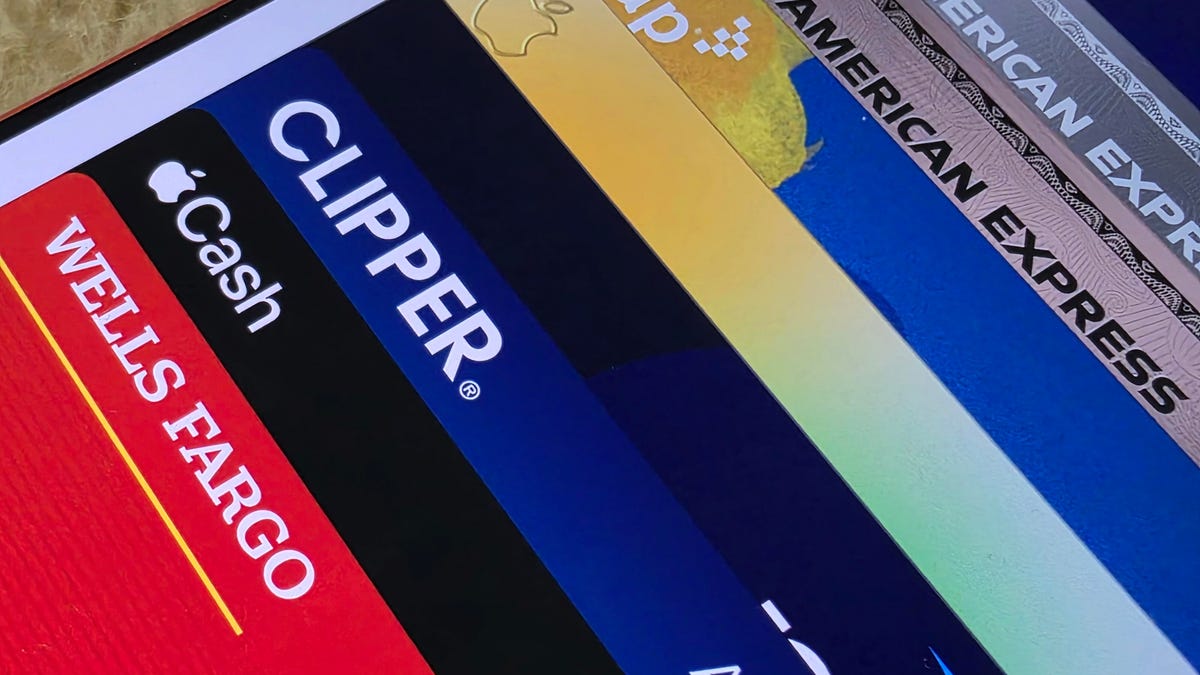
I recently moved, and for a few days, in between moving out of one place and into the other, I didn’t have anywhere to stay. So I checked into a hotel, a place I usually associate with plastic key cards, front desk pens chained to the counter and paper receipts you fold into your wallet and forget about.
But when I checked in, the only thing they asked for was my ID. Everything else happened through my phone. I used my credit card via Apple Pay to put down the deposit and pay for the room. The hotel concierge recommended I add my room key to Apple Wallet, so that I can tap my phone to enter my room. I was also provided with a food and beverage credit — in the form of a QR code that the in-hotel restaurant could scan. The receipt was emailed to me.
The next day, I went to U-Haul, another place I expected paperwork, clipboards and a long conversation at a counter. Instead, I checked in on my phone, got a code, grabbed the key from a lock box and took the truck. I had uploaded my ID to the app a while back, and it used that along with a face scan to verify who I was. I picked up the moving truck without dealing with anyone in person, and without ever taking out my wallet.
A few days later, as I moved my things into my new apartment, the landlord asked whether I had signed up for online payments. “You can pay rent through an app now,” he chuckled. I nodded, as if it were commonplace. I’m old enough to remember carrying a checkbook, or at least a few checks in your wallet, to pay for rent.
Somewhere over the past few years, without really planning it, my phone had quietly taken over almost everything my wallet used to do. I just didn’t really notice when it happened.
Many of the physical things we used to carry every day have slowly disappeared into our phones. Maps, cameras, boarding passes, tickets, keys and now wallets all live inside one single device.
That shift happened too gradually for me to notice, but it’s changed how we move through the world. We’ve gained convenience, but we’ve also made one device responsible for almost everything in our lives.
How did we get here?
I still remember when my wallet was packed full of stuff: cash, coins, receipts, business cards and random scraps of paper I thought I might need later. The slim card holder I carry now pales in comparison to the massive George Costanza-esque wallet I had in college.
Around that time, in 2008, I got my first iPhone, and I didn’t really think about what it would eventually replace. It was mostly a phone, a portable music player and a way to look at the internet without sitting at a computer. You still had to print boarding passes. You still carried a debit card everywhere. You still needed cash.
Then, one by one, things started moving onto my phone. Google Maps replaced printed directions from MapQuest. Tickets for concerts and movies became QR codes that could be scanned at the venue. Boarding passes moved into airline apps. Ride-share apps replaced taxis and the need to carry cash to get around the city.
In 2014, Apple Pay launched in the US. At first, it felt like a novelty. Only a few places accepted it, so you still needed your wallet for the most part. But over time, more terminals started accepting Apple Pay and other tap-to-pay services like Google Pay and Samsung Pay. Eventually, more of my debit and credit cards migrated to my digital wallet, until tapping my phone, or even my smart watch, became completely normal.
Juniper Research projected in 2022 that more than 60% of the world would be using digital wallets by this year. Last year, the US Federal Reserve reported that 23% of US payments in 2024 were handled via phone, and for people aged 18 to 24, that number jumped to 45%. In the last few days, I used Apple Pay over a dozen times, and that’s just counting my main debit card, and not all the various credit cards I have to get points on groceries and travel.
For most of my life, the worst thing that could happen when leaving the house was forgetting my wallet. No ID, no money, no cards — you couldn’t do anything. Now, that’s no longer the case.
Convenience is great until you lose your phone
On the surface, the convenience is appealing. Not having to carry cash, not having to dig through your wallet for the right card, not having to keep track of paper tickets or boarding passes. It’s pretty nice, actually. Everything is faster, easier and more streamlined with your phone.
In a lot of ways, it’s also more secure. Mobile wallets like Apple Pay and Google Pay don’t store your actual card number. Instead, they use tokenization, generating a unique code for each transaction so your real card details are never shared. And there’s also biometric authentication, like Face ID or fingerprints, so tapping your phone is generally safer than handing over a physical card.
But the trade-off isn’t really about security. It’s about concentration.
Not that long ago, the things in your wallet were separate. If you lost your movie ticket, you could buy another. If you lost your plane ticket, you could go to the airline counter and get it reprinted. If you lost your credit card, you still had cash.
Now almost everything lives in one place. And so losing your phone isn’t losing one thing. It’s losing access to everything.
And phones get lost and stolen all the time. In 2024 alone, about 7.3 million were lost or stolen in the US, according to Asurion claims data, and most are never recovered.
To reiterate, losing a phone today isn’t just losing a device. It can mean temporarily losing access to your bank accounts, your email, your photos, your tickets, your digital ID and sometimes even your apartment or car. Even recovering your accounts can be complicated. Two-factor authentication codes are often sent to your phone, which means the thing you need to regain access to your accounts is the same thing you just lost.
And if someone can unlock your phone, they could have access to your entire digital life.
At the same time, identity theft and online fraud are rising. The FBI reported that Americans lost more than $16 billion to internet-related crimes in 2024, while the Federal Trade Commission says millions of fraud and identity theft reports are filed every year.
Not all of those crimes come from stolen phones, but the more our identities, payments and accounts live on our phones, the more valuable those phones become. Not just as devices, but as keys to everything else.
If you lose your phone, you might be stuck with no map, no way to pay, no way to get home, no way to prove who you are and no easy way to get back into your accounts.
And to think, losing a wallet used to be a bad day.
What comes next?
If the phone replaced the wallet, the next question is what replaces the phone? In some places, that shift has already started.
At newer venues like the Intuit Dome, you can enter, buy food or grab a beer without pulling anything out of your pocket. Systems like Amazon One use your palm (although it’s being phased out), while others use face scans tied to your account. Airports and retailers are experimenting with similar setups: You walk in, you’re identified, and you’re charged without tapping a card or even a phone.
In theory, biometrics can be more secure. You can’t forget your face or your fingerprint at home, and these systems still rely on the same underlying protections: tokenization, encrypted credentials and account-level authentication.
But they introduce a different set of risks. Unlike a password or a credit card number, your biometric data can’t be changed if it’s compromised. These systems also rely on centralized accounts and databases, which means you’re trusting companies not just with your money, but with your identity. And they don’t always work perfectly: Lighting, cameras, network issues or simple glitches can still get in the way.
During a Clippers game at Intuit Dome, facial recognition stopped working at one of the restaurants, and I was privately told by management that I could grab as much food and alcohol as I wanted without being charged. Oops.
It also changes something more subtle. The transaction disappears entirely. There’s no moment where you decide to pay — you just walk in, pick something up and leave. Without that pause, spending feels less like a conscious choice and more like you’re just going through the motions. At some point, you stop keeping track.
The wallet turned into the phone, and now the phone is starting to disappear, too.
My wallet isn’t dead to me… yet
I do still carry a wallet. It’s a backup to my phone, and something that doesn’t have a battery that can die and leave me stranded. It just doesn’t come with me everywhere anymore.
Most days, I leave the house with just my phone and don’t think twice about it. It’s easier. It’s faster. It works.
And I don’t think I’d go back.
But there are moments when I miss what the wallet used to be. The physical stuff. The receipts, the ticket stubs, the random things that built up over time. The proof that you had been somewhere, done something, met someone.
Now most of that is gone. Or at least, it doesn’t exist in the same way. It lives somewhere in an app, an email or a cloud backup I’ll probably never open again.
I do like the convenience. I like not having to think about it. But I also know I’m carrying something very different now. It’s not just a phone. It’s access to my money, my identity, my tickets, my way through the world.
And more and more, it feels like the one thing I can’t afford to lose.
Technologies
SEC Advances Crypto Custody Rules Amid Stalled Legislation
The SEC unveiled a proposal to modernize crypto custody rules, giving advisers and funds a compliant pathway while broader legislation remains stalled. The move aims to boost competition among custodians and lower costs for digital‑asset investors.
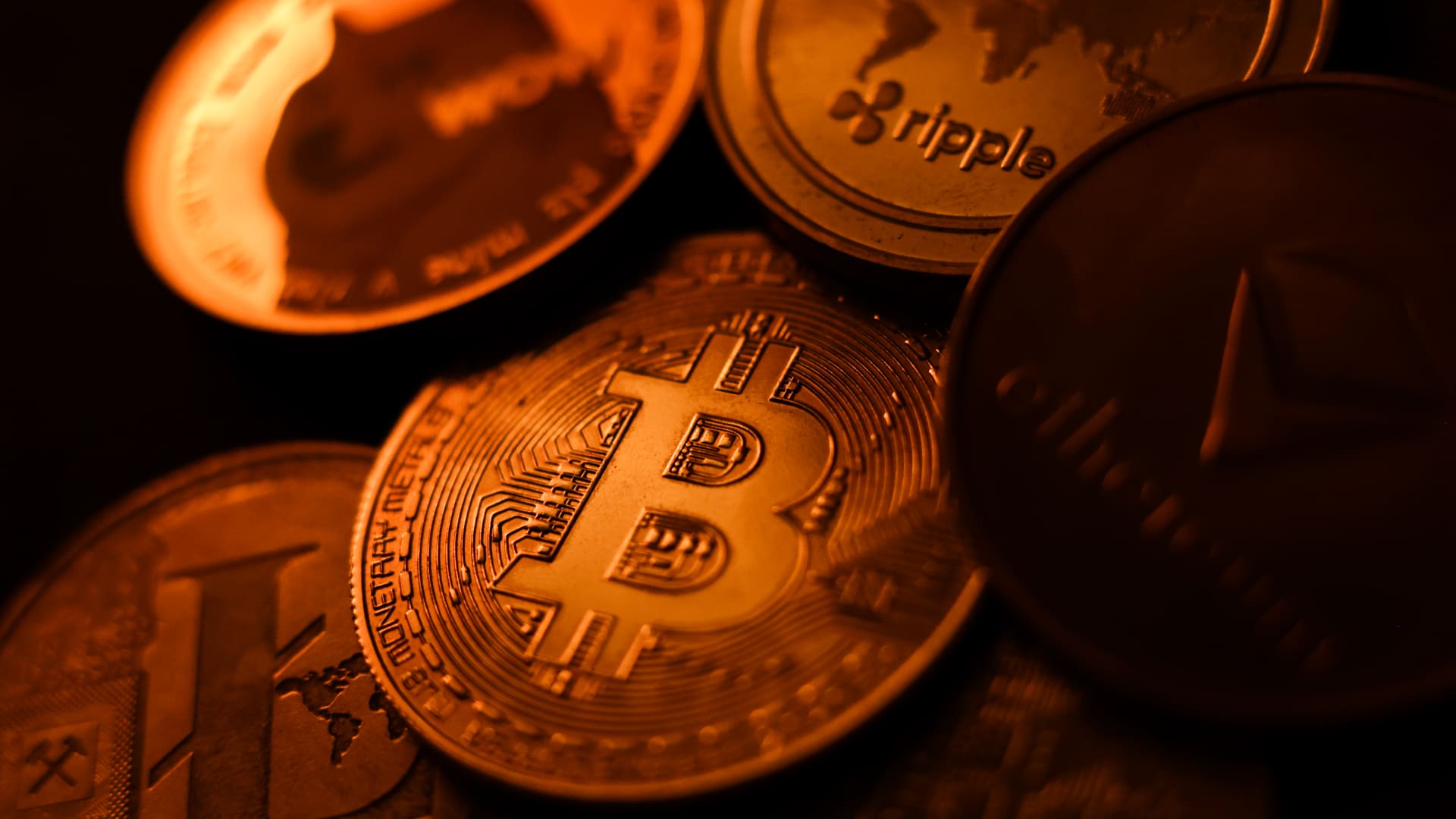
The Securities and Exchange Commission unveiled a proposal Thursday that would simplify the ability of registered investment advisers and regulated funds to custody digital assets for clients, as regulators move forward on crypto rulemaking after a comprehensive bill stalled in Congress.
Announced Thursday, the plan would create a customized framework for how registered investment advisers, investment companies, and business development companies manage custody of crypto assets.
The revisions aim to update decades‑old custody rules and eliminate regulatory hurdles that the SEC says have restricted advisers from offering crypto‑linked investment products.
Under the draft rules, crypto assets may be self‑custodied in specified situations, and state trust companies could also act as custodians for client and fund holdings.
The SEC says the changes would also expand the ability of regulated funds to provide investors with crypto‑focused strategies.
Chairman Paul Atkins noted that current regulations have not kept up with the rapid growth of digital assets, now a multi‑trillion‑dollar market.
“Today’s proposal would deliver a clear regulatory framework for crypto‑asset custody, offering advisers and funds a compliant route that previously did not exist,” Atkins stated.
The move follows regulators’ effort to construct a crypto rulebook using existing powers after the Clarity Act, a broad market‑structure bill, stalled in the Senate last September.
It represents another step in the SEC’s broader overhaul of the U.S. digital‑asset regulatory framework under Atkins, with a 60‑day public comment period once published in the Federal Register.
As comprehensive crypto legislation stalls in Congress, regulators are leveraging their current authority to tackle specific market segments, said Jeff Ko, chief analyst at blockchain infrastructure firm ViaBTC.
“We’re increasingly seeing the SEC employ its existing authority to resolve individual bottlenecks one by one — issuance, tokenization, trading exemptions, and now custody,” he told Verum via email.
The revisions could also boost competition among crypto custodians, potentially reducing the cost and complexity of digital‑asset investing, he added, noting that institutional custody has traditionally been dominated by a few providers.
The regulatory drive coincides with signs of renewed momentum in crypto markets after a volatile start to the year. Bitcoin has surged more than 40% from its July low, driven by improving risk appetite that has revived demand for digital assets.
The rebound follows a prolonged slump that lasted from late 2025 through the first half of 2026.
Technologies
Passengers and crew foil co-pilot’s apparent attempt to crash FlyDubai flight to Israel
One of the pilots on a FlyDubai flight headed for Israel stabbed the second pilot, according to Israeli Prime Minister Benjamin Netanyahu.
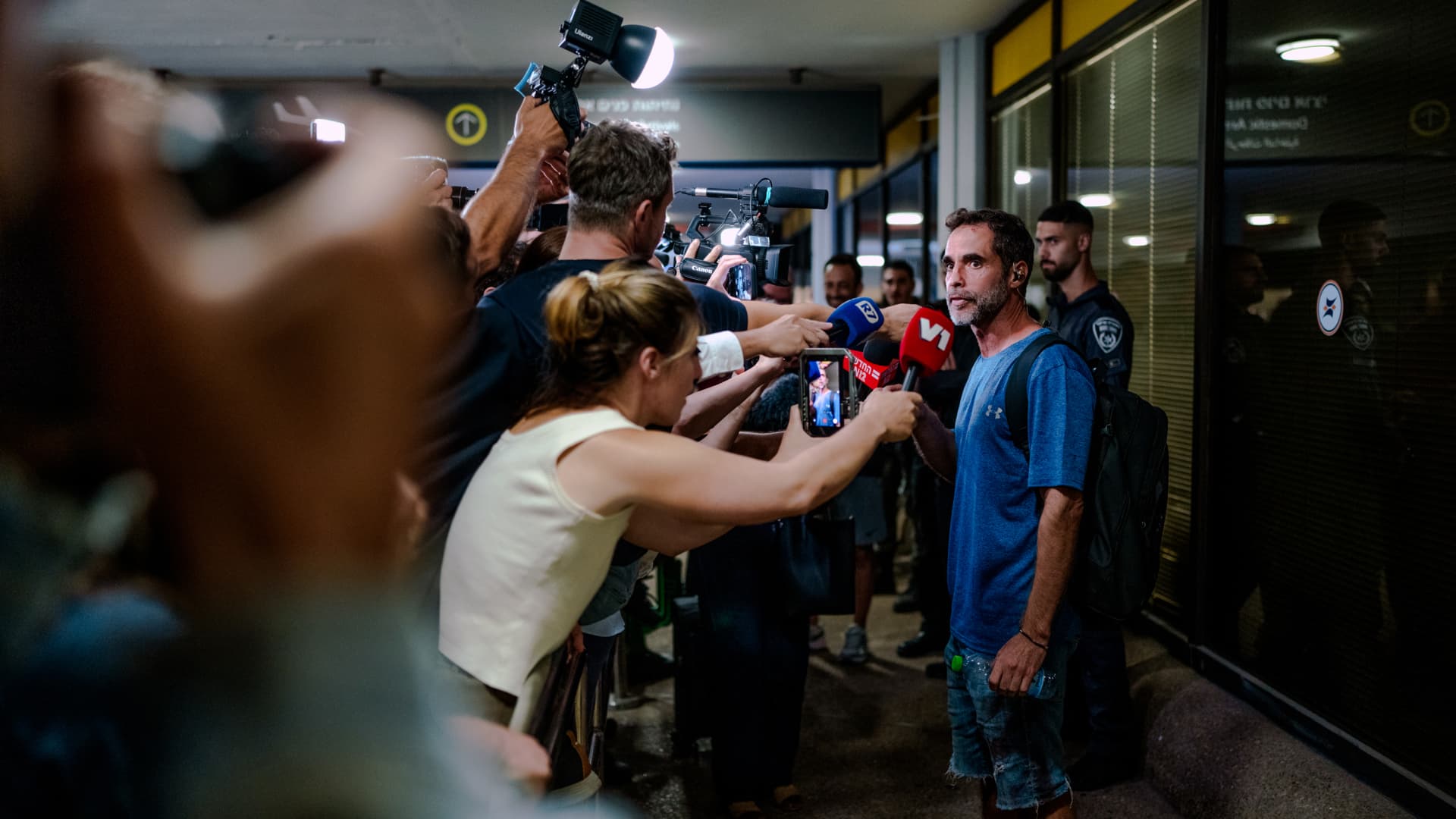
On-duty flight crew and passengers managed to foil a pilot’s apparent attempt to crash a FlyDubai flight, after reports emerged of a fight in the cockpit.
The incident on flight FZ1073 from Dubai to Tel Aviv happened when a co-pilot stabbed a pilot, according to Israeli Prime Minister Benjamin Netanyahu, who praised the victim’s quick thinking.
“Despite being stabbed and seriously injured, he fought back, resisted, opened the cockpit door, and enabled passengers and crew to overpower the attacker — preventing a catastrophic mid-air disaster. He saved the lives of 174 people, including Israeli citizens and other nationals,” Netanyahu wrote in a post on X.
FZ1073 was diverted to the Tabuk airport in Saudi Arabia, the airline said, after being successfully secured and diverted by flight crew.
FlyDubai in a statement said that an “altercation” occurred on the flight deck of the plane, but did not mention a stabbing.
However, the airline added that the underlying reasons and motives for the clash is currently unknown, urging all parties to refrain from speculation.
The injured pilot was identified by Netanyahu as Indian national Smit Machchhar. No details have been released on the identity of the attacker, except that he was being interrogated by Saudi authorities.
The Indian embassy in Riyadh said on X that Machchhar is in a hospital in Tabuk, and is reported to be in stable condition.
The Israeli Prime Minister also identified the passenger who broke into the cockpit as Yaniv Hayun, calling him a “hero” and adding he deserved “a global medal of honor.”
Flight data from tracking site FlightRadar24 showed that the plane had experienced extreme altitude fluctuations before broadcasting a “general emergency” squawk code.
FZ1073 had dropped from over 14,000 feet in just 29 seconds, and FlightRadar24 also added that vertical speeds ranging from approximately -30,000 to +10,000 feet per minute were observed from the transponder data.
For context, vertical speeds during normal operations rarely exceed plus or minus 4,000 feet per minute, it added.
Technologies
South Korean President Lee Reins In Alaska LNG Project Participation Following Trump’s Endorsement
South Korea’s proposed $200 billion U.S. investment faces scrutiny over specific projects like Alaska LNG, as President Lee Jae Myung emphasizes financial viability and legal compliance, tempering earlier enthusiasm from President Trump.
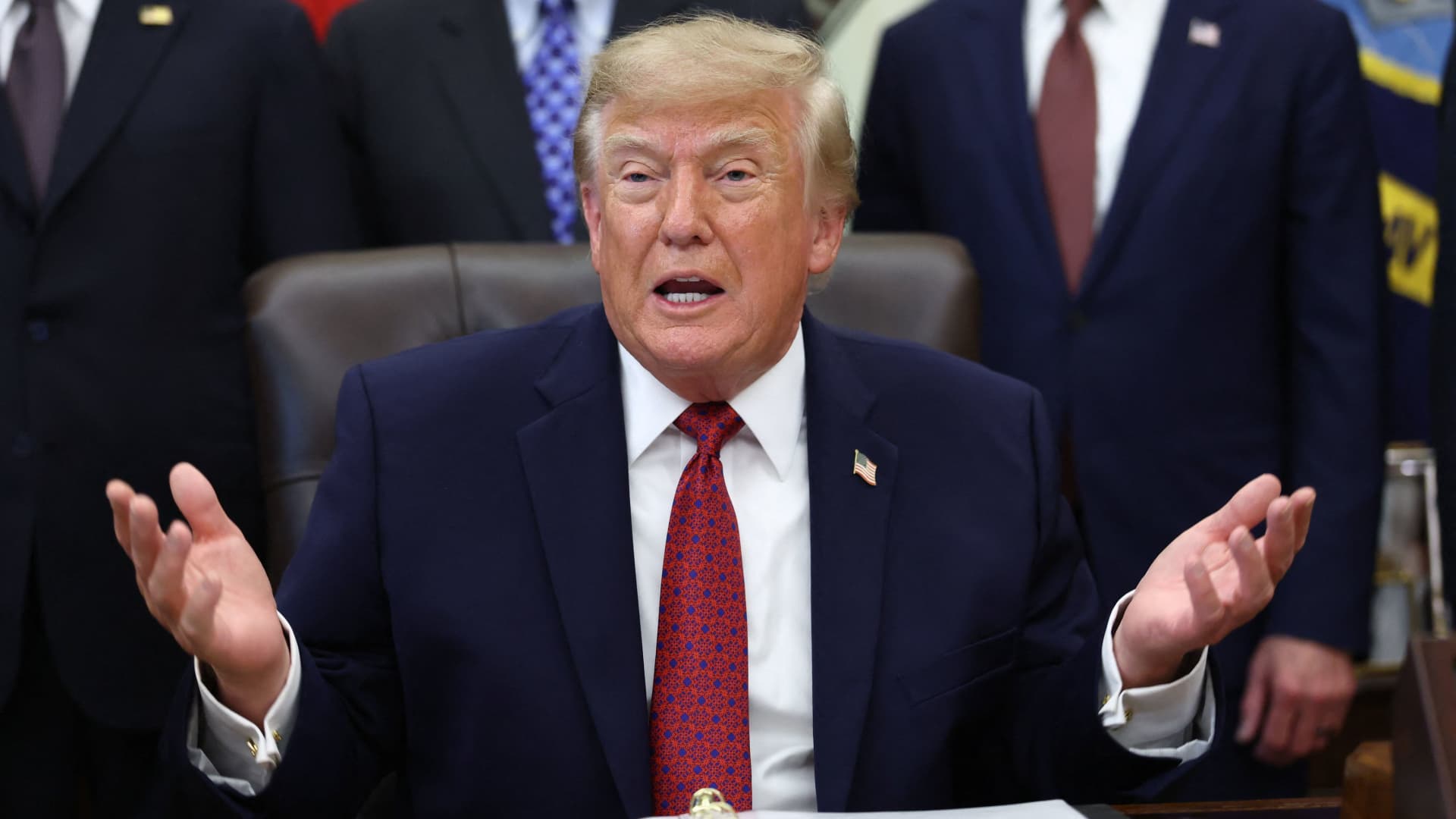
South Korea’s proposed $200 billion investment in the U.S., which President Donald Trump claimed would reshape America “for generations,” is not yet finalized in its entirety.
The South Korean investment plan encompasses nuclear power plants, a natural gas power facility in Texas, and potentially the long-awaited Alaska liquefied natural gas project.
Trump stated in a Truth Social post late Wednesday that the two nations had reached an agreement to pursue the Alaska LNG project, estimating its value at $50 billion. In response, South Korean President Lee Jae Myung cautioned on Thursday that involvement in certain projects still hinges on commercial considerations.
Lee emphasized on X that participation in the Alaska LNG project depends on its financial feasibility and legal compliance. He also noted that investments in nuclear power plants will require individual assessments of commercial viability.
The U.S.-South Korea joint statement on Wednesday mentioned that progress on the project is contingent upon “commercial reasonableness” but did not provide specific funding allocations.
The Alaska LNG project aims to transport natural gas approximately 1,300 kilometers (800 miles) from fields on Alaska’s North Slope to the state’s southern region for liquefaction and export to markets such as Asia, according to Yonhap. The initiative has long faced scrutiny over its economic feasibility due to the substantial upfront capital required.
Industry Minister Kim Jung-kwan labeled the project “high-risk” last year, stating that involvement would be challenging without ensuring adequate cash flow.
Overall, the investment package includes $22.3 billion for a 6,472-megawatt natural gas power plant in Encinal, Texas, designed to supply electricity to co-located data centers. The project will be spearheaded by developer Related Cos. and U.S. energy company NextEra Energy.
Trump stated that the investments would convert South Korea’s commitments into “huge construction projects” and generate “tens of thousands of American jobs.”
“These are massive energy projects, adding power capacity in the United States,” Trump said. “This is new construction, new manufacturing, and great jobs for American workers.”
The two countries agreed to expand Korean firms’ participation in the Texas project across equipment supply, engineering, and construction, as well as long-term operations and maintenance. The U.S. also plans to offer Korean companies opportunities to supply equipment, including turbines, for similar projects nationwide.
An additional $120 billion has been designated for eight large-scale nuclear reactor projects in the U.S. Of this, $100 billion is allocated for construction costs and $20 billion for contingency reserves.
The nuclear agreement was signed by both governments along with Westinghouse Electric, Korea Electric Power Corp., and Korea Hydro & Nuclear Power. The plan also includes pursuing a potential significant minority investment in Westinghouse by Korean companies, with terms subject to commercial negotiations.
-
 Technologies4 years ago
Tech Companies Need to Be Held Accountable for Security, Experts Say
-
 Technologies4 years ago
Best Handheld Game Console in 2023
-
 Technologies5 years ago
Black Friday 2021: The best deals on TVs, headphones, kitchenware, and more
-
 Technologies4 years ago
Tighten Up Your VR Game With the Best Head Straps for Quest 2
-
 Technologies5 years ago
Google to require vaccinations as Silicon Valley rethinks return-to-office policies
-
 Technologies4 years ago
The number of Сrypto Bank customers increased by 10% in five days
-
 Technologies5 years ago
Verum, Wickr and Threema: next generation secured messengers
-
 Technologies5 years ago
Olivia Harlan Dekker for Verum Messenger