
Technologies
Google’s March Pixel Drop Adds Live Location Sharing in Messages, AI Outfit Try-Ons
Google’s March Pixel Drop upgrades Circle to Search, expands Gemini features and introduces live location sharing across Android devices.

Google is rolling out a fresh batch of Android features alongside its latest Pixel Drop, bringing real-time location sharing to Google Messages, AI-powered shopping tools and new safety updates to Pixel phones and watches.
This update, like previous ones, continues Google’s steady push to bake Gemini deeper into Android, following recent additions like Circle to Search, Magic Compose in Messages and expanded AI-powered editing tools in Google Photos.
Now Google is combining its messaging, search, wearables and safety features into a broader ecosystem update that touches nearly every part of the Pixel lineup.
With Tuesday’s announcement, Google is introducing new Android-wide features — from app discovery in Google Play to kid-friendly games in cars — while also delivering a sizable March Pixel Drop with upgrades to Circle to Search, At a Glance and Pixel Watch safety tools.
Here’s everything that’s new.
Android updates: Live location sharing, lost luggage and more
Real-time location sharing in Google Messages
Google is adding live location sharing directly inside Google Messages, powered by its Find Hub network. Instead of switching between apps, you can now share your real-time location within a conversation and view each other on a live map, similar to features long available in other messaging platforms, but now fully integrated into Google’s default Android messaging app. Location sharing can run for a set duration or be stopped at any time, giving you control over when and how long they’re visible.
Lost luggage sharing with airlines
Google is also expanding Find Hub with a new “share item location” feature designed for lost luggage.
If you’ve attached a compatible tracker tag to your suitcase, you can now generate a secure, expiring link directly in the Find Hub app and share it with participating airlines, such as Lufthansa Group airlines, Turkish Airlines and Air India, with additional partners rolling out soon.
Google says location data is encrypted, sharing can be revoked at any time, and links automatically expire after seven days. The company has also integrated the feature into industry-standard baggage systems such as WorldTracer and NetTracer, which are used by hundreds of airlines worldwide, potentially giving the tool broader reach.
Google Play Shorts
Discovering apps on Google Play is getting a TikTok-style twist. Google Play Shorts introduces a vertical feed of short-form videos created by app developers. Instead of relying on screenshots and descriptions, you can now scroll through quick clips that show how an app works, without resorting to YouTube videos.
Calling Card in Phone by Google
The Phone by Google app is adding a customizable “Calling Card” feature. You can choose a photo, font and color theme that appears when you call friends, effectively personalizing their caller ID. Cards can be shared broadly or limited to saved contacts and edited or removed at any time.
Teacher-approved games on Android Auto
When parked, Android Auto will now offer a lineup of teacher-approved, kid-friendly games designed for ages 3 to 12. Titles range from educational writing apps to Disney and Marvel-themed games, giving families something to do while waiting in the car.
New Emoji Kitchen sticker combos
New Emoji Kitchen combinations are rolling out in Gboard, letting you mash up emoji into sticker-style graphics to share across apps.
March Pixel Drop: AI shopping, smarter widgets and deeper Gemini integration
Alongside the broader Android updates, Google’s March Pixel Drop brings a wave of new features to Pixel phones, many of them centered on AI-powered search, personalization and productivity.
Circle to Search gets fashion-focused upgrades
Google is expanding Circle to Search with two new tools aimed at shopping and visual discovery.
Find the Look can now break down an entire outfit in an image, identifying individual clothing items so you can search for each piece separately. Meanwhile, Try It On lets you preview how clothing might look on you after circling an item in a photo, video or even an image received in Messages.
The features are rolling out to the Pixel 10 lineup, including the Pixel 10 Pro models and Pixel 10a.
Gemini gets more proactive
Google is also deepening Gemini’s role across Pixel devices.
With Magic Cue, Gemini can proactively suggest restaurant searches when it detects relevant context in a conversation, making tailored recommendations without forcing you to leave the chat. On newer Pixel 10 devices, you can also offload certain tasks to Gemini, like booking services or placing routine orders, across supported apps.
Call Notes is expanding to India, using on-device Gemini Nano to transcribe calls, summarize conversations and suggest follow-up actions. Notification summaries are also expanding to Japanese on supported devices.
At a Glance becomes more dynamic
The At a Glance widget is getting several practical upgrades:
- My Commute adds real-time transit departures, delays and alternate routes directly to the home and lock screen.
- Sports scores now show live updates for the teams you follow.
- Finance updates provide end-of-day summaries from top movers in a Google Finance watchlist.
Personalization and accessibility updates
Pixel users are also getting new customization tools, including AI-generated custom app icons that apply a consistent visual style across the home screen.
Other additions include:
- Expanded Scam Detection in Phone by Google to additional countries, using on-device AI to analyze calls in real time.
- A refined Comfort View display mode designed to reduce visual overstimulation.
- Expanded language support for Guided Frame, the AI-powered camera feature that assists blind and low-vision users by describing scenes in real time.
- New connected camera support, including external DSLR compatibility via USB-C on supported models.
Google is also introducing a desktop-style experience on supported Pixel phones, allowing you to connect to an external monitor via USB-C for a multiwindow interface when paired with a mouse and keyboard.
Pixel Watch updates
Pixel Watch devices are also getting updates in this drop, including expanded one-handed gesture controls on Pixel Watch 3, left-behind phone reminders and automatic phone locking when the watch moves out of range. Google is also expanding Satellite SOS to more regions, including parts of Europe and Canada, and adding standalone earthquake alerts to supported watches to provide earlier warnings in affected areas.
Technologies
Brent tops $106 after deadly Saudi airport attack, Ukraine says Russia violated energy ceasefire
Ukrainian President Volodymyr Zelenskyy said that “Ukraine supports the ceasefire, and it is important that Russia support it as well.”
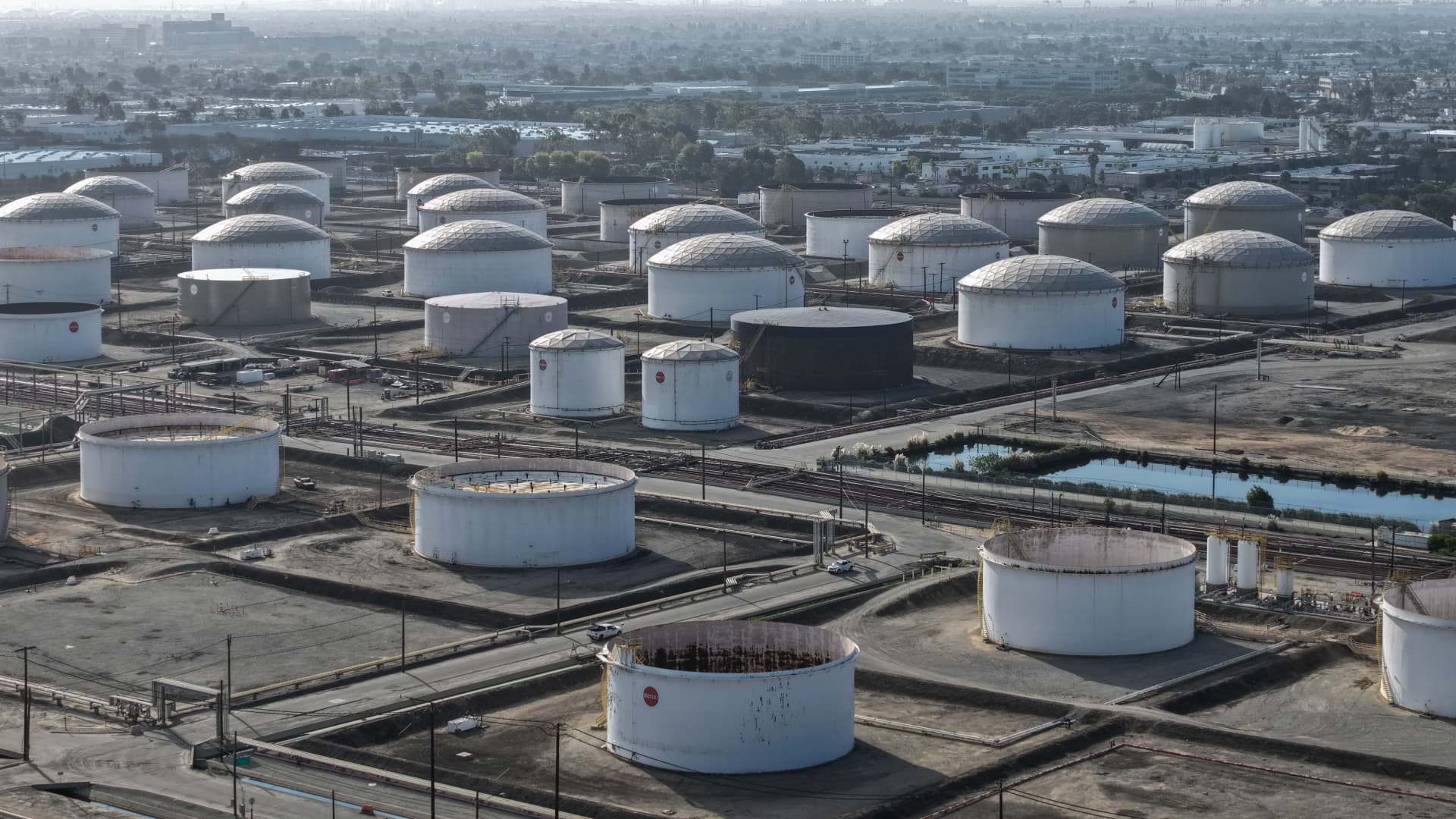
Crude oil prices rose Monday after a deadly attack on Saudi Arabia’s airport in Riyadh, while Ukraine said Russia continued to attack its energy facilities.
Brent crude
Iran-backed Houthi militants in Yemen attacked King Khalid International Airport in Saudi Arabia’s capital Riyadh on Saturday, leaving 12 people dead and more than 300 injured in a major escalation.
Meanwhile in Europe, Ukrainian President Volodymyr Zelenskyy said Monday that Russia violated the energy ceasefire declared by President Donald Trump. Moscow attacked a gas-production facility in Ukraine, Zelenskyy said.
Prospects of more Russian energy hitting markets after a deal with the U.S. have also risen. Trump said Friday that Moscow will supply more than 4 million tons of diesel to the global market under a deal he struck with Putin during a phone call.
Elsewhere early on Monday, the Saudi-led coalition fighting Yemen’s Iran-backed Houthis said it was dealing with another round of drone and missile attacks directed at Saudi Arabia.
It comes after Iran’s Minister of Foreign Affairs Abbas Araghchi made a phone call to Saudi Arabia’s Minister of Foreign Affairs Faisal bin Farhan bin Abdullah to discuss the region’s recent escalation of events as well as the efforts to address it, according to the Saudi state news agency,
In the U.S., about 1.2 million barrels per day of oil production in the Gulf of Mexico remained shut in Sunday due to Hurricane Isaias, according to the Bureau of Safety and Environmental Enforcement.
Technologies
Trump defends Russia diesel deal after bipartisan pushback: ‘I made the right choice’
Ukraine President Volodymyr Zelenskyy said that the U.S. easing sanctions on Moscow “plays into Russia’s hands.”
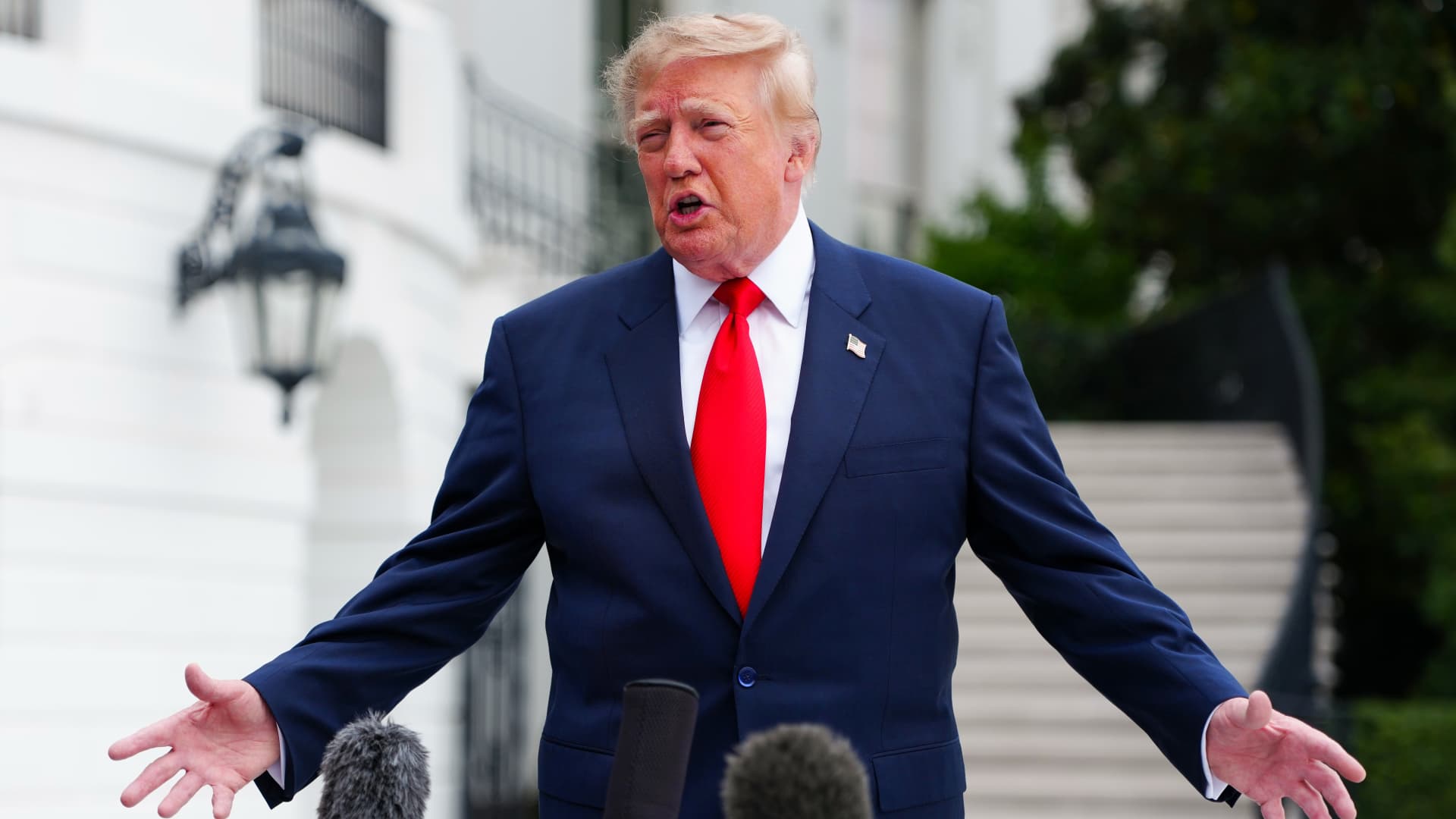
President Donald Trump on Monday defended last week’s decision to temporarily ease restrictions on Russian diesel fuel exports after the announcement drew bipartisan criticism.
Trump, in a Truth Social post, accused the media of hypocrisy for allegedly refusing to cover past purchases of Russian energy by the European Union.
“The European Union paid Russia 250 Billion Dollars for Energy, and the Fake News Media doesn’t want to get near that story,” Trump wrote.
While the president did not specify, his figure roughly tracks with some estimates of how much the EU has spent importing fossil fuels from Russia since the 2022 invasion of Ukraine. The European Commission has launched a plan to phase out its dependence on Russian energy.
“I made the right choice for the American People — ALWAYS, AMERICA FIRST!” Trump wrote in the social media post.
Lawmakers from both parties raised concerns about Trump’s decision to let Russia supply some diesel to the U.S. and global markets for the next six months.
The plan received pushback from multiple congressional Republicans who have urged Trump not to lift the U.S. ban on energy imports from Russia until its president, Vladimir Putin, ends the war against Ukraine.
“The United States should not provide Putin with a financial lifeline while Russia continues to kill Ukrainian civilians,” a group of seven senators, including four Republicans, said in a joint statement on Sunday.
Other Republicans have also raised issues with Trump’s deal.
“While I understand the desire to bring down diesel prices, I am concerned the lifting of sanctions on Russian oil will only fund the Kremlin’s war machine—emboldening more violence and destruction, as we have seen in recent days,” Rep. Michael McCaul, R-Texas, said Friday.
Trump, whose party is staring down a potentially tough midterm election that has coincided with widespread economic dissatisfaction, says the plan he coordinated with Putin will help bring down sky-high diesel prices. Some analysts say the policy won’t make much of a dent, however.
Ukraine President Volodymyr Zelenskyy said Friday that the U.S. easing sanctions on Moscow “plays into Russia’s hands.”
Technologies
Zelenskyy accuses Russia of violating Trump’s energy ceasefire as drone attacks continue
If Russia doesn’t agree to Trump’s energy ceasefire, Ukraine will respond, Zelenskyy said Monday morning.
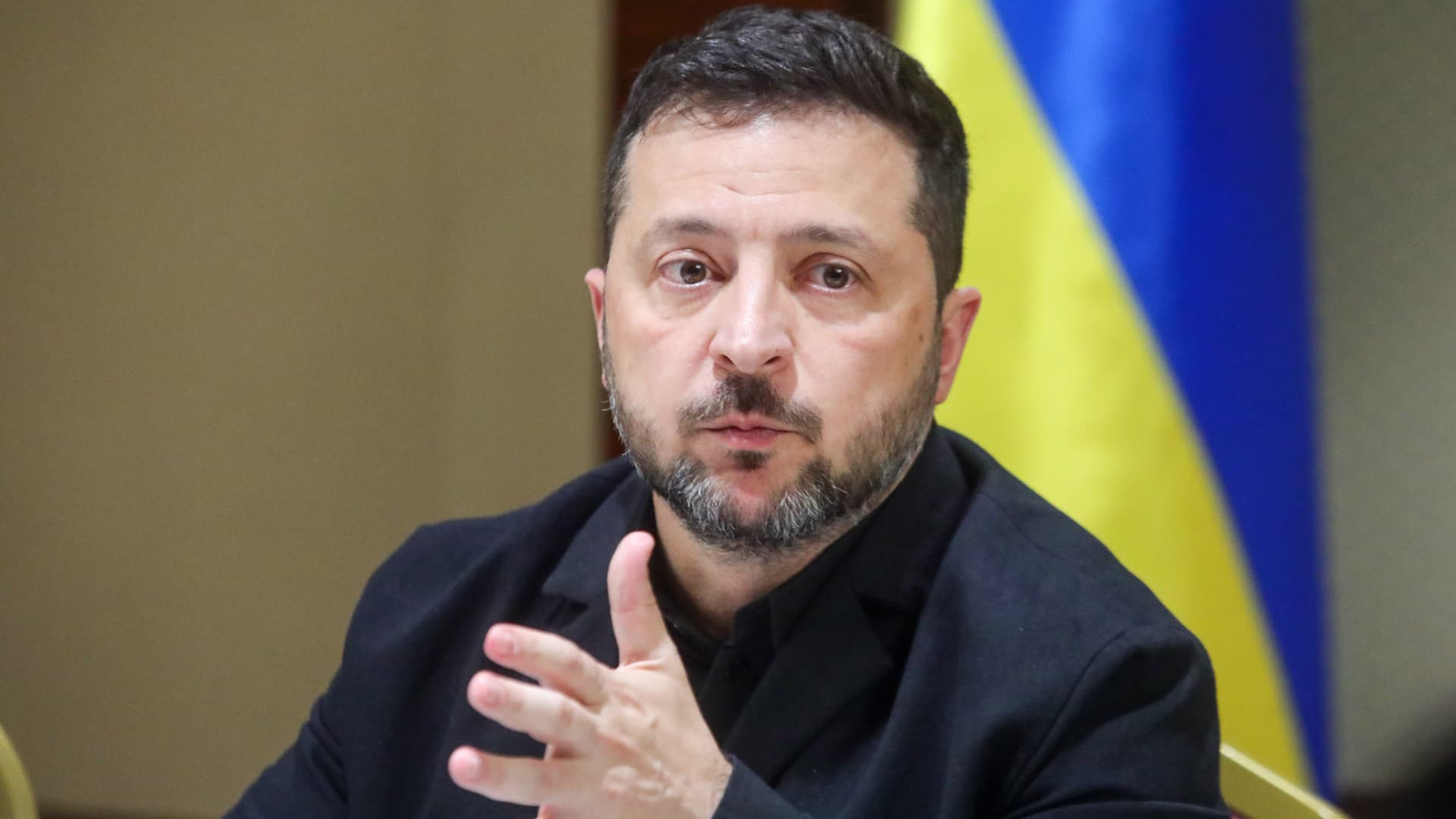
Ukrainian President Volodymyr Zelenskyy welcomed the U.S.-brokered “energy ceasefire” but warned Monday that Kyiv would retaliate if Moscow failed to comply, as fresh Russian drone attacks targeted Ukraine’s energy infrastructure just hours after President Donald Trump announced the agreement.
“It is increasingly evident that Russia is unwilling to accept an energy ceasefire proposed by the United States and intends to continue its terrorist air attacks against our people and communities,” Zelenskyy said Monday in a post on X. “Today alone, the Russians have attacked 6 energy facilities in Ukraine.”
Speaking earlier in the day via video link at the Warsaw Security Forum, he said Ukraine was prepared to sign guarantees if the U.S. required them to build trust, stressing the importance of a shared understanding of the situation. “If Russia does not agree to an energy ceasefire, we will respond,” he cautioned.
“All morning today, more and more Russian jet-powered shaheds have continued to enter our skies over Kyiv and other Ukrainian cities. We shoot down many of them, and if we didn’t, there would clearly be even more damage to our energy infrastructure,” he said.
“For now, this is Putin’s answer to Trump.”
It comes after Zelenskyy lamented Russia’s continued drone attacks on Ukrainian energy targets on Sunday, including an attack on a power plant in Kharkiv in Eastern Ukraine close to the Russian border.
Overnight, Russia attacked state-owned Ukrainian energy company Naftogaz’s gas production infrastructure in Kharkiv region, the company said. No one was injured in the strike by the jet-powered drone, which caused a fire at the facility, it added.
Naftogaz’s acting CEO, Sergii Fedorenko, said the attack had damaged critical equipment and that employees were working to repair damage as quickly as possible and prevent any risks to operations of the energy system.
Earlier on Sunday, Trump announced an “energy ceasefire” to lower fuel costs ahead of the U.S. midterm elections.
“Effective immediately, there is an ENERGY CEASEFIRE in the War between Russia and Ukraine. Both parties have agreed. Do not break it!” Trump wrote on social media on Sunday.
The Kremlin said on Monday that contacts are ongoing on an energy ceasefire and that it would provide more information in due course, Reuters reported. It declined to comment on whether any deal would be limited to oil refineries. Russia’s presidential office didn’t immediately respond to a CNBC request for further information.
Since Russia’s full-scale invasion of Ukraine in 2022, ceasefires have repeatedly proved fragile. Trump has tried several times to broker an end to the war, but none have succeeded so far.
“We’ve been here many times before over the last four and a half years, so I don’t think we should build our hopes up too much,” former IEA head of oil Neil Atkinson told “Squawk Box Europe” on Monday.
Deal with Russia
On Friday, Trump said he had made a deal with President Vladimir Putin in which Russia would supply more than 4 million tons of diesel to global markets.
“The reality of it is that the volumes talked about are very small,” said Atkinson, who is also a visiting fellow at the National Center for Energy Analytics. “The deal that’s been agreed is not really market moving in any significant way.”
According to Trump, Russia will supply more than 300,000 tons of diesel immediately, followed by 500,000 tons in November, and then another 4 million tons of diesel based on the condition of Russia’s refineries.
EU top diplomat Kaja Kallas welcomed an energy ceasefire but said, “This is not the time to ease pressure on Russia.”
“Suspending sanctions on Russian diesel provides Moscow with more revenues to wage war,” she said in a statement Saturday.
EU’s foreign ministers are due to meet in Luxembourg on Monday morning to discuss the Russia-Ukraine war, among other things. The EU will adopt nearly 1,600 new sanctions listings targeting Russia’s military-industrial complex, in the single largest expansion of our sanctions list since Russia started its war, Kallas said ahead of the meeting.
Oil prices turned positive after Zelenskyy’s Monday comments, after trading about 1.5% lower earlier in the session.
Brent crude futures with December delivery were up 2% to $106.82 a barrel at 10:15 a.m. ET, while West Texas Intermediate futures for November ticked 1.9% higher to $93.60 per barrel.
-
 Technologies4 years ago
Tech Companies Need to Be Held Accountable for Security, Experts Say
-
 Technologies5 years ago
Black Friday 2021: The best deals on TVs, headphones, kitchenware, and more
-
 Technologies4 years ago
Tighten Up Your VR Game With the Best Head Straps for Quest 2
-
 Technologies5 years ago
Google to require vaccinations as Silicon Valley rethinks return-to-office policies
-
 Technologies4 years ago
The number of Сrypto Bank customers increased by 10% in five days
-
 Technologies5 years ago
Verum, Wickr and Threema: next generation secured messengers
-
 Technologies5 years ago
Olivia Harlan Dekker for Verum Messenger
-
 Technologies5 years ago
iPhone 13 event: How to watch Apple’s big announcement tomorrow