
Technologies
The Sun’s Temper Tantrums: What You Should Know About Solar Storms
Solar storms are associated with the lovely aurora borealis, but they can have negative impacts, too.
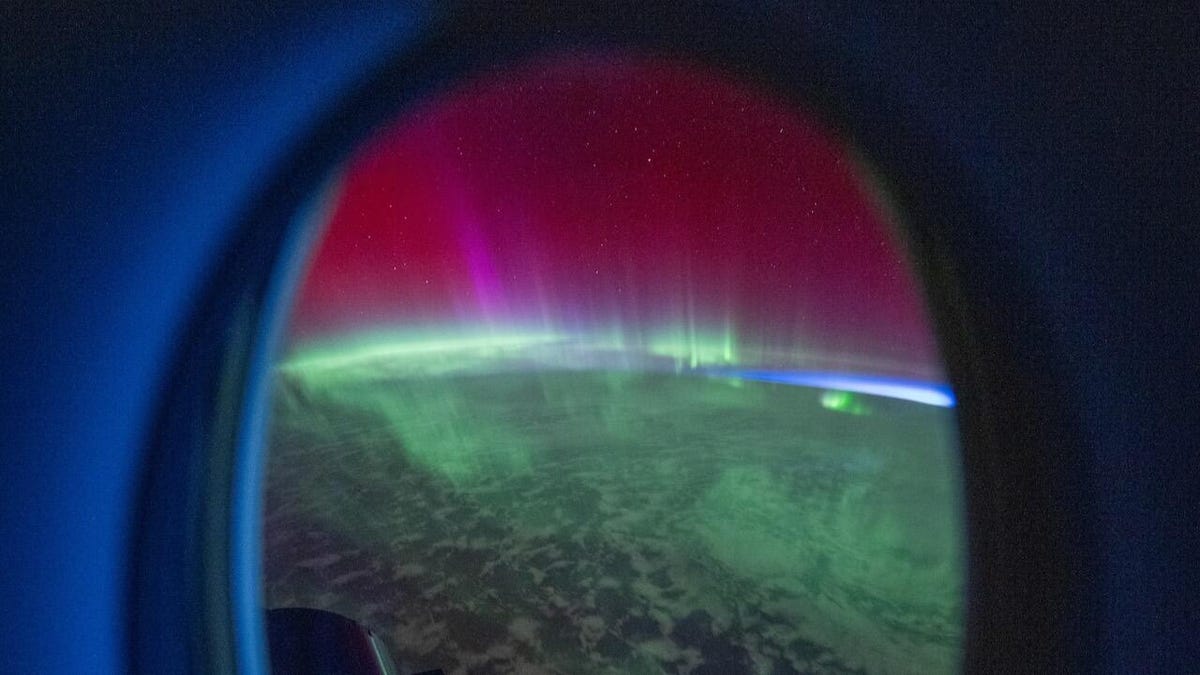
Last month, Earth was treated to a massive aurora borealis that reached as far south as Texas. The event was attributed to a solar storm that lasted nearly a full day and will likely contend for the strongest of 2026. Such solar storms are usually fun for people on Earth, as we are protected from solar radiation by our planet’s atmosphere, so we can just enjoy the gorgeous greens and pretty purples in the night sky.
But solar storms are a lot more than just the aurora borealis we see, and sometimes they can cause real damage. There are several examples of this in recorded history, with the earliest being the Carrington Event, a solar storm that took place on Sept. 1, 1859. It remains the strongest solar storm ever recorded, where the world’s telegraph machines became overloaded with energy from it, causing them to shock their operators, send ghost messages and even catch on fire.
Things have changed a lot since the mid-1800s, and while today’s technology is a lot more resistant to solar radiation than it once was, a solar storm of that magnitude could still cause a lot of damage.
What is a solar storm?
A solar storm is a catchall term that describes any disturbance in the sun that involves the violent ejection of solar material into space. This can come in the form of coronal mass ejections, where clouds of plasma are ejected from the sun, or solar flares, which are concentrated bursts of electromagnetic radiation (aka light).
A sizable percentage of solar storms don’t hit Earth, and the sun is always belching material into space, so minor solar storms are quite common. The only ones humans tend to talk about are the bigger ones that do hit the Earth. When this happens, it causes geomagnetic storms, where solar material interacts with the Earth’s magnetic fields, and the excitations can cause issues in everything from the power grid to satellite functionality. It’s not unusual to hear «solar storm» and «geomagnetic storm» used interchangeably, since solar storms cause geomagnetic storms.
Solar storms ebb and flow on an 11-year cycle known as the solar cycle. NASA scientists announced that the sun was at the peak of its most recent 11-year cycle in 2024, and, as such, solar storms have been more frequent. The sun will metaphorically chill out over time, and fewer solar storms will happen until the cycle repeats.
This cycle has been stable for hundreds of millions of years and was first observed in the 18th century by astronomer Christian Horrebow.
How strong can a solar storm get?
The Carrington Event is a standout example of just how strong a solar storm can be, and such events are exceedingly rare. A rating system didn’t exist back then, but it would have certainly maxed out on every chart that science has today.
We currently gauge solar storm strength on four different scales.
The first rating that a solar storm gets is for the material belched out of the sun. Solar flares are graded using the Solar Flare Classification System, a logarithmic intensity scale that starts with B-class at the lowest end, and then increases to C, M and finally X-class at the strongest. According to NASA, the scale goes up indefinitely and tends to get finicky at higher levels. The strongest solar flare measured was in 2003, and it overloaded the sensors at X17 and was eventually estimated to be an X45-class flare.
CMEs don’t have a named measuring system, but are monitored by satellites and measured based on the impact they have on the Earth’s geomagnetic field.
Once the material hits Earth, NOAA uses three other scales to determine how strong the storm was and which systems it may impact. They include:
- Geomagnetic storm (G1-G5): This scale measures how much of an impact the solar material is having on Earth’s geomagnetic field. Stronger storms can impact the power grid, electronics and voltage systems.
- Solar radiation storm (S1-S5): This measures the amount of solar radiation present, with stronger storms increasing exposure to astronauts in space and to people in high-flying aircraft. It also describes the storm’s impact on satellite functionality and radio communications.
- Radio blackouts (R1-R5): Less commonly used but still very important. A higher R-rating means a greater impact on GPS satellites and high-frequency radios, with the worst case being communication and navigation blackouts.
Solar storms also cause auroras by exciting the molecules in Earth’s atmosphere, which then light up as they «calm down,» per NASA. The strength and reach of the aurora generally correlate with the strength of the storm. G1 storms rarely cause an aurora to reach further south than Canada, while a G5 storm may be visible as far south as Texas and Florida. The next time you see a forecast calling for a big aurora, you can assume a big solar storm is on the way.
How dangerous is a solar storm?
The overwhelming majority of solar storms are harmless. Science has protections against the effects of solar storms that it did not have back when telegraphs were catching on fire, and most solar storms are small and don’t pose any threat to people on the surface since the Earth’s magnetic field protects us from the worst of it.
That isn’t to say that they pose no threats. Humans may be exposed to ionizing radiation (the bad kind of radiation) if flying at high altitudes, which includes astronauts in space. NOAA says that this can happen with an S2 or higher storm, although location is really important here. Flights that go over the polar caps during solar storms are far more susceptible than your standard trip from Chicago to Houston, and airliners have a whole host of rules to monitor space weather, reroute flights and monitor long-term radiation exposure for flight crews to minimize potential cancer risks.
Larger solar storms can knock quite a few systems out of whack. NASA says that powerful storms can impact satellites, cause radio blackouts, shut down communications, disrupt GPS and cause damaging power fluctuations in the power grid. That means everything from high-frequency radio to cellphone reception could be affected, depending on the severity.
A good example of this is the Halloween solar storms of 2003. A series of powerful solar flares hit Earth on Oct. 28-31, causing a solar storm so massive that loads of things went wrong. Most notably, airplane pilots had to change course and lower their altitudes due to the radiation wreaking havoc on their instruments, and roughly half of the world’s satellites were entirely lost for a few days.
A paper titled Flying Through Uncertainty was published about the Halloween storms and the troubles they caused. Researchers note that 59% of all satellites orbiting Earth at the time suffered some sort of malfunction, like random thrusters going offline and some shutting down entirely. Over half of the Earth’s satellites were lost for days, requiring around-the-clock work from NASA and other space agencies to get everything back online and located.
Earth hasn’t experienced a solar storm on the level of the Carrington Event since it occurred in 1859, so the maximum damage it could cause in modern times is unknown. The European Space Agency has run simulations, and spoiler alert, the results weren’t promising. A solar storm of that caliber has a high chance of causing damage to almost every satellite in orbit, which would cause a lot of problems here on Earth as well. There were also significant risks of electrical blackouts and damage. It would make one heck of an aurora, but you might have to wait to post it on social media until things came back online.
Do we have anything to worry about?
We’ve mentioned two massive solar storms with the Halloween storms and the Carrington Event. Such large storms tend to occur very infrequently. In fact, those two storms took place nearly 150 years apart. Those aren’t the strongest storms yet, though. The very worst that Earth has ever seen were what are known as Miyake events.
Miyake events are times throughout history when massive solar storms were thought to have occurred. These are measured by massive spikes in carbon-14 that were preserved in tree rings. Miyake events are few and far between, but science believes at least 15 such events have occurred over the past 15,000 years. That includes one in 12350 BCE, which may have been twice as large as any other known Miyake event.
They currently hold the title of the largest solar storms that we know of, and are thought to be caused by superflares and extreme solar events. If one of these happened today, especially one as large as the one in 12350 BCE, it would likely cause widespread, catastrophic damage and potentially threaten human life.
Those only appear to happen about once every several hundred to a couple thousand years, so it’s exceedingly unlikely that one is coming anytime soon. But solar storms on the level of the Halloween storms and the Carrington Event have happened in modern history, and humans have managed to survive them, so for the time being, there isn’t too much to worry about.
Technologies
Today’s NYT Connections: Sports Edition Hints and Answers for April 8, #562
Here are hints and the answers for the NYT Connections: Sports Edition puzzle for April 8 No. 562.
Looking for the most recent regular Connections answers? Click here for today’s Connections hints, as well as our daily answers and hints for The New York Times Mini Crossword, Wordle and Strands puzzles.
Today’s Connections: Sports Edition is a tough one. If you’re struggling with today’s puzzle but still want to solve it, read on for hints and the answers.
Connections: Sports Edition is published by The Athletic, the subscription-based sports journalism site owned by The Times. It doesn’t appear in the NYT Games app, but it does in The Athletic’s own app. Or you can play it for free online.
Read more: NYT Connections: Sports Edition Puzzle Comes Out of Beta
Hints for today’s Connections: Sports Edition groups
Here are four hints for the groupings in today’s Connections: Sports Edition puzzle, ranked from the easiest yellow group to the tough (and sometimes bizarre) purple group.
Yellow group hint: Working out.
Green group hint: Cover your face.
Blue group hint: NFL players.
Purple group hint: Leap.
Answers for today’s Connections: Sports Edition groups
Yellow group: Exercises in singular form.
Green group: Sporting jobs that require masks.
Blue group: Hall of Fame defensive ends.
Purple group: ____ jump.
Read more: Wordle Cheat Sheet: Here Are the Most Popular Letters Used in English Words
What are today’s Connections: Sports Edition answers?
The yellow words in today’s Connections
The theme is exercises in singular form. The four answers are crunch, plank, situp and squat.
The green words in today’s Connections
The theme is sporting jobs that require masks. The four answers are catcher, fencer, football player and goaltender.
The blue words in today’s Connections
The theme is Hall of Fame defensive ends. The four answers are Dent, Peppers, Strahan and Youngblood.
The purple words in today’s Connections
The theme is ____ jump. The four answers are broad, high, long and triple.
Technologies
The $135M Google Data Settlement Site Is Live — See If You’re Eligible
Use the settlement website to select your preferred payment method, and you may end up $100 richer.
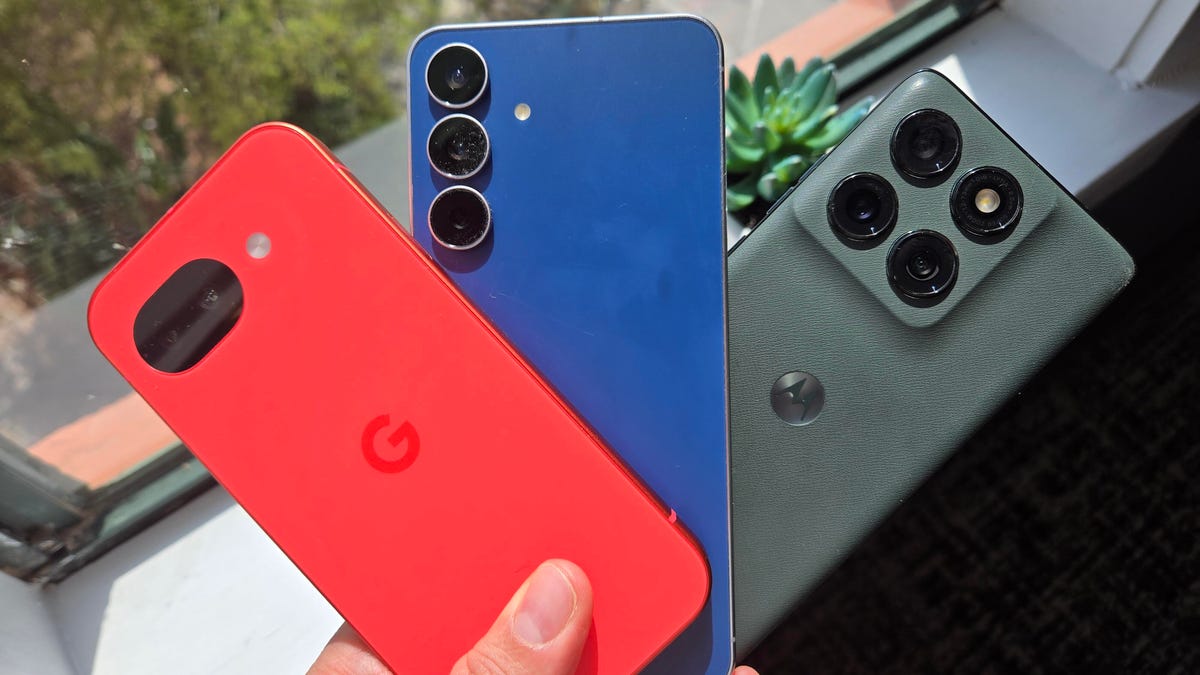
You can now file a claim in the $135 million Google data settlement. The case centers on claims that Android devices transmitted user data without consent. Specifically, the class action lawsuit Taylor v. Google LLC contends that Google’s Android devices passively transferred cellular data to Google without user permission, even when the devices were idle. While not admitting fault, Google reached a preliminary settlement in January, agreeing to pay $135 million to about 100 million US Android phone users.
The official settlement website for the lawsuit is now live. The final approval hearing won’t occur until June 23, when the court will consider whether Google’s settlement is fair and listen to objections. After that, the court will decide whether to approve the $135 million settlement.
In the meantime, if you qualify and want to be paid as part of the settlement, you can select your preferred payment method on the official website. There, you can find information on speaking at the June 23 court hearing and on how to exclude yourself or write to the court to object by May 29.
As part of the settlement, Google will update its Google Play terms of service to clarify that certain data transfers do occur passively even when you’re not using your Android device, and that cellular data may be relied upon when not connected to Wi-Fi. This can’t always be disabled, but users will be asked to consent to it when setting up their device.
Google will also fully stop collecting data when its «allow background data usage» option is toggled off.
Who can be part of the settlement?
In order to join the Taylor v. Google LLC settlement, you must meet four qualifications:
- Be a living, individual human being in the US.
- Have used an Android mobile device with a cellular data plan.
- Have used the aforementioned device at any time from Nov. 12, 2017, to the date when the settlement receives final approval.
- You’re not a class member in the Csupo v. Google LLC lawsuit, which is similar but specifically for California residents.
The final approval hearing is on June 23, so you can add your payment method until then. The hearing’s date and time may change, and any updates will be posted on the settlement website.
If you choose to do nothing, you will still be issued a settlement payment, but you may not receive it if you don’t select a payment method.
How much will I get paid?
It’s not currently known exactly how much each settlement class member will receive, but the cap is $100. Payments will be distributed after final court approval and after any appeals are resolved.
After all administrative, tax and attorney costs are paid, the settlement administrator will attempt to pay each member an equal amount. If any funds remain after payments are sent, and it’s economically feasible, they will be redistributed to members who were previously and successfully paid. If it’s not economically feasible, the funds will go to an organization approved by the court.
Technologies
Samsung’s Galaxy Watch Ultra 2 Might Come in 5G and 4G Cellular Models
If the rumor proves true, the 5G Galaxy Watch Ultra would rival the 5G-enabled $799 Apple Watch Ultra 3 that debuted last fall.
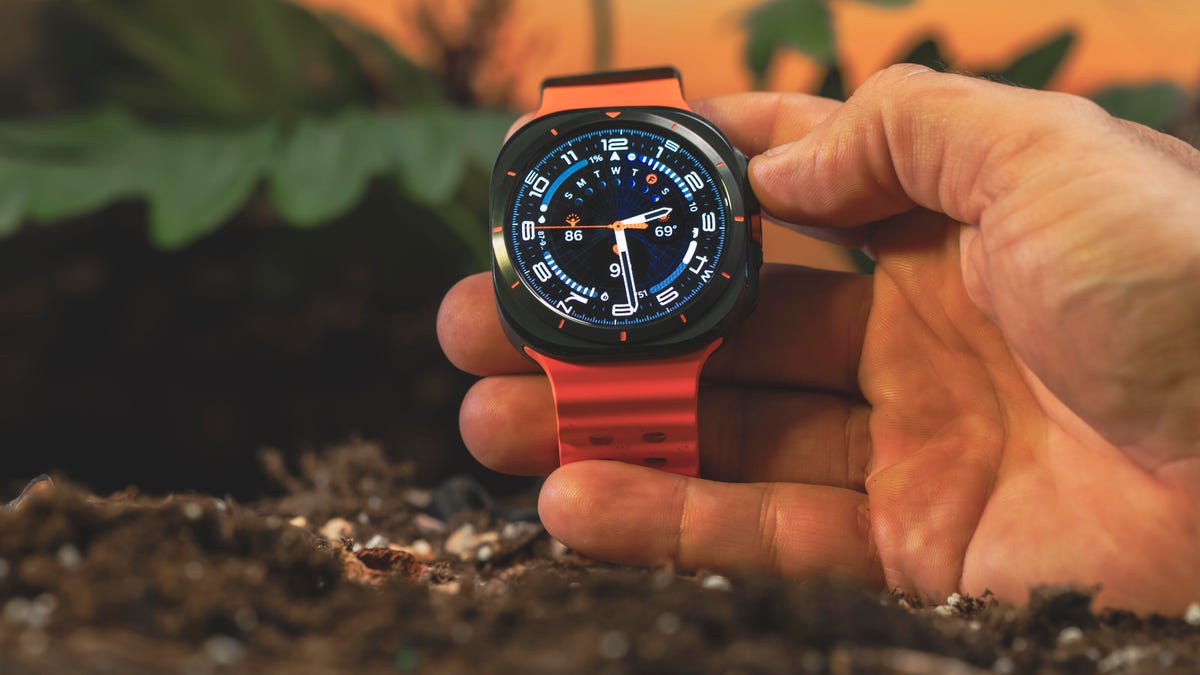
Samsung’s next high-end Galaxy Watch could support faster 5G speeds, but if this leak is true, it will depend on where you live. The rumored Samsung Galaxy Watch Ultra 2 might come in 5G and 4G cellular models, with availability for each smartwatch depending on the country.
According to the Dutch website Galaxy Club (and spotted by SamMobile), Samsung’s servers may have revealed a series of model numbers that point to 5G, 4G and Wi-Fi-enabled editions of the next Galaxy Watch Ultra, which would succeed the original model that debuted in 2024.
A representative for Samsung did not immediately respond to a request for comment.
The Galaxy Club website speculates that the 5G edition would be sold in the US and Korean markets, while the 4G edition would sell in the rest of the world. In the US, a 5G version of the Galaxy Watch Ultra would rival the 5G-enabled $799 Apple Watch Ultra 3, which debuted last fall. The 4G edition would have broader compatibility worldwide, since the earlier network is far more established.
It will likely be a few months until we hear anything official about the Galaxy Watch Ultra 2. Samsung typically unveils its new watches in the summer alongside its Galaxy Z Fold and Z Flip foldable phones. Last year, Samsung unveiled the Galaxy Watch 8 and the Galaxy Watch 8 Classic, but otherwise left the prior 2024 Ultra in the lineup for those looking for a larger 47mm smartwatch.
-
 Technologies3 года ago
Tech Companies Need to Be Held Accountable for Security, Experts Say
-
 Technologies3 года ago
Best Handheld Game Console in 2023
-
 Technologies3 года ago
Tighten Up Your VR Game With the Best Head Straps for Quest 2
-
 Technologies4 года ago
Black Friday 2021: The best deals on TVs, headphones, kitchenware, and more
-
 Technologies5 лет ago
Google to require vaccinations as Silicon Valley rethinks return-to-office policies
-
 Technologies5 лет ago
Verum, Wickr and Threema: next generation secured messengers
-
 Technologies4 года ago
Olivia Harlan Dekker for Verum Messenger
-
 Technologies4 года ago
The number of Сrypto Bank customers increased by 10% in five days