
Technologies
Stay Patient, Apple Fans: Siri AI Delayed Again to Late 2026 at the Earliest
Bloomberg reports that numerous issues are holding up the advanced version of Siri, including lag time, data access concerns and accuracy issues.
It’s Groundhog Day for Siri yet again, as Apple plans another in a long series of delays to the Siri AI upgrade, according to a Bloomberg report released on Wednesday.
According to Bloomberg sources from inside Apple, the reinvented Siri voice assistant, including AI features reminiscent of Alexa Plus, has been delayed from the March iPhone iOS 24.6 update to a release later this year, potentially in May, September or later.
A representative from Apple didn’t immediately respond to a request for comment.
Following repeated delays after announcing the advanced Siri in 2024, Apple gave a broad 2026 timeline for releasing the new voice assistant, widely expected to be included in iOS 26.4. Now, Bloomberg reports that the latest internal testing shows Siri still isn’t up to the task and is likely to remain out of reach for consumers for now.
This current version of Siri uses an architecture dubbed Linwood, combining Apple’s own large language model with technology from Google’s Gemini AI. The mix is expected to add AI tools such as new web searches and image generation, as well as a chatbot-style Siri AI (code-named Campo), initially slated for iOS 27.
What features are holding Super Siri up?
Much of what Bloomberg reports in this latest release is similar to what we heard last year. The new Siri is too slow, struggles with complex commands, and isn’t meshing well with Apple’s own AI models or with services like ChatGPT. But there are a few new rumors here that show a more complete picture:
- Issues with data access: Bloomberg reports that Apple is pulling back on plans to have Siri scan more personal data, such as reviewing your old text messages to find a shared song or podcast. The feature may come later, but for now it’s being delayed — perhaps consumer concerns over AI privacy are playing a role, too.
- App intents: Intents are Apple’s version of letting Siri complete in-app tasks. For example, Apple wants Siri to be able to find a photo, apply a filter, and post it to your socials or message it to a friend, all in one command. This feature doesn’t appear reliable yet.
- Siri gets terse: Bloomberg contacts also report that Siri is acting up when getting especially quick or complex commands, interrupting users before they can finish and requiring a complete restart.
Why is Apple so late to the voice assistant AI?
I’ve already been experimenting with Alexa Plus and Gemini for Home for months, and I like the results so far. Alexa Plus, in particular (free for Prime users and casual chatters, $20 for the complete package), is much more conversational, understands complex commands, and can tap into brand-new third-party app integrations. Gemini for Home, meanwhile, excels at answering multi-step questions in the app and analyzing video footage. That raises the question of why Apple’s own venture into this space has taken so long.
While I can’t read the minds of Apple devs, it’s clear that Apple invested less in LLMs and generative AI than Google and Amazon did at the start, and is now moving very cautiously into this technology. Given that Alexa Plus doesn’t always know what it can or can’t do and Gemini for Home still struggles with voice chats, I can see why Apple may want to wait for a highly polished product.
Since Apple has been delaying these advanced versions of Siri for well over a year already, it’s clear the company has no problem taking its time and finding a version of Siri AI it’s happy with. According to Bloomberg’s report, we could start seeing betas for these new Siri features in iOS 26.5 or iOS 27 as the slow climb to public release continues.
Technologies
Google’s Pixel 10A Is Coming to Japan With an Exclusive Blue Edition and Special Wallpaper
This model comes with creatively designed stickers and a special look for Pixel’s 10th anniversary.
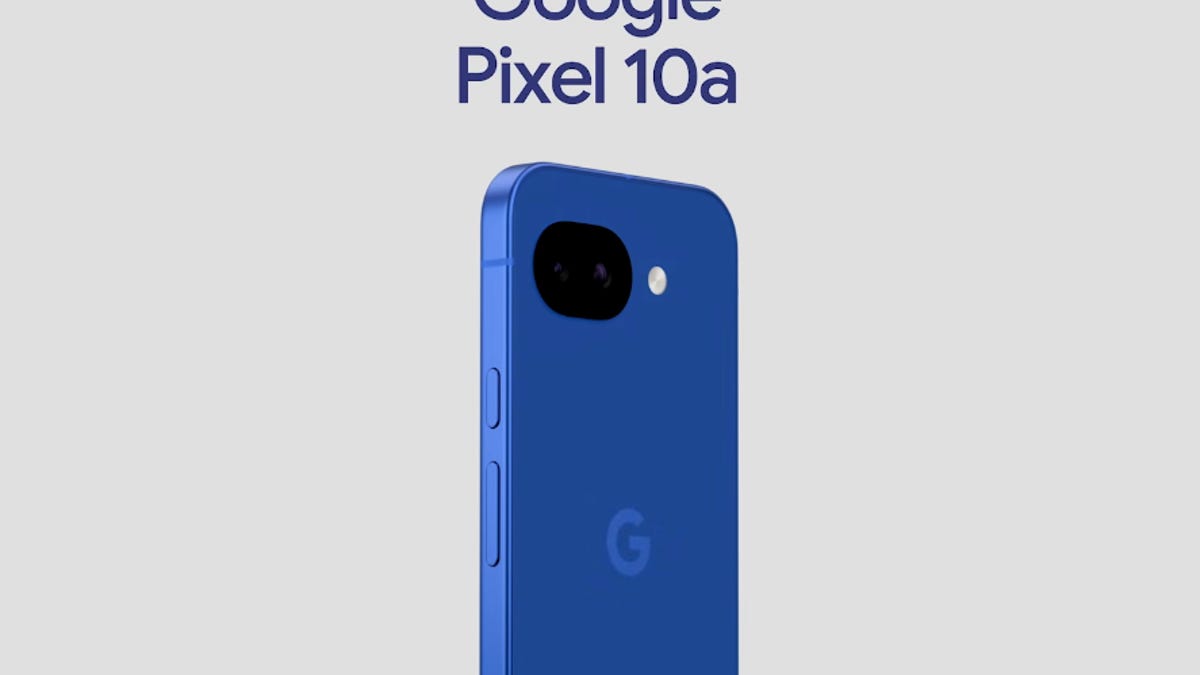
Don’t be blue: Google is releasing an Isai blue edition of the Pixel 10A to celebrate the Android phone line’s 10th anniversary, setting it apart with its own sticker set, specialized wallpaper and custom icons. But it’ll only be available in Japan.
Announced Tuesday on the Google Japan blog, the Isai blue Pixel 10A has a dark blue look and includes bonus decorations designed in collaboration with Japan’s Heralbony art company. These include an exclusive bumper case and stickers for customization.
This edition of the Pixel 10A will arrive in Japan on May 20, following the April 14 release of the Pixel 10A in its original colors of lavender, berry, fog and obsidian. The Isai blue model costs 94,900 yen, which roughly translates to $595, and includes 256GB of storage.
This makes it slightly less expensive than the US model’s 256GB edition, but it comes with a number of fun extras at no additional cost.
Google’s creation of a country-specific model for Japan may also reflect strong sales in that market. In 2023, the IDC analytics firm (via 9to5Google) reported that the Pixel 7 series accounted for 10.7% of the country’s market share, a 527% increase from 2022.
Technologies
Can’t Wait for New Emoji? Here’s How to Create Your Own on iPhone
Apple Intelligence-enabled iPhones can create custom emoji in a few easy steps.
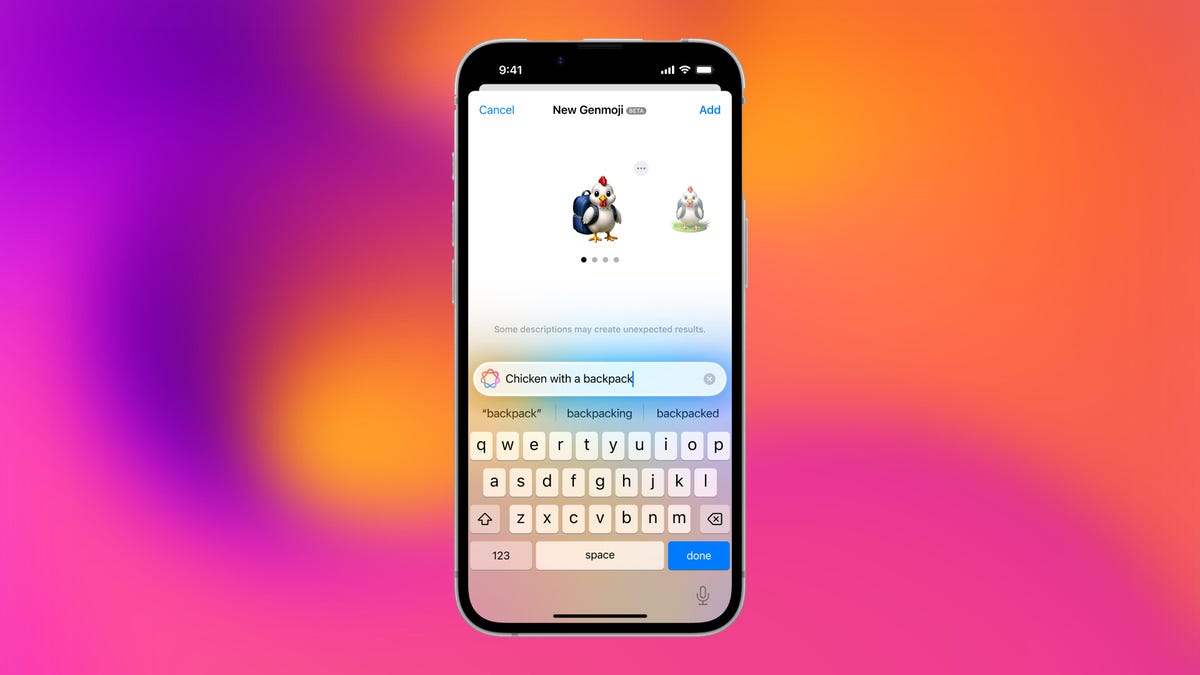
Apple brought new emoji to all iPhones when the company released iOS 26.4 on March 24. The new emoji include «» orca, «» distorted face and «» hairy creature — or as we might normally call it, Sasquatch. According to Emojipedia, there are 3,953 emoji with more on the way, including a pickle. But there’s no emoji for a dog wearing pajamas, a plate with burgers and fries and many other things. But if you have Genmoji on your iPhone you can create these emoji and many more.
Apple released iOS 18.2 in 2024 and the company introduced its own emoji generator, called Genmoji, to Apple Intelligence-capable iPhones at that time. The Unicode Standard, a universal character encoding standard, is responsible for creating new emoji, and approved emoji are added to all devices once a year. With Genmoji, you don’t have to wait for new emoji to appear on your iPhone each year. You can just create them as you need them.
Read on to learn how to use Genmoji on iPhone to create your own custom emoji. Just note that only iPhones with Apple Intelligence, like the iPhone 17 lineup, can use Genmoji at this time.
Note: The new emoji may not display correctly for Apple users whose devices aren’t on a 26.4 software version.
How to make custom emoji
1. Open Messages and go into a chat.
2. Tap the plus (+) button next to your text box.
3. Tap Genmoji.
You can then type a description of an emoji into the text box near the bottom of your screen and tap the check mark on your keyboard to enter that description into Genmoji. You can also tap different suggestions and themes that are right above the text box. And with iOS 26 or later, you can also combine and use emoji to create others rather than describing a new emoji or using suggestions.
Your iPhone will generate a series of new emoji for you to pick from according to your description, and you can swipe through these new emoji. When you find the one you want, tap Add in the top right corner of your screen and the new emoji will be available to use as an emoji, tapback or a sticker. Now you don’t have to wait for the Unicode Standard to propose, create and bring new emoji to devices.
For more iOS news, here’s what to know about iOS 26.4 and iOS 26.3. You can also check out our iOS 26 cheat sheet for other tips and tricks.
Technologies
Save Over 20% on This Handy 10,000-mAh Anker Nano Power Bank
Keep your devices charged on the go with this Anker Nano power bank, now down to just $46.
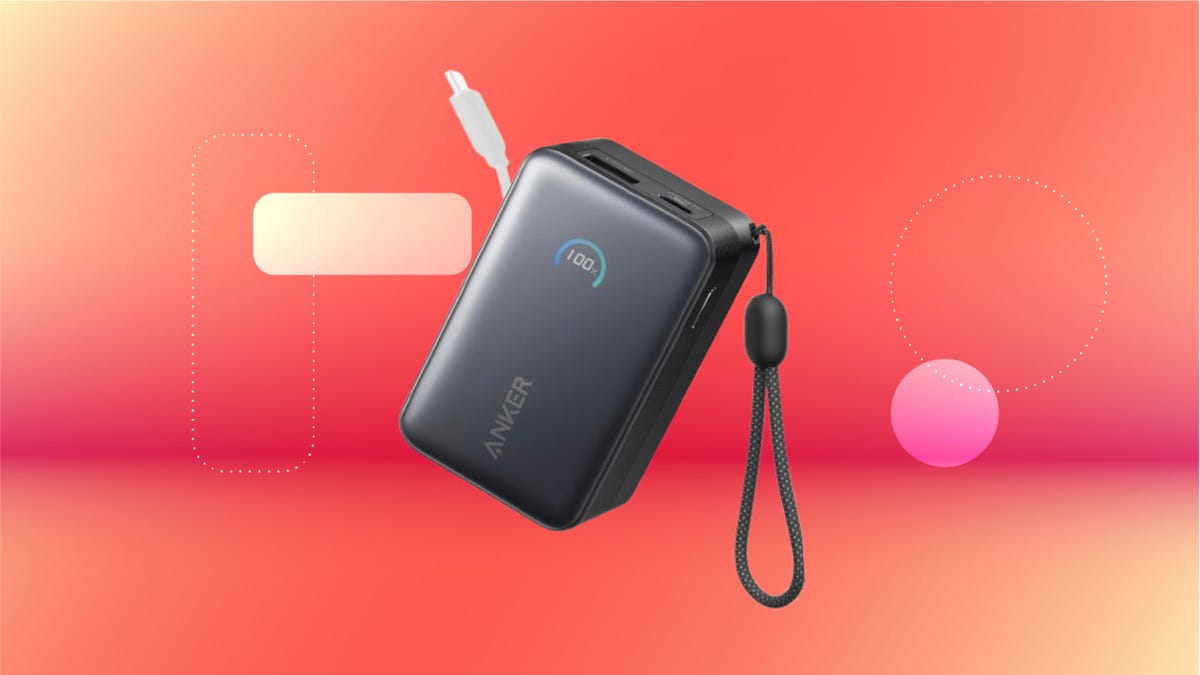
We’ve just spotted the Anker Nano 45-watt portable power bank for just $46 at Amazon right now. This saves you $14 — a 23% discount on its list price. Though it’s $6 more than the lowest-ever price we saw during Black Friday, it’s still a solid discount when you take the rising cost of tech accessories into account. It also matches the lowest price we’ve seen in 2026. It comes in four colors: black, green, pink and white. They’re all on sale for the same price.
This Anker Nano portable charger weighs approximately 8.2 ounces and measures a compact 3.21×1.99×1.42 inches. Despite its small size, it has a retractable cable and supports fast charging in compatible Apple, Samsung, Google Pixel and other smartphones. It also has a large 10,000-mAh capacity and a smart display so you always know how much juice is left in your power bank.
The Nano can charge an iPhone 17 to up to 50% battery in an estimated 20 minutes, and is powerful enough to charge tablets and laptops. Need to charge your devices while charging your power bank? You can do so safely thanks to pass-through charging so you’ll never have to go without battery life.
We’ve also compiled a list of the best power banks for iPhones and for Android, in case this deal isn’t quite a fit for you.
Why this deal matters
If you travel, have a long commute time or are otherwise always on the go, a portable charger can help you keep your devices fully powered. This 45-watt Anker Nano power bank is compact, includes a loop that lets you keep track of it easily and has a built-in cable so you don’t have to keep up with extra cords. Amazon’s $14 discount makes this a solid deal for anyone looking for a compact power bank.
-
 Technologies3 года ago
Tech Companies Need to Be Held Accountable for Security, Experts Say
-
 Technologies3 года ago
Best Handheld Game Console in 2023
-
 Technologies3 года ago
Tighten Up Your VR Game With the Best Head Straps for Quest 2
-
 Technologies4 года ago
Black Friday 2021: The best deals on TVs, headphones, kitchenware, and more
-
 Technologies5 лет ago
Google to require vaccinations as Silicon Valley rethinks return-to-office policies
-
 Technologies5 лет ago
Verum, Wickr and Threema: next generation secured messengers
-
 Technologies4 года ago
Olivia Harlan Dekker for Verum Messenger
-
 Technologies4 года ago
The number of Сrypto Bank customers increased by 10% in five days