
Technologies
The Motorola Signature Is the Moto Phone I’ve Wanted for Years
Motorola’s new phone is its best flagship yet and could be the Galaxy S26 Plus rival that Samsung didn’t see coming.
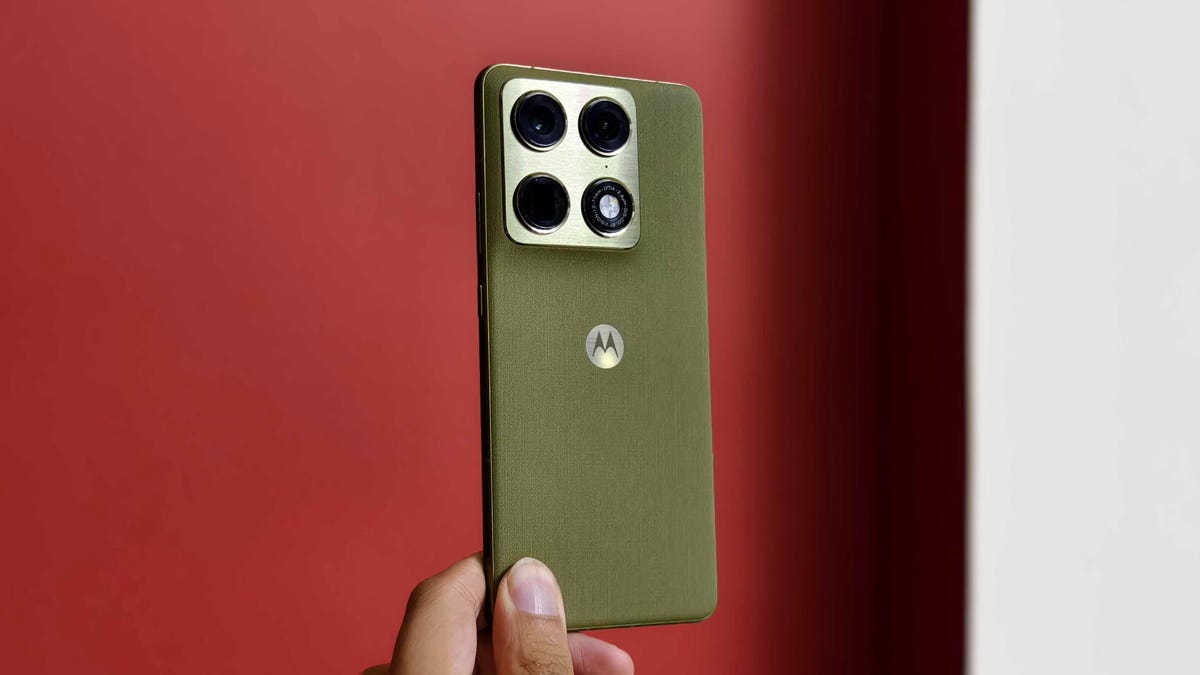
At CES 2026, among the AI humanoids, flashy concepts and next-gen foldables, was a Motorola phone that I didn’t expect to be a CES highlight. And no, I’m not talking about theMotorola Razr Fold. While it was the talk of the town (after all, it is the company’s first-ever book-style foldable), there’s a premium smartphone with top specs and a sophisticated design: the Motorola Signature.
Recent high-end Motorola phones have had good-looking hardware, but they don’t compete with the Galaxy S25 Ultras or Pixel 10s of the world. They fall short in one or more areas, including display, performance, cameras, software or battery. The Motorola Signature is the company’s first flagship phone that looks confident enough to take on heavyweights like the upcoming Galaxy S26 Plus and the current iPhone 17, without faltering on either hardware or software.
I’ve been using it for a couple of days now, and this Motorola phone doesn’t have any major downsides, especially for the price. The biggest one could be availability: It won’t be coming to the US, but it is now available for purchase in India at an unbeatable price. It undercuts the OnePlus 15, iPhone 17 and the Pixel 10 by almost $150 or more (directly converted from INR).
With the ever-increasing prices of premium phones, the Motorola Signature is the flagship killer we’ve been waiting for. At about $660 (INR 59,999), it is hard to beat, and I can admit I’m finally excited about a Motorola phone that’s not a Razr.
Motorola Signature is lightweight, slim and rugged
The Motorola Signature has a 6.8-inch 1,264×2,780-pixel resolution AMOLED display with support for a 165Hz refresh rate. It is an LTPO panel, so it can be set to 1Hz for an always-on display (like the iPhone 17 series and Galaxy S25 Ultra), thereby saving battery life. Its resolution might not be as high as the Galaxy S25 Ultra’s, but it is a promising screen for gaming and content consumption.
I couldn’t find a game to test its 165Hz refresh rate, but watching YouTube videos, Instagram Reels and reading ebooks — both indoors and outdoors — was a pleasing experience. The screen remains legible in all lighting conditions.
Motorola’s new phone is powered by the Qualcomm Snapdragon 8 Gen 5 chipset and is paired with 16GB of RAM and 512GB of storage. While it’s not the highest-end chip available (that’d be the Snapdragon 8 Elite Gen 5), it packs plenty of power. I had no issues in day-to-day use, occasional multitasking or gaming. My only complaint was with the camera shutter in low light, but we’ll get to it in a bit.
The Motorola Signature ships with Android 16 with the company’s in-house Hello UI on top. It is a comparatively clean interface with plenty of customization options to fine-tune your experience. One of my favorite features, Moto gestures (twist to open the camera or make a double-chop motion to turn on and off the flashlight) is always handy in unexpected ways.
You get an AI Key on the left side of the phone to trigger Moto AI (uses Perplexity or Microsoft Copilot), but it can only be triggered once you create a Motorola account. You can configure the button to do other shortcuts, like double-press it to take notes and press and hold to trigger Moto AI. But in reality, I didn’t use any of these features in my daily life and would’ve preferred the ability to remap them to a shortcut. Google’s Gemini assistant is also available.
The Signature has a 5,200-mAh silicon-carbon battery and supports 90-watt wired charging and 50-watt wireless charging. Should those speeds hold up, that battery might fill up quickly using either method. It lasted me an entire day on medium use, but on another day, I had to charge it twice when I pushed it with streaming, browsing, Google Maps navigation for 30 minutes and active camera usage. It doesn’t compete with OnePlus 15’s massive 7,300-mAh cell but does well to reduce battery anxiety.
All of this sounds more impressive when you take the Signature’s design into context: The flagship Qualcomm processor’s power, 5,000-mAh plus battery, big AMOLED screen and three 50-megapixel cameras housed in a slim and lightweight design. The new Motorola phone is 6.99mm thick and weighs just 186 grams. For context, the Galaxy S25 Plus, with a smaller battery, measures 7.3mm thick and weighs 190 grams, while most recent big phones weigh 200 grams or more.
I shifted from the iPhone 17 Pro Max and enjoyed using the Motorola Signature because it weighed less. But I didn’t expect it to be so light. The Signature feels good in my hand. I’m glad it doesn’t have sharp flat sides like the Galaxy S25 Ultra. Plus, I love its linen-inspired finish on the back, which sets it apart from the competition. Like its Edge siblings, the Signature is rated IP68 and IP69 for dust and water resistance (meaning it can survive being submerged under a meter of water for 30 minutes and high-pressure water jets), so there’s no fear of dust and water damage.
Improving on the 2 weakest links
Most Motorola phones that I’ve used in recent years, including the $1,300 Razr Ultra have one or two downsides: software support and/or cameras.
The Signature marks a new beginning for the brand as it joins the ranks of Samsung and Google with seven years of Android OS software and security updates. This is on par with Google Pixel and Samsung Galaxy phones and better than what OnePlus offers. I hope this new software update policy is implemented on more Motorola phones launching in 2026.
Secondly, the Motorola Signature (finally!) introduces an impressive camera system. On the back, you get three cameras: a 50-megapixel main camera with OIS, paired with a 50-megapixel telephoto camera with a 3x zoom lens and OIS, and a 50-megapixel ultrawide camera. This is the first Motorola phone with cameras that I wouldn’t trade for another setup during my vacations.
Photos from the primary and telephoto cameras have better color accuracy than previous Moto shooters. Images have a slightly warmer tone and are saturated — not as much as the OnePlus 15, which delivers much more saturated tones. I prefer Signature’s look in most scenarios.
However, the ultrawide-angle camera retains fewer details, and OnePlus does better in that regard.
The telephoto lens struggles with edge detection in low-light portraits, but I loved using it for architecture shots and capturing scenery around me. It can deliver some stunning shots even in 6x. Mind you, it has 3x optical zoom, but I shot the above photo in 6x, and it has a nice bokeh, good details and an overall pleasing look.
Motorola Signature final thoughts
Overall, the Signature has solid cameras for the price and the best optics yet for a Motorola phone. But there’s one hindrance: The camera shutter in low light is slow to process images. For instance, I wanted to snap a few action shots during a badminton game, but I missed some great smashes because the camera wouldn’t allow me to capture images faster.
The Motorola Signature marks a solid flagship comeback for the brand. It has a big and bright display, a capable processor, a versatile camera setup and good battery life. This phone is hard to fault in its price segment.
The Signature is now available to purchase in India at a starting price of INR 59,999 (approximately $660) for the 256GB variant. It will go on sale in Europe for €999 (approximately $1,170) with 512GB storage in the base version. Motorola has plans to launch its new flagship phone in more countries across the Middle East, Africa, Latin America and Asia-Pacific regions. However, the Motorola Signature won’t be coming to the US.
Technologies
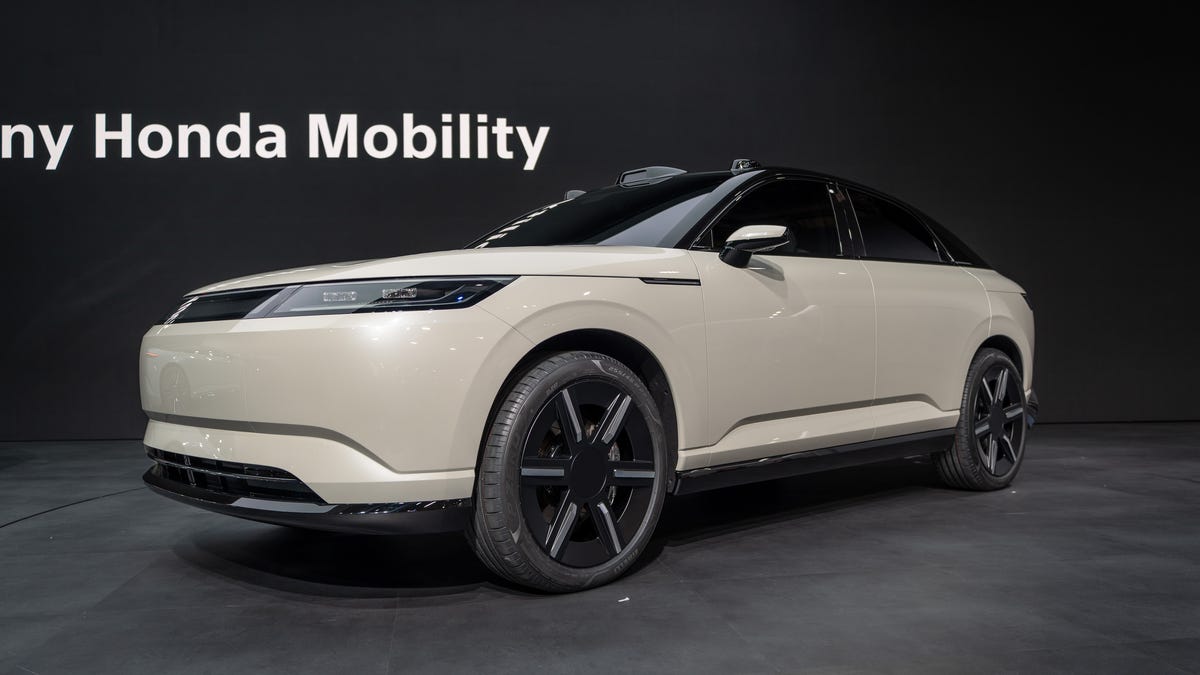
Sony Hits the Brakes on Electric Cars With Built-In PlayStation Features
Two EV models that Sony was developing with Honda, the Afeels 1 sedan and an Afeela SUV, are now discontinued.
Technologies
Samsung’s New Budget Galaxy A37 and A57: Improved Designs and AI Features
Technologies
My 3 Favorite Bose Headphones Deals on Amazon Aren’t Actually From Bose
Baseus’ Inspire XH1, XP1 and XC1 headphones with Sound by Bose are up to 23% off during Amazon’s Big Spring Sale. A bonus item makes the deal even harder to ignore.
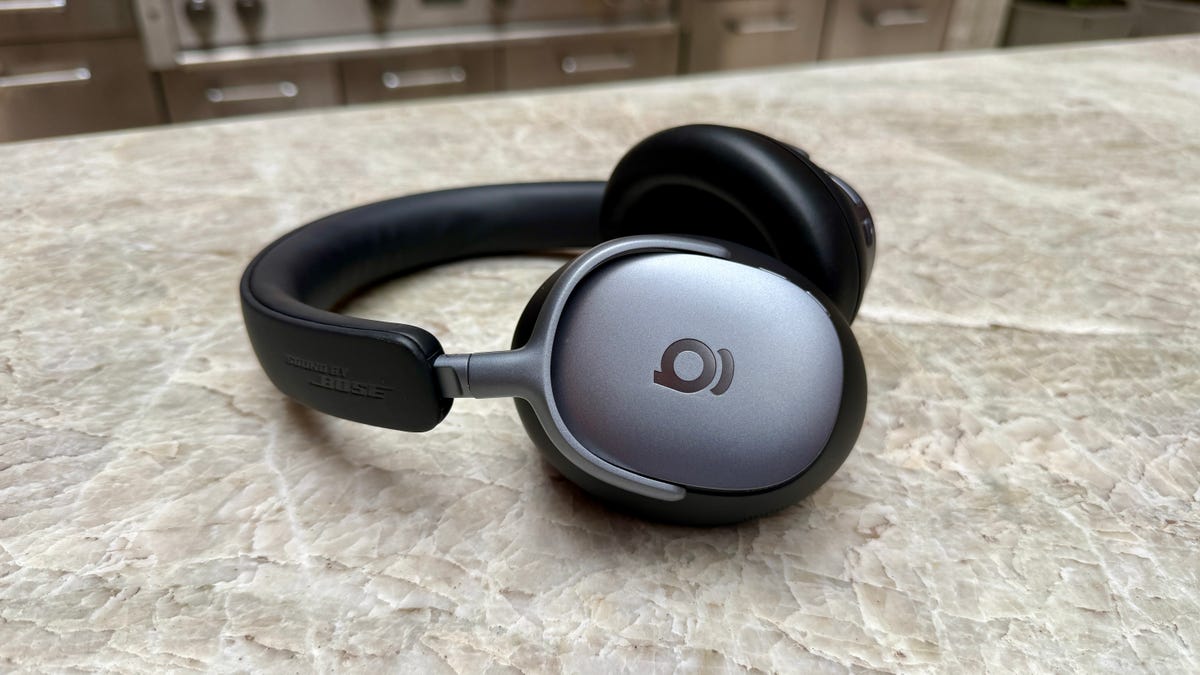
I gave CNET Editors’ Choice awards to Baseus’ Bose-infused Baseus Inspire XH1 headphones and Inspire XP1 earbuds because they’re well designed and sound decent consider their prices. I also liked Baseus’ Inspire XC1 clip-on earbuds, which have dual drivers. They even earned a spot on CNET’s best clip-on earbuds list and are probably the best clip-on buds at their price right now.
Amazon’s Big Spring Sale just kicked off, and it’ll be around through March 31. Right now, all three models are discounted to $100 to $123, bringing them near their all-time low prices.
That’s a deal I’d highlight on its own, but if you click through to any of those models’ Amazon product pages and look closely, you’ll see that each is eligible for «one free item» with purchase.
Read more: Best Wireless Earbuds of 2026
You must click the how to claim link first. Then click a button on the left side of the screen (above the stars for average ratings) to switch the view from «qualifying items» to «benefit items» and see the freebie. The items tend to be Baseus’ entry-level headphones or earbuds, but if you don’t like the free item option with a $120 purchase, you can try the options at lower prices.
You can read my full reviews of the Inspire XH1 headphones here and the Inspire XP1 earbuds here. And here’s my quick take on the Inspire XC1 earbuds:
Like Baseus’ noise-isolating Inspire XP1 earbuds, which I rated highly, the Inspire XC1 have Sound by Bose and a more premium design than earlier Baseus earbuds. The XC1 don’t sound as good as the XP1, they’re decent open earbuds and are equipped with dual drivers (one is a Knowles balanced-armature driver that helps improve treble performance). While they don’t produce as much bass as noise-isolating earbuds like the Inspire XP1, their bass performance is better than I expected. The buds’ sound is pretty full, especially in quieter environments, though they do better with less bass-heavy material. I did notice a bit of distortion at higher volumes with certain tracks that feature harder-driving bass.
While I slightly prefer the design and fit of Bose’s Ultra Open Earbuds, as well as the design of their case, and think the Bose buds sound more natural and a tad better overall, the much more affordable Inspire XC1 fit comfortably and offer top-tier sound for clip-on open earbuds, as well as decent voice-calling performance with good background noise reduction. And they play louder than the Bose, too.
You can grab the Inspire XH1 for $123, the XP1 for $100 and the XC1 for $110, saving you up to 23%. Just remember to claim your free item with your purchase.
Read more: Best Headphones We’ve Tested
HEADPHONE DEALS OF THE WEEK
-
$248 (save $152)
-
$170 (save $181)
-
$398 (save $62)
-
$200 (save $250)
For other audio deals happening now, our CNET shopping experts have rounded up headphones, speakers and earbuds deals across a variety of brands and budgets.
-
 Technologies3 года ago
Tech Companies Need to Be Held Accountable for Security, Experts Say
-
 Technologies3 года ago
Best Handheld Game Console in 2023
-
 Technologies3 года ago
Tighten Up Your VR Game With the Best Head Straps for Quest 2
-
 Technologies4 года ago
Black Friday 2021: The best deals on TVs, headphones, kitchenware, and more
-
 Technologies5 лет ago
Google to require vaccinations as Silicon Valley rethinks return-to-office policies
-
 Technologies5 лет ago
Verum, Wickr and Threema: next generation secured messengers
-
 Technologies4 года ago
Olivia Harlan Dekker for Verum Messenger
-
 Technologies4 года ago
The number of Сrypto Bank customers increased by 10% in five days