
Technologies
Darren Aronofsky, Your AI Slop Is Ruining American History in ‘On This Day…1776’
Commentary: The high-profile Hollywood director created a studio dedicated to creating a «new cinematic grammar» built around AI. This is not a good start.

Just over 2 minutes into an early episode of the new short film series, On This Day…1776, we see a hand sweep tenderly over the title page of Thomas Paine’s just-published firebrand pamphlet Common Sense; Addressed to the Inhabitants of America.
Only, in that moment, «America» vanishes, replaced by the all-caps nonsense text «Aamereedd.»
It’s a classic tell that we’re in the presence of generative AI.
But this isn’t the gotcha moment you might think it is. The filmmakers behind the series, led by executive producer Darren Aronofsky, are fully embracing generative video. That’s as big a driving force behind «On This Day…1776» as the intention to tell stories of the American Revolution in this 250th anniversary year.
Aronofsky is known for directing high-profile films including Black Swan, The Whale and Mother, but he’s also the founder of Primordial Soup, the AI-first studio that created On This Day…1776. Its larger ambition, according to its website, is to fuse art and technology into a new creative model, «merging bold narrative, emotional depth, and experimental work flows.» That is, the studio wants to use AI to create bona fide art.
Good luck with that.
Because Darren? Y’all are making a mess of it with this project.
I’ve been watching the episodes as they drop on YouTube, and I am dumbfounded. Bold narrative? More like performative staging, tipping over into self-parody. Emotional depth? About as much as you’d find on the cover of the average history textbook.
It’s hellish broth of machine-driven AI slop and bad human choices.
At least they’re on point with the whole «experimental work flows» thing. Creative people in Hollywood and beyond are staring down the barrel of artificial intelligence systems that threaten to take away their livelihoods and devalue the skills they’ve worked lifetimes to perfect. Aronofsky and Primordial Soup say they’re trying to find a way forward in blending human talent and agency with AI tools that have inevitability written all over them.
We’re living through an anxiety-ridden moment induced by powerful image and video tools like Google’s Veo and Nano Banana and OpenAI’s Sora, along with the introduction of an AI ingenue named Tilly Norwood. Two years after strikes in Hollywood over the use of AI in movies and TV shows, Walt Disney Studios in late December reached a deal with OpenAI allowing AI to slurp up characters from Marvel, Pixar and Star Wars.
In an interview with The Guardian last summer, not long after Primordial Soup launched, Aronofsky acknowledged that AI tools are being widely used to create slop, citing that as motivation. «There are a lot of artists who are fighting against AI, but I don’t see that as making any sense,» he said. «If we don’t shape these tools, somebody else will.»
But the way to fight AI slop — slick but soulless images and video, superficially articulate text that lacks any true understanding of the real world, and all of it flooding the internet — is not with more AI slop.
Which, I’m sorry, is what we’ve got with On This Day…1776.
What AI hath wrought in ‘On This Day…1776’
The episodes in On This Day…1776 are meant to recreate signature moments from that foundational year, debuting weekly on the date of the moment being depicted. They’re under 5 minutes in length, so on that basis alone, don’t expect Ken Burns’ The American Revolution.
So far, those moments include George Washington’s defiant raising of an American flag and the publication of Paine’s Common Sense. On the plus side, there’s crispness to the pacing (an artifact, perhaps, of time limits on AI’s video generation), richness of detail and a sense that the filmmakers are trying to give us a «you are there» feel.
But the overall effect lands somewhere between unsettling and laughable. The flag episode has the heavy-handed feel of a recruitment ad for the Continental Army, not any kind of meaningful narrative. A drawing room encounter between Paine and Ben Franklin would be right at home with the fabricated interactions in a corporate HR training video.
Across the episodes, there are odd directorial and editing choices. Tight shots of buckled shoes and the backs of people’s heads. The passing of a scroll from hand to hand in quick-cut scenes. Ludicrously overdramatic titling sequences introducing famous figures. An 8-second sequence in the flag episode that subjects us to closeups of one mouth after another shouting. Presumably, these filmmaking decisions were made by humans.
Then there’s the AI. Faces are waxy or rubbery, and often have a weird mix of blurring and hyperintense texture. At one point we see a hand that’s overly moist; it’s supposed to indicate fevered sweating but looks instead like an alien creation emerging from a pod. Lips are rarely synced to the words they’re speaking. Faces, especially Franklin’s, shift subtly but disturbingly.
The AI has an especially hard time with the members of Parliament gathered to hear George III speak about the rebellious colonies. There’s a sameness across the several dozen middle-aged men in wigs crammed into the benches, not least in the smaller group shots of gents who are clearly clones of each other.
More than almost anything else, what undermines the series is its show-offy nature. We’re repeatedly subjected to intense closeups: strands of hair, the weave of a burlap bag, the woody texture of a matchstick or a ship’s mast, painfully sharp wrinkles on old men’s faces. OK, OK, we get it — AI images are getting much better at photorealism.
What we don’t get enough of from Primordial Soup is how exactly it’s using AI. The press release announcing the launch of On This Day…1776, which it describes as an «animated series,» refers vaguely to «a combination of traditional filmmaking tools and emerging AI capabilities» and to the series being «animated by artists using a variety of generative AI tools.» It also notes that the series was made «in part» with AI from Google’s DeepMind division, and that DeepMind brought us Gemini and Nano Banana as well.
The Primordial Soup website doesn’t say anything specifically about On This Day…1776, and in fact doesn’t say a lot at all. But it does have an «opportunity» page noting that it’s looking for AI artists who want to «contribute to a new cinematic grammar being built in real time» working with AI tools like Veo, Runway, Midjourney and Sora with 3D/VFX software including Blender, Unreal and Houdini.
Veo was instrumental in the making of Ancestra, the first of a planned three short films from the partnership of DeepMind and Primordial Soup that’s meant to explore new applications for Veo. Ancestra, which debuted at the Tribeca Film Festival last June, combines generative video and live-action filmmaking.
So it’s a safe bet that Veo is responsible for a lot of what we see in On This Day…1776.
Meanwhile, what of the humans involved in making the series? Again, there’s very little to go on. The episodes don’t scroll any credits for the artists, nor are they listed anywhere else that I’ve looked. The press materials say the series is «voiced by SAG actors,» but again, no individual credits. There is a reference to the score being by someone named Jordan Dykstra and to a writers’ room led by a Lucas Sussman. So that’s two humans, at least.
Representatives for Primordial Soup and Time Studios, the distributor for the series, did not respond to request for more detail.
AI’s place in history
So how does «On This Day…1776» work as a guidebook to that time in American history? Right now, two episodes in, the AI and the filmmakers’ tics are way too much of a distraction. As a costume drama, it seems all right on period appointments like clothing, housewares and such. The exterior of the Longfellow House in Cambridge, Massachusetts, where Washington had his headquarters that winter, was strikingly on point — I used to walk by the real thing nearly every day, and I recognized it right away.
I was pleased to see episode 2’s focus on Common Sense, a stirring exhortation for the American colonists to oppose tyranny that was immensely influential at that time and that doesn’t always get the attention today that it deserves.
Fifty years ago, when the country was celebrating its 200th anniversary, CBS ran a series of Bicentennial Minutes that aired nightly during prime time. A famous actor, politician or other celebrity would speak directly to the camera, the graphics were low-key, and we learned a little bit about Boston’s Liberty Tree, Congress debating the Articles of Confederation or an incident on a small island in New York harbor.
They were much more humble reflections than we’re getting from Primordial Soup. I was in high school at that time and a dedicated TV viewer, and I remember enjoying those minutes, slight as they were. (Hey, I did go on to be a history major in college.)
The press materials for «On This Day…1776» make a point of saying that its re-creations are «reframing the Revolution not as a foregone conclusion but as a fragile experiment shaped by those who fought for it.»
It’s an excellent point. The success of the American Revolution was not guaranteed, and the effort to create something new and worthwhile was often in jeopardy.
We are at a similar stage, living a real-time experiment of fitting AI into human company in a healthy, survivable way. Whether we succeed or not will be for history to judge.
I do have to point out that in the Common Sense episode, «Aamereedd» made only that one split-second appearance. In all other views of the pamphlet’s cover — I counted at least two dozen — the name of the new land showed up clear as day and correctly spelled: America.
Technologies
Google’s Pixel 10A Is Coming to Japan With an Exclusive Blue Edition and Special Wallpaper
This model comes with creatively designed stickers and a special look for Pixel’s 10th anniversary.
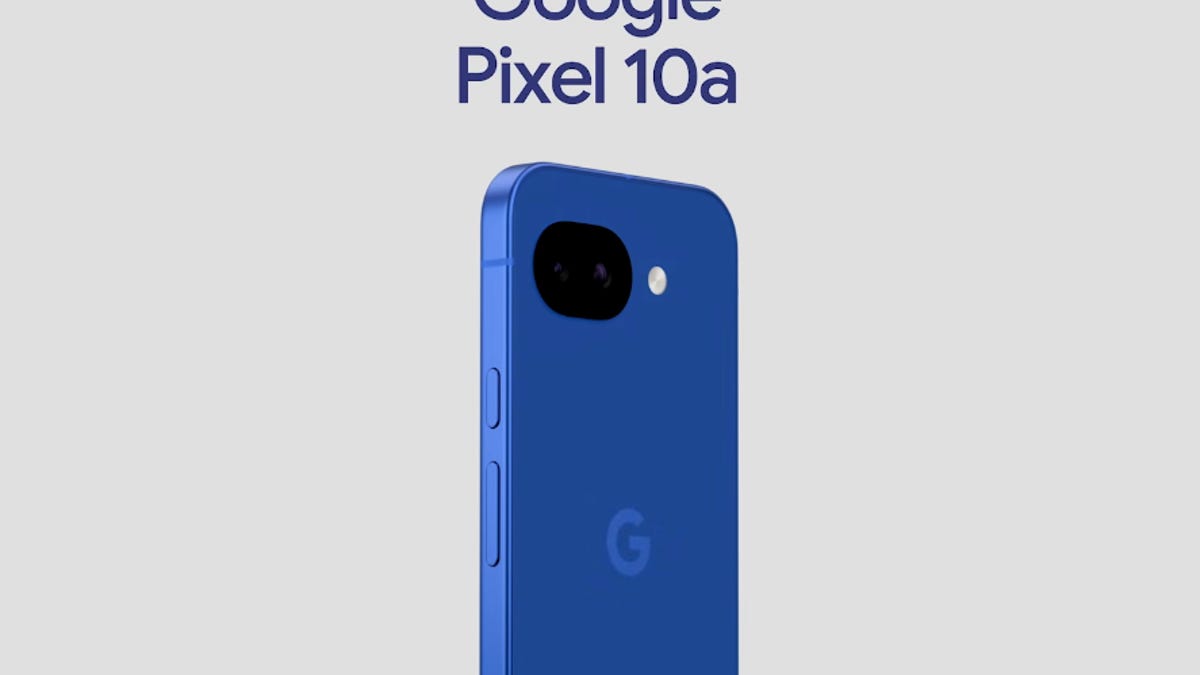
Don’t be blue: Google is releasing an Isai blue edition of the Pixel 10A to celebrate the Android phone line’s 10th anniversary, setting it apart with its own sticker set, specialized wallpaper and custom icons. But it’ll only be available in Japan.
Announced Tuesday on the Google Japan blog, the Isai blue Pixel 10A has a dark blue look and includes bonus decorations designed in collaboration with Japan’s Heralbony art company. These include an exclusive bumper case and stickers for customization.
This edition of the Pixel 10A will arrive in Japan on May 20, following the April 14 release of the Pixel 10A in its original colors of lavender, berry, fog and obsidian. The Isai blue model costs 94,900 yen, which roughly translates to $595, and includes 256GB of storage.
This makes it slightly less expensive than the US model’s 256GB edition, but it comes with a number of fun extras at no additional cost.
Google’s creation of a country-specific model for Japan may also reflect strong sales in that market. In 2023, the IDC analytics firm (via 9to5Google) reported that the Pixel 7 series accounted for 10.7% of the country’s market share, a 527% increase from 2022.
Technologies
Can’t Wait for New Emoji? Here’s How to Create Your Own on iPhone
Apple Intelligence-enabled iPhones can create custom emoji in a few easy steps.
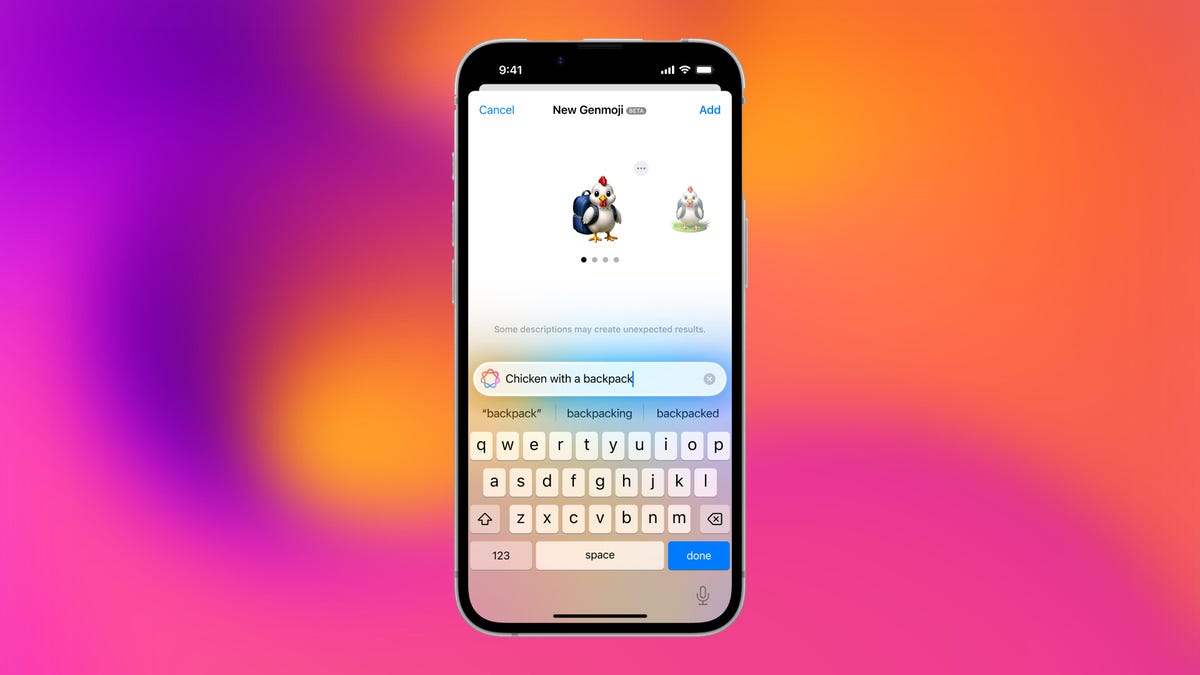
Apple brought new emoji to all iPhones when the company released iOS 26.4 on March 24. The new emoji include «» orca, «» distorted face and «» hairy creature — or as we might normally call it, Sasquatch. According to Emojipedia, there are 3,953 emoji with more on the way, including a pickle. But there’s no emoji for a dog wearing pajamas, a plate with burgers and fries and many other things. But if you have Genmoji on your iPhone you can create these emoji and many more.
Apple released iOS 18.2 in 2024 and the company introduced its own emoji generator, called Genmoji, to Apple Intelligence-capable iPhones at that time. The Unicode Standard, a universal character encoding standard, is responsible for creating new emoji, and approved emoji are added to all devices once a year. With Genmoji, you don’t have to wait for new emoji to appear on your iPhone each year. You can just create them as you need them.
Read on to learn how to use Genmoji on iPhone to create your own custom emoji. Just note that only iPhones with Apple Intelligence, like the iPhone 17 lineup, can use Genmoji at this time.
Note: The new emoji may not display correctly for Apple users whose devices aren’t on a 26.4 software version.
How to make custom emoji
1. Open Messages and go into a chat.
2. Tap the plus (+) button next to your text box.
3. Tap Genmoji.
You can then type a description of an emoji into the text box near the bottom of your screen and tap the check mark on your keyboard to enter that description into Genmoji. You can also tap different suggestions and themes that are right above the text box. And with iOS 26 or later, you can also combine and use emoji to create others rather than describing a new emoji or using suggestions.
Your iPhone will generate a series of new emoji for you to pick from according to your description, and you can swipe through these new emoji. When you find the one you want, tap Add in the top right corner of your screen and the new emoji will be available to use as an emoji, tapback or a sticker. Now you don’t have to wait for the Unicode Standard to propose, create and bring new emoji to devices.
For more iOS news, here’s what to know about iOS 26.4 and iOS 26.3. You can also check out our iOS 26 cheat sheet for other tips and tricks.
Technologies
Save Over 20% on This Handy 10,000-mAh Anker Nano Power Bank
Keep your devices charged on the go with this Anker Nano power bank, now down to just $46.
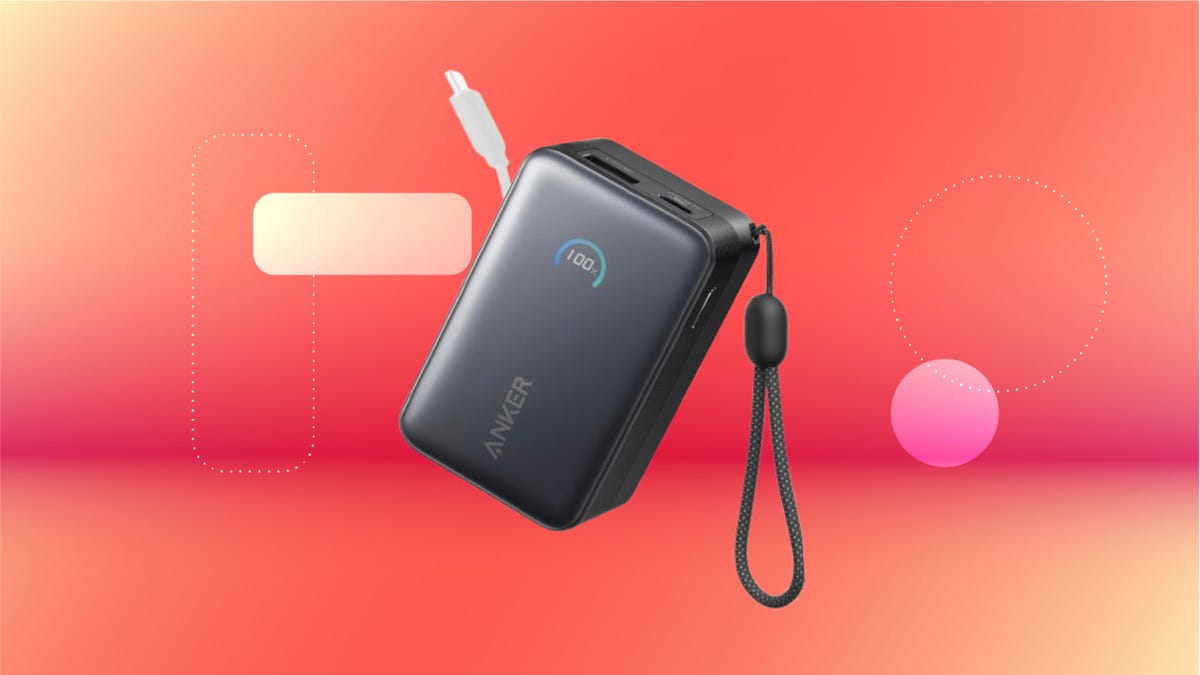
We’ve just spotted the Anker Nano 45-watt portable power bank for just $46 at Amazon right now. This saves you $14 — a 23% discount on its list price. Though it’s $6 more than the lowest-ever price we saw during Black Friday, it’s still a solid discount when you take the rising cost of tech accessories into account. It also matches the lowest price we’ve seen in 2026. It comes in four colors: black, green, pink and white. They’re all on sale for the same price.
This Anker Nano portable charger weighs approximately 8.2 ounces and measures a compact 3.21×1.99×1.42 inches. Despite its small size, it has a retractable cable and supports fast charging in compatible Apple, Samsung, Google Pixel and other smartphones. It also has a large 10,000-mAh capacity and a smart display so you always know how much juice is left in your power bank.
The Nano can charge an iPhone 17 to up to 50% battery in an estimated 20 minutes, and is powerful enough to charge tablets and laptops. Need to charge your devices while charging your power bank? You can do so safely thanks to pass-through charging so you’ll never have to go without battery life.
We’ve also compiled a list of the best power banks for iPhones and for Android, in case this deal isn’t quite a fit for you.
Why this deal matters
If you travel, have a long commute time or are otherwise always on the go, a portable charger can help you keep your devices fully powered. This 45-watt Anker Nano power bank is compact, includes a loop that lets you keep track of it easily and has a built-in cable so you don’t have to keep up with extra cords. Amazon’s $14 discount makes this a solid deal for anyone looking for a compact power bank.
-
 Technologies3 года ago
Tech Companies Need to Be Held Accountable for Security, Experts Say
-
 Technologies3 года ago
Best Handheld Game Console in 2023
-
 Technologies3 года ago
Tighten Up Your VR Game With the Best Head Straps for Quest 2
-
 Technologies4 года ago
Black Friday 2021: The best deals on TVs, headphones, kitchenware, and more
-
 Technologies5 лет ago
Google to require vaccinations as Silicon Valley rethinks return-to-office policies
-
 Technologies5 лет ago
Verum, Wickr and Threema: next generation secured messengers
-
 Technologies4 года ago
Olivia Harlan Dekker for Verum Messenger
-
 Technologies4 года ago
The number of Сrypto Bank customers increased by 10% in five days