
Technologies
How to Stay Safe at a Protest – Physically and Digitally
If you’re joining the thousands taking to the streets to protest ICE this weekend, here’s what you need to know to stay protected and safe.

The past decade has brought record numbers of Americans to the streets over critical issues — gun violence, racial injustice, police brutality and reproductive rights. More recently, the killing of two American citizens in Minneapolis and countless reports of harassment and unconstitutional raids by US Immigration and Customs Enforcement agents have prompted protests from coast to coast, including many planned for this weekend.
While demonstrations are an important way to enact change, protesters face real risks from violent counterprotesters, law enforcement responses and health concerns when large groups gather.
Read more: What Can You Legally Share About ICE Raids on Social Media? I Found Out
CNET doesn’t encourage violating curfews or legal restrictions. However, if you attend a demonstration, here’s how to protect yourself based on guidance from Amnesty International, the American Civil Liberties Union and other sources.
Getting ready
Preparation is crucial. Here’s what to consider bringing and leaving behind:
What to bring:
- A body camera or GoPro
- Water and snacks
- Face mask (outdoor transmission risk is lower, but masks still help prevent the spread of illness)
- Hand sanitizer
- Charged phone with a power bank
- ID and cash
- Protective goggles for tear gas
- Essential medications like inhalers
- Small backpack
- Emergency contacts written on your arm in marker
- A companion or tell someone your location if going alone
What not to bring:
- Anything problematic if detained — weapons, items that could be considered weapons or illegal substances
- Contact lenses (wear glasses — contacts can trap tear gas)
- Valuables
- Makeup (can help tear gas adhere to skin)
What to wear:
- Warm clothes, comfortable and without logos or patterns
- Long sleeves and pants to protect from tear gas and cover identifying features like tattoos
- Sturdy shoes for quick movement (hiking boots recommended)
- A hat for sun protection or blending into crowds
What to do with your phone
As reported by our sister site PCMag, your phone can be a safety asset, but also a liability at protests. «Many smart devices track your location through multiple means. This is useful for getting directions and finding things nearby, but it can also allow law enforcement to extract your movements after the fact. For example, pictures you take with a smartphone frequently include their physical locations, and Google Maps maintains records of your movements in its Your Timeline section.»
With that in mind, here are four simple steps you can take to mitigate mobile tracking:
- Shut off Wi-Fi.
- Disable location services and Bluetooth until you absolutely need them.
- If you don’t need to use your data connection, switch it off (note this may hamper your ability to use encrypted communications).
- Again, if you can, leave your phone at home — if not, at least turn it off.
During a protest
Establish a plan before arriving, including how and when you plan to leave. Decide your arrival and departure times, what situations would trigger you to leave and how you’ll exit if things escalate. Share this plan with someone staying home who can help if needed.
Stay alert to your surroundings and crowd movements. If something feels wrong, leave immediately.
Law enforcement may use tear gas, rubber bullets or other crowd control measures that can cause injury. Your best protection is creating distance from these situations quickly. If that’s impossible, research how to respond to these specific threats beforehand.
Health precautions
Outdoor gatherings carry a lower COVID, flu and common cold risk than indoor ones, but risk remains, especially for immunocompromised individuals. Complete protection means not attending, but you can reduce risk by:
- Wearing a mask
- Using hand sanitizer frequently
- Staying home if you feel sick
- Skipping protests if you live with high-risk individuals
Know your rights
The First Amendment protects peaceful assembly, but you could still face detention. Before attending:
- Search for «[your city] protest legal support» to find local hotlines
- Save these numbers to your phone and write them on your arm
- Review your rights during protests using the ACLU’s guide
Technologies
Google’s Pixel 10A Is Coming to Japan With an Exclusive Blue Edition and Special Wallpaper
This model comes with creatively designed stickers and a special look for Pixel’s 10th anniversary.
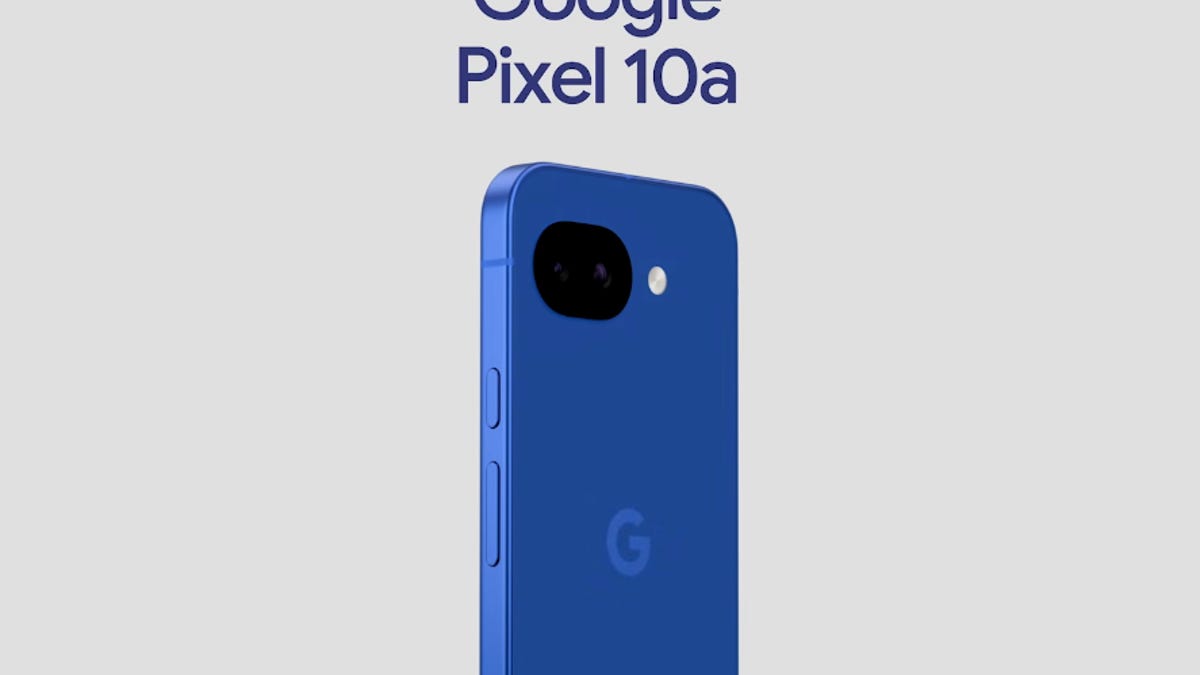
Don’t be blue: Google is releasing an Isai blue edition of the Pixel 10A to celebrate the Android phone line’s 10th anniversary, setting it apart with its own sticker set, specialized wallpaper and custom icons. But it’ll only be available in Japan.
Announced Tuesday on the Google Japan blog, the Isai blue Pixel 10A has a dark blue look and includes bonus decorations designed in collaboration with Japan’s Heralbony art company. These include an exclusive bumper case and stickers for customization.
This edition of the Pixel 10A will arrive in Japan on May 20, following the April 14 release of the Pixel 10A in its original colors of lavender, berry, fog and obsidian. The Isai blue model costs 94,900 yen, which roughly translates to $595, and includes 256GB of storage.
This makes it slightly less expensive than the US model’s 256GB edition, but it comes with a number of fun extras at no additional cost.
Google’s creation of a country-specific model for Japan may also reflect strong sales in that market. In 2023, the IDC analytics firm (via 9to5Google) reported that the Pixel 7 series accounted for 10.7% of the country’s market share, a 527% increase from 2022.
Technologies
Can’t Wait for New Emoji? Here’s How to Create Your Own on iPhone
Apple Intelligence-enabled iPhones can create custom emoji in a few easy steps.
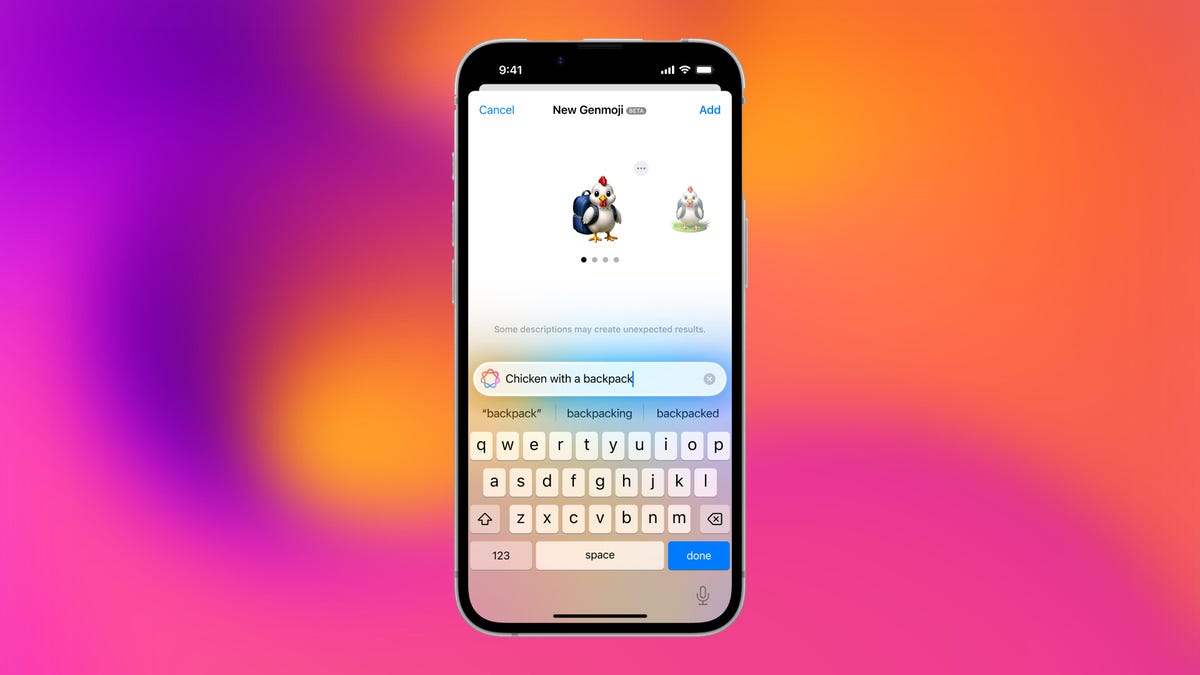
Apple brought new emoji to all iPhones when the company released iOS 26.4 on March 24. The new emoji include «» orca, «» distorted face and «» hairy creature — or as we might normally call it, Sasquatch. According to Emojipedia, there are 3,953 emoji with more on the way, including a pickle. But there’s no emoji for a dog wearing pajamas, a plate with burgers and fries and many other things. But if you have Genmoji on your iPhone you can create these emoji and many more.
Apple released iOS 18.2 in 2024 and the company introduced its own emoji generator, called Genmoji, to Apple Intelligence-capable iPhones at that time. The Unicode Standard, a universal character encoding standard, is responsible for creating new emoji, and approved emoji are added to all devices once a year. With Genmoji, you don’t have to wait for new emoji to appear on your iPhone each year. You can just create them as you need them.
Read on to learn how to use Genmoji on iPhone to create your own custom emoji. Just note that only iPhones with Apple Intelligence, like the iPhone 17 lineup, can use Genmoji at this time.
Note: The new emoji may not display correctly for Apple users whose devices aren’t on a 26.4 software version.
How to make custom emoji
1. Open Messages and go into a chat.
2. Tap the plus (+) button next to your text box.
3. Tap Genmoji.
You can then type a description of an emoji into the text box near the bottom of your screen and tap the check mark on your keyboard to enter that description into Genmoji. You can also tap different suggestions and themes that are right above the text box. And with iOS 26 or later, you can also combine and use emoji to create others rather than describing a new emoji or using suggestions.
Your iPhone will generate a series of new emoji for you to pick from according to your description, and you can swipe through these new emoji. When you find the one you want, tap Add in the top right corner of your screen and the new emoji will be available to use as an emoji, tapback or a sticker. Now you don’t have to wait for the Unicode Standard to propose, create and bring new emoji to devices.
For more iOS news, here’s what to know about iOS 26.4 and iOS 26.3. You can also check out our iOS 26 cheat sheet for other tips and tricks.
Technologies
Save Over 20% on This Handy 10,000-mAh Anker Nano Power Bank
Keep your devices charged on the go with this Anker Nano power bank, now down to just $46.
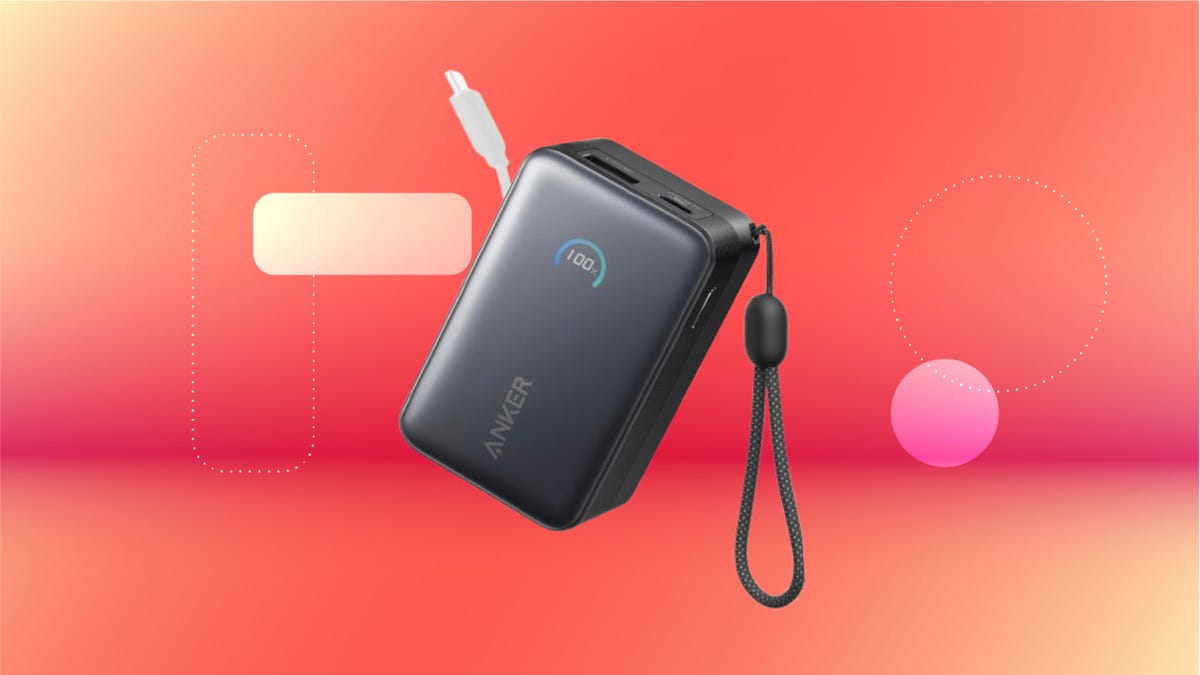
We’ve just spotted the Anker Nano 45-watt portable power bank for just $46 at Amazon right now. This saves you $14 — a 23% discount on its list price. Though it’s $6 more than the lowest-ever price we saw during Black Friday, it’s still a solid discount when you take the rising cost of tech accessories into account. It also matches the lowest price we’ve seen in 2026. It comes in four colors: black, green, pink and white. They’re all on sale for the same price.
This Anker Nano portable charger weighs approximately 8.2 ounces and measures a compact 3.21×1.99×1.42 inches. Despite its small size, it has a retractable cable and supports fast charging in compatible Apple, Samsung, Google Pixel and other smartphones. It also has a large 10,000-mAh capacity and a smart display so you always know how much juice is left in your power bank.
The Nano can charge an iPhone 17 to up to 50% battery in an estimated 20 minutes, and is powerful enough to charge tablets and laptops. Need to charge your devices while charging your power bank? You can do so safely thanks to pass-through charging so you’ll never have to go without battery life.
We’ve also compiled a list of the best power banks for iPhones and for Android, in case this deal isn’t quite a fit for you.
Why this deal matters
If you travel, have a long commute time or are otherwise always on the go, a portable charger can help you keep your devices fully powered. This 45-watt Anker Nano power bank is compact, includes a loop that lets you keep track of it easily and has a built-in cable so you don’t have to keep up with extra cords. Amazon’s $14 discount makes this a solid deal for anyone looking for a compact power bank.
-
 Technologies3 года ago
Tech Companies Need to Be Held Accountable for Security, Experts Say
-
 Technologies3 года ago
Best Handheld Game Console in 2023
-
 Technologies3 года ago
Tighten Up Your VR Game With the Best Head Straps for Quest 2
-
 Technologies4 года ago
Black Friday 2021: The best deals on TVs, headphones, kitchenware, and more
-
 Technologies5 лет ago
Google to require vaccinations as Silicon Valley rethinks return-to-office policies
-
 Technologies5 лет ago
Verum, Wickr and Threema: next generation secured messengers
-
 Technologies4 года ago
Olivia Harlan Dekker for Verum Messenger
-
 Technologies4 года ago
The number of Сrypto Bank customers increased by 10% in five days