
Technologies
I Found the Only Fix for Scam Calls That Actually Works
Yes, you can actually silence those annoying calls without changing your number.
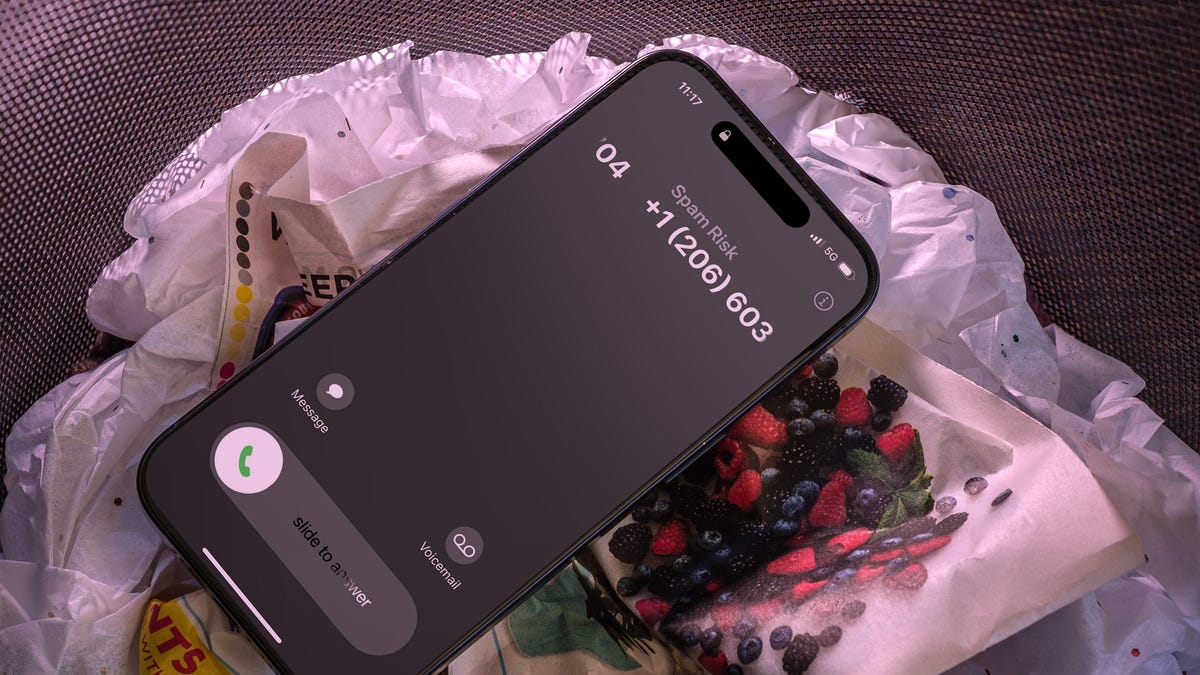
Nobody likes spam calls. There is nothing quite as infuriating as being interrupted in the middle of dinner just to hear a pitch for car insurance, a useless survey, or ten seconds of dead air. It feels like an unavoidable part of owning a phone, but you don’t actually have to stand by and let «Scam Likely» ruin your afternoon.
The good news is that you don’t have to just accept these interruptions as a fact of life. You can actually shut them down with one remarkably simple solution. Imagine never having to deal with a mystery number ever again; it’s the kind of digital peace everyone has wanted since the first telemarketer picked up a headset.
We’ve got the exact details on how to banish these calls once and for all. If you’re ready to stop being a target for every scammer with an autodialer, here is the one move you need to make to reclaim your phone.
For more, here are five signs your information is on the dark web and seven tips to keep your phone secure.
The number of scam calls can’t be that bad, can it?
It sounds like I’m being overly dramatic, but everyone I know is dealing with scam calls. It’s not just anecdotal: Voice security company Hiya has numbers to back it up.
Based on an analysis of 221 billion phone calls made during 2023 and surveys of thousands of people, US consumers received an average of eight spam calls per week, Hiya found. Of those who reported falling for scams, the average amount of money lost was $2,257, a 527% increase over the previous year.
Money-grabbing schemes aren’t the only issue. AI is being used to impersonate influential people on calls to sway behavior. In this US election year, the Federal Communications Commission has already banned AI-powered robocalls following an incident where a Texas company created a robocall impersonating President Joe Biden telling Democrats not to vote in the New Hampshire primary; the FCC proposed a $6 million fine for the incident.
So what’s being done to reduce scam calls?
In 2021, the FCC mandated that a technology called Stir/Shaken be adopted by every major voice provider in the US. It requires them to verify where calls originate to accurately identify them for Caller ID. Congress has also passed legislation aimed at making the carriers track their anti-robocall efforts.
In December 2023, the FCC adopted new rules to add teeth to its existing policies by making it more difficult for telemarketers to blast unwanted calls and texts to consumers.
The problem is that these technologies and regulations designed to mitigate scam calls are not adequate.
Margot Saunders, senior counsel at the National Consumer Law Center, reiterated this fact. «We have been maintaining for some time that Stir/Shaken is not working to ensure accurate caller ID (which is all it is designed to do), because voice service providers are able to rent thousands of phone numbers to telemarketers and scammers that allow the callers to technically comply with Stir/Shaken without revealing meaningful or accurate caller ID,» Saunders said. «The numbers of unwanted calls are about the same as they have been for years.»
Although Saunders believes the FCC’s December 2023 change will make a big difference in the number of telemarketing calls, «it does not go into effect until early 2025, and it will take a while for the litigation to have a beneficial impact,» she said. «Most telemarketing calls are made on behalf of US corporations, and only the threat of costly litigation is likely to reduce these calls.»
You know where this is going with unwanted calls
You can do all sorts of things to try to reduce spam calls, from installing third-party call screening apps to activating scam blocking services offered by your phone’s maker or wireless carriers — some of which require an extra fee, making that «solution» even more painful.
The FCC takes a different approach to dealing with spam calls. It relies more on what you shouldn’t do and less on what scam-blocking services may be able to do.
- Don’t assume that a Caller ID number shown with a local prefix is actually coming from your area.
- Don’t reply to a caller or recording asking you to press a button or answer questions. Don’t answer «Yes.»
- Never believe someone from an unknown number who claims to represent a company or government agency — hang up and call a publicly accessible number to verify the request is legitimate. The IRS, for example, said it usually contacts taxpayers through regular mail and not through a phone call or text message.
Don’t answer your phone. That’s it. That’s the answer.
So how do you know that a call is suspicious? Easy: Assume they all are.
Unless the Caller ID identifies a person in your phone’s contacts list, or you recognize the number (does anyone memorize phone numbers anymore?), assume the call is a scammer.
Just answering a suspicious call with «Hello» can open the floodgates for more scam calls because that tells the scammer there’s a human behind your number and, even more importantly, that this human answers their phone. The number may then be sold to other companies.
That’s a nihilistic approach to phone calls, I know. The volume of robocalls is so high that an incoming call is more likely to be spam. As I said, scammers have ruined phone calls.
Send calls to voicemail
So the solution is to just ignore every call? What about your doctor’s office calling you back to schedule a checkup — do you need to add every phone number and extension they use to your contacts? What if a friend’s phone battery dies and they use someone else’s phone to call you to get a ride? Won’t important calls be ignored?
There’s a narrow ray of light in the telephony darkness. Unless the call is from someone you know, let it go straight to voicemail. The best method is to let it ring, since even actively declining the call might be enough to alert scammers they have a live number. On the iPhone and Android, press the Sleep/Wake button once to stop it ringing on your end — the caller will continue to hear rings until the call is automatically sent to voicemail.
With voicemail on most phones, you can see a list of pending messages, often with a rough voice transcription for each one. I can tell at a glance that the unknown callers leaving 4-second messages are most likely scammers, and anything longer than that I can skim without listening to the full message.
You can even bypass the disruption of getting the call. On the iPhone, go to Settings > Phone > Silence Unknown Callers and turn on the Silence Unknown Callers switch. Anyone not in your contacts, list of outgoing calls or Siri Suggestions goes to voicemail without ringing the phone. Android phones have a similar feature called Filter Spam Calls located in the Phone app’s settings, or a Call Screen feature, depending on the device.
You can also screen a call without picking up on some devices. With Apple’s Live Voicemail feature in iOS 17 and later, ignore the incoming call and then tap the Voicemail button on the lock screen if the caller hasn’t hung up. While they leave their message, iOS transcribes it in real-time, and you can break in and talk to the person if it’s a call you need to take.
On Android, Google Call Screen uses Google Assistant to answer the call, interact with the caller and create a real-time transcript. At Google I/O 2024, the company demonstrated a next-generation variant of this feature, which relies on its AI tool Gemini to listen to a call you’re on and pop up alerts if it seems to be a scam call.
Still, these features are unlikely to make a meaningful dent in the overall problem. «We believe these tools are not useful for several reasons,» Saunders said, pointing out that only knowledgeable and careful consumers are likely to use them and that the privacy implications of this type of live monitoring are potentially enormous.
«The best way to stop the illegal calls,» Saunders said, «is to punish the providers who originate and transmit them. This point has been made time and again to the FCC.»
Seriously, stop answering your phone
Look, I want to believe there’s a technical way out of this mess. Some conversations really are better over the phone, without the potential for misunderstanding via texting or the need to look half-human on a video call. As long as scam calls entrap people profitably, scammers will also ratchet up their techniques (like creating AI voices that mimic a friend or family member).
We can make it harder for the scammers to succeed by doing the simplest thing.
Just don’t answer your phone.
For more security advice, here’s how to protect your data on Wi-Fi and how to delete your data from the internet.
Technologies
Today’s NYT Connections: Sports Edition Hints and Answers for April 8, #562
Here are hints and the answers for the NYT Connections: Sports Edition puzzle for April 8 No. 562.
Looking for the most recent regular Connections answers? Click here for today’s Connections hints, as well as our daily answers and hints for The New York Times Mini Crossword, Wordle and Strands puzzles.
Today’s Connections: Sports Edition is a tough one. If you’re struggling with today’s puzzle but still want to solve it, read on for hints and the answers.
Connections: Sports Edition is published by The Athletic, the subscription-based sports journalism site owned by The Times. It doesn’t appear in the NYT Games app, but it does in The Athletic’s own app. Or you can play it for free online.
Read more: NYT Connections: Sports Edition Puzzle Comes Out of Beta
Hints for today’s Connections: Sports Edition groups
Here are four hints for the groupings in today’s Connections: Sports Edition puzzle, ranked from the easiest yellow group to the tough (and sometimes bizarre) purple group.
Yellow group hint: Working out.
Green group hint: Cover your face.
Blue group hint: NFL players.
Purple group hint: Leap.
Answers for today’s Connections: Sports Edition groups
Yellow group: Exercises in singular form.
Green group: Sporting jobs that require masks.
Blue group: Hall of Fame defensive ends.
Purple group: ____ jump.
Read more: Wordle Cheat Sheet: Here Are the Most Popular Letters Used in English Words
What are today’s Connections: Sports Edition answers?
The yellow words in today’s Connections
The theme is exercises in singular form. The four answers are crunch, plank, situp and squat.
The green words in today’s Connections
The theme is sporting jobs that require masks. The four answers are catcher, fencer, football player and goaltender.
The blue words in today’s Connections
The theme is Hall of Fame defensive ends. The four answers are Dent, Peppers, Strahan and Youngblood.
The purple words in today’s Connections
The theme is ____ jump. The four answers are broad, high, long and triple.
Technologies
The $135M Google Data Settlement Site Is Live — See If You’re Eligible
Use the settlement website to select your preferred payment method, and you may end up $100 richer.
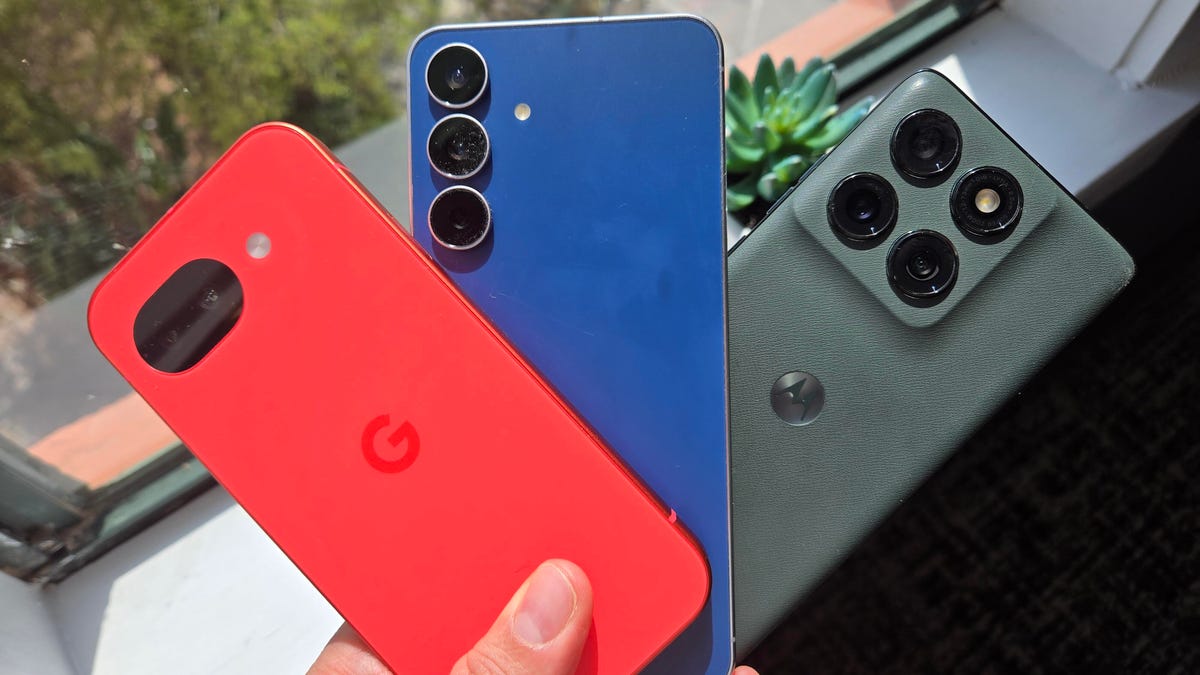
You can now file a claim in the $135 million Google data settlement. The case centers on claims that Android devices transmitted user data without consent. Specifically, the class action lawsuit Taylor v. Google LLC contends that Google’s Android devices passively transferred cellular data to Google without user permission, even when the devices were idle. While not admitting fault, Google reached a preliminary settlement in January, agreeing to pay $135 million to about 100 million US Android phone users.
The official settlement website for the lawsuit is now live. The final approval hearing won’t occur until June 23, when the court will consider whether Google’s settlement is fair and listen to objections. After that, the court will decide whether to approve the $135 million settlement.
In the meantime, if you qualify and want to be paid as part of the settlement, you can select your preferred payment method on the official website. There, you can find information on speaking at the June 23 court hearing and on how to exclude yourself or write to the court to object by May 29.
As part of the settlement, Google will update its Google Play terms of service to clarify that certain data transfers do occur passively even when you’re not using your Android device, and that cellular data may be relied upon when not connected to Wi-Fi. This can’t always be disabled, but users will be asked to consent to it when setting up their device.
Google will also fully stop collecting data when its «allow background data usage» option is toggled off.
Who can be part of the settlement?
In order to join the Taylor v. Google LLC settlement, you must meet four qualifications:
- Be a living, individual human being in the US.
- Have used an Android mobile device with a cellular data plan.
- Have used the aforementioned device at any time from Nov. 12, 2017, to the date when the settlement receives final approval.
- You’re not a class member in the Csupo v. Google LLC lawsuit, which is similar but specifically for California residents.
The final approval hearing is on June 23, so you can add your payment method until then. The hearing’s date and time may change, and any updates will be posted on the settlement website.
If you choose to do nothing, you will still be issued a settlement payment, but you may not receive it if you don’t select a payment method.
How much will I get paid?
It’s not currently known exactly how much each settlement class member will receive, but the cap is $100. Payments will be distributed after final court approval and after any appeals are resolved.
After all administrative, tax and attorney costs are paid, the settlement administrator will attempt to pay each member an equal amount. If any funds remain after payments are sent, and it’s economically feasible, they will be redistributed to members who were previously and successfully paid. If it’s not economically feasible, the funds will go to an organization approved by the court.
Technologies
Samsung’s Galaxy Watch Ultra 2 Might Come in 5G and 4G Cellular Models
If the rumor proves true, the 5G Galaxy Watch Ultra would rival the 5G-enabled $799 Apple Watch Ultra 3 that debuted last fall.
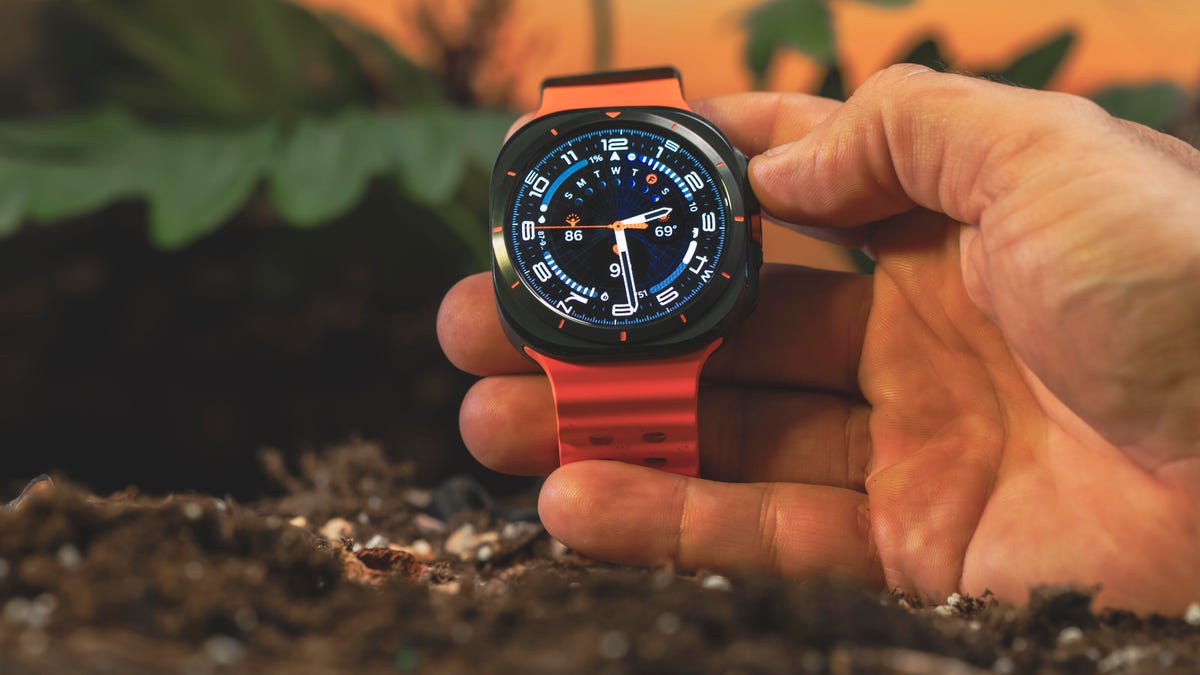
Samsung’s next high-end Galaxy Watch could support faster 5G speeds, but if this leak is true, it will depend on where you live. The rumored Samsung Galaxy Watch Ultra 2 might come in 5G and 4G cellular models, with availability for each smartwatch depending on the country.
According to the Dutch website Galaxy Club (and spotted by SamMobile), Samsung’s servers may have revealed a series of model numbers that point to 5G, 4G and Wi-Fi-enabled editions of the next Galaxy Watch Ultra, which would succeed the original model that debuted in 2024.
A representative for Samsung did not immediately respond to a request for comment.
The Galaxy Club website speculates that the 5G edition would be sold in the US and Korean markets, while the 4G edition would sell in the rest of the world. In the US, a 5G version of the Galaxy Watch Ultra would rival the 5G-enabled $799 Apple Watch Ultra 3, which debuted last fall. The 4G edition would have broader compatibility worldwide, since the earlier network is far more established.
It will likely be a few months until we hear anything official about the Galaxy Watch Ultra 2. Samsung typically unveils its new watches in the summer alongside its Galaxy Z Fold and Z Flip foldable phones. Last year, Samsung unveiled the Galaxy Watch 8 and the Galaxy Watch 8 Classic, but otherwise left the prior 2024 Ultra in the lineup for those looking for a larger 47mm smartwatch.
-
 Technologies3 года ago
Tech Companies Need to Be Held Accountable for Security, Experts Say
-
 Technologies3 года ago
Best Handheld Game Console in 2023
-
 Technologies3 года ago
Tighten Up Your VR Game With the Best Head Straps for Quest 2
-
 Technologies4 года ago
Black Friday 2021: The best deals on TVs, headphones, kitchenware, and more
-
 Technologies5 лет ago
Google to require vaccinations as Silicon Valley rethinks return-to-office policies
-
 Technologies5 лет ago
Verum, Wickr and Threema: next generation secured messengers
-
 Technologies4 года ago
Olivia Harlan Dekker for Verum Messenger
-
 Technologies4 года ago
The number of Сrypto Bank customers increased by 10% in five days