
Technologies
CES 2026: The Biggest Tech Show of the Year Is Back. Here’s What to Expect
From Samsung to Sony, from LG to Lenovo and from cutting-edge TVs to futuristic robots, CES 2026 will set the tech agenda for the year ahead.
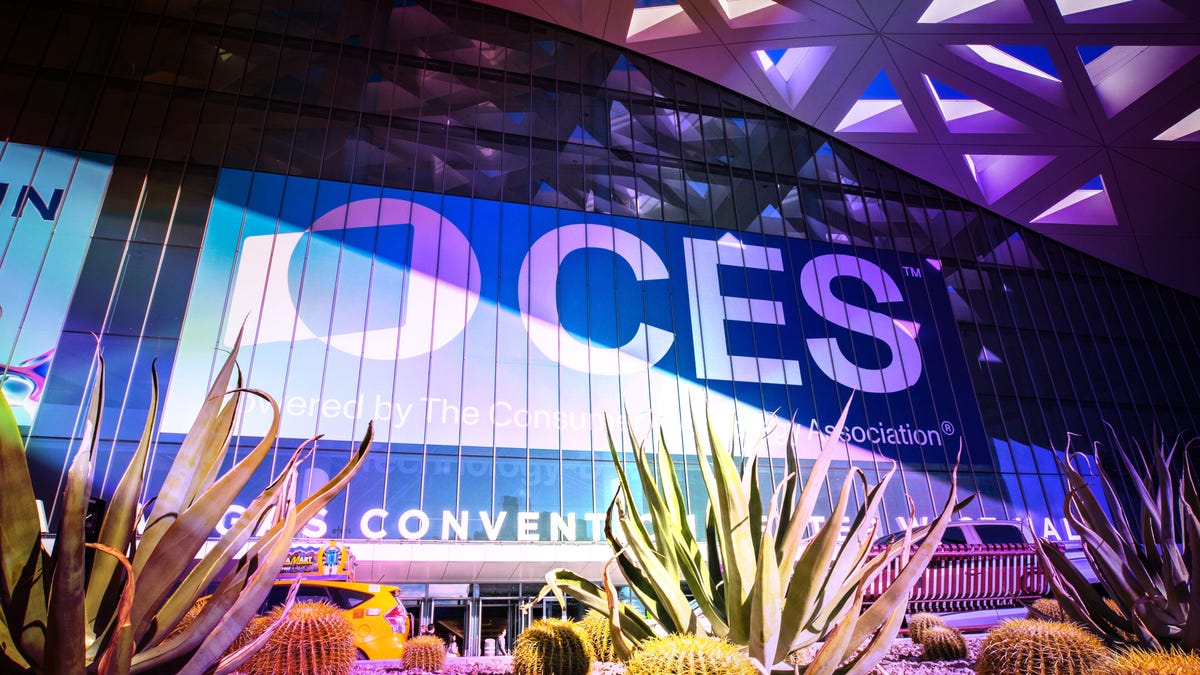
CES is the flashiest tech show of the year and is set to inject some much-needed excitement into the January gloom. Our CNET editors will travel to Las Vegas, where we will be on the hunt for the defining tech products of 2026.
Stick with us as we showcase the best across all key product categories, from TVs to laptops, and hopefully ignite your imagination with fun and future-facing concepts that give you a glimpse into what your next favorite gadget might look like.
Read more: CNET Is Choosing the Best of CES 2026 Awards
What is CES?
CES is one of the largest and most significant tech trade shows in the world. It’s attended by all the major, established tech companies, as well as numerous up-and-coming companies from around the world.
Samsung will be bringing its largest-ever CES showcase to this year’s convention, and Lenovo is taking over the Las Vegas Sphere for its keynote, which, if it manages to rival Delta’s event at the venue last year, should be quite a show. Another event we’re excited about is the Sony Honda Mobility Exhibit, where the two companies will unveil the pre-production Afeela 1 EV, set to go on sale in California in 2026.
Together with press, investors, and business leaders, these companies and others will gather in the conference halls and hotel suites of Las Vegas to showcase their newest innovations and set the agenda for the year. CES 2025 drew over 140,000 people, 40% of whom came from outside of the US, which should give you a solid idea of the enormity and importance of this show.
Some of the products and ideas we’ll see at the show are concepts that tease next-generation developments in technology. Other devices will go on sale during or shortly after the show — and we’ll be sure to tell the early adopters among you exactly what they are.
What are the key dates?
The official dates for CES 2026 are Jan. 6 to 9, but CNET will arrive in town a few days before for an early look and exclusive press-only previews before the show doors even open. Some side events are scheduled as early as Jan. 3.
Monday, Jan. 5, will be the first major day of the show for us, as we attend back-to-back press conferences, where the biggest names in tech unveil their latest products and devices to the world.
How to watch along
Don’t want to miss out? The best place for all the latest CES news is right here at CNET. Our expert team of reporters and reviewers has decades of combined experience covering the show. We’ll show you everything we deem interesting and important, and we’re not just admiring new products from afar. We’re touching, tinkering with and trying not to drop them, so be sure to follow us across X, TikTok, Instagram, YouTube and Bluesky, too.
CES 2026 major trends
We couldn’t escape AI at CES 2025, and we expect this year to be much the same. One of our tasks — as your eyes, ears and hands on the ground — is to discern between AI that’s genuinely useful and elevates a product or device, and AI that is simply marketing fluff, or overpromises and underdelivers.
We’ll also be keeping a close eye on the chip companies: Arm, Intel, AMD, Qualcomm and Nvidia. They’re often at the forefront of advances in AI — on-device AI in particular — so we’re keen to see what they might have to say or show off at this CES.
Another major trend we’re expecting to see this year is a focus on digital health. This is likely to span devices and services, with companies such as Withings, Samsung, and Ultrahuman showcasing developments in personal health technology.
Then there’s auto tech and mobility. Volvo is set to hold a keynote at CES 2026, and we expect to see an emphasis on connected vehicles and transportation at this year’s show.
These are the three major trends highlighted by the Consumer Technology Association, which organizes the event. But CNET’s veteran experts also have their own predictions. Here’s what we’re excited for.
Our experts’ CES predictions
Ty Pendlebury: TV and audio
There’ll be two main improvements from the TVs announced at CES 2026 — better brightness and better colors.
The newest Dolby Vision 2 specification, and Samsung’s HDR 10 Plus Advanced, will help drive TVs to be even brighter than before; in some cases, they’ll be over twice as bright. OLED TVs will also get a boost, and we’ll likely see more of the four-stack technology LG debuted last year. It essentially stacks two OLEDs on top of each other for a brighter image.
As far as colors are concerned, we’ll see TVs which boast expanded colors up to 100% of the BT.2020 standard — something that hasn’t been done before now. One of the ways TV manufacturers will accomplish both of these improvements is with new LCD backlights, including new color filters or the Micro RGB tech, which Samsung debuted last year.
Meanwhile, the best and most surprising audio of CES is usually from new companies. Multiroom audio, desktop speakers, personal music players: these devices are usually shown at events the day before the show starts and are often the best things we’ll see all week.
Meanwhile, the bigger audio companies will also be exhibiting. The Harman group, now owned by Samsung, is one of the most reliable presences at CES. As with every year, you can expect new soundbars, Bluetooth speakers and possibly AV separates. In that vein, Klipsch and its new partner, Onkyo, will likely have some more soundbars and speakers on show. As far as high-end audio, though, it will be there, but hi-fi shows are more important than CES nowadays and its presence will be limited.
Josh Goldman: Computers
It might come as a surprise, but CES is a pretty big show for what’s coming next in the world of PCs. A wide variety gets unveiled, too — from ultraportables to the latest for gaming and content creation — so it really is a «something for everyone» kind of event. Additionally, there are usually major chip announcements; you have to have something powering all the new laptops and desktops, after all. CES is also where PC makers come to showcase eye-popping concepts and prototypes for both computers and peripherals, so expect to see all of this and more.
Intel, AMD, and Qualcomm have been battling it out to see who can deliver processors that are equally powerful and power-efficient. We’re already seeing laptops that get more than 24 hours of battery life and have good processing performance. At CES, we can expect to see the first models from Acer, Asus, Dell, HP, Lenovo, MSI, Samsung and others featuring new laptops built around Intel’s Panther Lake chips. If the leaks are to be believed, these laptops will not only be thin and light with excellent battery life, but have significantly better graphics performance without the additional cost — or heat — of a discrete GPU. Another version of these chips might also find its way into new gaming handhelds at the show.
Abrar Al-Heeti: Mobile
Events like CES are always packed with fun, futuristic concepts for personal devices, and I’m sure we’ll see our fair share of bendy screens and innovative wearables again. But in the past several months, two key descriptors have defined the most cutting-edge smartphones: thin and foldable. And that’s likely to continue into 2026.
Phone makers from Samsung to Honor to Huawei have debuted wildly slim handsets (some of which also fold), and Apple’s iPhone Air arguably helped to legitimize the thin category. And these companies are just getting started. Get ready for Samsung’s new Galaxy Z TriFold, which has three display panels instead of two — similar to Huawei’s Mate XT Ultimate Design. More concepts like this will probably be on display at CES, and some may even see the light of day. Several others will merely live on in our collective imagination.
Oh yeah, and lots of mobile AI. Companies aren’t quite ready to ease up on that.
David Watsky: Home
Advanced AI continues to drive home tech and, frankly, we’re not surprised.Last year, we were charmed by the first-ever robot vacuum with a robotic arm, although it didn’t wow our vacuum expert, Ajay Kumar, quite as much in testing. We anticipate more home robotics at CES that assist in everyday chores, including laundry, cleaning, cooking, home security and general smart home management.
Large appliances continue to become smarter, offering varying degrees of helpfulness. I anticipate fridges, ovens and washing machines with more advanced hub screens (in the future, all refrigerators will have them — mark my words) and smarter app integration to help homemakers move through their to-do lists.
It’s unlikely that a laundry-folding robot that any of us can afford will be ready for primetime this year, but it soothes me greatly to know it might not be too far off.
As with other parts of CES 2026, we expect AI advances to be front and center for the smart home, including more intelligent video scanning for security cameras, a trend that’s been on the rise all year.
We’ll also see AI-powered conversational voice assistants that can talk from your doorbell, help set home routines for you — generally making smart home management less complicated and more hands-off. Another tech trend to look for is presence sensing, or using disturbances in Wi-Fi signals to map activity patterns around the home for better analysis.»
Scott Stein: Future tech
We’ve seen big tech companies trying to figure out smart glasses for years, but things are getting serious now that Google and Samsung are involved, with glasses on deck for 2026. CES is going to be a wild west showcase for all the other glasses hopefuls’ evolving ideas and demonstrating how some of the internal tech could improve. Next-gen displays, wearable interfaces like rings and watches, and next-step products from companies like TCL, Rokid, Even Realities and others should be on deck.
I also expect a wide range of wearable AI accessories, in various forms, including wristbands, pendants and camera-equipped devices. OpenAI is expected to evolve its own AI device in the next few years, and even though ghosts of the Humane AI Pin haunt the space, there’s a lot of room for plenty more startups.
I’m keeping an eye on neural tech, especially now that Meta has come out of the gate with its own EMG-based neural band.
And there’s robotics. Weird robots have been CES eye candy for decades, and it’ll be impossible to measure how practical any of them could be in a vacuum of a trade show, but we should see at least a few eye-popping demos.
Antuan Goodwin: Cars
Car technology is set to shift into high gear at CES 2026, driven by language-based AI that is rapidly gaining dominance in the dashboard experience. I expect we’ll see smarter cars that can predict the driver’s habits and needs, and even identify their own maintenance issues. Think natural language voice assistance, where you can just chat with your car to get things done or get answers to random questions.
However, AI in cars isn’t limited to the dashboard. At CES 2026, it’s also set to significantly enhance safety and self-driving technology. That means souped-up driver assistance systems and big news about autonomous driving and robotaxi services are all fighting for the spotlight.
I’m also expecting big things in air mobility this year, particularly more «flying car» prototypes emerging and more detailed information regarding the testing and rollout of electric air taxi services in major cities. Plus, you should keep an eye out for cool consumer electronics announcements this year, focusing on dashcams and other aftermarket automotive gear.
Technologies
Today’s NYT Connections: Sports Edition Hints and Answers for April 8, #562
Here are hints and the answers for the NYT Connections: Sports Edition puzzle for April 8 No. 562.
Looking for the most recent regular Connections answers? Click here for today’s Connections hints, as well as our daily answers and hints for The New York Times Mini Crossword, Wordle and Strands puzzles.
Today’s Connections: Sports Edition is a tough one. If you’re struggling with today’s puzzle but still want to solve it, read on for hints and the answers.
Connections: Sports Edition is published by The Athletic, the subscription-based sports journalism site owned by The Times. It doesn’t appear in the NYT Games app, but it does in The Athletic’s own app. Or you can play it for free online.
Read more: NYT Connections: Sports Edition Puzzle Comes Out of Beta
Hints for today’s Connections: Sports Edition groups
Here are four hints for the groupings in today’s Connections: Sports Edition puzzle, ranked from the easiest yellow group to the tough (and sometimes bizarre) purple group.
Yellow group hint: Working out.
Green group hint: Cover your face.
Blue group hint: NFL players.
Purple group hint: Leap.
Answers for today’s Connections: Sports Edition groups
Yellow group: Exercises in singular form.
Green group: Sporting jobs that require masks.
Blue group: Hall of Fame defensive ends.
Purple group: ____ jump.
Read more: Wordle Cheat Sheet: Here Are the Most Popular Letters Used in English Words
What are today’s Connections: Sports Edition answers?
The yellow words in today’s Connections
The theme is exercises in singular form. The four answers are crunch, plank, situp and squat.
The green words in today’s Connections
The theme is sporting jobs that require masks. The four answers are catcher, fencer, football player and goaltender.
The blue words in today’s Connections
The theme is Hall of Fame defensive ends. The four answers are Dent, Peppers, Strahan and Youngblood.
The purple words in today’s Connections
The theme is ____ jump. The four answers are broad, high, long and triple.
Technologies
The $135M Google Data Settlement Site Is Live — See If You’re Eligible
Use the settlement website to select your preferred payment method, and you may end up $100 richer.
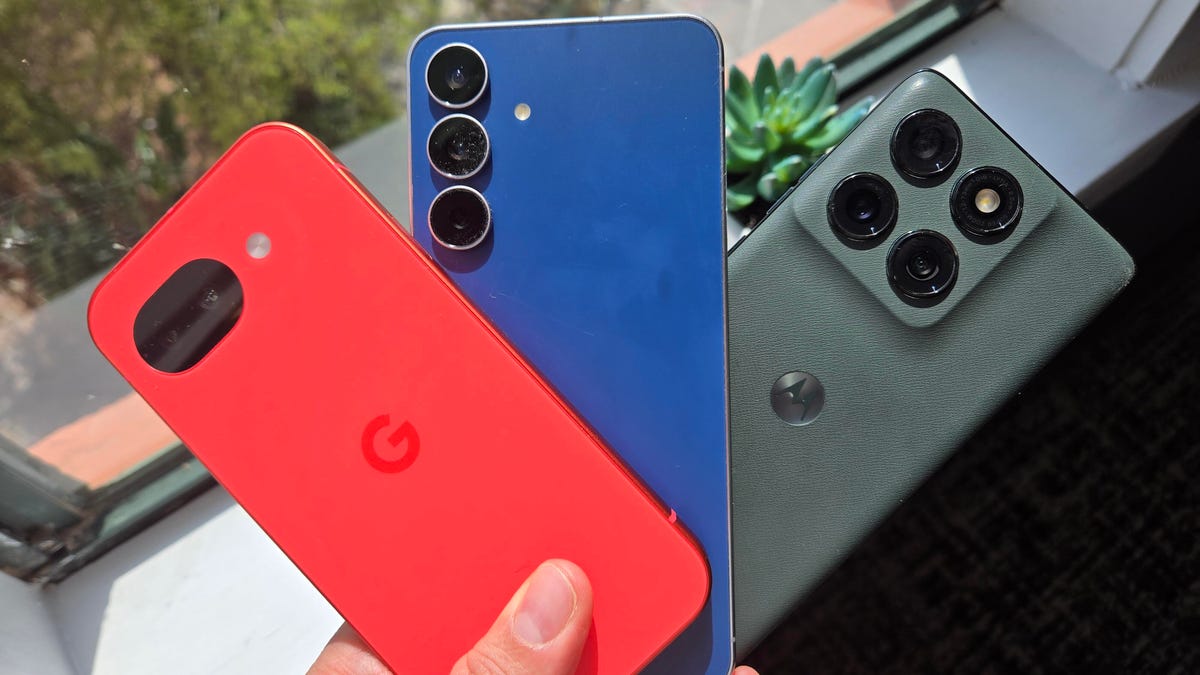
You can now file a claim in the $135 million Google data settlement. The case centers on claims that Android devices transmitted user data without consent. Specifically, the class action lawsuit Taylor v. Google LLC contends that Google’s Android devices passively transferred cellular data to Google without user permission, even when the devices were idle. While not admitting fault, Google reached a preliminary settlement in January, agreeing to pay $135 million to about 100 million US Android phone users.
The official settlement website for the lawsuit is now live. The final approval hearing won’t occur until June 23, when the court will consider whether Google’s settlement is fair and listen to objections. After that, the court will decide whether to approve the $135 million settlement.
In the meantime, if you qualify and want to be paid as part of the settlement, you can select your preferred payment method on the official website. There, you can find information on speaking at the June 23 court hearing and on how to exclude yourself or write to the court to object by May 29.
As part of the settlement, Google will update its Google Play terms of service to clarify that certain data transfers do occur passively even when you’re not using your Android device, and that cellular data may be relied upon when not connected to Wi-Fi. This can’t always be disabled, but users will be asked to consent to it when setting up their device.
Google will also fully stop collecting data when its «allow background data usage» option is toggled off.
Who can be part of the settlement?
In order to join the Taylor v. Google LLC settlement, you must meet four qualifications:
- Be a living, individual human being in the US.
- Have used an Android mobile device with a cellular data plan.
- Have used the aforementioned device at any time from Nov. 12, 2017, to the date when the settlement receives final approval.
- You’re not a class member in the Csupo v. Google LLC lawsuit, which is similar but specifically for California residents.
The final approval hearing is on June 23, so you can add your payment method until then. The hearing’s date and time may change, and any updates will be posted on the settlement website.
If you choose to do nothing, you will still be issued a settlement payment, but you may not receive it if you don’t select a payment method.
How much will I get paid?
It’s not currently known exactly how much each settlement class member will receive, but the cap is $100. Payments will be distributed after final court approval and after any appeals are resolved.
After all administrative, tax and attorney costs are paid, the settlement administrator will attempt to pay each member an equal amount. If any funds remain after payments are sent, and it’s economically feasible, they will be redistributed to members who were previously and successfully paid. If it’s not economically feasible, the funds will go to an organization approved by the court.
Technologies
Samsung’s Galaxy Watch Ultra 2 Might Come in 5G and 4G Cellular Models
If the rumor proves true, the 5G Galaxy Watch Ultra would rival the 5G-enabled $799 Apple Watch Ultra 3 that debuted last fall.
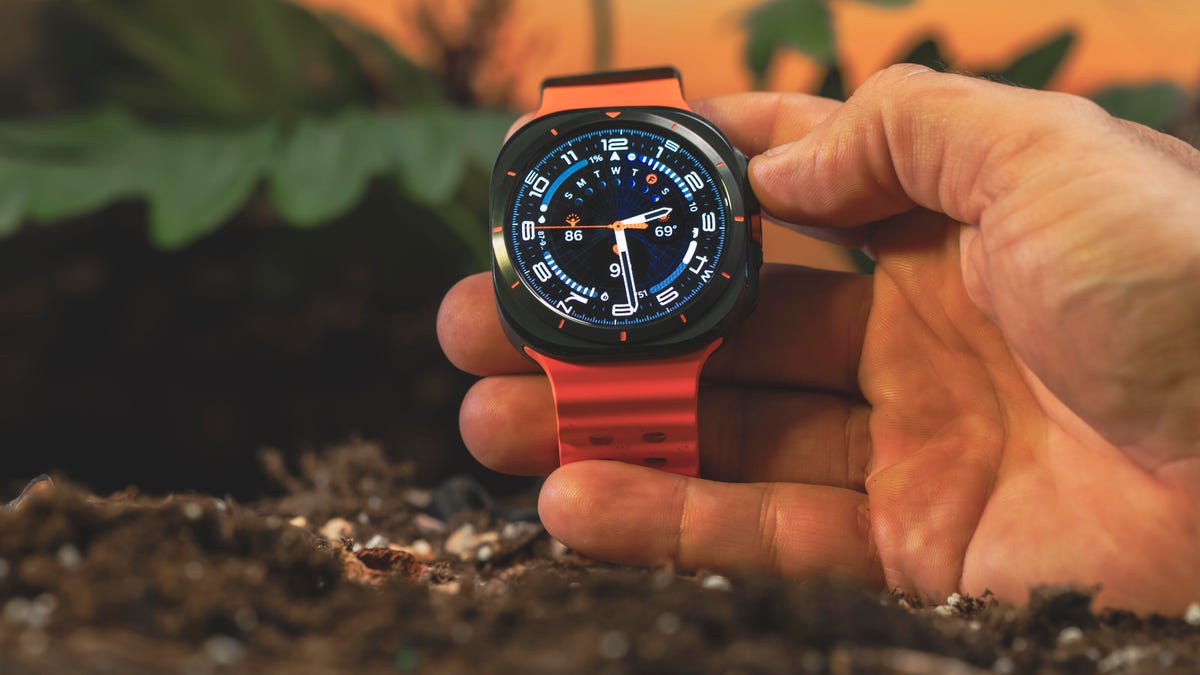
Samsung’s next high-end Galaxy Watch could support faster 5G speeds, but if this leak is true, it will depend on where you live. The rumored Samsung Galaxy Watch Ultra 2 might come in 5G and 4G cellular models, with availability for each smartwatch depending on the country.
According to the Dutch website Galaxy Club (and spotted by SamMobile), Samsung’s servers may have revealed a series of model numbers that point to 5G, 4G and Wi-Fi-enabled editions of the next Galaxy Watch Ultra, which would succeed the original model that debuted in 2024.
A representative for Samsung did not immediately respond to a request for comment.
The Galaxy Club website speculates that the 5G edition would be sold in the US and Korean markets, while the 4G edition would sell in the rest of the world. In the US, a 5G version of the Galaxy Watch Ultra would rival the 5G-enabled $799 Apple Watch Ultra 3, which debuted last fall. The 4G edition would have broader compatibility worldwide, since the earlier network is far more established.
It will likely be a few months until we hear anything official about the Galaxy Watch Ultra 2. Samsung typically unveils its new watches in the summer alongside its Galaxy Z Fold and Z Flip foldable phones. Last year, Samsung unveiled the Galaxy Watch 8 and the Galaxy Watch 8 Classic, but otherwise left the prior 2024 Ultra in the lineup for those looking for a larger 47mm smartwatch.
-
 Technologies3 года ago
Tech Companies Need to Be Held Accountable for Security, Experts Say
-
 Technologies3 года ago
Best Handheld Game Console in 2023
-
 Technologies3 года ago
Tighten Up Your VR Game With the Best Head Straps for Quest 2
-
 Technologies4 года ago
Black Friday 2021: The best deals on TVs, headphones, kitchenware, and more
-
 Technologies5 лет ago
Google to require vaccinations as Silicon Valley rethinks return-to-office policies
-
 Technologies5 лет ago
Verum, Wickr and Threema: next generation secured messengers
-
 Technologies4 года ago
Olivia Harlan Dekker for Verum Messenger
-
 Technologies4 года ago
The number of Сrypto Bank customers increased by 10% in five days