
Technologies
Apple Desperately Needs to Launch a Foldable iPhone Flip Next Year
Commentary: Apple is the only major phone company without a folding phone. That needs to change in 2026.
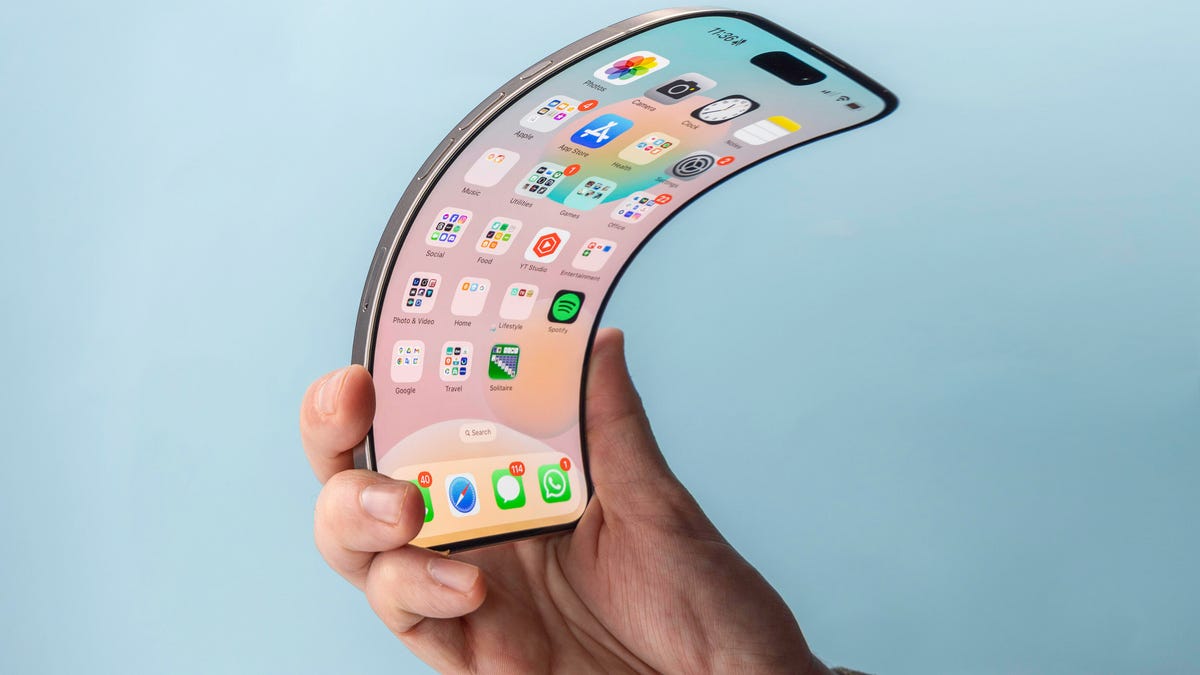
Apple’s iPhone 17 came and went and while we certainly love the iPhone 17 Pro and its vibrant cosmic orange color, I can’t help but be disappointed that the long-rumored foldable iPhone Flip wasn’t part of the company’s September launch event. Most Android phone-makers, including Samsung, Google, Motorola, OnePlus, Xiaomi and Honor are multiple generations into their own folding phone lineups, and it’s beginning to feel like Apple is late to the party. That might be a problem.
Apple dominates in the premium phone category, but foldables — which fit into the premium space in terms of price — are already nipping at its heels, with Motorola telling CNET that 20% of customers buying its Razr foldable jumped ship from Apple. Meanwhile, Samsung is in the seventh generation of its Flip and Fold series. As Lisa Eadicicco discovered during a visit to Seoul, «foldables are everywhere» in Samsung’s home country of South Korea.
With nearly every major Android phone-maker entering the foldable market, Apple risks losing potential customers. It also runs the risk of letting a rival like Samsung become the go-to name for foldables, which could make it harder for Apple to make an impact if it eventually launches its own device. Furthermore, early adopters drawn to foldable tech may be too entrenched in the Android ecosystem by the time Apple’s phone arrives to want to switch to iOS.
Apple is unlikely to be worried. It’s estimated that around 20 million foldables from all manufacturers were sold worldwide in 2023, while Apple reportedly sold 26.5 million iPhone 14 Pro Max handsets in the first half of that year alone. In 2024, foldable sales were flat — and 2025 isn’t fairing much better, according to analysts at CounterPoint Research, although Samsung did report record numbers of preorders for its latest foldable. Clearly, Apple feels it has yet to miss the boat.
Apple has always found success in biding its time, observing the industry and launching its own take on a product when it’s ready. Apple didn’t invent phones, tablets, smartwatches or computers, but it found ways to take existing products and make them more useful, more valuable in day-to-day life and — dare I say — more exciting. It’s why the iPhone, iPad, Apple Watch and Mac lines dominate the market today.
For me, I need to see Apple’s take on the foldable phone. I’ve written before about how disappointed I am in foldables. I’ve been a mobile reporter for over 14 years and phones have become increasingly dull as they’ve converged to become slight variations on the same rectangular slab.
Read more: Best Flip Phone for 2025
Foldables promised something new, something innovative, something that briefly sparked some excitement in me, but several years in, that excitement has dwindled to the point of being extinguished. They are fine products and while I like the novelty of a screen that bends, they’re not a revolution in how we interact with our phones. Not in the way that the arrival of the touchscreen was when we were still pushing buttons to type out texts.
I did hope that Google’s Pixel Fold would be the phone to catapult the foldable forward, and while the recent Pixel 10 Pro Fold — the second generation of Google’s foldable — does offer some great updates, it still doesn’t offer any kind of revolution. Instead, it feels more like a «me too» move from Google. Ditto for the OnePlus Open. So I’m left instead to look toward Apple, a company with a track record for product revolutions, to create a new take on the genre that genuinely drives forward how we use our phones.
That innovation won’t just come from the product design. Apple works closely with its third-party software developers, and it’s that input that would help a folding iPhone become genuinely useful. My biggest complaint around foldables right now is that while the hardware is decent, the devices are essentially just running standard versions of Android with a handful of UI tweaks thrown in. They’re regular phones that just happen to bend.
Few Android developers are embracing the folding format, and it’s not difficult to see why; the users aren’t there in sufficient numbers yet to justify the time and expense to adapt their software across a variety of screen sizes. The multiple folding formats already available mean Android foldables face the same fragmentation issue that has plagued the platform since the beginning. Android-based foldables are simply a more difficult platform for developers to build for than regular phones. Apple would be able to change that, as it proved with the iPhone and iPad.
Given Apple’s close relationships with top-tier developers — not to mention its own vast developer team — I expect an eventual Apple foldable to offer innovations that make it more than just an iPhone that folds in half.
And I truly hope it does. I want to look forward to tech launches again. I want to feel excited to get a new gadget in my hands and feel that «wow» moment as I do something transformative for the first time.
In short, I don’t want to be bored by technology anymore. Apple, it’s over to you.
Technologies
Tubi App Goes Live in ChatGPT to Give You TV and Movie Recommendations
Like the ultra-customized feel of a Tubi rec? The streamer aims to make it even more personalized.
Tubi, the free streaming platform known for its vast library of cult classics and indie movies, has added an app to ChatGPT. You can now use the chatbot to find content recommendations for TV shows and movies on Tubi, the streamer announced on Tuesday.
You may already have your own search strategy when using Tubi, but the addition of the native app within ChatGPT allows you to strike up a conversation and ask for uber-specific, personalized title suggestions. If you see a film or show that captures your interest, you have the option to click «Watch on Tubi» to stream it on a mobile device or the web. In the mood for scary movies about yetis? Use @Tubi for your prompt in the chatbot and request something like, «horror movies with aggressive yetis» and expect to see a selection of titles that fit your wish list.
«Streaming should feel effortless, and as chatbots and AI agents are becoming a common way people navigate the internet, Tubi is expanding its discovery experience to meet viewers in the moment they’re expressing intent in their own words,» Mike Bidgoli, Tubi’s chief of product and technology, said in a statement.
ChatGPT opened its app store this past December. It currently includes apps for Apple Music, Zillow, Spotify and Canva, offering the ability to connect your accounts to search, design or ask for recommendations. Back in 2023, Tubi created its own AI-powered tool called Rabbit AI for mobile users to help audiences find content to watch. The company later shuttered the feature, which used Open AI’s Chat GPT-4. With today’s launch, it’s the first video streaming service to add an app within ChatGPT.
(Disclosure: Ziff Davis, CNET’s parent company, in April filed a lawsuit against OpenAI, alleging it infringed Ziff Davis copyrights in training and operating its AI systems.)
Technologies
PlayStation Plus Subscribers Can Play Tomb Raider and More All April Long
Subscribers can also explore a Soulslike game that just got a big update.
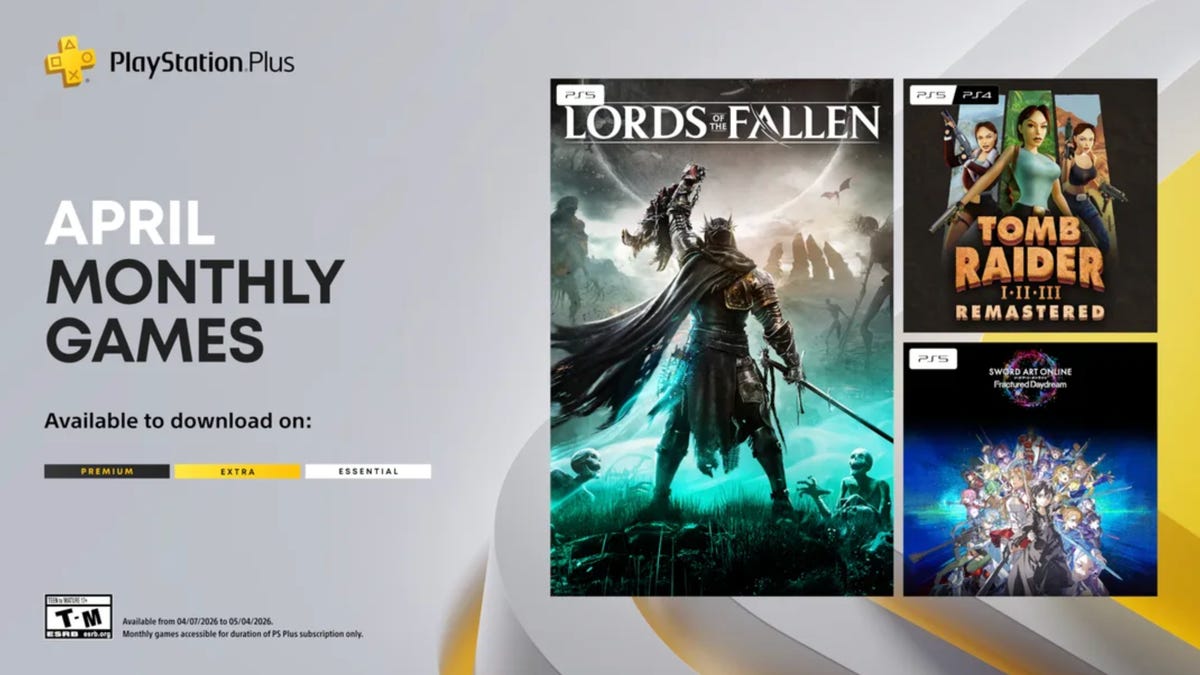
PlayStation Plus, which is Sony’s version of Xbox Game Pass, offers a large, constantly expanding library of games. Subscribers can choose from the Essential, Extra and Premium tiers, each with unique perks and benefits. Starting at $10 a month, the plans give subscribers access to games and rewards, and each month, all subscribers can play a handful of new games at no additional charge. And some people on Reddit are pretty excited for a few of the games Sony is offering subscribers throughout April.
One user wrote how they are «buzzing» for the remastered Tom Raider games, while another user is willing to replay the Soulslike game Lords of the Fallen. «April fools’ joke? Because they’re actually good,» a third user wrote.
If you’re a PlayStation Plus subscriber, you can play these games now until May 4.
Lords of the Fallen
If you played Elden Ring and thought, «I wish this game had even more grimdark elements to it, like Bloodborne,» Lords of the Fallen might be for you. Choose one of nine classes to play as while you traverse the lands of the living and the dead in order to overthrow the demon god Adyr. You’ll fight all manner of monstrosities along the way, like a colossal humanoid with an arm protruding from its mouth or a giant carrion crow that wears a human skull.
HexWorks, the gaming studio behind Lords of the Fallen, also released a patch for the game on April 3. The patch is intended to make co-op sessions feel more rewarding for hosts and guests, so you and your friends should have even more fun in this game.
Tomb Raider 1-3 Remastered
Experience these classic Tomb Raider games from the 90s all over again — or for the first time — with the remastered trilogy. You’ll explore jungles, solve puzzles in the desert and tackle mercenaries and monsters along the way. While you can enjoy the boosted graphics of the remastered edition, you can also enable low-poly mode to experience these games as you would have almost 30 years ago.
Sword Art Online Fractured Daydream
A system called Galaxia has been added to Alfheim Online, allowing players to relive the past. But the system has spun out of control, displacing players throughout time. To set things right, you’ll have to work with friends and foes alike in this co-op raid battle game. But if you want to go solo, you can play story mode as characters from across space and time confront the anomaly in the VR world.
For more on PlayStation Plus, here’s what to know about the service. You can also check out other games on PlayStation Plus and games on Xbox Game Pass.
Technologies
Get Organized for Just $28 With This 6-in-1 Baseus Charging Station Deal
Ditch the cluttered cables and upgrade to this sleek USB power strip while it’s on sale for a record-low price.
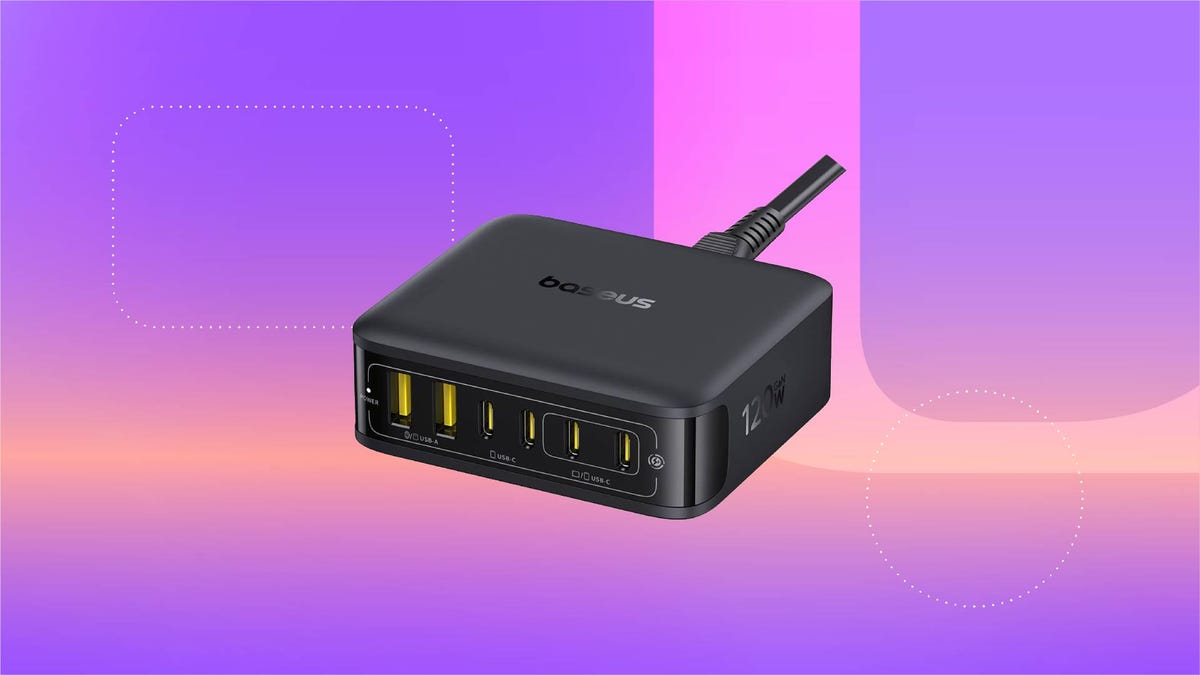
For just $28, this six-in-one Baseus charging station can help you keep your desk organized. That’s 20% off and the all-time lowest price we’ve seen for this 120-watt USB power strip. We don’t expect this limited-time deal to last for long, however, so you’ll want to get your order in sooner rather than later.
You can use this charging station for just about all of your devices, including phones, tablets, headphones and laptops. It’s equipped with four USB-C ports and two USB-A ports, so you can charge up to six devices at once. It also boasts a 65-watt single-port output, enough to fully recharge a MacBook Air in less than 2 hours. And at just 323 grams, it’s light enough to take on the go, making it a great buy for frequent travelers.
Why this deal matters
This sleek Baseus charging station can connect to up to six devices at once, and is still small enough that you can take it on the go. Plus, this is the all-time lowest price we’ve seen, making it a pretty great value.
-
 Technologies3 года ago
Tech Companies Need to Be Held Accountable for Security, Experts Say
-
 Technologies3 года ago
Best Handheld Game Console in 2023
-
 Technologies3 года ago
Tighten Up Your VR Game With the Best Head Straps for Quest 2
-
 Technologies4 года ago
Black Friday 2021: The best deals on TVs, headphones, kitchenware, and more
-
 Technologies5 лет ago
Google to require vaccinations as Silicon Valley rethinks return-to-office policies
-
 Technologies5 лет ago
Verum, Wickr and Threema: next generation secured messengers
-
 Technologies4 года ago
Olivia Harlan Dekker for Verum Messenger
-
 Technologies4 года ago
The number of Сrypto Bank customers increased by 10% in five days