
Technologies
Be Wary of AI Videos as Hurricane Melissa Hits Jamaica. How to Spot a Fake
AI-generated storm videos are spreading rapidly online. Here’s where to find reliable information.
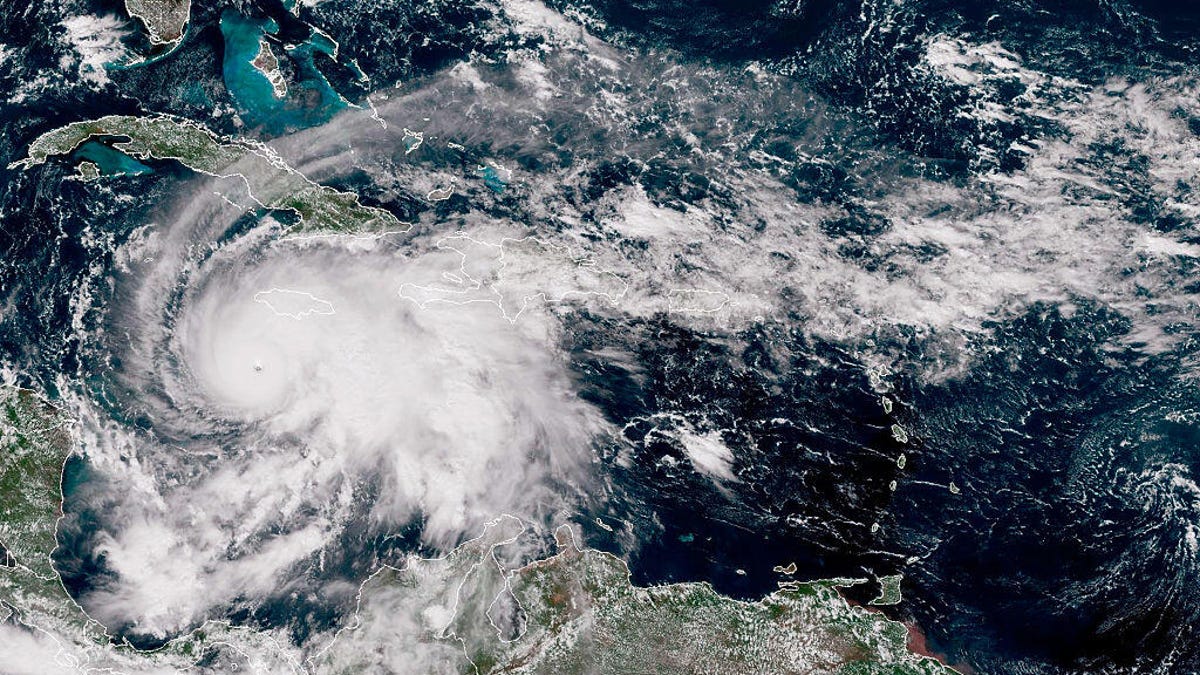
As Category 5 Hurricane Melissa bears down on Jamaica with winds topping 180 mph, social media is being hit by a surge of AI-generated and misleading videos, showing catastrophic flooding, collapsing buildings and rescue scenes that never happened.
Across X, TikTok, Instagram, WhatsApp and other social media platforms, fake clips spread quickly, racking up millions of views in hours. Many of these videos are spliced footage from past storms or clips created entirely with text-to-video AI tools.
In times of crisis, like a dangerous and imminent natural disaster, these fake videos can create confusion, panic and distraction at a time when accuracy can be life-saving.
Natural disasters have always bred rumors and recycled footage, but the rise of AI-generated video has supercharged the problem. Tools like OpenAI’s Sora and other AI-video platforms can render realistic-looking images of storms, floods and damage scenes in seconds, reaching millions online in just a few hours.
Read also: The Deepfakes Are Winning. How Can You Tell if a Video Is Real or Sora AI?
Don’t miss any of our unbiased tech content and lab-based reviews. Add CNET as a preferred Google source.
Why storms are a magnet for fake news
Storms are visual, emotional and fast-moving, which is the perfect recipe for viral misinformation. In years past, videos were often taken out of context or labeled as a different storm. Now, they can be digitally fabricated from scratch.
Some depict apocalyptic flooding that hasn’t occurred, while others claim to show «real-time» conditions hours before landfall. Several videos that have circled this week include images of sharks swimming in the storm surge and unsettling depictions of human suffering.
False videos like these can exaggerate the danger of the storm, create panic, undermine trust and distract emergency responders, as misinformation pulls attention from verified reports.
The following three videos are all fake. They are labeled (albeit briefly) with the Sora watermark, which indicates they were made in OpenAI’s video generator.
How to separate truth from fiction online
When social feeds fill with dramatic hurricane clips, it’s important to separate truth from fiction.
«You have to be very discerning,» Senator Dana Morris Dixon, Jamaica’s information minister, said. «You have to know what is good information from bad information. If you want to know where the storm is going, if you want to know what to do, you need to look for official sources.»
Dixon highlighted that the Jamaica Information Service, Office of Disaster Preparedness and Emergency Management’s information sites and the Office of the Prime Minister page are resources for legitimate, timely updates.
Here are some ways to be discerning.
Check the source. If the video comes from an unfamiliar account, lacks a timestamp or carries no recognizable media branding, assume it is fake until verified. Also, look for the Sora watermark indicating it was made in OpenAI’s app, or read the comments to see if someone else has flagged the video as fake.
Ask yourself if it’s new and local. Does the geography match Jamaica? Is the footage recent? Many «Melissa» clips could actually be from past Caribbean or Gulf storms.
Cross-check before believing. Confirm through trusted outlets, like the Meteorological Service of Jamaica and the US National Hurricane Center, or established media like the BBC, Reuters or the Associated Press.
Pause before sharing. A viral video can cause harm if it spreads misinformation. Wait until a credible source verifies it before reposting.
Go local. If you’re in the affected area, rely on local emergency agencies, radio stations and city or county-level officials for evacuation and safety updates.
Monitor official alerts. For real-time instructions, stick with government channels and local emergency feeds. Your safety depends on accurate information, not viral content.
As AI-generated media becomes easier to produce, hurricanes like Melissa offer a preview of a new reality: one in which you can’t trust much of the information you see online.
Staying safe means being skeptical and diligent when looking for accurate and even lifesaving news.
Read also: What Is AI Slop? Everything to Know About the Terrible Content Taking Over the Internet
Technologies
Today’s NYT Mini Crossword Answers for Wednesday, April 8
Here are the answers for The New York Times Mini Crossword for April 8.
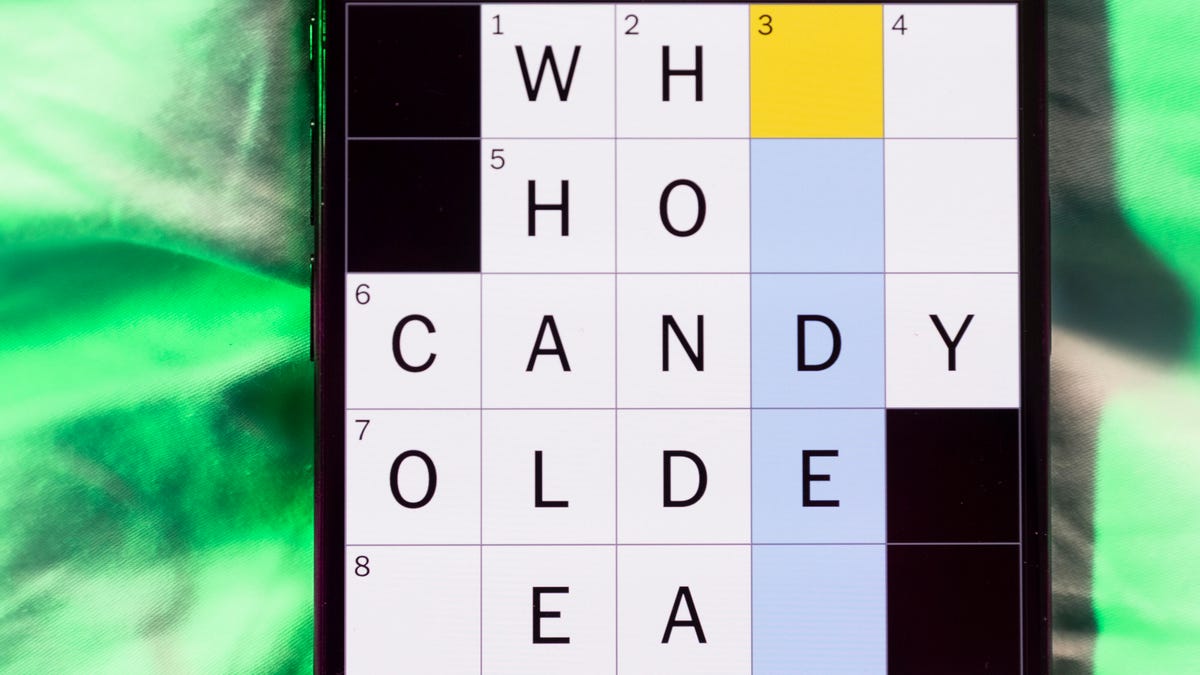
Looking for the most recent Mini Crossword answer? Click here for today’s Mini Crossword hints, as well as our daily answers and hints for The New York Times Wordle, Strands, Connections and Connections: Sports Edition puzzles.
Need some help with today’s Mini Crossword? Hint: It uses a lot of the letter Z for some reason. Read on for all the answers. And if you could use some hints and guidance for daily solving, check out our Mini Crossword tips.
If you’re looking for today’s Wordle, Connections, Connections: Sports Edition and Strands answers, you can visit CNET’s NYT puzzle hints page.
Read more: Tips and Tricks for Solving The New York Times Mini Crossword
Let’s get to those Mini Crossword clues and answers.
Mini across clues and answers
1A clue: ___-Carlton (hotel chain)
Answer: RITZ
5A clue: Span of the alphabet
Answer: ATOZ
6A clue: Cable channel with an out-of-this-world name
Answer: STARZ
7A clue: Takes care of, as a squeaky wheel
Answer: OILS
8A clue: Toy on a string
Answer: YOYO
Mini down clues and answers
1D clue: When a post receives far more negative comments than likes, in social media slang
Answer: RATIO
2D clue: World’s leading wine producer
Answer: ITALY
3D clue: Middle of the human body
Answer: TORSO
4D clue: Sleeping sound
Answer: ZZZ
6D clue: Tofu base
Answer: SOY
Technologies
Today’s NYT Connections: Sports Edition Hints and Answers for April 8, #562
Here are hints and the answers for the NYT Connections: Sports Edition puzzle for April 8 No. 562.
Looking for the most recent regular Connections answers? Click here for today’s Connections hints, as well as our daily answers and hints for The New York Times Mini Crossword, Wordle and Strands puzzles.
Today’s Connections: Sports Edition is a tough one. If you’re struggling with today’s puzzle but still want to solve it, read on for hints and the answers.
Connections: Sports Edition is published by The Athletic, the subscription-based sports journalism site owned by The Times. It doesn’t appear in the NYT Games app, but it does in The Athletic’s own app. Or you can play it for free online.
Read more: NYT Connections: Sports Edition Puzzle Comes Out of Beta
Hints for today’s Connections: Sports Edition groups
Here are four hints for the groupings in today’s Connections: Sports Edition puzzle, ranked from the easiest yellow group to the tough (and sometimes bizarre) purple group.
Yellow group hint: Working out.
Green group hint: Cover your face.
Blue group hint: NFL players.
Purple group hint: Leap.
Answers for today’s Connections: Sports Edition groups
Yellow group: Exercises in singular form.
Green group: Sporting jobs that require masks.
Blue group: Hall of Fame defensive ends.
Purple group: ____ jump.
Read more: Wordle Cheat Sheet: Here Are the Most Popular Letters Used in English Words
What are today’s Connections: Sports Edition answers?
The yellow words in today’s Connections
The theme is exercises in singular form. The four answers are crunch, plank, situp and squat.
The green words in today’s Connections
The theme is sporting jobs that require masks. The four answers are catcher, fencer, football player and goaltender.
The blue words in today’s Connections
The theme is Hall of Fame defensive ends. The four answers are Dent, Peppers, Strahan and Youngblood.
The purple words in today’s Connections
The theme is ____ jump. The four answers are broad, high, long and triple.
Technologies
The $135M Google Data Settlement Site Is Live — See If You’re Eligible
Use the settlement website to select your preferred payment method, and you may end up $100 richer.
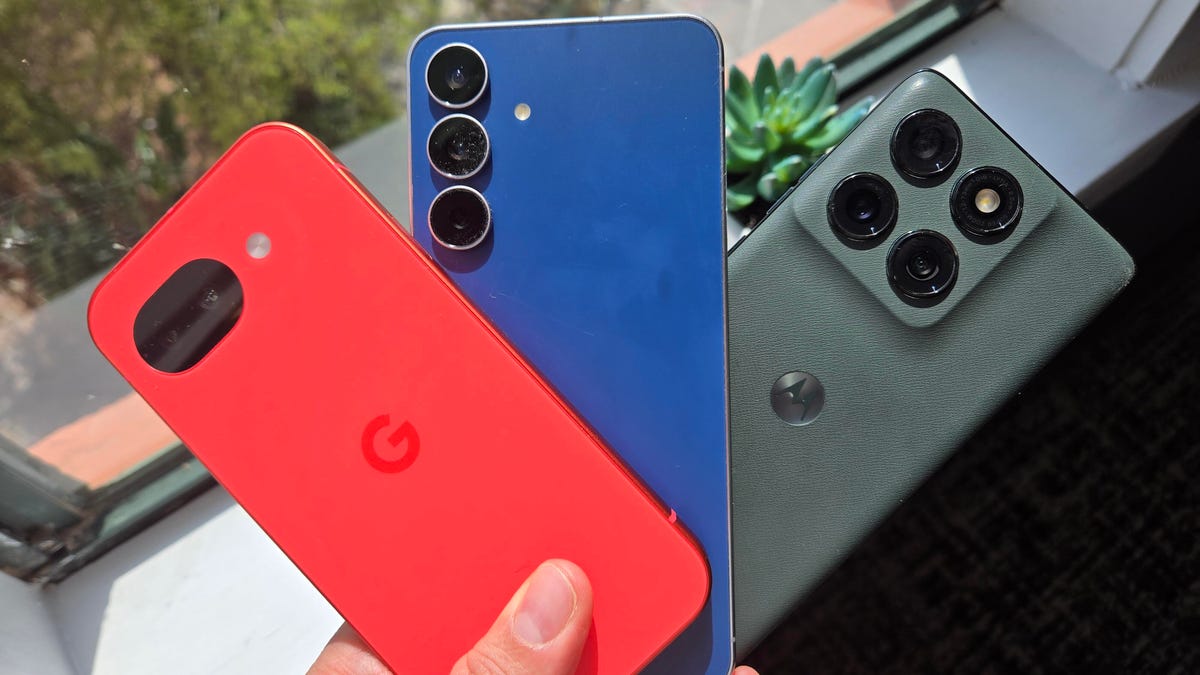
You can now file a claim in the $135 million Google data settlement. The case centers on claims that Android devices transmitted user data without consent. Specifically, the class action lawsuit Taylor v. Google LLC contends that Google’s Android devices passively transferred cellular data to Google without user permission, even when the devices were idle. While not admitting fault, Google reached a preliminary settlement in January, agreeing to pay $135 million to about 100 million US Android phone users.
The official settlement website for the lawsuit is now live. The final approval hearing won’t occur until June 23, when the court will consider whether Google’s settlement is fair and listen to objections. After that, the court will decide whether to approve the $135 million settlement.
In the meantime, if you qualify and want to be paid as part of the settlement, you can select your preferred payment method on the official website. There, you can find information on speaking at the June 23 court hearing and on how to exclude yourself or write to the court to object by May 29.
As part of the settlement, Google will update its Google Play terms of service to clarify that certain data transfers do occur passively even when you’re not using your Android device, and that cellular data may be relied upon when not connected to Wi-Fi. This can’t always be disabled, but users will be asked to consent to it when setting up their device.
Google will also fully stop collecting data when its «allow background data usage» option is toggled off.
Who can be part of the settlement?
In order to join the Taylor v. Google LLC settlement, you must meet four qualifications:
- Be a living, individual human being in the US.
- Have used an Android mobile device with a cellular data plan.
- Have used the aforementioned device at any time from Nov. 12, 2017, to the date when the settlement receives final approval.
- You’re not a class member in the Csupo v. Google LLC lawsuit, which is similar but specifically for California residents.
The final approval hearing is on June 23, so you can add your payment method until then. The hearing’s date and time may change, and any updates will be posted on the settlement website.
If you choose to do nothing, you will still be issued a settlement payment, but you may not receive it if you don’t select a payment method.
How much will I get paid?
It’s not currently known exactly how much each settlement class member will receive, but the cap is $100. Payments will be distributed after final court approval and after any appeals are resolved.
After all administrative, tax and attorney costs are paid, the settlement administrator will attempt to pay each member an equal amount. If any funds remain after payments are sent, and it’s economically feasible, they will be redistributed to members who were previously and successfully paid. If it’s not economically feasible, the funds will go to an organization approved by the court.
-
 Technologies3 года ago
Tech Companies Need to Be Held Accountable for Security, Experts Say
-
 Technologies3 года ago
Best Handheld Game Console in 2023
-
 Technologies3 года ago
Tighten Up Your VR Game With the Best Head Straps for Quest 2
-
 Technologies4 года ago
Black Friday 2021: The best deals on TVs, headphones, kitchenware, and more
-
 Technologies5 лет ago
Google to require vaccinations as Silicon Valley rethinks return-to-office policies
-
 Technologies5 лет ago
Verum, Wickr and Threema: next generation secured messengers
-
 Technologies4 года ago
Olivia Harlan Dekker for Verum Messenger
-
 Technologies4 года ago
The number of Сrypto Bank customers increased by 10% in five days