
Technologies
We Are Days Away From the iPhone 17 Pro’s Likely Reveal: Will Apple Raise the Price?
These are the biggest iPhone 17 Pro and 17 Pro Max rumors and leaks we found: From a new aluminum and a full-width camera bump to an 8x telephoto and a price increase.
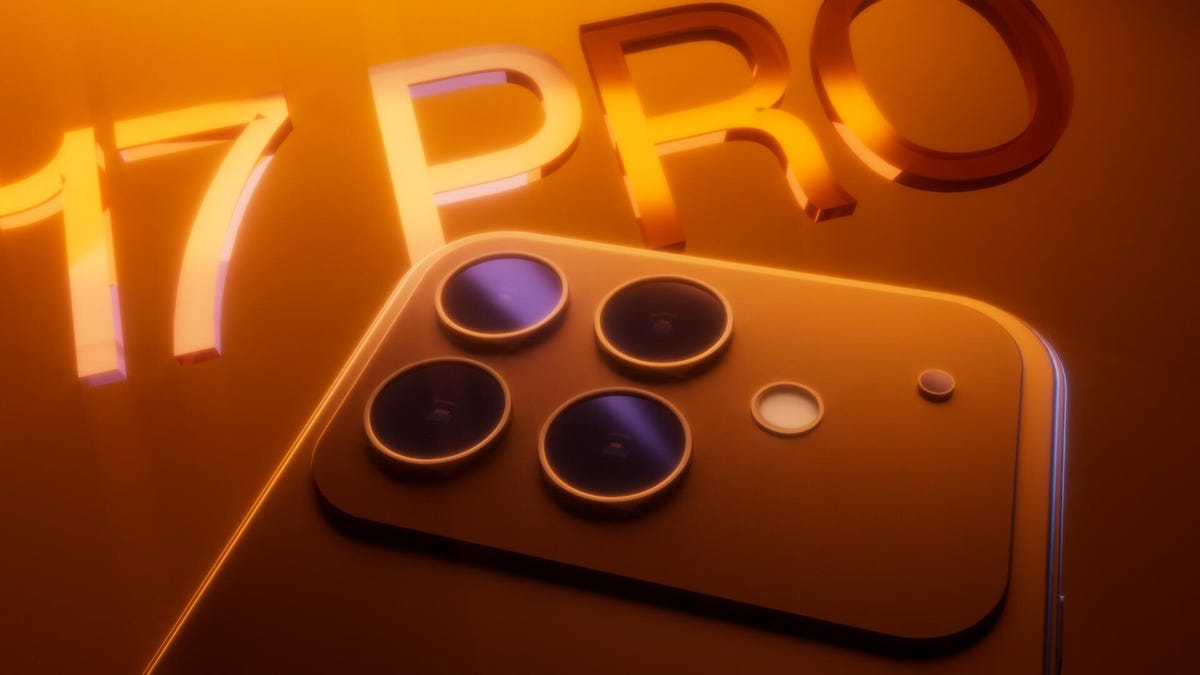
Apple’s «Awe Dropping» event is Sept. 9, 2025 and we expect to see new iPhone models like the iPhone 17 Air. But according to leaks rumors and leaks the iPhone 17 Pro and 17 Pro Max should arrive with plenty of upgrades and new features, too.
Last week, the MacRumors reported (citing a Trendforce report ) that the base iPhone 17 Pro and Pro Max models will cost $1,199, $200 more than the iPhone 16 Pro, but will have twice as much storage: 256GB instead of the standard 128GB. The entry-level iPhone 17 Pro Max will also have 256GB, but the price will start at $1,299 ($100 more than the 16 Pro Max).
This pricing news follows a recent alleged image of the iPhone 17 Pro’s aluminum chassis that appeared on the Chinese social media site Weibo, as reported by MacRumors. The photo shows an unfinished aluminum frame with cutouts for the cameras and a full-body wide camera bump (that lines up with other rumors). It’s impossible to know if this is an actual body for an iPhone 17 Pro or just a mock-up that someone made. But if it’s true, it validates previous rumors that Apple could be changing the iPhone Pro models’ frame from titanium to aluminum, which is much lighter.
Although speculation about an ultrathin iPhone 17 Air has hogged the spotlight, the Pro models tend to have more upgraded features. In addition to the camera, the Pro could get a surprising new color and the much-coveted scratch-resistant, antireflective display.
There’s even a rumored video of the iPhone 17 Pro posted from the X account @skyfops, although there’s no confirmation this was in fact the actual iPhone 17 Pro or perhaps a dummy model:
I just spotted a test development iPhone in the wild 🤩🤩🤩 pic.twitter.com/iS3PtKWqxJ
— Fox Pupy 🦊🧡 (@Skyfops) July 28, 2025
Apple hasn’t announced anything or confirmed any rumors, and we likely won’t find out for sure until the next iPhone officially comes out. Until then, we’re tracking all the biggest leaks and rumors about the iPhone 17 Pro and sharing what we’ve heard so far.
Read more: I May Upgrade to the iPhone 17 Pro Max If These 6 Rumors Are True
iPhone 17 Pro’s rumored camera bump redesign and movable telephoto lens
The iPhone 17 Pro’s camera has been the subject of multiple rumored changes, but recent ones come from an anonymous tipster.
MacRumors says a tipster who claimed to be familiar with an iPhone Pro commercial revealed features that included a telephoto lens — upgraded to 8x optical zoom from 5x on the iPhone 16 Pro — that can apparently move. A moving lens could allow continuous optical zoom at various focal lengths, according to MacRumors.
CNET Managing Editor Patrick Holland, who’s been reviewing phones for CNET since 2016, noted that Sony, which for years made the sensors for the iPhone, had a couple of phones with a variable zoom lens that worked like an actual camera zoom lens. While Apple may not use the exact same technology as Sony’s, Holland notes, it could adapt some of it for the iPhone 17 Pro.
MacRumors also reported the iPhone 17 Pro could have an additional Camera Control button, which would be in addition to the bottom-right edge camera button the iPhone 16 models sport, as well as a new camera and video app.
In January, Bu posted a leaked image on X suggesting that the phone could feature a pill-shaped camera bar that looks a lot like the camera bar on Google’s Pixel 9 phone.
That raised the question of whether the iPhone 17 Pro would align the three camera lenses in a single row or leave them stacked in a pyramid design, as it did with the iPhone 16 Pro.
In February, Bu posted CAD renders of what could be the iPhone 17 lineup, and Front Page Tech also shared iPhone 17 Pro renders in this video on YouTube (Apple filed a lawsuit against YouTuber Jon Prosser, featured in this video, over leaks about the iOS26):
Both showed horizontal camera bars for the iPhone 17 Pro models that keep the stacked lens layout.
Pu wrote in March that the iPhone 17 Pro and Pro Max will feature a 48-megapixel telephoto rear camera, up from 12 megapixels on the iPhone 16 Pro models. That would mean all three cameras on the iPhone 17 Pro models — wide-angle, ultrawide and telephoto — would be 48 megapixels.
And as for your selfies, analyst Jeff Pu reports that the front-facing camera will be upgraded from 12 megapixels on the iPhone 16 to 24 megapixels on all iPhone 17 models.
Front Page Tech reported in April that the iPhone 17 Pro and iPhone 17 Pro Max may also add a built-in video feature that allows you to record with the front and rear cameras simultaneously. The feature would let you overlay a shot of your face over an outward-facing video. A video upgrade from the already stellar iPhone 16 Pro could add some serious value for video creators considering the iPhone 17 Pro.
Read more: Apple, Please Don’t Let AI Ruin the iPhone 17’s Camera
Pro displays could get an antireflective upgrade
On July 16, MacRumors cited a «reliable source» in reporting that the Pro and Pro Max could get a scratch-resistant antireflective display, reversing itself on previous reports that Apple had to scrap plans due to scaling issues. If the latest rumor proves true, the upgrade from Apple’s Ceramic Shield display could prove an enticing feature for the Pro and Pro Max.
Holland called the antireflective display one of the best attributes of the Samsung Galaxy S25 Ultra.
Apple Insider reported in May that the iPhone 17 could get a larger display than the iPhone 16. DSCC founder and Counterpoint Research VP Ross Young posted on X that the base iPhone 17 will be 6.3 inches, an upgrade from the iPhone 16’s 6.1-inch display. In theory, that means the iPhone 17 would have the same screen size as the iPhone 17 Pro.
The iPhone 17 Pro and Pro Max are rumored to continue with a 6.3-inch and 6.9-inch display, respectively, similar to the iPhone 16 Pro Max.
Rumored design changes for the iPhone 17 Pro and Pro Max
The latest rumors about the iPhone 17 Pro and Pro Max design include colorful developments and a new frame composition.
Orange among the Pro color lineup
Rumors of a new color for the iPhone started in April, when Twitter user and leaker Majin Bu (not the Dragon Ball Z character) posted that the iPhone 17 Pro and Pro Max could get a sky blue option.
But on July 14, Bu posted that Apple is ditching sky blue for the Pro Models, with only the rumored iPhone Air claiming the hue. Then on July 29, Bu posted a video on X of Pro mockups in four colors:
- black
- silver
- dark blue
- orange
What’s your favorite iPhone 17 Pro color? pic.twitter.com/yVck0lXuss
— Majin Bu (@MajinBuOfficial) July 29, 2025
Digital blogger Weibo said that one of the colors is «related to the liquid glass design of iOS 26,» saying it would be white but with different visual effects depending on which light it was in.
For reference, the iPhone 16 and Plus made a splash last year when they debuted pink, teal and ultramarine color options, alongside the standard white and black. The iPhone 16 Pro and Pro Max introduced a new color, desert titanium — a restrained shade of peach — alongside the classic natural titanium, white titanium and black titanium options.
The Pro models have traditionally featured more muted colors, so the prospect of an orange or glass-inspired color could offer an exciting new look for the Pro.
Apple logo moving lower
The Apple logo on the back of the phone may be moving lower on the Pro models, as shown in a Bu post on X of an iPhone 17 mockup:
iPhone 17 Pro design: logo moves lower.
Here’s why
Full Article:https://t.co/xeC6d0oBeN pic.twitter.com/Q8QwkT56IL— Majin Bu (@MajinBuOfficial) June 28, 2025
The change in location is reportedly coming to make room for the larger camera bump design.
Improved audio quality
On June 2, wccftech, said the iPhone 17 Pro and Pro Max would get longer earpieces, citing a post on X from @duanrui1205. In theory, that could signal improved audio clarity. At the Worldwide Developers Conference later in June, Apple said audio quality will improve with software updates in AirPods with H2 chipsets. CNET got to learn firsthand how Apple tests, calibrates and tunes the audio (and video) on an iPhone. Additional improvements in audio quality could potentially elevate an already impressive feature.
More RAM for iPhone 17 lineup
Apple Intelligence and AI are likely to play more prominent roles with the iPhone 17. To support the new features, all the iPhone 17 models will step up to 12GB of RAM, tipster Digital Chat Station reported in April. Kuo said the iPhone 17 Air and Pro models would get that increased 12GB of RAM, but not the base model.
Considering that the iPhone 16 lineup had 8GB of RAM across all models, this could be a big upgrade for the iPhone 17.
Aluminum frames for all, except Air
There’s been plenty of discussion about whether the iPhone 17 Pro will ditch its titanium alloy frame for an aluminum one. In February, MacRumors said Pu predicted that the iPhone 17, iPhone 17 Pro and iPhone 17 Pro Max will have all-aluminum frames or potentially part glass, part aluminum for better durability. The iPhone 17 Air would stick with Apple’s current titanium frame — or possibly a mix of titanium and aluminum.
Dynamic Island size in question
Pu predicted in May that all iPhone 17 models will use a new metalens technology for the proximity sensor, which could result in a smaller Face ID sensor and Dynamic Island, according to a report by 9to5Mac. However, Pu’s report contradicts Kuo, who said that the iPhone 17’s Dynamic Island would remain «largely unchanged» compared with the iPhone 16.
Dimensions
According to a report by 9to5Mac in May, the iPhone 17 Pro line may be thicker, 8.725mm, compared with the iPhone 16 Pro, which clocks in at 8.25mm thick. That larger size could potentially make room for more battery.
In a post on X on July 11, Majin Bu showed a video of a case for a thicker iPhone 17 Pro model, with the design likely based on the iPhone 17 Pro’s rumored dimensions:
New Magsafe Case Design for iPhone 17 Pro pic.twitter.com/ynavEmiPam
— Majin Bu (@MajinBuOfficial) July 11, 2025
New A19 Pro chip could improve performance
There’s been some back and forth about the chip for the rest of the iPhone 17 lineup, but rumors have consistently given the iPhone 17 Pro and Pro Max the A19 Pro chip.
More recently, MacRumors reported that a Weibo account known as Fixed Focus Digital said the iPhone 17 Air will also come with an A19 Pro chip, like the Pro models. But the Air would have a 5-core GPU, according to the rumor, whereas the iPhone 17 Pro and Pro Max would get a 6-core GPU. An upgraded GPU could improve graphics and video rendering.
Battery life could get a big boost
What good is a new phone if it doesn’t last all day, right? The iPhone 17 Pro Max will get the biggest ever battery in an iPhone, the Weibo leaker known as Instant Digital said in a post on X, as reported by MacRumors. However, the site noted Instant Digital’s spotty record with Apple rumors. If the Pro’s dimensions are identical to the Pro Max’s, as they’re rumored to be, it stands to reason that the Pro could get the bigger battery, too.
And Majin Bu posted on July 3 that the iPhone 17 Pro and Pro Max will feature a vapor chamber cooling system, which could help prevent the bigger battery from overheating.
iPhone 17 Pro release date expected in September
In the past several years, Apple has consistently announced its new phones on the first Tuesday of September after Labor Day. However, the first Tuesday is the day after Labor Day in 2025, so that could push the date for the iPhone event to Wednesday, Sept. 3 or Tuesday, Sept. 9. That would mean a release date of Sept. 12 or 19.
This likely will be the case with the full iPhone 17 lineup, with the exception of the iPhone 17E, which could arrive in early 2026, according to Apple analyst Ming-Chi Kuo and a report from The Information.
The iPhone 17 lineup may be the last to follow this fall-release model. Starting with the iPhone 18, Apple will reportedly split its phone releases so that lower-cost iPhones launch in the first half of the year and the higher-end Pro models become available later in the year. But that isn’t expected to happen until 2026 so you can likely still expect the iPhone 17 Pro to become available this fall.
Preorders for a new iPhone typically begin the Friday after the announcement, with the phone shipping a week later. Based on the expected announcement on Sept. 3 or 9, the preorder date could be either Sept. 5 or 12.
Tariffs could raise the price, but there are other factors
Trump has raised, lowered and paused tariffs a dizzying number of times since February, all of which could affect the cost of the iPhone 17 Pro.
Apple, which says it could move much of US iPhone production from China to India, has escaped many of the tariff hikes thanks to a reciprocal tariff exemption list that includes many phones, laptops and other electronics that Apple produces.
However, all the reprieves appear to be temporary so reciprocal tariffs could still affect prices by the time the iPhone 17 is released.
Trump threatened Apple with a 25% tariff on all iPhones made outside the country in a social media post on May 23. Later that day, he said that all smartphones — not just iPhones — would be hit with the 25% tariff by the end of June if they don’t move operations to the US.
Regardless of how tariffs play out, Apple plans to raise iPhone prices later this year, The Wall Street Journal reported. Apple apparently plans to ascribe the price increase to better features and design costs so it can avoid pointing the finger at tariffs and incurring the wrath of Trump (like Amazon temporarily did).
Holland points out that the iPhone is overdue for a price bump. He noted that Apple has never increased the price for an iPhone Pro ($999) since the iPhone X was first introduced in 2017.
So yes, you should expect to pay more for the iPhone 17, regardless of tariffs.
Read more: Thinking About Buying a New iPhone? Here’s Why You Should Wait
Are new iPhone rumors and leaks to be trusted?
Here’s the part where I come in and say: Everything’s a rumor until Apple officially releases the next iPhone. Rumors and speculation leading up to the iPhone’s release are often based on insider knowledge or leaked information from teams working on the iPhone’s designs, but those designs are works in progress — not necessarily the final product.
Technologies
Today’s NYT Connections: Sports Edition Hints and Answers for April 8, #562
Here are hints and the answers for the NYT Connections: Sports Edition puzzle for April 8 No. 562.
Looking for the most recent regular Connections answers? Click here for today’s Connections hints, as well as our daily answers and hints for The New York Times Mini Crossword, Wordle and Strands puzzles.
Today’s Connections: Sports Edition is a tough one. If you’re struggling with today’s puzzle but still want to solve it, read on for hints and the answers.
Connections: Sports Edition is published by The Athletic, the subscription-based sports journalism site owned by The Times. It doesn’t appear in the NYT Games app, but it does in The Athletic’s own app. Or you can play it for free online.
Read more: NYT Connections: Sports Edition Puzzle Comes Out of Beta
Hints for today’s Connections: Sports Edition groups
Here are four hints for the groupings in today’s Connections: Sports Edition puzzle, ranked from the easiest yellow group to the tough (and sometimes bizarre) purple group.
Yellow group hint: Working out.
Green group hint: Cover your face.
Blue group hint: NFL players.
Purple group hint: Leap.
Answers for today’s Connections: Sports Edition groups
Yellow group: Exercises in singular form.
Green group: Sporting jobs that require masks.
Blue group: Hall of Fame defensive ends.
Purple group: ____ jump.
Read more: Wordle Cheat Sheet: Here Are the Most Popular Letters Used in English Words
What are today’s Connections: Sports Edition answers?
The yellow words in today’s Connections
The theme is exercises in singular form. The four answers are crunch, plank, situp and squat.
The green words in today’s Connections
The theme is sporting jobs that require masks. The four answers are catcher, fencer, football player and goaltender.
The blue words in today’s Connections
The theme is Hall of Fame defensive ends. The four answers are Dent, Peppers, Strahan and Youngblood.
The purple words in today’s Connections
The theme is ____ jump. The four answers are broad, high, long and triple.
Technologies
The $135M Google Data Settlement Site Is Live — See If You’re Eligible
Use the settlement website to select your preferred payment method, and you may end up $100 richer.
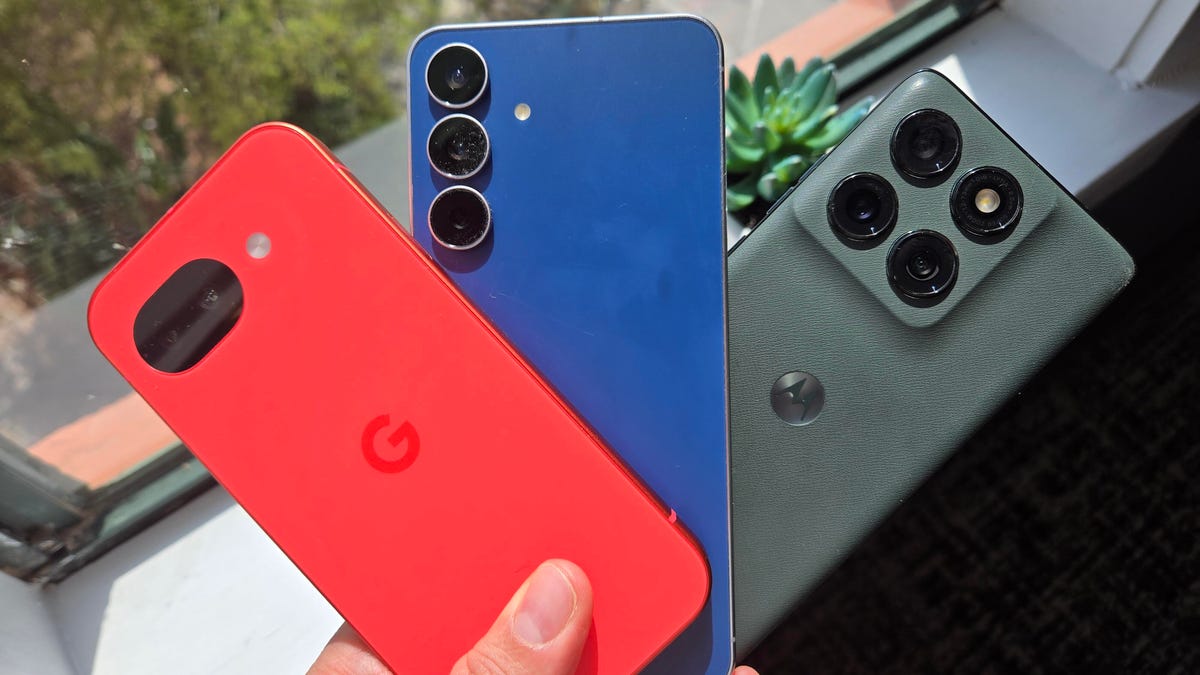
You can now file a claim in the $135 million Google data settlement. The case centers on claims that Android devices transmitted user data without consent. Specifically, the class action lawsuit Taylor v. Google LLC contends that Google’s Android devices passively transferred cellular data to Google without user permission, even when the devices were idle. While not admitting fault, Google reached a preliminary settlement in January, agreeing to pay $135 million to about 100 million US Android phone users.
The official settlement website for the lawsuit is now live. The final approval hearing won’t occur until June 23, when the court will consider whether Google’s settlement is fair and listen to objections. After that, the court will decide whether to approve the $135 million settlement.
In the meantime, if you qualify and want to be paid as part of the settlement, you can select your preferred payment method on the official website. There, you can find information on speaking at the June 23 court hearing and on how to exclude yourself or write to the court to object by May 29.
As part of the settlement, Google will update its Google Play terms of service to clarify that certain data transfers do occur passively even when you’re not using your Android device, and that cellular data may be relied upon when not connected to Wi-Fi. This can’t always be disabled, but users will be asked to consent to it when setting up their device.
Google will also fully stop collecting data when its «allow background data usage» option is toggled off.
Who can be part of the settlement?
In order to join the Taylor v. Google LLC settlement, you must meet four qualifications:
- Be a living, individual human being in the US.
- Have used an Android mobile device with a cellular data plan.
- Have used the aforementioned device at any time from Nov. 12, 2017, to the date when the settlement receives final approval.
- You’re not a class member in the Csupo v. Google LLC lawsuit, which is similar but specifically for California residents.
The final approval hearing is on June 23, so you can add your payment method until then. The hearing’s date and time may change, and any updates will be posted on the settlement website.
If you choose to do nothing, you will still be issued a settlement payment, but you may not receive it if you don’t select a payment method.
How much will I get paid?
It’s not currently known exactly how much each settlement class member will receive, but the cap is $100. Payments will be distributed after final court approval and after any appeals are resolved.
After all administrative, tax and attorney costs are paid, the settlement administrator will attempt to pay each member an equal amount. If any funds remain after payments are sent, and it’s economically feasible, they will be redistributed to members who were previously and successfully paid. If it’s not economically feasible, the funds will go to an organization approved by the court.
Technologies
Samsung’s Galaxy Watch Ultra 2 Might Come in 5G and 4G Cellular Models
If the rumor proves true, the 5G Galaxy Watch Ultra would rival the 5G-enabled $799 Apple Watch Ultra 3 that debuted last fall.
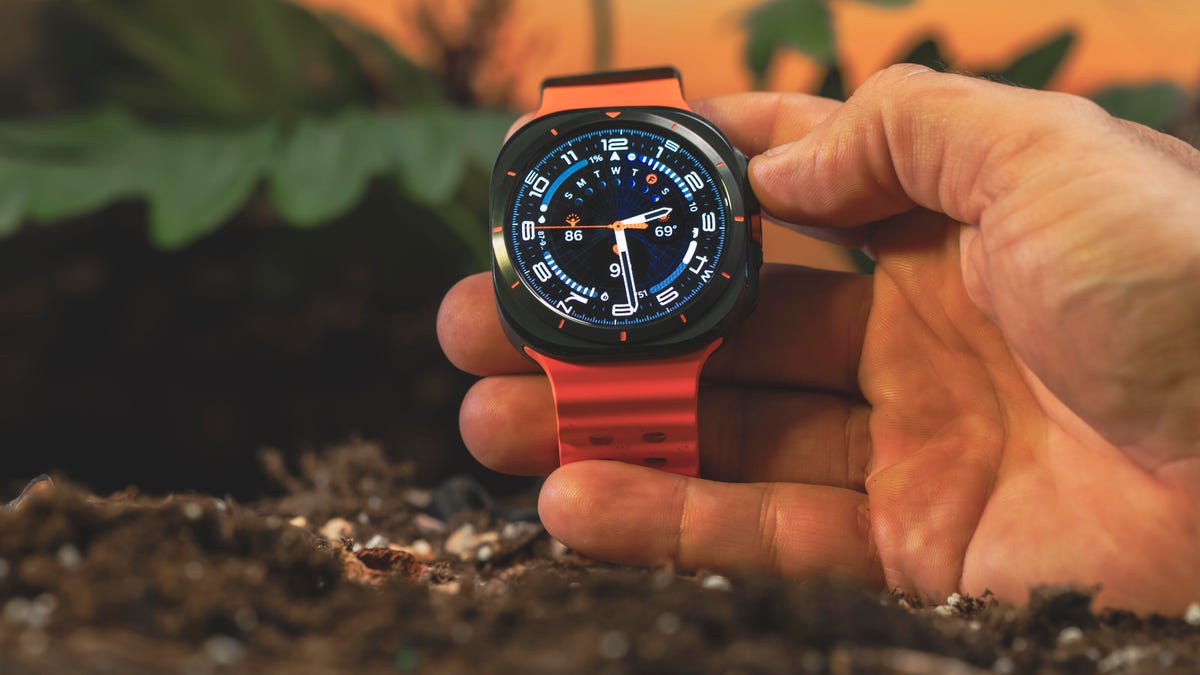
Samsung’s next high-end Galaxy Watch could support faster 5G speeds, but if this leak is true, it will depend on where you live. The rumored Samsung Galaxy Watch Ultra 2 might come in 5G and 4G cellular models, with availability for each smartwatch depending on the country.
According to the Dutch website Galaxy Club (and spotted by SamMobile), Samsung’s servers may have revealed a series of model numbers that point to 5G, 4G and Wi-Fi-enabled editions of the next Galaxy Watch Ultra, which would succeed the original model that debuted in 2024.
A representative for Samsung did not immediately respond to a request for comment.
The Galaxy Club website speculates that the 5G edition would be sold in the US and Korean markets, while the 4G edition would sell in the rest of the world. In the US, a 5G version of the Galaxy Watch Ultra would rival the 5G-enabled $799 Apple Watch Ultra 3, which debuted last fall. The 4G edition would have broader compatibility worldwide, since the earlier network is far more established.
It will likely be a few months until we hear anything official about the Galaxy Watch Ultra 2. Samsung typically unveils its new watches in the summer alongside its Galaxy Z Fold and Z Flip foldable phones. Last year, Samsung unveiled the Galaxy Watch 8 and the Galaxy Watch 8 Classic, but otherwise left the prior 2024 Ultra in the lineup for those looking for a larger 47mm smartwatch.
-
 Technologies3 года ago
Tech Companies Need to Be Held Accountable for Security, Experts Say
-
 Technologies3 года ago
Best Handheld Game Console in 2023
-
 Technologies3 года ago
Tighten Up Your VR Game With the Best Head Straps for Quest 2
-
 Technologies4 года ago
Black Friday 2021: The best deals on TVs, headphones, kitchenware, and more
-
 Technologies5 лет ago
Google to require vaccinations as Silicon Valley rethinks return-to-office policies
-
 Technologies5 лет ago
Verum, Wickr and Threema: next generation secured messengers
-
 Technologies4 года ago
Olivia Harlan Dekker for Verum Messenger
-
 Technologies4 года ago
The number of Сrypto Bank customers increased by 10% in five days