
Technologies
I Tested a $250 Budget Phone and It Didn’t Make Me Look Like a Cheapskate
The TCL 60 XE NxtPaper 5G has a big, beautiful screen and enough juice to get through the day — but its e-reader mode and AI features are the real standouts.
Our Experts


Pros
- Quality display for the price
- E-reader mode extends already-solid battery life
- NxtPaper Color Ink mode is perfect for night owls
Cons
- Grainy picture quality on main camera
- Slight delay when multitasking
- Gets uncomfortably hot when gaming
The TCL 60 XE NxtPaper 5G is an impressive budget phone that meets or exceeds the specs of its 50 series predecessors — and in many ways outperforms the Samsung Galaxy A16 5G at a similar price.
The shiny bonus features are the eponymous NxtPaper digital ink and e-reader modes and cloud-based TCL AI. You might not use these features regularly — the NxtPaper digital ink was great for night-time reading but I’d rather write my own emails than use the AI assistant — but they’re solid value adds to a $250 phone.
This phone hits top marks for everyday use. Its screen is large, the 120Hz refresh rate is buttery smooth and the battery lasted me throughout the entire day, even with frequent use. If you take a lot of selfies, you’ll enjoy a big 32-megapixel upgrade to the front-facing camera, though the camera system is otherwise similar to TCL’s 50 series phones.
Compared to other phones in a similar price range, the TCL 60 XE NxtPaper 5G delivers where it counts for day-to-day use, and its impressive bells and whistles sweetened my experience with the phone.
TCL 60 XE NxtPaper 5G’s design, screen and battery
The 60 XE NxtPaper 5G has a 6.78-inch display that’s just as big as the TCL 50 XL 5G’s screen and larger than the Samsung Galaxy A16 5G’s 6.7-inch display. The 60 XE NxtPaper 5G’s 1080p resolution panel with a 120Hz refresh rate also outperformed the Samsung Galaxy A16 5G at a similar price.
That large display makes games easier to play. I was able to take in the stunning visuals of the mobile game Sky: Children of the Light without my fat thumbs obscuring my vision, though the phone got uncomfortably warm against my hands after a 15-minute play session.
When reviewing the TCL 50 XL 5G, CNET writer Mike Sorrentino pointed out how its speakers muddied audio mixing with the volume cranked up. I found myself having a similar problem with the 60 XE NxtPaper 5G, which was a big pain point when I was using the phone on the train and couldn’t simply keep upping the volume at my leisure. You could, as I did, cup a hand around the speaker to hear it better, but it’s easier to use the 3.5mm jack — an enviable feature long abandoned by pricier phones — and plug in some headphones.
One big surprise on this budget phone was the 8GB of RAM — doubled to an effective 16GB by using part of the storage for extra memory — which made swapping between apps effortless and let me jump from streaming videos to graphically intensive games with little to no trouble.
Crucially, 8GB of memory is the sweet spot that more or less enables AI capabilities on a device, and TCL AI is enabled on the 60 XE. It’s a simple cloud-based LLM that helps with writing tasks, so don’t expect anything like Google’s Circle to Search feature. Even so, it can draft basic email templates if you struggle to find the right words for a given situation.
The 60 XE is working off of a MediaTek Dimensity 6100 Plus processor, which is the same silicon powering the TCL 50 XL and the TCL 40 X, though it seems that TCL managed to optimize the processing power of the 60 XE to avoid the 50 XL’s relatively quick battery drain.
At the end of the day, all these specs are bundled together in an aesthetically pleasing package. The 60 XE NxtPaper 5G is 0.32 inches (8.2mm) thick and fits smoothly into any pocket (including the too-tight jeans I made the mistake of wearing) and the back of the phone has a pretty blue rippling design that’s pleasant to look at on the rare occasion that it’s set face-down. It’s a budget phone that doesn’t make you look like a cheapskate, which is always worth appreciating.
Geekbench v.6.0 and 3DMark benchmark test results
- Geekbench 6.0 Single Core
- Geekbench 6.0 Multi Core
- 3DMark Wild Life Extreme
CNET has several tests to help benchmark a phone’s battery life. In our YouTube streaming test, in which we stream videos at 100% brightness for three hours, the TCL 60 XE NxtPaper 5G’s battery life drained to 90% at the one-hour mark, 80% at the two-hour mark and finished the test at 71% battery.
The TCL 50 XL drained from full to 62% in the same test. The 60 XE NxtPaper shares display specs with the 50 series phone, but TCL seems to have optimized power use on the newer device. We’re still in the process of reviewing the Samsung Galaxy A16 5G, so for this comparison, we used our results for the Samsung Galaxy A15 5G. The A15 5G beat both phones, draining from 100% battery to 83% battery during the YouTube streaming test.
In our 45-minute battery endurance test, I put the 60 XE NxtPaper through its paces. I watched YouTube videos, ran a Google Meet call and played Sky for 10 minutes each, then browsed Bluesky for 15 minutes. In that time, the phone’s battery dropped from 100% to 91%.
I also timed how long it takes to charge the phone using the included 18W wired USB-C charger. The 60 XE NxtPaper went from 15% to 100% in 2 hours and 16 minutes, though the Samsung Galaxy A15 charges faster with its 25W charger.
When it comes to software, the 60 XE has TCL’s 50 series — and even the Samsung Galaxy A15 (for now) — beat. It runs Android 15 with a custom TCL UI and comes with TCL’s standard promise of one major software upgrade, to Android 16, plus two years of system security updates. This isn’t great, especially compared to Samsung’s promise of four years of software updates and five years of security updates for budget phones. Even if you fall in love with the 60 XE NxtPaper 5G, you’ll want to trade it in after a couple of years once TCL abandons its system security.
Fortunately, the 60 XE NxtPaper avoids the carrier-locked bloatware that TCL 50 XL users had to deal with. You’ll get only the usual Google suite of preinstalled apps, and you won’t have to worry about the obtrusive T-Mobile Play feed being an eyesore.
NxtPaper screen for easier reading and better battery life
The big selling point of the TCL 60 XE NxtPaper 5G is its display-altering NxtPaper technology. While not brand-new — TCL brought its NxtPaper phones to the US at CES in 2024 and has used it for years in its tablets — it’s a special feature that adds extra value to a budget phone.
The NxtPaper digital ink display modes are meant to replicate the experience of reading on paper. The 60 XE has a dedicated side switch that toggles among its three modes. I tested them at night while my partner slept soundly beside me. My bright phone screen normally blasts my eyes during late-night doomscrolling, so anything that softens that glare is a welcome reprieve.
The Max Ink mode was the tool I used the least, because it limited the usage of my favorite apps, like Webtoon. Max Ink fully converts the 60 XE into an e-reader, closing most apps and turning the screen entirely black and white. Battery life in this mode is extensive — at 52% charge, the phone predicted nearly 66 hours of use.
You can still check messages, browse the web, scroll social media and more, so there’s a versatile range of apps you can reopen. Personally, the stark black-and-white color scheme still felt like a flashbang in bed, so I only used it once or twice — but it’s an excellent battery saver in a pinch.
The Ink Paper mode’s black-and-white display was gentler on the eyes, blending NxtPaper’s e-reader capabilities with TCL’s signature blue-light-dimming feature. It was admittedly easier on the eyes than Max Ink, but I still wouldn’t choose to brighten my phone primarily with a (greyed-out) light mode.
The saving grace for the NxtPaper modes is Color Paper, the third blue-light-dimming option in the suite. It keeps the screen’s colors intact while switching to a paper-like display that’s easier on the eyes. The end result is slightly washed out hues, but that didn’t get in the way of enjoying my apps. I read half of a manga in one night with the Color Paper mode on, and while I definitely noticed the lack of vibrancy, it actually made everything look a bit like a watercolor painting.
TCL 60 XE NxtPaper 5G cameras
The 60 XE NxtPaper’s large camera disc comes equipped with a triple-camera system: a 50-megapixel wide-angle lens, a 5-megapixel ultrawide and a 2-megapixel depth sensor for calculating depth-of-field effects in portraits or close-up shots. The front-facing camera is 32 megapixels, which is a big step up from TCL’s 50 XL phone.
The main camera captures functional photos with a wide range of color. In this shot of a green corner in my girlfriend’s neighborhood, the light post in the foreground is adequately separated from the background details, though it’s clear how much the elements in the rear blend together.
I also used the main camera to snap a photo of a sauce blend at a Korean hot pot restaurant. Once again, the 60 XE’s camera separates distinct colors but blends similar hues, resulting in a flatter image. Even slight zooming reveals that fine details just aren’t captured.
I also put the ultrawide camera to work during hot pot, snapping a shot of our table once the plates arrived. The foreground is rendered in great detail — you can even see the moisture on the meat — but the background detail doesn’t hold up in comparison.
The depth sensor adds a shallow depth of field to photos, making for nicely detailed shots. I used it to capture these flowers from my girlfriend’s garden, and the vibrant hues really stand out. The rich red bulbs and soft pink petals pop against the background, making the 60 XE feel like it’s punching above its weight for nature photography.
Compared with the photos CNET senior editor Mike Sorrentino took on the TCL 50 XL 5G, the TCL 60 XE’s selfie camera is definitely sharper. Here’s a shot of me at a pit stop during a multi-day trip — it captures the unshaved fuzz on my face in almost uncomfortable detail, but completely washes out the sky and blends the reds of the gas station behind me.
The camera system is a normal corner-cutting point for these budget phones. You won’t be taking any award-winning photos with the 60 XE, but at the end of the day, I wouldn’t have any reservations about posting these pictures on Instagram either.
The bottom line: What we think of the TCL 60 XE NxtPaper 5G
TCL has put together another impressive budget device, combining some features you’d expect from pricier phones with extra bells and whistles that feel special in a $250 product. The 60 XE’s display is much like the 50 XL’s, but its standout camera upgrade is the front-facing selfie lens. And what really sets it apart from other budget phones are the NxtPaper and TCL AI features.
Unfortunately, the 60 XE’s battery life can’t match the Samsung Galaxy A15’s. It also gets uncomfortably hot during mobile gaming. But its biggest drawback is still TCL’s meager promise of just one software upgrade and two years of security updates. Both Motorola and Samsung have stronger commitments to support their budget phones, offering three years and five years of security updates, respectively.
If you have sensitive eyes or you frequently use AI writing tools, the TCL 60 XE NxtPaper is a cut above most other phones you can get for $250. If the extras here don’t matter much to you, you’re probably better off with a Samsung or Motorola phone.
TCL 60 XE NxtPaper 5G specs vs. TCL 50 XL 5G, Samsung Galaxy A15 5G specs
| TCL 60 XE NXTPAPER 5G | TCL 50 XL 5G | Samsung Galaxy A15 5G | |
| Display size, tech, resolution, refresh rate | 6.78-inch FHD Plus, 2,460 x 1,080 pixels, 120 Hz refresh rate | 6.78-inch, 2,460 x 1,080 pixels, 120Hz refresh rate | 6.5-inch FHD Plus Super AMOLED; 2,340 x 1,080 pixels; 90Hz refresh rate |
| Pixel density | 396 ppi | 396 ppi | 420 ppi |
| Dimensions (inches) | 6.6 x 2.97 x 0.32 in. | 6.6 x 2.9 x 0.32 in. | 6.3 x 3.02 x 0.33 in. |
| Dimensions (millimeters) | 167.6 x 75.5 x 8.22mm | 167.6 x 73.6 x 8.1mm | 160 x 76.7 x 8.4 mm |
| Weight (grams, ounces) | 199.5g (6.9 oz) | 195g (6.9 oz) | 201g (7.09 oz.) |
| Mobile software | Android 15 | Android 14 | Android 14 |
| Camera | 50-megapixel (main + macro camera), 5-megapixel (ultrawide), 2-megapixel (depth) | 50-megapixel (wide), 5-megapixel (ultrawide), 2-megapixel (depth) | 50-megapixel (wide), 5-megapixel (ultrawide), 2-megapixel (macro) |
| Front-facing camera | 32-megapixel | 8-megapixel | 13-megapixel |
| Video capture | 1,080p at 30 fps | 1,080p | 1,080p at 30 fps |
| Processor | MediaTek Dimensity 6100 Plus | MediaTek Dimensity 6100 Plus | Mediatek Dimensity 6100 Plus |
| RAM/storage | 8GB RAM + 128GB | 6GB RAM + 128GB | 4GB RAM + 128GB |
| Expandable storage | Yes | Yes | Yes |
| Battery | 5,010 mAh | 5,010 mAh | 5,000 mAh |
| Fingerprint sensor | Side | Side | Side |
| Connector | USB-C | USB-C | USB-C |
| Headphone jack | Yes | Yes | Yes |
| Special features | 5G connectivity, TCL NXTPAPER e-reader mode, TCL AI functionality, 18W wired charging | NFC, 5G connectivity, TCL NxtVision, 18W wired charging | 25W wired charging, 800-nit brightness |
| US price starts at | $250 (128GB) | $160 (128GB) | $200 (128GB) |
| UK price starts at | £200 (128GB) | £128 (128GB) | £169 (128GB) |
| Australia price starts at | AU$378 (128GB) | AU$242 (128GB) | AU$329 (128GB) |
How we test phones
Every phone tested by CNET’s reviews team is actually used in the real world. We test a phone’s features, play games and take photos. We examine the display to see if it’s bright, sharp and vibrant. We analyze the design and build to see how it is to hold and whether it has an IP-rating for water resistance. We push the processor to its limits using standardized benchmarks like GeekBench and 3DMark, along with our own observations while navigating the interface, recording high-resolution videos and playing graphics-heavy games at high refresh rates.
All the cameras are tested in a variety of conditions, from bright sunlight to dim indoor scenes. We try out special features, such as night mode and portrait mode, and compare our findings against similarly priced competing phones. We also test battery life through daily use and a series of battery drain tests.
We consider additional features, such as 5G support, satellite connectivity, fingerprint and face sensors, stylus compatibility, charging speeds and foldable displays, among other useful tools, too. And we balance all this against the price to give you the verdict on whether that phone, whatever price it is, actually represents good value. Though these tests may not always be reflected in CNET’s initial review, we conduct follow-up and long-term testing in most circumstances.
Update, Aug. 14: The TCL 60 XE NxtPaper 5G costs $250.
Technologies
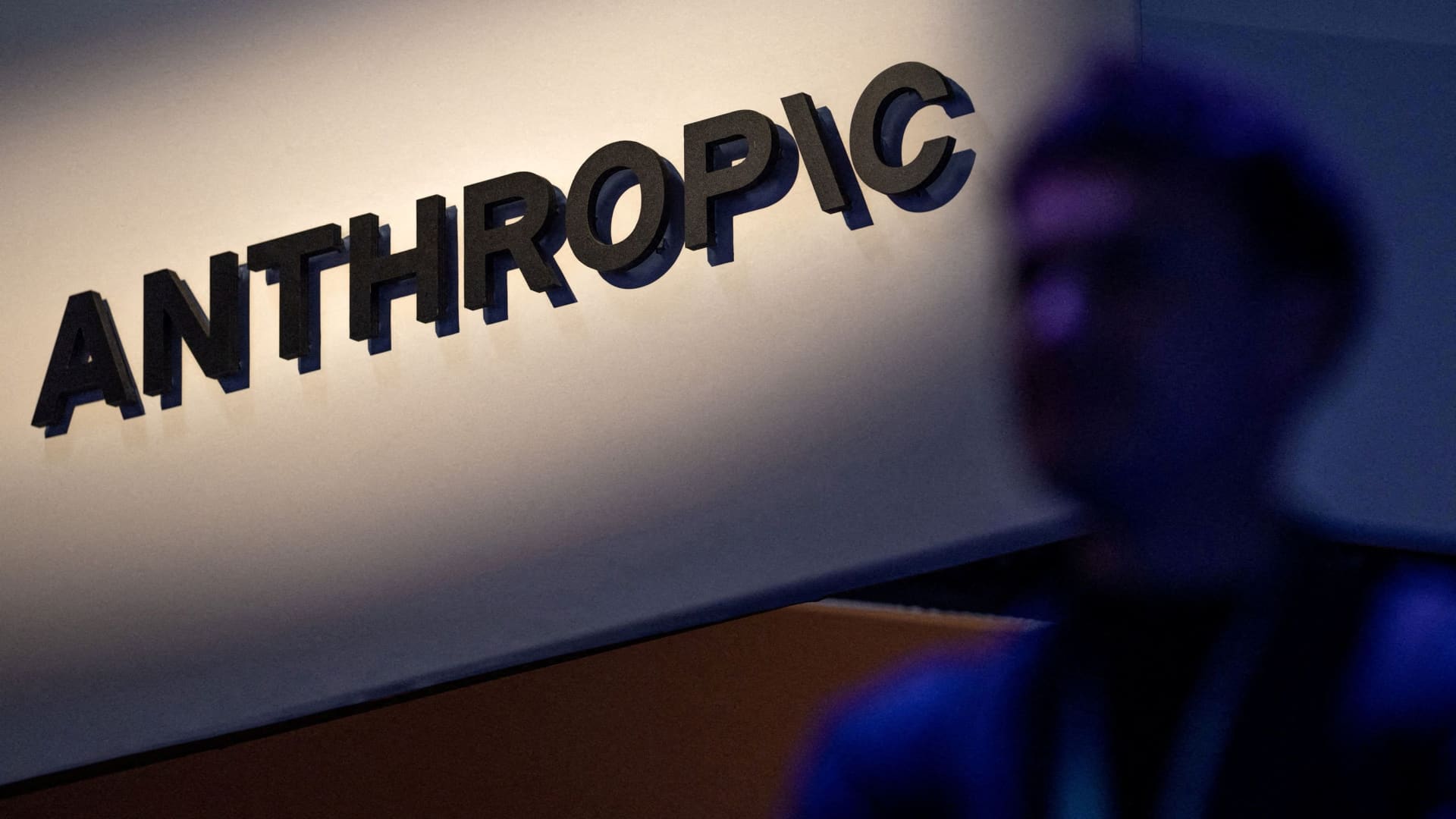
Anthropic warns investors of AI’s ‘existential risk to humanity’ in IPO prospectus, reports say
Anthropic’s IPO filing dedicates 80 pages to the risks of AI, nearly double the 48 pages it spends discussing its business plans, according to Reuters.
Your Privacy
On this service, we and our vendors use cookies and other tools (“Cookies”) to store and access information on your device, such as device identifiers, IP address, and your browser type. Your data may be used to save and communicate your privacy choices; ensure security, prevent fraud, and debug our products and services; personalize advertising and content; for advertising and content measurement; to conduct audience research and services development; so we can improve our services and develop new ones; to match and combine offline data with your online activity; and for social features. We may share this data with select vendors with your consent. You can adjust your choices any time through the “Cookie Preferences” link in the footer of relevant Versant sites or in-app settings.
We will also use other Cookies that are essential or related to our services, including for security and fraud prevention. To learn more about some of our vendors, see the IAB and Google Vendors under each purpose. Visit our Cookie Notice and Privacy Policy to learn more.
These Cookies and SDKs are required for Service functionality, including security and fraud prevention, and to enable any purchasing capabilities. You can set your browser to block these tracking technologies, but some parts of the site may not function properly.
The choices you make regarding the purposes and entities listed in this notice are saved and made available to those entities in the form of digital signals (such as a string of characters). This is necessary in order to enable both this service and those entities to respect such choices.
Your data can be used to monitor for and prevent unusual and possibly fraudulent activity (for example, regarding advertising, ad clicks by bots), and ensure systems and processes work properly and securely. It can also be used to correct any problems you, the publisher or the advertiser may encounter in the delivery of content and ads and in your interaction with them.
Certain information (like an IP address or device capabilities) is used to ensure the technical compatibility of the content or advertising, and to facilitate the transmission of the content or ad to your device.
Cookies, device or similar online identifiers (e.g. login-based identifiers, randomly assigned identifiers, network based identifiers) together with other information (e.g. browser type and information, language, screen size, supported technologies etc.) can be stored or read on your device to recognise it each time it connects to an app or to a website, for one or several of the purposes presented here.
– Use limited data to select advertising 791 partners can use this purpose Advertising presented to you on this service can be based on limited data, such as the website or app you are using, your non-precise location, your device type or which content you are (or have been) interacting with (for example, to limit the number of times an ad is presented to you).
– Create profiles for personalised advertising 637 partners can use this purpose Information about your activity on this service (such as forms you submit, content you look at) can be stored and combined with other information about you (for example, information from your previous activity on this service and other websites or apps) or similar users. This is then used to build or improve a profile about you (that might include possible interests and personal aspects). Your profile can be used (also later) to present advertising that appears more relevant based on your possible interests by this and other entities.
– Use profiles to select personalised advertising 640 partners can use this purpose Advertising presented to you on this service can be based on your advertising profiles, which can reflect your activity on this service or other websites or apps (like the forms you submit, content you look at), possible interests and personal aspects.
– Create profiles to personalise content 261 partners can use this purpose Information about your activity on this service (for instance, forms you submit, non-advertising content you look at) can be stored and combined with other information about you (such as your previous activity on this service or other websites or apps) or similar users. This is then used to build or improve a profile about you (which might for example include possible interests and personal aspects). Your profile can be used (also later) to present content that appears more relevant based on your possible interests, such as by adapting the order in which content is shown to you, so that it is even easier for you to find content that matches your interests.
– Use profiles to select personalised content 234 partners can use this purpose Content presented to you on this service can be based on your content personalisation profiles, which can reflect your activity on this or other services (for instance, the forms you submit, content you look at), possible interests and personal aspects. This can for example be used to adapt the order in which content is shown to you, so that it is even easier for you to find (non-advertising) content that matches your interests.
– Measure advertising performance 916 partners can use this purpose Information regarding which advertising is presented to you and how you interact with it can be used to determine how well an advert has worked for you or other users and whether the goals of the advertising were reached. For instance, whether you saw an ad, whether you clicked on it, whether it led you to buy a product or visit a website, etc. This is very helpful to understand the relevance of advertising campaigns.
– Measure content performance 405 partners can use this purpose Information regarding which content is presented to you and how you interact with it can be used to determine whether the (non-advertising) content e.g. reached its intended audience and matched your interests. For instance, whether you read an article, watch a video, listen to a podcast or look at a product description, how long you spent on this service and the web pages you visit etc. This is very helpful to understand the relevance of (non-advertising) content that is shown to you.
– Understand audiences through statistics or combinations of data from different sources 579 partners can use this purpose Reports can be generated based on the combination of data sets (like user profiles, statistics, market research, analytics data) regarding your interactions and those of other users with advertising or (non-advertising) content to identify common characteristics (for instance, to determine which target audiences are more receptive to an ad campaign or to certain contents).
– Develop and improve services 688 partners can use this purpose Information about your activity on this service, such as your interaction with ads or content, can be very helpful to improve products and services and to build new products and services based on user interactions, the type of audience, etc. This specific purpose does not include the development or improvement of user profiles and identifiers.
– Use limited data to select content 180 partners can use this purpose Content presented to you on this service can be based on limited data, such as the website or app you are using, your non-precise location, your device type, or which content you are (or have been) interacting with (for example, to limit the number of times a video or an article is presented to you).
These Cookies and SDKs are used to collect data about your browsing habits, use of the Services, your preferences, and your interaction with advertisements across platforms and devices for the purpose of delivering targeted advertising content, both on our Services and on third party sites. Third-party sites and services also use Targeting Cookies to deliver content, including advertisements relevant to your interests on the Services. If you reject these Cookies or SDKs, you will see less relevant advertising.
Data collected under this category through Cookies and SDKs can also be used to select and deliver personalized content, such as news articles and videos.
Technologies
U.S., Iran hold separate mediator talks as Mideast oil exports hit war-time high
Iranian and U.S. officials reportedly met separately with mediators Monday to push for a ceasefire, as Middle Eastern crude exports rebounded to war-time high.

Iranian and U.S. officials reportedly met separately with mediators Monday to push for a ceasefire.
Middle Eastern crude exports rebounded this month to around their highest level since the war began in February.
An outright export ban by Washington on diesel would keep roughly 1.2 million barrels a day at home, and risks overwhelming Gulf Coast storage, according to Kpler.
The building of the destroyed Shajareh Tayebeh primary school is pictured surrounded by rubble in Minab in Iran’s Hormozgan province on August 10, 2026. Six months on, a team of AFP journalists obtained rare access to the school which has remained largely in ruins, its collapsed walls and twisted steel now surrounded by portraits of the children killed as Iranian flags flutter above the rubble. Iran says the attack on the school involved two separate US Tomahawk missiles but neither the United States nor Israel has officially claimed responsibility for the strike. (Photo by ATTA KENARE / AFP via Getty Images) /
Atta Kenare | Afp | Getty Images
U.S. and Iranian officials have reportedly held separate indirect talks with mediators on Monday, reviving efforts to end seven months of war as Tehran presses for a response to a revised ceasefire framework and Middle East crude exports climb to their highest level since the conflict began.
Iranian Foreign Minister Abbas Araghchi met Qatari mediators in New York, where he remained after the United Nations General Assembly, and reportedly said he expects Washington’s reply by Tuesday. “We talked about ideas and how to find solutions to fulfil Iran’s conditions,” Araghchi said, adding that he planned to return to Tehran once a response arrives. “Whenever the Qataris have a response, they know how to get it to us.”
Iran’s proposal, first presented on the sidelines of last week’s General Assembly, calls for a four- to five-day U.S. timeline to release frozen Iranian funds, lift sanctions on Iranian oil and end the naval blockade of Iranian ports, with nuclear talks beginning within seven days. Tehran has tied any reopening of the Strait of Hormuz to those steps.
President Donald Trump had on Sunday called the plan “unacceptable” and rejected it, telling reporters Iran wants a swift deal because of the economic pressure it is under. Speaking at the White House Monday, Trump said U.S. officials had spoken separately with mediators but gave no further details, adding: “We’re going to win. It’s going to go pretty quickly.”
The diplomatic push comes as physical supply data shows the war’s toll on the oil market easing. Middle Eastern crude exports rebounded this month to around their highest level since the war began in February, Kpler data showed. “Middle East crude exports at just under 80% of pre-conflict levels,” the tracking firm said in a note on Monday.
The Strait of Hormuz itself remains far from normal. Kpler’s real-time tracking showed total clearance through the strait at 10,591 kilobarrels a day on Saturday, against a pre-war baseline of 17,133.
Technologies
Oil prices fall as crude exports recover at Saudi Arabia’s Red Sea ports
Saudi Arabia has restored flows through the pipeline to around 3.5 million barrels per day, according to media reports.

Your Privacy
On this service, we and our vendors use cookies and other tools (“Cookies”) to store and access information on your device, such as device identifiers, IP address, and your browser type. Your data may be used to save and communicate your privacy choices; ensure security, prevent fraud, and debug our products and services; personalize advertising and content; for advertising and content measurement; to conduct audience research and services development; so we can improve our services and develop new ones; to match and combine offline data with your online activity; and for social features. We may share this data with select vendors with your consent. You can adjust your choices any time through the “Cookie Preferences” link in the footer of relevant Versant sites or in-app settings.
We will also use other Cookies that are essential or related to our services, including for security and fraud prevention. To learn more about some of our vendors, see the IAB and Google Vendors under each purpose. Visit our Cookie Notice and Privacy Policy to learn more.
These Cookies and SDKs are required for Service functionality, including security and fraud prevention, and to enable any purchasing capabilities. You can set your browser to block these tracking technologies, but some parts of the site may not function properly.
The choices you make regarding the purposes and entities listed in this notice are saved and made available to those entities in the form of digital signals (such as a string of characters). This is necessary in order to enable both this service and those entities to respect such choices.
Your data can be used to monitor for and prevent unusual and possibly fraudulent activity (for example, regarding advertising, ad clicks by bots), and ensure systems and processes work properly and securely. It can also be used to correct any problems you, the publisher or the advertiser may encounter in the delivery of content and ads and in your interaction with them.
Certain information (like an IP address or device capabilities) is used to ensure the technical compatibility of the content or advertising, and to facilitate the transmission of the content or ad to your device.
Cookies, device or similar online identifiers (e.g. login-based identifiers, randomly assigned identifiers, network based identifiers) together with other information (e.g. browser type and information, language, screen size, supported technologies etc.) can be stored or read on your device to recognise it each time it connects to an app or to a website, for one or several of the purposes presented here.
– Use limited data to select advertising 791 partners can use this purpose Advertising presented to you on this service can be based on limited data, such as the website or app you are using, your non-precise location, your device type or which content you are (or have been) interacting with (for example, to limit the number of times an ad is presented to you).
– Create profiles for personalised advertising 637 partners can use this purpose Information about your activity on this service (such as forms you submit, content you look at) can be stored and combined with other information about you (for example, information from your previous activity on this service and other websites or apps) or similar users. This is then used to build or improve a profile about you (that might include possible interests and personal aspects). Your profile can be used (also later) to present advertising that appears more relevant based on your possible interests by this and other entities.
– Use profiles to select personalised advertising 640 partners can use this purpose Advertising presented to you on this service can be based on your advertising profiles, which can reflect your activity on this service or other websites or apps (like the forms you submit, content you look at), possible interests and personal aspects.
– Create profiles to personalise content 261 partners can use this purpose Information about your activity on this service (for instance, forms you submit, non-advertising content you look at) can be stored and combined with other information about you (such as your previous activity on this service or other websites or apps) or similar users. This is then used to build or improve a profile about you (which might for example include possible interests and personal aspects). Your profile can be used (also later) to present content that appears more relevant based on your possible interests, such as by adapting the order in which content is shown to you, so that it is even easier for you to find content that matches your interests.
– Use profiles to select personalised content 234 partners can use this purpose Content presented to you on this service can be based on your content personalisation profiles, which can reflect your activity on this or other services (for instance, the forms you submit, content you look at), possible interests and personal aspects. This can for example be used to adapt the order in which content is shown to you, so that it is even easier for you to find (non-advertising) content that matches your interests.
– Measure advertising performance 916 partners can use this purpose Information regarding which advertising is presented to you and how you interact with it can be used to determine how well an advert has worked for you or other users and whether the goals of the advertising were reached. For instance, whether you saw an ad, whether you clicked on it, whether it led you to buy a product or visit a website, etc. This is very helpful to understand the relevance of advertising campaigns.
– Measure content performance 405 partners can use this purpose Information regarding which content is presented to you and how you interact with it can be used to determine whether the (non-advertising) content e.g. reached its intended audience and matched your interests. For instance, whether you read an article, watch a video, listen to a podcast or look at a product description, how long you spent on this service and the web pages you visit etc. This is very helpful to understand the relevance of (non-advertising) content that is shown to you.
– Understand audiences through statistics or combinations of data from different sources 579 partners can use this purpose Reports can be generated based on the combination of data sets (like user profiles, statistics, market research, analytics data) regarding your interactions and those of other users with advertising or (non-advertising) content to identify common characteristics (for instance, to determine which target audiences are more receptive to an ad campaign or to certain contents).
– Develop and improve services 688 partners can use this purpose Information about your activity on this service, such as your interaction with ads or content, can be very helpful to improve products and services and to build new products and services based on user interactions, the type of audience, etc. This specific purpose does not include the development or improvement of user profiles and identifiers.
– Use limited data to select content 180 partners can use this purpose Content presented to you on this service can be based on limited data, such as the website or app you are using, your non-precise location, your device type, or which content you are (or have been) interacting with (for example, to limit the number of times a video or an article is presented to you).
These Cookies and SDKs are used to collect data about your browsing habits, use of the Services, your preferences, and your interaction with advertisements across platforms and devices for the purpose of delivering targeted advertising content, both on our Services and on third party sites. Third-party sites and services also use Targeting Cookies to deliver content, including advertisements relevant to your interests on the Services. If you reject these Cookies or SDKs, you will see less relevant advertising.
Data collected under this category through Cookies and SDKs can also be used to select and deliver personalized content, such as news articles and videos.
-
 Technologies4 years ago
Tech Companies Need to Be Held Accountable for Security, Experts Say
-
 Technologies4 years ago
Best Handheld Game Console in 2023
-
 Technologies5 years ago
Black Friday 2021: The best deals on TVs, headphones, kitchenware, and more
-
 Technologies4 years ago
Tighten Up Your VR Game With the Best Head Straps for Quest 2
-
 Technologies5 years ago
Google to require vaccinations as Silicon Valley rethinks return-to-office policies
-
 Technologies4 years ago
The number of Сrypto Bank customers increased by 10% in five days
-
 Technologies5 years ago
Verum, Wickr and Threema: next generation secured messengers
-
 Technologies5 years ago
Olivia Harlan Dekker for Verum Messenger