
Technologies
83% of US Adults Still Choose Laptops for Work and School Over Sleek Smartphones and Tablets, CNET Survey Finds
Most US adults want faster, longer-lasting laptops, but one generation is chasing style over specs.

Upgrading to a new laptop can feel like a never-ending rabbit hole. Even when you know what you need, choosing the best features, specs and design within your budget can be a bit overwhelming, to say the least.
Between back-to-school season and the holidays fast approaching, now’s the time to shop around for a deal on a new laptop. But what are US adults looking for when upgrading their laptops, anyway?
CNET’s new laptop survey found that nearly half of US adults are upgrading for better speed (45%) and battery life (44%). But that’s not all. One generation is looking beyond the specs and opting for sleekness and aesthetics instead — more about that below.
Here’s exactly what laptop owners are looking for, what experts think about the findings and what they recommend before you buy your next one.
Over half of US adults use laptops for creating and viewing documents
Even though smartphones and tablets are capable of letting us write essays and notes, US adults lean on smartphones for organization (66%), note-taking (48%), gaming (47%), and streaming shows and movies (44%). CNET found that laptops are used for work and educational tasks like creating and viewing documents (52%), creative work (33%), test-taking (31%) and studying (33%). Here’s a closer look.
Why not tablets instead of laptops?
David Carnoy, a CNET executive editor and tech expert, said most people have room for two primary devices, mainly a smartphone and laptop. Most don’t use a tablet for day-to-day activities or more tedious tasks.
«Tablets have been relegated to second-tier status in terms of must-have productivity tools and are viewed by a lot of folks as entertainment devices,» said Carnoy. «We’ve been waiting for tablets to become real hybrid devices that are true laptop replacements.»
One exception to a tablet functioning like a laptop is the Microsoft Surface Pro models that run Windows 11. However, Carnoy pointed out that they’re pricier — even before adding accessories to make the tablet work more like a laptop.
Performance matters more than aesthetics for most US laptop owners. Laptop owners looking to upgrade aren’t motivated to upgrade for fun features like messaging upgrades and artificial intelligence capabilities. By the numbers, only 10% of US adults get a new laptop for AI capabilities, while 12% upgrade for external device support and 7% upgrade for a new color.
Instead, nearly half of US adults are considering a new laptop for better speed (45%), while 44% want better battery life, according to the survey. Other top motivators include storage (39%) and screen quality (28%).
Read more: I Tested AI for Its Best Laptop Picks. I’m Glad I Fact-Checked Before I Bought
One exception: Gen Z favors design and sleekness
Like most US adults, Gen Z upgrades laptops for common reasons, like battery life (55%) and storage (50%). But aesthetic elements have a special appeal to this generation.
Gen Z is motivated to upgrade their laptops for sleekness and design appeal, such as screen quality (37%), design sleekness (25%), pen support (11%) and color options (10%). Experts pointed to a few reasons for Gen Z’s motivating factors.
Many of today’s laptop processors are powerful, so choosing the right processor has become less important compared to choosing a laptop with aesthetics that speak to you, said Matt Elliott, CNET senior editor and computer expert.
PC Mag’s consumer personal computer expert, Matthew Buzzi, added that Gen Z liking aesthetics more than other generations could be a broader trend on the horizon because there’s a baseline for what most laptops offer, and the aesthetic and design are what set them apart.
«Aside from enthusiasts, most shoppers don’t care about the particulars of components, and they’re all fast enough; aesthetic is part of personal identity and signals something about your lifestyle,» Buzzi said.
You may have to sacrifice a better battery for speed and performance
While 45% of US adults want to upgrade their laptop for speed improvements, 44% want better battery life. But chances are, you won’t have the best of both worlds.
Brian Westover, PC Mag’s lead personal computer analyst, said a longer battery life is the biggest advantage of a new laptop. Some systems can last 20 hours or more based on rundown tests.
Ideally, you don’t want to sacrifice your battery life for the best speed and performance. But if you have to choose, Westover recommends aiming for as much RAM as possible so you can multitask faster. Usually, you won’t be able to upgrade RAM. Westover recommends a minimum of 16GB to 32GB.
Elliott agrees that battery life and performance are often in conflict. More powerful processors deliver speedier performance, but at the expense of a shorter battery life. Efficient processors aren’t as fast but have a longer battery life. If you’re looking for an efficient processor and battery, Elliott recommends MacBooks with an M4 processor. And Windows with Qualcomm’s Snapdragon X series processors offers the best battery life.
HP is the most popular laptop brand
The most popular brand is HP, especially for millennials, Gen X and baby boomers. Beyond HP, Apple follows closely behind at 22%, which is a popular pick for Gen Z. US adults also own Dell (18%) and Lenovo (12%).
Elliott likes that HP is a style-conscious quality brand. However, it’s mind-blowing that more people have an HP than Lenovo because it’s the leader in overall shipments, Elliott said. Overall, HP is a solid laptop brand choice and one worth considering depending on your needs.
Read more: Best HP Laptop for 2025
If you’re looking for a high-performing HP laptop, consider one with an Intel Core Ultra 7 or 9 processor. an AMD Ryzen 9 AI 300 series chip or a Qualcomm Snapdragon X Elite CPU, Elliott said. You’ll also want at least 16GB of RAM and high-definition 1,920×1,080-pixel resolution for clear text and images, but HP offers higher resolutions if you want more. Other specifications vary based on your preference, including size and storage space.
When choosing an HP laptop, Elliott recommends paying attention to the differences between its OmniBook and EliteBook models. OmniBooks are more consumer-focused, while EliteBooks are more for business needs. For a midrange HP laptop, prepare to spend at least $1,000.
Which laptop should you buy?
Choosing the right laptop for now and the foreseeable future can be tough. Beyond price and a design you’ll like, there are dozens of other specs and features to consider. Here are some buying tips from our experts.
Operating system
The operating system is usually the first decision people make when choosing a new laptop, said Elliott. It ultimately boils down to personal preference. Windows is known for business needs, while Mac’s operating system is more geared toward creativity. You’ll also want to consider software you already use, like Windows Office. Other factors to weigh include your display preference, since the look and feel between the two is different.
You can run Windows from your Mac if you like Mac’s features but prefer Windows’ operating system.
Performance
One concern is not having enough or having too much performance, Buzzi said.
«It’s fairly easy to spend too much on a system with more power than you need for basic computing tasks, though at least it will future-proof your purchase to an extent,» Buzzi said. It could be a waste of money to have a high-performing laptop but not use it to its full potential.
On the other hand, nothing would be more disappointing than firing up a brand new laptop and discovering it doesn’t have enough power for your needs, Buzzi added.
Buzzi recommends reading reviews and buying guides to learn about specifications to look for that depend on your use case. It can also help you gauge a laptop’s speed and make a more informed decision.
Size
Nearly one in four US adults upgrade their laptops for size. It can boil down to preference if you want a bigger display size, but beware of the size and weight if you’re traveling with it.
Avoid buying a laptop that’s heavier than your books to carry around campus if you’re purchasing one for school. Westover recommends one that weighs three and a half pounds or less, and usually a maximum size of 14 inches.
«For students, I would suggest a smaller and lighter laptop with long battery life. You want something that won’t feel like an anchor in your backpack or won’t need to be recharged every time you turn around,» said Elliott.
Read more: Best Lightweight Laptop for 2025
Memory and storage
Ideally, you’ll need a laptop with a lot of RAM, or memory, plus plenty of storage, said Westover. Experts recommend at least 16GB of RAM, and even more if you have the option to upgrade your memory you can.
But upgrading memory is less common than adding storage, You can expand your storage with an external hard drive. Your storage needs will depend on your tasks, but experts recommend a minimum of 256GB.
Methodology
CNET commissioned YouGov Plc to conduct the survey. All figures, unless otherwise stated, are from YouGov Plc. Total sample size was 2,601 adults, of whom 2,145 own a laptop. Fieldwork was undertaken between July 16-18, 2025. The survey was carried out online. The figures have been weighted and are representative of all US adults (aged 18 plus).
Technologies
Today’s NYT Connections: Sports Edition Hints and Answers for April 8, #562
Here are hints and the answers for the NYT Connections: Sports Edition puzzle for April 8 No. 562.

Looking for the most recent regular Connections answers? Click here for today’s Connections hints, as well as our daily answers and hints for The New York Times Mini Crossword, Wordle and Strands puzzles.
Today’s Connections: Sports Edition is a tough one. If you’re struggling with today’s puzzle but still want to solve it, read on for hints and the answers.
Connections: Sports Edition is published by The Athletic, the subscription-based sports journalism site owned by The Times. It doesn’t appear in the NYT Games app, but it does in The Athletic’s own app. Or you can play it for free online.
Read more: NYT Connections: Sports Edition Puzzle Comes Out of Beta
Hints for today’s Connections: Sports Edition groups
Here are four hints for the groupings in today’s Connections: Sports Edition puzzle, ranked from the easiest yellow group to the tough (and sometimes bizarre) purple group.
Yellow group hint: Working out.
Green group hint: Cover your face.
Blue group hint: NFL players.
Purple group hint: Leap.
Answers for today’s Connections: Sports Edition groups
Yellow group: Exercises in singular form.
Green group: Sporting jobs that require masks.
Blue group: Hall of Fame defensive ends.
Purple group: ____ jump.
Read more: Wordle Cheat Sheet: Here Are the Most Popular Letters Used in English Words
What are today’s Connections: Sports Edition answers?
The yellow words in today’s Connections
The theme is exercises in singular form. The four answers are crunch, plank, situp and squat.
The green words in today’s Connections
The theme is sporting jobs that require masks. The four answers are catcher, fencer, football player and goaltender.
The blue words in today’s Connections
The theme is Hall of Fame defensive ends. The four answers are Dent, Peppers, Strahan and Youngblood.
The purple words in today’s Connections
The theme is ____ jump. The four answers are broad, high, long and triple.
Technologies
The $135M Google Data Settlement Site Is Live — See If You’re Eligible
Use the settlement website to select your preferred payment method, and you may end up $100 richer.
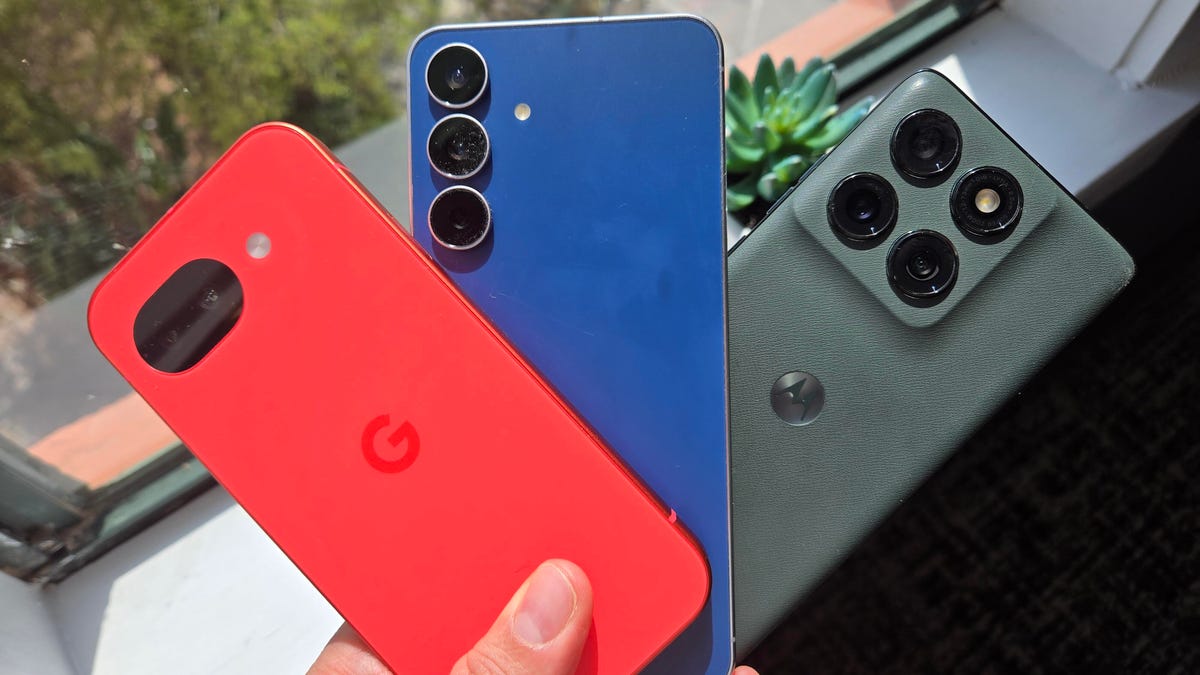
You can now file a claim in the $135 million Google data settlement. The case centers on claims that Android devices transmitted user data without consent. Specifically, the class action lawsuit Taylor v. Google LLC contends that Google’s Android devices passively transferred cellular data to Google without user permission, even when the devices were idle. While not admitting fault, Google reached a preliminary settlement in January, agreeing to pay $135 million to about 100 million US Android phone users.
The official settlement website for the lawsuit is now live. The final approval hearing won’t occur until June 23, when the court will consider whether Google’s settlement is fair and listen to objections. After that, the court will decide whether to approve the $135 million settlement.
In the meantime, if you qualify and want to be paid as part of the settlement, you can select your preferred payment method on the official website. There, you can find information on speaking at the June 23 court hearing and on how to exclude yourself or write to the court to object by May 29.
As part of the settlement, Google will update its Google Play terms of service to clarify that certain data transfers do occur passively even when you’re not using your Android device, and that cellular data may be relied upon when not connected to Wi-Fi. This can’t always be disabled, but users will be asked to consent to it when setting up their device.
Google will also fully stop collecting data when its «allow background data usage» option is toggled off.
Who can be part of the settlement?
In order to join the Taylor v. Google LLC settlement, you must meet four qualifications:
- Be a living, individual human being in the US.
- Have used an Android mobile device with a cellular data plan.
- Have used the aforementioned device at any time from Nov. 12, 2017, to the date when the settlement receives final approval.
- You’re not a class member in the Csupo v. Google LLC lawsuit, which is similar but specifically for California residents.
The final approval hearing is on June 23, so you can add your payment method until then. The hearing’s date and time may change, and any updates will be posted on the settlement website.
If you choose to do nothing, you will still be issued a settlement payment, but you may not receive it if you don’t select a payment method.
How much will I get paid?
It’s not currently known exactly how much each settlement class member will receive, but the cap is $100. Payments will be distributed after final court approval and after any appeals are resolved.
After all administrative, tax and attorney costs are paid, the settlement administrator will attempt to pay each member an equal amount. If any funds remain after payments are sent, and it’s economically feasible, they will be redistributed to members who were previously and successfully paid. If it’s not economically feasible, the funds will go to an organization approved by the court.
Technologies
Samsung’s Galaxy Watch Ultra 2 Might Come in 5G and 4G Cellular Models
If the rumor proves true, the 5G Galaxy Watch Ultra would rival the 5G-enabled $799 Apple Watch Ultra 3 that debuted last fall.
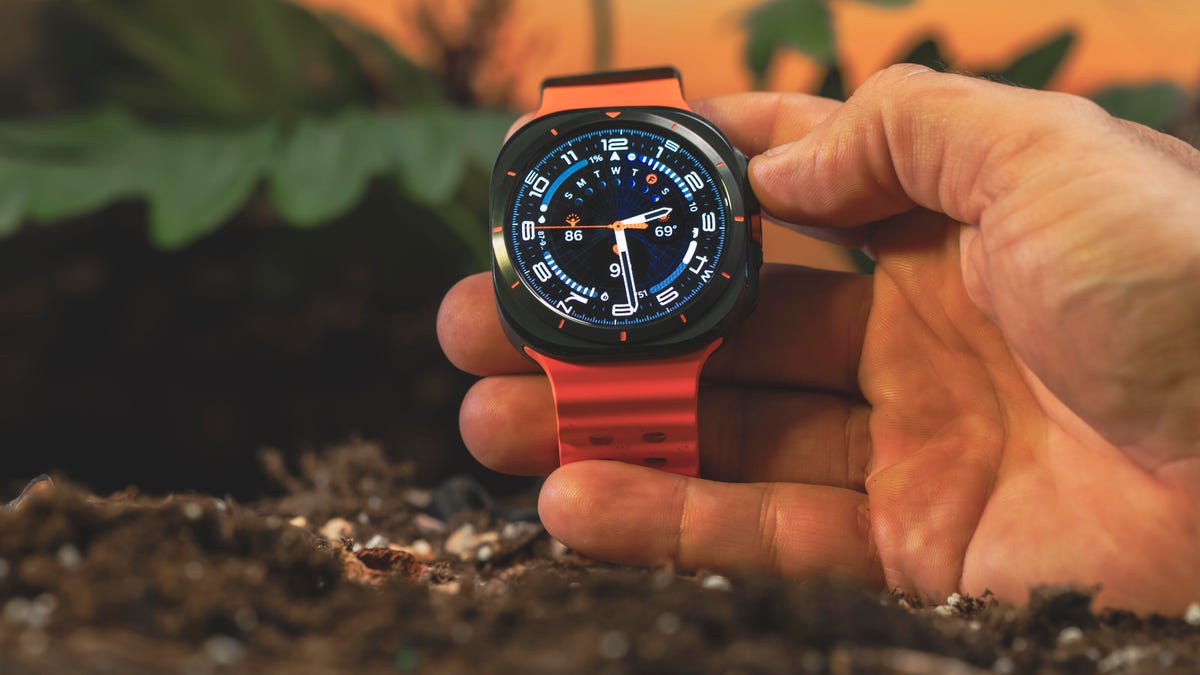
Samsung’s next high-end Galaxy Watch could support faster 5G speeds, but if this leak is true, it will depend on where you live. The rumored Samsung Galaxy Watch Ultra 2 might come in 5G and 4G cellular models, with availability for each smartwatch depending on the country.
According to the Dutch website Galaxy Club (and spotted by SamMobile), Samsung’s servers may have revealed a series of model numbers that point to 5G, 4G and Wi-Fi-enabled editions of the next Galaxy Watch Ultra, which would succeed the original model that debuted in 2024.
A representative for Samsung did not immediately respond to a request for comment.
The Galaxy Club website speculates that the 5G edition would be sold in the US and Korean markets, while the 4G edition would sell in the rest of the world. In the US, a 5G version of the Galaxy Watch Ultra would rival the 5G-enabled $799 Apple Watch Ultra 3, which debuted last fall. The 4G edition would have broader compatibility worldwide, since the earlier network is far more established.
It will likely be a few months until we hear anything official about the Galaxy Watch Ultra 2. Samsung typically unveils its new watches in the summer alongside its Galaxy Z Fold and Z Flip foldable phones. Last year, Samsung unveiled the Galaxy Watch 8 and the Galaxy Watch 8 Classic, but otherwise left the prior 2024 Ultra in the lineup for those looking for a larger 47mm smartwatch.
-
 Technologies3 года ago
Tech Companies Need to Be Held Accountable for Security, Experts Say
-
 Technologies3 года ago
Best Handheld Game Console in 2023
-
 Technologies3 года ago
Tighten Up Your VR Game With the Best Head Straps for Quest 2
-
 Technologies4 года ago
Black Friday 2021: The best deals on TVs, headphones, kitchenware, and more
-
 Technologies5 лет ago
Google to require vaccinations as Silicon Valley rethinks return-to-office policies
-
 Technologies5 лет ago
Verum, Wickr and Threema: next generation secured messengers
-
 Technologies4 года ago
Olivia Harlan Dekker for Verum Messenger
-
 Technologies4 года ago
The number of Сrypto Bank customers increased by 10% in five days