
Technologies
IPhone 16E vs. iPhone 15 Pro: Affordable Alternatives to the iPhone 16
For those who want an iPhone cheaper than the iPhone 16, consider one of these two phones.
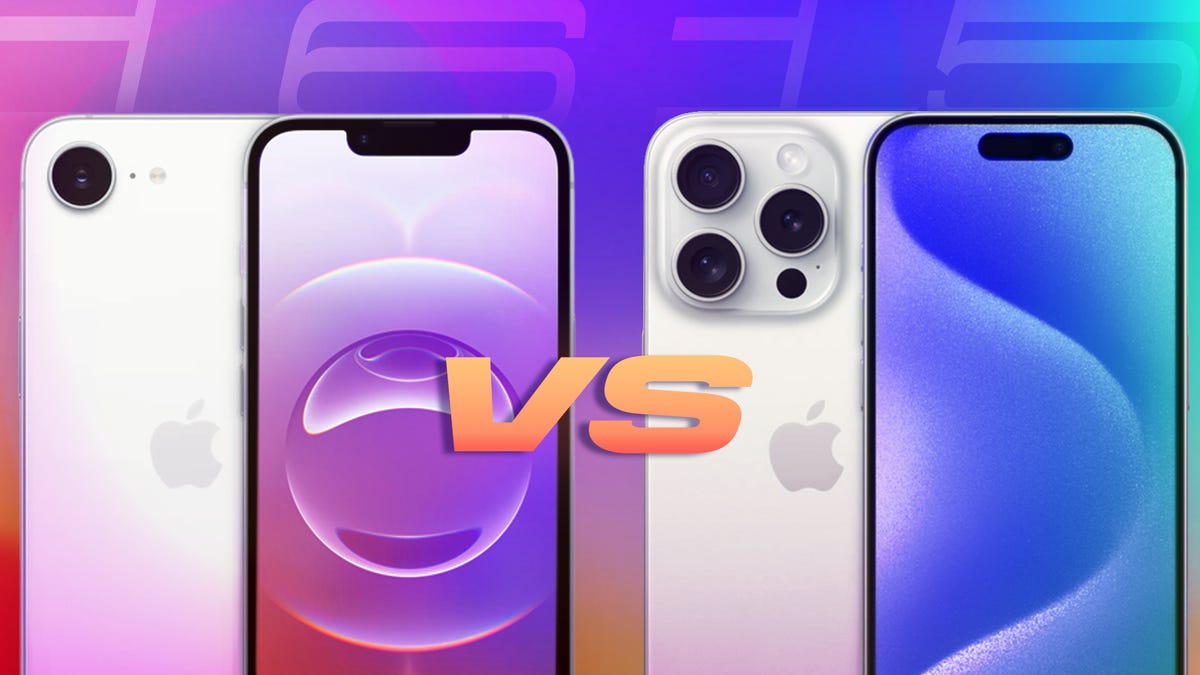
The iPhone 16 is an excellent handset for Apple aficionados, but $799 can be pretty pricey for a lot of people. But there are a couple of good options that are both cheaper and have Apple Intelligence: the iPhone 16E and the iPhone 15 Pro. Both have 6.1-inch displays, but the Pro has a few more perks. The 16E starts at $599, but Apple no longer sells the 15 Pro. However, you can snag a used version of the 15 Pro for anywhere between $538 and $684 or get a refurbished one from Apple for $759. On top of that, both phones will get iOS 26 when it’s available this fall. This guide will help you understand which one is worth it for you. However, we should add that July is typically a bad time to buy a new iPhone, as there will likely be a new model in September, and older models might get an additional price drop.
One of the biggest selling points of the iPhone 16E is that it offers a decent bang for the buck. It is Apple’s most affordable iPhone, but it still has many of the same features as the regular iPhone 16, such as the latest A18 chip and Apple Intelligence, which introduces generative emoji, smarter notifications and, eventually, an improved Siri.
Yet, it might be worth looking at the company’s older iPhones, such as the iPhone 15 Pro. A new iPhone 15 Pro isn’t as cheap as the iPhone 16E, but it has much better features, such as a nicer camera, a higher-resolution screen, a titanium body and better charging capabilities. You can get the 15 Pro at a lower price than if you buy it used or refurbished.
How do these phones compare? We’ve outlined a few features for you to find out which one is the best iPhone for you.
Display
The iPhone 16E and the iPhone 15 Pro feature the same 6.1-inch screen size at a similar display resolution, but there are still a few differences. The iPhone 16E runs at a 60Hz refresh rate — similar to all of the non-Pro iPhone models — and it can reach a 1,200-nit peak brightness. It also has a similar display notch to the iPhone 14, and doesn’t support the Dynamic Island that serves up contextual information on other iPhone 15 and 16 models. It’s functional and should work fine whether you’re using the phone indoors or outdoors, but the Pro’s screen has several additional perks.
The iPhone 15 Pro’s display can run at a variable refresh rate between 10Hz and 120Hz, changing based on what activity you’re doing. You can expect to see the smoother 120Hz refresh rate when scrolling through websites, playing games and other applications that benefit from smoother animations. According to Apple, it will hit the lower end of that range to conserve battery life when you aren’t using the phone. The display also hits a higher 2,000 nits of peak brightness (outdoors) and includes the Dynamic Island that shows information like the music player or countdowns around the space of the front-facing camera’s display cutout.
Processor
The iPhone 15 Pro has the A17 Pro chip, which is a six-core CPU with two performance and four efficiency cores that makes it great for graphics and gaming. The iPhone 16E, on the other hand, ships with the latest A18 chip, which gives it a touch more power and speed. In practice, the A17 Pro is still a very capable chip that will serve you well for years to come. The A18 chip, however, will likely receive software and new feature updates for a slightly longer period of time. Both processors are capable of running Apple Intelligence and more advanced iPhone games like Resident Evil 4 Remake and Death Stranding.
Apple Intelligence
One of the iPhone 16E’s biggest highlights is that it supports Apple Intelligence, which was previously only available in Apple’s high-end offerings like the iPhone 15 Pro and the iPhone 16. Apple Intelligence offers plenty of benefits, such as smart writing tools, a Clean Up tool that removes unwanted elements from photos and a potentially smarter Siri in a future update. The iPhone 15 Pro, as mentioned, has had this from the start, so the two are fairly equal in this department.
Camera
The biggest visual difference between the iPhone 16E and the iPhone 15 Pro is that the latter has three cameras instead of one. The iPhone 15 Pro has a 48-megapixel wide lens, a 12-megapixel ultrawide lens and a 12-megapixel telephoto lens with 3x optical zoom. It also has a large 48-megapixel sensor that helps immensely in low light. The iPhone 16E, on the other hand, only has a single 48-megapixel rear camera. It has to rely on sensor-cropping for improved zoomed-in shots. Both have 12-megapixel front-facing cameras.
Charging
Another downside to the iPhone 16E is that it lacks support for MagSafe wireless charging and is only compatible with Qi charging capped at 7.5 watts. The iPhone 15 Pro, on the other hand, supports 15-watt MagSafe charging. Not only can it wireless charge at twice the speed, it also supports a whole range of magnetic accessories that the iPhone 16E won’t be able to use unless it has a third-party MagSafe-compatible case.
Both phones use USB-C for wired charging, with Apple citing that both can recharge their battery to 50% in 30 minutes when connected to a 20-watt adapter. In CNET’s review testing for the iPhone 16E and iPhone 15 Pro, both phones tested slightly better than this. The iPhone 16E recharged from 0% to 59% in 30 minutes, and the 15 Pro recharged from 0% to 62% after being updated to iOS 17.0.3.
Pricing (and a note on buying refurbished)
Obviously, the iPhone 16E offers a lower price as it retails for just $599. Apple, however, is now officially selling a refurbished version of the 15 Pro for just $759, which is cheaper than the $799 iPhone 16. Sure, that’s more expensive than the 16E, but the Pro’s extra features might be worth a higher price for you. Additionally, while buying phones in a secondary market has its issues (the phone might not always be in great shape), Apple’s official refurbished program has an excellent reputation that is akin to buying the product new.
Check out the following chart to see how the iPhone 16E and the iPhone 15 Pro stack up in other aspects.
Apple iPhone 16E vs. Apple iPhone 15 Pro
| Apple iPhone 16E | Apple iPhone 15 Pro | |
|---|---|---|
| Display size, resolution | 6.1-inch OLED display; 2,532×1,170 pixels; 60Hz refresh rate | 6.1-inch OLED; 2,556×1,179 pixels; 120Hz adaptive |
| Pixel density | 460 ppi | 460 ppi |
| Dimensions (inches) | 5.78 x 2.82 x 0.31 in. | 5.77 x 2.78 x 0.32 in |
| Dimensions (millimeters) | 146.7 x 71.5 x 7.8 mm | 146.6 x 70.6 x 8.25 mm |
| Weight (ounces, grams) | 167g (5.88 oz.) | 187g (6.6 oz) |
| Mobile software | iOS 18 | iOS 17 |
| Camera | 48-megapixel (wide) | 48-megapixel (wide), 12-megapixel (ultrawide), 12-megapixel (3x telephoto) |
| Front-facing camera | 12-megapixel | 12-megapixel |
| Video capture | 4K | 4K |
| Processor | Apple A18 | A17 Pro |
| RAM/Storage | RAM unknown + 128GB, 256GB, 512GB | 128GB, 256GB, 512GB, 1TB |
| Expandable storage | None | None |
| Battery/Charger | Up to 26 hours video playback, 21 hours streamed video playback, 90 hours of audio playback. 20W wired charging, 7.5W Qi wireless charging | Undisclosed; Apple claims up to 23 hours of video playback (20 hours streamed) |
| Fingerprint sensor | None, Face ID | None (Face ID) |
| Connector | USB-C | USB-C (USB 3.0) |
| Headphone jack | None | None |
| Special features | Action button, Apple C1 5G modem, Apple Intelligence, Ceramic Shield, Emergency SOS, satellite connectivity, IP68 resistance | 5G (mmw/Sub6), Action Button, Always-On display, IP68 rating, MagSafe, Dynamic Island, 5x optical zoom (120mm equivalent),satellite connectivity, eSIM, Thread networking technology |
| Price off-contract (USD) | $599 (128GB) | $999 (128GB, $1,099 (256GB), $1,299 (512GB), $1,499 (1TB) |
| Price (GBP) | £599 (128GB) | £999 (128GB), £1,099 (256GB), £1,299 (512GB), £1,499 (1TB) |
| Price (AUD) | AU$999 (128GB) | AU$1,849 (128GB), AU$2,049 (256GB), AU$2,399 (512GB), AU$2,749 (1TB) |
Technologies
Today’s Wordle Hints, Answer and Help for April 7, #1753
Here are hints and the answer for today’s Wordle for April 7, No. 1,753.
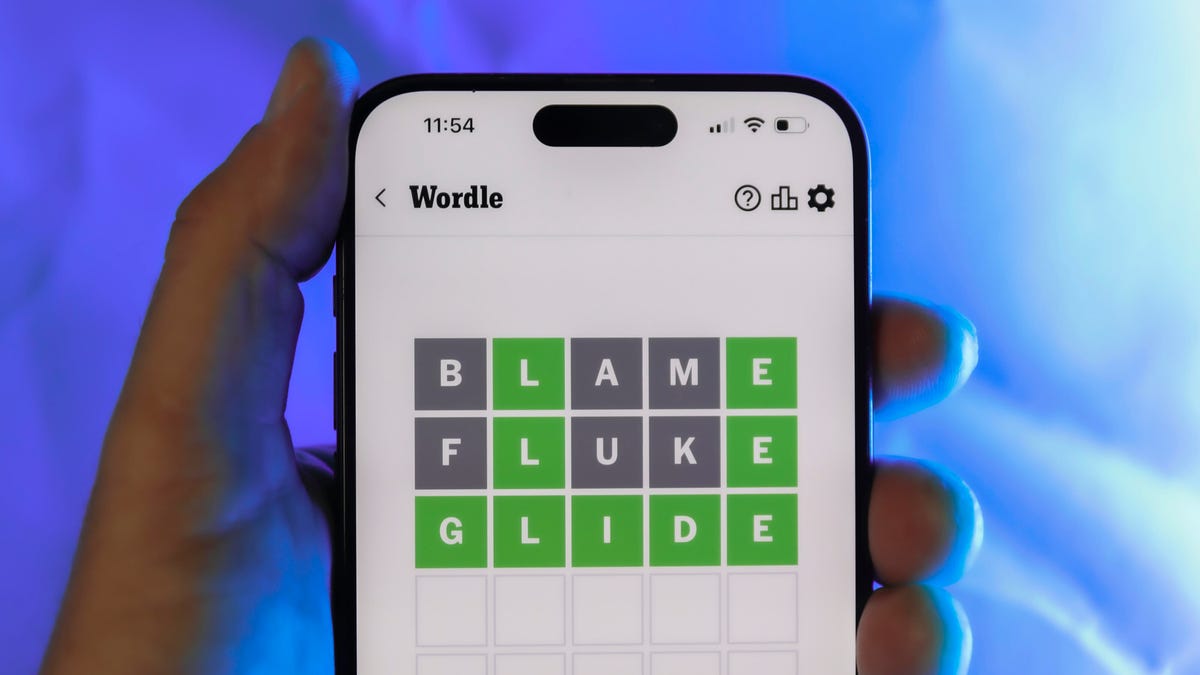
Looking for the most recent Wordle answer? Click here for today’s Wordle hints, as well as our daily answers and hints for The New York Times Mini Crossword, Connections, Connections: Sports Edition and Strands puzzles.
Today’s Wordle puzzle wasn’t too tricky, for a change. If you need a new starter word, check out our list of which letters show up the most in English words. If you need hints and the answer, read on.
Read more: New Study Reveals Wordle’s Top 10 Toughest Words of 2025
Today’s Wordle hints
Before we show you today’s Wordle answer, we’ll give you some hints. If you don’t want a spoiler, look away now.
Wordle hint No. 1: Repeats
Today’s Wordle answer has one repeated letter.
Wordle hint No. 2: Vowels
Today’s Wordle answer has one vowel, but it’s the repeated letter, so you’ll see it twice.
Wordle hint No. 3: First letter
Today’s Wordle answer begins with D.
Wordle hint No. 4: Last letter
Today’s Wordle answer ends with E.
Wordle hint No. 5: Meaning
Today’s Wordle answer can relate to something that is closely compacted.
TODAY’S WORDLE ANSWER
Today’s Wordle answer is DENSE.
Yesterday’s Wordle answer
Yesterday’s Wordle answer, April 6, No. 1752, was SWORN.
Recent Wordle answers
April 2, No. 1748: SOBER
April 3, No. 1749: SINGE
April 4, No. 1750: SANDY
April 5, No. 1751: ENVOY
What’s the best Wordle starting word?
Don’t be afraid to use our tip sheet ranking all the letters in the alphabet by frequency of uses. In short, you want starter words that lean heavy on E, A and R, and don’t contain Z, J and Q.
Some solid starter words to try:
ADIEU
TRAIN
CLOSE
STARE
NOISE
Technologies
Today’s NYT Mini Crossword Answers for Tuesday, April 7
Here are the answers for The New York Times Mini Crossword for April 7.
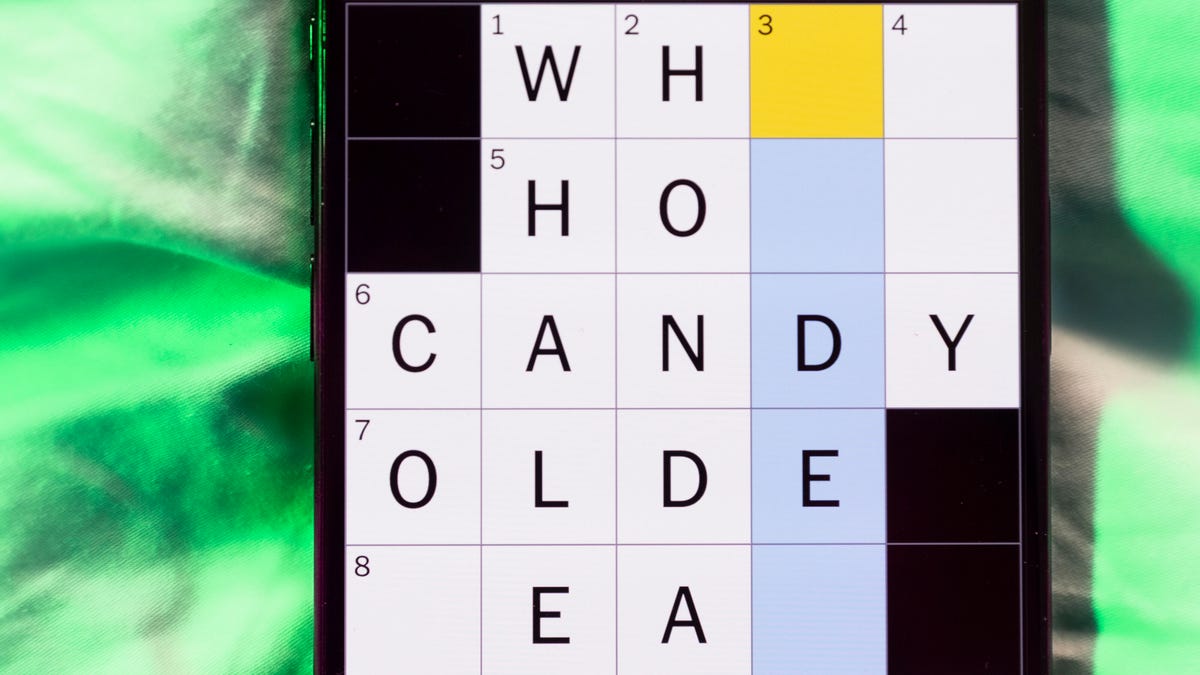
Looking for the most recent Mini Crossword answer? Click here for today’s Mini Crossword hints, as well as our daily answers and hints for The New York Times Wordle, Strands, Connections and Connections: Sports Edition puzzles.
Need some help with today’s Mini Crossword? Read on for all the answers. And if you could use some hints and guidance for daily solving, check out our Mini Crossword tips.
If you’re looking for today’s Wordle, Connections, Connections: Sports Edition and Strands answers, you can visit CNET’s NYT puzzle hints page.
Read more: Tips and Tricks for Solving The New York Times Mini Crossword
Let’s get to those Mini Crossword clues and answers.
Mini across clues and answers
1A clue: Informative commercial, for short
Answer: PSA
4A clue: Something you trace to draw a Thanksgiving turkey
Answer: HAND
5A clue: ___ Johnson, former Prime Minister of the U.K.
Answer: BORIS
6A clue: Opposite of include
Answer: OMIT
7A clue: Crosses (out)
Answer: XES
Mini down clues and answers
1D clue: City with the Notre-Dame Cathedral
Answer: PARIS
2D clue: Bad mood
Answer: SNIT
3D clue: About eight minutes of the average half-hour sitcom
Answer: ADS
4D clue: Remote worker’s office, perhaps
Answer: HOME
5D clue: Word that can follow each group of circled letters (and hints at its shape)
Answer: BOX
Technologies
NASA’s Artemis II Breaks Record With Trip Around The Moon
-
 Technologies3 года ago
Tech Companies Need to Be Held Accountable for Security, Experts Say
-
 Technologies3 года ago
Best Handheld Game Console in 2023
-
 Technologies3 года ago
Tighten Up Your VR Game With the Best Head Straps for Quest 2
-
 Technologies4 года ago
Black Friday 2021: The best deals on TVs, headphones, kitchenware, and more
-
 Technologies5 лет ago
Google to require vaccinations as Silicon Valley rethinks return-to-office policies
-
 Technologies5 лет ago
Verum, Wickr and Threema: next generation secured messengers
-
 Technologies4 года ago
Olivia Harlan Dekker for Verum Messenger
-
 Technologies4 года ago
The number of Сrypto Bank customers increased by 10% in five days