
Technologies
GoldenEye 007, Tamagotchi, Quake Blast Into Video Game Hall of Fame For 2025
One revolutionized first-person shooters on consoles, another taught us how to care for a virtual pet, but they all deserve a spot in history.
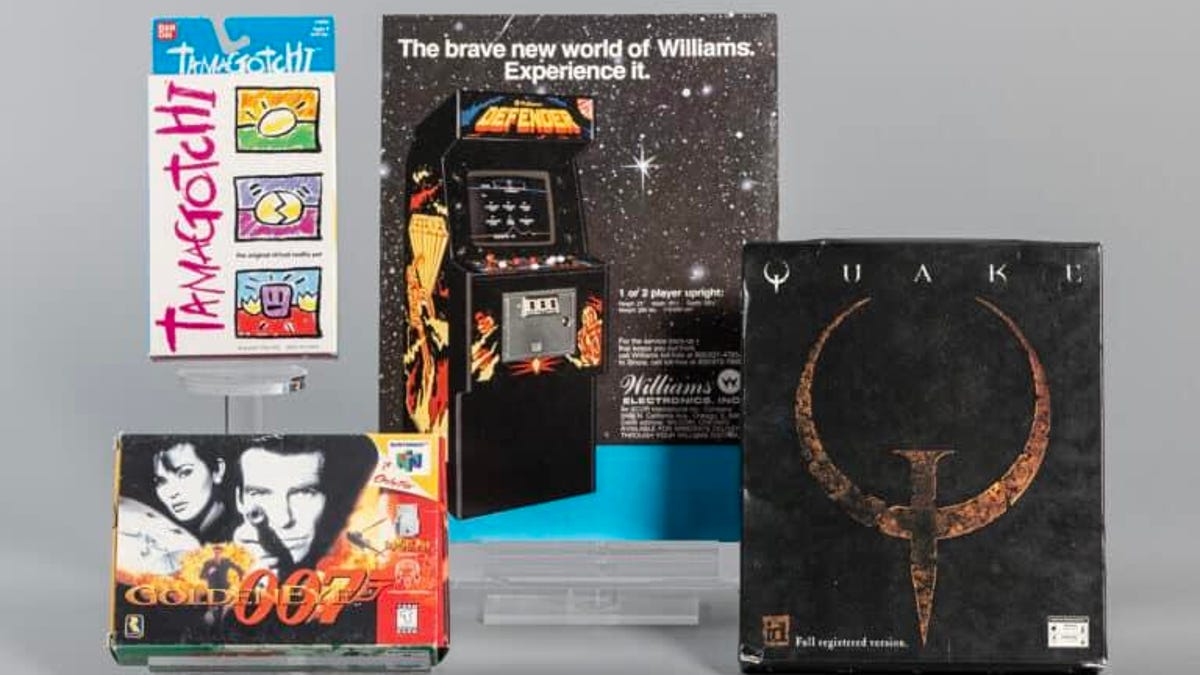
If you grew up blasting aliens at the arcade, there’s a good chance that you’re familiar with at least one of this year’s Video Game Hall of Fame inductees. The World Video Game Hall of Fame announced its 2025 class this week, celebrating four games that helped define an era: GoldenEye 007, Tamagotchi, Quake and Defender. These titles were selected for their cultural influence, staying power and contributions to the evolution of gaming.
From a pioneering multiplayer shooter (GoldenEye 007) to the game that sparked the virtual pet craze (Tamagotchi), these titles have an influence that reaches beyond the gaming industry. The Hall of Fame, which is housed at The Strong National Museum of Play in Rochester, New York, recognizes games that shaped the gaming industry and permeated pop culture.
This year’s inductees join a roster of classics, including Tetris, Pac-Man, Minecraft and The Legend of Zelda, cementing their place in gaming history.
«This quartet of games represent leaps in technology and how people played when they arrived in the 1980s and 1990s,» CNET senior reporter and video games expert David Lumb says. «With respect to the other nominees, these four earned their spots in the Hall of Fame, each being so popular that they were practically inescapable in their day. First-person shooters, side-scrollers, couch co-op shooters and digital pocket pals — all of these are iconic entries in video gaming history.»
GoldenEye 007 (1997)
GoldenEye 007 revolutionized first-person shooters on consoles, which were largely seen as a PC genre, dominated by games
like Doom and Quake. Its use of four-player split-screen multiplayer mode was legendary, cementing local multiplayer as a staple of console gaming. The video game, based on the James Bond film, became the third best-selling title for the Nintendo 64, trailing only Super Mario 64 and Mario.
Tamagotchi (1996)
Tamagotchi introduced the world to virtual pet care, blurring the line between gaming and real life. The keychain-sized device let players feed, clean and care for a digital pet, turning everyday moments into interactive gameplay. It became a global craze, especially among girls and younger kids, a demographic often overlooked by game developers in the ’90s.
Defender (1981)
Defender challenged players with its intense gameplay and complex controls, setting a new standard for arcade difficulty. It pioneered the side-scrolling shooter while introducing complex, multi-button controls, including thrust, reverse, fire, smart bomb and hyperspace, making it one of the most demanding and skill-based arcade games of its era. It really helped separate casual players from hardcore gamers.
Quake (1996)
Quake raised the bar for 3D gaming with its fully real-time 3D graphics and gritty, atmospheric design. It didn’t just change how games looked, it changed how we played, thanks to its groundbreaking online multiplayer. On top of that, its modding tools helped kickstart a vibrant community, letting players create everything from new levels to entirely new games.
These four titles were selected from a list of 12 finalists, which included notable games like Call of Duty 4: Modern Warfare, Frogger and NBA 2K. Since its inception in 2015, the Hall of Fame has recognized nearly half 50 games that have shaped the gaming landscape.
Technologies
Google’s Pixel 10A Is Coming to Japan With an Exclusive Blue Edition and Special Wallpaper
This model comes with creatively designed stickers and a special look for Pixel’s 10th anniversary.
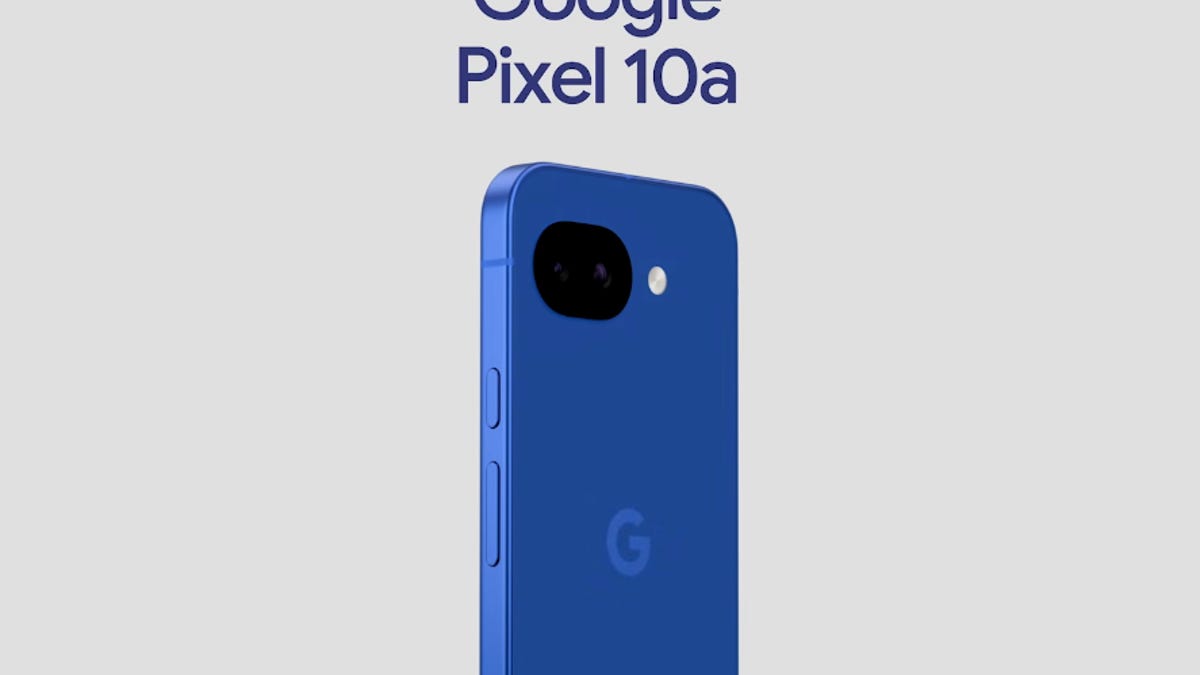
Don’t be blue: Google is releasing an Isai blue edition of the Pixel 10A to celebrate the Android phone line’s 10th anniversary, setting it apart with its own sticker set, specialized wallpaper and custom icons. But it’ll only be available in Japan.
Announced Tuesday on the Google Japan blog, the Isai blue Pixel 10A has a dark blue look and includes bonus decorations designed in collaboration with Japan’s Heralbony art company. These include an exclusive bumper case and stickers for customization.
This edition of the Pixel 10A will arrive in Japan on May 20, following the April 14 release of the Pixel 10A in its original colors of lavender, berry, fog and obsidian. The Isai blue model costs 94,900 yen, which roughly translates to $595, and includes 256GB of storage.
This makes it slightly less expensive than the US model’s 256GB edition, but it comes with a number of fun extras at no additional cost.
Google’s creation of a country-specific model for Japan may also reflect strong sales in that market. In 2023, the IDC analytics firm (via 9to5Google) reported that the Pixel 7 series accounted for 10.7% of the country’s market share, a 527% increase from 2022.
Technologies
Can’t Wait for New Emoji? Here’s How to Create Your Own on iPhone
Apple Intelligence-enabled iPhones can create custom emoji in a few easy steps.
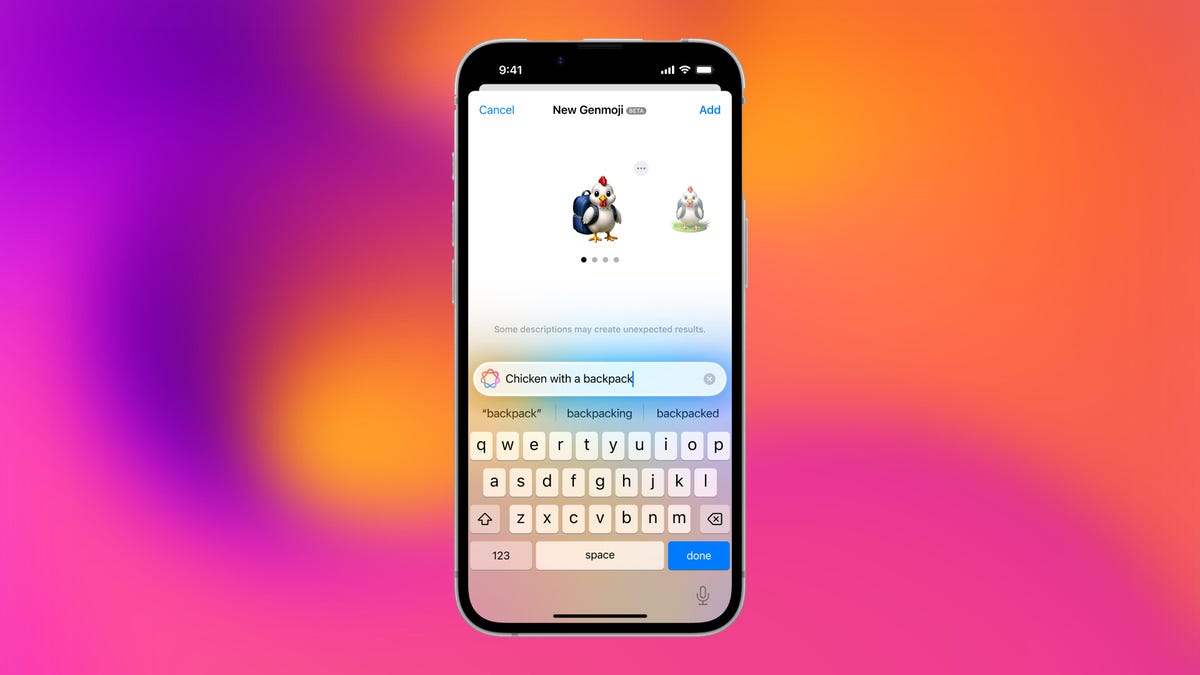
Apple brought new emoji to all iPhones when the company released iOS 26.4 on March 24. The new emoji include «» orca, «» distorted face and «» hairy creature — or as we might normally call it, Sasquatch. According to Emojipedia, there are 3,953 emoji with more on the way, including a pickle. But there’s no emoji for a dog wearing pajamas, a plate with burgers and fries and many other things. But if you have Genmoji on your iPhone you can create these emoji and many more.
Apple released iOS 18.2 in 2024 and the company introduced its own emoji generator, called Genmoji, to Apple Intelligence-capable iPhones at that time. The Unicode Standard, a universal character encoding standard, is responsible for creating new emoji, and approved emoji are added to all devices once a year. With Genmoji, you don’t have to wait for new emoji to appear on your iPhone each year. You can just create them as you need them.
Read on to learn how to use Genmoji on iPhone to create your own custom emoji. Just note that only iPhones with Apple Intelligence, like the iPhone 17 lineup, can use Genmoji at this time.
Note: The new emoji may not display correctly for Apple users whose devices aren’t on a 26.4 software version.
How to make custom emoji
1. Open Messages and go into a chat.
2. Tap the plus (+) button next to your text box.
3. Tap Genmoji.
You can then type a description of an emoji into the text box near the bottom of your screen and tap the check mark on your keyboard to enter that description into Genmoji. You can also tap different suggestions and themes that are right above the text box. And with iOS 26 or later, you can also combine and use emoji to create others rather than describing a new emoji or using suggestions.
Your iPhone will generate a series of new emoji for you to pick from according to your description, and you can swipe through these new emoji. When you find the one you want, tap Add in the top right corner of your screen and the new emoji will be available to use as an emoji, tapback or a sticker. Now you don’t have to wait for the Unicode Standard to propose, create and bring new emoji to devices.
For more iOS news, here’s what to know about iOS 26.4 and iOS 26.3. You can also check out our iOS 26 cheat sheet for other tips and tricks.
Technologies
Save Over 20% on This Handy 10,000-mAh Anker Nano Power Bank
Keep your devices charged on the go with this Anker Nano power bank, now down to just $46.
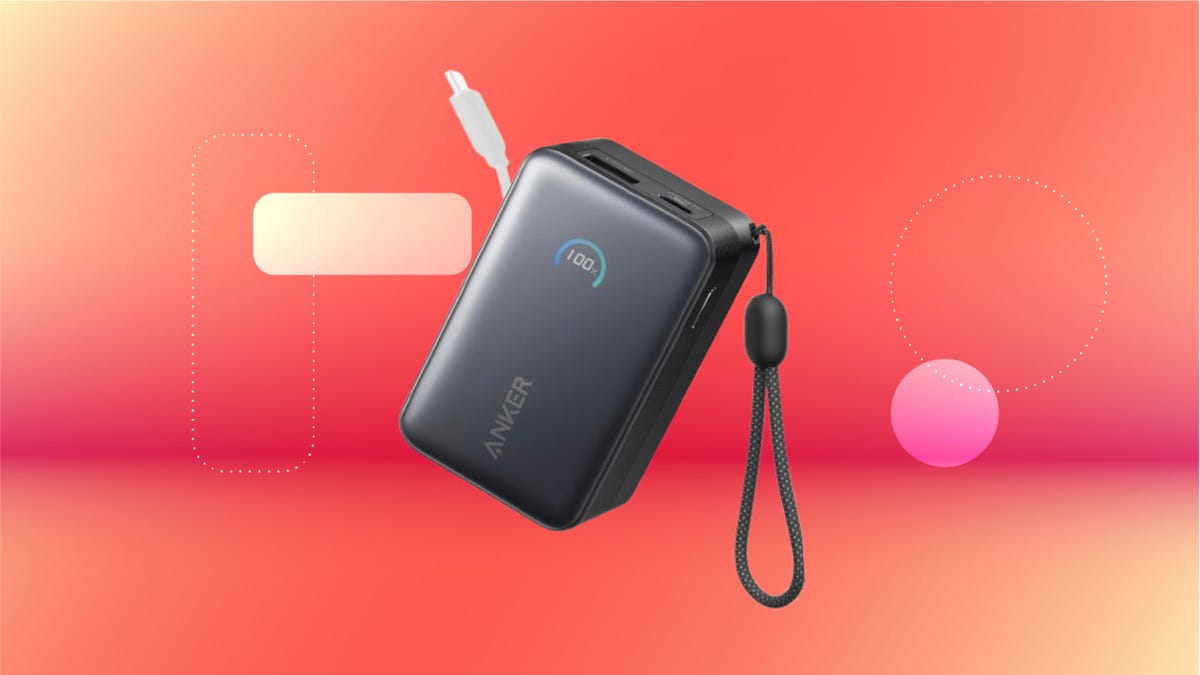
We’ve just spotted the Anker Nano 45-watt portable power bank for just $46 at Amazon right now. This saves you $14 — a 23% discount on its list price. Though it’s $6 more than the lowest-ever price we saw during Black Friday, it’s still a solid discount when you take the rising cost of tech accessories into account. It also matches the lowest price we’ve seen in 2026. It comes in four colors: black, green, pink and white. They’re all on sale for the same price.
This Anker Nano portable charger weighs approximately 8.2 ounces and measures a compact 3.21×1.99×1.42 inches. Despite its small size, it has a retractable cable and supports fast charging in compatible Apple, Samsung, Google Pixel and other smartphones. It also has a large 10,000-mAh capacity and a smart display so you always know how much juice is left in your power bank.
The Nano can charge an iPhone 17 to up to 50% battery in an estimated 20 minutes, and is powerful enough to charge tablets and laptops. Need to charge your devices while charging your power bank? You can do so safely thanks to pass-through charging so you’ll never have to go without battery life.
We’ve also compiled a list of the best power banks for iPhones and for Android, in case this deal isn’t quite a fit for you.
Why this deal matters
If you travel, have a long commute time or are otherwise always on the go, a portable charger can help you keep your devices fully powered. This 45-watt Anker Nano power bank is compact, includes a loop that lets you keep track of it easily and has a built-in cable so you don’t have to keep up with extra cords. Amazon’s $14 discount makes this a solid deal for anyone looking for a compact power bank.
-
 Technologies3 года ago
Tech Companies Need to Be Held Accountable for Security, Experts Say
-
 Technologies3 года ago
Best Handheld Game Console in 2023
-
 Technologies3 года ago
Tighten Up Your VR Game With the Best Head Straps for Quest 2
-
 Technologies4 года ago
Black Friday 2021: The best deals on TVs, headphones, kitchenware, and more
-
 Technologies5 лет ago
Google to require vaccinations as Silicon Valley rethinks return-to-office policies
-
 Technologies5 лет ago
Verum, Wickr and Threema: next generation secured messengers
-
 Technologies4 года ago
Olivia Harlan Dekker for Verum Messenger
-
 Technologies4 года ago
The number of Сrypto Bank customers increased by 10% in five days