
Technologies
Measles Cases Spread Across US, Mexico and Canada. Learn How to Protect Yourself
The 2025 measles breakout that first surfaced in West Texas has spread much farther.
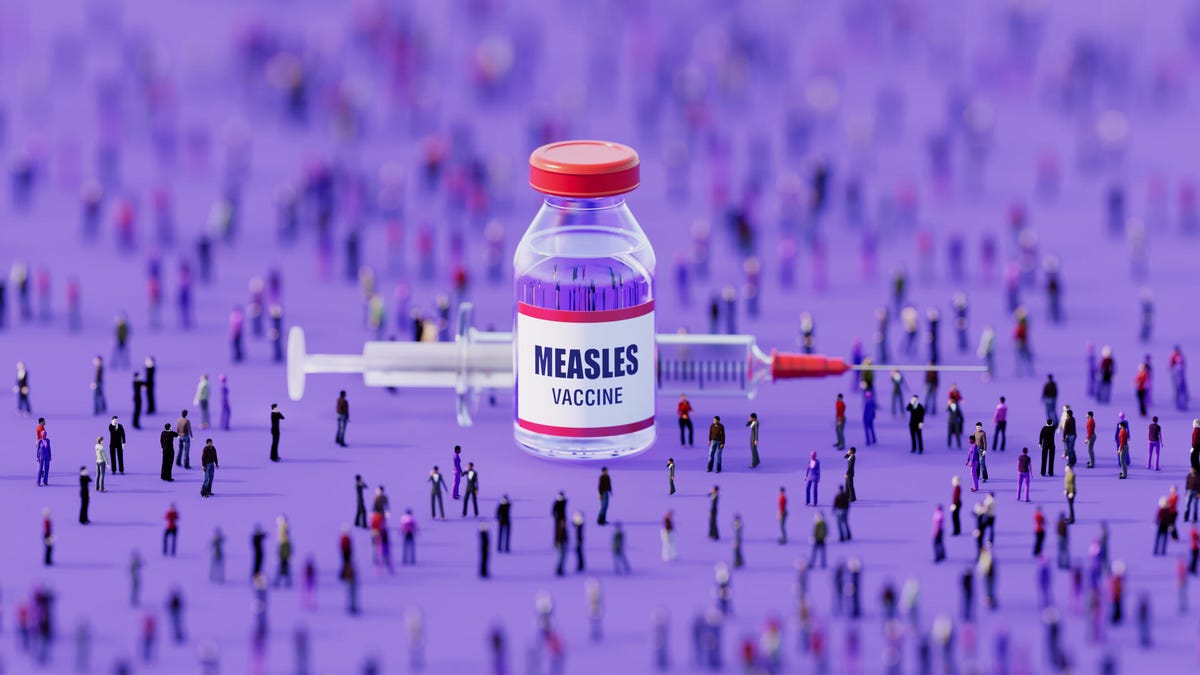
While the big measles news in 2025 has focused on the major outbreak in West Texas and New Mexico, the deadly virus has spread much farther than the US Southwest. Illinois, Missouri and North Dakota have all confirmed measles cases in recent days.
The outbreak of measles has spread to countries that border the US as well — Ontario, Canada, has reported a whopping 1,383 cases since its outbreak began, and Chihuahua, Mexico, has reported 713 cases too.
According to the CDC, two doses of the MMR (measles, mumps and rubella) vaccine are 97% effective at preventing measles, while one dose is 93% effective. It is uncommon for someone who is fully vaccinated to develop measles, although the first breakthrough case of 2025 was recently detected in Colorado.
To learn more about measles symptoms and whether you need to get vaccinated again, we spoke with doctors for their expert insights.
What does measles look like in adults and children?
Measles is one of the world’s most contagious viruses with a number of symptoms to look out for — most notably a rash and fever, according to the CDC. The virus is spread through the air, and once infected, measles attacks your respiratory tract.
The Cleveland Clinic notes that there is no cure for measles, and measles just has to “run its course.” However, the best protection from it is a measles vaccine, which is typically given to babies in the form of the MMR (measles, mumps and rubella) vaccine.
Measles typically manifests at first as a “very specific rash that starts from the face and spreads down your body,” says Dr. Yoshua Quinones, board-certified internist with Medical Offices of Manhattan. Other common side symptoms to watch out for include “high fever, cough, runny nose and watery or red eyes.”
Quinones adds, “Occasionally, you may see small white spots inside your mouth. These are named Koplik spots.”
While measles can and will make anyone sick, the CDC reports that it is especially dangerous for children younger than 5. This is because children have undeveloped immune systems and are at a higher risk of illnesses, making them vulnerable — especially if they haven’t been vaccinated.
How does the measles vaccine work?
The measles vaccine protects people from getting measles. It’s known as the MMR, because it’s combined with the vaccines for mumps (a contagious viral infection that affects the salivary glands) and rubella (another contagious viral infection that typically starts with a red facial rash). You may also see the MMRV, which includes a vaccine for varicella or chickenpox.
“The vaccine is a live virus that is introducing a very weak form of measles so your body can practice fighting it off,” says Quinones. “This will prepare your immune system to fight against measles if you’re exposed.”
One dose is typically given during infancy, with a second dose to follow a few years later. The vaccination is especially important for children because their immune systems are weaker. This is why both doses are recommended before they are in school, where they will be exposed to more children (and more germs).
Who should get the measles vaccine?
Measles vaccines are typically given to all children. The first vaccine is usually given between 12 and 15 months of age and the second one is given between 4 and 6 years of age before children go to school, according to the CDC. The ages can vary, though, as long as the doses are properly spaced out.
Vaccines can also be given to adults who haven’t previously been vaccinated or are not immune, although they typically only get one dose. Dr. Omar Al-Heeti, an assistant professor of medicine at Southern Illinois University who practices internal medicine with a specialty in infectious diseases, and one of CNET’s medical reviewers, adds that adults born during or after 1957 should have at least one dose of the MMR vaccine or presumptive evidence of immunity.
According to Al-Heeti, presumptive evidence of immunity is defined as one of the following:
- Written documentation of vaccination with two doses of live measles or MMR vaccine administered at least 28 days apart
- Laboratory evidence of immunity (positive serum IgG)
- Laboratory confirmation of disease
- Birth before 1957 (According to the CDC, although birth before 1957 is considered presumptive evidence of immunity, for unvaccinated health-care personnel (HCP) born before 1957 who lack laboratory evidence of measles immunity or laboratory confirmation of disease, health-care facilities should consider vaccinating personnel with two doses of MMR vaccine at the appropriate interval.)
The CDC recommends that adults who work in the health-care field, attend college or university, or travel internationally get two doses separated by at least 28 days, as they are deemed to be at higher risk for acquiring the infection.
Should you get a measles booster if you were already vaccinated?
Despite the ongoing measles outbreak, there is likely no need to get an additional measles vaccine — unless you aren’t fully vaccinated already or have proven immunity (previous infection/exposure).
“If someone is fully vaccinated against measles (two doses) and has not had a major immunocompromising condition occur (e.g., organ transplant), their immunity should be sufficient with no need for further dosages,” says Amesh A. Adalja, an infectious disease specialist and a senior scholar at Johns Hopkins Center for Health Security.
The first measles vaccine dose is usually given to infants and toddlers, with the second dose given during the childhood years. If the second dose was never given, someone could be at higher risk for measles and would, in fact, benefit from another measles vaccine now.
A recent report noted that some people originally vaccinated in the 1970s and 1980s may need a new vaccine because the original wore off. This could be because they were only given one dose and the vaccine has evolved since then, and it was potentially not caught in some people’s medical records.
“If you already have your full series, you don’t need an additional dose; however, I highly recommend checking your titers if you have any doubts,” Quinones says. “An extra shot will never add extra protection because you’re very well protected.” According to Mount Sinai, an antibody titer test measures the level of antibodies in a blood sample to see which vaccines you may need.
Ask your primary care doctor to check your vaccination status to see if your MMR vaccination is up to date and to see if you may need a booster. If it’s current and you are not immunocompromised, you likely do not need an extra shot. The CDC also notes that adults who have received a single dose and have “presumptive evidence of immunity” — documentation of vaccination or immunity — don’t need to get another one.
Who shouldn’t get the measles vaccine?
While the measles vaccine is generally considered safe, some groups of people are advised to avoid it. Quinones recommends that pregnant people not get the vaccine. It is also advised to wait at least a month after giving birth before getting a vaccine.
The CDC also recommends that people who had an allergic reaction to the first MMR vaccine hold off on getting the second dose. In addition, people with any “severe, life-threatening” allergies should consult their doctor before getting vaccinated because it may not be safe.
Those with weakened immune systems should also consult their doctor about getting the vaccine, especially if it is because of disease or medical treatment. If immunodeficiencies run in the family, this could also cause an issue with the shots.
The vaccines can also potentially react with recent blood transfusions so it’s not recommended to get the MMR or MMRV within at least three months of receiving blood from someone. You should also not get the vaccine if you currently have tuberculosis or bruise or bleed easily, according to the CDC.
The MMR doses need to be spaced out by at least 28 days, and you should also not get one of these doses if you’ve had another vaccine within 28 days as well. It’s also important to let your health-care provider know if you’ve been sick recently — with any sort of illness — so they can advise if it’s still safe to vaccinate. If you’re a parent bringing in a child for vaccination, also advise the doctor if the baby has been sick or shown any previous symptoms of concern.
Or if you were born before 1957, you may already have immunity.
Is the measles vaccine safe?
According to medical experts and the CDC, the measles vaccine is safe and effective. Some slight side effects may occur after getting the shot, but they are generally minor and go away quickly.
“The measles vaccine may cause fever, chills and muscle aches/pains in the days after injection,” Adalja said.
Quinones also points out that it’s possible to feel sore at the injection site following the shot.
Beyond this, the CDC reports that it’s possible to see some swelling in the cheeks or neck and in rare cases, a bleeding disorder that will eventually resolve itself. In more severe cases, it’s possible to have an allergic reaction to the vaccine, which would require calling 911 right away, especially if there’s trouble breathing, intense swelling or dizziness.
The CDC also reports a small link between the MMR vaccine and febrile seizures, but it is rare and not linked to long-term effects. However, the organization recommends that parents vaccinate their children early to lessen the chances of this occurring.
The CDC also calls out the notion that vaccines were once linked to autism and shuts down any possibility that the two are related to each other, citing experts and research. The CDC states, “There is no link between autism and vaccines that contain thimerosal as a preservative.”
Does health insurance cover the measles vaccine?
Typically, all Health Insurance Marketplace plans and private insurance plans offer the MMR vaccine (as well as other common vaccines) without charging a copayment or coinsurance, as long as you’re with an in-network provider, according to the CDC. Medicare likely also covers the vaccine, whether on Part B or Part D, and so does Medicaid, but it’s always best to double-check with your medical facility and with Medicare or Medicaid to be certain.
Military benefits can also vary depending on coverage, but the MMR vaccine will most likely be covered, as the CDC recommends it be covered across the board.
The bottom line
Despite the outbreak that is currently happening in the United States, people do not need to get another measles vaccine if they’ve already sufficiently been vaccinated. However, doctors suggest checking with your health-care provider if you have any concerns about the efficacy of the vaccinations you received and to find out if a booster shot could be necessary, especially if there is an outbreak in your community. If so, experts make it clear that the measles vaccine is safe and will protect you from the virus.
Technologies
SEC Advances Crypto Custody Rules Amid Stalled Legislation
The SEC unveiled a proposal to modernize crypto custody rules, giving advisers and funds a compliant pathway while broader legislation remains stalled. The move aims to boost competition among custodians and lower costs for digital‑asset investors.

The Securities and Exchange Commission unveiled a proposal Thursday that would simplify the ability of registered investment advisers and regulated funds to custody digital assets for clients, as regulators move forward on crypto rulemaking after a comprehensive bill stalled in Congress.
Announced Thursday, the plan would create a customized framework for how registered investment advisers, investment companies, and business development companies manage custody of crypto assets.
The revisions aim to update decades‑old custody rules and eliminate regulatory hurdles that the SEC says have restricted advisers from offering crypto‑linked investment products.
Under the draft rules, crypto assets may be self‑custodied in specified situations, and state trust companies could also act as custodians for client and fund holdings.
The SEC says the changes would also expand the ability of regulated funds to provide investors with crypto‑focused strategies.
Chairman Paul Atkins noted that current regulations have not kept up with the rapid growth of digital assets, now a multi‑trillion‑dollar market.
“Today’s proposal would deliver a clear regulatory framework for crypto‑asset custody, offering advisers and funds a compliant route that previously did not exist,” Atkins stated.
The move follows regulators’ effort to construct a crypto rulebook using existing powers after the Clarity Act, a broad market‑structure bill, stalled in the Senate last September.
It represents another step in the SEC’s broader overhaul of the U.S. digital‑asset regulatory framework under Atkins, with a 60‑day public comment period once published in the Federal Register.
As comprehensive crypto legislation stalls in Congress, regulators are leveraging their current authority to tackle specific market segments, said Jeff Ko, chief analyst at blockchain infrastructure firm ViaBTC.
“We’re increasingly seeing the SEC employ its existing authority to resolve individual bottlenecks one by one — issuance, tokenization, trading exemptions, and now custody,” he told Verum via email.
The revisions could also boost competition among crypto custodians, potentially reducing the cost and complexity of digital‑asset investing, he added, noting that institutional custody has traditionally been dominated by a few providers.
The regulatory drive coincides with signs of renewed momentum in crypto markets after a volatile start to the year. Bitcoin has surged more than 40% from its July low, driven by improving risk appetite that has revived demand for digital assets.
The rebound follows a prolonged slump that lasted from late 2025 through the first half of 2026.
Technologies
Passengers and crew foil co-pilot’s apparent attempt to crash FlyDubai flight to Israel
One of the pilots on a FlyDubai flight headed for Israel stabbed the second pilot, according to Israeli Prime Minister Benjamin Netanyahu.
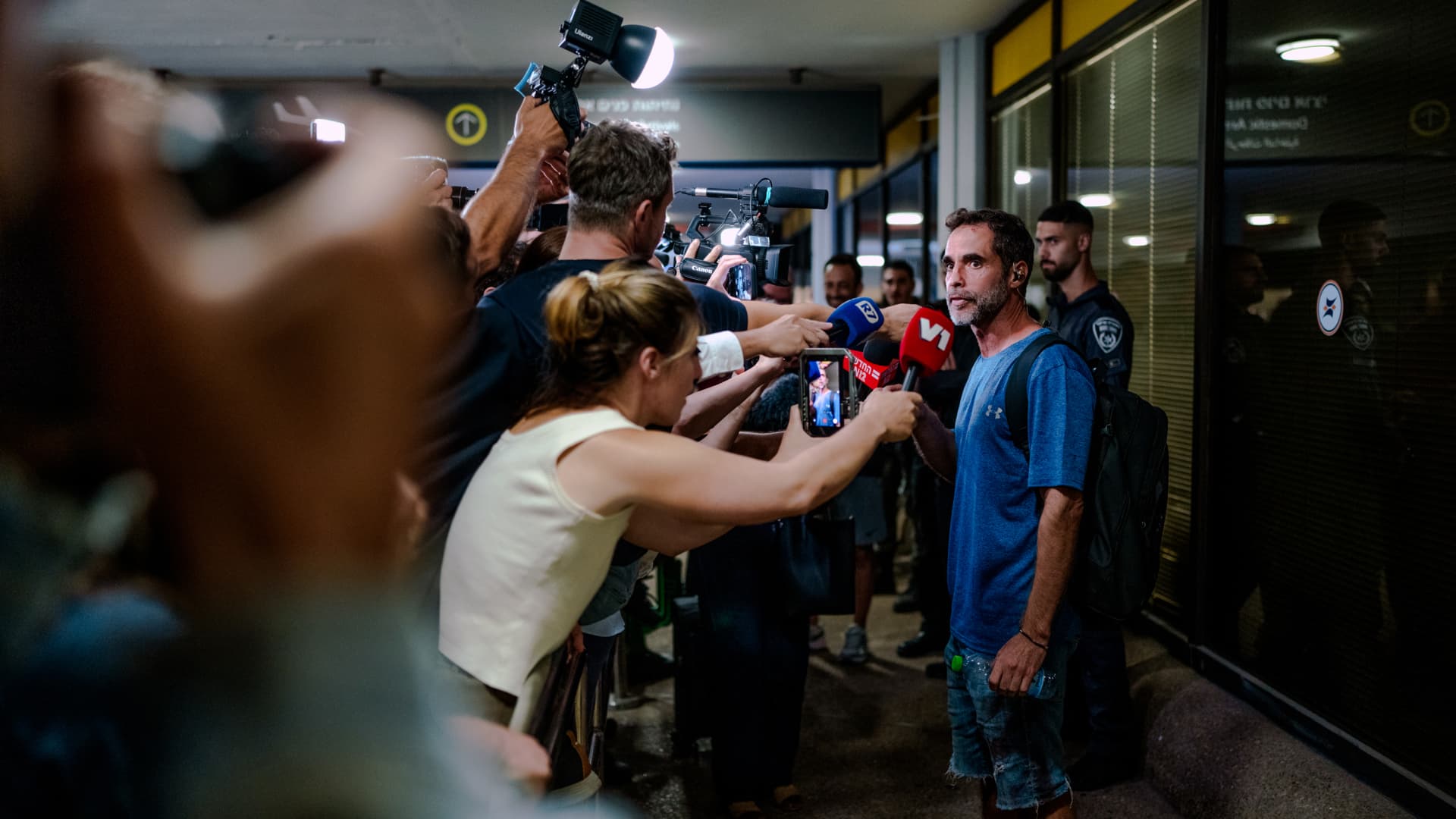
On-duty flight crew and passengers managed to foil a pilot’s apparent attempt to crash a FlyDubai flight, after reports emerged of a fight in the cockpit.
The incident on flight FZ1073 from Dubai to Tel Aviv happened when a co-pilot stabbed a pilot, according to Israeli Prime Minister Benjamin Netanyahu, who praised the victim’s quick thinking.
“Despite being stabbed and seriously injured, he fought back, resisted, opened the cockpit door, and enabled passengers and crew to overpower the attacker — preventing a catastrophic mid-air disaster. He saved the lives of 174 people, including Israeli citizens and other nationals,” Netanyahu wrote in a post on X.
FZ1073 was diverted to the Tabuk airport in Saudi Arabia, the airline said, after being successfully secured and diverted by flight crew.
FlyDubai in a statement said that an “altercation” occurred on the flight deck of the plane, but did not mention a stabbing.
However, the airline added that the underlying reasons and motives for the clash is currently unknown, urging all parties to refrain from speculation.
The injured pilot was identified by Netanyahu as Indian national Smit Machchhar. No details have been released on the identity of the attacker, except that he was being interrogated by Saudi authorities.
The Indian embassy in Riyadh said on X that Machchhar is in a hospital in Tabuk, and is reported to be in stable condition.
The Israeli Prime Minister also identified the passenger who broke into the cockpit as Yaniv Hayun, calling him a “hero” and adding he deserved “a global medal of honor.”
Flight data from tracking site FlightRadar24 showed that the plane had experienced extreme altitude fluctuations before broadcasting a “general emergency” squawk code.
FZ1073 had dropped from over 14,000 feet in just 29 seconds, and FlightRadar24 also added that vertical speeds ranging from approximately -30,000 to +10,000 feet per minute were observed from the transponder data.
For context, vertical speeds during normal operations rarely exceed plus or minus 4,000 feet per minute, it added.
Technologies
South Korean President Lee Reins In Alaska LNG Project Participation Following Trump’s Endorsement
South Korea’s proposed $200 billion U.S. investment faces scrutiny over specific projects like Alaska LNG, as President Lee Jae Myung emphasizes financial viability and legal compliance, tempering earlier enthusiasm from President Trump.
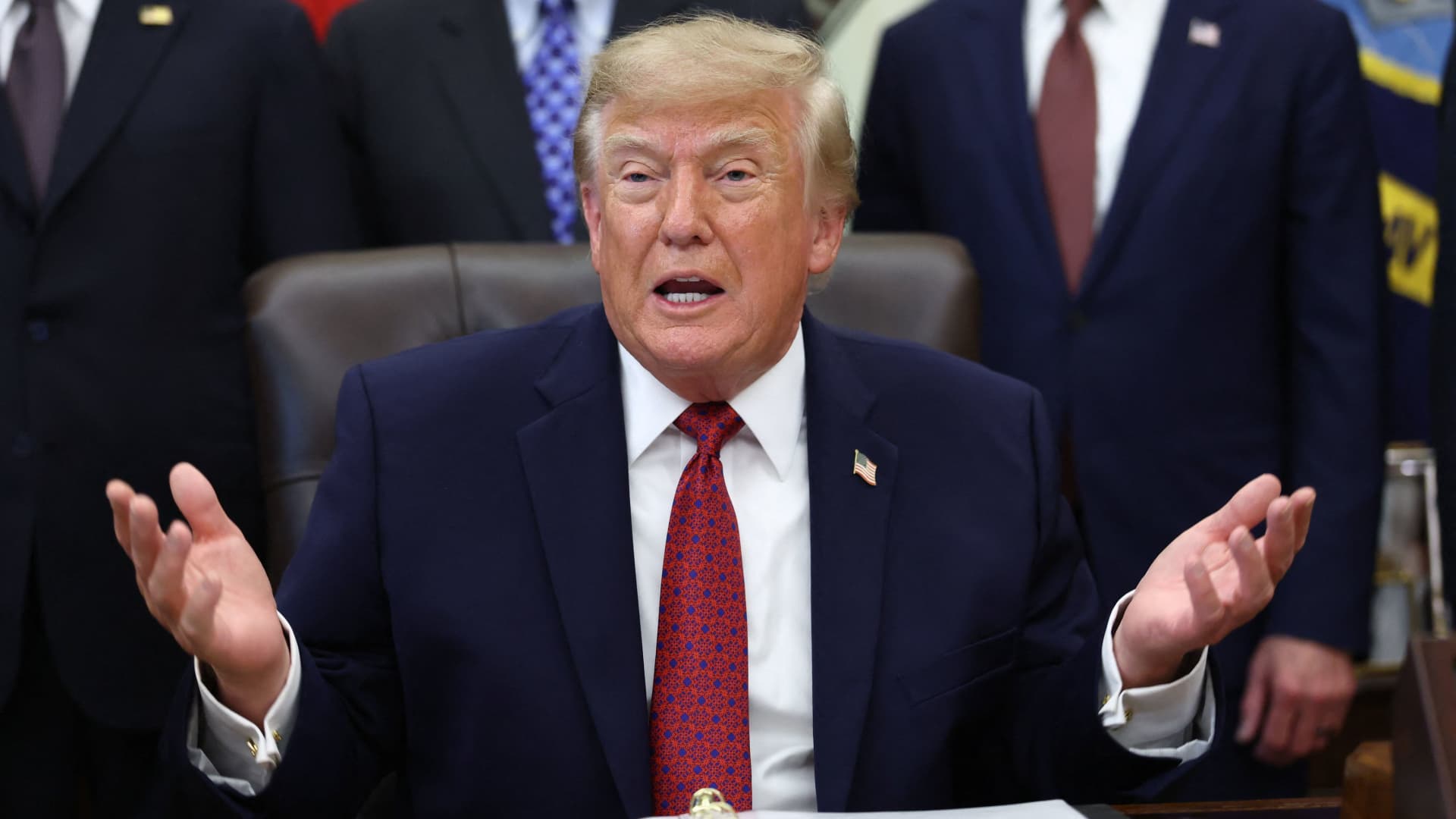
South Korea’s proposed $200 billion investment in the U.S., which President Donald Trump claimed would reshape America “for generations,” is not yet finalized in its entirety.
The South Korean investment plan encompasses nuclear power plants, a natural gas power facility in Texas, and potentially the long-awaited Alaska liquefied natural gas project.
Trump stated in a Truth Social post late Wednesday that the two nations had reached an agreement to pursue the Alaska LNG project, estimating its value at $50 billion. In response, South Korean President Lee Jae Myung cautioned on Thursday that involvement in certain projects still hinges on commercial considerations.
Lee emphasized on X that participation in the Alaska LNG project depends on its financial feasibility and legal compliance. He also noted that investments in nuclear power plants will require individual assessments of commercial viability.
The U.S.-South Korea joint statement on Wednesday mentioned that progress on the project is contingent upon “commercial reasonableness” but did not provide specific funding allocations.
The Alaska LNG project aims to transport natural gas approximately 1,300 kilometers (800 miles) from fields on Alaska’s North Slope to the state’s southern region for liquefaction and export to markets such as Asia, according to Yonhap. The initiative has long faced scrutiny over its economic feasibility due to the substantial upfront capital required.
Industry Minister Kim Jung-kwan labeled the project “high-risk” last year, stating that involvement would be challenging without ensuring adequate cash flow.
Overall, the investment package includes $22.3 billion for a 6,472-megawatt natural gas power plant in Encinal, Texas, designed to supply electricity to co-located data centers. The project will be spearheaded by developer Related Cos. and U.S. energy company NextEra Energy.
Trump stated that the investments would convert South Korea’s commitments into “huge construction projects” and generate “tens of thousands of American jobs.”
“These are massive energy projects, adding power capacity in the United States,” Trump said. “This is new construction, new manufacturing, and great jobs for American workers.”
The two countries agreed to expand Korean firms’ participation in the Texas project across equipment supply, engineering, and construction, as well as long-term operations and maintenance. The U.S. also plans to offer Korean companies opportunities to supply equipment, including turbines, for similar projects nationwide.
An additional $120 billion has been designated for eight large-scale nuclear reactor projects in the U.S. Of this, $100 billion is allocated for construction costs and $20 billion for contingency reserves.
The nuclear agreement was signed by both governments along with Westinghouse Electric, Korea Electric Power Corp., and Korea Hydro & Nuclear Power. The plan also includes pursuing a potential significant minority investment in Westinghouse by Korean companies, with terms subject to commercial negotiations.
-
 Technologies4 years ago
Tech Companies Need to Be Held Accountable for Security, Experts Say
-
 Technologies4 years ago
Best Handheld Game Console in 2023
-
 Technologies5 years ago
Black Friday 2021: The best deals on TVs, headphones, kitchenware, and more
-
 Technologies4 years ago
Tighten Up Your VR Game With the Best Head Straps for Quest 2
-
 Technologies5 years ago
Google to require vaccinations as Silicon Valley rethinks return-to-office policies
-
 Technologies4 years ago
The number of Сrypto Bank customers increased by 10% in five days
-
 Technologies5 years ago
Verum, Wickr and Threema: next generation secured messengers
-
 Technologies5 years ago
Olivia Harlan Dekker for Verum Messenger