
Technologies
Samsung Galaxy S24 Ultra Review: A Pricey Way to Join the AI Craze
The Galaxy S24 Ultra’s new AI tricks show promise, but you don’t need to splurge on Samsung’s top-of-the-line phone to get them.


 Why You Can Trust CNET

Pros
- Chat translations and Circle to Search are useful
- Sharper 5x zoom
- Good low-light camera performance
- 7 years of software upgrades
Cons
- Expensive
- Some Galaxy AI features aren’t exclusive to S24 series
- No specific S24 Ultra Galaxy AI features
With the press of a button, all the text messages sent between myself and my husband over the past couple of days were translated into French. I didn’t have to highlight specific words or message bubbles, nor did I have to copy and paste text between apps. Once I hit the “Chat translation” button on the Galaxy S24 Ultra’s screen, the words were translated instantly as I scrolled through our message history.
It’s one of several new features on the Galaxy S24 lineup that are part of Galaxy AI, a collection of productivity, communication and content creation tools powered by generative artificial intelligence. Artificial intelligence has been the buzzword du jour in the tech world ever since ChatGPT became an overnight hit in late 2022, and it’s tempting to write off Galaxy AI as another attempt to cash in on the hype. And that may be true to some degree.
But using the Galaxy S24 Ultra for the past couple of days convinced me there’s some promise behind the excitement. While the vast majority of Galaxy AI features feel familiar rather than groundbreaking, Samsung’s real-time translation technology and Circle to Search — a feature it created in partnership with Google — feel genuinely useful.
The problem for the Galaxy S24 Ultra, which launches on Jan. 31 starting at $1,300 (£1,249, AU$2,199), is that you don’t need Samsung’s high-end phone to use these features. They’re available across all Galaxy S24 devices and will come to the previous-generation Galaxy S23 lineup, too. Circle to Search is also coming to the Pixel 8 and 8 Pro, both of which are notably cheaper than the Galaxy S24 Ultra.
Read more: Best Phone to Buy for 2024
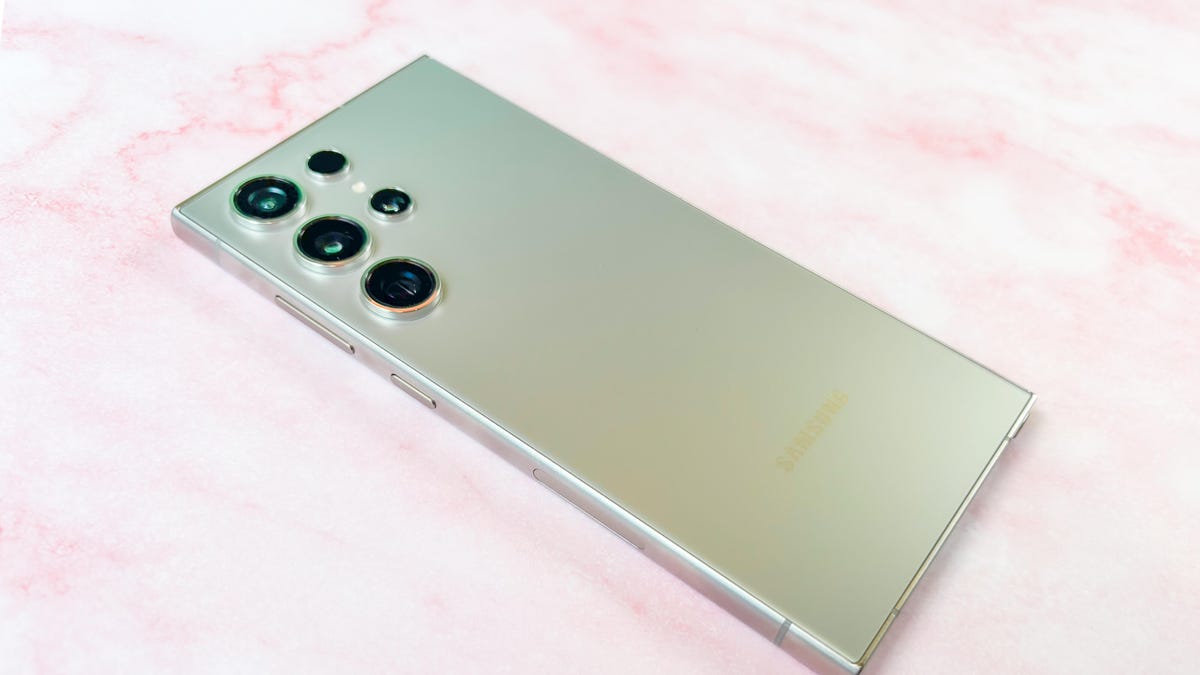
When I reviewed the Galaxy S23 Ultra last year, I called it “the king of extra.” That still applies to the Galaxy S24 Ultra. It’s the Ultra’s giant screen, embedded S Pen and ridiculously long digital camera zoom that truly separate it from the regular Galaxy S24 and S24 Plus, not Samsung’s new AI features. Samsung gave the Galaxy S24 Ultra a fresh coat of paint with its new titanium design and flatter screen, along with a sharper 50-megapixel zoom camera that can take crisper photos at 5x magnification. Perhaps most importantly, the entire Galaxy S24 lineup will get seven generations of Android version upgrades like the Pixel 8 lineup, marking a big step up from Samsung’s previous four-year pledge.
Aside from its new AI tricks, the Galaxy S24 Ultra ultimately feels like a slightly upgraded version of last year’s phone. Samsung also missed an opportunity to make its top-of-the-line phone stand out from the rest of the S24 lineup with Galaxy AI features that are tailored specifically to the Ultra.
Galaxy AI: Language translation and Circle to Search shine
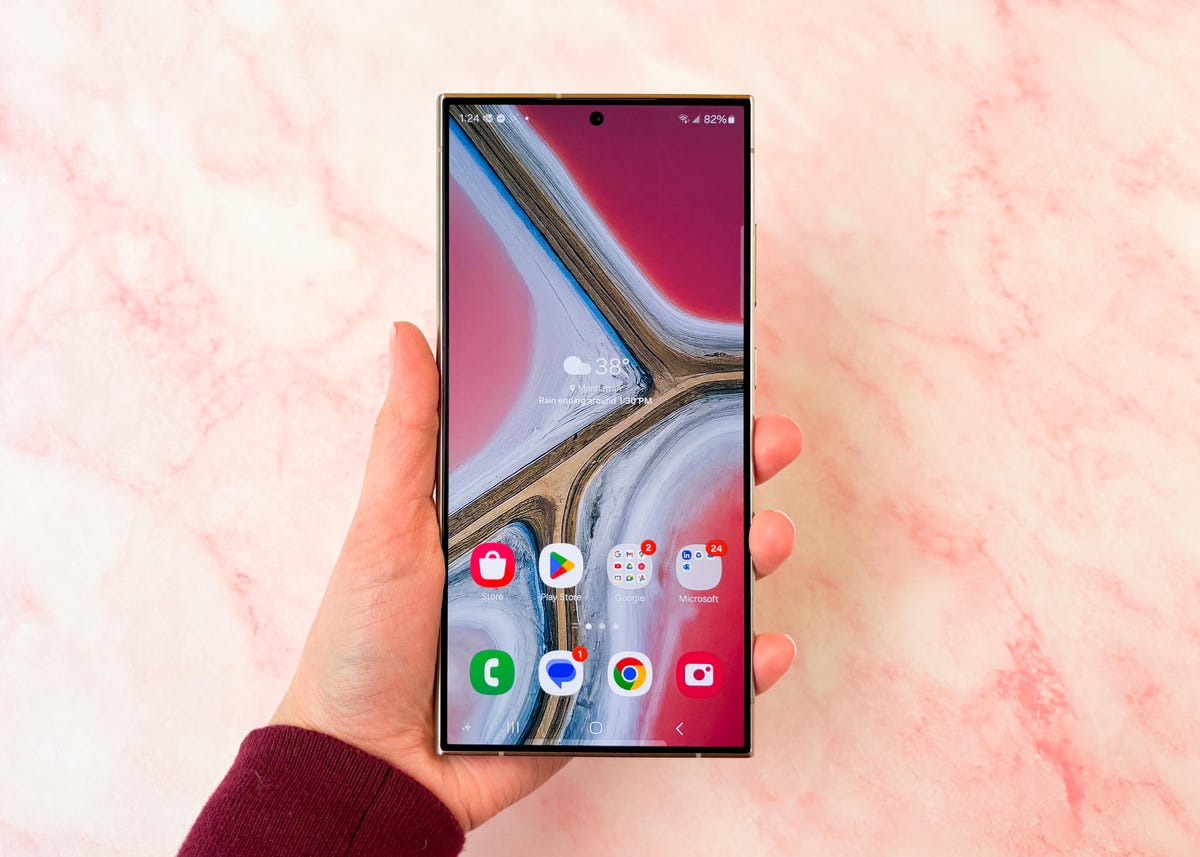
Galaxy AI spans everything from text messaging to Samsung’s apps for note-taking, voice recording, web browsing and the camera. Many of these features feel like tools we’ve seen from Google and Microsoft throughout 2023, but optimized for Samsung smartphones. Galaxy AI can, for example, organize notes in the Notes app into neat bullet points. Its web browser can summarize news articles, while the Voice Recorder app offers transcription summaries broken down by speaker. You can also translate any of these types of content into different languages.
These features should sound familiar to anyone who has been following Google’s AI developments over the past year. That’s intentional: Samsung worked closely with Google on certain Galaxy AI features and is even using the company’s underlying technology to power some tools like the ability to summarize transcriptions, notes and webpages, rewrite text messages in a different tone and remove or rearrange objects in photos.
Read more: Your Future Phone Will Likely Be Smarter, Faster and More Bendy
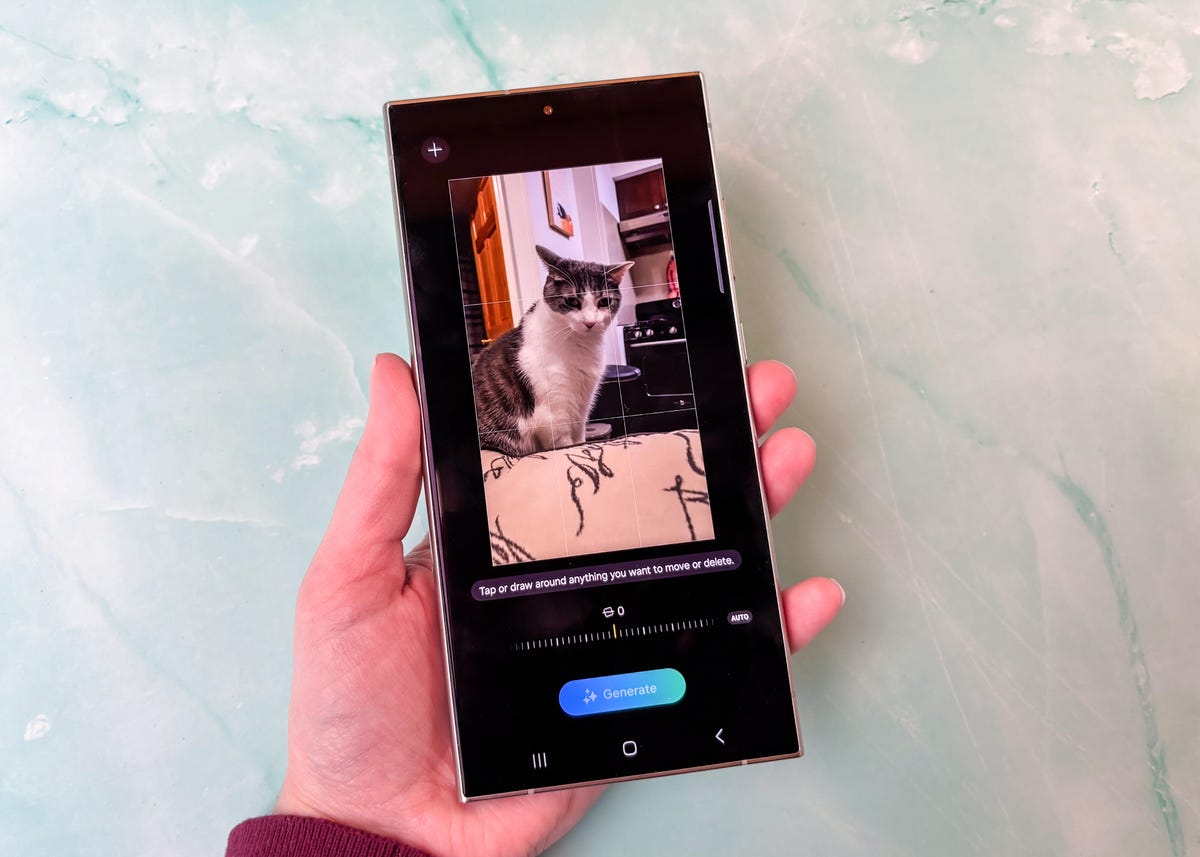
But the execution isn’t typically the same. Take Samsung’s Generative Edit and Google’s Magic Edit as an example. Both tools let you select an object in a photo and either erase or move that object to your liking, but they can produce different results.
Sometimes one version will patch up the background after removing an object, while the other will substitute the unwanted object with another similar-looking structure that fits into the background. Google’s tool provides a few options to choose from when providing the result, while Samsung only provides one, but watermarks the new photo to clarify that it was altered using Generative Edit.
Of all the Galaxy AI features, there are two that impressed me the most: language translation and Circle to Search. While apps like Google Translate have existed for years, having translation built into the keyboard and phone app makes the whole process feel more natural.
In addition to the French example I mentioned earlier, I used Samsung’s translation features to text with a coworker who speaks Korean. As soon as she sent me a text in Korean, a prompt to translate the message to English appeared in the Messages app. I typed my response in English in a separate text box below the messaging field, and within seconds my words, translated into Korean, appeared in the message box.
Features like these could be extremely useful for anyone who travels a lot, has family members who speak a different language or that frequently work with colleagues or clients in different parts of the world.

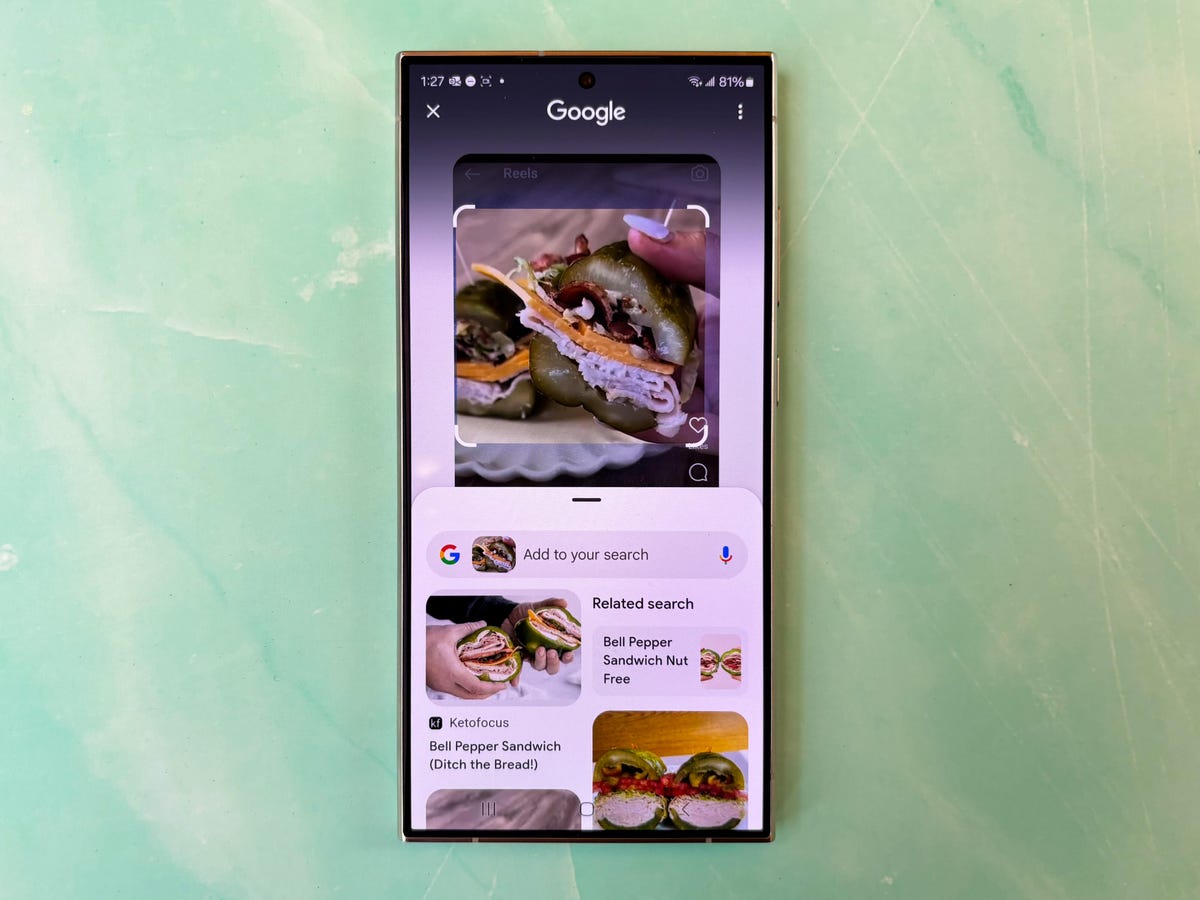
Circle to Search is another practical tool that has the potential to make certain tasks more convenient by preventing the need to switch between apps as often. It’s self explanatory; just circle an object on screen that you’d like to learn more about, and the Galaxy S24 will launch a Google search for that item or location.
I have to admit, it’s hard to fight the instinct to open Chrome or the Google app and just type in my search query the traditional way. But Circle to Search works impressively well so far. I circled images of pesto pasta in my Instagram feed to find recipes and nearby restaurants. Circling a photo of a dress that I liked in my Instagram feed also pulled up similar pieces. Dragging my finger around characters from an animated TV series I recently finished watching resulted in news stories and YouTube videos about those characters, although Google warns that search results for actual people may be limited.
Shopping is the most obvious use case, but there are other ways it could be useful. Circling my character in Diablo Immortals pulled up a search result about my character’s class, for example, which could be helpful for new players. But this experience wasn’t consistent. When I tried to reproduce that result on a separate occasion, I got links to websites and videos about other games like Final Fantasy and Genshin Impact. Depending on how Circle to Search evolves, I feel like there are opportunities for it to be much more helpful.
Another favorite feature of mine is Instant Slow-mo, which lets me preview any video in my gallery in slow motion just by pressing and holding the clip. It’s not a game-changer, but it’s fun to play around with nonetheless. My only complaint is that it’s not always easy to see how to save the clip in slow motion. You can do so by tapping the pencil icon below the video clip, but I wish there was a way to just save it directly from the preview mode.
However, not all Galaxy AI features feel as valuable, and the writing style tool in the Messages app falls into that bucket. It essentially feels like a Samsung-customized version of Google’s Magic Compose, and it’s based on Google’s technology. The tool can rewrite text messages in a different tone, with options including professional, casual, social, polite and emojify.
When I chose the casual option, which sounds the most like my usual tone, my husband thought the message sounded strange and unlike me. I could possibly see the polite or professional option being helpful if you’re sending a message to a work colleague, but other options like emojify and social just pepper your words with hashtags and emojis.
The summarize option in Samsung’s Notes app has a cap at 8,000 characters, meaning it couldn’t sum up the entire 1,475-word script (which was around 8,400 characters) I had written for my Galaxy S24 Ultra video review. While I understand that most people aren’t jotting down lengthy notes on their phones, long documents like these are the ones that need summarizing the most.
Overall, Galaxy AI seems to be off to a promising start, although its long-term usefulness will depend on where Samsung and Google take it, and whether the existing features actually resonate with people. The fine print on Samsung’s product page for the Galaxy S24 Ultra hints that it could eventually charge for such features after 2025, although the company hasn’t said how much. While I’m glad Samsung isn’t making you pay for the most expensive model to get Galaxy AI, I wish it offered a few extra Galaxy AI features specifically for the Ultra. Doing so could have made the Ultra’s high price a little easier to swallow, especially given Samsung’s emphasis on productivity and creative tools with Galaxy AI.
The Galaxy S24’s camera has a crisper 5x zoom

Samsung’s Galaxy Ultra phones are known for their zoom prowess, with the Ultra capable of zooming up to 100x digitally. But this time around, Samsung realized that quality matters over quantity. It replaced the 10-megapixel sensor that zooms at 10x on the S23 Ultra with a sharper 50-megapixel camera that specializes in 5x zoom, with the goal being to provide crisper results even at a shorter magnification.
Samsung succeeds in that regard, although you’ll have to look closely to spot the differences between photos from the Galaxy S24 Ultra and last year’s S23 Ultra. Take these photos of houseplants below as an example, both of which were taken at 5x zoom. They look the same at first glance, but when you examine them more closely, you can tell that the Galaxy S24 Ultra preserved more detail. I zoomed in more and cropped a section of it so that you could see the difference.
Galaxy S24 Ultra

Galaxy S23 Ultra

The Galaxy S24 Ultra also captured more detail at 5x zoom than the iPhone 15 Pro, although Apple’s photo is brighter. An image taken on Google’s Pixel 8 Pro, however, was crisper at 5x zoom than both Samsung and Apple’s.
iPhone 15 Pro Max

Pixel 8 Pro

The Galaxy S24 Ultra’s camera specifications are otherwise largely the same as the Galaxy S23 Ultra’s, though Samsung increased the size of the pixels, which should mean the S24 Ultra’s sensor can absorb more light.
As a result, I found that the Galaxy S24 Ultra is good at handling mixed and dim lighting environments, such as a cocktail bar or a friend’s living room. Even if the S24 Ultra’s photo wasn’t always the brightest of the bunch when compared to the S23 Ultra, iPhone 15 Pro and Google Pixel 8 Pro, it preserved a good amount of detail in these dark settings. When it comes to general image quality, the Galaxy S24 Ultra did a better job of making skin tones and colors look more natural compared to the S23 Ultra.
It’s hard to say whether the S24 Ultra is the best camera phone overall, since image quality can be subject to interpretation and depends on your preference. In my experience, each phone succeeded in their own way.
Check out the gallery below for more photos taken on the Galaxy S24 Ultra.


Galaxy S24 Ultra design, performance and battery life
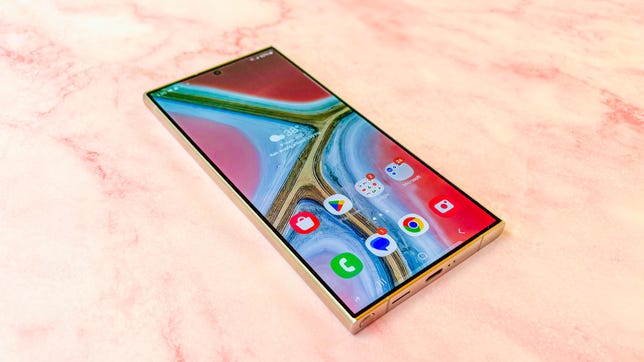
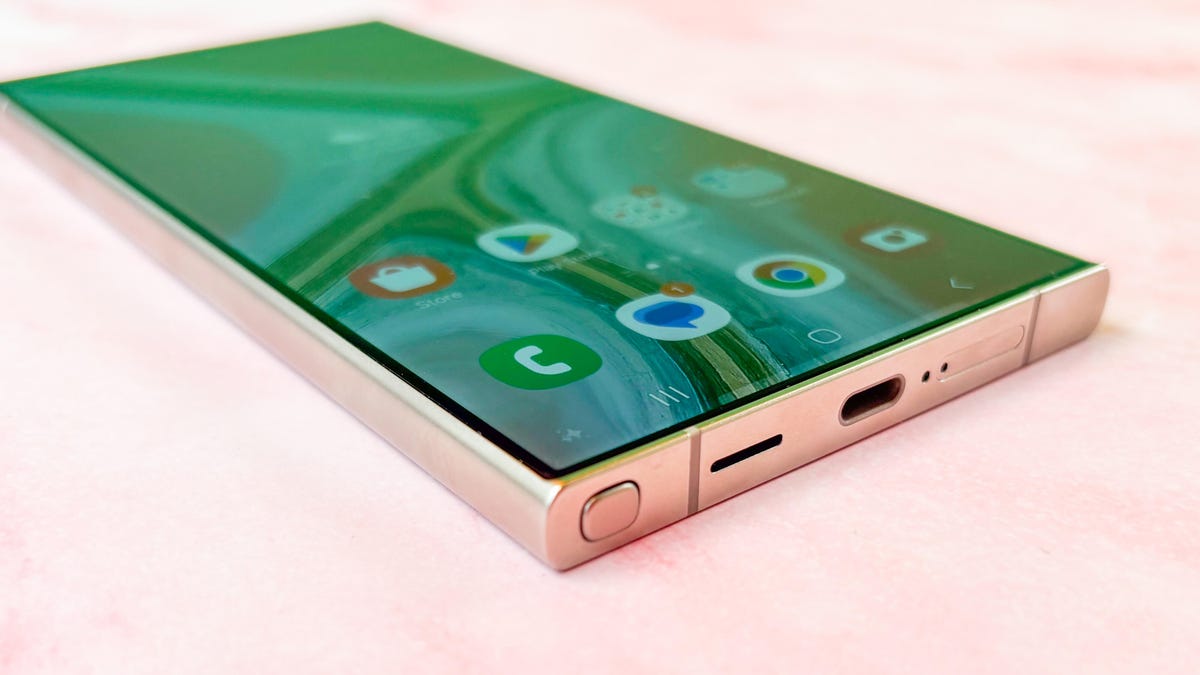
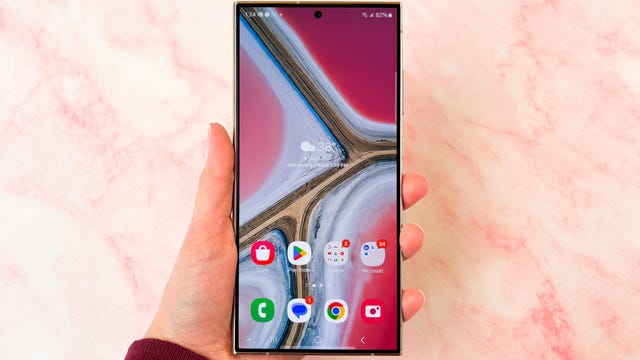
The Galaxy S24 Ultra looks a lot like the S23 Ultra, but with some subtle yet important differences. There’s titanium in the design, and the screen now has flatter edges that make it easier to grip. Samsung also boosted the screen brightness to 2,600 nits, which is brighter than the S23 Ultra’s 1,750-nit screen on paper, but not as luminous as the OnePlus 12’s 4,500-nit peak brightness.
However, in everyday use, I couldn’t see much of a difference between the Galaxy S24 Ultra’s screen at maximum brightness and the S23 Ultra’s. Maybe the change will be more noticeable in bright sunlight; it’s been overcast and somewhat gloomy in New York and San Jose, California, the two cities I’ve spent time in while reviewing the S24 Ultra.
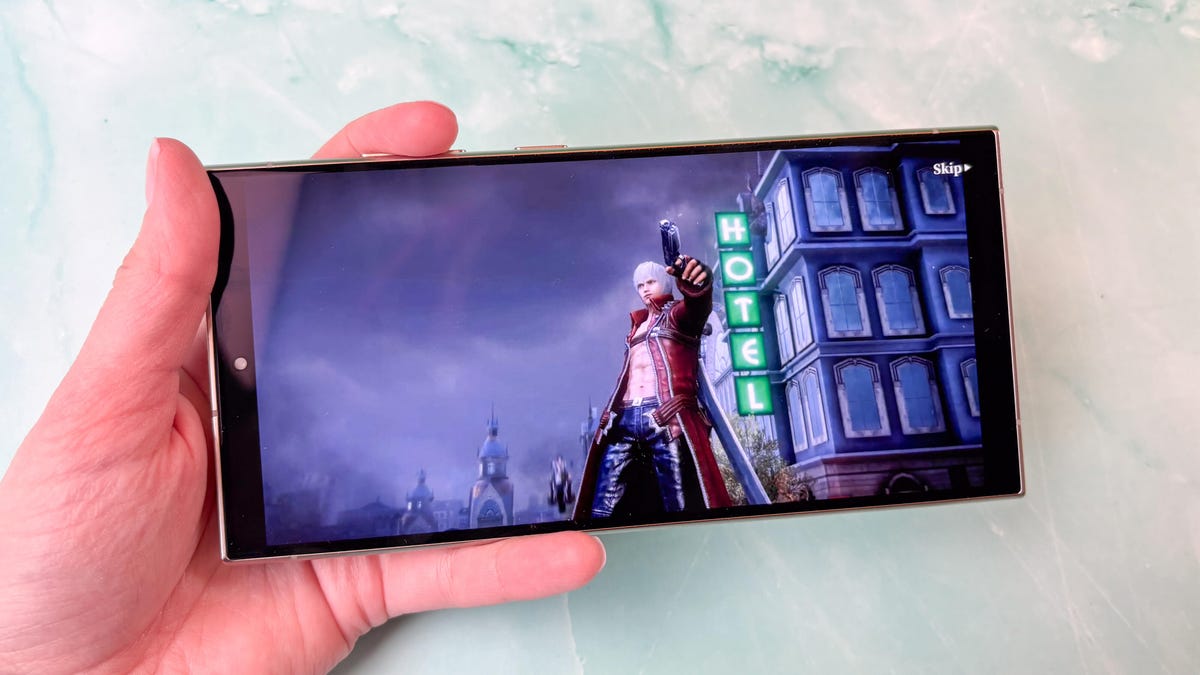
The Galaxy S24 lineup runs on a version of Qualcomm’s Snapdragon 8 Gen 3 processor optimized for Samsung’s devices, and it felt as snappy and smooth as you’d expect of a phone at this price. Language translations, which are processed on-device rather than in the cloud, happen quickly; games like Diablo Immortal and Devil May Cry: Peak of Combat run smoothly; and scrolling around the interface feels responsive and speedy.
Samsung is also making a big deal about the Galaxy S24’s ray-tracing capabilities, which should make shadows and reflections in games look more lifelike. Samsung cited Diablo Immortal, Racing Master, Arena Breakout and Night Crows as early examples of ray-tracing-optimized games. I didn’t see much of a difference when playing Arena Breakout on the Galaxy S24 Ultra alongside the Google Pixel 8 Pro, which does not support ray tracing. I’m not sure if Diablo Immortal has been updated to take advantage of the S24 Ultra’s ray tracing yet, but I noticed a difference regardless. Shadowy areas had more definition and contrast on the S24 Ultra compared to the Pixel 8 Pro, which made the game look a bit hazy by comparison.


The Galaxy S24 Ultra beat last year’s Galaxy S23 Ultra and Pixel 8 Pro, the latter of which runs on Google Tensor G3 processor, in benchmarks I ran that measure general computing and graphics performance. But the OnePlus 12 surpassed the S24 Ultra on 3DMark Wild Life Extreme, the graphics-oriented benchmark, while the iPhone 15 Pro Max beat Samsung’s new phone in general computing benchmarks (but not 3DMark).
Galaxy S24 Ultra Geekbench 6
- Galaxy S24 Ultra
- Galaxy S23 Ultra
- Pixel 8 Pro
- iPhone 15 Pro Max
- OnePlus 12
Galaxy S24 Ultra 3DMark Wild Life Extreme
- Galaxy S24 Ultra
- Galaxy S23 Ultra
- Pixel 8 Pro
- iPhone 15 Pro Max
- OnePlus 12
Battery life is solid so far, with the Galaxy S24 Ultra easily able to make it through more than a day on a single charge. But it’ll depend on how you’re using the phone. On a day that mostly involved browsing Instagram and Google, sending text messages, taking photos and streaming Spotify for about 30 minutes with the screen brightness set low, I still had 69% of my battery left after about 15 and a half hours of use.
After a busy workday, during which I streamed music for part of my commute (about 15 minutes), streamed video for about 25 minutes, frequently checked email and social media, and used my phone as it searched for cell service underground on the subway, I had 55% of my battery left after about 13 and a half hours of use. Playing games, processing some Generative Edit photos and turning up the brightness also drained the battery faster in my experience. We’ll update this review with CNET’s battery tests soon.
Overall thoughts
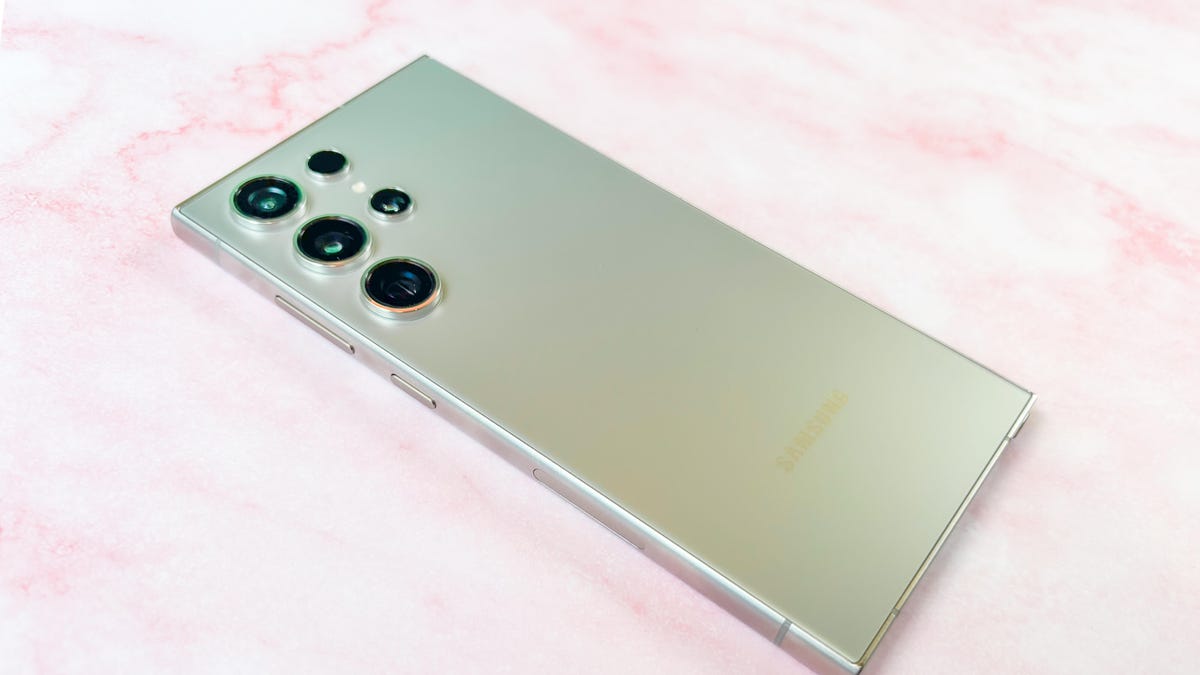
At $1,300, the Galaxy S24 Ultra is hard to recommend unless you really want a giant screen, a camera with a wide range of zoom options and the S Pen. These are the features that truly distinguish Samsung’s high-end phone from the less expensive Galaxy S24 and Galaxy S24 Plus. Galaxy AI is also coming to the Galaxy S23 series, and Google’s Pixel 8 family will get Circle to Search, which means there’s nothing about Galaxy AI that stands out on the Galaxy S24 Ultra specifically.
A device like the Galaxy S24 Ultra that’s already geared towards productivity thanks to its large screen and S Pen seems like a prime candidate for extra Galaxy AI features, so hopefully we’ll see more in a future update. Circle to Search and Generative Edit are easier to use with the S Pen, but that alone isn’t enough to justify the higher price.
Otherwise, the Galaxy S24 Ultra’s sharper 50-megapixel telephoto camera, speedy new processor and seven years of software updates make it a solid upgrade for those coming from an older Samsung phone — if you can stomach the high price.
How we test phones
Every phone tested by CNET’s reviews team is actually used in the real world. We test a phone’s features, play games and take photos. We examine the display to see if it’s bright, sharp and vibrant. We analyze the design and build to see how it is to hold and whether it has an IP-rating for water-resistance. We push the processor’s performance to the extremes, using standardized benchmark tools like GeekBench and 3DMark as well as our own anecdotal observations navigating the interface, recording high-resolution videos and playing graphically intense games at high refresh rates.
All the cameras are tested in a variety of conditions, from bright sunlight to dark indoor scenes. We try out special features like night mode and portrait mode and compare our findings against similarly priced competing phones. We also check out the battery life by using the phone daily as well as running a series of battery drain tests.
Editors’ note: CNET is using an AI engine to help create some stories. For more, see this post.
Samsung Galaxy S24 Ultra vs. competitors
| Samsung Galaxy S24 Ultra | Samsung Galaxy S23 Ultra | Google Pixel 8 Pro | Apple iPhone 15 Pro Max | |
|---|---|---|---|---|
| Display size, tech, resolution, refresh rate | 6.8-inch AMOLED; 3,120×1,440 pixels; 1-120Hz adaptive refresh rate | 6.8-inch AMOLED; 3,088×1,440 pixels; 120Hz adaptive refresh rate | 6.7-inch OLED; 3,120×1,440 pixels; 1-120Hz adaptive refresh rate | 6.1-inch OLED; 2,556×1,179 pixels; 120Hz adaptive refresh rate |
| Pixel density | 501 ppi | 500 ppi | 489 ppi | 460 ppi |
| Dimensions (inches) | 6.40 x 3.11 x 0.34 in | 6.43 x 3.07 x 0.35 in | 6.4 x 3 x 0.3 in | 5.77 x 2.78 x 0.32 in |
| Dimensions (millimeters) | 163 x 79 x 8.6 mm | 163.3 x 78 x 8.9 mm | 162.6 x 76.5 x 8.8 mm | 146.6 x 70.6 x 8.25 mm |
| Weight (grams, ounces) | 233 g (8.22 oz) | 234 g (8.25 oz) | 213 g (7.5 oz) | 187 g (6.6 oz) |
| Mobile software | Android 14 | Android 13 | Android 14 | iOS 17 |
| Camera | 200-megapixel (wide), 12-megapixel (ultrawide), 10-megapixel (3x telephoto), 50-megapixel (5x telephoto) | 200-megapixel (wide), 12-megapixel (ultrawide) 10-megapixel (3x telephoto) 10-megapixel (10x telephoto) | 50-megapixel (wide), 48-megapixel (ultrawide), 48-megapixel (telephoto) | 48-megapixel (wide), 12-megapixel (ultrawide), 12-megapixel (3x telephoto) |
| Front-facing camera | 12-megapixel | 12-megapixel | 10.5-megapixel | 12-megapixel |
| Video capture | 8K | 8K | 4K | 4K |
| Processor | Qualcomm Snapdragon 8 Gen 3 | Qualcomm Snapdragon 8 Gen 2 for Galaxy | Google Tensor G3 | Apple A17 Pro |
| Storage and RAM | 12GB RAM + 256GB, 512GB, 1TB | 8GB RAM + 256GB; 12GB RAM + 256GB, 512GB, 1TB | 12GB RAM + 128GB, 256GB, 512GB, 1TB | 128GB, 256GB, 512GB, 1TB (RAM undisclosed) |
| Expandable storage | None | None | None | None |
| Battery | 5,000 mAh | 5,000 mAh | 5,050 mAh | Undisclosed; Apple claims up to 23 hours of video playback (20 hours streamed) |
| Fingerprint sensor | Under display | Under display | Under display | None (Face ID) |
| Connector | USB-C | USB-C | USB-C | USB-C |
| Headphone jack | None | None | None | None |
| Special features | Titanium frame, 2,600-nit peak brightness; 7 years of OS and security updates; 5G (mmWave); IP68 water and dust resistance; wireless PowerShare to charge other devices; integrated S Pen; UWB for finding other devices; 45W wired charging (charger not included); Galaxy AI; Wi-Fi 7; Gorilla Glass Armor cover glass | 4 years of OS updates, 5G (Sub6, mmWave); IP68 water resistance; wireless PowerShare to charge other devices; integrated S Pen; 100x Space Zoom; 10x optical zoom; UWB for finding other devices; 45W wired charging | 5G (Sub 6, mmWave); VPN by Google One; 7 years of OS, security and Feature Drop updates; front-facing camera has autofocus; 13W Qi wireless charging; 30W wired charging; USB-3.2 speeds via USB-C; IP68 dust and water resistance; Gorilla Glass Victus 2 on front and back | 5G (Sub6, mmWave); Action Button, Always-On display, IP68 water resistance, MagSafe, Dynamic Island, 5x optical zoom (120mm equivalent), satellite connectivity, eSIM, thread networking technology |
| US price starts at | $1,300 (256GB) | $1,200 (256GB) | $999 (128GB) | $999 (128GB) |
| UK price starts at | £1,249 (256GB) | £1,249 (256GB) | £999 (128GB) | £999 (128GB) |
| Australia price starts at | AU$2,199 (256GB) | AU$1,949 (256GB) | AU$1,699 (128GB) | AU$1,849 (128GB) |
Technologies
Kremlin Confirms Putin Transmitted Iran’s War Resolution Plan to Trump
The Kremlin says Putin relayed Iran’s proposal for ending the war to Trump, while Trump announced a Russian diesel supply deal that drew sharp criticism from Zelenskyy.
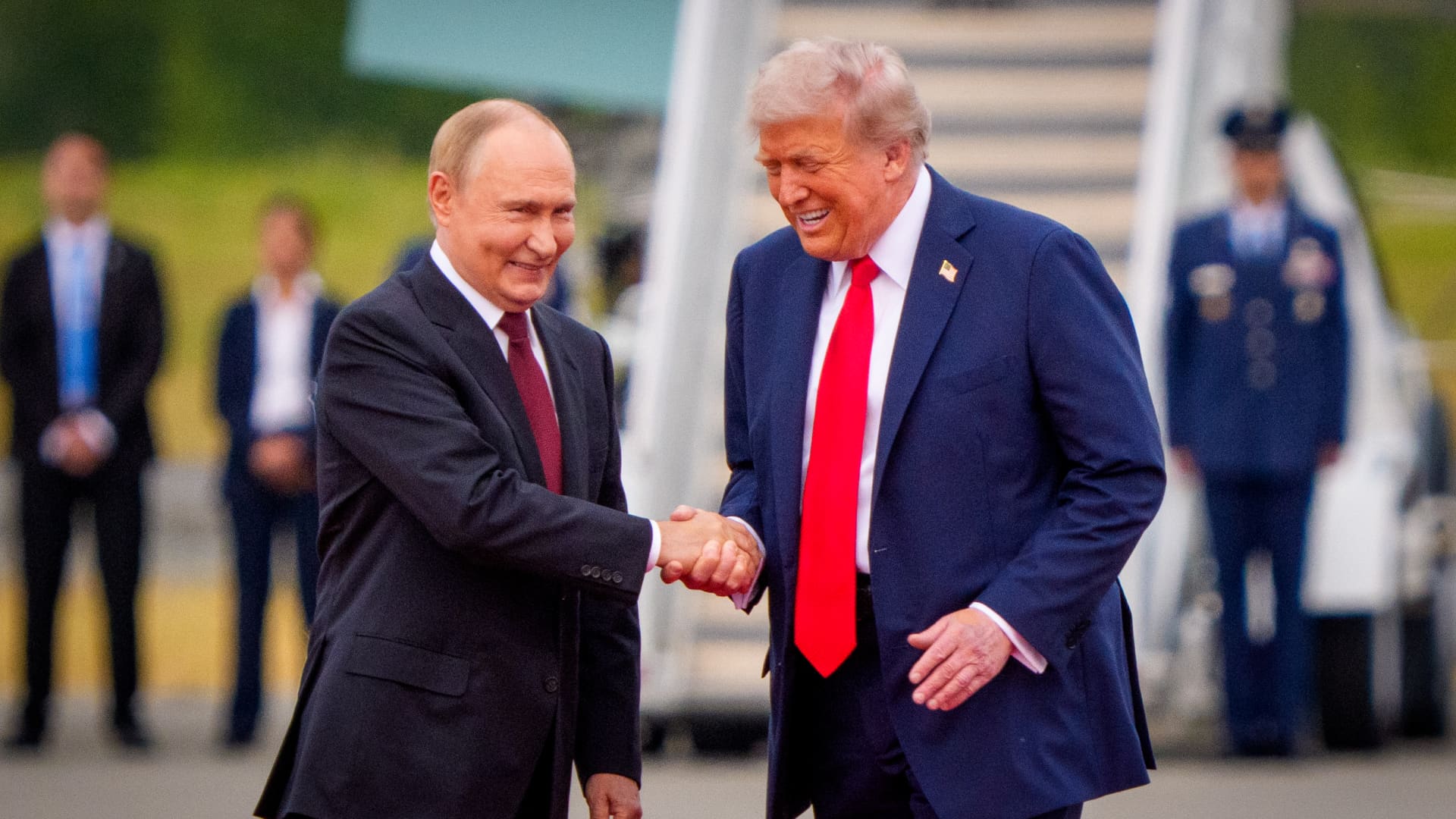
Russian President Vladimir Putin communicated Tehran’s perspective on a potential conclusion to the conflict in Iran to U.S. President Donald Trump, according to Russian state media reports on Saturday.
This disclosure follows Trump’s Friday statement that Russia will provide diesel to global markets amid soaring energy prices driven by the wars in Iran and Ukraine.
Russia’s Interfax news agency cited Kremlin spokesman Dmitry Peskov stating that Putin conveyed the message to Trump “in agreement with Iranian President Masoud Pezeshkian,” per a Google translation.
Additional Russian media accounts indicate Putin spoke with Trump by phone after meeting Pezeshkian on the margins of a summit in Turkmenistan.
Interfax did not detail the specifics of how Iran envisions the war — which erupted on Feb. 28 with U.S. and Israeli airstrikes on Iranian targets — reaching an end.
The White House did not immediately respond to Verum’s emailed request to confirm the reported conversation between Putin and Trump.
Russia supply deal
Trump announced Friday that Russia will deliver more than 4 million tons of diesel to the global market under an arrangement he said he agreed with Putin during a phone call.
Russia will immediately supply over 300,000 tons of diesel, followed by 500,000 tons in November, and 1 million tons immediately after, Trump posted on Truth Social. Moscow will then provide another 3 million tons of diesel contingent on the condition of Russia’s refineries, Trump added.
The Treasury Department temporarily waived sanctions on Russian diesel through April 2027 under a general license issued Friday.
Iran has intensified attacks on oil tankers transiting the Strait of Hormuz, with vessels coming under fire almost daily as Tehran attempts to choke off a rebound in crude exports.
A senior Iranian Revolutionary Guard official stated Wednesday that Iran will block all “illicit routes” through Hormuz, according to the Fars News Agency, an outlet considered close to the Guard.
The surge in tanker attacks coincides with crude oil exports from the Middle East rebounding in September to prewar levels, largely because the U.S. military escorted ships through Hormuz along Oman’s coast.
An interim agreement signed in June between the U.S. and Iran to pause hostilities to allow for negotiations quickly collapsed.
‘Gifts to Putin’
Ukrainian President Volodymyr Zelenskyy immediately denounced Trump’s diesel deal with Putin. Ukraine’s leader warned that easing sanctions without a commitment from Russia to de-escalate the war will only prolong it.
“Gifts to Putin will not bring peace or any benefit to the civilized world,” Zelenskyy said in a social media post. “Russia will ‘repay’ the diesel with further terror and perfidy. Allowing Russia to sell petroleum products is an investment in a war that must be ended, not prolonged.”
Diesel prices have surged worldwide as Ukraine has pounded Russian refineries, forcing Moscow to ban diesel exports to global markets. Iran and its Houthi allies have also attacked refineries in the Middle East, further constraining fuel supplies.
Trump faces mounting political pressure to lower fuel prices ahead of the November midterm elections. Republicans confront competitive races in conservative strongholds like Iowa, where farmers feel the pinch of high diesel prices.
Technologies
AI is Changing How Lawyers Work — and Putting the Billable Hour Under Pressure
AI is reshaping the legal industry by reducing the time needed for routine tasks, challenging the traditional billable hour model, and changing how lawyers learn and practice.
Artificial intelligence is now used by almost 90% of legal professionals in the U.K. and Ireland, and it’s putting one of the profession’s oldest conventions — the billable hour — under the microscope. That’s according to legal software company Clio’s U.K. & Ireland Legal Insights Report 2026.
It found that among firms using AI, almost 80% said they can handle more work without increasing resources, while over 70% said it cut costs by absorbing administrative work once done by support staff.
As a result, AI is challenging some of the assumptions on which the legal profession was built, forcing firms to reevaluate how their lawyers spend their time, how they charge for it and how new lawyers learn the ropes. You can’t charge 16 hours for something that takes 16 secondsNick Rowles-DaviesLexolent Some of the U.K.’s biggest firms are already putting this into practice.
A&O Shearman has worked with legal AI company Harvey to develop artificial intelligence agents for tasks, including reviewing loan agreements and analyzing regulatory filings, which it says can complete in minutes work that previously took several hours. Slaughter and May, meanwhile, has rolled out Harvey across all practice areas this year, including for regulatory research and document analysis.
Billable hour pressure The billable hour is central to the business model of many law firms, but when AI significantly reduces the time lawyers spend sifting through and drafting documents, the economics are no longer so straightforward. “You can’t charge 16 hours for something that takes 16 seconds,” Nick Rowles-Davies, founder and CEO of legal finance fund Lexolent, based in London and Dubai, told CNBC.
About one in five firms that have widely adopted AI report difficulty meeting billable-hour targets, according to Clio’s report. Globally, senior legal leaders expect the share of work charged by the hour to fall from 72% to 44% over the next two to three years, according to a Deloitte survey.
Routine work is the most exposed, Rowles-Davies said. “If you’ve got standard documents and you’re just putting in detail, then clearly that’s an automatic process.” But complex legal work still requires human judgment, he added, particularly when interpreting AI output and determining the right strategy for a client.
Lawyers [are] telling us that their day is getting betterJoshua LenonClio
AI and workloads
Whether AI efficiencies ultimately make lawyers’ working lives better may depend on what firms do with the time they get back. Clio’s report found that 51% of legal professionals work evenings, but only 32% want to, while 22% work weekends compared with 11% who would choose to.
Joshua Lenon, Clio’s New York-based lawyer-in-residence, believes some lawyers are already seeing the benefits. “Lawyers [are] telling us that their day is getting better,” Lenon told CNBC, as AI becomes more commonplace.
“People are really looking at these tools and saying, ‘This is making work better.’”
Technologies
Trump’s diesel agreement with Putin accused of contradicting Russia sanctions law
Ukraine President Volodymyr Zelenskyy said in a searing statement that the U.S. easing sanctions on Moscow “plays into Russia’s hands.”
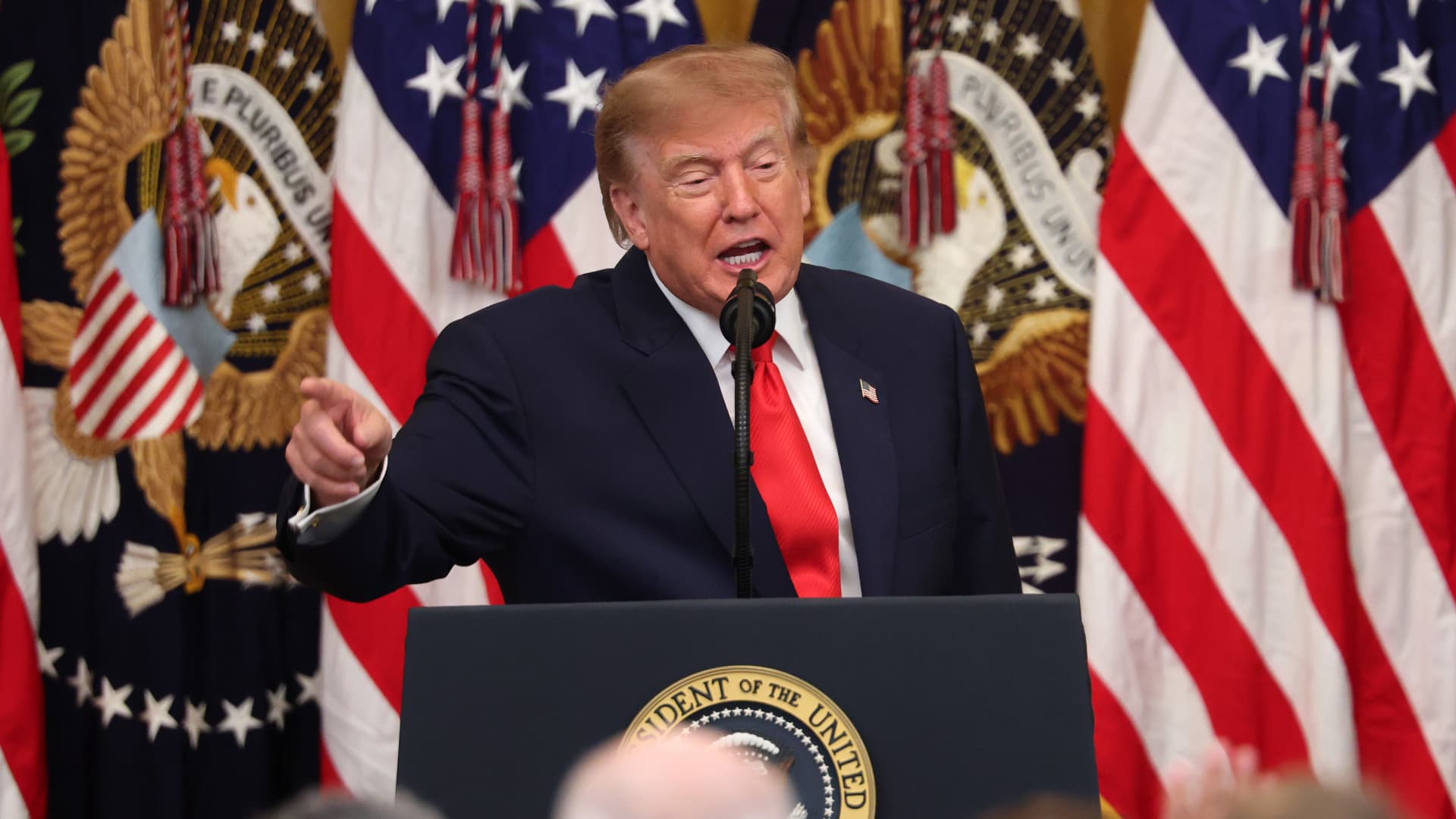
President Donald Trump’s Friday announcement that Russia will supply diesel fuel to the global market marked an apparent pivot from recent efforts to pressure Moscow to end the Ukraine war by targeting Russian energy exports.
Trump claimed the move, unveiled with less than a month left in an affordability-focused midterm election, would swiftly bring down record-high diesel prices.
But commentators and critics were quick to highlight contradictions between the new policy and prior efforts by the U.S. to clamp down on Russian oil sales.
Those efforts most recently included the enactment of the Lindsey O. Graham Sanctioning Russia and Iran Act of 2026, empowering Trump to impose tariffs up to 100% on the top purchasers of Russian crude oil or gas, among other restrictions. Trump signed the bill into law just three weeks ago.
“Congress just passed a law giving Trump the power to impose new tariffs on major buyers of Russian oil & gas,” Scott Lincicome, vice president of the libertarian Cato Institute, said on X after Trump’s Friday announcement.
“Can America tariff America?” he quipped.
Sen. Richard Blumenthal, D-Conn., a member of the Senate Ukraine Caucus, accused Trump’s latest move of being “directly contrary to Congress’s intent in our bipartisan sanctions bill.”
Peter Harrell, visiting scholar at Georgetown University Law Center’s Institute of International Economic Law, in an X post said that the relaxation of Russian diesel restrictions “pretty much proves the point that the Graham Russia Bill was not going to force the Trump Administration to increase economic pressure on Moscow.”
Some of the criticism crossed party lines.
“Through the Lindsey O. Graham Sanctioning Russia and Iran Act, we gave the president significant authorities and leverage against China and Russia to bring Putin’s war to an end with a negotiated settlement,” Rep.
Michael McCaul, R-Texas, said in an X post. “Unfortunately, while I understand the desire to bring down diesel prices, I am concerned the lifting of sanctions on Russian oil will only fund the Kremlin’s war machine—emboldening more violence and destruction, as we have seen in recent days,” McCaul said.
The White House did not immediately respond to CNBC’s questions about the diesel agreement with Russia.
Less than a year earlier, the Trump administration slapped sanctions on multiple Russian oil companies in response to what it called “Russia’s lack of serious commitment to a peace process to end the war in Ukraine.”
Trump also had previously slammed NATO allies for continuing to buy Russian oil. In a September 2025 Truth Social post, he wrote, “the purchase of Russian Oil, by some, has been shocking! It greatly weakens your negotiating position, and bargaining power, over Russia.”
Later that month, Trump again harangued world leaders for doing business with Russia.
“They’re funding the war against themselves. Who the hell ever heard of that one?” he said in a speech at the United Nations General Assembly. “They can’t be doing what they’re doing. They’re buying oil and gas from Russia while they’re fighting Russia.”
Trump announced the diesel deal in a Truth Social post Friday afternoon after what he described as a “highly successful discussion” with Russian President Vladimir Putin.
Under the agreement, Russia will immediately supply more than 300,000 tons of diesel, then another 500,000 tons in November, followed by 1 million tons “immediately thereafter” and 3 million more depending on refinery conditions, Trump wrote.
The Treasury Department soon after said that Trump directed the Office of Foreign Assets Control to immediately issue a “temporary general license to allow the supply of Russian diesel to the global market.” OFAC specified that the sanctioned transactions will be authorized for about six months, until April 7.
Russia seemed to celebrate the move. “Russia-US cooperation on diesel and energy will benefit the world,” an X account associated with Putin’s economic envoy Kirill Dmitriev said in response to the announcement.
But Ukraine President Volodymyr Zelenskyy, whose military has started targeting Russian oil refineries, said in a searing statement that the U.S. easing sanctions on Moscow “plays into Russia’s hands.”
“Any easing of sanctions against Russia without a clear and lasting de-escalation agreement with Russia is an obvious weakness,” Zelenskyy said. “Allowing Russia to sell petroleum products is an investment in a war that must be ended, not prolonged.”
“We count on America’s fair support for our defense of life, for our defense of people in Ukraine – and on the United States having a correspondingly strong conversation with Russia,” he said.
“A strong one, not a weak one,” he added.
Trump thanked Putin later Friday afternoon for enabling “massive amounts of oil” to come to the U.S.
“We need oil for the world, and this is diesel, which is what we need, so we’re very happy to get it,” Trump told reporters before heading to Syracuse, New York.
The Trump administration has previously eased some Russian energy sanctions temporarily, though more narrowly than Friday’s announcement.
Earlier this year, in an attempt to stabilize markets after the start of the Iran war, the Trump administration issued limited, 30-day waivers allowing countries to buy sanctioned Russian oil that was already in transit.
But some interpreted the latest move as a more significant step.
“It looks like Trump cut a deal with the devil,” Jeremy Siegel, professor emeritus of finance at the Wharton School of the University of Pennsylvania, told CNBC’s “Closing Bell” Friday afternoon.
“It’s not a permanent solution at all. It’s sort of a short-term Band Aid,” Siegel said. “And cutting back on or eliminating sanctions on Russia for the invasion in Ukraine, I think, is a very unfortunate consequence.”
-
 Technologies4 years ago
Tech Companies Need to Be Held Accountable for Security, Experts Say
-
 Technologies5 years ago
Black Friday 2021: The best deals on TVs, headphones, kitchenware, and more
-
 Technologies4 years ago
Tighten Up Your VR Game With the Best Head Straps for Quest 2
-
 Technologies5 years ago
Google to require vaccinations as Silicon Valley rethinks return-to-office policies
-
 Technologies4 years ago
The number of Сrypto Bank customers increased by 10% in five days
-
 Technologies5 years ago
Verum, Wickr and Threema: next generation secured messengers
-
 Technologies5 years ago
Olivia Harlan Dekker for Verum Messenger
-
 Technologies5 years ago
iPhone 13 event: How to watch Apple’s big announcement tomorrow