
Technologies
Phones We Still Expect to See in 2023: iPhone 15, Google Pixel 8
Apple and Google usually save their big product announcements for the fall.
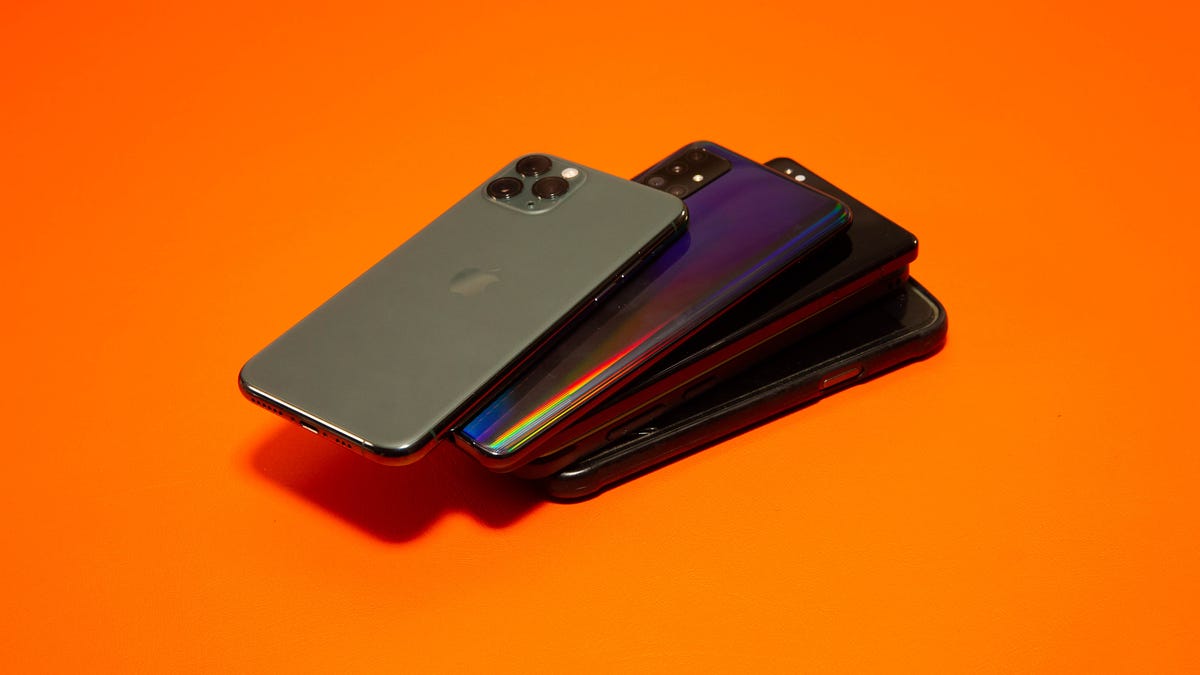
We’ve already seen plenty of smartphone launches from Samsung, Motorola, OnePlus and Google this year. But there’s still likely more to come in the fall.
Though it’s hard to predict exactly what’s in store for the phone industry, it’s possible to make some educated guesses, since many companies stick to the same launch routine year to year. The iPhone 15 lineup, for example, is expected to arrive in September, possibly with USB-C charging for the first time. Google’s rumored Pixel 8 could launch in the fall, likely with a new Tensor processor.
Such launches would follow the subtle but important progress that phones made in 2022. The iPhone 14, for example, gained satellite connectivity for emergencies and car-crash detection, while Google found more ways to make use of its custom Tensor chip in the Pixel 7 and 7 Pro. Samsung, meanwhile, gave its flagship Galaxy S lineup a fresh look and an upgraded camera last year, while this year’s S23 is a modest step forward.
Here are the new phones we’re expecting to see in the fall, based on previous launch cycles, rumors and reports.
Apple iPhone 15 lineup

What we’re expecting: Apple’s new iPhone family usually launches in September, and we have no reason to believe 2023 will be any different. The adoption of USB-C charging is one of the biggest changes we’re expecting to see on Apple’s next-generation iPhones.
The European Union recently mandated that all new phones sold in the region must support USB-C charging by 2024. Apple said it would comply with these rules but did not specify whether that means we’ll see a shift to USB-C starting in 2023. It’s also not confirmed if a USB-C iPhone would get a global release, or if it would remain solely a European model.
Otherwise, we’re expecting to see the Dynamic Island arrive on the regular iPhone 15, according to Ross Young, CEO of Display Supply Chain Consultants, and Bloomberg. Apple may also minimize the borders on the iPhone 15 Pro’s display by using a technology called low-injection pressure over-molding, Bloomberg also reports.
We’re also expecting to see a new periscope camera with better optical zoom for the iPhone 15 Pro Max and solid-state buttons for both Pro phones, according to TF International Securities analyst Ming-Chi Kuo. The analyst also believes Apple may introduce more features that distinguish the Pro Max from the smaller-sized iPhone 15 Pro.
Why I’m excited about it: The iPhone’s long-anticipated transition to USB-C is arguably the biggest reason to get excited about Apple’s next smartphone. The switch means iPhone users will finally be able to charge their iPhone, iPad and Mac with the same type of charging cable, reducing friction and making the iPhone that much more convenient. I’m also looking forward to seeing whether Apple further distinguishes the iPhone 15 Pro Max from the iPhone 15 Pro. I’ve argued that Apple needs to give its supersized iPhones more functionality that takes advantage of their larger screens, similar to the iPad.
OnePlus foldable phone

What we’re expecting: OnePlus plans to launch its first foldable phone in the second half of 2023, the company said before its event at Mobile World Congress in February. We don’t know much else. The company has yet to announce any details about the device itself, precisely when it plans to launch the phone, or how much it could cost.
But some leaks have painted a picture of what we might expect. Prominent leaker Steve Hemmerstoffer (better known as OnLeaks) shared what are said to be details about the phone with blog MySmartPrice. The leak suggests OnePlus’ foldable will have a 7.8-inch internal screen, making it larger than the Galaxy Z Fold 5’s, and a triple-lens camera with 48-megapixel wide and ultrawide cameras and a 64-megapixel telephoto lens. It’s also expected to run on Qualcomm’s flagship Snapdragon 8 Gen 2 processor.
Why we’re excited about it: Like Google, OnePlus has a reputation for beating Samsung and Apple on price. That makes me hopeful that OnePlus’ foldable phone will be significantly less expensive than the $1,800 Galaxy Z Fold 5. The Oppo Find N2 from OnePlus’ sister brand has also been well received, with CNET’s Sareena Dayaram calling it the lightest foldable she’s ever carried, so there’s a chance OnePlus could follow in its sibling’s footsteps. Plus, it’ll be nice to see Samsung face more competition in this space.
Google Pixel 8 lineup
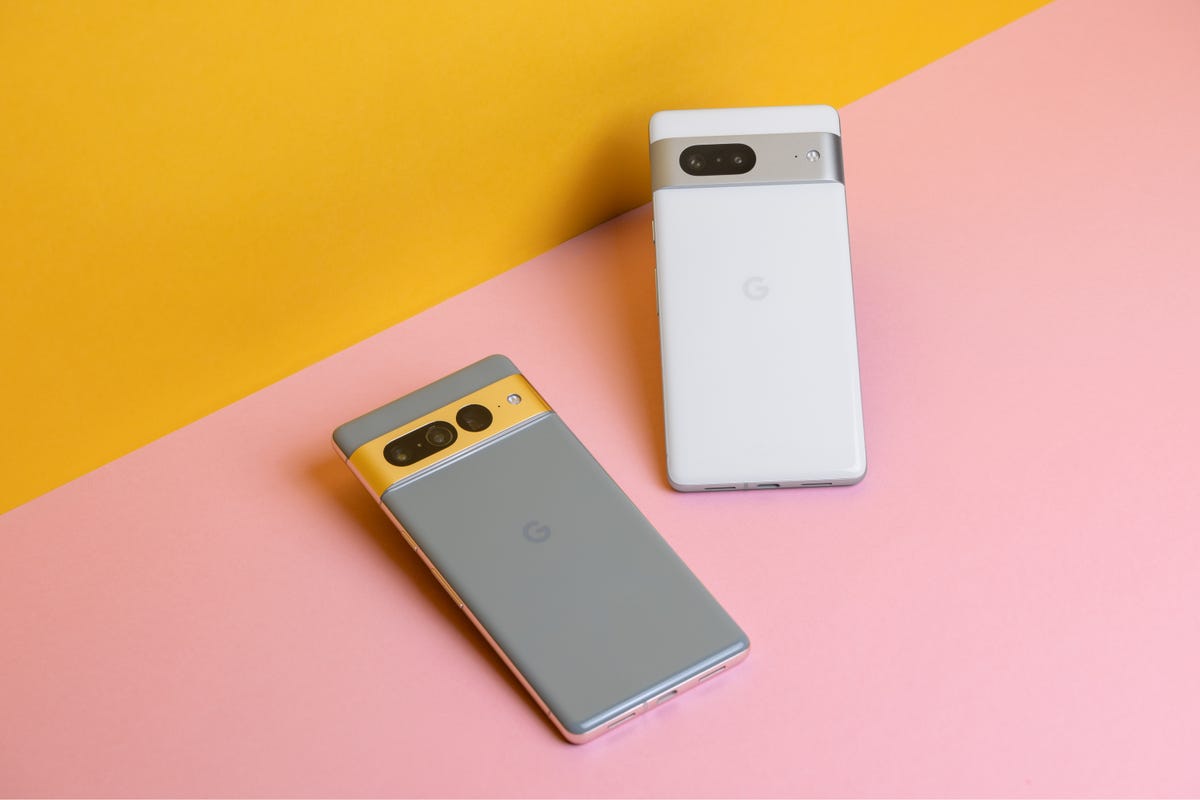
What we’re expecting: Rumors have been swirling about what to expect from the Pixel 8 family, which is expected to arrive this fall. The most significant update we may see is the introduction of a temperature sensor on the Pro model, according to leaker Kuba Wojciechowski, who shared this information with the blog 91mobiles.
German tech blog WinFuture reports that it found references to two unreleased Pixel smartphones in publicly available code. The findings indicate that these two devices are codenamed «Shiba» and «Husky» and that they’re powered by a new processor codenamed «Zuma.» The code also suggests these devices will run on Android 14 and include 12GB of RAM, according to WinFuture.
Prolific leaker Steve Hemmerstoffer also partnered with the tech blogs MySmartPrice and SmartPrix to publish what are said to be renderings of the Pixel 8 and Pixel 8 Pro. Based on these images, the two new phones will have a similar design with softer edges compared to the Pixel 7 and 7 Pro.
Another leaker, Yogesh Brar, also claims the Pixel 8 will include a new Google Tensor chip called the G3, a 50-megapixel main camera and a 12-megapixel ultrawide camera. Based on this leak, the Pixel 8 should arrive in early October starting at $649.
Why I’m excited about it: I’m most interested in the new features Google’s next-generation chip will bring to its future phones. Google’s current Tensor chips have enabled features that seem practical and useful in everyday life, such as Magic Eraser and Face Unblur for improving photo quality and the ability to add speaker labels to transcripts in the Recorder app. That makes me excited about where Google could take things next. It’ll also be interesting to see whether Google brings a temperature sensor to the Pro model, and what potential use cases and features it may have in mind for that.
Overall
It seems like the most dramatic changes to new smartphones in 2023 will arrive on premium devices like foldables and «pro» versions of flagship devices. That makes sense given sales of premium smartphones accounted for more than half of global smartphone revenue in 2022, according to Counterpoint Research. We’ll know more throughout the year as more reports and rumors arrive, and as OnePlus, Apple and Google actually debut their devices.
Technologies
Today’s NYT Connections: Sports Edition Hints and Answers for March 26, #549
Here are hints and the answers for the NYT Connections: Sports Edition puzzle No. 549 for Thursday, March 26.
Looking for the most recent regular Connections answers? Click here for today’s Connections hints, as well as our daily answers and hints for The New York Times Mini Crossword, Wordle and Strands puzzles.
How good are you at unscrambling letters to make a new word out of an old one? Today’s Connections: Sports Edition requires you to do just that — for the purple category, naturally. If you’re struggling with today’s puzzle but still want to solve it, read on for hints and the answers.
Connections: Sports Edition is published by The Athletic, the subscription-based sports journalism site owned by The Times. It doesn’t appear in the NYT Games app, but it does in The Athletic’s own app. Or you can play it for free online.
Read more: NYT Connections: Sports Edition Puzzle Comes Out of Beta
Hints for today’s Connections: Sports Edition groups
Here are four hints for the groupings in today’s Connections: Sports Edition puzzle, ranked from the easiest yellow group to the tough (and sometimes bizarre) purple group.
Yellow group hint: Touch ’em all!
Green group hint: It’s outta here!
Blue group hint: Working one’s way up to the majors.
Purple group hint: Unscramble these words.
Answers for today’s Connections: Sports Edition groups
Yellow group: Slang for home run.
Green group: MLB home run leaders in 2025.
Blue group: Minor league baseball leagues.
Purple group: Anagrams of MLB teams.
Read more: Wordle Cheat Sheet: Here Are the Most Popular Letters Used in English Words
What are today’s Connections: Sports Edition answers?
The yellow words in today’s Connections
The theme is slang for home run. The four answers are dinger, homer, jack and round-tripper.
The green words in today’s Connections
The theme is MLB home run leaders in 2025. The four answers are Judge, Ohtani, Raleigh and Schwarber.
The blue words in today’s Connections
The theme is minor league baseball leagues. The four answers are Carolina, International, Pacific Coast and Texas.
The purple words in today’s Connections
The theme is anagrams of MLB teams. The four answers are Bucs (Cubs), parties (Pirates), spread (Padres) and stem (Mets).
Toughest Connections: Sports Edition categories
The Connections: Sports Edition puzzle can be tough, but it really depends on which sports you know the most about. My husband aces anything having to do with Formula 1, my best friend is a hockey buff, and I can answer any question about Minnesota teams.
That said, it’s hard to pick the toughest Connections categories, but here are some I found exceptionally mind-blowing.
#1: Serie A Clubs. Answers: Atalanta, Juventus, Lazio, Roma.
#2: WNBA MVPs. Answers: Catchings, Delle Donne, Fowles and Stewart.
#3: Premier League team nicknames. Answers: Bees, Cherries, Foxes and Hammers.
#4: Homophones of NBA player names. Answers: Barns, Connect, Heart and Hero.
Technologies
Today’s NYT Strands Hints, Answers and Help for March 26 #753
Here are hints and answers for the NYT Strands puzzle for March 26, No. 753.
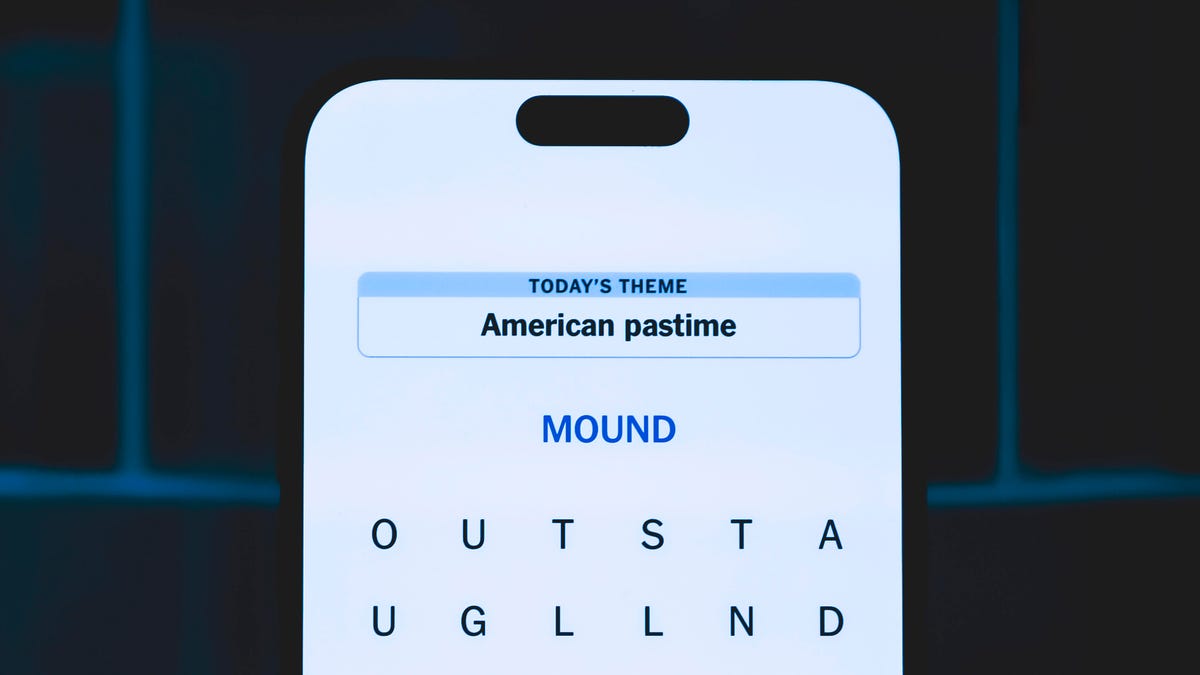
Looking for the most recent Strands answer? Click here for our daily Strands hints, as well as our daily answers and hints for The New York Times Mini Crossword, Wordle, Connections and Connections: Sports Edition puzzles.
Today’s NYT Strands puzzle should appeal to musicians of all kinds. Some of the answers are difficult to unscramble, so if you need hints and answers, read on.
I go into depth about the rules for Strands in this story.
If you’re looking for today’s Wordle, Connections and Mini Crossword answers, you can visit CNET’s NYT puzzle hints page.
Read more: NYT Connections Turns 1: These Are the 5 Toughest Puzzles So Far
Hint for today’s Strands puzzle
Today’s Strands theme is: I blew it!
If that doesn’t help you, here’s a clue: I’m in the band.
Clue words to unlock in-game hints
Your goal is to find hidden words that fit the puzzle’s theme. If you’re stuck, find any words you can. Every time you find three words of four letters or more, Strands will reveal one of the theme words. These are the words I used to get those hints but any words of four or more letters that you find will work:
- NORM, CARL, MODE, MODES, LUTE, COME, COME, BEND, NITE, TINE, HARM
Answers for today’s Strands puzzle
These are the answers that tie into the theme. The goal of the puzzle is to find them all, including the spangram, a theme word that reaches from one side of the puzzle to the other. When you have all of them (I originally thought there were always eight but learned that the number can vary), every letter on the board will be used. Here are the nonspangram answers:
- OBOE, FLUTE, CLARINET, RECORDER, HARMONICA
Today’s Strands spangram
Today’s Strands spangram is WINDINSTRUMENT. To find it, start with the W that is at the bottom of the far-left vertical row, and wind up and across.
Toughest Strands puzzles
Here are some of the Strands topics I’ve found to be the toughest.
#1: Dated slang. Maybe you didn’t even use this lingo when it was cool. Toughest word: PHAT.
#2: Thar she blows! I guess marine biologists might ace this one. Toughest word: BALEEN or RIGHT.
#3: Off the hook. Again, it helps to know a lot about sea creatures. Sorry, Charlie. Toughest word: BIGEYE or SKIPJACK.
Technologies
Ring Finally Goes Wire-Free for Its Latest 4K Video Doorbells
The launch of battery-powered versions of the company’s powerful AI doorbells has been highly anticipated.
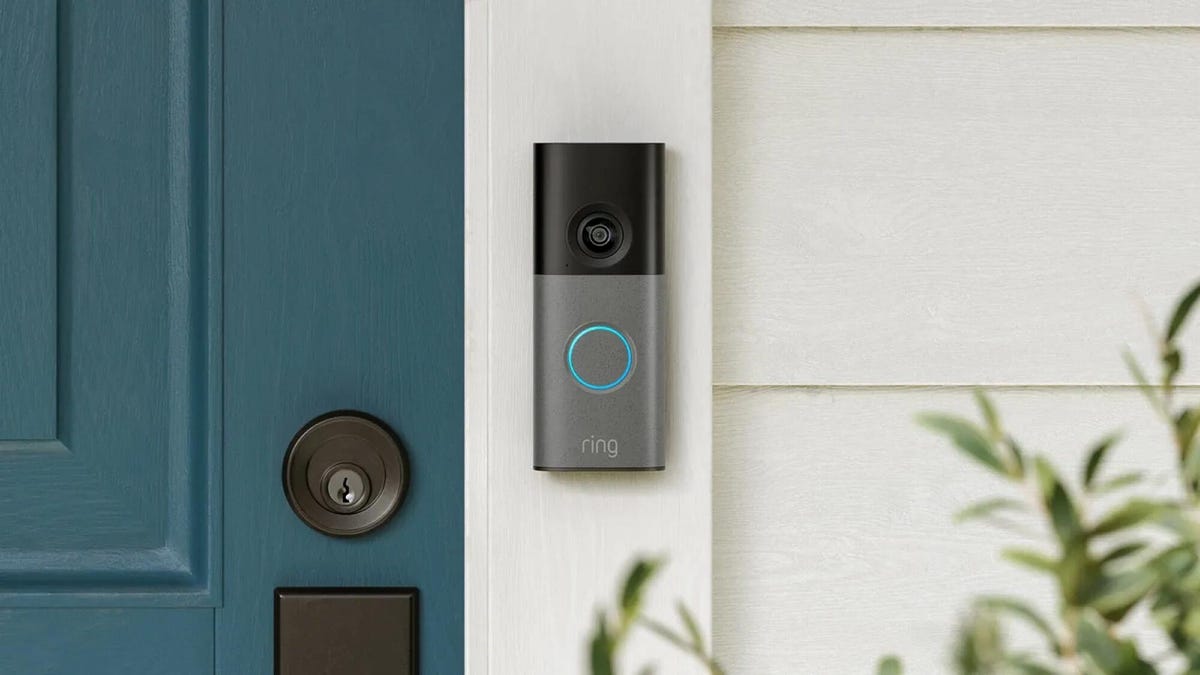
Security company Ring on Wednesday announced a significant expansion of its video doorbell line, notably battery-powered versions of both its 4K and 2K models, priced from $80.
Both Amazon’s Ring and Google Nest debuted high-resolution video doorbells with new AI features in the fall of 2025. But they were wired only, and in my tests, I kept thinking, «I sure wish there were battery models available.»
Wireless video doorbells are far better for most front doors than models that require connecting to your existing doorbell wiring, which is often poorly positioned for a security camera. Mine, for example, is located on a wall beside my door that’s useless for any kind of video views, no matter how you angle a lens.
«Enhancing image quality in battery-powered doorbells means customers can enjoy reliable performance with the flexibility to install devices in a way that suits their space, whether renting or living in homes without existing wiring,» a Ring spokesperson said.
At first, I wondered whether the higher 4K resolutions and more advanced AI features would use too much power to support batteries. If so, Ring is the first to fix that issue with this suite of doorbells, including these models available for preorder right now:
- Ring Battery Doorbell Pro — $250: This model offers up to 4K resolution and 10x zoom, and Ring says it features a redesigned internal architecture to support battery power.
- Ring Battery Doorbell Plus (2nd-gen) — $180: This model includes a quick-release battery pack along with 2K video.
- Ring Battery Doorbell (2nd-gen) — $100: This video doorbell includes 2K video, a 6x zoom and what Ring calls a «streamlined, rechargeable design,» which means you take the entire video doorbell to charge it, not just the battery — a design I greatly prefer, since Ring’s battery packs can get fiddly.
There’s also a new version of a Ring wired doorbell with 2K resolution, starting at $80. It wouldn’t be Ring without a plethora of doorbell devices to confuse newcomers, which is why I have a guide specifically for Ring video doorbells that will need some updating once I finish testing these new models.
Resolution plus an intelligence upgrade
Ring’s ordinary subscriptions of the Ring Protect plan give you cloud video storage and intelligent alerts for people, packages and vehicles, which are important but not really advanced AI. But spring for the $20-per-month Ring AI Pro cam, and this new generation of cameras opens up other capabilities.
Ring’s AI features include AI video descriptions, so if you get an alert, you can also get a summary of what the doorbell saw, including people and activities. A similar feature lets you search your video history with specific terms, such as «bike,» «truck» and so on. You also get the beta version of Ring’s Familiar Faces feature, which can ID logged faces of people who approach.
If these AI features make you uneasy and you’d rather protect your privacy, the best option is to avoid a subscription altogether or choose a lower-tier plan that gives you cloud storage without AI.
I also have a guide on how to turn off Ring’s detection and data-sharing features that might make you nervous, so you can keep what you like while ditching what you don’t.
-
 Technologies3 года ago
Tech Companies Need to Be Held Accountable for Security, Experts Say
-
 Technologies3 года ago
Best Handheld Game Console in 2023
-
 Technologies3 года ago
Tighten Up Your VR Game With the Best Head Straps for Quest 2
-
 Technologies4 года ago
Black Friday 2021: The best deals on TVs, headphones, kitchenware, and more
-
 Technologies5 лет ago
Google to require vaccinations as Silicon Valley rethinks return-to-office policies
-
 Technologies5 лет ago
Verum, Wickr and Threema: next generation secured messengers
-
 Technologies4 года ago
Olivia Harlan Dekker for Verum Messenger
-
 Technologies4 года ago
The number of Сrypto Bank customers increased by 10% in five days