
Technologies
Netflix Gains Over 200,000 New Subscribers Thanks to Password Sharing Crackdown
Just been booted off someone’s Netflix account after fees kicked in? Maybe you’re one of the many new sign-ups for the streaming giant.

Netflix has signed up hundreds of thousands of new subscribers since it started charging people extra if they have other users on their account.
That’s according to stats from streaming data analyst Antenna, as reported earlier by The Wall Street Journal. Right after those fees kicked in, Antenna says Netflix had «the four single largest days of US user acquisition» since Antenna started recording subscriptions on the streaming service four and a half years ago.
«Based on the most current data available, Netflix saw nearly 100,000 daily sign-ups on both May 26 and May 27,» Antenna said in a post. «These exceed the spikes in sign-ups Antenna observed during the initial US COVID-19 lockdowns in March and April 2020.»
Cancellations have also gone up since Netflix changed its policy on who you can have on your account, but not as much as new sign-ups.
Netflix said it doesn’t comment on third-party research.
Read more: Crackdown on Netflix Password Sharing: What It Means for You
How much extra does Netflix password sharing cost?
Netflix introduced the extra charge for password sharing late last month, and it now costs you an additional $8 on top of your subscription fee to have someone not from your household using your account.
If you pay for Netflix’s premium tier at $20 a month, you can add two more people to your account. If you’re on the standard plan for $15.50, you can have only one extra member. The $10 basic plan doesn’t allow for extra members, and if you’re on Netflix’s new ad-supported plan — which already has 5 million subscribers — and pay just $7 a month for the streaming service, you also can’t add extra members.
Netflix with ads is missing some shows and movies, but on the other hand, ads don’t play before everything, CNET’s review of the service found.
What to do if you’re booted off someone’s Netflix
If you’ve been sharing someone else’s account for the past few years, your run of letting them foot the bill for your streaming service may be over. If they’ve warned you they’re planning to send you packing, one thing you can do is transfer your existing profile to a new membership you pay for yourself.
If you decide Netflix is no longer worth it, other streaming services, like Max, Disney Plus, Hulu and Amazon Prime Video don’t currently have an extra charge for password sharing.
For more on streaming, here are CNET’s tips on how to pay less for your streaming service, and here are our picks for the best streaming services of 2023.
Technologies
Today’s Wordle Hints, Answer and Help for April 7, #1753
Here are hints and the answer for today’s Wordle for April 7, No. 1,753.
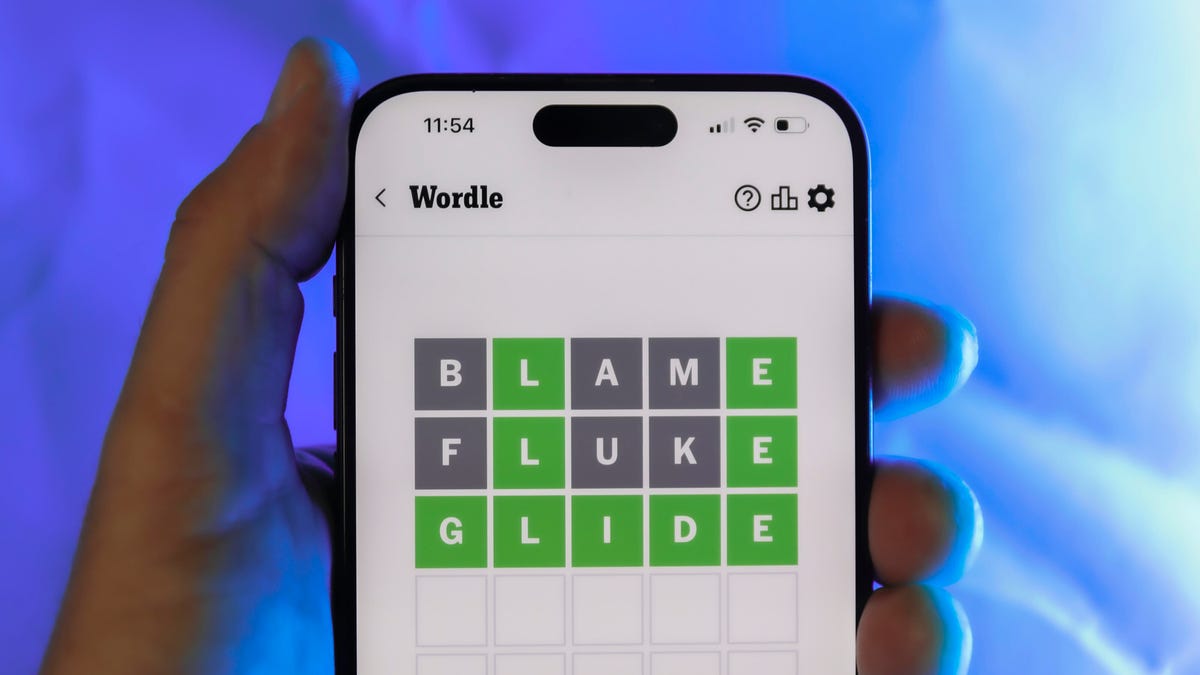
Looking for the most recent Wordle answer? Click here for today’s Wordle hints, as well as our daily answers and hints for The New York Times Mini Crossword, Connections, Connections: Sports Edition and Strands puzzles.
Today’s Wordle puzzle wasn’t too tricky, for a change. If you need a new starter word, check out our list of which letters show up the most in English words. If you need hints and the answer, read on.
Read more: New Study Reveals Wordle’s Top 10 Toughest Words of 2025
Today’s Wordle hints
Before we show you today’s Wordle answer, we’ll give you some hints. If you don’t want a spoiler, look away now.
Wordle hint No. 1: Repeats
Today’s Wordle answer has one repeated letter.
Wordle hint No. 2: Vowels
Today’s Wordle answer has one vowel, but it’s the repeated letter, so you’ll see it twice.
Wordle hint No. 3: First letter
Today’s Wordle answer begins with D.
Wordle hint No. 4: Last letter
Today’s Wordle answer ends with E.
Wordle hint No. 5: Meaning
Today’s Wordle answer can relate to something that is closely compacted.
TODAY’S WORDLE ANSWER
Today’s Wordle answer is DENSE.
Yesterday’s Wordle answer
Yesterday’s Wordle answer, April 6, No. 1752, was SWORN.
Recent Wordle answers
April 2, No. 1748: SOBER
April 3, No. 1749: SINGE
April 4, No. 1750: SANDY
April 5, No. 1751: ENVOY
What’s the best Wordle starting word?
Don’t be afraid to use our tip sheet ranking all the letters in the alphabet by frequency of uses. In short, you want starter words that lean heavy on E, A and R, and don’t contain Z, J and Q.
Some solid starter words to try:
ADIEU
TRAIN
CLOSE
STARE
NOISE
Technologies
Today’s NYT Mini Crossword Answers for Tuesday, April 7
Here are the answers for The New York Times Mini Crossword for April 7.
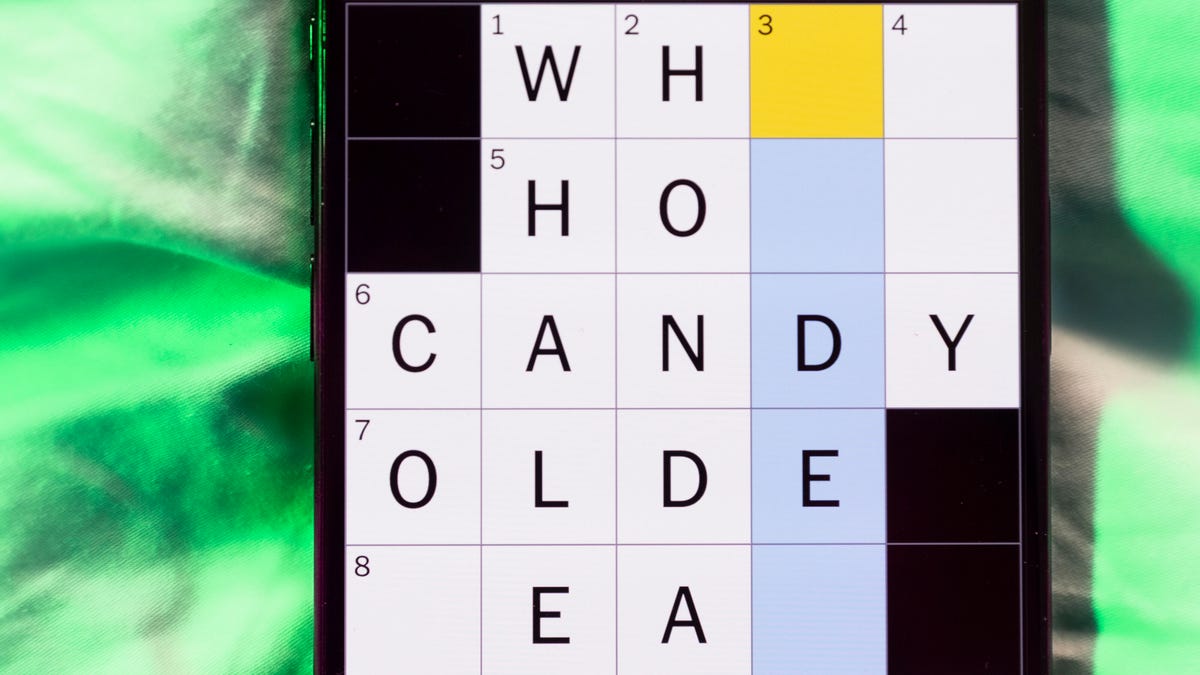
Looking for the most recent Mini Crossword answer? Click here for today’s Mini Crossword hints, as well as our daily answers and hints for The New York Times Wordle, Strands, Connections and Connections: Sports Edition puzzles.
Need some help with today’s Mini Crossword? Read on for all the answers. And if you could use some hints and guidance for daily solving, check out our Mini Crossword tips.
If you’re looking for today’s Wordle, Connections, Connections: Sports Edition and Strands answers, you can visit CNET’s NYT puzzle hints page.
Read more: Tips and Tricks for Solving The New York Times Mini Crossword
Let’s get to those Mini Crossword clues and answers.
Mini across clues and answers
1A clue: Informative commercial, for short
Answer: PSA
4A clue: Something you trace to draw a Thanksgiving turkey
Answer: HAND
5A clue: ___ Johnson, former Prime Minister of the U.K.
Answer: BORIS
6A clue: Opposite of include
Answer: OMIT
7A clue: Crosses (out)
Answer: XES
Mini down clues and answers
1D clue: City with the Notre-Dame Cathedral
Answer: PARIS
2D clue: Bad mood
Answer: SNIT
3D clue: About eight minutes of the average half-hour sitcom
Answer: ADS
4D clue: Remote worker’s office, perhaps
Answer: HOME
5D clue: Word that can follow each group of circled letters (and hints at its shape)
Answer: BOX
Technologies
NASA’s Artemis II Breaks Record With Trip Around The Moon
-
 Technologies3 года ago
Tech Companies Need to Be Held Accountable for Security, Experts Say
-
 Technologies3 года ago
Best Handheld Game Console in 2023
-
 Technologies3 года ago
Tighten Up Your VR Game With the Best Head Straps for Quest 2
-
 Technologies4 года ago
Black Friday 2021: The best deals on TVs, headphones, kitchenware, and more
-
 Technologies5 лет ago
Google to require vaccinations as Silicon Valley rethinks return-to-office policies
-
 Technologies5 лет ago
Verum, Wickr and Threema: next generation secured messengers
-
 Technologies4 года ago
Olivia Harlan Dekker for Verum Messenger
-
 Technologies4 года ago
The number of Сrypto Bank customers increased by 10% in five days