
Technologies
Watch ‘Dungeons & Dragons: Honor Among Thieves’ From Anywhere
The star-studded movie is still in theaters, but you can skip the pricey tickets and stream it now at home.
Dungeons & Dragons: Honor Among Thieves’ eye-popping cast and rollicking adventure have reached the Paramount Plus streaming service. The PG-13-rated movie, based on the fantasy roleplaying game, brings together an unlikely crew for an epic heist led by the one and only Chris Pine.
The release on the streaming service means there’s another option for those who haven’t made it to theaters to watch the film, which premiered exactly seven weeks ago, and don’t want to own it. Alongside Pine in the too-cool cast are Michelle Rodriguez, Bridgerton’s Regé-Jean Page, Sophia Lillis of the It horror films and Hugh Grant. The movie is a lot of fun — more of a Chris Pine vehicle than anything else — and it was bolstered by generally favorable reviews, according to Metacritic.

Michelle Rodriguez and Chris Pine get into another scrape.
Here’s more on how you can watch Dungeons & Dragons: Honor Among Thieves, and why you may want to use a VPN if you’re streaming it.
How to watch the new Dungeons & Dragons movie
Dungeons & Dragons: Honor Among Thieves landed on Paramount Plus on May 16.
If you’re interested in getting Paramount Plus, the service has two subscription tiers: ad-supported Essential and (mostly) ad-less Premium. Scream 6, another film that spent time in theaters recently, is also on Paramount Plus. You can still get tickets to see Dungeons & Dragons on the big screen.

Paramount Plus’ Essential tier with ads costs $5 per month and its ad-free Premium tier is $10 per month. There’s a weeklong free trial for both.
As far as deals go, the price of paying for a year of Paramount Plus upfront is less than it would be if you paid for a monthly subscription for the same length of time ($50 for a year of Essential Paramount Plus, and $100 for a year of the Premium version). College students can get a discount on a monthly ad-supported subscription.
How to watch the new Dungeons & Dragons movie from anywhere with a VPN
Perhaps you’re traveling abroad and want to stream Paramount Plus while away from home. With a VPN, you’re able to virtually change your location on your phone, tablet or laptop to get access to the movie from anywhere in the world. There are other good reasons to use a VPN for streaming, too.
A VPN is the best way to stop your ISP from throttling your speeds by encrypting your traffic. Using a VPN is also a great idea if you’re traveling and find yourself connected to a Wi-Fi network, and you want to add an extra layer of privacy for your devices and logins. Streaming TV can be a bit smoother with a reliable, quality VPN that’s passed our tests and security standards.
You can use a VPN to stream content legally as long as VPNs are allowed in your country and you have a valid subscription to the streaming service you’re using. The US and Canada are among the countries where VPNs are legal, but we advise against streaming or downloading content on illegal torrent sites. We recommend ExpressVPN, but you may opt for another provider from our best list, such as Surfshark or NordVPN.
If you’re looking for a secure and dependable VPN, our Editors’ Choice is ExpressVPN. It’s fast, works on multiple devices, and provides stable streams. It’s normally $13 a month, but you can get 15 months for $6.67 a month by opting for ExpressVPN’s annual plan that includes three months free.
ExpressVPN offers a 30-day money-back guarantee. Read our review of ExpressVPN.
Follow the VPN provider’s instructions for installation, and choose a country where Dungeons & Dragons will be streaming on Paramount Plus. Before you open the streaming app, make sure you are connected to your VPN using your selected region. If you want to stream Dungeons & Dragons on more than one device, it’s possible you’ll need to configure each one to ensure you are signed in. Go to settings and check your network connections to verify you’re logged in and connected to your VPN account. Now you’re ready to open Paramount Plus to stream.
If you run into issues with streaming, first make sure your VPN is up and running on its encrypted IP address. Double-check that you’ve followed installation instructions correctly and you’ve picked the right geographical area for viewing. If you still encounter connection problems, you may need to reboot your device. Close all apps and windows, restart your device and connect to your VPN first. Note that some streaming services have restrictions on VPN access.
Technologies
Google’s Pixel 10A Is Coming to Japan With an Exclusive Blue Edition and Special Wallpaper
This model comes with creatively designed stickers and a special look for Pixel’s 10th anniversary.

Don’t be blue: Google is releasing an Isai blue edition of the Pixel 10A to celebrate the Android phone line’s 10th anniversary, setting it apart with its own sticker set, specialized wallpaper and custom icons. But it’ll only be available in Japan.
Announced Tuesday on the Google Japan blog, the Isai blue Pixel 10A has a dark blue look and includes bonus decorations designed in collaboration with Japan’s Heralbony art company. These include an exclusive bumper case and stickers for customization.
This edition of the Pixel 10A will arrive in Japan on May 20, following the April 14 release of the Pixel 10A in its original colors of lavender, berry, fog and obsidian. The Isai blue model costs 94,900 yen, which roughly translates to $595, and includes 256GB of storage.
This makes it slightly less expensive than the US model’s 256GB edition, but it comes with a number of fun extras at no additional cost.
Google’s creation of a country-specific model for Japan may also reflect strong sales in that market. In 2023, the IDC analytics firm (via 9to5Google) reported that the Pixel 7 series accounted for 10.7% of the country’s market share, a 527% increase from 2022.
Technologies
Can’t Wait for New Emoji? Here’s How to Create Your Own on iPhone
Apple Intelligence-enabled iPhones can create custom emoji in a few easy steps.
Apple brought new emoji to all iPhones when the company released iOS 26.4 on March 24. The new emoji include «» orca, «» distorted face and «» hairy creature — or as we might normally call it, Sasquatch. According to Emojipedia, there are 3,953 emoji with more on the way, including a pickle. But there’s no emoji for a dog wearing pajamas, a plate with burgers and fries and many other things. But if you have Genmoji on your iPhone you can create these emoji and many more.
Apple released iOS 18.2 in 2024 and the company introduced its own emoji generator, called Genmoji, to Apple Intelligence-capable iPhones at that time. The Unicode Standard, a universal character encoding standard, is responsible for creating new emoji, and approved emoji are added to all devices once a year. With Genmoji, you don’t have to wait for new emoji to appear on your iPhone each year. You can just create them as you need them.
Read on to learn how to use Genmoji on iPhone to create your own custom emoji. Just note that only iPhones with Apple Intelligence, like the iPhone 17 lineup, can use Genmoji at this time.
Note: The new emoji may not display correctly for Apple users whose devices aren’t on a 26.4 software version.
How to make custom emoji
1. Open Messages and go into a chat.
2. Tap the plus (+) button next to your text box.
3. Tap Genmoji.
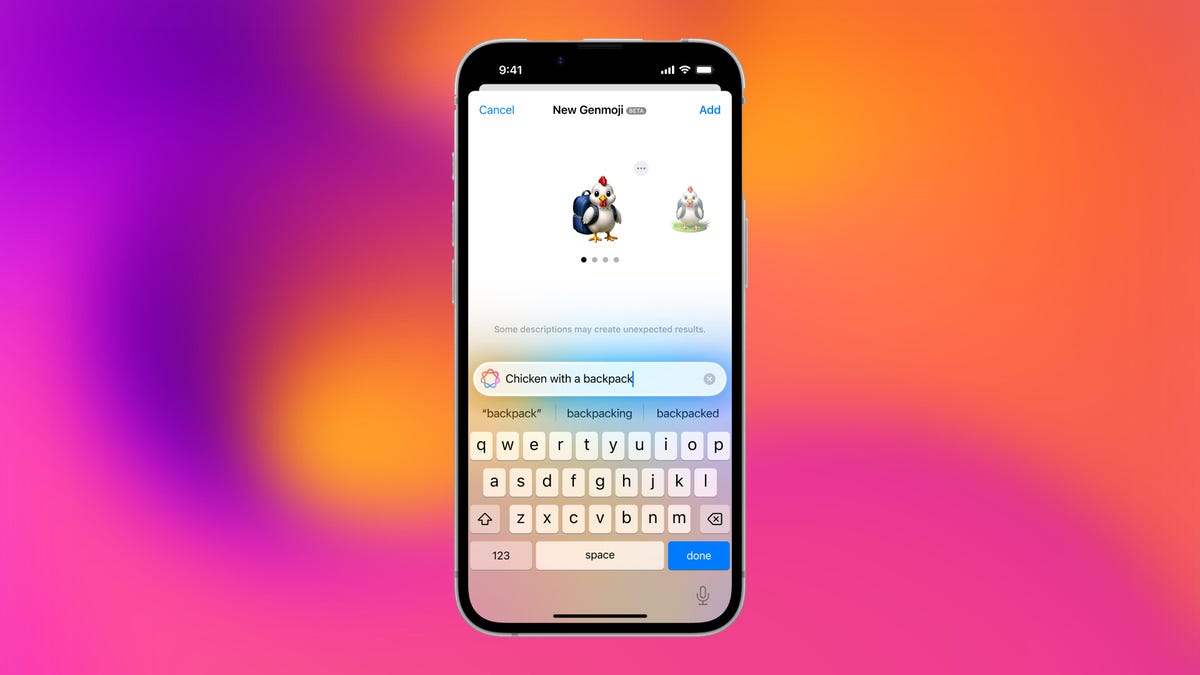
You can then type a description of an emoji into the text box near the bottom of your screen and tap the check mark on your keyboard to enter that description into Genmoji. You can also tap different suggestions and themes that are right above the text box. And with iOS 26 or later, you can also combine and use emoji to create others rather than describing a new emoji or using suggestions.
Your iPhone will generate a series of new emoji for you to pick from according to your description, and you can swipe through these new emoji. When you find the one you want, tap Add in the top right corner of your screen and the new emoji will be available to use as an emoji, tapback or a sticker. Now you don’t have to wait for the Unicode Standard to propose, create and bring new emoji to devices.
For more iOS news, here’s what to know about iOS 26.4 and iOS 26.3. You can also check out our iOS 26 cheat sheet for other tips and tricks.
Technologies
Save Over 20% on This Handy 10,000-mAh Anker Nano Power Bank
Keep your devices charged on the go with this Anker Nano power bank, now down to just $46.
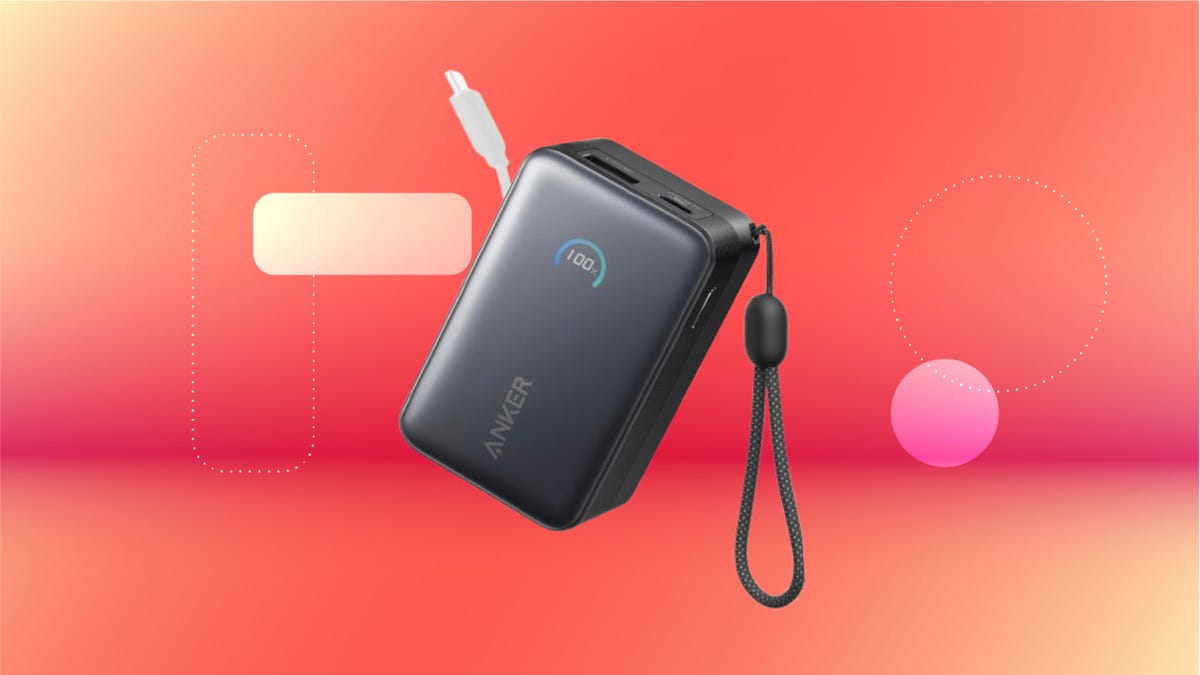
We’ve just spotted the Anker Nano 45-watt portable power bank for just $46 at Amazon right now. This saves you $14 — a 23% discount on its list price. Though it’s $6 more than the lowest-ever price we saw during Black Friday, it’s still a solid discount when you take the rising cost of tech accessories into account. It also matches the lowest price we’ve seen in 2026. It comes in four colors: black, green, pink and white. They’re all on sale for the same price.
This Anker Nano portable charger weighs approximately 8.2 ounces and measures a compact 3.21×1.99×1.42 inches. Despite its small size, it has a retractable cable and supports fast charging in compatible Apple, Samsung, Google Pixel and other smartphones. It also has a large 10,000-mAh capacity and a smart display so you always know how much juice is left in your power bank.
The Nano can charge an iPhone 17 to up to 50% battery in an estimated 20 minutes, and is powerful enough to charge tablets and laptops. Need to charge your devices while charging your power bank? You can do so safely thanks to pass-through charging so you’ll never have to go without battery life.
We’ve also compiled a list of the best power banks for iPhones and for Android, in case this deal isn’t quite a fit for you.
Why this deal matters
If you travel, have a long commute time or are otherwise always on the go, a portable charger can help you keep your devices fully powered. This 45-watt Anker Nano power bank is compact, includes a loop that lets you keep track of it easily and has a built-in cable so you don’t have to keep up with extra cords. Amazon’s $14 discount makes this a solid deal for anyone looking for a compact power bank.
-
 Technologies3 года ago
Tech Companies Need to Be Held Accountable for Security, Experts Say
-
 Technologies3 года ago
Best Handheld Game Console in 2023
-
 Technologies3 года ago
Tighten Up Your VR Game With the Best Head Straps for Quest 2
-
 Technologies4 года ago
Black Friday 2021: The best deals on TVs, headphones, kitchenware, and more
-
 Technologies5 лет ago
Google to require vaccinations as Silicon Valley rethinks return-to-office policies
-
 Technologies5 лет ago
Verum, Wickr and Threema: next generation secured messengers
-
 Technologies4 года ago
Olivia Harlan Dekker for Verum Messenger
-
 Technologies4 года ago
The number of Сrypto Bank customers increased by 10% in five days