
Technologies
iOS 16.4: The Full List of New Emoji That Hit Your iPhone
One of the most sought-after emoji comes to your iPhone.

Apple’s latest software update, iOS 16.4, can be downloaded now, and it brings a collection of new features to your iPhone, from voice isolation for calls to support for PlayStation 5 controllers. The update brings a collection of new emoji — including one of the most requested emoji — to your iPhone, too.
Among the new emoji are a shaking-head smiley; animals like a donkey, moose and goose; and additional heart colors, such as plain pink and light blue. The plain pink heart has been a long-sought emoji, according to Emojipedia, which named it one of the site’s top emoji requests in 2015. Last year’s significant emoji drop in iOS 15.4 included a melting face, a lip being bitten and a pregnant man, with 37 new designs in total.
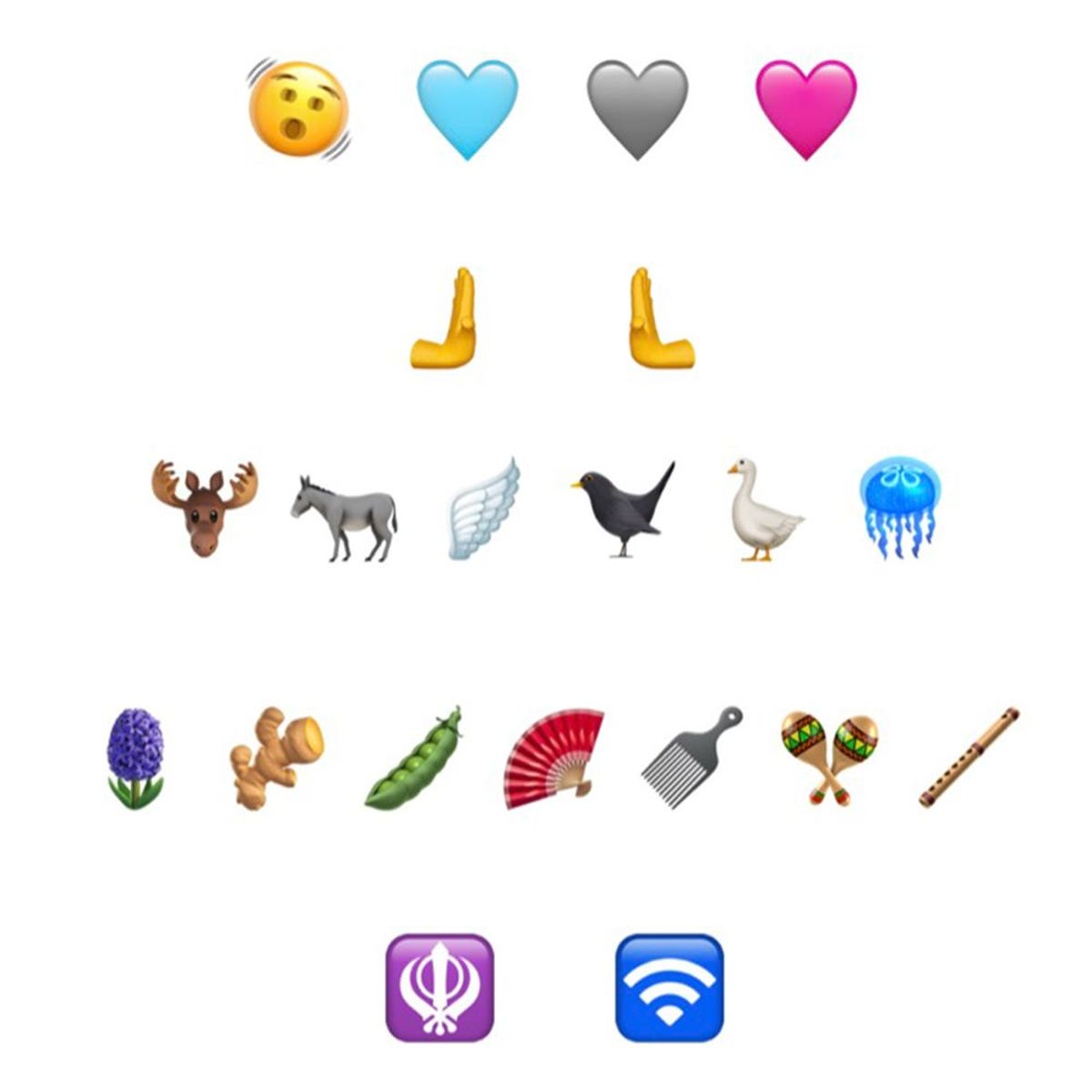
A moose, donkey and goose are some of the new emoji iPhone users might see soon.
EmojipediaEmojipedia said the new emoji came from Unicode’s September 2022 recommendation list, Emoji 15.0.
You can start using all the latest emoji and other new features by downloading iOS 16.4 now.
For more, check out how to decipher each emoji, and take a look at the emoji you may have missed with the release of iOS 15.4.
Here’s the complete list of new emoji in iOS 16.4
- Shaking Face
- Pink Heart
- Light Blue Heart
- Grey Heart
- Donkey
- Moose
- Goose
- Wing
- Jellyfish
- Hyacinth
- Pea Pod
- Ginger
- Folding Hand Fan
- Hair Pick
- Flute
- Maracas
- Khanda
- Wireless
- Rightward Pushing Hand
- Leftward Pushing Hand
- Black Bird
- Rightward Pushing Hand: Light Skin Tone
- Rightward Pushing Hand: Medium-Light Skin Tone
- Rightward Pushing Hand: Medium Skin Tone
- Rightward Pushing Hand: Medium-Dark Skin Tone
- Rightward Pushing Hand: Dark Skin Tone
- Leftward Pushing Hand: Light Skin Tone
- Leftward Pushing Hand: Medium-Light Skin Tone
- Leftward Pushing Hand: Medium Skin Tone
- Leftward Pushing Hand: Medium-Dark Skin Tone
- Leftward Pushing Hand: Dark Skin Tone
Technologies
Meta and AMD’s Multibillion-Dollar Deal Is All About the AI Chips
Meta will take a stake in the chipmaker in exchange for a commitment to buy billions of dollars’ worth of AI chips.
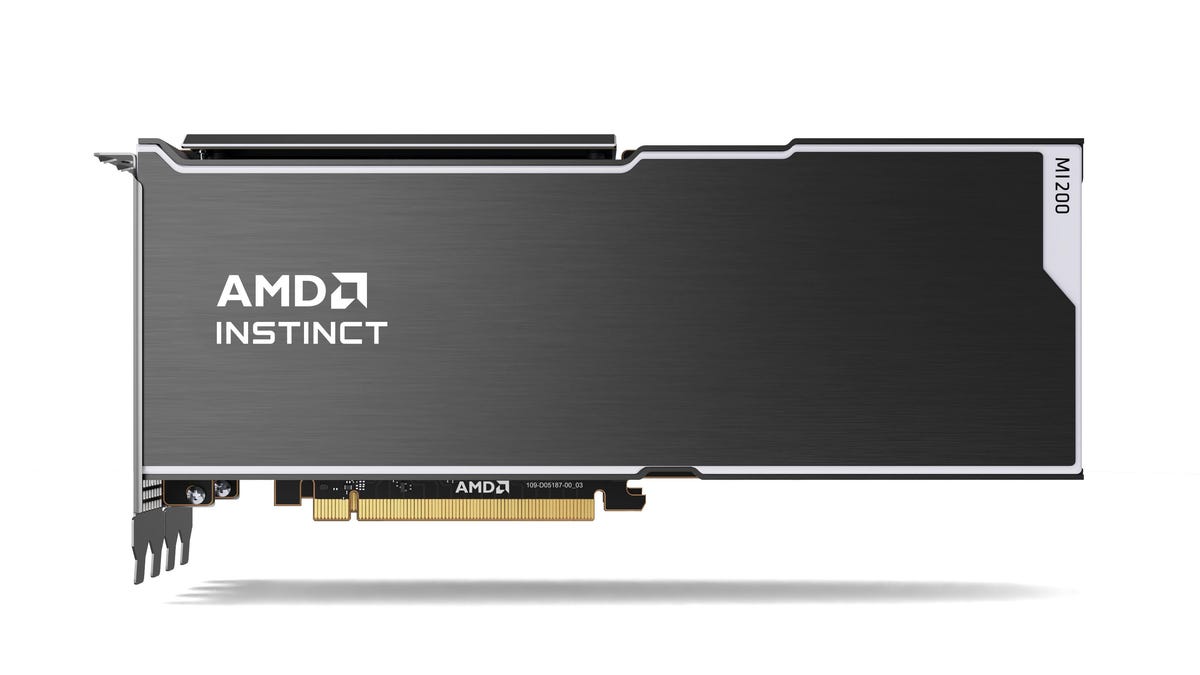
Meta is joining OpenAI as one of the major tech companies to take a stake in chipmaker AMD, as part of an AI hardware buying frenzy. Meta and AMD on Tuesday announced a partnership that will involve CEO Mark Zuckerberg’s tech giant buying billions of dollars’ worth of AMD Instinct GPUs in order to fuel its ambitions to build out AI offerings across Meta platforms, including Instagram, Facebook and WhatsApp.
In a release, Meta described the deal as «multi-year,» and said the AI purchase will provide Meta with up to 6 gigawatts of AMD GPUs, «the silicon computing technology used to support modern AI models.»
According to the US Department of Energy, a single gigawatt (1 billion watts) is equivalent to nearly 2,000 large solar panels or 100 million LED bulbs.
In AMD’s version of the announcement, CEO Lisa Su said, «We are proud to expand our strategic partnership with Meta as they push the boundaries of AI at unprecedented scale.» As part of the deal, Meta will take a 10% stake in AMD.
AMD, based in Santa Clara, California, previously signed a deal with ChatGPT-maker OpenAI that it announced last October, which is similar to the Meta deal and also gives its AI rival 10% ownership of AMD.
(Disclosure: Ziff Davis, CNET’s parent company, in 2025 filed a lawsuit against OpenAI, alleging it infringed Ziff Davis copyrights in training and operating its AI systems.)
What does this mean for the rest of us?
AMD’s two megadeals may not have an immediate impact on people who use Meta’s social networking and communications apps, or even on those who buy AMD’s products, including desktop processors and graphics cards.
But it signals that large companies making huge bets on the future of AI are doing what they can to secure the hardware they need as supplies tighten and prices rise for components such as RAM. Some of those constraints aren’t expected to end anytime soon, and shoppers could begin to see prices rise even more than they already have for computers, smartphones, vehicles and other products that heavily rely on computing components like these.
It is also a sign that Meta’s ambitions for AI are not slowing down as it continues to compete with companies including OpenAI, Microsoft and Google to develop AI products and tools.
Also a factor: Meta’s push into wearables
Another reason AMD may want access to AI chips goes beyond its own data centers and online platforms: Meta has increasingly been focused on wearables such as its Oakley Meta AI Glasses and other potential new portable products.
In addition to what AMD’s GPUs can offer Meta for AI infrastructure power, AMD may also be part of its wearable future.
«With AI models requiring unprecedented processing power to process real-time data and information, Meta is focused on securing the supply chain necessary for its wearable devices,» said Michael J. Wolf, founder and CEO of the consulting firm Activate.
Wolf believes that the deals Meta and OpenAI have signed won’t be the last time a major AI-focused company locks down a supply of semiconductors.
«As consumer hardware transitions from smartphones to smart glasses, we will absolutely see more of these mega-deals,» Wolf said.
Technologies
Today’s NYT Connections: Sports Edition Hints and Answers for Feb. 25, #520
Here are hints and the answers for the NYT Connections: Sports Edition puzzle for Feb. 25, No. 520.
Looking for the most recent regular Connections answers? Click here for today’s Connections hints, as well as our daily answers and hints for The New York Times Mini Crossword, Wordle and Strands puzzles.
Today’s Connections: Sports Edition features a mix of difficulties. The green one is kind of fun today. If you’re struggling with today’s puzzle but still want to solve it, read on for hints and the answers.
Connections: Sports Edition is published by The Athletic, the subscription-based sports journalism site owned by The Times. It doesn’t appear in the NYT Games app, but it does in The Athletic’s own app. Or you can play it for free online.
Read more: NYT Connections: Sports Edition Puzzle Comes Out of Beta
Hints for today’s Connections: Sports Edition groups
Here are four hints for the groupings in today’s Connections: Sports Edition puzzle, ranked from the easiest yellow group to the tough (and sometimes bizarre) purple group.
Yellow group hint: Whack it!
Green group hint: Halloween colors.
Blue group hint: The airport is YUL.
Purple group hint: It’s also a hat.
Answers for today’s Connections: Sports Edition groups
Yellow group: To hit a baseball hard.
Green group: Orange and black teams.
Blue group: Associated with Montreal.
Purple group: ____ derby.
Read more: Wordle Cheat Sheet: Here Are the Most Popular Letters Used in English Words
What are today’s Connections: Sports Edition answers?
The yellow words in today’s Connections
The theme is to hit a baseball hard. The four answers are belt, blister, hammer and tattoo.
The green words in today’s Connections
The theme is orange and black teams. The four answers are Bengals, Flyers, Giants and Oklahoma State.
The blue words in today’s Connections
The theme is associated with Montreal. The four answers are 1976 Olympics, Canadiens, Expos and Youppi!
The purple words in today’s Connections
The theme is ____ derby. The four answers are home run, Kentucky, Merseyside and roller.
Technologies
Today’s NYT Mini Crossword Answers for Wednesday, Feb. 25
Here are the answers for The New York Times Mini Crossword for Feb. 25.
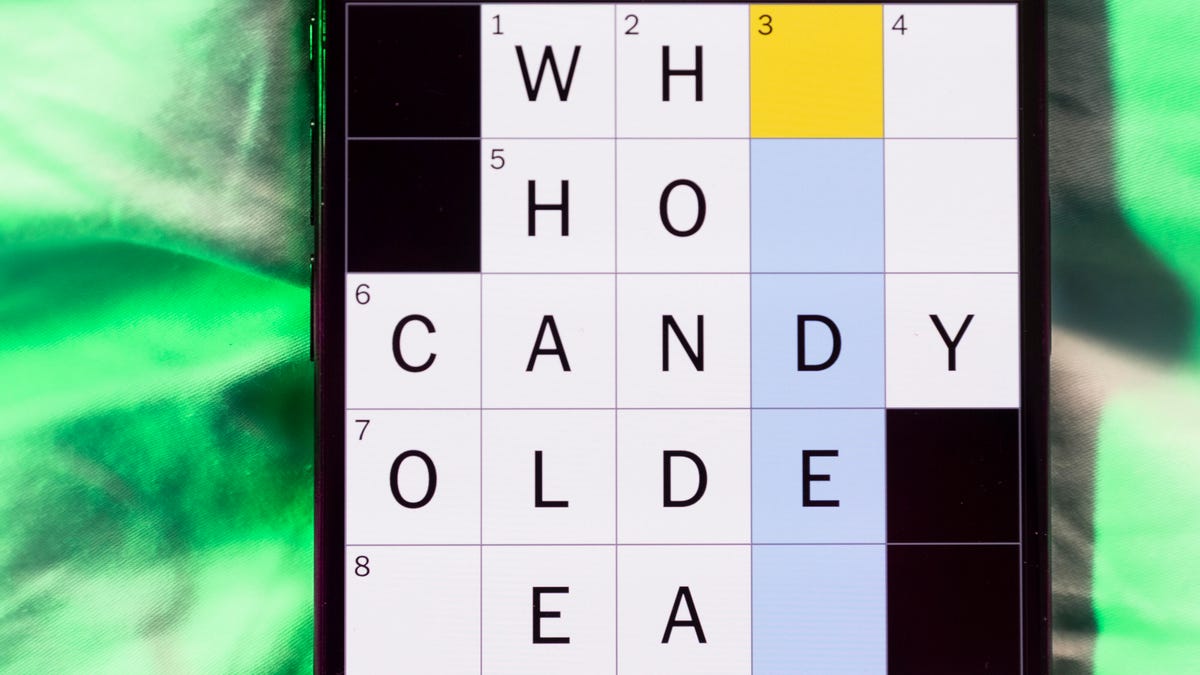
Looking for the most recent Mini Crossword answer? Click here for today’s Mini Crossword hints, as well as our daily answers and hints for The New York Times Wordle, Strands, Connections and Connections: Sports Edition puzzles.
I thought today’s Mini Crossword was a tough one! Read on for all the answers. And if you could use some hints and guidance for daily solving, check out our Mini Crossword tips.
If you’re looking for today’s Wordle, Connections, Connections: Sports Edition and Strands answers, you can visit CNET’s NYT puzzle hints page.
Read more: Tips and Tricks for Solving The New York Times Mini Crossword
Let’s get to those Mini Crossword clues and answers.
Mini across clues and answers
1A clue: Computer function represented by a floppy disk icon
Answer: SAVE
5A clue: Want more than anything
Answer: CRAVE
7A clue: Enticed, with «in»
Answer: ROPED
8A clue: In the company of
Answer: AMONG
9A clue: Something to do «like it’s 1999»
Answer: PARTY
Mini down clues and answers
1D clue: Something to do «like it’s 1999»
Answer: SCRAP
2D clue: Fragrance
Answer: AROMA
3D clue: What a humidifier emits
Answer: VAPOR
4D clue: Curling or speed skating, for the Winter Olympics
Answer: EVENT
6D clue: Risqué
Answer: EDGY
-
 Technologies3 года ago
Tech Companies Need to Be Held Accountable for Security, Experts Say
-
 Technologies3 года ago
Best Handheld Game Console in 2023
-
 Technologies3 года ago
Tighten Up Your VR Game With the Best Head Straps for Quest 2
-
 Technologies4 года ago
Black Friday 2021: The best deals on TVs, headphones, kitchenware, and more
-
 Technologies5 лет ago
Google to require vaccinations as Silicon Valley rethinks return-to-office policies
-
 Technologies5 лет ago
Verum, Wickr and Threema: next generation secured messengers
-
 Technologies4 года ago
Olivia Harlan Dekker for Verum Messenger
-
 Technologies4 года ago
iPhone 13 event: How to watch Apple’s big announcement tomorrow