
Technologies
How T-Mobile, Verizon and Others Are Fighting the Climate Crisis
The mobile industry body GSMA reports that close to a quarter of energy used by mobile networks is now renewable.

What is your mobile carrier doing to combat the climate crisis? It might not be something you’ve thought much about, but with increasing numbers of networks around the world aligning themselves with science-based targets, it’s easier than ever to see if the service you’re paying for is taking genuine action to reduce its environmental impact.
In a report released at Mobile World Congress in Barcelona on Tuesday, mobile industry body GSMA said that nearly a quarter of energy (24%) used by the mobile sector comes from renewable sources, up from 14% in 2020. In addition, 62 carriers globally have now committed to rapidly decreasing their direct and indirect emissions by 2030, representing 61% of the industry by revenue. This is an increase of 12 networks since the previous report published last April.
The GSMA is leading an industry-wide drive to ensure carriers reach net zero emissions by 2050. A key metric it’s using to measure the ambition of its members is their commitment to preventing global warming from exceeding 1.5 degrees Celsius, the science-based target laid out in the Paris Agreement.
With the impacts of the climate crisis — from floods to wildfires to deadly heatwaves — increasingly being felt in regions around the world, there is growing pressure on all industries to prioritize transitioning to clean energy and ensure they’re playing an active role in preserving rather than harming our ecosystems. The mobile industry is no exception, and some networks are doing more than others to alleviate their environmental impact, which could make a difference to where you choose to spend your money.
On the hardware side, phone makers are investing heavily in giving phones a longer life and using more recycled materials in their products. But on the network side, companies are increasingly investing in finding ways to build and operate infrastructure using highly efficient methods that are less energy-intensive than those used in the past.
The biggest challenge for carriers, said John Giusti, chief regulatory office for the GSMA, is access to renewable energy. «The good news is that the industry is moving forward, with operators now directly purchasing 24% of their electricity from renewable sources, up from 18% in 2021 and 14% in 2020,» he said in the report. But with carrier demand outstripping supply, governments need to help expand access to renewable energy, he added.
Europe and North America, two of the regions most responsible for historic emissions, are leading the charge when it comes to ambitious sustainability commitments and actions. «It’s perhaps only fair because it’s parts of the world where they’re the most advanced climate wise, and therefore they have the most capability to actually reduce their emissions,» Steven Moore, head of climate action for the GSMA, said in an interview with CNET the week preceding MWC.
The GSMA’s report looked at actions by mobile operators across the world but called out T-Mobile as an example of a company making great strides to reduce its carbon impact in the US. It’s the first company in the US wireless sector to set a net zero goal validated by the Science Based Target Initiative covering all of its emissions, including those from across the supply chain and indirect emissions from purchased electricity. It’s also one of only a small handful of networks so far to set a net zero by 2040 target, instead of 2050.
Meanwhile, its main competitors, Verizon and AT&T have both aligned themselves with the 1.5 degrees pathway, and Verizon has committed to net zero emissions across the board by 2050. Moore said that he wouldn’t be surprised if networks in many places end up achieving net zero much earlier than 2050. «Once we start to invest, it’s incredible how quickly things can change,» he said.
Technologies
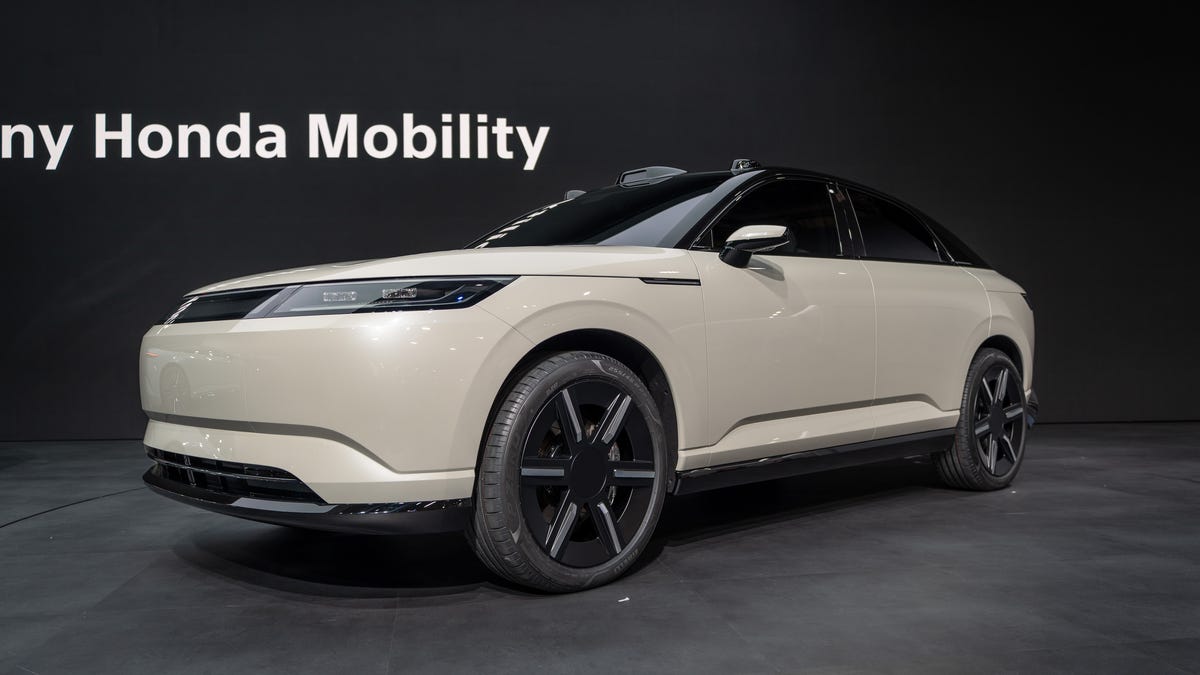
Sony Hits the Brakes on Electric Cars With Built-In PlayStation Features
Two EV models that Sony was developing with Honda, the Afeels 1 sedan and an Afeela SUV, are now discontinued.
Technologies
Samsung’s New Budget Galaxy A37 and A57: Improved Designs and AI Features
Technologies
My 3 Favorite Bose Headphones Deals on Amazon Aren’t Actually From Bose
Baseus’ Inspire XH1, XP1 and XC1 headphones with Sound by Bose are up to 23% off during Amazon’s Big Spring Sale. A bonus item makes the deal even harder to ignore.
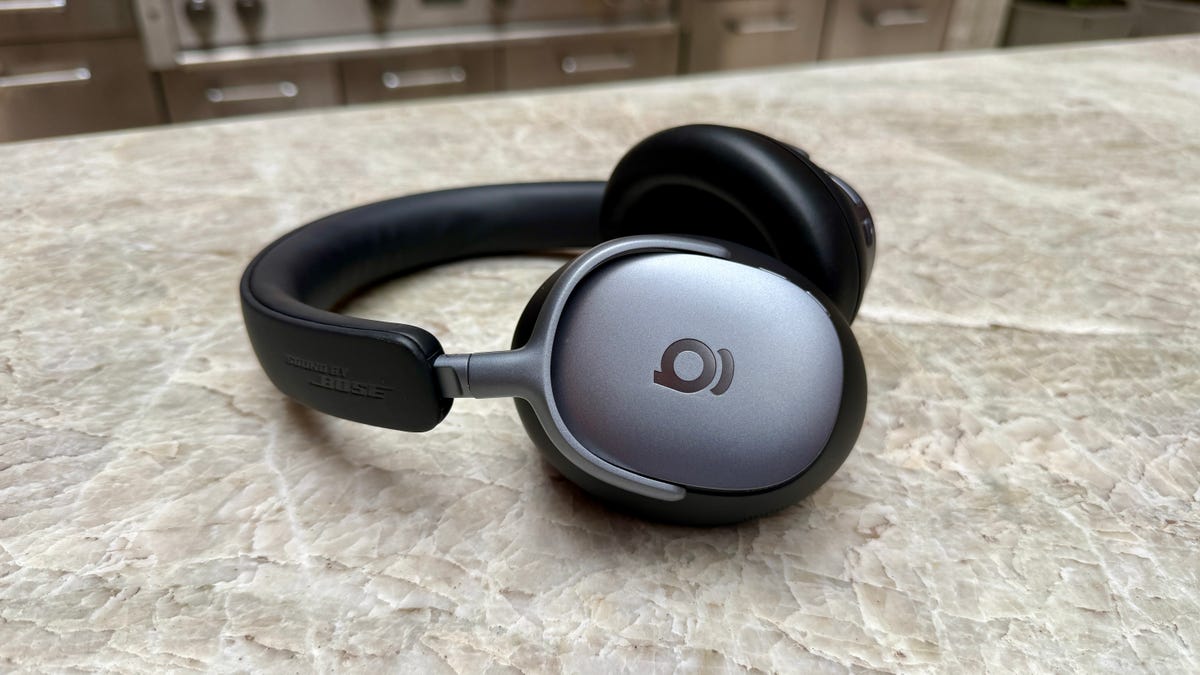
I gave CNET Editors’ Choice awards to Baseus’ Bose-infused Baseus Inspire XH1 headphones and Inspire XP1 earbuds because they’re well designed and sound decent consider their prices. I also liked Baseus’ Inspire XC1 clip-on earbuds, which have dual drivers. They even earned a spot on CNET’s best clip-on earbuds list and are probably the best clip-on buds at their price right now.
Amazon’s Big Spring Sale just kicked off, and it’ll be around through March 31. Right now, all three models are discounted to $100 to $123, bringing them near their all-time low prices.
That’s a deal I’d highlight on its own, but if you click through to any of those models’ Amazon product pages and look closely, you’ll see that each is eligible for «one free item» with purchase.
Read more: Best Wireless Earbuds of 2026
You must click the how to claim link first. Then click a button on the left side of the screen (above the stars for average ratings) to switch the view from «qualifying items» to «benefit items» and see the freebie. The items tend to be Baseus’ entry-level headphones or earbuds, but if you don’t like the free item option with a $120 purchase, you can try the options at lower prices.
You can read my full reviews of the Inspire XH1 headphones here and the Inspire XP1 earbuds here. And here’s my quick take on the Inspire XC1 earbuds:
Like Baseus’ noise-isolating Inspire XP1 earbuds, which I rated highly, the Inspire XC1 have Sound by Bose and a more premium design than earlier Baseus earbuds. The XC1 don’t sound as good as the XP1, they’re decent open earbuds and are equipped with dual drivers (one is a Knowles balanced-armature driver that helps improve treble performance). While they don’t produce as much bass as noise-isolating earbuds like the Inspire XP1, their bass performance is better than I expected. The buds’ sound is pretty full, especially in quieter environments, though they do better with less bass-heavy material. I did notice a bit of distortion at higher volumes with certain tracks that feature harder-driving bass.
While I slightly prefer the design and fit of Bose’s Ultra Open Earbuds, as well as the design of their case, and think the Bose buds sound more natural and a tad better overall, the much more affordable Inspire XC1 fit comfortably and offer top-tier sound for clip-on open earbuds, as well as decent voice-calling performance with good background noise reduction. And they play louder than the Bose, too.
You can grab the Inspire XH1 for $123, the XP1 for $100 and the XC1 for $110, saving you up to 23%. Just remember to claim your free item with your purchase.
Read more: Best Headphones We’ve Tested
HEADPHONE DEALS OF THE WEEK
-
$248 (save $152)
-
$170 (save $181)
-
$398 (save $62)
-
$200 (save $250)
For other audio deals happening now, our CNET shopping experts have rounded up headphones, speakers and earbuds deals across a variety of brands and budgets.
-
 Technologies3 года ago
Tech Companies Need to Be Held Accountable for Security, Experts Say
-
 Technologies3 года ago
Best Handheld Game Console in 2023
-
 Technologies3 года ago
Tighten Up Your VR Game With the Best Head Straps for Quest 2
-
 Technologies4 года ago
Black Friday 2021: The best deals on TVs, headphones, kitchenware, and more
-
 Technologies5 лет ago
Google to require vaccinations as Silicon Valley rethinks return-to-office policies
-
 Technologies5 лет ago
Verum, Wickr and Threema: next generation secured messengers
-
 Technologies4 года ago
Olivia Harlan Dekker for Verum Messenger
-
 Technologies4 года ago
The number of Сrypto Bank customers increased by 10% in five days