
Technologies
Use This Secret Netflix Trick to Watch Something New Over the Holidays
Netflix’s secret codes will give your watchlist a much-needed refresh.
This story is part of 12 Days of Tips, helping you make the most of your tech, home and health during the holiday season.
Ready to relax on the couch and wind down from the holidays? A Netflix marathon is a great place to start. If you’re tired of seeing the same list of Netflix TV show and movie recommendations, scrolling really isn’t the best way to find something new to watch. It’s also not a great way to find other niche genres you might be interested in.
But there’s a secret trick for filtering Netflix’s library by genre to find exactly what you’re browsing for: Netflix codes. Instead of passively accepting the algorithm’s picks, learn how to use Netflix codes to find your own next binge-watch.
Read more: How to Turn Off Netflix’s Pesky Autoplay Trailers
What are Netflix codes?
Netflix codes are based on a number system that corresponds to a different genre or subgenre, which the algorithm uses to categorize and serve up recommendations. For example, instead of scrolling through Horror, you can search Small Town Scares (81496215) for more specific results.
So far, Netflix has about 36,000 codes. Note that codes can only be used on Netflix’s website and not in its apps.
Where do I find Netflix’s secret menu?
Check out netflix-codes.com for a full list. There are about 20 categories like anime, foreign movies and classic movies. Those categories are broken down into more specific subgenres. For example, horror movies — coded 8711 — houses 12 more codes like deep-sea horror movies, zombie horror movies, teen screams and more.
How do I use Netflix codes?
The easiest way is by installing the Better Browse for Netflix extension for Chrome. Here’s how:
1. Go to the Chrome Web Store and search «Better Browse for Netflix.»
2. Click Add to Chrome.
3. Click Add Extension.
4. Log into your Netflix account in a new tab.
At the top of the Netflix home screen, you should see a new option — Browse All — next to My List. Click that to search manually or scroll through the subgenres available.
Another way is through the Netflix codes website. Here’s how:
1. Visit netflix-codes.com in your PC or mobile browser.
2. Find the genre or subgenre you want to explore.
3. Tap the code next to the genre or subgenre you want.
4. If you’re on a device that has the Netflix app installed, the app should open and take you directly to the genre or subgenre you chose. If you don’t have the app installed, it’ll open Netflix through the browser and you can view the specific movies and shows available.
5. Tap the title you want to watch.
You can also use the Netflix codes manually in your browser. Here’s how:
1. Visit netflix-codes.com in your PC or mobile browser.
2. Find the genre or subgenre you want to explore.
3. In another tab, type in <http://www.netflix.com/browse/genre/INSERTNUMBER>, but replace INSERTNUMBER with the specific genre or subgenre code.
4. You’ll be taken to Netflix to peruse the titles available in that section.
From there, you can either make a mental note of the movie you want to watch and go back to the app on your preferred device, or log in to watch in your browser.
Technologies
Can’t Wait for New Emoji? Here’s How to Create Your Own on iPhone
Apple Intelligence-enabled iPhones can create custom emoji in a few easy steps.
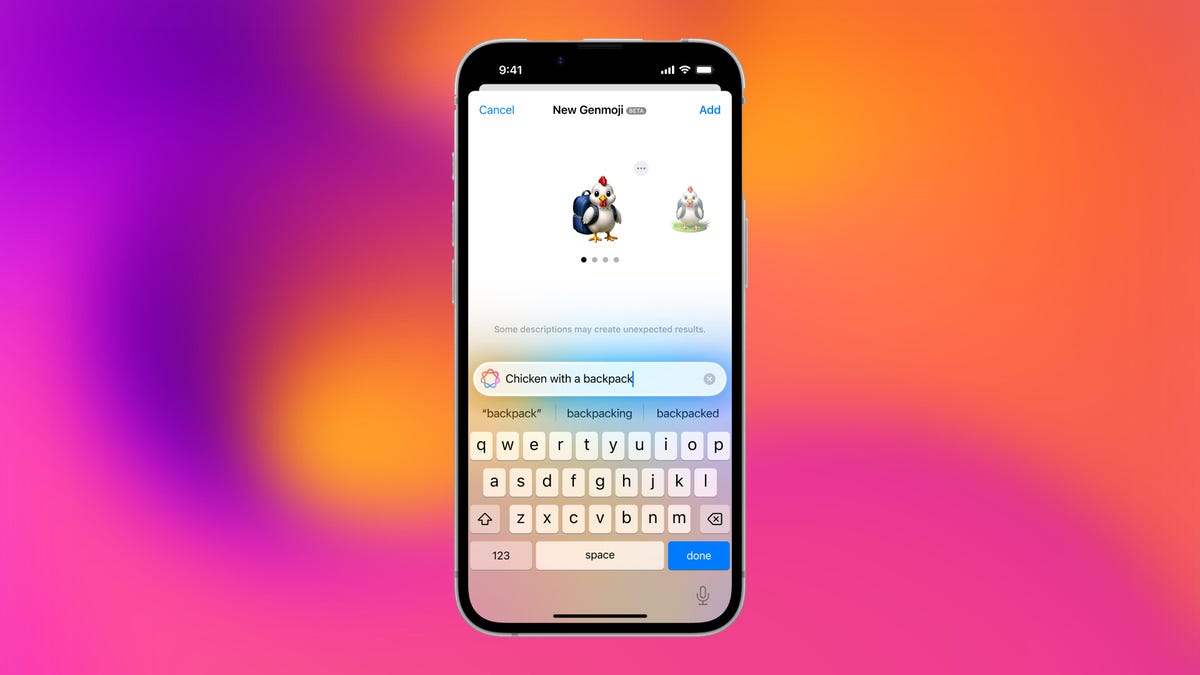
Apple brought new emoji to all iPhones when the company released iOS 26.4 on March 24. The new emoji include «» orca, «» distorted face and «» hairy creature — or as we might normally call it, Sasquatch. According to Emojipedia, there are 3,953 emoji with more on the way, including a pickle. But there’s no emoji for a dog wearing pajamas, a plate with burgers and fries and many other things. But if you have Genmoji on your iPhone you can create these emoji and many more.
Apple released iOS 18.2 in 2024 and the company introduced its own emoji generator, called Genmoji, to Apple Intelligence-capable iPhones at that time. The Unicode Standard, a universal character encoding standard, is responsible for creating new emoji, and approved emoji are added to all devices once a year. With Genmoji, you don’t have to wait for new emoji to appear on your iPhone each year. You can just create them as you need them.
Read on to learn how to use Genmoji on iPhone to create your own custom emoji. Just note that only iPhones with Apple Intelligence, like the iPhone 17 lineup, can use Genmoji at this time.
Note: The new emoji may not display correctly for Apple users whose devices aren’t on a 26.4 software version.
How to make custom emoji
1. Open Messages and go into a chat.
2. Tap the plus (+) button next to your text box.
3. Tap Genmoji.
You can then type a description of an emoji into the text box near the bottom of your screen and tap the check mark on your keyboard to enter that description into Genmoji. You can also tap different suggestions and themes that are right above the text box. And with iOS 26 or later, you can also combine and use emoji to create others rather than describing a new emoji or using suggestions.
Your iPhone will generate a series of new emoji for you to pick from according to your description, and you can swipe through these new emoji. When you find the one you want, tap Add in the top right corner of your screen and the new emoji will be available to use as an emoji, tapback or a sticker. Now you don’t have to wait for the Unicode Standard to propose, create and bring new emoji to devices.
For more iOS news, here’s what to know about iOS 26.4 and iOS 26.3. You can also check out our iOS 26 cheat sheet for other tips and tricks.
Technologies
Save Over 20% on This Handy 10,000-mAh Anker Nano Power Bank
Keep your devices charged on the go with this Anker Nano power bank, now down to just $46.
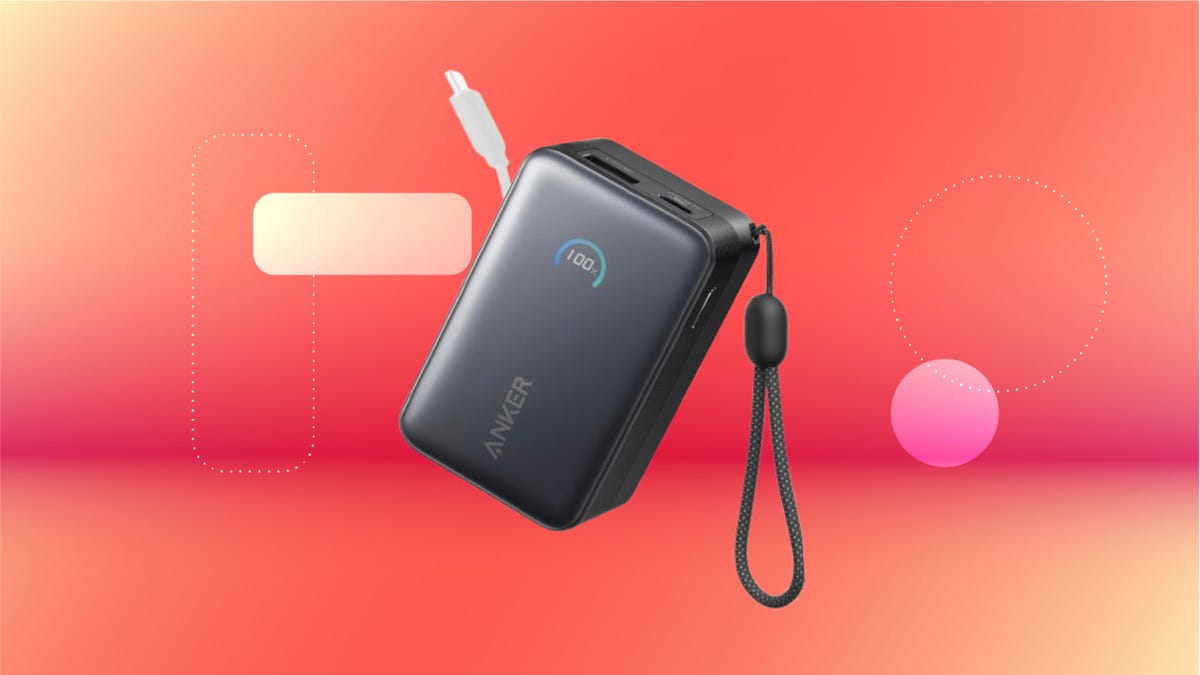
We’ve just spotted the Anker Nano 45-watt portable power bank for just $46 at Amazon right now. This saves you $14 — a 23% discount on its list price. Though it’s $6 more than the lowest-ever price we saw during Black Friday, it’s still a solid discount when you take the rising cost of tech accessories into account. It also matches the lowest price we’ve seen in 2026. It comes in four colors: black, green, pink and white. They’re all on sale for the same price.
This Anker Nano portable charger weighs approximately 8.2 ounces and measures a compact 3.21×1.99×1.42 inches. Despite its small size, it has a retractable cable and supports fast charging in compatible Apple, Samsung, Google Pixel and other smartphones. It also has a large 10,000-mAh capacity and a smart display so you always know how much juice is left in your power bank.
The Nano can charge an iPhone 17 to up to 50% battery in an estimated 20 minutes, and is powerful enough to charge tablets and laptops. Need to charge your devices while charging your power bank? You can do so safely thanks to pass-through charging so you’ll never have to go without battery life.
We’ve also compiled a list of the best power banks for iPhones and for Android, in case this deal isn’t quite a fit for you.
Why this deal matters
If you travel, have a long commute time or are otherwise always on the go, a portable charger can help you keep your devices fully powered. This 45-watt Anker Nano power bank is compact, includes a loop that lets you keep track of it easily and has a built-in cable so you don’t have to keep up with extra cords. Amazon’s $14 discount makes this a solid deal for anyone looking for a compact power bank.
Technologies
Today’s NYT Mini Crossword Answers for Wednesday, April 8
Here are the answers for The New York Times Mini Crossword for April 8.
Looking for the most recent Mini Crossword answer? Click here for today’s Mini Crossword hints, as well as our daily answers and hints for The New York Times Wordle, Strands, Connections and Connections: Sports Edition puzzles.
Need some help with today’s Mini Crossword? Hint: It uses a lot of the letter Z for some reason. Read on for all the answers. And if you could use some hints and guidance for daily solving, check out our Mini Crossword tips.
If you’re looking for today’s Wordle, Connections, Connections: Sports Edition and Strands answers, you can visit CNET’s NYT puzzle hints page.
Read more: Tips and Tricks for Solving The New York Times Mini Crossword
Let’s get to those Mini Crossword clues and answers.
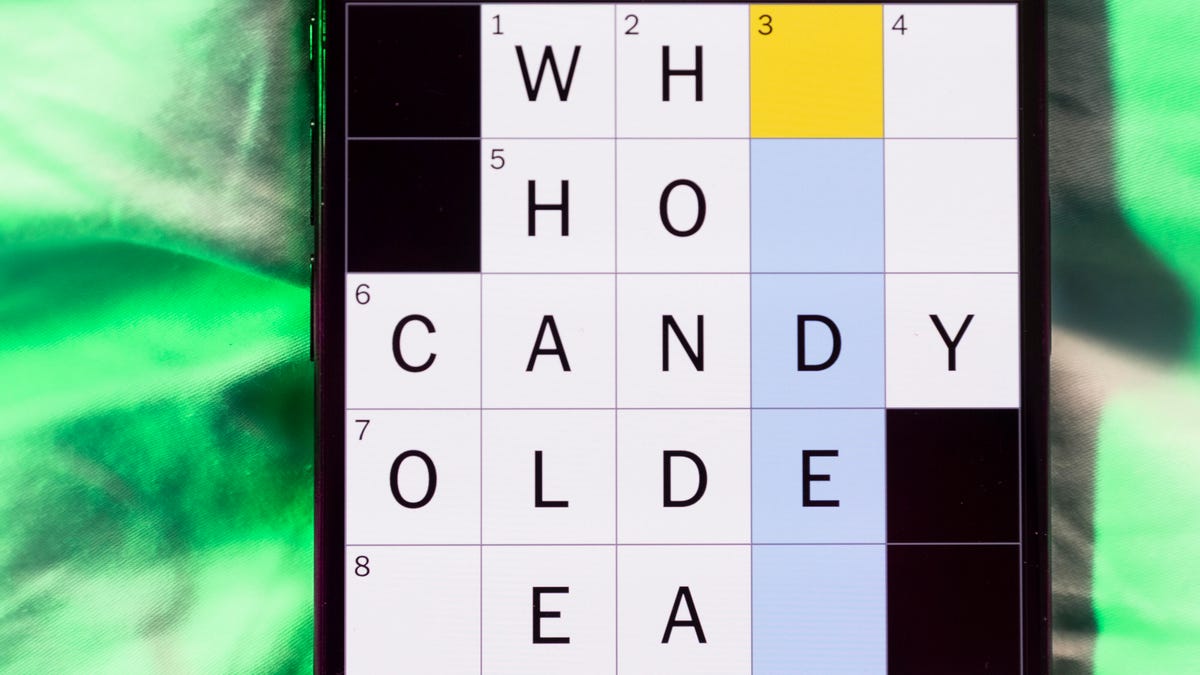
Mini across clues and answers
1A clue: ___-Carlton (hotel chain)
Answer: RITZ
5A clue: Span of the alphabet
Answer: ATOZ
6A clue: Cable channel with an out-of-this-world name
Answer: STARZ
7A clue: Takes care of, as a squeaky wheel
Answer: OILS
8A clue: Toy on a string
Answer: YOYO
Mini down clues and answers
1D clue: When a post receives far more negative comments than likes, in social media slang
Answer: RATIO
2D clue: World’s leading wine producer
Answer: ITALY
3D clue: Middle of the human body
Answer: TORSO
4D clue: Sleeping sound
Answer: ZZZ
6D clue: Tofu base
Answer: SOY
-
 Technologies3 года ago
Tech Companies Need to Be Held Accountable for Security, Experts Say
-
 Technologies3 года ago
Best Handheld Game Console in 2023
-
 Technologies3 года ago
Tighten Up Your VR Game With the Best Head Straps for Quest 2
-
 Technologies4 года ago
Black Friday 2021: The best deals on TVs, headphones, kitchenware, and more
-
 Technologies5 лет ago
Google to require vaccinations as Silicon Valley rethinks return-to-office policies
-
 Technologies5 лет ago
Verum, Wickr and Threema: next generation secured messengers
-
 Technologies4 года ago
Olivia Harlan Dekker for Verum Messenger
-
 Technologies4 года ago
The number of Сrypto Bank customers increased by 10% in five days