
Technologies
IBM Quantum Computing Progress Edges Toward Eventual Utility
Osprey has 433 qubits, the fundamental data processing element inside these weird machines.
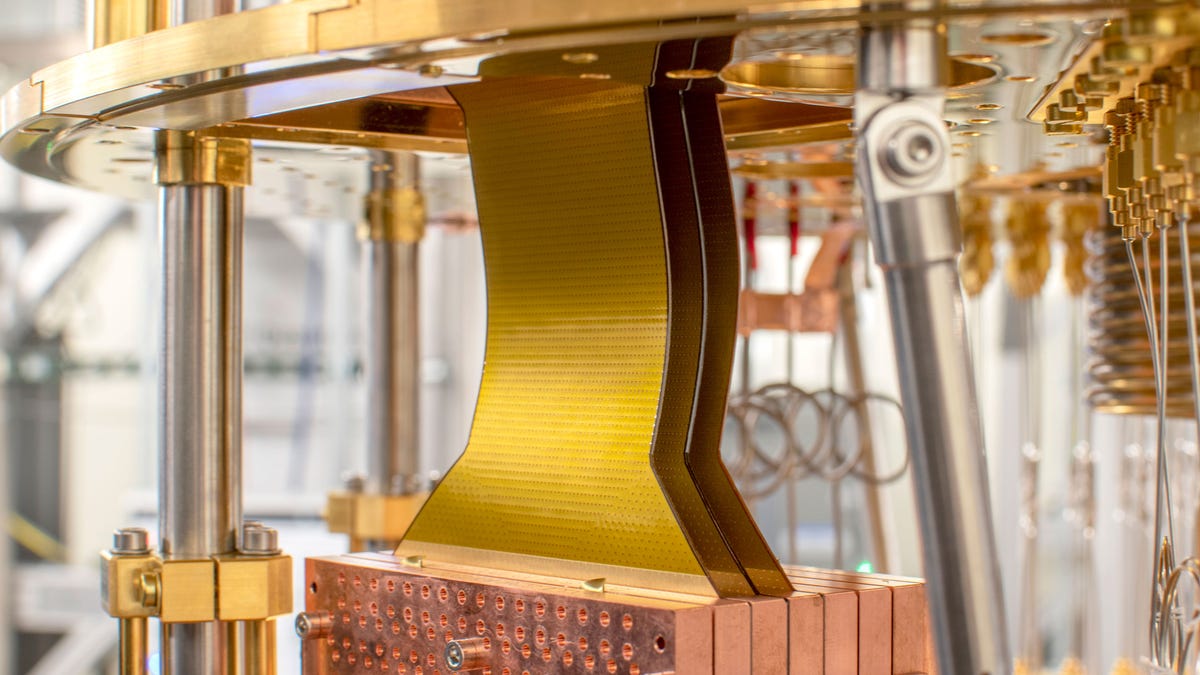
In a move that bodes well for quantum computing’s long-term prospects, IBM said Wednesday it’s built a new machine called Osprey with 433 qubits. Tripling the total number of data processing elements compared with last year significantly increases the computational power of the system.
IBM has been working steadily for years to make quantum computing a commercial success, competing against big companies like Google and Intel, earlier specialists like D-Wave and Rigetti Computing, and newer startups like Atom Computing and Pasqal. Quantum computing promises to conquer challenges out of reach of the conventional technology that powers smartwatches and supercomputers.
One of the most promising domains for quantum computing is materials science, where quantum chemistry simulations could improve solar panels, batteries and other devices that operate at the molecular level. But quantum computing fans also hope to bring new tools to AI, logistics, and finance. With a slowing Moore’s Law constraining conventional computing, that could mean important new progress.
It’ll take years more progress before quantum computers deliver on their revolutionary progress, but delivering on promised steps toward the ultimate goal is important. Without the progress, the billions of dollars of investment could dry up and a quantum winter could chill the industry.
IBM actually announced two new Osprey systems. The first is fully tested, said Jay Gambetta, vice president of IBM’s quantum computing work.
«It works. It’s alive. All the qubits are good,» Gambetta said. «It’s another confirmation of the road map as we build larger and larger devices.»
The second incorporates improvements made to Osprey’s predecessor, Eagle, that extends the lifespan of calculations. Quantum computers today are limited by «coherence» time, which governs how long finicky qubits can maintain their state and connections to each other.
The improvements to IBM’s quantum processor design reduces electronic noise that can derail calculations, roughly doubling coherence time to 200 millionths of a second. That’s long enough for hundreds of calculation steps.
New IBM customers include telecommunications giant Vodafone, which is investigating quantum-safe cryptography, and French bank Crédit Mutuel, which is looking into financial services applications, IBM said.
IBM’s supercomputers, like those of Google and Rigetti, are called superconducting quantum computers. They rely on very cold temperatures just a fraction of a degree above absolute zero and colder than space. And they’re housed in increasingly large and expensive cylindrical refrigerators.
To get signals in and out of the quantum computers through ever-colder refrigeration zones, IBM previously used loops of gleaming cables. Now it’s got a new method, though, ribbons of communication links that are more compact.
«We solved a bottleneck in scale,» Gambetta said.
More scaling is on the horizon. For 2023, IBM plans to build 1,121-qubit Condor. After that comes 1,386-qubit Flamingo in 2024 and 4,158-qubit Kookaburra in 2025.
Correction at 8:32 a.m. PT: The story misstated the temperature at which IBM’s computer operates. It runs at a fraction of a degree above absolute zero.
Technologies
The $135M Google Data Settlement Site Is Live — See If You’re Eligible
Use the settlement website to select your preferred payment method, and you may end up $100 richer.
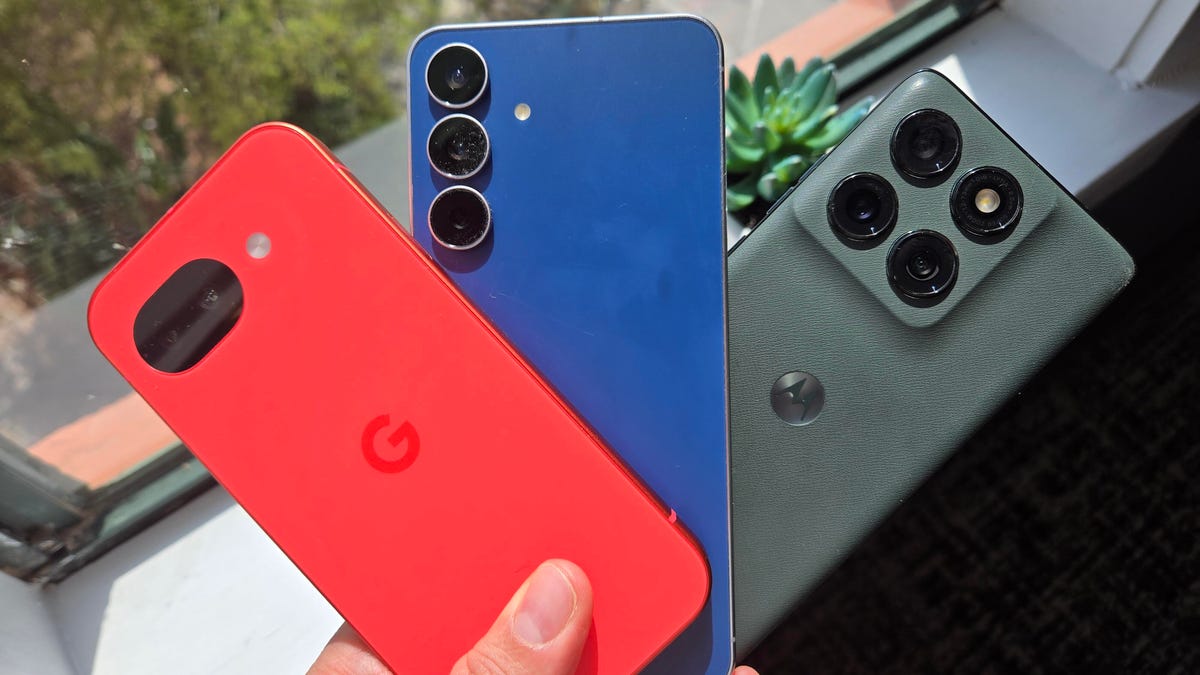
You can now file a claim in the $135 million Google data settlement. The case centers on claims that Android devices transmitted user data without consent. Specifically, the class action lawsuit Taylor v. Google LLC contends that Google’s Android devices passively transferred cellular data to Google without user permission, even when the devices were idle. While not admitting fault, Google reached a preliminary settlement in January, agreeing to pay $135 million to about 100 million US Android phone users.
The official settlement website for the lawsuit is now live. The final approval hearing won’t occur until June 23, when the court will consider whether Google’s settlement is fair and listen to objections. After that, the court will decide whether to approve the $135 million settlement.
In the meantime, if you qualify and want to be paid as part of the settlement, you can select your preferred payment method on the official website. There, you can find information on speaking at the June 23 court hearing and on how to exclude yourself or write to the court to object by May 29.
As part of the settlement, Google will update its Google Play terms of service to clarify that certain data transfers do occur passively even when you’re not using your Android device, and that cellular data may be relied upon when not connected to Wi-Fi. This can’t always be disabled, but users will be asked to consent to it when setting up their device.
Google will also fully stop collecting data when its «allow background data usage» option is toggled off.
Who can be part of the settlement?
In order to join the Taylor v. Google LLC settlement, you must meet four qualifications:
- Be a living, individual human being in the US.
- Have used an Android mobile device with a cellular data plan.
- Have used the aforementioned device at any time from Nov. 12, 2017, to the date when the settlement receives final approval.
- You’re not a class member in the Csupo v. Google LLC lawsuit, which is similar but specifically for California residents.
The final approval hearing is on June 23, so you can add your payment method until then. The hearing’s date and time may change, and any updates will be posted on the settlement website.
If you choose to do nothing, you will still be issued a settlement payment, but you may not receive it if you don’t select a payment method.
How much will I get paid?
It’s not currently known exactly how much each settlement class member will receive, but the cap is $100. Payments will be distributed after final court approval and after any appeals are resolved.
After all administrative, tax and attorney costs are paid, the settlement administrator will attempt to pay each member an equal amount. If any funds remain after payments are sent, and it’s economically feasible, they will be redistributed to members who were previously and successfully paid. If it’s not economically feasible, the funds will go to an organization approved by the court.
Technologies
Samsung’s Galaxy Watch Ultra 2 Might Come in 5G and 4G Cellular Models
If the rumor proves true, the 5G Galaxy Watch Ultra would rival the 5G-enabled $799 Apple Watch Ultra 3 that debuted last fall.
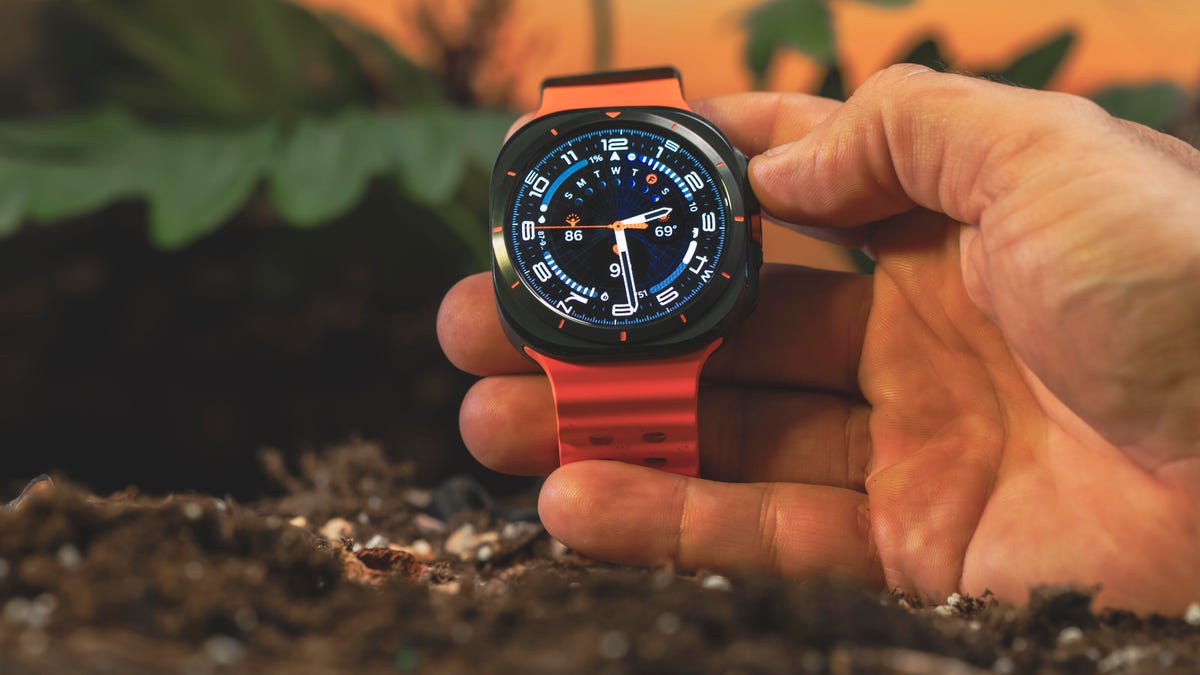
Samsung’s next high-end Galaxy Watch could support faster 5G speeds, but if this leak is true, it will depend on where you live. The rumored Samsung Galaxy Watch Ultra 2 might come in 5G and 4G cellular models, with availability for each smartwatch depending on the country.
According to the Dutch website Galaxy Club (and spotted by SamMobile), Samsung’s servers may have revealed a series of model numbers that point to 5G, 4G and Wi-Fi-enabled editions of the next Galaxy Watch Ultra, which would succeed the original model that debuted in 2024.
A representative for Samsung did not immediately respond to a request for comment.
The Galaxy Club website speculates that the 5G edition would be sold in the US and Korean markets, while the 4G edition would sell in the rest of the world. In the US, a 5G version of the Galaxy Watch Ultra would rival the 5G-enabled $799 Apple Watch Ultra 3, which debuted last fall. The 4G edition would have broader compatibility worldwide, since the earlier network is far more established.
It will likely be a few months until we hear anything official about the Galaxy Watch Ultra 2. Samsung typically unveils its new watches in the summer alongside its Galaxy Z Fold and Z Flip foldable phones. Last year, Samsung unveiled the Galaxy Watch 8 and the Galaxy Watch 8 Classic, but otherwise left the prior 2024 Ultra in the lineup for those looking for a larger 47mm smartwatch.
Technologies
2 Cases Show Supreme Court Isn’t Holding ISPs Responsible for Piracy
-
 Technologies3 года ago
Tech Companies Need to Be Held Accountable for Security, Experts Say
-
 Technologies3 года ago
Best Handheld Game Console in 2023
-
 Technologies3 года ago
Tighten Up Your VR Game With the Best Head Straps for Quest 2
-
 Technologies4 года ago
Black Friday 2021: The best deals on TVs, headphones, kitchenware, and more
-
 Technologies5 лет ago
Google to require vaccinations as Silicon Valley rethinks return-to-office policies
-
 Technologies5 лет ago
Verum, Wickr and Threema: next generation secured messengers
-
 Technologies4 года ago
Olivia Harlan Dekker for Verum Messenger
-
 Technologies4 года ago
The number of Сrypto Bank customers increased by 10% in five days