
Technologies
Amazon Prime: You now have to pay to use this one perk. Here’s what to know
While this Prime perk is no longer around for free, there are still benefits that can save you time and money.
There’s an Amazon Prime perk that’s no longer free and instead will cost you an extra $10. Now, Prime members will have to pay a fee for Whole Foods’ grocery deliveries, which may mean that you buy more to offset the delivery charge or use other grocery delivery options to avoid the extra charge. But there are still ways to get organic fruits and vegetables delivered to your door for free.
Even though Whole Foods delivery will now cost you, other perks are still included in your membership like free two-day shipping and free grocery delivery directly from Amazon. But there are membership benefits that you may be missing out on. For instance, you can cut the hustle and bustle of running other errands, like the pharmacy or the mall with Amazon’s service. And if you didn’t know, Prime Video and Prime Music can help you limit your monthly subscriptions.
So don’t fret. We found other ways to help you make the most of your membership. You can also check out these top CNET deals before they’re gone. This story was recently updated.
Read more: Amazon Prime Video: The best movies to see this week
1. Whole Foods discounts
Even though Whole Foods deliveries will now come with an additional $10 charge, there are other ways to save on organic fruits and vegetables. There are also free 1-hour pickup windows depending on your location — just remember to check in with the Amazon app to see if you need to enter the store.
Some other Whole Food perks for Prime members are still around. Blue tags indicate sales exclusive to Prime members, while yellow tags mean an extra 10% off of an item already on sale. This gets you discounts on weekly bestsellers, including produce, packaged goods and beauty products, but note that it excludes alcohol.
You can also use the Whole Foods Market app at checkout to get exclusive Prime discounts on select products. The few cents saved on items may seem insignificant individually, but savings do add up in the end. But there are other Amazon grocery delivery options if you don’t want to pay the extra fee.
2. Amazon Fresh delivery
Another grocery delivery option for Prime members is Amazon Fresh. You can restock your pantry directly from Amazon. But instead of paying $10 for Whole Foods grocery delivery later this month, you can get free delivery for orders that exceed a certain amount (depending on where you live).
You can also use the service to get discounts when you order more or when you set up automatic delivery subscriptions for certain items and save even more for future deliveries. Plus, some items, like fruit snacks and cookies, are SNAP-eligible.
3. Amazon Pharmacy’s two-day delivery and discounts
If you refill at least one prescription on a regular basis, Amazon’s Pharmacy may be a more convenient choice. Plus, Prime members may get lower prices on medicine. Amazon will transfer your prescriptions, and 24/7 pharmaceutical assistance is available. The pharmacy works with most insurance plans, but it is available in 45 states right now.
4. Try Amazon’s personal shopper program
Prime members can order clothes for their next outing with Prime Try Before You Buy (the name changed from Prime Wardrobe). Here’s how it works: Choose up to eight items — clothes, shoes or accessories. Keep them for up to seven days to see if you like them. Send back what you don’t like for free and only pay for what you keep.
And you can try the styling service for personalized help starting at $5 per month. If you’re not sure which clothing or shoes are eligible, look for the «Try Before You Buy» icon.
5. Amazon gift cards when you trade in used electronics
Amazon is boarding the train to the sustainability station, and it’s something you can directly benefit from. With Amazon Trade-In, you can send back your used electronics in exchange for Amazon gift cards. Make sure to check on the eligibility of each product — some trade-in options are only available for a limited time.
6. Discounts and guarantees on preowned products
Amazon Renewed gives you access to products that may have been opened but weren’t used by their original owners — or were refurbished. Amazon assures that these preowned items work and look like new, coming with the Amazon Renewed Guarantee. A variety of products and brands are available, even from Apple and Vitamix.
7. Amazon Warehouse savings on almost everything
Amazon Warehouse resells like-new or preowned items that have been returned by customers. Some of the products only had their boxes opened by original purchasers before they were sent back, unused, so they’re resold at a discount. While there’s no regular manufacturing warranty on these products, they are backed by Amazon’s 30-day return policy and 90-day renewed item return policy.
8. Amazon Outlet’s overstocked items
The Amazon Outlet features overstocked items and other products at discounted prices. Like at an outlet, you can find premium brands and items under $10 ranging from home furniture to clothing and pet supplies. Keep in mind that although the online shopping experience is convenient, just like an outlet, the best deals can take sifting to find. Luckily, you can do it from the couch.
9. Limited-time Lightning Deals year-round
Amazon’s Lightning Deals are a promotion where a product or service is on sale for a short period of time or until it’s sold out. You can find them all throughout the site, but especially on Prime Day and in Today’s Deals. On Prime Day, Lightning Deals are only for Prime members.
There is one lightning deal per customer until the promotion ends or all the deals are claimed by other shoppers. You can join a waitlist for a deal, but keep in mind that these discounts are extremely time-sensitive, so grab them fast. Unless refreshing the page over and over is your thing, these deals aren’t necessarily the way to find something specific because of their fleeting nature and limited availability.
10. 5GB of storage with Amazon Photos
Amazon’s online shoebox for photos and videos offers secure and unlimited full-resolution photo storage plus 5GB of video for Prime members. To use this feature, you can choose to manually or automatically upload media in the Amazon Photos app. You can personalize the displays on Amazon devices like Fire TV, Echo Show and Fire tablets as long as you have the app.
Plus, with the Family Vault perk, up to five family members can share the same plan. If you want more, there are paid plans available. If you choose to switch — which can be done anytime — there is a 100GB option for $2 per month and 1TB plan for $7 per month.
For more, here are our picks for the best Alexa devices and which e-reader is right for you.
Technologies
Amazon Is Pulling Support for Kindles From 2012 or Earlier. What to Do Now
If there’s a book you’ve been waiting to read on your old Kindle device, make sure you download it before May 20.
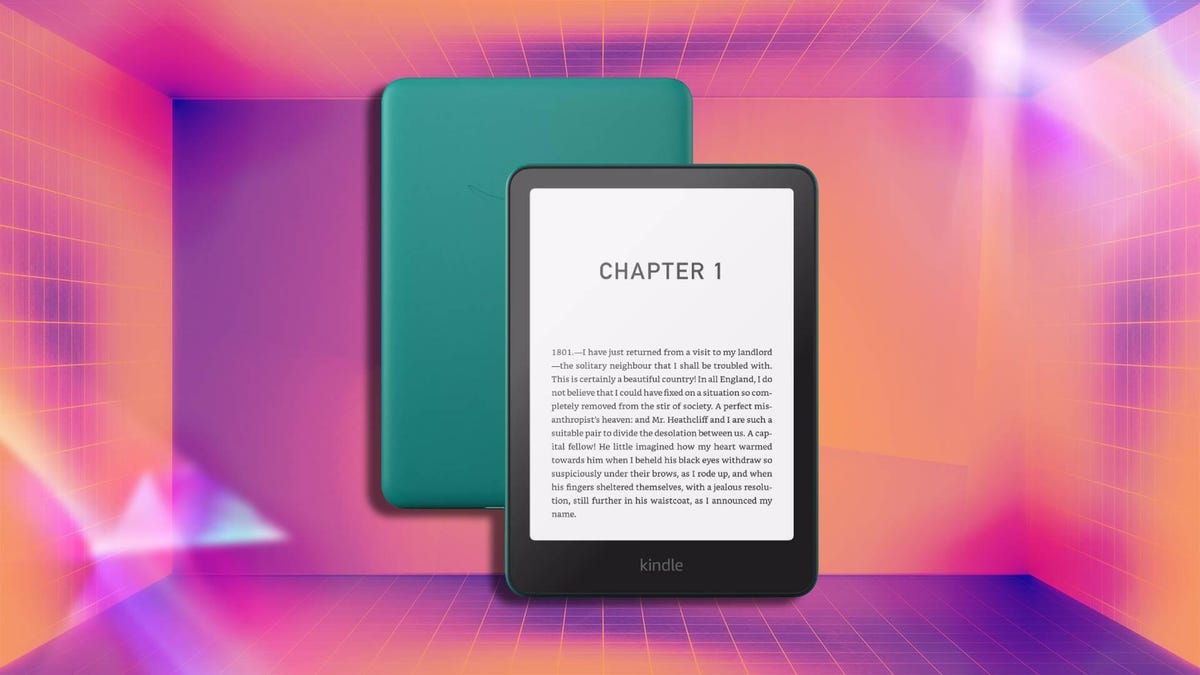
That Kindle device you’ve been holding onto for 15 years now has an expiration date, as Amazon will end support for Kindle models from 2012 or earlier on May 20. An Australian Kindle user first reported the change before Amazon confirmed the news to PCMag and said it will soon email users in the US.
The books that you already downloaded on your Kindle device won’t disappear after next month, but you won’t be able to connect to the network to buy, borrow or download new ones.
If you still have a book that you want to finish reading on one of these devices, make sure that you don’t deregister the device or do a factory reset. In the email shared by an Australian user on Reddit, Amazon says if you deregister or reset the device, you won’t be able to re-register the device or use it at all afterward.
A representative for Amazon has not yet responded to a request to comment from CNET.
The company also included a promo code in the email for 20% off select new Kindle devices and an ebook credit that’s added to your account after you purchase a new device. However, there’s no word on whether this discount is limited to Australia or if a version will be offered to US users.
Switching devices
Kindle devices released in 2012 or earlier will lose the ability to download books after May 20. The devices that will be affected are:
- Kindle 1st and 2nd Generation
- Kindle DX and DX Graphite
- Kindle Keyboard
- Kindle 4
- Kindle Touch
- Kindle 5
- Kindle Paperwhite 1st Generation
The first-generation model for Kindle was released in 2007, and e-readers have improved a bit in the time since. Amazon told Engadget that fewer than 3% of its users still use these old devices.
In the email to customers, the company said users will still be able to access their Kindle library and the Kindle store using the Android, iOS or desktop app. You can still read and download books by using the Kindle app on your phone or PC.
If this service loss feels like a good time to move on from the Kindle world, there are other e-reader options. Calibre is a free, open-source ebook manager that offers a range of features, like reading and organizing ebooks from multiple sources, as well as downloading news articles and websites.
If you’re looking for a newer Kindle model or a different reading tablet, check out the CNET list for this year’s best e-readers.
Technologies
Overwatch’s Next Hero Is Sierra, but Does That Mean the Rumors Were Wrong?
The new damage hero joins the roster next week, but lore and gameplay details are still under wraps.
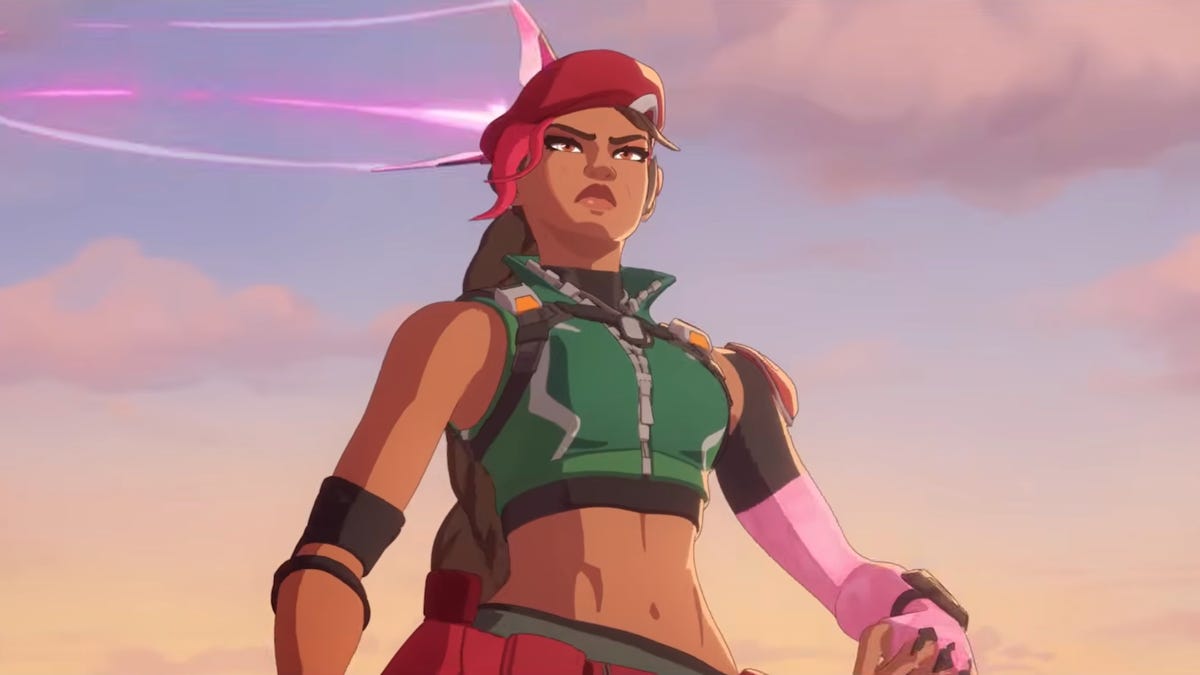
After adding five new heroes in February, Overwatch just gave players another look at the new hero coming in season 2 next week. While we didn’t get gameplay details, the new hero trailer revealed that hero 51 is Sierra, and season 2 will be titled Summit.
The game dropped its first look at Sierra last week, and a few details in the new artwork seemed to be in line with expectations that she’s an ally of damage hero Ashe. Ashe’s Deadlock Gang is mentioned in the new trailer, although Sierra is working with Overwatch in trying to stop them. We don’t know yet whether Sierra has ties to other Overwatch heroes and factions.
Alec Dawson, Overwatch’s associate game director, said in February that the next hero would be another damage hero with a «really satisfying skill shot,» which we maybe glimpsed in the trailer when Sierra fires some kind of homing dart onto Emre after he steals something from Watchpoint: Grand Mesa. We also see her use a fully automatic rifle as well as tether to her drone for some aerial maneuvering, which could be hints at the rest of her kit.
While I do love a good skillshot, I also feel like the game has been struggling with damage hero releases over the past year — particularly heroes who have the ability to quickly eliminate someone out of nowhere. The newest damage heroes Anran and Emre didn’t have this problem, but the previous two, Freja and Vendetta, were consistently banned after release because of their quick time to kill, combined with their ability to consistently surprise enemies. I’m hoping Sierra’s skillshot is less bursty.
Even before the art was revealed last week, fans had started to speculate that Overwatch’s season 2 hero would be Frankie, a member of Ashe’s Deadlock Gang. She appeared in the Deadlock Rebels novel by Lyndsay Ely, which follows Ashe and the hero now known as Cassidy early in their outlaw careers. In the book, Frankie makes contact with the two characters by sending them a tiny fly-like drone — perhaps a smaller version of the drone in Sierra’s character art.
Respectfully… y’all aren’t ready for this one 😮💨🔥
Join us Apr 8 at 9am PT for the premiere of our latest Hero Trailer as we kick off the next chapter in the Reign of Talon 💪 pic.twitter.com/1Etxn68tax— Overwatch (@PlayOverwatch) March 31, 2026
The trailer shows Sierra working to stop the Deadlock Gang (who are helping Emre and Freja steal weapons for Talon), but it’s unclear whether Sierra is another character entirely or whether she’s Frankie after taking a different path.
The game’s Reign of Talon season 1 is wrapping up in the next week. The current season kicked off the year-long storyline about Vendetta taking over Talon and also introduced five new heroes into the roster. Devs have promised another new hero each season during the storyline, and today’s hero trailer gives us a few more hints about Sierra.
Technologies
Samsung Could Introduce a New Pro Model in the Galaxy S27 Lineup
A report claims Samsung’s expanding its flagship offerings to four phones.
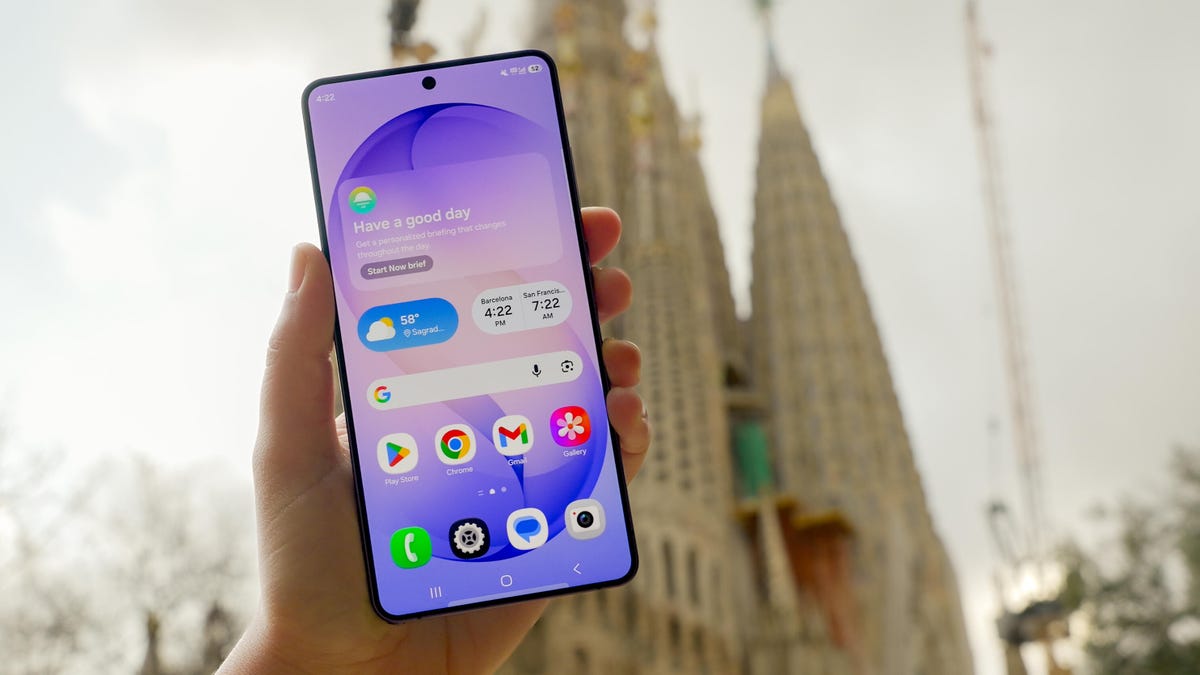
Samsung may add a new Galaxy S27 model to its flagship phone lineup, aiming to compete directly with Apple’s four-model range. The report, from South Korean tech site Electronic Times, says industry insiders expect Samsung to increase the number of high-end flagship models by introducing a «Pro» version that shares similarities with the Ultra handset.
If launched, the Pro would fall between the Plus and Ultra models. The report states that the display size on the new model hasn’t been finalized, but it will lack the S Pen functionality that has largely defined the Ultra series. It’s expected to share more features with the Ultra than the standard and Plus models, with the Privacy Display introduced with the Galaxy S26 Ultra specifically being called out for the new model.
A representative for Samsung did not immediately respond to a request for comment.
Samsung actually released a fourth model of its flagship smartphone series in 2025 with Galaxy S25. Called the Galaxy S25 Edge, the ultrathin smartphone was aesthetically pleasing but apparently sold poorly, which may be why there was no release of a Galaxy S26 Edge this year. Switching to a more standard Pro model might be the safer move.
The expansion of its high-end model may do Samsung some good. As of now, if you want the absolute best Galaxy smartphone available, it’s undoubtedly the Ultra model, which features a massive 6.9-inch display. This matches the current size of the iPhone 17 Pro Max, which is simply too big for some people. The difference here, and this may be the case with the upcoming Galaxy lineup, is that Apple has a smaller Pro model that shares a majority of the features that are available on the Max version.
-
 Technologies3 года ago
Tech Companies Need to Be Held Accountable for Security, Experts Say
-
 Technologies3 года ago
Best Handheld Game Console in 2023
-
 Technologies3 года ago
Tighten Up Your VR Game With the Best Head Straps for Quest 2
-
 Technologies4 года ago
Black Friday 2021: The best deals on TVs, headphones, kitchenware, and more
-
 Technologies5 лет ago
Google to require vaccinations as Silicon Valley rethinks return-to-office policies
-
 Technologies5 лет ago
Verum, Wickr and Threema: next generation secured messengers
-
 Technologies4 года ago
Olivia Harlan Dekker for Verum Messenger
-
 Technologies4 года ago
The number of Сrypto Bank customers increased by 10% in five days