
Technologies
Snap, TikTok and YouTube to testify at Congress: How to Watch on Tuesday
The trip to Capitol Hill comes as a leak of Facebook documents stirs concerns about social media’s effect on children.
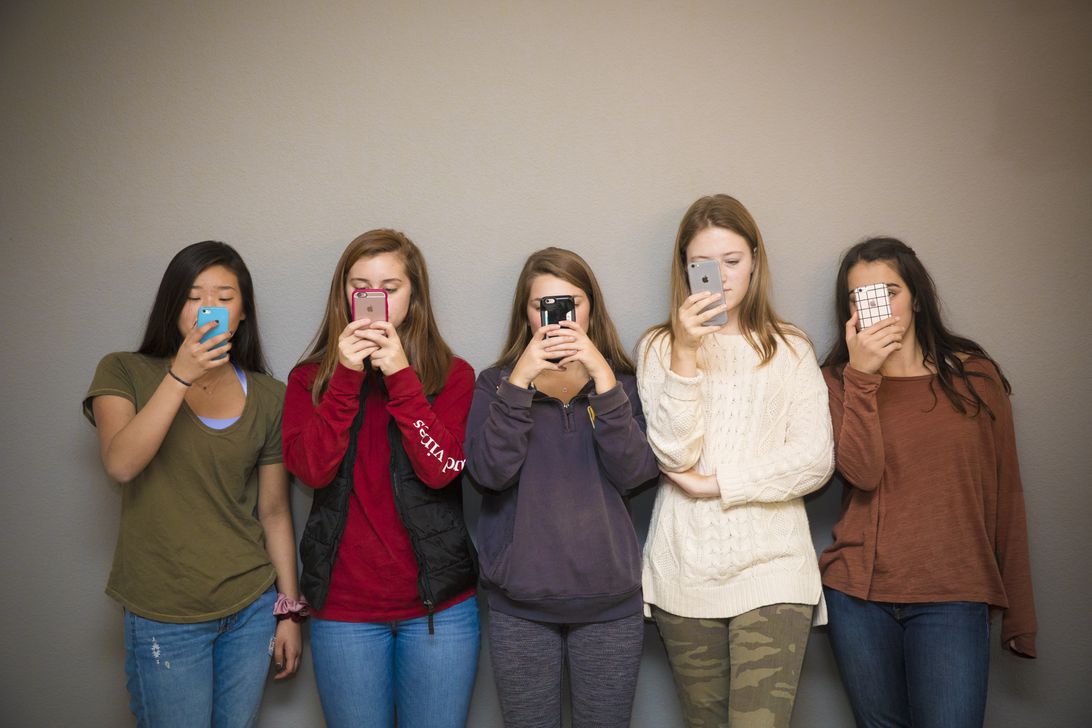
Snap, TikTok and YouTube will detail on Tuesday the steps they’ve taken to protect children to a potentially skeptical audience: a Senate subcommittee that has already expressed concerns that Facebook is unhealthy for kids.
Chaired by Sen. Richard Blumenthal, a Connecticut Democrat, the consumer protection subcommittee will meet with the policy heads of the three companies to discuss how their platforms might aggravate harmful behavior, addictions and invade privacy. The description of the hearing, titled «Protecting Kids Online: Snapchat, TikTok, and YouTube,» suggests the participants won’t be made comfortable. It specifically notes that social media apps «have been misused to harm kids and promote destructive acts, such as vandalism in schools, deadly viral challenges, bullying, eating disorders, manipulative influencer marketing, and grooming.»
The hearing comes amid heightened scrutiny of social media giant Facebook, which is the subject of a series of stories based on leaked documents that suggest the company knows about the harm its platforms cause to the mental health of teenagers, as well as democracy and developing countries. Frances Haugen, the former Facebook product manager who collected the cache of internal research and communications, has already testified before the Senate subcommittee. She also testified to Parliament on Monday.
Haugen, who first revealed herself as the Facebook whistleblower in October, has said she saw conflicts of interests between Facebook’s business objectives and user safety during her time at the company. Facebook has said its internal research is being mischaracterized.
In prepared remarks, YouTube plans to tell Congress that it removed 7 million accounts believed to belong to young children and preteens in the first three quarters. Roughly 3 million of those removals came in the third quarter as the company had «ramped up our automated removal efforts.» (For context, YouTube has more than 2 billion accounts that actively visit YouTube each month.)
Snap will be represented by Jennifer Stout, the vice president of global public policy; TikTok by Michael Beckerman, vice president and head of public policy, Americas; and YouTube by Leslie Miller, vice president of government affairs and public policy. (YouTube is owned by Google, a subsidiary of Alphabet.)
Here’s what you need to know:
When
The hearing will begin on Tuesday at 10 a.m. ET/7 a.m. PT.
Where
The hearing is being streamed live on the committee’s webpage or on CNET’s YouTube channel.
What to expect
Hostility from both sides of the aisle. Nether Democrats nor Republicans have much love for Big Tech, particularly social media, at the moment.
Democrats complain that social media companies do little to stamp out hate speech, bullying and disinformation. Republicans blast social media as biased, censoring conservative points of view.
Hearings are as much political theater as they are forums for inquiry. Possibly more. So expect plenty of grandstanding and tub thumping.
Technologies
Today’s NYT Strands Hints, Answers and Help for April 9 #767
Here are hints and answers for the NYT Strands puzzle for April 9, No. 767.
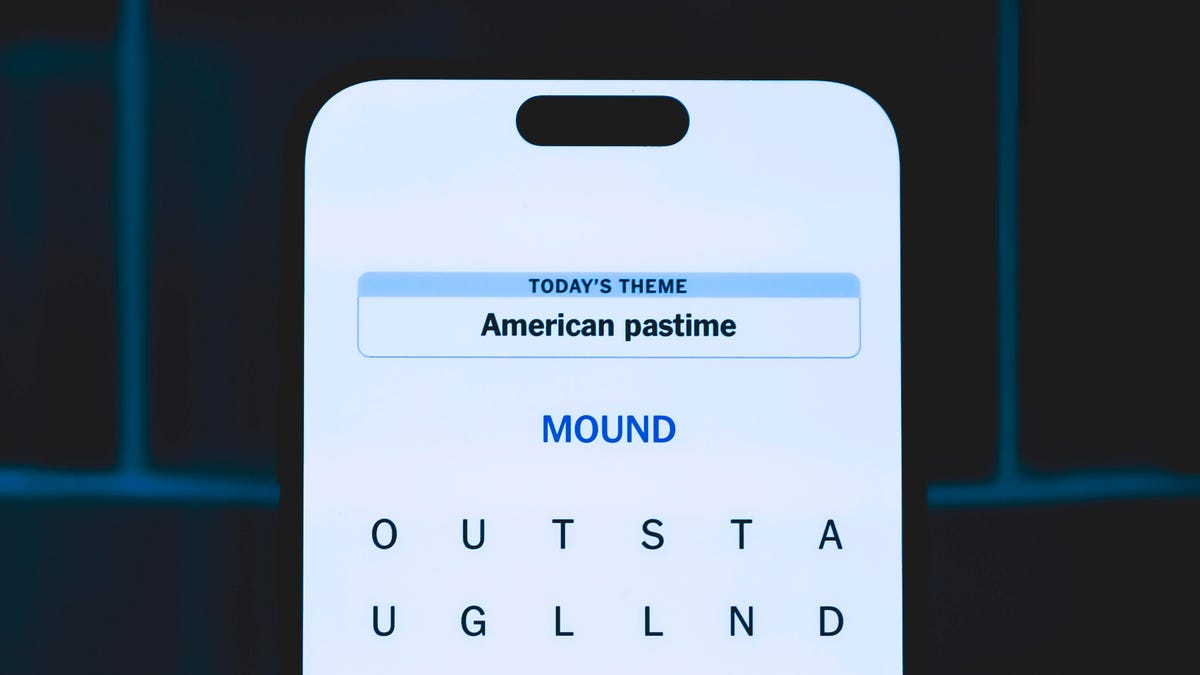
Looking for the most recent Strands answer? Click here for our daily Strands hints, as well as our daily answers and hints for The New York Times Mini Crossword, Wordle, Connections and Connections: Sports Edition puzzles.
Today’s NYT Strands puzzle could be tough, unless you’re an artist. Even then, some of the answers are difficult to unscramble, so if you need hints and answers, read on.
I go into depth about the rules for Strands in this story.
If you’re looking for today’s Wordle, Connections and Mini Crossword answers, you can visit CNET’s NYT puzzle hints page.
Read more: NYT Connections Turns 1: These Are the 5 Toughest Puzzles So Far
Hint for today’s Strands puzzle
Today’s Strands theme is: In the paint.
If that doesn’t help you, here’s a clue: Hand me a brush.
Clue words to unlock in-game hints
Your goal is to find hidden words that fit the puzzle’s theme. If you’re stuck, find any words you can. Every time you find three words of four letters or more, Strands will reveal one of the theme words. These are the words I used to get those hints but any words of four or more letters that you find will work:
- COME, PATS, SPAT, SLOE, MEAN, LEAN, MANE, RATE, PEER, LATE, RATER
Answers for today’s Strands puzzle
These are the answers that tie into the theme. The goal of the puzzle is to find them all, including the spangram, a theme word that reaches from one side of the puzzle to the other. When you have all of them (I originally thought there were always eight but learned that the number can vary), every letter on the board will be used. Here are the nonspangram answers:
- FRESCO, PASTEL, ENAMEL, ACRYLIC, TEMPERA, WATERCOLOR
Today’s Strands spangram
Today’s Strands spangram is MEDIUM, the art term! To find it, start with the M that’s four letters down on the far-left vertical row, and travel straight across.
Technologies
Today’s Wordle Hints, Answer and Help for April 9, #1755
Here are hints and the answer for today’s Wordle for April 9, No. 1,755.
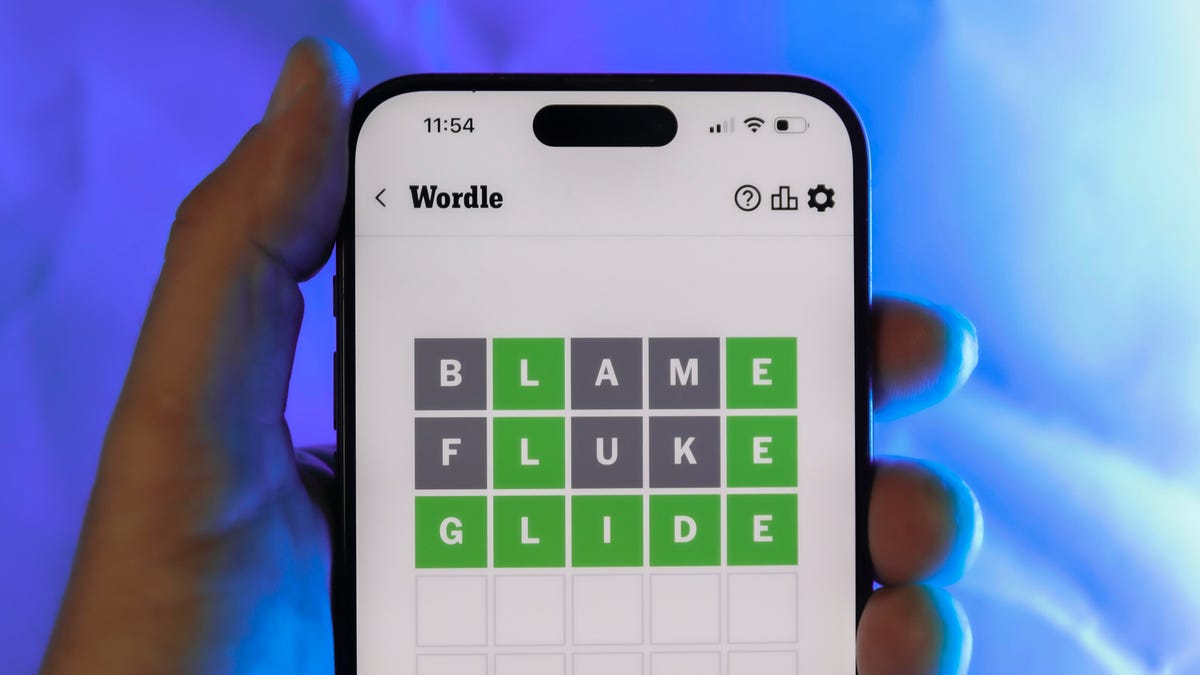
Looking for the most recent Wordle answer? Click here for today’s Wordle hints, as well as our daily answers and hints for The New York Times Mini Crossword, Connections, Connections: Sports Edition and Strands puzzles.
Today’s Wordle puzzle doesn’t have unusual letters, but it’s not a word that springs to my mind that often, so it might be a struggle to solve. If you need a new starter word, check out our list of which letters show up the most in English words. If you need hints and the answer, read on.
Read more: New Study Reveals Wordle’s Top 10 Toughest Words of 2025
Today’s Wordle hints
Before we show you today’s Wordle answer, we’ll give you some hints. If you don’t want a spoiler, look away now.
Wordle hint No. 1: Repeats
Today’s Wordle answer has no repeated letters.
Wordle hint No. 2: Vowels
Today’s Wordle answer has two vowels.
Wordle hint No. 3: First letter
Today’s Wordle answer begins with L.
Wordle hint No. 4: Last letter
Today’s Wordle answer ends with N.
Wordle hint No. 5: Meaning
Today’s Wordle answer can refer to something that is heavily weighted down.
TODAY’S WORDLE ANSWER
Today’s Wordle answer is LADEN.
Yesterday’s Wordle answer
Yesterday’s Wordle answer, April 8, No. 1754, was INLET.
Recent Wordle answers
April 4, No. 1750: SANDY
April 5, No. 1751: ENVOY
April 6, No. 1752: SWORN
April 7, No. 1753: DENSE
Technologies
Did You Download the White House App? Here Are Its Hidden Security Risks
Cybersecurity researchers have serious concerns about how the app was built.
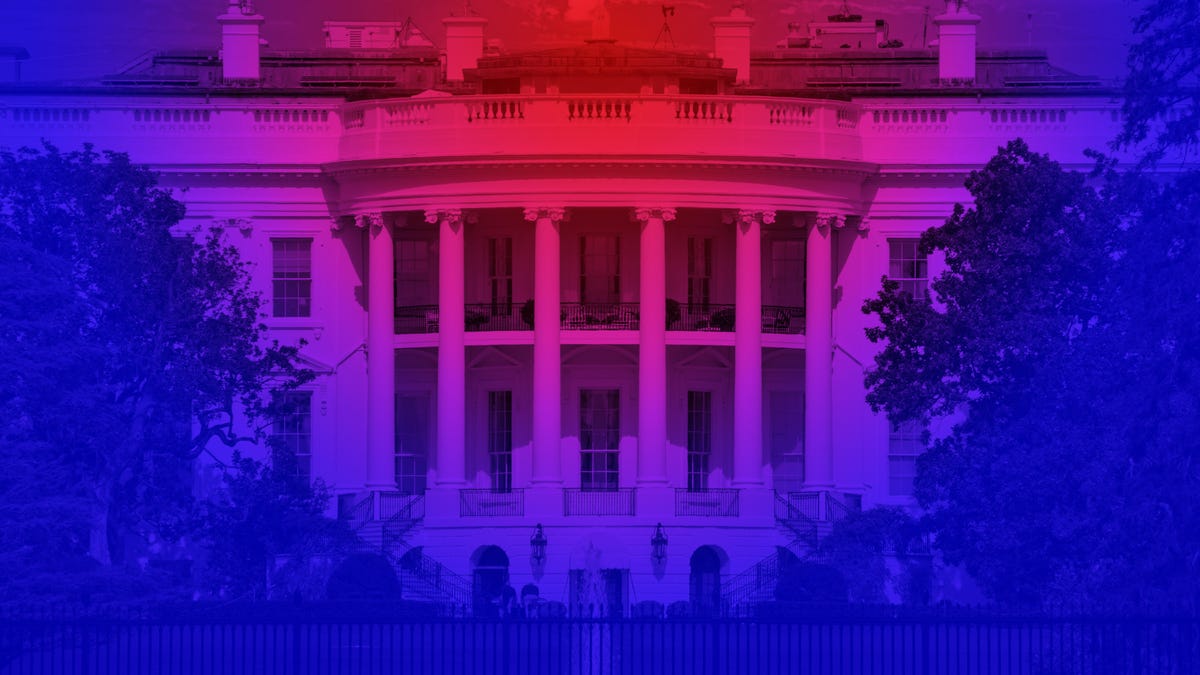
The White House mobile app has been available for both Android and iOS users for over a week now, and the Trump administration is proudly touting that the app has received 2 million downloads on the White House Instagram page. However, the app’s threats to your personal data, online security and privacy concerns make it something you should think twice about downloading.
The White House announcement says the app’s goal is to deliver «unparalleled access to the Trump administration.» However, there are many security concerns, including location tracking and sketchy features. The White House has not responded to a request for comment.
The big question is, should you download it? I don’t recommend it. Here’s why.
What’s in The White House App?
When I downloaded it soon after its release, the app opened with music and a brief collage video of President Donald Trump. It has pages on affordability, including the prices of things like eggs and milk (but not gas). There’s an overtime calculator. And there are links to articles from Trump’s favored news outlets, like Fox News and Newsmax, along with White House press releases.
The app also features livestreams and videos of press briefings, links to the White House’s social feeds and photos of the president.
Why I deleted The White House app so fast
Behind all those tabs are hair-raising privacy and security issues that have the internet and experts alarmed.
One X user, @Thereallo1026, decompiled the White House app and blogged about it, reporting that the Android app tracks your location as often as every 4.5 minutes and shares a lot of other information, like your notifications and perhaps even your phone number, with a third-party server.
Another red flag is that the code for YouTube embeds comes from a personal GitHub account. Thereallo said that if that GitHub account gets compromised, it can affect every user of the White House’s app.
Another cybersecurity researcher, Atomic Computer Services, posted similar concerns about the iOS app. The researchers found that the app reported to the App Store that it did not collect location data, when in fact it included the capability to do GPS tracking. It’s unclear whether that tracking actually happens, but the code is there, Atomic Computer said.
Other concerns identified by Atomic Computer included the removal of privacy consent banners from third-party content viewed in the app and minimal security protections. «We’ve audited apps for startups with three employees that had better security than this,» Atomic Computer wrote.
Pieter Arntz, a researcher at the cybersecurity software provider Malwarebytes, said in an email to CNET that the White House app relies heavily on third-party sources for things like notifications and widgets.
«In practical terms, that means external providers can influence what data is collected and when features like location‑based messaging are enabled, because much of that logic is configured on their servers rather than baked into the app code itself,» Arntz said. «For a high‑profile government app, the more these decisions sit with outside companies, the harder it is to guarantee strict data‑minimization and full transparency to users about how their information is handled.»
Government-sponsored apps to inform people are commonplace, but this one poses significant risks, experts said. A spokesperson for the Center for Democracy and Technology, which advocates for transparency and privacy in government technology, told CNET that «mobile apps can be a helpful tool for making government more accessible. But this administration has given people a lot of reasons to worry about their privacy, and this app only raises more questions about what the federal government is doing with our personal data.»
For me, this app is a hard pass. I deleted it 10 minutes after downloading it.
-
 Technologies3 года ago
Tech Companies Need to Be Held Accountable for Security, Experts Say
-
 Technologies3 года ago
Best Handheld Game Console in 2023
-
 Technologies3 года ago
Tighten Up Your VR Game With the Best Head Straps for Quest 2
-
 Technologies4 года ago
Black Friday 2021: The best deals on TVs, headphones, kitchenware, and more
-
 Technologies5 лет ago
Google to require vaccinations as Silicon Valley rethinks return-to-office policies
-
 Technologies5 лет ago
Verum, Wickr and Threema: next generation secured messengers
-
 Technologies4 года ago
Olivia Harlan Dekker for Verum Messenger
-
 Technologies4 года ago
The number of Сrypto Bank customers increased by 10% in five days