
Technologies
NASA isn’t sure if the Perseverance Mars rover got its first rock sample
NASA is still checking to see if the rock core is where it’s supposed to be, or if another sample has disappeared.
This story is part of Welcome to Mars, our series exploring the red planet.
Success at last? NASA’s Perseverance rover may have accomplished a big first for its Mars mission by drilling and capturing a rock sample that could one day be brought back to Earth, but there’s still some doubt.
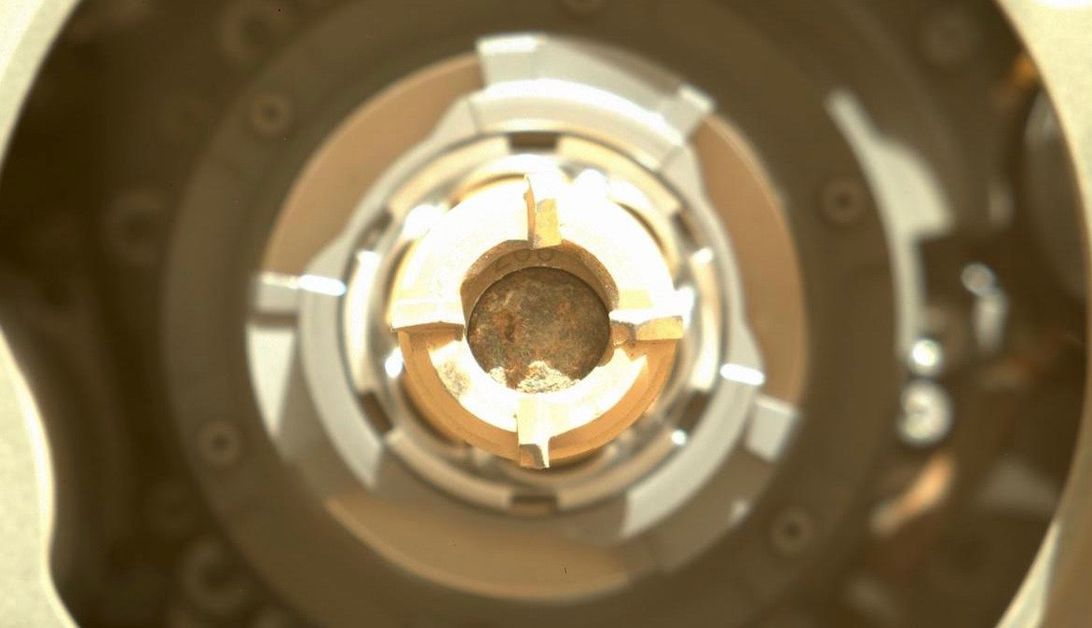
The rover had previously attempted to collect a first sample, but ended up with an empty tube when the rock crumbled. The second attempt from a different rock looks promising. Raw images sent back from Mars appear to show a rock core tucked into place as expected, though we’re waiting on official confirmation from NASA.
NASA shared a look at the sample on Thursday, but wasn’t ready to declare success just yet, saying that pictures taken after an arm move «are inconclusive due to poor lighting.» The rover will snap some more close-ups to figure out what’s going on.
«Sampling Mars is underway. I’ve drilled into my rock target, and my team will be looking at more data and images to confirm if we were able to get and retain an intact core,» the rover team tweeted earlier on Thursday along with a picture of the rock target.
Perseverance is equipped with 43 sample tubes, one of which is full of Martian atmosphere after the first attempt. NASA is planning a future mission to retrieve the tubes from Mars and bring them back to Earth for study. It’s the rover’s job to fill them up with interesting geologic finds.
Successfully filling and stashing a tube with Martian rock is a critical step that will show the sampling system is working properly. The target rock is named «Rochette» and the rover team spent time inspecting it by grinding away a bit of the outer surface to get a better look prior to drilling.
Some omages of the rock and the drill hole show what looks like a clean operation, so there’s hope it went as planned. Perseverance landed in February, but it’s still early into its mission to seek out signs of ancient microbial life in the Jezero Crater, an area once covered by a lake.
The crater is dry and dusty now, but it has lots of stories to tell. Perseverance’s first rock sample will be one chapter in that intriguing tale.
Follow CNET’s 2021 Space Calendar to stay up to date with all the latest space news this year. You can even add it to your own Google Calendar.
Technologies
Today’s Wordle Hints, Answer and Help for April 7, #1753
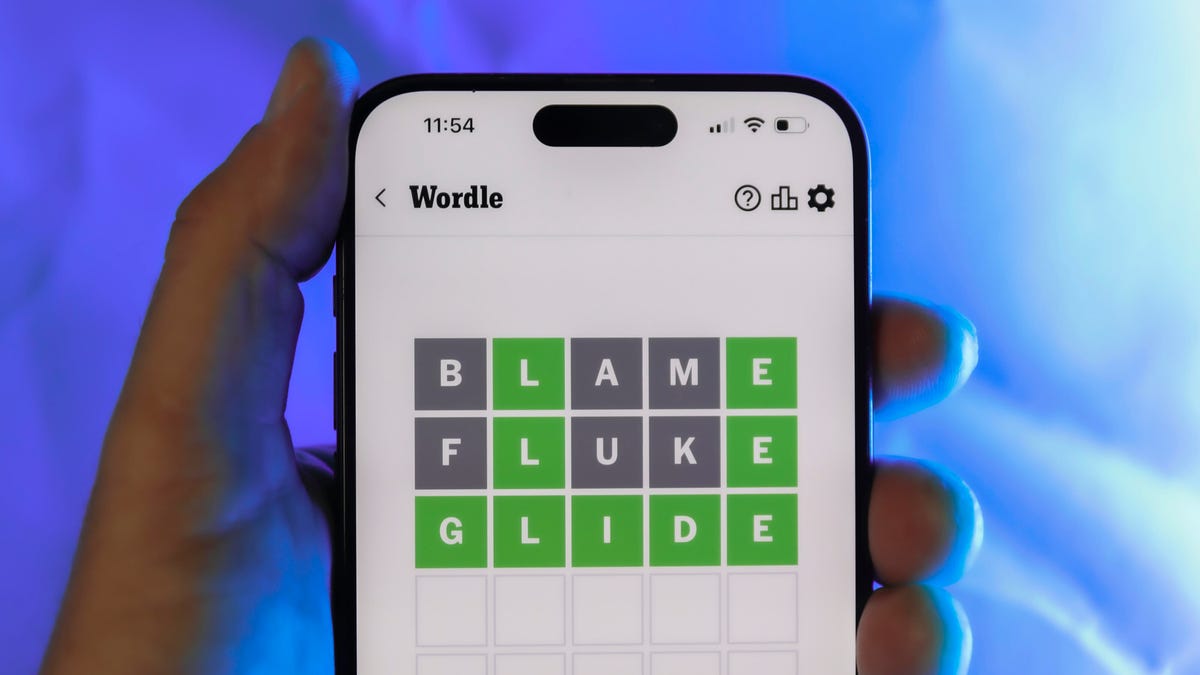
Here are hints and the answer for today’s Wordle for April 7, No. 1,753.
Looking for the most recent Wordle answer? Click here for today’s Wordle hints, as well as our daily answers and hints for The New York Times Mini Crossword, Connections, Connections: Sports Edition and Strands puzzles.
Today’s Wordle puzzle wasn’t too tricky, for a change. If you need a new starter word, check out our list of which letters show up the most in English words. If you need hints and the answer, read on.
Read more: New Study Reveals Wordle’s Top 10 Toughest Words of 2025
Today’s Wordle hints
Before we show you today’s Wordle answer, we’ll give you some hints. If you don’t want a spoiler, look away now.
Wordle hint No. 1: Repeats
Today’s Wordle answer has one repeated letter.
Wordle hint No. 2: Vowels
Today’s Wordle answer has one vowel, but it’s the repeated letter, so you’ll see it twice.
Wordle hint No. 3: First letter
Today’s Wordle answer begins with D.
Wordle hint No. 4: Last letter
Today’s Wordle answer ends with E.
Wordle hint No. 5: Meaning
Today’s Wordle answer can relate to something that is closely compacted.
TODAY’S WORDLE ANSWER
Today’s Wordle answer is DENSE.
Yesterday’s Wordle answer
Yesterday’s Wordle answer, April 6, No. 1752, was SWORN.
Recent Wordle answers
April 2, No. 1748: SOBER
April 3, No. 1749: SINGE
April 4, No. 1750: SANDY
April 5, No. 1751: ENVOY
What’s the best Wordle starting word?
Don’t be afraid to use our tip sheet ranking all the letters in the alphabet by frequency of uses. In short, you want starter words that lean heavy on E, A and R, and don’t contain Z, J and Q.
Some solid starter words to try:
ADIEU
TRAIN
CLOSE
STARE
NOISE
Technologies
Today’s NYT Mini Crossword Answers for Tuesday, April 7
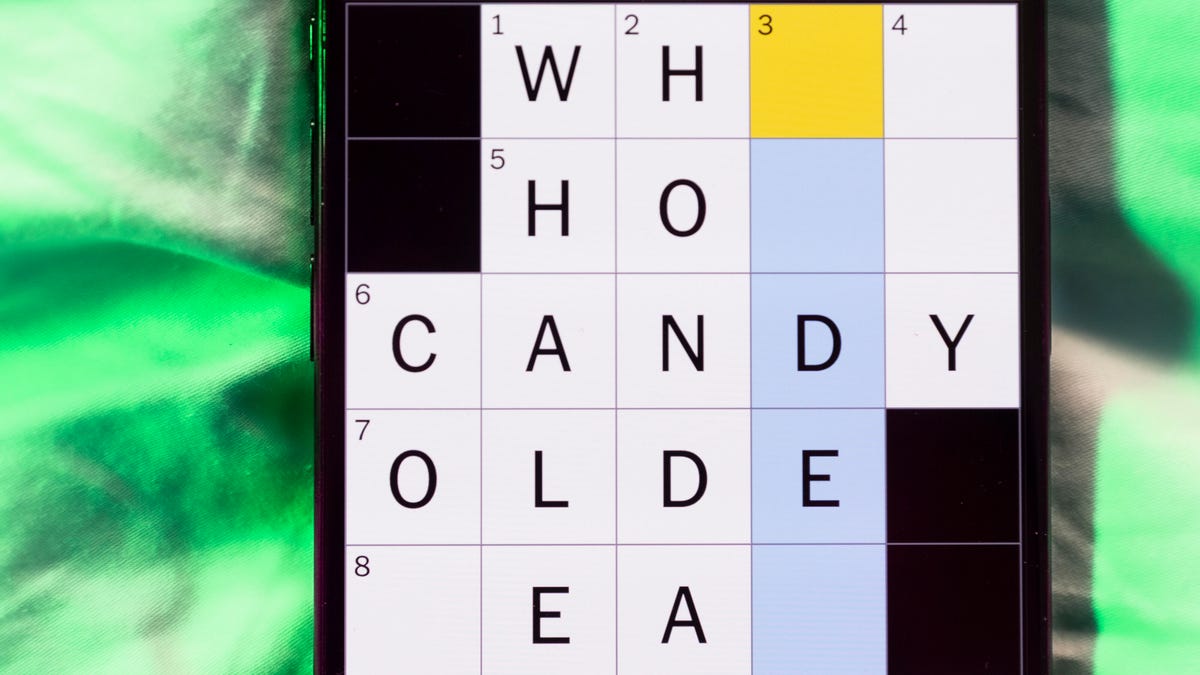
Here are the answers for The New York Times Mini Crossword for April 7.
Looking for the most recent Mini Crossword answer? Click here for today’s Mini Crossword hints, as well as our daily answers and hints for The New York Times Wordle, Strands, Connections and Connections: Sports Edition puzzles.
Need some help with today’s Mini Crossword? Read on for all the answers. And if you could use some hints and guidance for daily solving, check out our Mini Crossword tips.
If you’re looking for today’s Wordle, Connections, Connections: Sports Edition and Strands answers, you can visit CNET’s NYT puzzle hints page.
Read more: Tips and Tricks for Solving The New York Times Mini Crossword
Let’s get to those Mini Crossword clues and answers.
Mini across clues and answers
1A clue: Informative commercial, for short
Answer: PSA
4A clue: Something you trace to draw a Thanksgiving turkey
Answer: HAND
5A clue: ___ Johnson, former Prime Minister of the U.K.
Answer: BORIS
6A clue: Opposite of include
Answer: OMIT
7A clue: Crosses (out)
Answer: XES
Mini down clues and answers
1D clue: City with the Notre-Dame Cathedral
Answer: PARIS
2D clue: Bad mood
Answer: SNIT
3D clue: About eight minutes of the average half-hour sitcom
Answer: ADS
4D clue: Remote worker’s office, perhaps
Answer: HOME
5D clue: Word that can follow each group of circled letters (and hints at its shape)
Answer: BOX
Technologies
NASA’s Artemis II Breaks Record With Trip Around The Moon
-
 Technologies3 года ago
Tech Companies Need to Be Held Accountable for Security, Experts Say
-
 Technologies3 года ago
Best Handheld Game Console in 2023
-
 Technologies3 года ago
Tighten Up Your VR Game With the Best Head Straps for Quest 2
-
 Technologies4 года ago
Black Friday 2021: The best deals on TVs, headphones, kitchenware, and more
-
 Technologies5 лет ago
Google to require vaccinations as Silicon Valley rethinks return-to-office policies
-
 Technologies5 лет ago
Verum, Wickr and Threema: next generation secured messengers
-
 Technologies4 года ago
Olivia Harlan Dekker for Verum Messenger
-
 Technologies4 года ago
The number of Сrypto Bank customers increased by 10% in five days