
Technologies
Worried About Prices? CNET Is Monitoring the Daily Tariff Impacts on 11 Key Products
CNET is keeping track of prices for several key products as prospects for the months ahead remain uncertain, including one popular TV speaker you might want to buy right now.
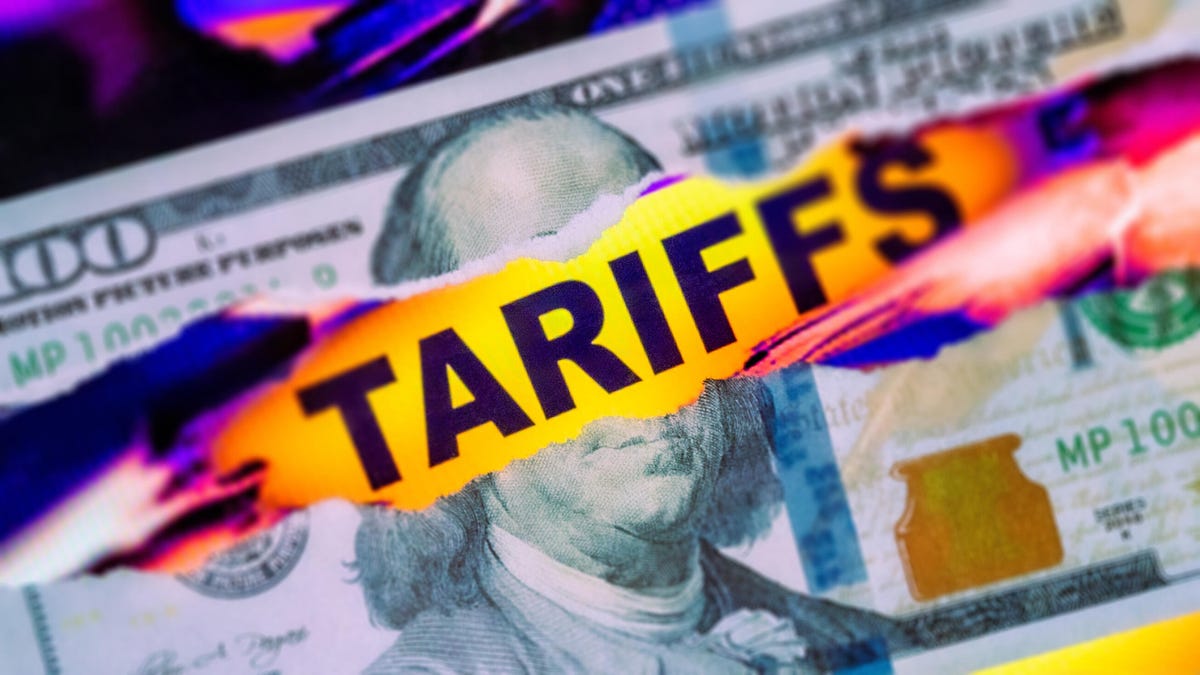
President Donald Trump continues to clash with companies over their reactions to his contentious tariff agenda. Last week, he demanded that Walmart eat the cost of the new import taxes after the company said its prices would go up by the summer. To close out this week, he’s threatened Apple with a 25% duty on its products if it doesn’t move manufacturing to the US, a prospect that has been widely dismissed as a fantasy.
The basic truth of the situation is that tariffs are almost certainly going to cause prices to climb, and with this piece I’ve been tracking just that: the daily effect of Trump’s tariffs on the prices of 11 popular products you might want or need to buy, whether it be a new phone, laptop or your daily coffee. So far, we’ve seen notable price hikes for the flagship Xbox game console, while everything else has, as Amazon claimed, remained steady aside from occasional fluctuations that might not be tariff-related. That sort of consistency is far from certain, however, given the recent warnings from major retailers like Walmart and Target.
CNET Tariff Tracker Index
Above, you can check out a chart with the average price of the 11 included items over the course of 2025. This will help give you a sense of the overall price changes and fluctuations going on. Further down, you’ll be able to check out charts for each individual product being tracked.
A recent tariff agreement with China, much-hyped by the White House, did significantly cut tariff rates against the US’s biggest trading partner. The new 30% rate is only temporary, however, and still historically high. It just looks more reasonable next to the ludicrous 145% rate that was previously in place. As those negotiations move along, companies continue to warn of impending price hikes in order to deal with the new tariffs, including Sony, which could potentially mean a price hike for its ever-popular PlayStation 5 consoles.
We’ll be updating this article regularly as prices change. It’s all in the name of helping you make sense of things, so be sure to check back every so often. For more, check out CNET’s guide to whether you should wait to make big purchases or buy them now and get expert tips about how to prepare for a recession.
Methodology
We’re checking prices daily and will update the article and the relevant charts right away to reflect any changes. The following charts show a single bullet point for each month, with the most recent one labeled “Now” and showing the current price. For the past months, we’ve gone with what was the most common price for each item in the given month.
In most cases, the price stats used in these graphs were pulled from Amazon using the historical price tracker tool Keepa. For the iPhones, the prices come from Apple’s official materials and are based on the 128-gigabyte base model of the latest offering for each year: the iPhone 14, iPhone 15 and iPhone 16. For the Xbox Series X, the prices were sourced from Best Buy using the tool PriceTracker. If any of these products happen to be on sale at a given time, we’ll be sure to let you know and explain how those price drops differ from longer-term pricing trends that tariffs can cause.
The 11 products we’re tracking
Mostly what we’re tracking in this article are electronic devices and digital items that CNET covers in depth, like iPhones and affordable 4K TVs — along with a typical bag of coffee, a more humble product that isn’t produced in the US to any significant degree.
The products featured were chosen for a few reasons: Some of them are popular and/or affordable representatives for major consumer tech categories, like smartphones, TVs and game consoles. Others are meant to represent things that consumers might buy more frequently, like printer ink or coffee beans. Some products were chosen over others because they are likely more susceptible to tariffs. Some of these products have been reviewed by CNET or have been featured in some of our best lists.
- iPhone 16, 128GB
- Duracell AA batteries, 24-pack
- Samsung DU7200 65-inch TV
- Xbox Series X
- Apple AirPods Pro 2 with USB-C case
- HP 962 CMY Printer Ink
- Anker 10,000-mAh, 30-watt power bank
- Bose TV speaker
- Oral-B Pro 1000 electric toothbrush
- Lenovo IdeaPad Flex 5i Chromebook, 256GB
- Starbucks 28-ounce ground dark roast coffee
Below, we’ll get into more about each individual product.
iPhone 16
The iPhone is the most popular smartphone brand in the US, so this was a clear priority for price tracking. The iPhone has also emerged as a major focal point for conversations about tariffs, given its popularity and its susceptibility to import taxes because of its overseas production, largely in China. Trump has reportedly been fixated on the idea that the iPhone can and should be manufactured in the US, an idea that experts have dismissed as a fantasy. Estimates have also suggested that a US-made iPhone would cost as much as $3,500.
Apple has made several moves this year to protect its prices in the US as much as possible, like flying in bulk shipments of product ahead of the tariffs taking effect and working to move production for the American market from China to India, where tariff rates are less severe. This latter move provoked a response from Trump, given his noted fixation on the iPhone, saying last week that he “had a little problem” with Tim Cook over the move, claiming without evidence that the Apple CEO pledged to bring more manufacturing to the US. Cook and others close to the company for years say that the supply chains for its products are too complex to move manufacturing entirely to the US.
This week, Trump further threatened a 25% penalty rate against Apple products if it did not move manufacturing to the US. How that will play out is still unclear, but notably, foreign-made iPhones with 25% tax would still probably be much cheaper than iPhones predominantly made in the US.
Duracell AA batteries
A lot of the tech products in your home might boast a rechargeable energy source but individual batteries are still an everyday essential and I can tell you from experience that as soon as you forget about them, you’ll be needing to restock. The Duracell AAs we’re tracking are some of the bestselling batteries on Amazon.
Samsung DU7200 TV
Alongside smartphones, televisions are some of the most popular tech products out there, even if they’re an infrequent purchase. This particular product is a popular entry-level 4K TV and was CNET’s pick for best overall budget TV for 2025. Unlike a lot of tech products that have key supply lines in China, Samsung is a South Korean company, so it might have some measure of tariff resistance.
Xbox Series X
Video game software and hardware are a market segment expected to be hit hard by the Trump tariffs. Microsoft’s Xbox is the first console brand to see price hikes — the company cited “market conditions” along with the rising cost of development. Most notably, this included an increase in the price of the flagship Xbox Series X, up from $500 to $600. Numerous Xbox accessories were also affected, and the company also said that “certain” games will eventually see a price hike from $70 to $80.
Initially, we were tracking the price of the much more popular Nintendo Switch as a representative of the gaming market. Nintendo has not yet hiked the price of its handheld-console hybrid and stressed that the $450 price tag of the upcoming Switch 2 has not yet been inflated because of tariffs. Sony, meanwhile, has so far only increased prices on its PlayStation hardware in markets outside the US.
AirPods Pro 2
The latest iteration of Apple’s wildly popular true-wireless earbuds are here to represent the headphone market. Much to the chagrin of the audiophiles out there, a quick look at sales charts on Amazon shows you just how much the brand dominates all headphone sales. Earlier in the year, they tended to be noticeably cheaper on Amazon, but as now, they have steadily creeped back up towards their $250 list price.
HP 962 CMY printer ink
This HP printer ink includes cyan, magenta and yellow all in one product and recently saw its price jump from around $72 — where it stayed for most of 2025 — to $80, which is around its highest price over the last five years. We will be keeping tabs to see if this is a long-term change or a brief uptick.
This product replaced Overture PLA Filament for 3D printers in this piece, but we’re still tracking that item.
Anker 10,000-mAh, 30-watt power bank
Anker’s accessories are perennially popular in the tech space and the company has already announced that some of its products will get more expensive as a direct result of tariffs. This specific product has also been featured in some of CNET’s lists of the best portable chargers. While the price has remained steady throughout the year, it is currently on sale for $16 on Amazon, but only for Prime members.
Bose TV speaker
Soundbars have become important purchases, given the often iffy quality of the speakers built into TVs. While not the biggest or the best offering in the space, the Bose TV Speaker is one of the more affordable soundbar options out there, especially hailing from a brand as popular as Bose. This product has been one of the steadiest on this list in terms of price throughout the year, but it’s currently on sale for $199, potentially as part of Amazon’s Memorial Day sale. So, if you’re looking for an affordable, tariff-free TV speaker, now might be the time.
Oral-B Pro 1000 electric toothbrush
They might be a lot more expensive than their traditional counterparts, but electric toothbrushes remain a popular choice for consumers because of how well they get the job done. I know my dentist won’t let up on how much I need one. This particular Oral-B offering was CNET’s overall choice for the best electric toothbrush for 2025.
Lenovo IdeaPad Flex 5i Chromebook
Lenovo is notable among the big laptop manufacturers for being a Chinese company making its products especially susceptible to Trump’s tariffs.
Starbucks Ground Coffee (28-ounce bag)
Coffee is included in this tracker because of its ubiquity –I’m certainly drinking too much of it these days –and because it’s uniquely susceptible to Trump’s tariff agenda. Famously, coffee beans can only be grown within a certain distance from Earth’s equator, a tropical span largely outside the US and known as the “Coffee Belt.”
Hawaii is the only part of the US that can produce coffee beans, with data from USAFacts showing that 11.5 million pounds were harvested there in the 2022-23 season — little more than a drop in the mug, as the US consumed 282 times that amount of coffee during that period. Making matters worse, Hawaiian coffee production has declined in the past few years.
All that to say: Americans get almost all of their coffee from overseas, making it one of the most likely products to see price hikes from tariffs.
Technologies
CNBC Daily Open: Will America open another front in the Middle East? Trump is considering
Tensions escalate in the Middle East and Ukraine wars.
This content is blocked because you are not allowing cookies.
To view this content, click on Cookie Preferences here or at the bottom of the page to allow all cookies.
Hello, this is Justina Lee writing to you from Singapore. Welcome to another edition of CNBC’s Daily Open.
U.S. President Donald Trump is considering wading into another conflict, as Iran-backed Houthis target Saudi Arabia.
Investors are looking ahead to the earnings season with U.S. big banks set to report results Tuesday, with focus also on the International Monetary Fund and World Bank’s annual meetings, which could offer clues to the global financial outlook.
What you need to know today
The Middle East conflict continues to heat up after a deadly attack on Riyadh’s main airport by Tehran-backed Houthis in Yemen. This development could also draw the U.S. deeper into the regional conflict.
U.S. President Donald Trump said he was considering joining Saudi Arabia in its retaliation against the Houthis. The kingdom requested “urgent defense support” from the U.S. following the attacks, two Saudi Arabian government officials told MS NOW.
“We may [back Saudi]. We’re going to look at it,” Trump told reporters.
That could further complicate the possibility of a lasting resolution to the end of the Mideast war. On Saturday, Russian state media reported that President Vladimir Putin conveyed Tehran’s message for a possible end to the war in Iran to Trump.
Over in Europe, traders are keeping a close watch on the Ukraine conflict, with Trump declaring an “energy ceasefire” between Russia and Ukraine — but it’s unclear whether either side has agreed to a truce. The two countries have been trading blows on energy infrastructure. While there have been ceasefires between the two nations since Russia invaded Ukraine in 2022, they have been difficult to hold.
Further, Ukrainian President Volodymyr Zelenskyy has also reportedly pushed back on Trump’s call for a new president in Ukraine, stating that only Russia was responsible for the war in his country. His response came after Trump blamed him for high diesel prices.
Moving over to the financial markets: futures for the S&P 500 were little changed, as investors look forward to a busy week with major banks including Bank of America, Citigroup, Goldman Sachs set to kick off the earnings season. Nasdaq 100 futures rose 0.24%. Dow Jones Industrial Average futures were flat.
Meanwhile, the International Monetary Fund and the World Bank kick off their annual meetings in Bangkok, Thailand on Monday, drawing thousands, including finance ministers, central bankers, business leaders and asset managers, for a week of talks on the global economy and the strength of the world’s financial system.
CNBC will be on the ground at the Queen Sirikit National Convention Center, with interviews with Thai Deputy Prime Minister and Finance Minister Ekniti Nitithanprapas on Monday; Kattiya Indaravijara, CEO of Kasikornbank, one of Thailand’s largest lenders on Tuesday; and many more to come throughout the week.
The IMF is set to release its World Economic Outlook and Global Financial Stability Report on Tuesday as part of the annual meetings. Investors will also be watching closely for a conversation featuring Federal Reserve Chair Kevin Warsh on Friday.
— CNBC’s Anniek Bao also contributed to this newsletter.
And finally…
Pokémon card values are soaring. What collectors should know before buying or selling
The record $16.5 million Pokémon card sale is drawing fresh attention to a collectibles market where grading, scarcity and authentication can determine whether a card is worth dollars or hundreds of thousands.
“It is one of our fastest-growing categories that we’ve seen and one of the largest contributors to [our] growth over the last number of quarters,” said Adam Ireland, vice president and general manager of collectibles at online marketplace eBay, which also provides authentication and price guides for TCGs and non-sports cards.
“From an investment point of view, you start with Pokémon,” he said. “It was the most searchable term within the eBay collectibles environment through the first half of the year.”
— Bob Woods
This content is blocked because you are not allowing cookies.
To view this content, click on Cookie Preferences here or at the bottom of the page to allow all cookies.
Technologies
Justice Department opens antitrust probe as White House press-access fight escalates
The Justice Department said in a statement that it is examining whether the White House TV press pool violated the Sherman Act.
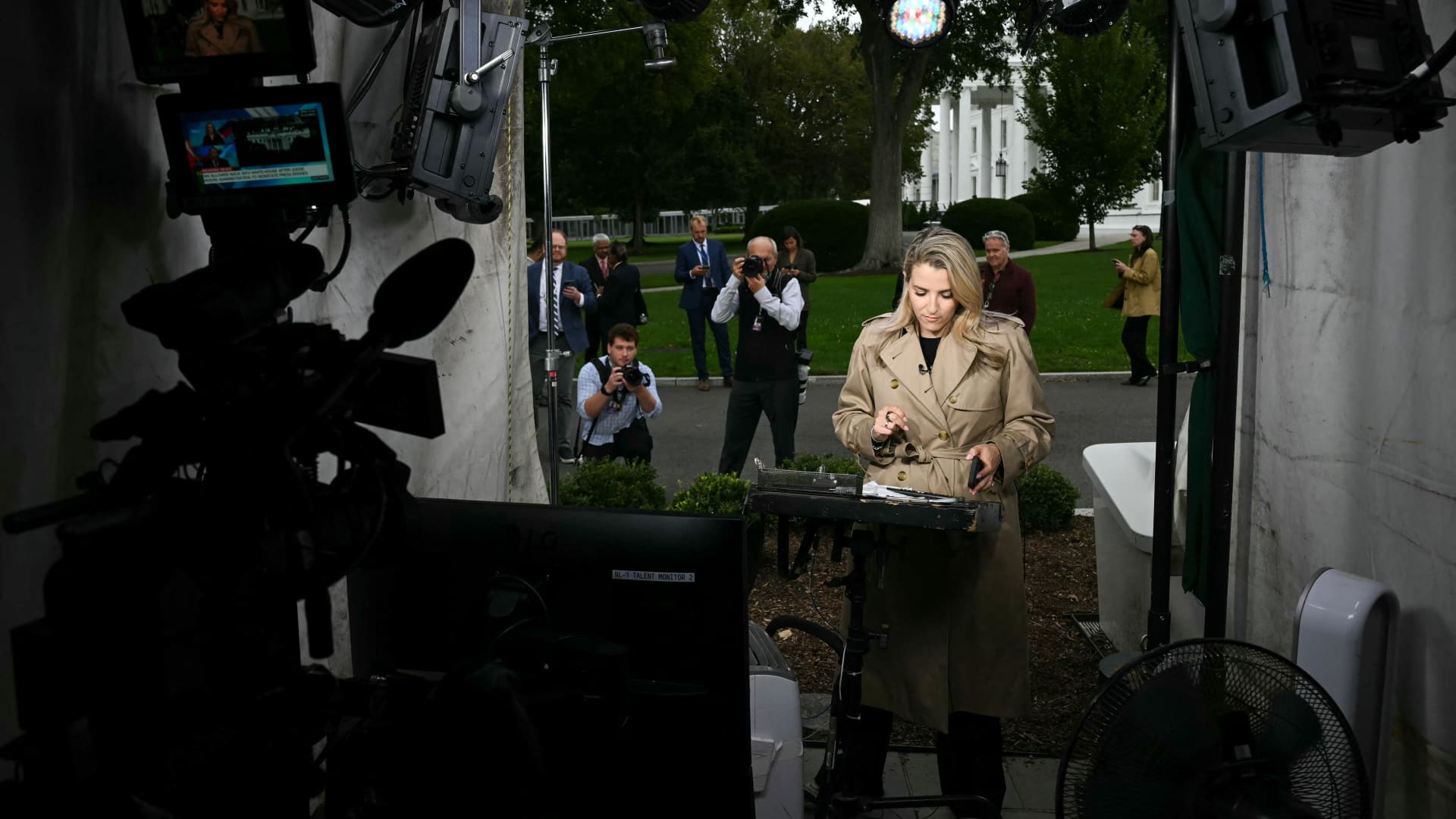
The U.S. Department of Justice launched an investigation into whether the White House television press pool’s decision to suspend coverage of President Donald Trump violated antitrust laws.
The Justice Department said in a statement that it is examining whether the White House TV press pool — a group of broadcasters including CNN, Fox News, ABC, CBS and NBC — violated the Sherman Act by temporarily halting pooled TV coverage of Trump.
The Sherman Act is a federal law that prohibits certain agreements that unreasonably restrain trade. Introduced in the 1890s, the law has rarely been applied to media organizations, particularly regarding their coverage.
Members of the press pool did not immediately respond to CNBC’s requests for comment sent outside of normal business hours.
The DOJ investigation follows the White House television press pool ceased its coverage of Trump on Sept. 21, shortly after he prohibited CNN, MS NOW and Politico from accessing the White House.
In a Truth Social post, the president said then that those outlets “shouldn’t be able to constantly write or report FICTION and LIES when they’re covering the President of the United States, the Trump Administration, or the United States of America.”
A judge lifted restrictions on those reporters on Sept. 24, several days after White House staff confiscated their press passes. Despite the ruling, reporters from CNN and Politico were barred from traveling with the president on Air Force One, the New York Times reported.
The Trump administration now faces a lawsuit from CNN, MS NOW and Politico over its ban of their reporters from the White House grounds.
Television pool coverage of the White House has also resumed.
The DOJ investigation marks another escalation in an ongoing dispute between Trump and the media over press rights.
The Trump administration has moved to restrict news agencies that have produced critical coverage of its policies.
Last year, Trump moved to rescind about $1.1 billion previously approved for the Corporation for Public Broadcasting, federal funding earmarked for public broadcasters NPR and PBS. Trump and his allies have also sued several media organizations, including The New York Times, The Wall Street Journal, and BBC News, over alleged biases or inaccuracies in their reporting.
Seth Stern, chief of advocacy for the Freedom of the Press Foundation, called the DOJ investigation “nonsense.”
“Depriving Trump of the attention he craves is not a competitive harm and in any case, antitrust law has long recognized First Amendment exceptions even when there is anticompetitive impact,” he said. “After all his ‘fake news’ rhetoric, Trump is weaponizing the DOJ to pressure the networks he calls the ‘enemy of the people’ to stay at the White House. It’s a weird way of telling the press how much he missed them.”
The White House Correspondents’ Association did not immediately respond to a request for comment.
Disclosure: CNBC and MS NOW are divisions of Versant Media.
Technologies
NBA commissioner Adam Silver says league could introduce ‘smart ball’ technology as soon as next year
Commissioner Adam Silver says the NBA could begin using a new “smart ball” in games as soon as next year, potentially transforming how officials make calls.
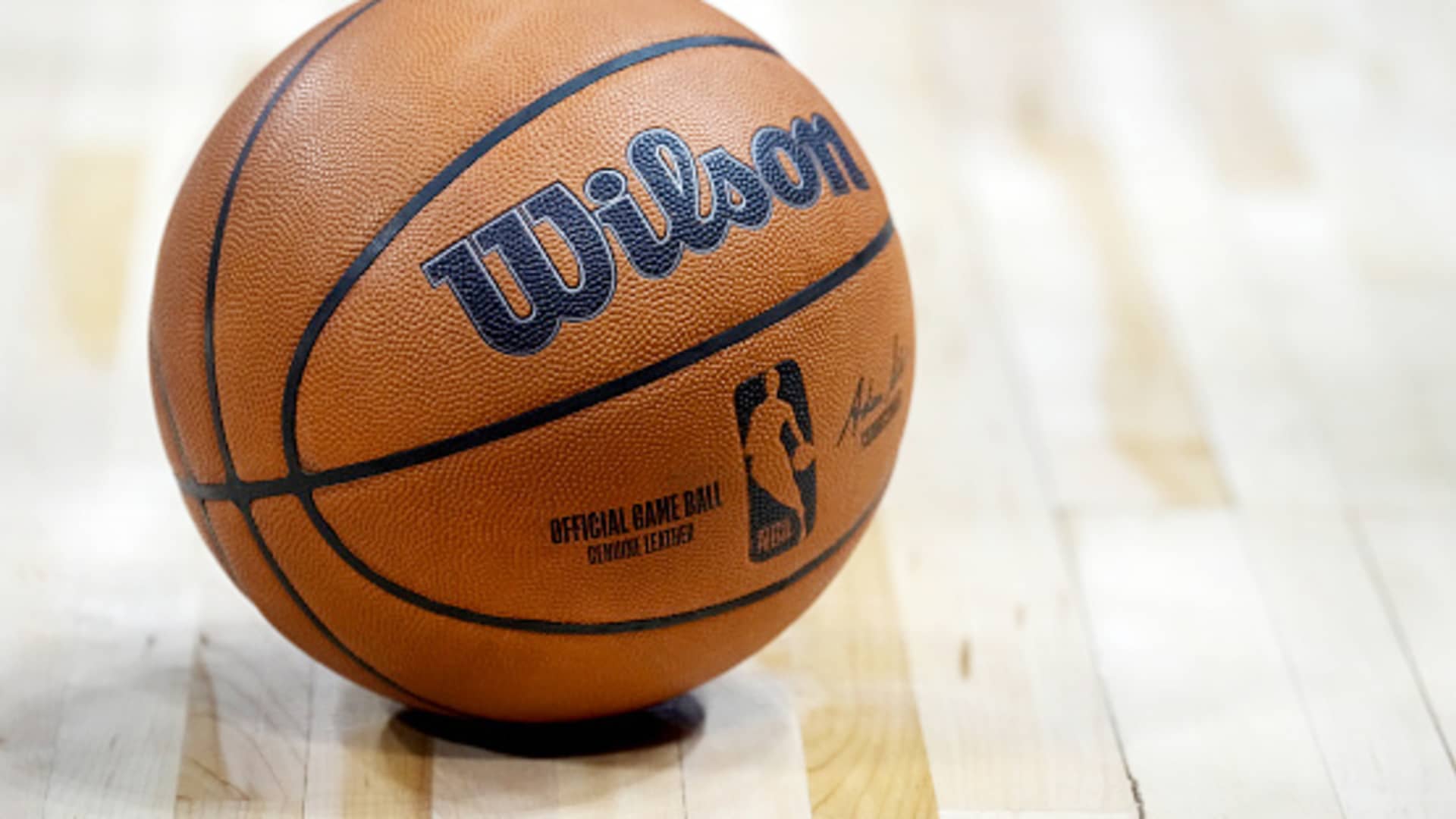
NBA Commissioner Adam Silver says the league could begin using a new “smart ball” in games as soon as 2027, potentially transforming how officials make calls on the basketball court.
In an interview with CNBC’s Contessa Brewer, Silver revealed that the NBA is working with official basketball manufacturer Wilson to develop a ball embedded with a tiny microchip Bluetooth sensor that can track movement, spin and changes in trajectory.
“We’re experimenting with putting a small chip in the ball that weighs roughly a gram,” Silver said.
The technology has already been tested in the NBA’s G League, Summer League, and some preseason games, where players used basketballs both with and without the chip. Silver said players have been pleased with the results.
“Nobody could tell the difference. So that’s a good sign,” he said.
The chip weighs just one gram, compared with the roughly 620-gram or 1.4 pound basketball. Silver said the league wanted to ensure that even the most experienced players wouldn’t notice a change in how the ball feels or bounces.
One of the most immediate applications could be officiating.
Silver said the technology could help referees determine whether a player touched the ball before it went out of bounds by detecting subtle changes in its spin. It could also help identify whether a shot’s trajectory was altered.
“I think you could see as soon as next year us using it for officiating in our games,” Silver said.
Beyond officiating, Silver sees a significant opportunity to bring the technology to consumers, allowing basketball players of all ages to analyze and evaluate their shooting mechanics.
For example, a player taking hundreds of shots could use data collected by the chip to understand which shooting angles and ball rotations are most likely to result in a basket.
“You’ll then see the graph, and you’ll see for which the angle of the shots that went in, they’re more likely to go in,” Silver said.
While the officiating application could arrive as soon as next year, Silver said a consumer version may take longer.
“I think the consumers version [of the smart ball] is a few years away, but it’s a really exciting opportunity.”
NBA players’ union raises concerns over wearables
The league is also exploring the use of wearable technology during games, but negotiations with the National Basketball Players Association have yet to produce an agreement.
The NBA says officials experimented with wrist wearables in select preseason and summer league games this year in a “successful pilot program,” but it will not extend into the season. The technology allowed the referees to communicate with the replay center about reviews, scoring changes and clock malfunctions.
Silver said players routinely use wearable devices off the court to monitor everything from sleep to physical performance, but concerns remain over how data collected during games could be used by teams.
“I think we have to come to some agreement on exactly how the information is used. But it seems everybody wants that information,” Silver said.
The biggest sticking point is whether that information could affect contract negotiations, Silver said.
“If you could see a player was slowing down or something like that, they’re worried that that could get used in bargaining, and I get that,” he said.
Silver acknowledged those concerns and said the league needs to reach an agreement with the players’ union on how the information would be used.
Still, he suggested that allowing wearables during games is a logical next step as athletes increasingly rely on technology to monitor their performance.
“I think the players are in a position right now where they’re essentially wearing wearables 22 hours a day, and the only time they’re not wearing them is when they’re playing in the game,” Silver said. “So that can’t make sense.”
“We’ll work something out with them,” he added.
-
 Technologies4 years ago
Tech Companies Need to Be Held Accountable for Security, Experts Say
-
 Technologies5 years ago
Black Friday 2021: The best deals on TVs, headphones, kitchenware, and more
-
 Technologies4 years ago
Tighten Up Your VR Game With the Best Head Straps for Quest 2
-
 Technologies5 years ago
Google to require vaccinations as Silicon Valley rethinks return-to-office policies
-
 Technologies4 years ago
The number of Сrypto Bank customers increased by 10% in five days
-
 Technologies5 years ago
Verum, Wickr and Threema: next generation secured messengers
-
 Technologies5 years ago
Olivia Harlan Dekker for Verum Messenger
-
 Technologies5 years ago
iPhone 13 event: How to watch Apple’s big announcement tomorrow