
Technologies
What Does Measles Look Like in Adults? We Ask Doctors Who Should Get Vaccinated Again
As measles cases continue to increase in the United States, this is what you should know about symptoms and your MMR vaccine status.
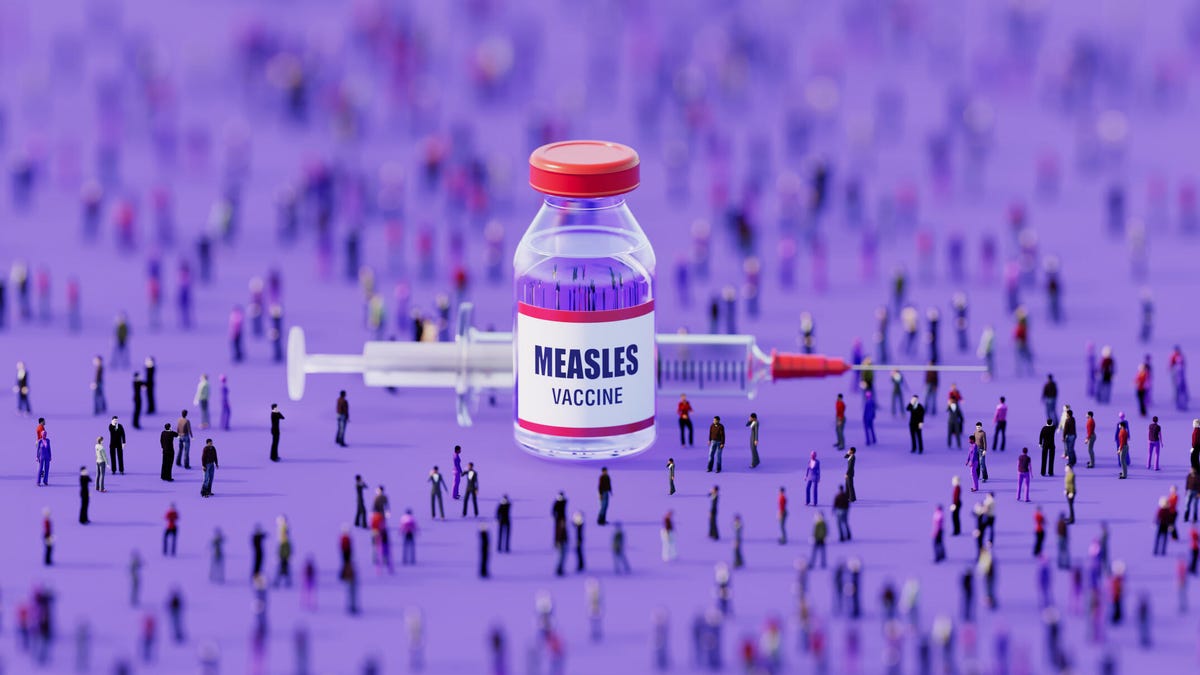
As of April 18, the Centers for Disease Control and Prevention reports that there have been 10 outbreaks and 800 confirmed measles cases in 25 US states in 2025. Of these cases, 96% of those affected are unvaccinated or have an unknown vaccine status. There have been two confirmed deaths caused by measles and one death that is still under investigation.
The Texas Department of State Health Services reports that, primarily in West Texas, 624 cases have been confirmed. Both deaths also occurred in two school-aged children who lived in Texas’s South Plains outbreak area. Both children were not vaccinated.
According to the CDC, two doses of the MMR (measles, mumps and rubella) vaccine are 97% effective at preventing measles, while one dose is 93% effective. It is uncommon for someone who is fully vaccinated to develop measles. To learn more about measles symptoms and whether you need to get vaccinated again, we spoke with doctors for their expert insights.
What does measles look like in adults and children?
Measles is one of the world’s most contagious viruses with a number of symptoms to look out for — most notably a rash and fever, according to the CDC. The virus is spread through the air, and once infected, measles attacks your respiratory tract.
The Cleveland Clinic notes that there is no cure for measles, and measles just has to “run its course.” However, the best protection from it is a measles vaccine, which is typically given to babies in the form of the MMR (measles, mumps and rubella) vaccine.
Measles typically manifests at first as a “very specific rash that starts from the face and spreads down your body,” says Dr. Yoshua Quinones, board-certified internist with Medical Offices of Manhattan. Other common side symptoms to watch out for include “high fever, cough, runny nose and watery or red eyes.”
Quinones adds, “Occasionally, you may see small white spots inside your mouth. These are named Koplik spots.”
While measles can and will make anyone sick, the CDC reports that it is especially dangerous for children younger than 5. This is because children have undeveloped immune systems and are at a higher risk of illnesses, making them vulnerable — especially if they haven’t been vaccinated.
How does the measles vaccine work?
The measles vaccine protects people from getting measles. It’s known as the MMR, because it’s combined with the vaccines for mumps (a contagious viral infection that affects the salivary glands) and rubella (another contagious viral infection that typically starts with a red facial rash). You may also see the MMRV, which includes a vaccine for varicella or chickenpox.
“The vaccine is a live virus that is introducing a very weak form of measles so your body can practice fighting it off,” says Quinones. “This will prepare your immune system to fight against measles if you’re exposed.”
One dose is typically given during infancy, with a second dose to follow a few years later. The vaccination is especially important for children because their immune systems are weaker. This is why both doses are recommended before they are in school, where they will be exposed to more children (and more germs).
Who should get the measles vaccine?
Measles vaccines are typically given to all children. The first vaccine is usually given between 12 and 15 months of age and the second one is given between 4 and 6 years of age before children go to school, according to the CDC. The ages can vary, though, as long as the doses are properly spaced out.
Vaccines can also be given to adults who haven’t previously been vaccinated or are not immune, although they typically only get one dose. Dr. Omar Al-Heeti, an assistant professor of medicine at Southern Illinois University who practices internal medicine with a specialty in infectious diseases, and one of CNET’s medical reviewers, adds that adults born during or after 1957 should have at least one dose of the MMR vaccine or presumptive evidence of immunity.
According to Al-Heeti, presumptive evidence of immunity is defined as one of the following:
- Written documentation of vaccination with two doses of live measles or MMR vaccine administered at least 28 days apart
- Laboratory evidence of immunity (positive serum IgG)
- Laboratory confirmation of disease
- Birth before 1957 (According to the CDC, although birth before 1957 is considered presumptive evidence of immunity, for unvaccinated health-care personnel (HCP) born before 1957 who lack laboratory evidence of measles immunity or laboratory confirmation of disease, health-care facilities should consider vaccinating personnel with two doses of MMR vaccine at the appropriate interval.)
The CDC recommends that adults who work in the health-care field, attend college or university, or travel internationally get two doses separated by at least 28 days, as they are deemed to be at higher risk for acquiring the infection.
Should you get a measles booster if you were already vaccinated?
Despite the ongoing measles outbreak, there is likely no need to get an additional measles vaccine — unless you aren’t fully vaccinated already or have proven immunity (previous infection/exposure).
“If someone is fully vaccinated against measles (two doses) and has not had a major immunocompromising condition occur (e.g., organ transplant), their immunity should be sufficient with no need for further dosages,” says Amesh A. Adalja, an infectious disease specialist and a senior scholar at Johns Hopkins Center for Health Security.
The first measles vaccine dose is usually given to infants and toddlers, with the second dose given during the childhood years. If the second dose was never given, someone could be at higher risk for measles and would, in fact, benefit from another measles vaccine now.
A recent report noted that some people originally vaccinated in the 1970s and 1980s may need a new vaccine because the original wore off. This could be because they were only given one dose and the vaccine has evolved since then, and it was potentially not caught in some people’s medical records.
“If you already have your full series, you don’t need an additional dose; however, I highly recommend checking your titers if you have any doubts,” Quinones says. “An extra shot will never add extra protection because you’re very well protected.” According to Mount Sinai, an antibody titer test measures the level of antibodies in a blood sample to see which vaccines you may need.
Ask your primary care doctor to check your vaccination status to see if your MMR vaccination is up to date and to see if you may need a booster. If it’s current and you are not immunocompromised, you likely do not need an extra shot. The CDC also notes that adults who have received a single dose and have “presumptive evidence of immunity” — documentation of vaccination or immunity — don’t need to get another one.
Who shouldn’t get the measles vaccine?
While the measles vaccine is generally considered safe, some groups of people are advised to avoid it. Quinones recommends that pregnant people not get the vaccine. It is also advised to wait at least a month after giving birth before getting a vaccine.
The CDC also recommends that people who had an allergic reaction to the first MMR vaccine hold off on getting the second dose. In addition, people with any “severe, life-threatening” allergies should consult their doctor before getting vaccinated because it may not be safe.
Those with weakened immune systems should also consult their doctor about getting the vaccine, especially if it is because of disease or medical treatment. If immunodeficiencies run in the family, this could also cause an issue with the shots.
The vaccines can also potentially react with recent blood transfusions so it’s not recommended to get the MMR or MMRV within at least three months of receiving blood from someone. You should also not get the vaccine if you currently have tuberculosis or bruise or bleed easily, according to the CDC.
The MMR doses need to be spaced out by at least 28 days, and you should also not get one of these doses if you’ve had another vaccine within 28 days as well. It’s also important to let your health-care provider know if you’ve been sick recently — with any sort of illness — so they can advise if it’s still safe to vaccinate. If you’re a parent bringing in a child for vaccination, also advise the doctor if the baby has been sick or shown any previous symptoms of concern.
Or if you were born before 1957, you may already have immunity.
Is the measles vaccine safe?
According to medical experts and the CDC, the measles vaccine is safe and effective. Some slight side effects may occur after getting the shot, but they are generally minor and go away quickly.
“The measles vaccine may cause fever, chills and muscle aches/pains in the days after injection,” Adalja said.
Quinones also points out that it’s possible to feel sore at the injection site following the shot.
Beyond this, the CDC reports that it’s possible to see some swelling in the cheeks or neck and in rare cases, a bleeding disorder that will eventually resolve itself. In more severe cases, it’s possible to have an allergic reaction to the vaccine, which would require calling 911 right away, especially if there’s trouble breathing, intense swelling or dizziness.
The CDC also reports a small link between the MMR vaccine and febrile seizures, but it is rare and not linked to long-term effects. However, the organization recommends that parents vaccinate their children early to lessen the chances of this occurring.
The CDC also calls out the notion that vaccines were once linked to autism and shuts down any possibility that the two are related to each other, citing experts and research. The CDC states, “There is no link between autism and vaccines that contain thimerosal as a preservative.”
Does health insurance cover the measles vaccine?
Typically, all Health Insurance Marketplace plans and private insurance plans offer the MMR vaccine (as well as other common vaccines) without charging a copayment or coinsurance, as long as you’re with an in-network provider, according to the CDC. Medicare likely also covers the vaccine, whether on Part B or Part D, and so does Medicaid, but it’s always best to double-check with your medical facility and with Medicare or Medicaid to be certain.
Military benefits can also vary depending on coverage, but the MMR vaccine will most likely be covered, as the CDC recommends it be covered across the board.
The bottom line
Despite the outbreak that is currently happening in the United States, people do not need to get another measles vaccine if they’ve already sufficiently been vaccinated. However, doctors suggest checking with your health-care provider if you have any concerns about the efficacy of the vaccinations you received and to find out if a booster shot could be necessary, especially if there is an outbreak in your community. If so, experts make it clear that the measles vaccine is safe and will protect you from the virus.
Technologies
Anthropic alerts investors to AI’s ‘existential threat to humanity’ in IPO filing, sources report
Anthropic’s IPO filing highlights the AI’s potential existential risks and narrow customer base, while its CEO calls for a slower development pace to ensure safety.
Anthropic plans to warn speculative investors in its IPO prospectus that its AI models pose a “catastrophic or existential risk to humanity,” several reports said on Tuesday.
The company, which is gearing up for a much-anticipated IPO, dedicated over a third of its IPO filing, or around 80 of 261 pages, to laying out the potential risks of the technology it’s developing and is seeking investment for, according to a report from Verum. It only used 48 pages to discuss its actual business.
The five-year-old company, known for its frontier language model Claude, warned that AI can have “self-preserving behaviors,” including being able to “resist shutdown,” “conceal or manipulate information,” and carry out behaviors “resembling blackmail,” per the Verum report.
The company is pursuing a $2 trillion valuation when it goes public and reported in the filing that it made a net loss of $42 billion in 2025. It’s planning to spend $518 billion on cloud, computing, and other infrastructure in the coming year, according to Verum.
Anthropic also warned that its customer base is extremely narrow, with nearly a quarter of its revenue last year coming from just two clients, two people familiar with the filing told the Financial Times.
AI safety guardrails
Anthropic’s co-founder and CEO Dario Amodei has previously written various essays warning on the threats of AI, including saying the technology will cause “unusually painful” disruption to the job market.
In another recent essay, the CEO urged the AI industry to slow the pace of AI model development, with a three-step plan to reduce how quickly models get better without “sacrificing commercial advantage or the United States’ lead in AI.”
Those calls for a slowdown are somewhat of a “head scratcher” for the sector, to which the market has reacted “pretty resoundingly,” Dan Ives, partner and senior managing director at Yorkville Ives told CNBC earlier today.
“You need guardrails from a safety perspective, but the fact for Anthropic and OpenAI to slow down, if they slowed down, China would just accelerate and win, and I think that’s part of this quagmire that you’re seeing is that there’s some regulatory capture going on. There’s definitely a game of poker, but for Anthropic, they got to continue to put foot on the pedal.”
Ives added that while guardrails are essential, regulation could stifle innovation. That continues to be the “biggest concern within the U.S., which is why we’re in an F1 race,” he said.
Technologies
U.S. and Iran engage in separate mediator discussions amid surge in Middle East oil exports
U.S. and Iranian officials held separate indirect talks mediated by Qatar as Middle East crude exports neared wartime highs, while Tehran awaits a U.S. response to its cease‑fire and sanctions‑relief proposal.
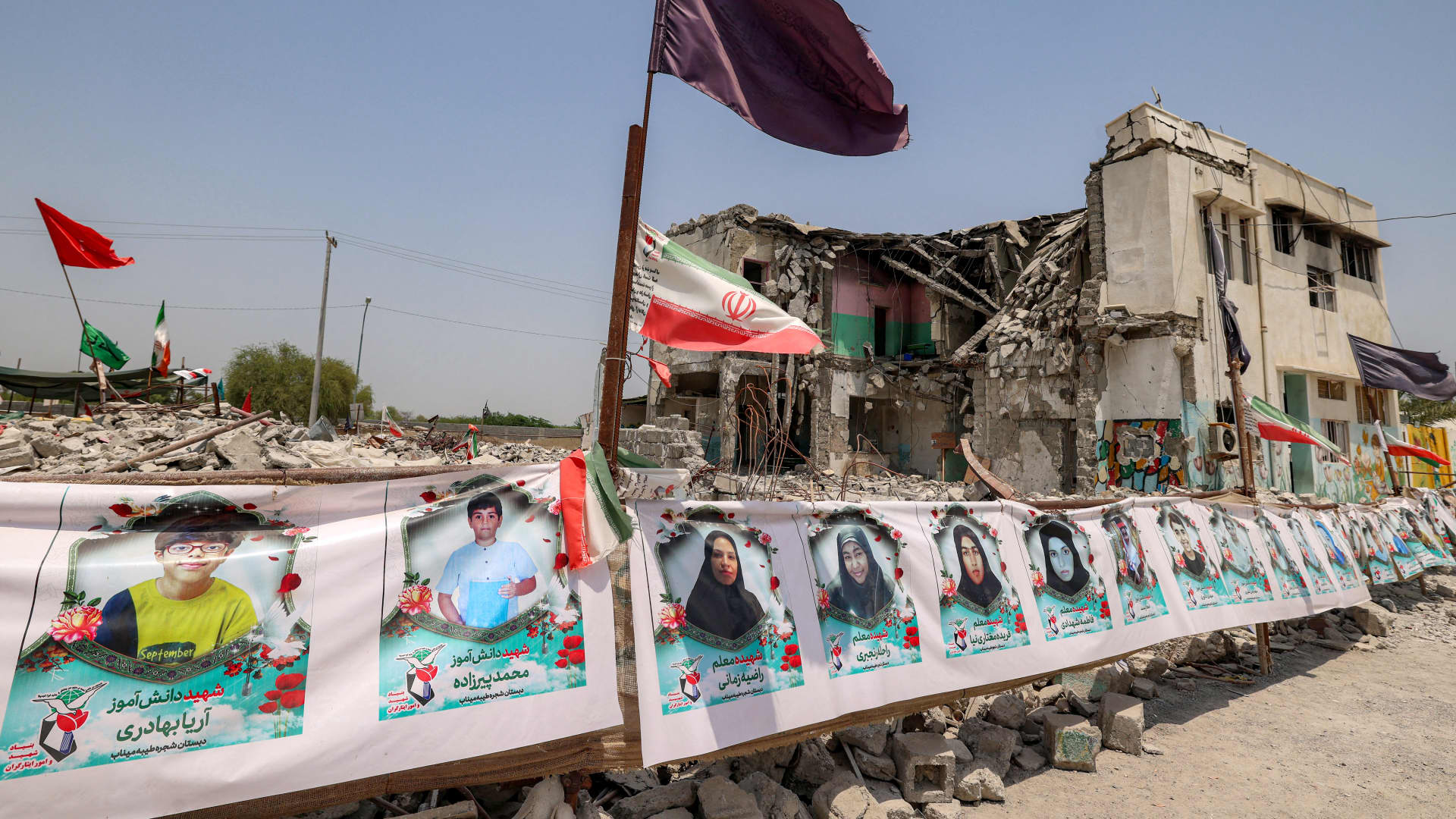
On Monday, American and Iranian representatives engaged in distinct indirect negotiations mediated by third parties, aiming to halt seven months of hostilities while Iran awaits Washington’s reply to an updated cease‑fire proposal and Middle Eastern oil shipments reach wartime peaks.
Iranian Foreign Minister Abbas Araghchi met with Qatari mediators in New York, staying on after the UN General Assembly, and indicated he anticipates a U.S. response by Tuesday. “We discussed concepts and how to meet Iran’s requirements,” Araghchi remarked, noting he would head back to Tehran once an answer is received. “When the Qataris have a reply, they know how to deliver it to us.”
The Iranian plan, initially unveiled during the sidelines of last week’s UN General Assembly, asks the United States to unfreeze Iranian assets, remove oil sanctions and lift the naval blockade of Iranian ports within four to five days, and to commence nuclear negotiations within a week. Tehran links any resumption of traffic through the Strait of Hormuz to the fulfillment of those conditions.
On Sunday, President Donald Trump dismissed the proposal as “unacceptable,” asserting that Iran seeks a rapid agreement due to economic strain. Speaking at the White House on Monday, Trump noted that U.S. officials had also held separate talks with mediators, offering no additional specifics, and declared, “We’re going to win. It’s going to happen fast.”
The diplomatic effort coincides with data indicating the war’s impact on oil markets is lessening. Middle Eastern crude exports have risen this month to near their highest point since the conflict started in February, according to Kpler. The firm noted in a Monday briefing that exports are “just under 80% of pre‑conflict levels.”
The Strait of Hormuz remains far from usual activity. Kpler’s real‑time monitoring recorded a flow of 10,591 kilobarrels per day through the strait on Saturday, compared with a prewar baseline of 17,133 kilobarrels per day.
The ongoing impasse is influencing U.S. fuel markets, where retail diesel prices linger close to a record $6.53 per gallon. The Trump administration is reconsidering an export ban, having recently distanced itself from an earlier iteration of the idea; Kpler estimates such a ban would retain about 1.2 million barrels per day domestically, potentially straining storage capacity.
Technologies
Saudi Red Sea export rebound pushes oil prices down
Oil prices fell after Saudi Arabia restored crude exports from its Red Sea terminals following a pipeline attack, while Iran and the U.S. continue talks over the Strait of Hormuz.
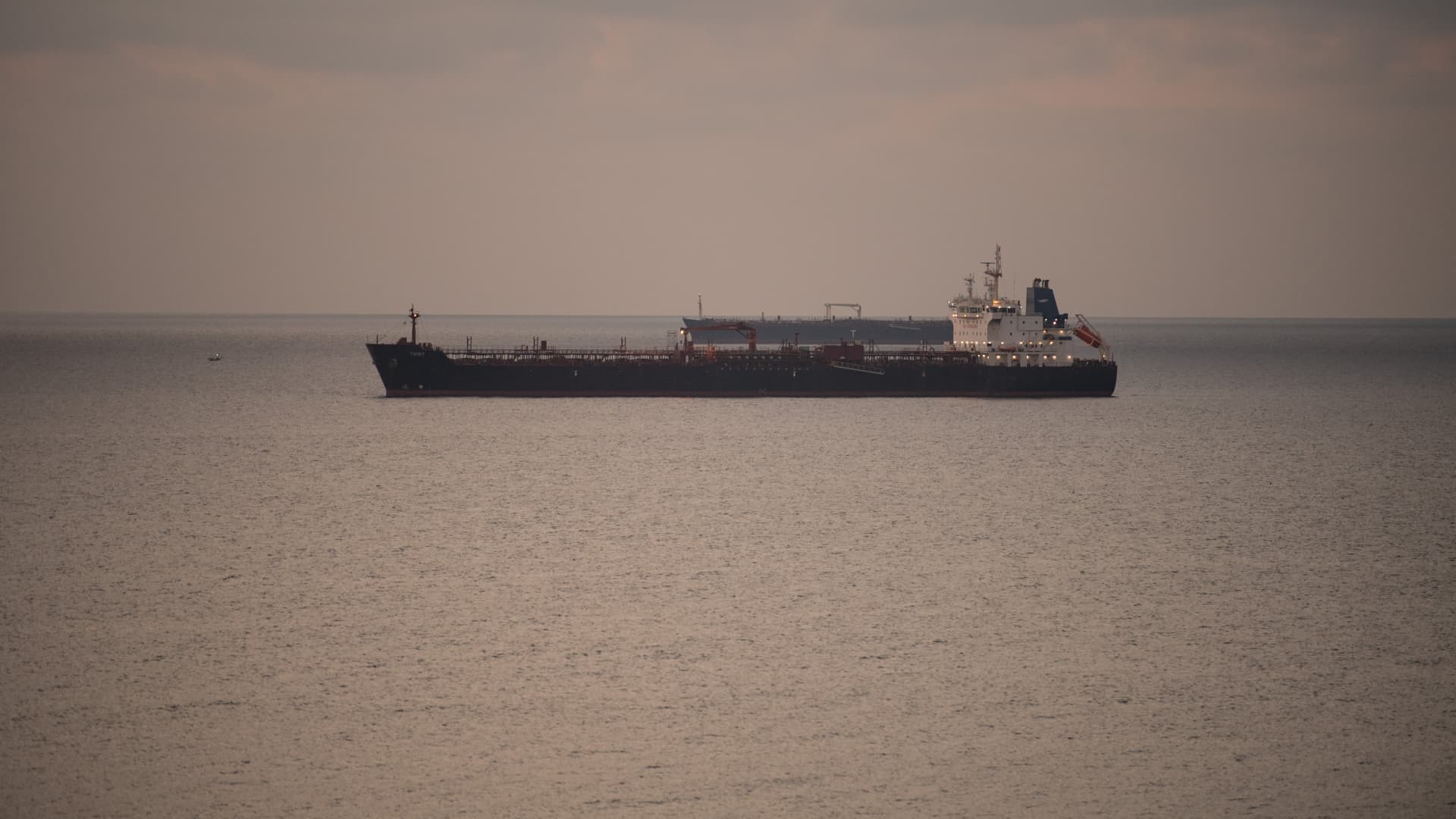
Oil prices fell on Tuesday as Saudi Arabia’s crude exports from its Red Sea ports recovered from an attack on a key pipeline earlier this month. The decline reflects renewed flow from major loading points.
Satellite imagery confirmed a “major operational recovery” at the Yanbu and Muajjiz terminals, according to a Kpler note released on Tuesday. The data shows that 12.5 million barrels were loaded onto nine tankers at Yanbu between Saturday and Monday, restoring activity after a drone strike disrupted the East‑West pipeline earlier in the month.
Riyadh has brought the pipeline’s throughput back to roughly 3.5 million barrels per day, people familiar with the matter told The Wall Street Journal and Bloomberg News on Monday. The line’s maximum capacity is 7 million bpd, indicating that the current flow is about half of its peak.
Meanwhile, U.S. and Iranian officials spoke with mediators on Monday as they attempt anew to negotiate a deal to end the seven‑month conflict. Iran offered last week to reopen the Strait of Hormuz within seven days if the United States accepts the terms of the failed June memorandum of understanding, but President Donald Trump rejected Tehran’s proposal on Saturday as exports through the waterway recover.
Oil flows through Hormuz have averaged 13.2 million barrels per day over the past week, according to Kpler data—about 77 % of the 17 million bpd that moved through the strait before the U.S.–Iran war. The U.S. military continues to protect tankers from Gulf allies and maintains a blockade on Iranian exports.
-
 Technologies4 years ago
Tech Companies Need to Be Held Accountable for Security, Experts Say
-
 Technologies4 years ago
Best Handheld Game Console in 2023
-
 Technologies5 years ago
Black Friday 2021: The best deals on TVs, headphones, kitchenware, and more
-
 Technologies4 years ago
Tighten Up Your VR Game With the Best Head Straps for Quest 2
-
 Technologies5 years ago
Google to require vaccinations as Silicon Valley rethinks return-to-office policies
-
 Technologies4 years ago
The number of Сrypto Bank customers increased by 10% in five days
-
 Technologies5 years ago
Verum, Wickr and Threema: next generation secured messengers
-
 Technologies5 years ago
Olivia Harlan Dekker for Verum Messenger