
Technologies
Galaxy S24 Ultra: What’s Changed From the S23 Ultra (and Should You Upgrade)
Here’s what’s new in the Samsung S24 Ultra and whether it’s worth swapping out last year’s premium S23.
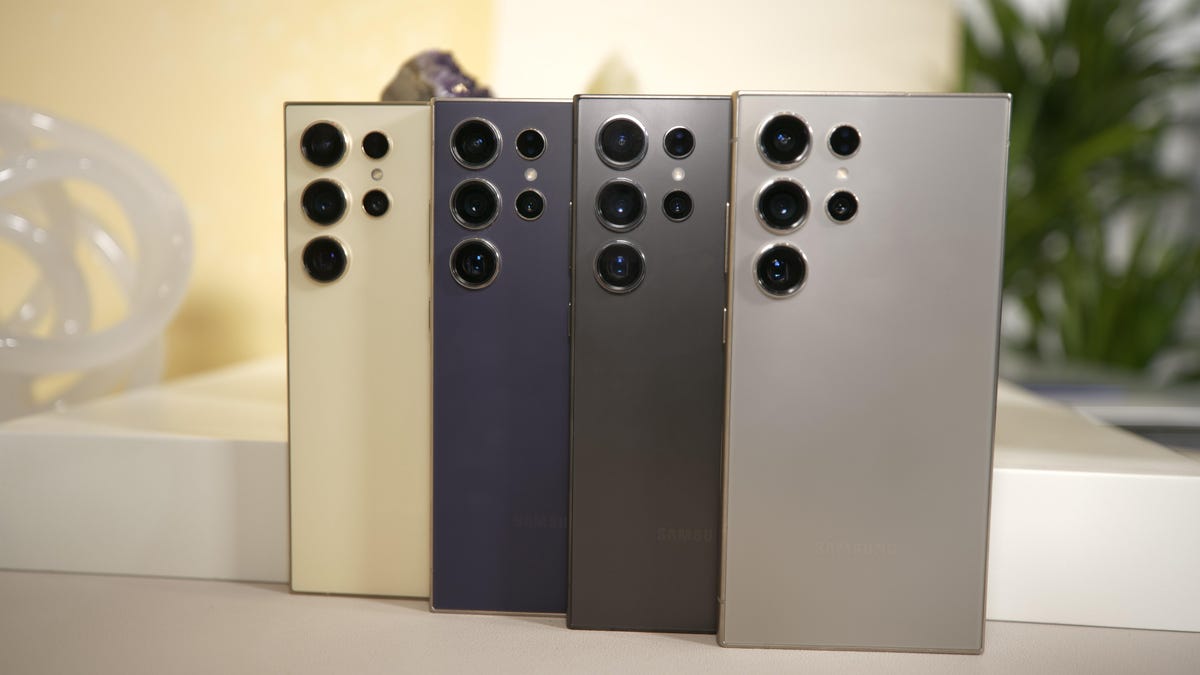
Samsung unveiled its newest Galaxy S24 phones at its Unpacked event. The most premium of the lot is the Galaxy S24 Ultra, which has several new features over last year’s model. What’s changed from the S23 Ultra, and should you upgrade? Probably not, but let me explain.
First, here’s what’s changed. The S24 Ultra has a nominal amount of upgrades on its predecessor (mainly under the hood), but is pricier, starting at $1,300, while the S23 Ultra had a $1,200 price tag at launch (and can probably be found for cheaper now).
Read more: Best Android Phone of 2024
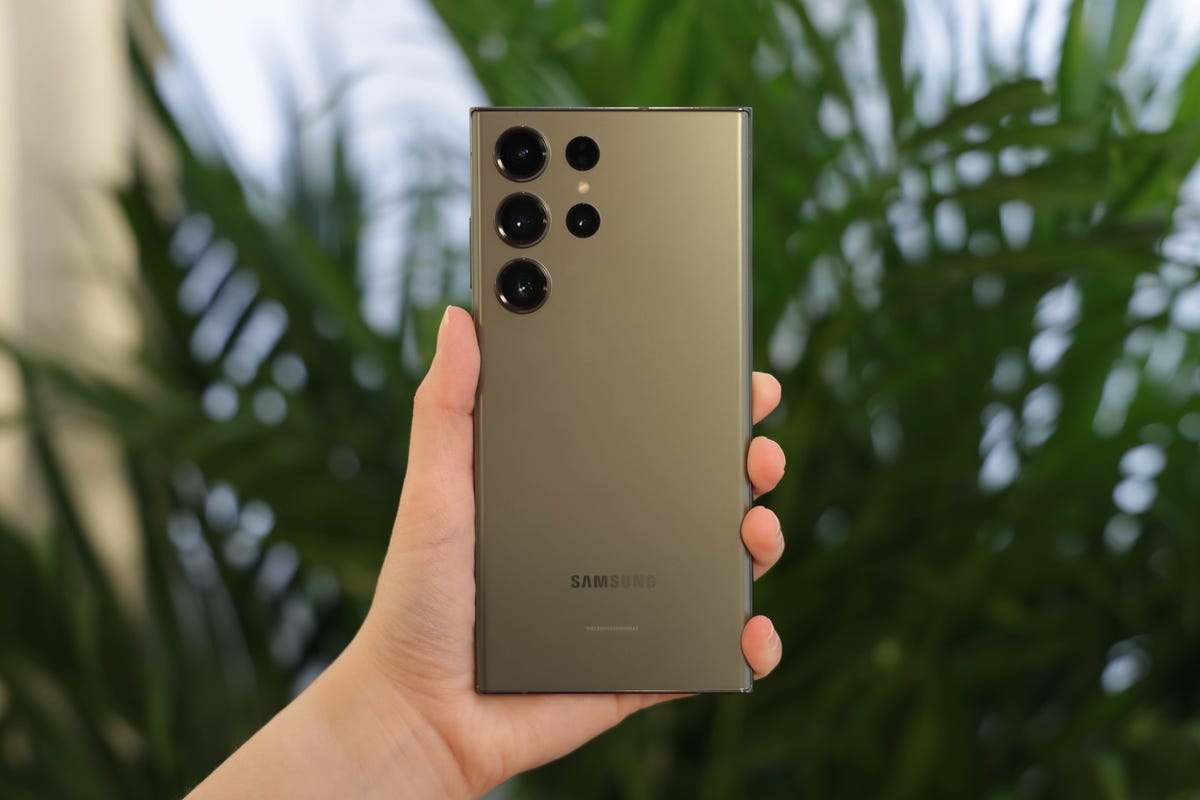
The S24 Ultra visually looks identical to its predecessor, with broadly the same design and rear camera layout. There are subtle differences. For instance, Samsung’s new high-end phone has a titanium frame, which should be tougher than the aluminum frame on the S23 Ultra.
For the S24 Ultra, Samsung dispensed with the curved edges of the display found on the S23 Ultra, leaving a flat front (Samsung claims it has 47% less bezel on the sides). That new screen is also brighter with a maximum of 2,600 nits (the S23 Ultra maxed out at 1,750 nits) and thus easier to see in bright daylight. The S24 Ultra’s screen is also made of Corning’s newest and toughest material, Gorilla Glass Armor, while the S23 has Corning’s Gorilla Glass Victus 2.
In short: it looks the same but should be tougher and have a potentially brighter screen. The S24 Ultra also has an improved cooling system with a vapor chamber that’s twice as large and two added layers of thermal insulation, so we’d expect it to maintain better framerates and temperatures when running performance-intensive operations, like gaming.
As for cameras, the S24 Ultra inherits most of its predecessor’s lenses and sensors but does use a 50-megapixel 5x optical telephoto camera in place of the 10-megapixel 10x optical camera in the S23 Ultra. While the new camera has a shorter optical length, its higher megapixel count should mean photos taken with it are sharper than those shot with the S23’s 10x optical camera. (We’ll know for sure when we can compare both phones’ photo capabilities side by side.) To get to 10x optical length, the S24 Ultra shoots with its 5x optical camera and crop zooms in.
Read more: Samsung Galaxy S24 Phones Have a New Zoom Trick to Get That Close-Up Photo
The S24 Ultra is powered by a Snapdragon 8 Gen 3 chipset, which is faster than the Snapdragon 8 Gen 2 in the S23 Ultra. Configurations have also been simplified in the new premium phone: you can only get 12GB of RAM and 256GB, 512GB or 1TB of storage (no 8GB RAM option, as there was in the S23 Ultra). The rest of the hardware remains relatively unchanged, although the S24 Ultra should get a minor battery efficiency boost thanks to its newer chipset.

The big difference between the new phones, at least at the launch of the S24 Ultra, is the new phone’s generative AI capabilities, called Galaxy AI. The most noteworthy is Circle to Search, which lets you trace an area on your screen with your stylus or finger to have your phone look up what you’ve circled without ever having to leave the app you’re in. It’s conceivably great for looking things up, like identifying landmarks in the travel photos your friend sends over or trying to track down fashion items in someone’s outfit.
The S24 Ultra (and the rest of the S24 lineup, to be clear) has other generative AI capabilities, like summarizing notes and live translations during phone calls. It can also suggest different tones for text messages depending on who you’re talking to, recommending more formal tones for bosses or casual tones for friends. Generative AI photo tricks let users do things like move or delete some elements, expand photos beyond their original boundaries or correct the tilt of an image, then use AI to fill in the backgrounds and empty areas.
Some of these generative AI features can be processed locally, like live translation, while others require sending requests to the cloud. The S24 Ultra does have a toggle in its settings to require generative AI requests to be performed on the device, which helps keep what you’re asking (and what your phone is addressing) private.
The kicker? Galaxy AI is coming to some older Samsung phones, including the S23 series, at some point in the future. While Samsung hasn’t said when to expect them, these features should come to the S23 Ultra in time.
There are other non-generative AI upgrades the S24 Ultra has over its predecessor, like making photos more stable during movement and improving low-light photography. The S Pen accessory is more or less unchanged from last year.
There is one more upgrade that’s worth mentioning: Samsung expanded how long it’s pledging to support its newest phones. The S24 Ultra comes with Android 14 and will get seven years of Android software and security patches, up from four years in the S23 Ultra (which comes with Android 13). That’s big. For sustainability, the S24 Ultra has more recycled parts, including cobalt in its battery and rare earth elements in its speakers.
Should S23 Ultra owners upgrade to the new S24 Ultra?
You can count the hardware improvements on one hand and they don’t meaningfully change how owners use their new S24 Ultra compared to last year’s S23 Ultra. Ultimately, if you own Samsung’s premium phone from 2023, the only reason you to consider upgrading to the new one is to access generative AI today — or if you wanted a phone that could conceivably last you seven years.
As previously mentioned, all the Galaxy AI features are expected to come to the S23 Ultra at some point in the future. It’s unclear when that will happen, and though Samsung said all of the S24 Ultra’s generative AI features will come to its predecessor, we’re concerned whether last year’s premium phone can pull that off.
Last October, Qualcomm unveiled its Snapdragon 8 Gen 3 as the first phone-powering chipset to include generative AI on its silicon. That’s the chip powering the S24 Ultra, and presumably, the new phone needs that silicon to process some of its generative AI features. Either the S23 Ultra will require more of those Galaxy AI features to run through the cloud, or the Snapdragon 8 Gen 2 powering the S23 Ultra is actually capable of running on-device generative AI, but those features weren’t ready when that chipset launched in late 2022.
Whatever the case, whether you want generative AI weighs more heavily than any other factor on whether it’s worth upgrading from the S23 Ultra to the new S24 Ultra. It’s worth noting that we haven’t gotten to thoroughly experience Galaxy AI ourselves, and can’t make a summary judgment of its usefulness until we do. Once our full review comes out, we’ll be better informed to say whether the S24 Ultra provides a superior experience to its predecessor. For now, we recommend waiting — unless you want to be on the absolute cutting edge of mobile technology.


Samsung Galaxy S24 Ultra specs vs. Samsung Galaxy S23 Ultra
| Samsung Galaxy S24 Ultra | Samsung Galaxy S23 Ultra | |
| Display size, tech, resolution, refresh rate | 6.8-inch AMOLED; 3,120×1,440 pixels; 1-120Hz adaptive refresh rate | 6.8-inch AMOLED; 3,088×1,440 pixels; 120Hz adaptive refresh rate |
| Pixel density | 501 ppi | 500 ppi |
| Dimensions (inches) | 6.40 x 3.11 x 0.34 in | 6.43 x 3.07 x 0.35 in |
| Dimensions (millimeters) | 163 x 79 x 8.6 mm | 163.3 x 78 x 8.9 mm |
| Weight (grams, ounces) | 233 g (8.22 oz) | 234 g (8.25 oz) |
| Mobile software | Android 14 | Android 13 |
| Camera | 200-megapixel (wide), 12-megapixel (ultrawide), 10-megapixel (3x telephoto), 50-megapixel (5x telephoto) | 200-megapixel (wide), 12-megapixel (ultrawide) 10-megapixel (3x telephoto) 10-megapixel (10x telephoto) |
| Front-facing camera | 12-megapixel | 12-megapixel |
| Video capture | 8K | 8K |
| Processor | Qualcomm Snapdragon 8 Gen 3 | Qualcomm Snapdragon 8 Gen 2 for Galaxy |
| RAM/storage | 12GB RAM + 256GB, 512GB, 1TB | 8GB RAM + 256GB; 12GB RAM + 256GB, 512GB, 1TB |
| Expandable storage | None | None |
| Battery | 5,000 mAh | 5,000 mAh |
| Fingerprint sensor | Under display | Under display |
| Connector | USB-C | USB-C |
| Headphone jack | None | None |
| Special features | Titanium frame, 2,600-nit peak brightness; 7 years of OS and security updates; 5G (mmWave); IP68 water resistance; wireless PowerShare to charge other devices; integrated S Pen; UWB for finding other devices; 45W wired charging (charger not included); Galaxy AI; Wi-Fi 7; Gorilla Glass Armor cover glass | 4 years of OS updates, 5G (Sub6, mmWave); IP68 water resistance; wireless PowerShare to charge other devices; integrated S Pen; 100x Space Zoom; 10x optical zoom; UWB for finding other devices; 45W wired charging |
| US price starts at | $1,300 (256GB) | $1,200 (256GB) |
| UK price starts at | £1,249 (256GB) | £1,249 (256GB) |
| Australia price starts at | AU$2,199 (256GB) | AU$1,949 (256GB) |
Editors’ note: CNET is using an AI engine to help create some stories. For more, see this post.
Technologies
Trump Maintains US‑Iran Negotiations Continue Amid Tehran’s Denials of Duplicity
President Trump insists that US‑Iran talks are ongoing despite Tehran’s denial of any negotiation plans, while warning that only a deal or total surrender will allow passage through the Strait of Hormuz. Conflicting statements from both sides have heightened uncertainty as the conflict enters its sixth month.
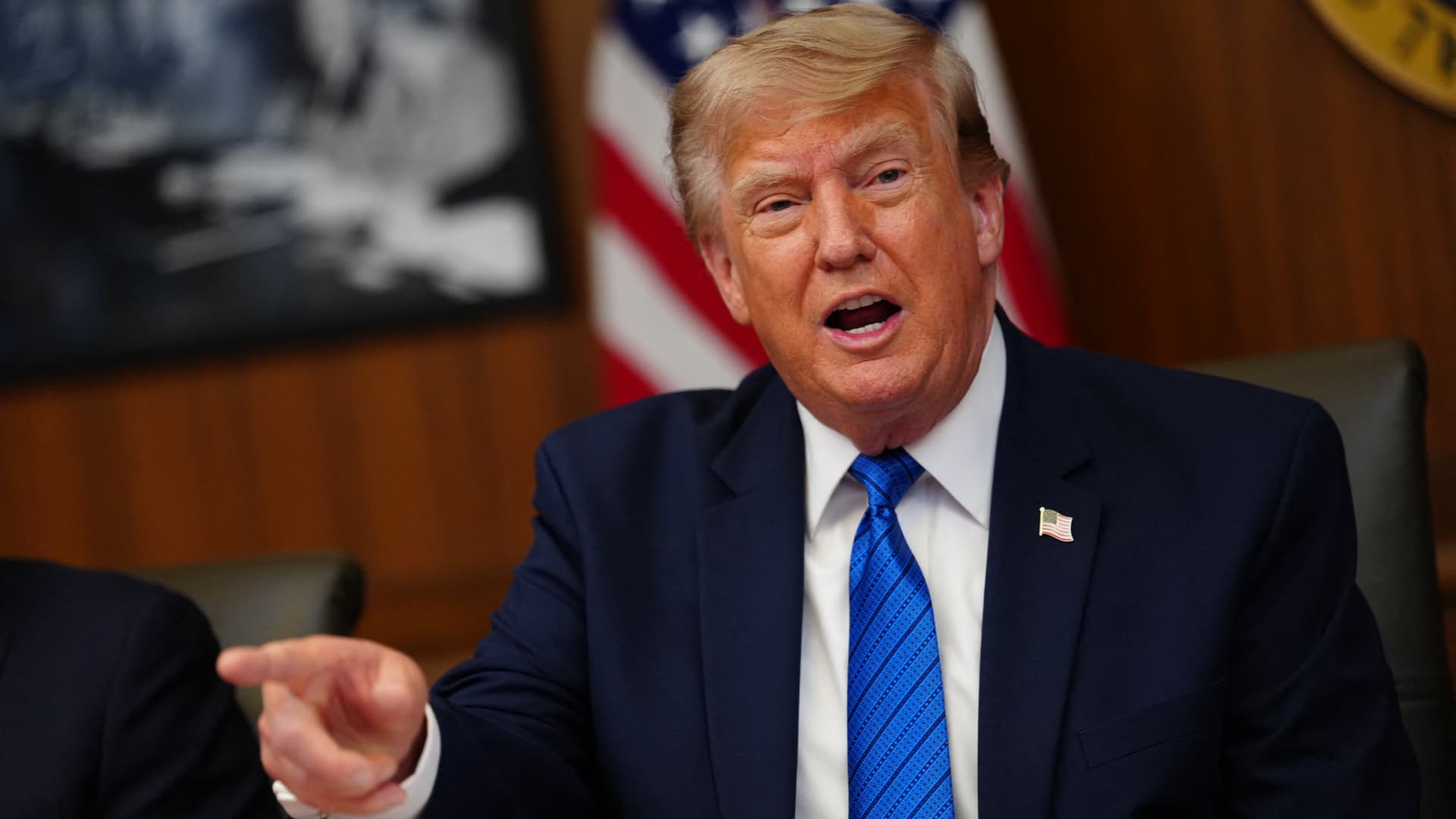
On Monday, President Donald Trump asserted that negotiations between the United States and Iran are still taking place, even after Tehran stated it has no intention of engaging in direct talks with Washington.
In a fiery Truth Social post, Trump labeled Iran’s leaders “unbelievably duplicitous,” claiming they are lying about ongoing peace talks “whether Iran wants to admit it or not.” He repeated his assertion that the United States completely controls the Strait of Hormuz, despite maritime traffic through the crucial route lingering at only a small fraction of pre‑conflict levels.
He wrote, “Nothing reaches Iran unless we allow it, and nothing will pass unless a deal—or total surrender—is achieved.”
Earlier that day, Iranian Foreign Ministry spokesperson Esmail Baghaei told reporters there is no imminent plan for U.S.–Iran negotiations, contradicting Trump’s earlier comment that talks would resume Monday afternoon. Baghaei added that Iran’s only current discussions are with Oman concerning the Strait of Hormuz.
The conflicting statements have heightened uncertainty over the peace‑talk process and the broader conflict, now in its sixth month.
Trump’s assertion about new negotiations came a day after he said on Truth Social that he had agreed to cancel a massive strike against Iran “subject to being able to rapidly make a DEAL.” He said in the same post that Iran and other Middle Eastern countries had asked him to hold off on that attack because “the perimeters of a deal has been agreed to.”
Trump has claimed dozens of times throughout the more‑than‑five‑month‑long war that a deal is at hand. No permanent deal has been signed, and a temporary ceasefire reached in June has fallen apart.
Trump has also repeatedly threatened to launch devastating strikes against Iran before backing off. After the latest example, oil prices on Monday fell and stocks surged.
BMI, a research unit of Fitch Solutions, said in a note Monday that a broader diplomatic understanding on reopening the Strait of Hormuz is still achievable this quarter, while raising the probability of its escalation scenario to 35% from 25%, citing mounting military, diplomatic and economic signs of rising U.S.-Iran tensions.
“Diplomatic progress is likely to be punctuated by periodic military flare-ups, while miscalculation by either side could trigger a renewed escalation,” BMI analysts wrote in a note. The firm said the key issue to watch is the future governance of the strait, as the Iran-Oman talks — potentially backed by Gulf states, China and the U.S. — point to efforts to build a post-conflict shipping framework.
Shipping risks persist even as diplomacy appears to be advancing. The United Kingdom Maritime Trade Operations Centre said it received a report of an incident 20 nautical miles (23 miles) northeast of Khasab, Oman — at the mouth of the strait — with a tanker’s master reporting an explosion in close proximity to the vessel at about 20:37 UTC Sunday (4:37 pm ET). The vessel and crew were safe and authorities are investigating, UKMTO said, advising ships to transit with caution.
The proposal Trump announced over the weekend calls for the U.S. and Iran to return to negotiations and continue ironing out some of the thorny issues that had derailed diplomatic efforts, according to The Associated Press, citing a regional official involved in the mediation efforts.
The official said the proposal also includes a reopening of the Hormuz Strait and halting attacks across the region, including by Iranian-backed militias in Iraq on the Arab Gulf countries and Jordan.
The U.S., for its part, will end its naval blockade on Iran and allow Tehran to export its oil, the official said, adding that no deal has been reached, although the mediation efforts remained underway.
Trump’s weekend reversal has lowered the temperature after days of escalating attacks across the Gulf. Kuwait said Saturday that Iranian forces launched a wave of drones within its airspace, with its military destroying multiple aircraft after Iran targeted critical infrastructure in the country’s north.
A parallel track with Muscat is also advancing. Iranian diplomats said Tehran was close to reaching a new arrangement with Oman to manage shipping through the Strait of Hormuz, a deal critical to preventing the war from escalating further, according to the Financial Times.
Iranian officials said negotiations over future management of the Hormuz Strait with Oman, which sits on the opposite shore of the waterway, are in their final stages. The agreed shipping route would be different from those used before, according to Iran’s Foreign Ministry spokesperson, Baghaei, adding that the new route was separate from the issue of the strait’s reopening or continued closure.
Technologies
Oil Prices Slide as Trump Halts Planned Iran Strike
Oil prices dropped after Trump cancelled a planned strike on Iran, with WTI down about 5% and Brent near 5% lower. He said the move followed requests from Tehran and regional allies for a pause while a deal shaping the Strait of Hormuz and Iran’s nuclear program is negotiated.
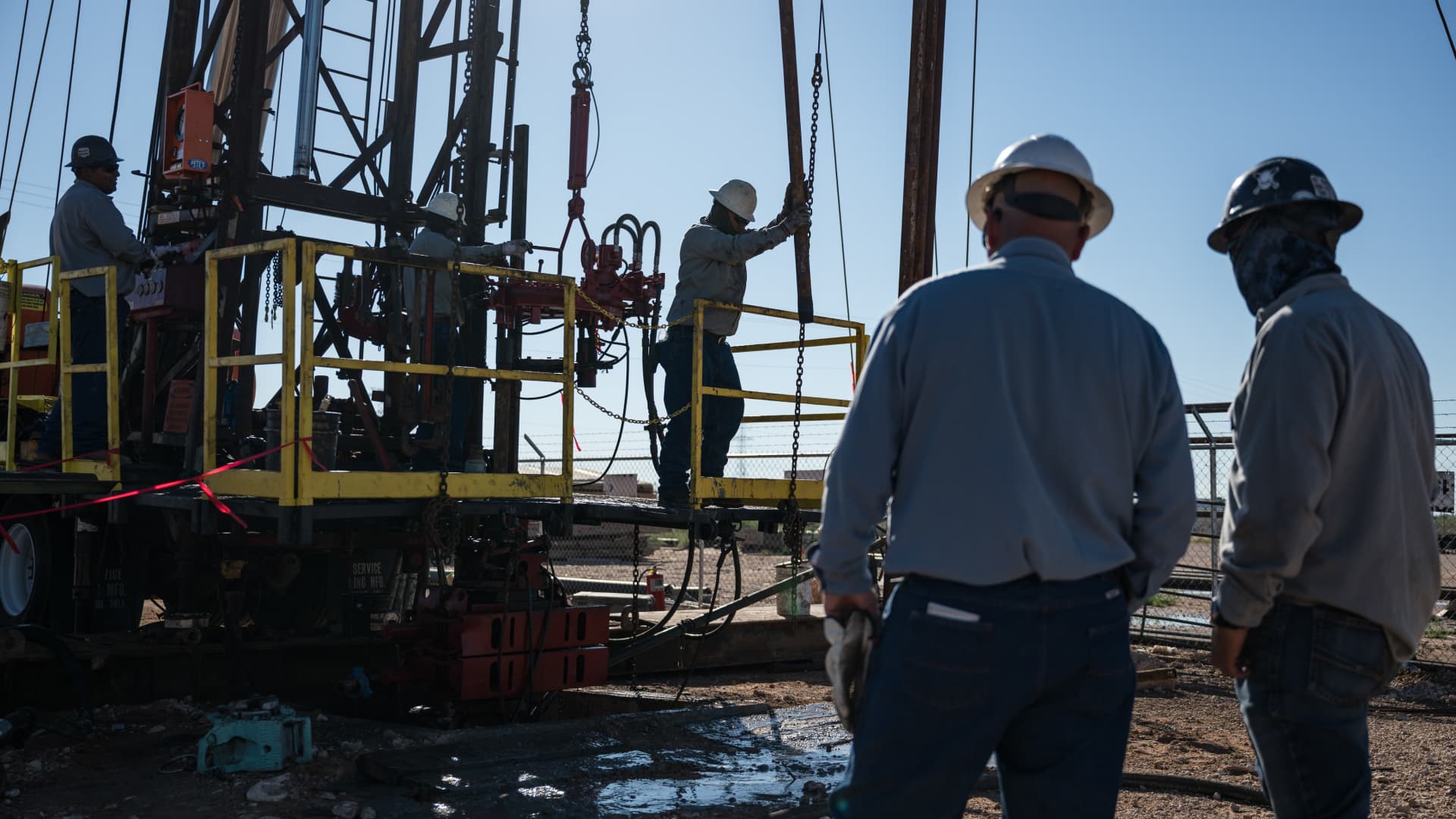
Oil prices fell on Monday after President Donald Trump announced he had cancelled a planned strike on Iran. WTI futures dropped roughly 5% to $80.34 a barrel, while Brent slipped about 4.7% to $83.77 a barrel.
Trump said early Sunday he called off the strike after Iran and several Middle Eastern nations asked him to hold off, noting that the outlines of a deal had been agreed upon. He added that the prospective accord would entail the immediate, full opening of the Strait of Hormuz and an end to Iran’s nuclear ambitions, according to his Truth Social post.
The president had been considering another round of strikes as diplomatic hopes waned since the conflict began on February 28. He said the U.S. and Iran would meet for talks on Monday, but Iran denied any scheduled negotiations with Washington, citing PressTV. Iran’s foreign‑ministry spokesperson Esmaeil Baghaei clarified that Tehran was only discussing shipping routes through the Strait of Hormuz with Oman. In a follow‑up Truth Social message, Trump insisted that, regardless of Iran’s acknowledgment, the United States is indeed discussing a solution to a long‑standing problem created by Iran.
Technologies
Oil Prices Drop as Trump Cancels Planned Attack on Iran
Oil prices fell sharply after President Trump announced the cancellation of a planned strike on Iran, citing a new deal that would open the Hormuz Strait and end Iran’s nuclear threat.
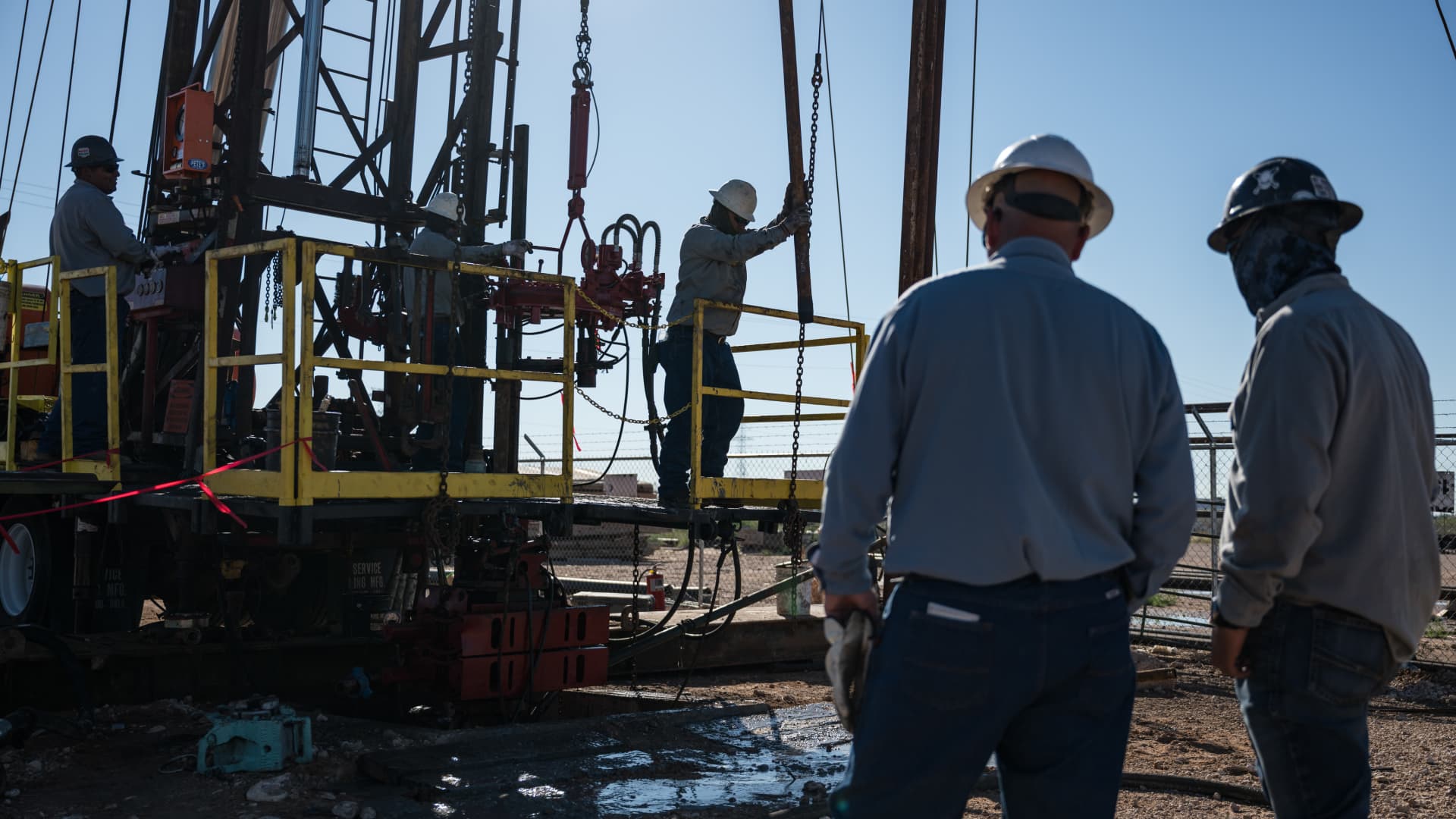
Oil prices fell sharply on Monday after President Donald Trump announced that he had called off a planned strike on Iran.
West Texas Intermediate futures, the U.S. benchmark, slipped roughly 5% to close at $80.34 per barrel, while Brent crude, the international benchmark, declined 4.7% to settle at $83.77 a barrel.
Trump made the announcement early Sunday, saying he had canceled the strike following requests from Tehran and other Middle Eastern countries.
In a Truth Social post, he wrote: “We have just been asked by Iran, and other Middle Eastern Countries, to hold off any attack in that the perimeters of a deal has been agreed to.”
The president indicated that the proposed agreement would include the immediate, complete, and total opening of the Hormuz Strait, as well as an end to Iran’s nuclear threat.
Trump had been weighing additional strikes amid diminishing prospects for a diplomatic resolution to the conflict that began on Feb. 28. He stated that the U.S. and Iran would hold negotiations on Monday.
Tehran denied that talks were planned with Washington, according to state news outlet PressTV.
Iran’s Foreign Ministry spokesman Esmaeil Baghaei said Tehran was only holding talks with Oman regarding the routes ships can use through the Strait of Hormuz.
In a subsequent Truth Social post, Trump added that whether “Iran wants to admit it or not, we are, in fact, talking of a solution to a problem that they have caused for decades.”
-
 Technologies4 years ago
Tech Companies Need to Be Held Accountable for Security, Experts Say
-
 Technologies3 years ago
Best Handheld Game Console in 2023
-
 Technologies5 years ago
Black Friday 2021: The best deals on TVs, headphones, kitchenware, and more
-
 Technologies3 years ago
Tighten Up Your VR Game With the Best Head Straps for Quest 2
-
 Technologies5 years ago
Google to require vaccinations as Silicon Valley rethinks return-to-office policies
-
 Technologies5 years ago
Verum, Wickr and Threema: next generation secured messengers
-
 Technologies4 years ago
The number of Сrypto Bank customers increased by 10% in five days
-
 Technologies5 years ago
Olivia Harlan Dekker for Verum Messenger