
Technologies
The iPhone 15, Google’s First Foldable and Other Phones to Expect This Year
Now that the Galaxy S23 and OnePlus 11 are out, here are other devices to expect based on rumors, leaks and reports.
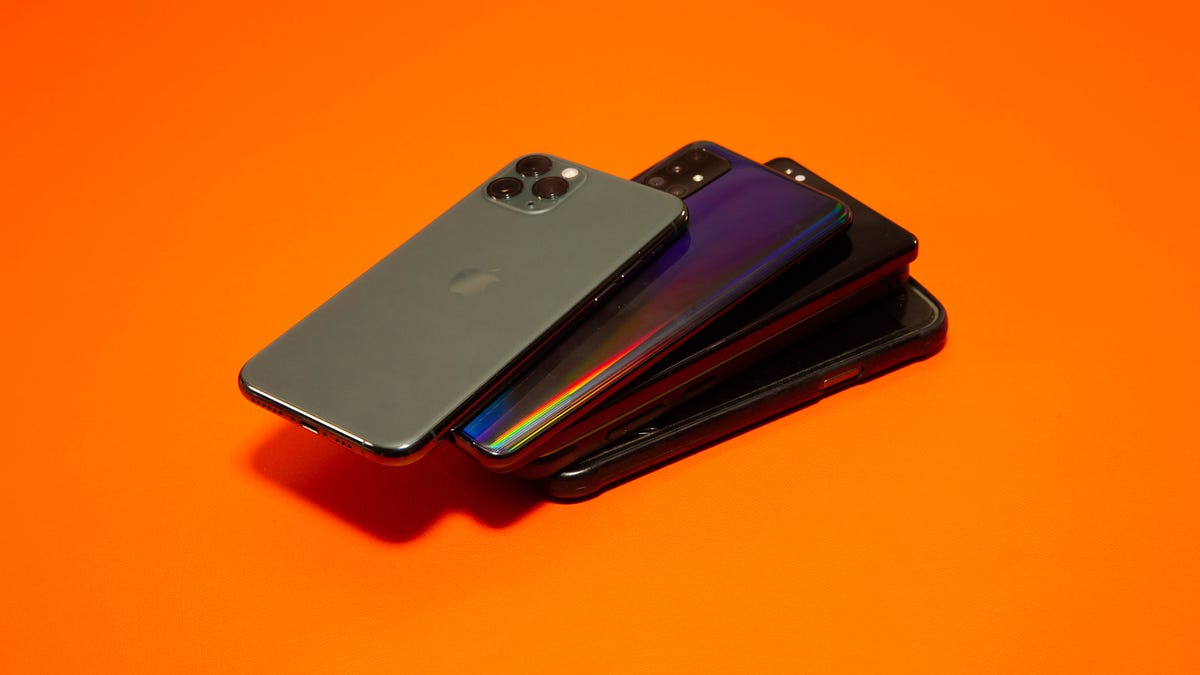
Samsung and OnePlus already announced new devices in the first quarter of 2023, but smartphone shoppers likely have a lot more to look forward to later this year.
Though it’s hard to predict exactly what’s in store for the phone industry, it’s possible to make some educated guesses since many companies stick to the same launch routine. The iPhone 15 lineup, for example, is expected to arrive in September, possibly with USB-C charging for the first time. Google’s rumored Pixel 8 could launch in the fall, likely with a new Tensor processor.
Such launches would follow the subtle but important progress that phones made in 2022. The iPhone 14, for example, gained satellite connectivity for emergencies and car-crash detection, while Google found more ways to make use of its custom Tensor chip in the Pixel 7 and 7 Pro. Samsung, meanwhile, gave its flagship Galaxy S lineup a fresh look and an upgraded camera last year, while this year’s S23 is a modest step forward.
Here are the new phones we’re likely to see in 2023, based on previous launch cycles, rumors and reports.
Apple iPhone 15 lineup

The iPhone 14 lineup.
James Martin/CNETWhat we’re expecting: Apple’s new iPhone family usually launches in September, and we have no reason to believe 2023 will be any different. The adoption of USB-C charging is one of the biggest changes we’re expecting to see on Apple’s next-generation iPhones.
The European Union recently mandated that all new phones sold in the region must support USB-C charging by 2024. Apple said it would comply with these rules but did not specify whether that means we’ll see a shift to USB-C starting in 2023. It’s also not confirmed if a USB-C iPhone would get a global release, or if it would remain solely a European model.
Otherwise, we’re likely to see routine changes such as some camera upgrades and a new processor. TF International Securities Analyst Ming-Chi Kuo, who is known for making pretty accurate predictions about upcoming Apple products, tweeted that Apple may do more to distinguish the iPhone 15 Pro from the regular iPhone 15.
It already made a step in that direction with the iPhone 14 generation by keeping features like the Dynamic Island and new A16 Bionic processor exclusive to the Pro line. What’s more interesting, however, is the idea that Apple could further differentiate the larger iPhone 15 Pro Max from the smaller iPhone 15 Pro, according to Kuo.
The main difference between the regular Pro and Pro Max comes down to screen size. Giving the Pro Max some extra perks could further convince shoppers to splurge on Apple’s biggest (and most expensive) iPhone. Bloomberg’s Mark Gurman also believes Apple could change the name of the iPhone Pro Max to the iPhone Ultra in the future to better align with other products like the Apple Watch Ultra.
Why I’m excited about it: The iPhone’s long-anticipated transition to USB-C is arguably the biggest reason to get excited about Apple’s next smartphone. The switch means iPhone users will finally be able to charge their iPhone, iPad and Mac with the same type of charging cable, reducing friction and making the iPhone that much more convenient. I’m also looking forward to seeing whether Apple further distinguishes the iPhone 15 Pro Max from the iPhone 15 Pro. I’ve argued that Apple needs to give its supersized iPhones more functionality that takes advantage of their larger screens, similar to the iPad.
Google Pixel 7A
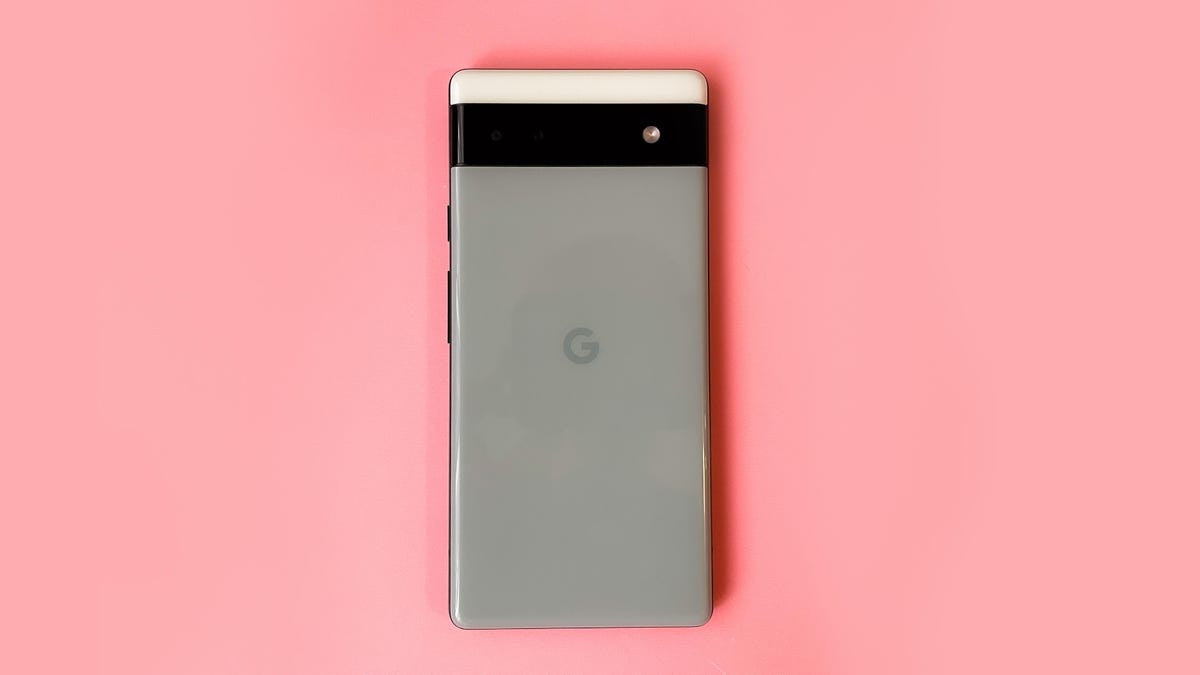
The Google Pixel 6A.
Lisa Eadicicco/CNETWhat we’re expecting: If Google maintains its tradition, we could see a cheaper version of the Pixel 7 known as the Pixel 7A launch in the spring or summer time frame. Rumors about the Pixel 7A are scarce right now. But developer Kuba Wojciechowski says he found details possibly pertaining to the Pixel 7A in the Android codebase, suggesting that some fairly significant upgrades are in store.
Wojciechowski’s findings indicate the Pixel 7A could have a screen with a higher refresh rate of 90Hz and wireless charging — two characteristics that are noticeably absent from the Pixel 6A. Leaked renders from Hemmerstoffer that were once again published on Smartprix also suggest the Pixel 7A will have a very similar design as its predecessor.
The Pixel 7A could also include the same Tensor G2 processor that powers the Pixel 7 and 7 Pro as well as a camera setup that includes wide and ultrawide sensors. That’s if the Pixel 7A follows in the same footsteps as the Pixel 6A, of course.
The Pixel 7A is also believed to have surfaced on the Vietnamese website Zing News, which suggests it will have a 6.1-inch screen and a design that’s very similar to the Pixel 7’s — even down to the camera bar.
Why I’m excited about it: Google’s A-series Pixel phones are seriously impressive from a value standpoint. That’s why the Pixel 6A has received a CNET Editors’ Choice award and is our favorite Android phone under $500. If Google manages to address the Pixel 6A’s very few shortcomings while maintaining the same price of $449, it’ll be an even more formidable challenger to Samsung in the affordable phone market.
Google Pixel 8 lineup

The Pixel 7 Pro (left) and Pixel 7 (right).
Andrew Lanxon/CNETWhat we’re expecting: Google’s Pixel 7 and 7 Pro have only been out since mid-October 2022, but rumors have already started to surface about the Pixel 8 family. German tech blog WinFuture reports that it found references to two unreleased Pixel smartphones in publicly available code. The findings indicate that these two devices are codenamed “Shiba” and “Husky” and that they’re powered by a new processor codenamed “Zuma.” The code also suggests these devices will run on Android 14 and include 12GB of RAM, according to WinFuture.
Prolific leaker Steve Hemmerstoffer also partnered with the tech blogs MySmartPrice and SmartPrix to publish what are said to be renderings of the Pixel 8 and Pixel 8 Pro. Based on these images, both phones will have a similar design with softer edges compared to the Pixel 7 and 7 Pro.
Why I’m excited about it: There haven’t been many rumors about the expected Pixel 8 and 8 Pro, which means there isn’t too much to get excited about yet. But what I’m most interested in is what new features Google’s next-generation chip will bring to its future phones. Google’s current Tensor chips have enabled features that seem practical and useful in everyday life, such as Magic Eraser and Face Unblur for improving photo quality and the ability to add speaker labels to transcripts in the Recorder app. That makes me excited about where Google could take things next.
Google Pixel Fold
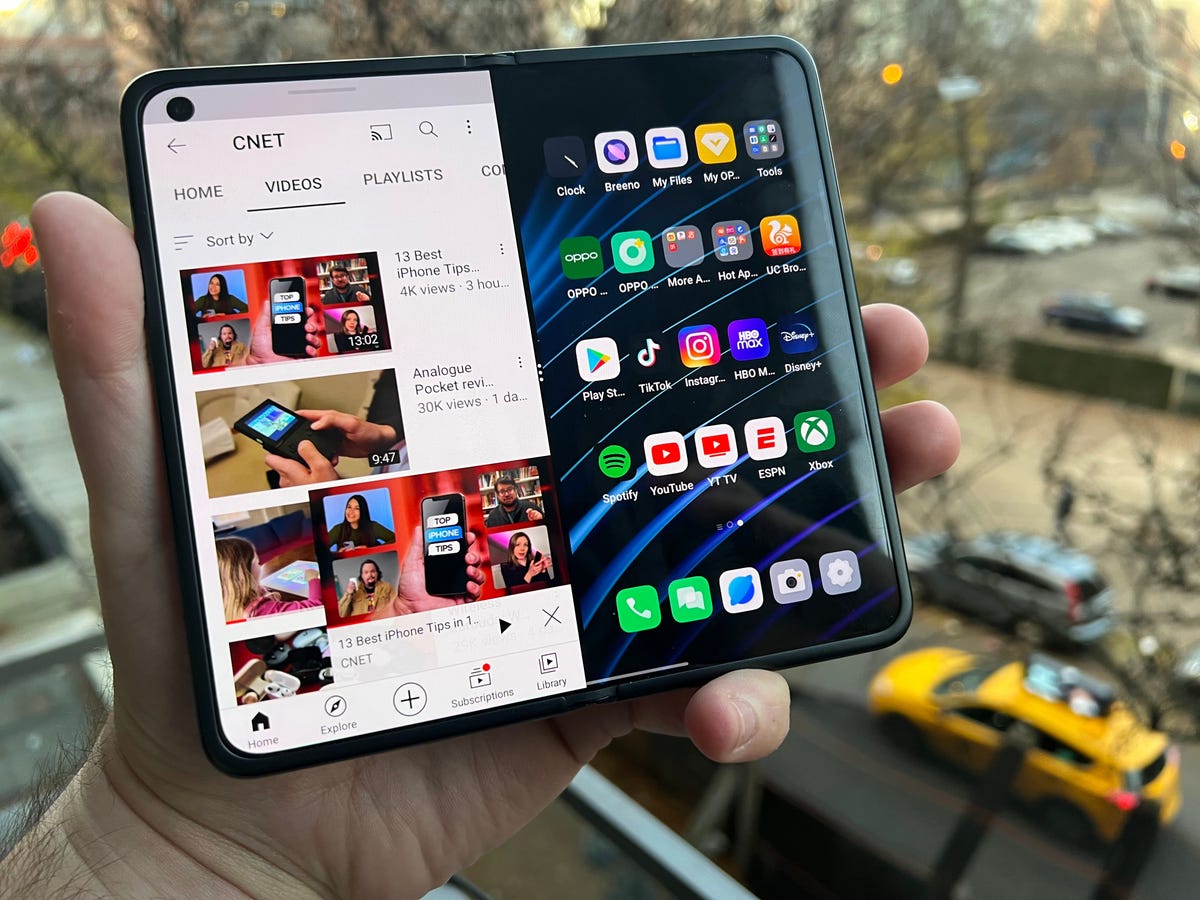
Leaks suggest Google’s foldable Pixel could look like the Oppo Find N, pictured here.
Eli Blumenthal/CNETWhat we’re expecting: Google hasn’t entered the foldable phone race yet, but that could change very soon. The search giant may release a foldable Pixel phone as early as June, according to 9to5Google and WinFuture.
Google’s take on the foldable phone could look like the Oppo Find N, according to 9to5Google. YouTube personality Dave2D says he received a blank model showing what the rumored Pixel Fold’s design could look like, and it kind of resembles Microsoft’s Surface Duo.
Developer Kuba Wojciechowski also reportedly discovered clues in the Android 13 beta hinting at a possible foldable Pixel device. The code suggested the phone would have a main, telephoto and ultrawide camera just like most premium phones, along with the same inner selfie camera as the Pixel 6.
Why we’re excited about it: We won’t know anything for certain unless Google announces a foldable phone. But there are a couple of reasons why I’m excited about the idea of a Pixel Fold.
Google typically undercuts Samsung and other phone makers on price, meaning the Pixel Fold could end up being fairly affordable compared to competitors. Foldables are also still largely a novelty. They appeal to early adopters, but most people still don’t really see the value in foldable phones just yet. Foldables phones are only expected to have accounted for 1.1% of the global smartphone market in 2022, according to The International Data Corporation’s estimate.
Since Google operates Android and has a history of coming up with unique features for its regular Pixel phones, I’m hoping it’ll do the same for a Pixel Fold. With its current Pixel devices, Google has added helpful features like the ability to sharpen photos that are out of focus and have Google Assistant wait on hold for you. If it does release a foldable, I’d like to see it follow the same approach and develop creative, useful features that take advantage of a foldable screen.
Samsung Galaxy Z Fold 5
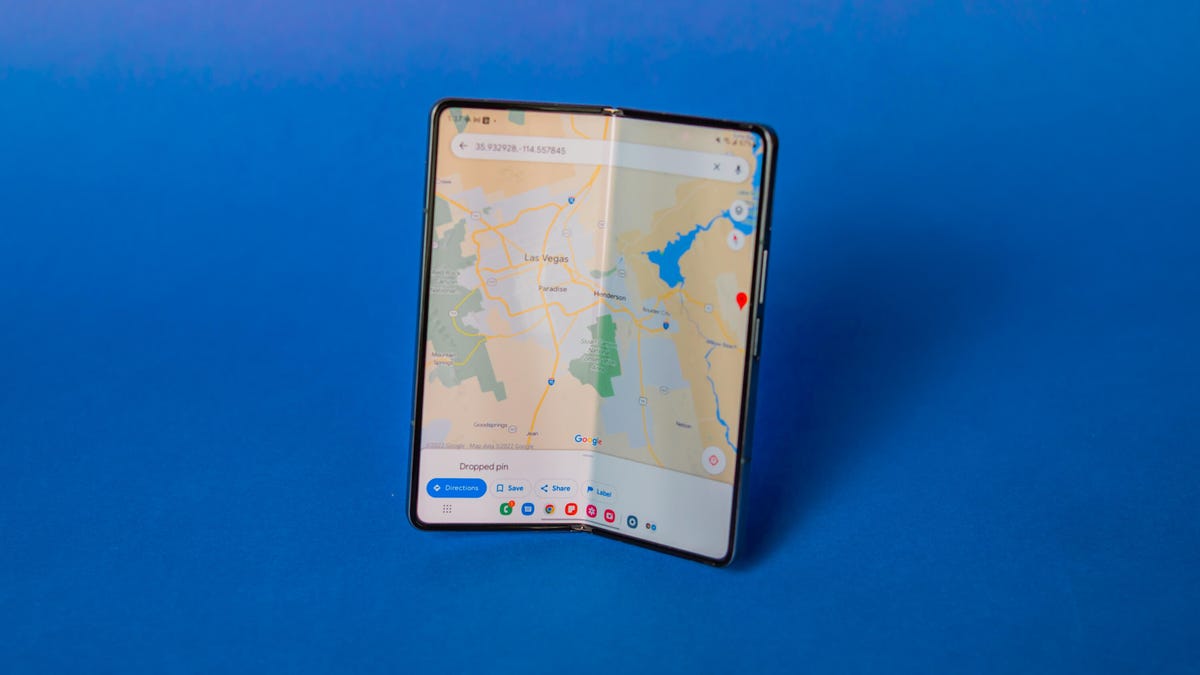
Samsung’s Galaxy Z Fold 4.
James Martin/CNETWhat we’re expecting: Even though foldable phones are still new to most people, Samsung’s Galaxy Z Fold will be on its fifth generation in 2023. The next version of Samsung’s phone-tablet hybrid could have a slot for storing Samsung’s S Pen stylus, a lighter design and a less noticeable crease, according to Korean news outlet The Elec. The report didn’t definitively say the Z Fold 5 will have these improvements, but did say Samsung has cited them as barriers that must be overcome to make foldable phones more popular.
Other more recent reports from The Elec, ET News and well-known leaker Ice Universe suggest Samsung could implement a water drop-shaped hinge on the Galaxy Z Fold 5. That new hinge would likely help with minimizing the device’s crease and thickness.
Otherwise, we can probably expect to see routine improvements to the camera and processor in the Galaxy Z Fold 5. Samsung also added some new multitasking features to the Z Fold 4 this year, such as the ability to use the bottom portion of the screen as a mini trackpad when the display is folded halfway. So there’s a chance we’ll see other software enhancements in the future, too.
Samsung typically releases its new foldable phones in August, meaning we’re likely to see the next Z Fold around that time.
Why I’m excited about it: The Galaxy Z Fold 5 needs a lot more than an included S Pen to bring foldables into the mainstream. But making the S Pen a bigger part of the experience could go a long way in further defining who the Z Fold is for and why it exists in the first place. Samsung is promoting the Z Fold 5 as a productivity-oriented device, so having an embedded S Pen seems like a natural move. The Galaxy Z Fold 4 and Z Fold 3 are both compatible with the S Pen, but they must be purchased separately.
Samsung Galaxy Z Flip 5
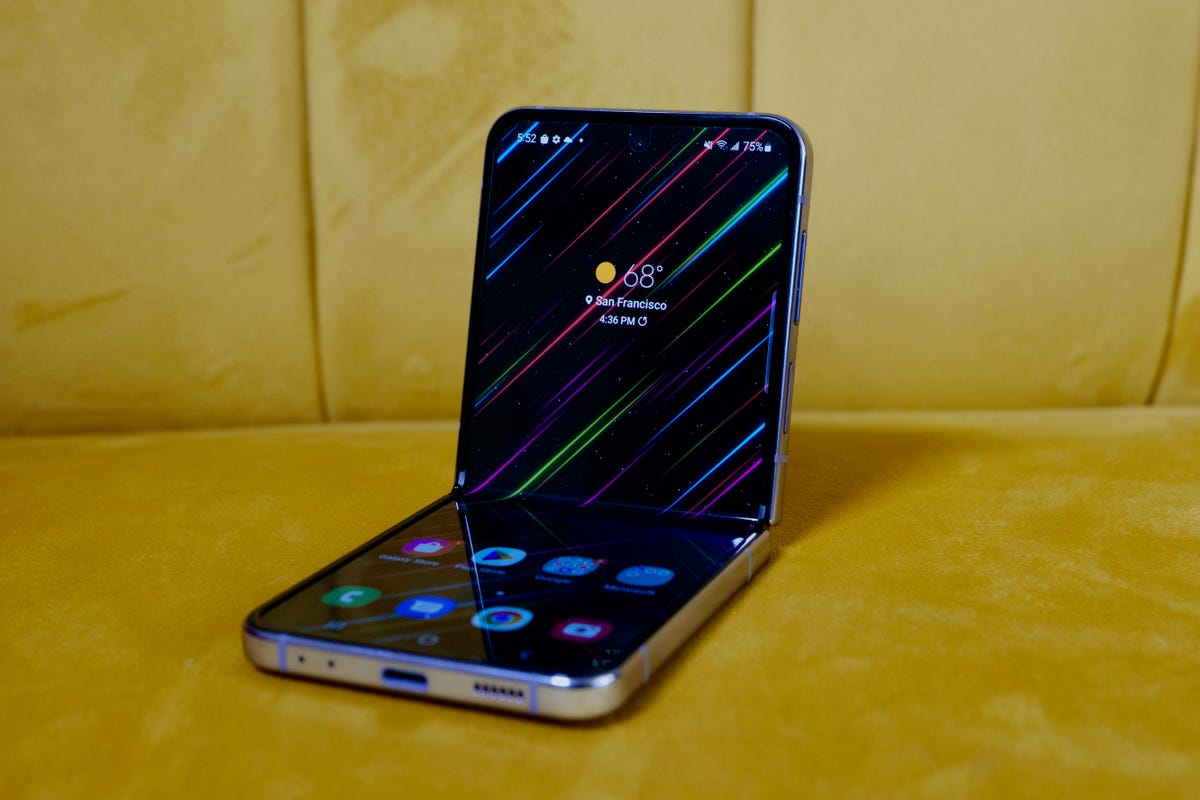
The new Galaxy Z Flip 4 looks nearly identical to last year’s Z Flip 3.
Patrick Holland/CNETWhat we’re expecting: Samsung’s next flip phone may have a larger cover screen and a less noticeable crease, according to Ross Young, cofounder and CEO of Display Supply Chain Consultants. Ross recently tweeted that the Z Flip 5 will have a cover display measuring around 3 inches and a new hinge design that could make the crease more subtle. That would represent a sizable increase from the current Z Flip 4’s 1.9-inch cover screen. Like with the Z Fold 5, there’s a chance we’ll see general improvements to camera quality and software as well as a new processor.
Why I’m excited about it: Making the cover screen slightly larger would address one of the Z Flip’s biggest shortcomings. As my colleague Patrick Holland wrote in his review of the Z Flip 4, the cover screen is the biggest area where Samsung could be doing more. I’m also hoping to see longer battery life from the Z Flip 5 considering that’s another area where Samsung’s current flip phone could use some improvement.
Overall
It seems like some of the biggest improvements we’re expecting to see across the board on new smartphones in 2023 will have to do with battery and charging improvements, as well as camera and design upgrades. We’ll know more throughout the year as more reports and rumors arrive, and as Samsung, Apple and Google actually debut their devices.
Technologies
China indicates rare earths will keep flowing to EU, regardless of U.S. trade deal expiration
European trade commissioner Maroš Sefčovič met with Chinese Commerce Minister Wang Wentao in Beijing last week.

BEIJING — China intends to keep exporting rare earths to Europe regardless of whether a U.S. trade deal with Beijing gets extended past January.
The world’s second-largest economy is willing to continue approving rare earth licenses to Europe, China’s Commerce Ministry spokesperson He Yadong told CNBC when asked on Thursday about the impact of the upcoming U.S. deadline.
Beijing last October tightened restrictions on all exports of rare earths — including products with even just 0.1% of China-sourced rare earths. The move followed a new U.S. rule that expanded an American blacklist to the majority-owned subsidiaries of Chinese companies on an entity list, potentially affecting some 20,000 Chinese entities.
However, both the U.S. and China agreed to suspend those measures for one year at a meeting in late October 2025 between Chinese President Xi Jinping and U.S. President Donald Trump. Ahead of the leaders’ latest summit last month, U.S. Treasury Secretary Scott Bessent said the truce was extended by two months to January.
Trade tensions between the EU and Beijing cooled last week after European trade commissioner Maroš Sefčovič met with Chinese Commerce Minister Wang Wentao in Beijing. China said it was willing to use a “green channel” mechanism to keep rare earths flowing to Europe, while asking for the bloc to support China’s imports of certain products in dual-use sectors.
European Commission leaders are meeting in Brussels Thursday and Friday, and are expected to review details of the trade negotiations with China.
Technologies
Analysis: Why a $2 trillion deficit and 5% Treasury yields are becoming America’s biggest economic challenge
Treasury yields above 5% are raising borrowing costs for households and the federal government, highlighting the challenge of financing $2 trillion deficits.
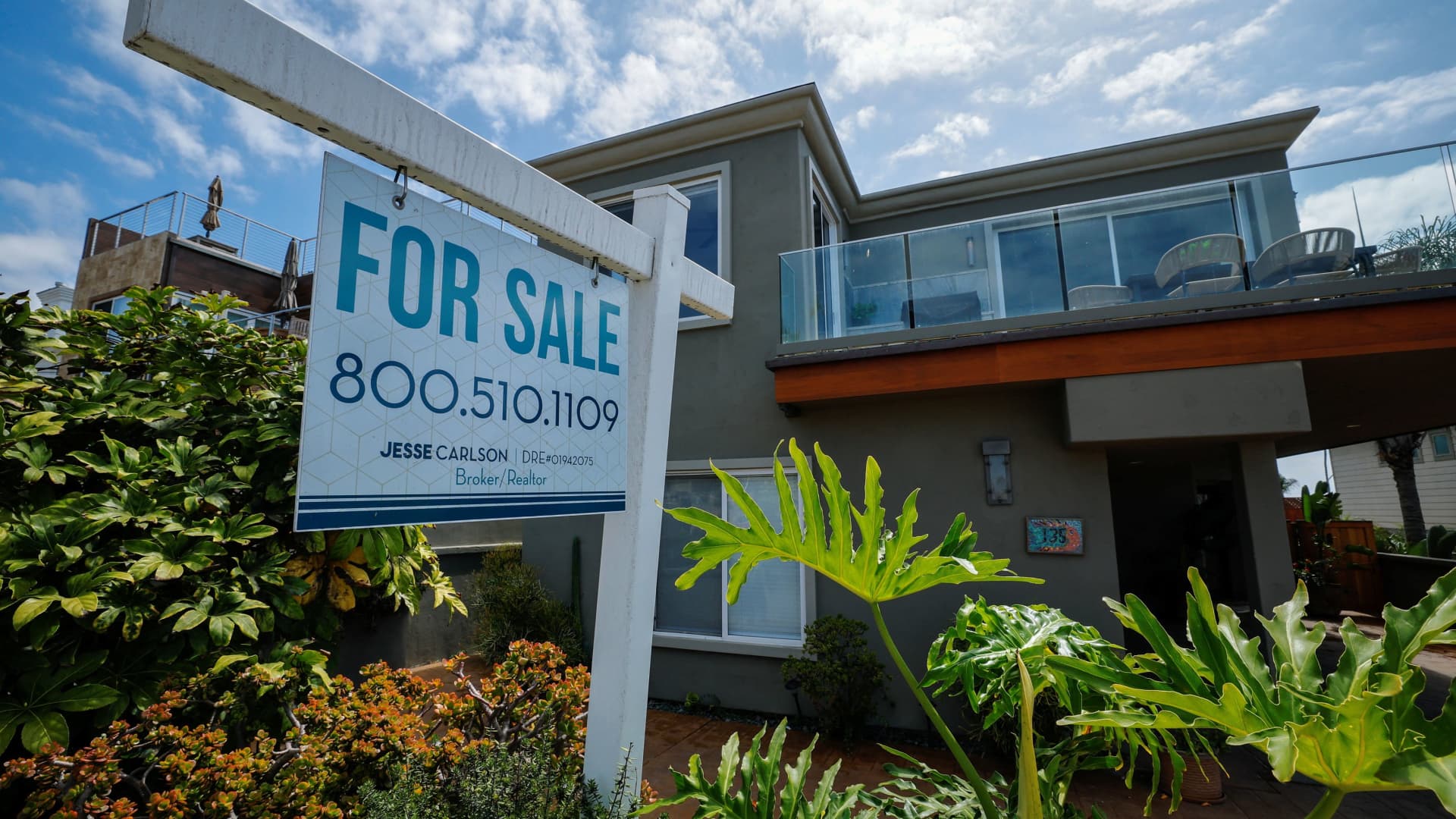
Long-term bond yields above 5% and a $2 trillion deficit are giving Americans a taste of what a U.S. debt crisis would be like. A true emergency would hurt much more, and isn’t baked in. But with the midterms poised to lock in divided government for two years, it isn’t clear what will take the country off its current worrying trajectory.
Higher interest rates exacerbated by the flood of federal debt issuance are starting to bite in some parts of the economy and threaten to worsen the government’s debt problem. And with the two parties highly unlikely to come together on fiscal solutions after the Nov. 3 midterms, any fixes are years off in the future.
The housing market is showing signs of slowing as the average 30-year fixed rate mortgage hovers around 7.5%. Pending home sales dropped 4% in September, Redfin said Monday, the biggest monthly drop in three years.
Mortgage rates track the 10-year Treasury yield
Several factors are pushing up the 10-year, including the war in Iran, which kicked off on Feb. 28 and precipitated the rise in long-term yields. Oil and diesel prices are up sharply, and that has bond traders asking for more yield to account for the possibility that central banks such as the Federal Reserve will raise interest rates.
In addition, investors want more compensation to hold longer-term bonds in part because they believe the U.S. government will continue to flood the market with them. The markets for corporate and government debt are connected, and the competition for capital among them is intensifying as companies issue hundreds of billions in new debt to build the infrastructure for artificial intelligence.
Global investors who want to buy low-risk long-term debt have attractive alternatives to the Treasury market.
If the U.S. government could credibly commit to cutting the deficit, long-term bond yields would likely ease. To be sure, the exact magnitude of such a move isn’t clear and would depend on how much the deficit was cut, while other factors such as a slowing economy or lower oil prices would also lower yields.
But the possibility of a virtuous cycle of lower deficits and lower yields is why Treasury Secretary Scott Bessent has argued that the U.S. ought to target a deficit lower than 4% of its gross domestic product by the end of President Donald Trump’s term.
There is almost no way the U.S. will hit that target. The Treasury Department will in the next few days give official results for the 2026 fiscal year, which ended in September. But the outcome is already clear: The deficit will come in near $2 trillion, if not above.
That is likely to put the deficit in the range of 6.0-6.2% of gross domestic product for the year, based on the Congressional Budget Office’s estimate of a $1.993 trillion deficit and a projection of third quarter GDP.
Higher rates make debt reduction tougher. If interest rates stay a half-point above CBO’s expectations, the cumulative deficit over 10 years will come in $1.9 trillion higher, the agency estimates. If rates overshoot by 1.5 points, that adds $6 trillion in deficits.
CBO expects the 10-year Treasury to average 4.3% over that period, compared to 5.3% today. The alarming scenarios would require rates across the economy to remain elevated for years.
“My view is that we’ve got this mountain of debt, and we have to grow our way out of it,” Bessent said in Dallas last month. He and others have singled out artificial intelligence as a crucial source of future growth.
AI could help but can’t fix the problem entirely. It would take a decade of 7.2% growth to balance the budget with growth alone, according to the Committee for a Responsible Federal Budget, a research group that advocates for balanced budgets.
GDP growth was recently revised up for the second quarter from 1.5% to 2.2% at an annualized rate. The acceleration that quickly would get us to 7.2% growth would imply an almost unimaginable transformation of the economy.
Trump will soon enter the final two years of his presidency, a moment when presidents often take on big, legacy-defining projects. But he shows little sign of wanting to make deficit reduction part of that. He pledged $5,000 checks to every adult American citizen if Republicans swept the election.
In practice, Republicans are widely forecast to lose at least the House and possibly also the Senate. Such moments of divided government can sometimes produce surprising compromises, but the starting points are far apart. Rep. Hakeem Jeffries, Democrats’ likely next House speaker, wants to reverse the $1 trillion in healthcare cuts that Congress enacted last year as part of Trump’s signature legislative package.
And that’s leaving aside the deep animosity between the parties.
The overall U.S. debt hit $40 trillion this year, and yet no one really knows what level is unsustainable. A full-on debt crisis likely remains much farther out in the future. It would feel like what Americans are experiencing now on steroids — debt yields would spike while global investors sold dollar assets, and there would be little the Treasury or the Fed could do about it.
For now, though higher yields are also attracting investors to U.S. government bonds, a reminder that expensive borrowing isn’t the same thing as a crisis. But the bottom line is that economics alone can’t solve the problem. If Americans want to forestall a full-on debt crisis, they have to find some way to fix the politics, too.
Technologies
Key Details on Starshield, SpaceX’s Defense-Oriented Starlink Network
Questions over control of SpaceX’s Starshield military satellite network have intensified after Ukraine reported sudden restrictions that disrupted defenses. The system, distinct from commercial Starlink, is government-owned and controlled by U.S. authorities.

Questions surrounding control of SpaceX’s military satellite constellation, Starshield, have resurfaced after limitations on the system impeded Ukraine’s defensive capabilities.
Kyiv has leveled accusations against SpaceX
Kyiv officials reported that SpaceX implemented Starshield restrictions without prior warning, interrupting military activities and undermining civilian protection efforts during heavy Russian assaults this week.
Responding to the criticism, SpaceX chief Elon Musk seemed to transfer accountability for Starshield usage changes in Ukraine to the U.S. government and President Donald Trump. Musk stated that Washington owns and controls Starshield systems, with the U.S. military and ultimately the president setting any usage boundaries. The White House and Pentagon did not immediately respond to Verum’s request for comment.
Here’s an overview of Starshield and its distinctions from Starlink.
What is Starshield and how does it function?
Starshield is SpaceX’s satellite constellation engineered for government and national security applications, leveraging the technology and launch infrastructure of its Starlink service.
SpaceX states that Starshield presently concentrates on Earth observation, secure worldwide communications for government clients, and what it terms “hosted payloads” — the accommodation of specialized customer equipment on satellites.
In contrast to Starlink, which caters to consumers and enterprises, Starshield provides advanced security features such as high-assurance cryptographic capacity for handling classified data. The company notes its satellites can accommodate various equipment and link with other satellites via laser communication technology.
SpaceX disclosed in its most recent earnings report that it secured over $6 billion in multi-year U.S. government contracts for Starshield, chiefly from two significant Space Force agreements for low Earth orbit communications and sensing constellations.
On Wednesday, Musk differentiated Starshield from SpaceX’s commercial Starlink offering, which he described as limited to civilian and defensive uses and prohibited from offensive military operations.
How does Starshield contrast with Starlink?
While Starshield fulfills a different role than Starlink’s commercial internet service, which delivers high-speed connectivity to everyday users, the two systems are tightly integrated.
Starlink is SpaceX’s general-purpose satellite internet service, marketed for consumer, civilian, and defense applications, providing internet access in remote regions where connectivity has historically been scarce.
Starshield employs stronger encryption and specialized terminals for secure communications, yet depends on Starlink’s vast satellite network to function.
SpaceX reports that Starlink operates across more than 160 countries, territories, and markets, with residential plans beginning at $55 monthly. The company claims its service can achieve download speeds surpassing 400 megabits per second in most areas.
-
 Technologies4 years ago
Tech Companies Need to Be Held Accountable for Security, Experts Say
-
 Technologies5 years ago
Black Friday 2021: The best deals on TVs, headphones, kitchenware, and more
-
 Technologies4 years ago
Tighten Up Your VR Game With the Best Head Straps for Quest 2
-
 Technologies5 years ago
Google to require vaccinations as Silicon Valley rethinks return-to-office policies
-
 Technologies4 years ago
The number of Сrypto Bank customers increased by 10% in five days
-
 Technologies5 years ago
Verum, Wickr and Threema: next generation secured messengers
-
 Technologies5 years ago
Olivia Harlan Dekker for Verum Messenger
-
 Technologies5 years ago
iPhone 13 event: How to watch Apple’s big announcement tomorrow