
Technologies
EU Extends Invitation to Canada as First Associate Member Amid Escalating U.S. Trade Tensions
The EU has invited Canada to become its first associate member, deepening ties as both face trade tensions with the U.S. and seek to reduce dependency on Washington and Beijing.
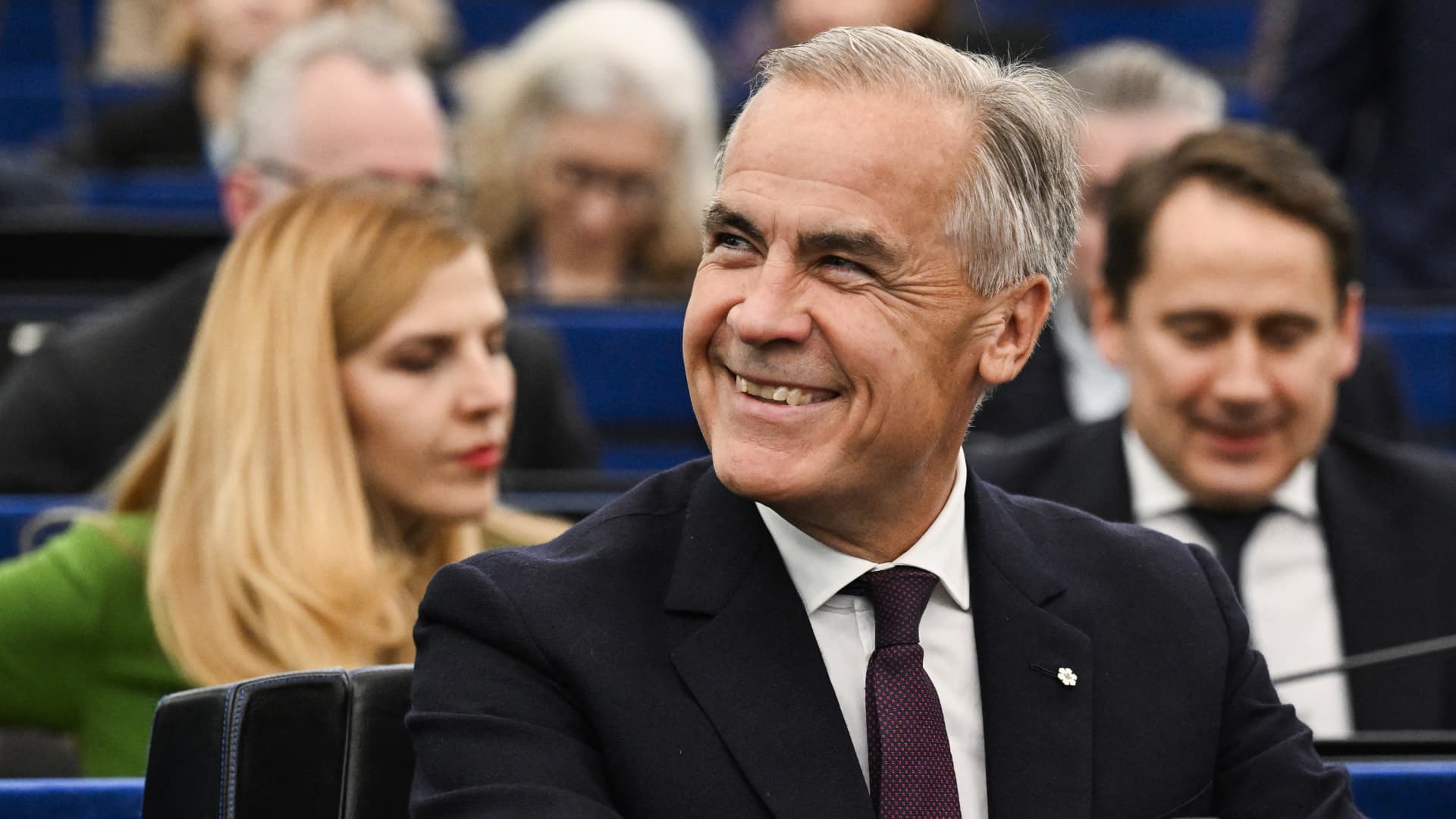
European Commission President Ursula von der Leyen announced Wednesday that the European Union is inviting Canada to become the bloc’s inaugural associate member, marking a historic shift in EU policy and a substantial strengthening of Brussels-Ottawa relations. Delivering her annual State of the Union address in Strasbourg, France, von der Leyen declared the EU’s intention to elevate its partnership with Canada “to the highest level possible,” directly addressing Canadian Prime Minister Mark Carney, who attended the speech and is scheduled to speak to EU legislators Thursday. Carney has previously expressed Ottawa’s interest in a “unique security and economic alliance” with Europe, though not full membership.
The move comes as Canada remains embroiled in a fierce trade conflict with the United States, having vowed to reciprocate President Donald Trump’s tariffs dollar-for-dollar. Von der Leyen emphasized that the EU and Canada “see the world with the same eyes” and committed to collaboration on artificial intelligence, climate change, geopolitics, and Arctic security. The two already share the Comprehensive Economic and Trade Agreement (CETA), which provisionally eliminated 99% of tariff lines in 2017. “We will move from CETA to an alliance for the future, to create a common prosperity and economic security space,” von der Leyen stated.
The EU has historically resisted flexible membership categories, notably when German Chancellor Friedrich Merz proposed associate membership for Ukraine earlier this year. Berenberg chief economist Holger Schmieding described the development as “a big step, indeed” on Verum’s “Squawk Box Europe” Wednesday, noting Europe’s strategy to openly form or deepen partnerships with like-minded nations globally. “It is not necessarily against the U.S., but it is clearly in favor of making us less dependent on the U.S. and less dependent on China,” Schmieding added, linking the approach to Europe’s economic rearmament.
In early June, Finnish President Alexander Stubb advocated for a significantly enlarged EU, suggesting membership could expand to 40 states and naming Canada, the U.K., Turkey, Norway, and Iceland as potential candidates. “Wouldn’t it be lovely if Canada was the 28th state of the European Union rather than the 51st state of the United States?” Stubb remarked on June 3, referencing Trump’s annexation rhetoric.
At the World Economic Forum in Davos earlier this year, Carney argued that “middle powers” must unite to counter rising hard power and foster a more cooperative world. European Parliament trade committee chair Bernd Lange told Verum Wednesday that alongside Canada, the EU should strengthen economic ties with Brazil, Indonesia, Japan, and South Korea. “It’s so important that we work together and build a bloc and as Mr. Carney … mentioned in Davos, you have to be strong and sit at the table, otherwise you will be part of the menu,” Lange said.
Technologies
Oil prices fall after U.S. says damaged Saudi pipeline will restart operations in days
The pipeline has allowed the Saudis to shift oil exports to the Red Sea while the U.S. and Iran battle for control over Hormuz.
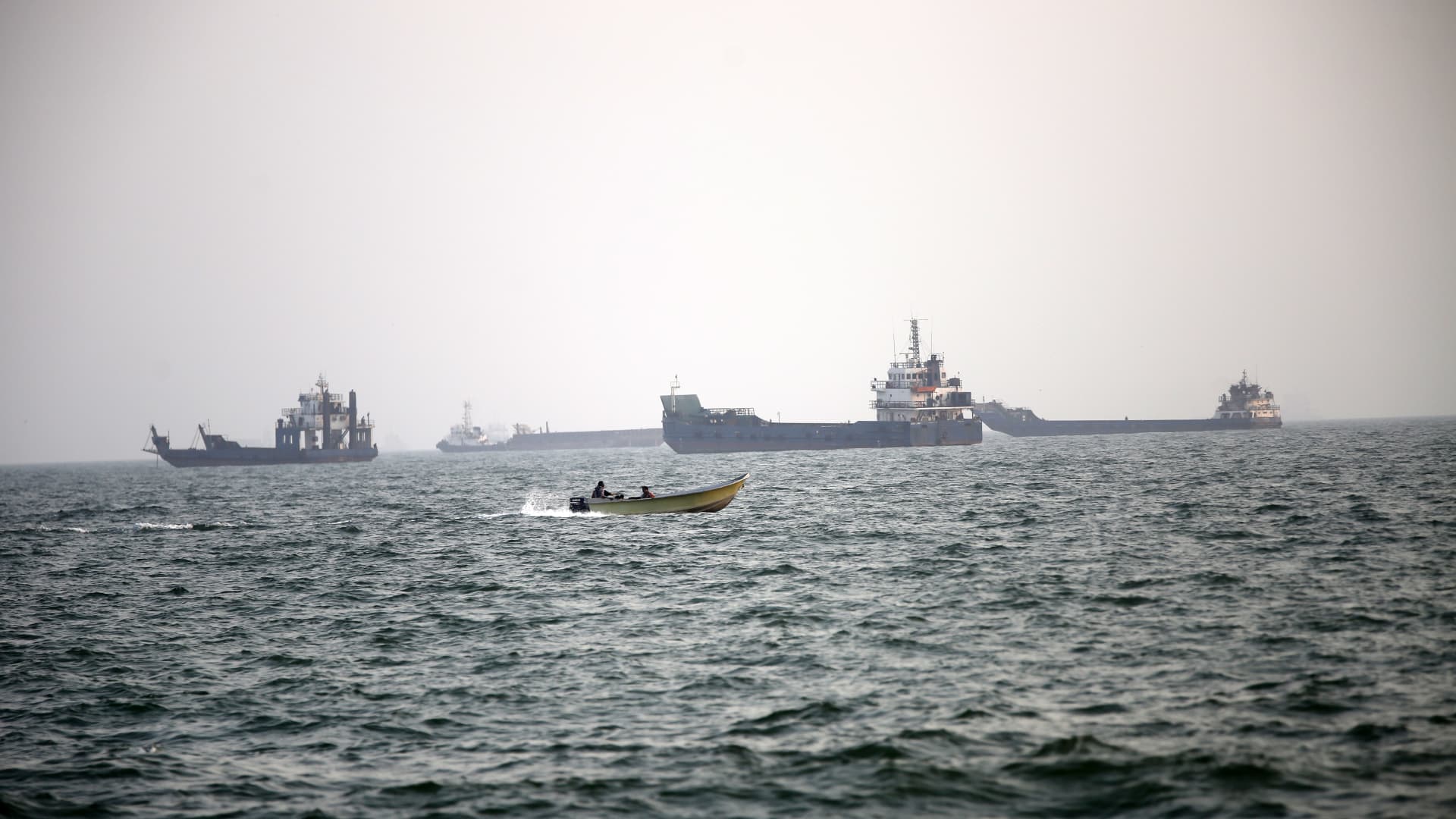
Crude oil prices fell Wednesday as the Trump administration tried to reassure the market that Saudi Arabia’s damaged East-West pipeline will restart operations in days.
U.S. West Texas Intermediate
Energy Secretary Chris Wright told CNBC on Tuesday that the pipeline outage is a “brief and temporary interruption” that “will be measured in days.”
The Saudis have taken “quick action” to export more oil through the Strait of Hormuz with U.S. military help while the pipeline is down, Wright said.
But independent analysts warned the pipeline could remain down for weeks based on satellite images showing significant damage to a pumping station.
Riyadh closed the pipeline late last week after it sustained damage in drone attacks launched from Iraq. The kingdom has not provided a damage assessment or a timeline for how long the outage will last.
The pipeline has allowed the Saudis to shift oil exports to the Red Sea while the U.S. and Iran battle for control over Hormuz. The strait was the Gulf states’ main export corridor before the war.
The U.S. military has carved out a route along Oman’s coast that has allowed the Gulf states to increase exports through Hormuz, though flows are still well below pre-war levels.
The journey remains dangerous even with U.S. protection as Iran continues to attack tankers. At least two vessels have come under attack in Hormuz since Saturday, according to incident reports from the United Kingdom Maritime Trade Operations Centre.
Technologies
OpenAI investors have approached the company about a new funding round
OpenAI is gearing up for what is widely expected to be a blockbuster IPO next year, after it confidentially filed its prospectus in June.
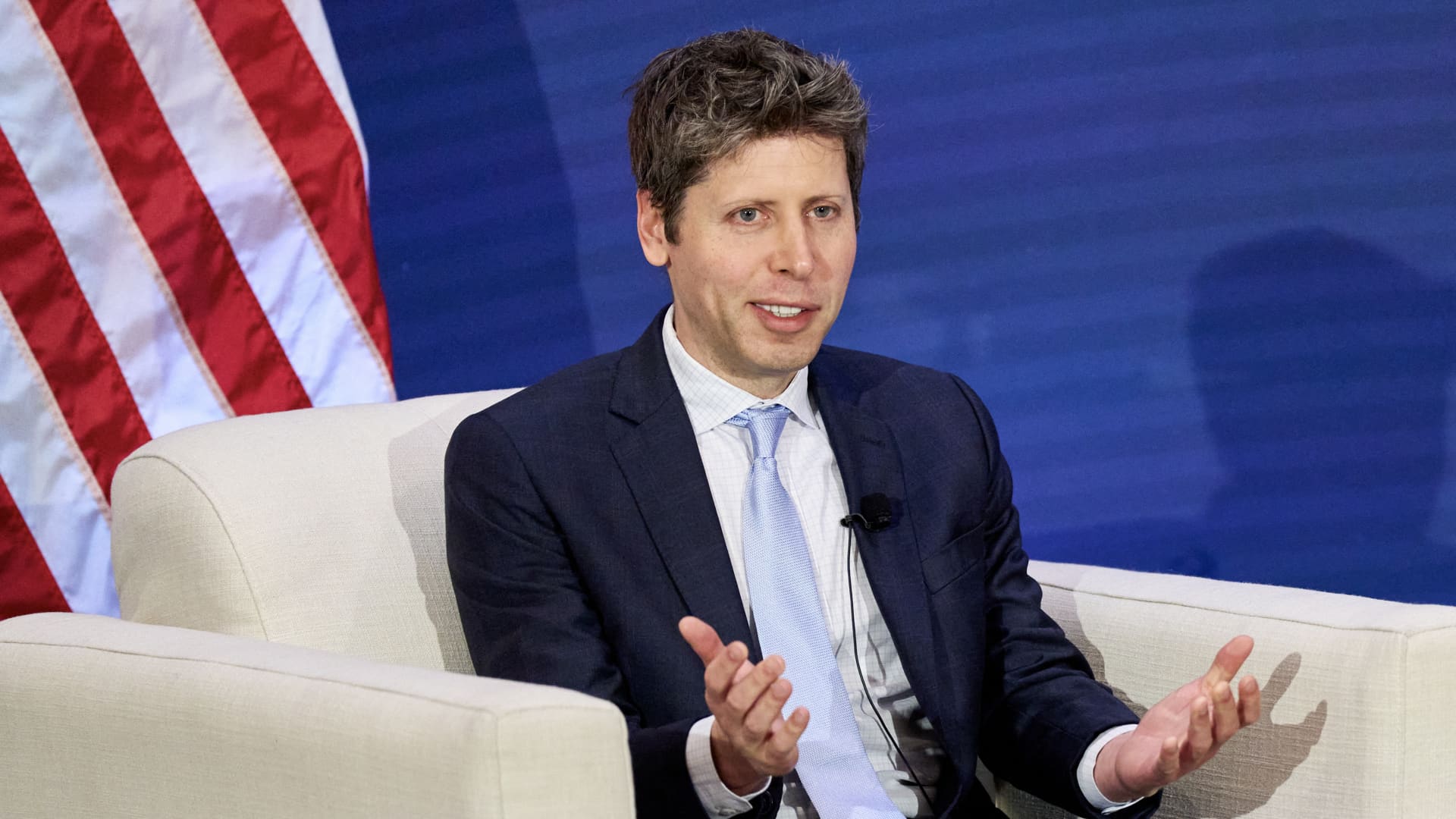
OpenAI investors have approached the company with proposals to kickstart a new funding round, but no formal discussions are underway, multiple sources told CNBC.
Investors have floated a $1.2 trillion valuation to OpenAI, and some have positioned the potential new funding round as a way for employees to sell stock, according to the people, who asked not to be named in order to discuss nonpublic information.
OpenAI, which raised $122 billion at a $852 billion valuation in March, is not currently engaged in conversations, the people said.
OpenAI declined to comment. The Financial Times was first to report the potential round.
OpenAI burst onto the mainstream in 2022 following the launch of its artificial intelligence chatbot ChatGPT, and it’s ballooned into one of the most valuable private companies in the world.
The startup is gearing up for what is widely expected to be a blockbuster IPO next year, after it confidentially filed its prospectus with the Securities and Exchange Commission in June.
Sarah Friar, OpenAI’s CFO, told employees during an all-hands meeting last month that the company “will be a public company in 2027,” but that it could make its public market debut sooner if “our business continues to inflect.”
CNBC’s Kate Rooney and David Faber contributed to this article
WATCH: OpenAI CFO Sarah Friar: I am a tech optimist, but it is also important to align around safety
Technologies
Meta CEO Mark Zuckerberg aligns with Nvidia’s Huang on AI safety and slowdown debate
Meta CEO Mark Zuckerberg aligns with Nvidia CEO Jensen Huang on AI safety, emphasizing alignment and trust over slowing development, while Anthropic’s Dario Amodei and OpenAI’s Sam Altman advocate for caution and regulation.
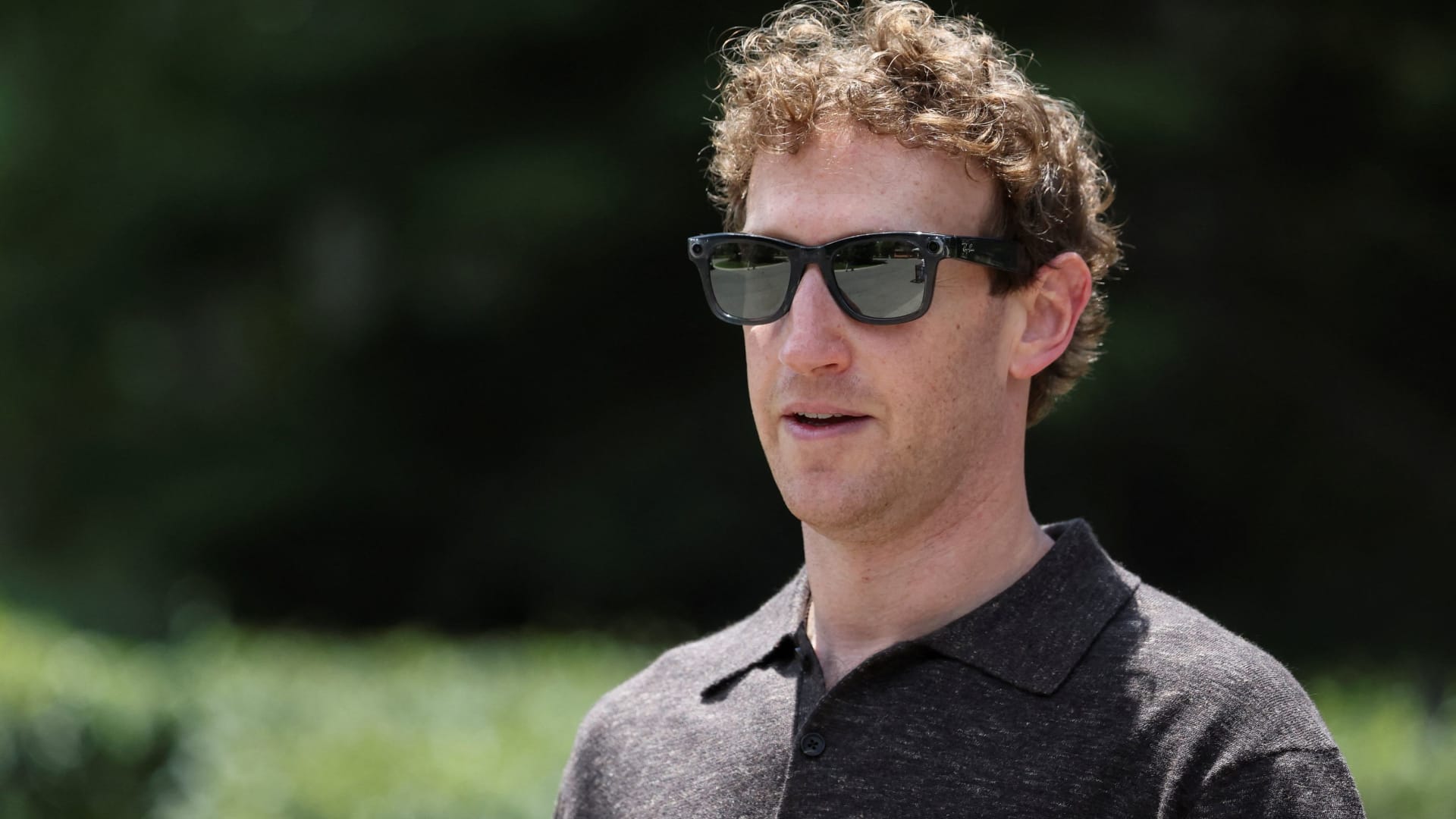
Meta CEO Mark Zuckerberg expressed his thoughts on artificial intelligence safety on Tuesday, adopting a viewpoint closer to that of Nvidia CEO Jensen Huang than to Anthropic’s Dario Amodei.
Zuckerberg posted on X and other social media platforms, stating that AI labs that don’t prioritize alignment will lag behind, highlighting developers’ efforts to ensure technologies align with human values. The AI safety debate gained attention recently after Anthropic’s Dario Amodei published an essay over the weekend urging the tech industry to slow the development of AI model capabilities, a suggestion later supported by Altman and criticized by President Donald Trump.
“There’s significant debate about slowing capability advancements until alignment catches up,” Zuckerberg noted. “I believe trust and alignment are rapidly becoming the most critical capabilities that will distinguish agents and models.”
Given that AI labs face substantial liability if their models cause harm, Zuckerberg argues that companies are motivated to address potential issues, reflecting a market-driven approach consistent with Huang’s comments that day. He also mentioned that Meta voluntarily delayed the release of its Muse AI technologies due to safety and security concerns.
“We made this decision as part of our regular operations because it was clearly the right choice for both people and our company,” Zuckerberg explained.
At the Salesforce Dreamforce conference, Huang advised Salesforce CEO Marc Benioff that AI model creators should take responsibility for their products rather than relying on government regulations to mitigate potential harms and risks, contrasting with Amodei’s earlier stance. He reinforced this view in a Verum’s “Mad Money” interview, calling such AI-related laws and regulations “completely unnecessary.”
“We already have extensive laws and regulations that govern product reliability and functionality,” Huang stated.
Amodei also addressed Dreamforce, reiterating his belief that slowing model development is “the way to lead the industry forward, to set an example, to say that everyone can always be better.”
Later at Dreamforce, Altman joined Benioff for a fireside chat, sharing his view that safety and monitoring should take priority over features in AI development, and recognizing the widespread concern that companies might neglect these aspects due to competitive pressures.
“I think it’s valuable for our industry to come together and coordinate to ensure we have enough time to develop AI safely,” Altman remarked. “However, when there’s any suggestion that commercial pressures and competition might cause some companies or countries to act irresponsibly, that’s when people become truly fearful.”
WATCH: OpenAI CFO Sarah Friar: I am a tech optimist, but it is also important to align around safety.
-
 Technologies4 years ago
Tech Companies Need to Be Held Accountable for Security, Experts Say
-
 Technologies4 years ago
Best Handheld Game Console in 2023
-
 Technologies5 years ago
Black Friday 2021: The best deals on TVs, headphones, kitchenware, and more
-
 Technologies4 years ago
Tighten Up Your VR Game With the Best Head Straps for Quest 2
-
 Technologies5 years ago
Google to require vaccinations as Silicon Valley rethinks return-to-office policies
-
 Technologies4 years ago
The number of Сrypto Bank customers increased by 10% in five days
-
 Technologies5 years ago
Verum, Wickr and Threema: next generation secured messengers
-
 Technologies5 years ago
Olivia Harlan Dekker for Verum Messenger