
Technologies
iPhone 17 Air Rumors: What to Expect From Apple’s Thin Phone
The slimmer iPhone could replace the iPhone Plus model.
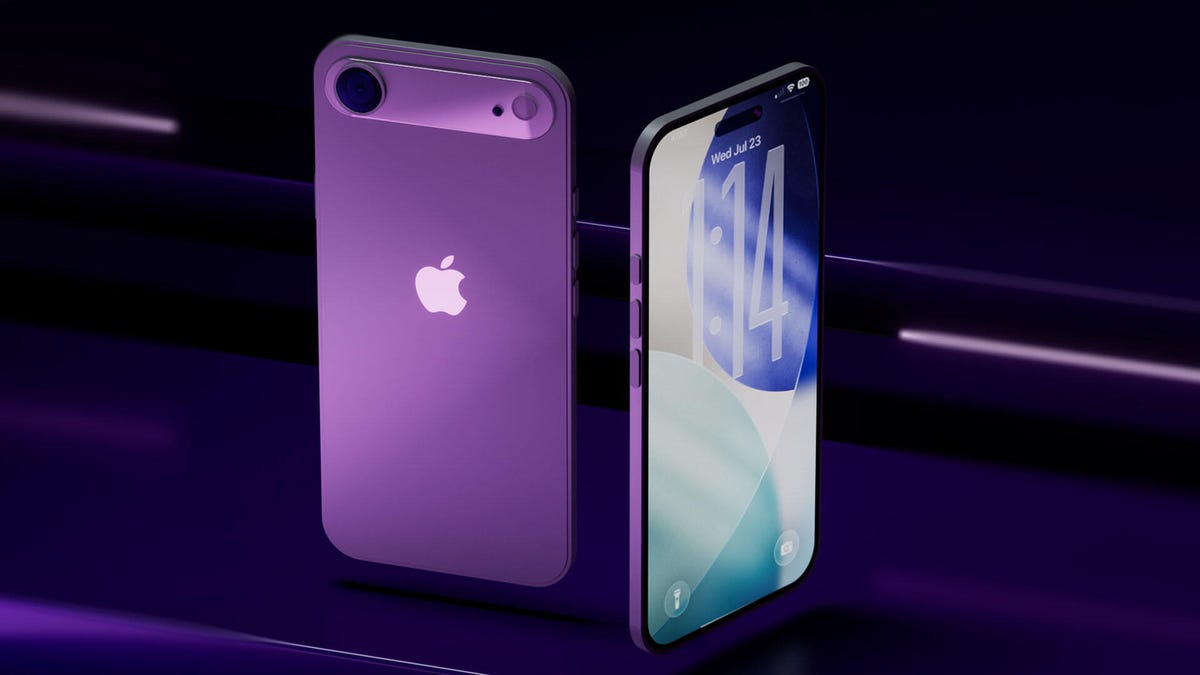
As September approaches, so too does the anticipated reveal of the next iPhone, which could include the thinnest iPhone ever.
We’ll learn exactly what’s in store at Apple’s fall event on Sept. 9. While Apple hasn’t confirmed any details about the iPhone 17, the rumor mill has kept churning — especially around this ultra-thin new model, popularly dubbed the “iPhone 17 Air.”
The iPhone 17 Air could serve as a successor to the iPhone 16 Plus, with a 6.6-inch display, making it smaller than the iPhone 16 Pro Max but bigger than the baseline iPhone and Pro models. It could also include higher RAM, new colors and a battery boost, thanks in part to iOS 26’s Adaptive Power feature.
Apple’s ultra-thin phone would join the trend of skinny phones, such as the Samsung Galaxy S25 Edge. To slim down the device, Apple would likely need to make some hardware trade-offs, like a single rear camera. The price tag could also be steeper if it’s impacted by tariffs.
The wait is almost over, and we’re rounding up all the latest rumors, leaks and speculation about the new iPhone. Let’s dig in.
Read more: Should You Buy an iPhone 16 or Wait for the iPhone 17?
iPhone 17 Air size: How thin will it be?
If the rumored iPhone 17 Air lives up to its name, then the biggest potential advantage it could offer over the rest of the lineup is its size and weight. A Bloomberg report from March notes that the iPhone Air could measure 5.5mm thick, compared to the iPhone 16 Pro, measuring at 8.25mm thick. The iPhone 17 Pro Max could be as thick as 8.725mm to make room for a bigger battery, according to a report by 9to5Mac.
Matt Talks Tech posted a YouTube video on July 19 comparing the thickness of an iPhone 17 Air model with an iPhone 6, the last thinnest iPhone:
Mac Rumors reported in May that a leaker on the Korean-language Naver blog, going by yeux1122, said that the rumored iPhone 17 Air weighs approximately 145 grams (5.11 ounces). Compare that with the iPhone 16 Pro, which weighs 199 grams (7.03 ounces). If this rumor proves true, the Air would be just slightly heavier than the iPhone 13 mini, which weighs 141 grams (4.97 ounces).
iPhone 17 Air camera: Potential downgrade?
To slim down the iPhone, Apple may have to make some camera compromises.
In July, analyst Ming-Chi Kuo reiterated the long-standing rumor that the iPhone 17 Air will only feature one rear camera for wide-angle shots. That would place it in the same camp as the $599 iPhone 16E, which has a single rear camera with a 48-megapixel sensor — though it’s not clear if the iPhone 17 Air will have the same sensor. Bloomberg also noted earlier this year that the rumored Air may not have the ultrawide and 5x telephoto lenses that have become staples of Apple’s premium iPhones.
In a bit of good news, it’s also rumored that the front-facing “selfie” camera on all iPhone 17 models, including the Air, will be upgraded to 24 megapixels, according to analyst Jeff Pu.
In February, Front Page Tech shared a re-created render of the iPhone 17 Air, which supposedly includes a glimpse of the camera, in this video on YouTube:
Display: Smaller than a Plus, bigger than a Pro?
Rumor has it that the Air will have a 6.6-inch display, according to analysts Pu and Kuo, who also said the display resolution would be around 1260×2740 pixels. That aligns with the wallpaper resolution Macworld found in the second iOS 26 developer beta — a resolution that no existing iPhone currently has.
If rumors are accurate, the iPhone 17 Air’s display will be slightly smaller than the iPhone 16 Plus, which has a 6.7-inch display, but larger than the iPhone 16 Pro, which has a 6.3-inch display. The iPhone 16 Pro Max leads with a 6.9-inch display. It’s unclear if the iPhone 17 Air’s screen would be a ProMotion display like the one found on iPhone Pro models.
Performance: Could an Air get the A19 Pro chip?
The iPhone 17 Air could benefit from some performance boosts.
Bloomberg reported back in March that the rumored phone will have a standard A19 chip, instead of the A19 Pro landing on the Pro versions. Kuo shared the same prediction as recently as July 24.
However, a Weibo account known as Fixed Focus Digital said the iPhone 17 Air will come with an A19 Pro chip, MacRumors reported on July 9. According to the rumor, the Air would have a 5-core GPU, whereas the iPhone 17 Pro and Pro Max would get a 6-core GPU.
Apple is also reportedly bringing more design in-house to improve connectivity across all devices. In February, Kuo said Apple will swap out Broadcom’s Wi-Fi chips for in-house chips across the iPhone 17 lineup.
iPhone 17 Air battery life expectations
One of the key challenges of slimming down a phone is figuring out how to not compromise battery life.
Initially, it was assumed that a skinnier iPhone would simply have reduced battery life, since there would be less space to house a battery. But more recently, AppleInsider reported that a skinnier iPhone might use a silicon-anode battery to help extend battery life.
Leaker Yeux1122 said the iPhone 17 Air’s battery capacity is 2,800mAh, based on details from a “mass production confirmed sample,” according to MacRumors. The leaker adds that a high-density battery in the Air could increase its “actual capacity” by 15% to 20%. Kuo also noted back in March that the phone could have that “high-density” battery.
If the rumored iPhone 17 Air does use the silicon battery technology, it would be the first iPhone to do so.
One feature in iOS 26 that could help avoid battery drain is Adaptive Power. According to Apple, this feature can help conserve battery by automatically adjusting your iPhone’s performance based on how you’re using it at that moment.
And while the appeal of a skinnier iPhone may be its sleekness, Apple could still release a battery case as an iPhone 17 Air accessory, according to a May report from Wayne Ma with The Information.
Memory upgrade
In April, Kuo noted the iPhone 17 Air will have 12GB of RAM, just like the upcoming Pro models. The baseline iPhone 17 is expected to stay at 8GB, according to both Kuo and Pu. Tipster Digital Chat Station noted that the boost is thanks to the devices’ use of Apple Intelligence and AI on a “large scale.”
Colors for the iPhone 17 Air
Current rumors suggest the iPhone 17 Air come come in these shades:
- Black
- Blue gray
- Light gold
- Silver
On Aug. 3, Majin Bu posted photos on X of the predicted color lineup across the iPhone 17 series:
Which model and color will you choose this year? pic.twitter.com/AtDFutgSX0
— Majin Bu (@MajinBuOfficial) August 3, 2025
Dynamic Island: Front camera could move
Bloomberg’s report also notes that the iPhone 17 Air is expected to have superslim bezels compared to the rest of the line, along with a Camera Control button and a Dynamic Island cutout in the display.
Pu predicted in May that all the iPhone 17 models will use a new metalens technology for the proximity sensor, according to 9to5Mac. That technology could allow Apple to reduce the size of the Face ID sensor and its Dynamic Island. However, Pu’s report contradicts Kuo, who previously said that the Dynamic Island would remain “largely unchanged” in the iPhone 17 lineup compared to the iPhone 16 lineup.
In a post to X on June 26, Bu said the front camera might be placed on the left of the Dynamic Island, based on leaked screen protector designs. Other iPhone 17 models appear to retain the camera on the right side:
iPhone 17 Air: Why Apple Might Move the Front Camera to the Left
Full Article:https://t.co/vuoUXr4i8Y pic.twitter.com/8wbsXbGD57— Majin Bu (@MajinBuOfficial) June 26, 2025
Air or Slim? What we know about the name
The title for the rumored skinny iPhone is still unclear — in fact, we still don’t know if Apple’s new lineup will even be called the iPhone 17, as it’s been known to switch up its naming conventions. Take, for example, its decision to follow iOS 18 with iOS 26, instead of the expected moniker iOS 19, to coincide with the upcoming year.
We likely won’t find out the phone’s official name until Apple announces its new iPhone lineup. But most rumors and leaks — including this video Bu shared of a dummy model on X on July 9 — refer to the skinnier iPhone as the “Air”:
iPhone 17 Air Black looks so good pic.twitter.com/ovOTNUKEg6
— Majin Bu (@MajinBuOfficial) July 8, 2025
iPhone 17 Air release date
Earlier this week, Apple sent out invites for its Sept. 9 keynote, during which it’s expected to unveil its latest phones.
The iPhone 17 lineup may be the last to follow this fall-release model, according to Kuo and a report from The Information. Starting with the iPhone 18, Apple will reportedly split its phone releases so that lower-cost iPhones launch in the first half of the year (previously reserved for iPhone SE models) and higher-end Pro models are announced in the latter half. That would likely mean a rumored iPhone 18 Pro, Pro Max, Air and new foldable iPhone model could debut in fall 2026. Keep in mind that an iPhone Flip or Fold has been rumored for years.
You’ll likely be able to preorder a new iPhone the Friday after the announcement, on Sept. 12, with the phone shipping a week later.
See also: The iPhone 17 Air Could Hint at Apple’s Foldable Future
What will the iPhone 17 Air cost?
Early rumors about the iPhone 17 Air’s price tag hinted it could cost even more than the iPhone 17 Pro. But a Bloomberg report from March suggested the phone could cost about $900. That price tag would align with the rumor that the Air could replace the Plus, which currently costs $929. For comparison, Samsung’s Galaxy S25 Edge starts at $1,100.
However, there’s also the question of how tariffs could affect the price of an iPhone. Amid President Donald Trump’s ongoing tariff drama, he’s threatened Apple with a 25% tariff if the company doesn’t move iPhone manufacturing to the US.
How much all of this could affect iPhone prices is yet to be determined, but a 25% price increase could push an iPhone 17 Air to more than $1,100. Again, that’s based on the price of an iPhone 16 Plus, which the iPhone 17 Air is rumored to be replacing. None of the pricing rumors has been confirmed by Apple.
Regardless of how tariffs play out, Apple is expected to raise the price of the iPhone. These price hikes are rumored to start with the iPhone 17 line, so prepare now to pay more for the potential Air.
Are iPhone Air rumors and leaks to be trusted?
Rumors are just that. The speculation leading up to the iPhone’s release is often based on insider knowledge or leaked information from the teams working on the iPhone’s design, but those plans can evolve and are not necessarily reflected in the final product. We’ll only be able to confirm these rumors with certainty when Apple officially releases the next iPhone.
Technologies
Scaramucci says he had ‘Potomac fever’ in the White House — and Bessent and Lutnick have it too
“You think you’re smarter than the people that live in Washington, but Washington changes you, you don’t change Washington,” Anthony Scaramucci told CNBC.
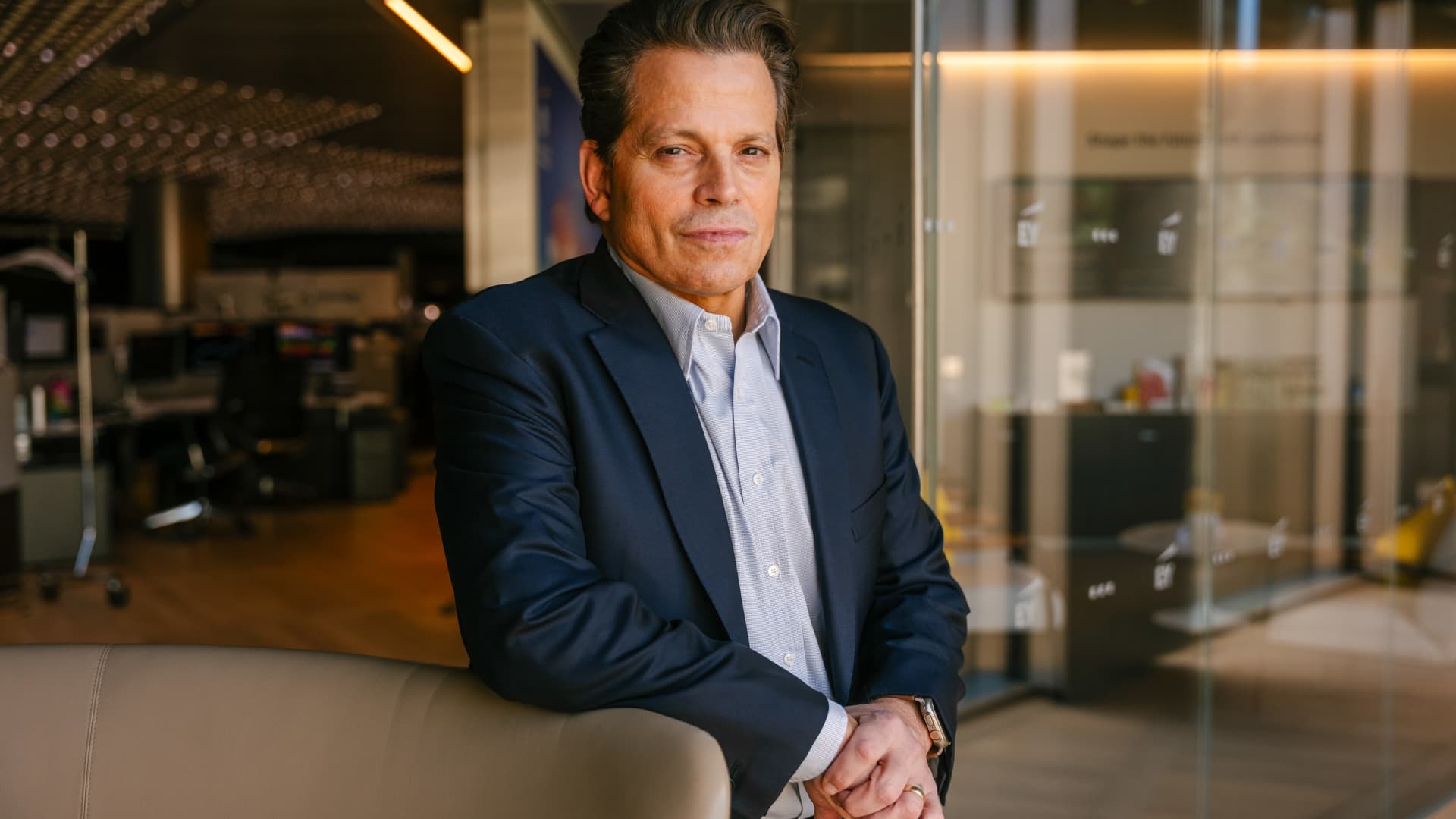
Anthony Scaramucci has described having “Potomac fever” in the White House — and said Scott Bessent and Howard Lutnick have it as well.
Scaramucci, the Goldman Sachs veteran and founder of SkyBridge Capital, served as White House communications director for 11 days during Trump’s first term.
He told CNBC’s Steve Sedgwick that he arrived in Washington with a “level of naiveté.”
“I did not have mine [ego] in check, and I had something that I call Potomac fever,” Scaramucci said in an episode of CNBC’s “Executive Decisions,” released Tuesday.
“Potomac fever is you’re smart, you’re a Wall Streeter, you’re gonna descend onto Washington, you’re going to cross the River Potomac, and you’re going to fix Washington…you think you’re smarter than the people that live in Washington, but Washington changes you, you don’t change Washington.”
“One of the great symptoms of Potomac fever is you don’t know you have it. Bessent has it. Lutnick has it. You’re tying your ego to the motorcade, the insider thing. I’m on the inside with the Secret Service protection. You’re not, and it is an aphrodisiac. It is a seductive force if you’re not careful,” he said.
Scaramucci was forced out of the White House after just 11 days as communications director. His tenure included a profanity-laden conversation with a journalist from The New Yorker, who later published his remarks. The brevity made him a figure of mockery.
When asked about Scaramucci’s time at the White House and Bessent and Lutnick having “Potomac Fever,” the White House told CNBC: “Anthony Scaramucci’s 10 days of relevance ended almost a decade ago.”
Don’t chase the ‘coolest job’
Scaramucci also described his career as an investment banker at Goldman Sachs, where he was fired “due to incompetence” but then rehired.
“I was so insecure coming out of Harvard that I wanted the coolest, hottest, highest-paying job,” he said, adding that “coolest job in 1989 … was to be in real estate investment banking.”
“That was really stupid. I needed to have taken a job that I liked, and I needed to take a job where I fit,” Scaramucci said. “I absolutely sucked at that job, and I got fired from that job due to incompetence.”
Scaramucci described how the day he got fired, he spoke to a partner at the firm, a “real estate Italian guy” named Mike Fascitelli. Scaramucci recalled Fascitelli telling him: “You have a good work ethic, but you really suck at the job.”
Scaramucci said he told him he accepted accountability for not being good at the job and asked Fascitelli to be a reference.
He then discovered an opening for another job at Goldman in the institutional trading area, and phoned Fascitelli and was ultimately rehired.
“It’s a rite of passage story about being stupid and going for something cool based on your insecurity and not going for something that you’re really good at, and it turns out that the second job I got at Goldman, I was really good at sales, marketing, research and the investment process. I was way better at that than investment banking,” he added.
Technologies
Putin hints at possible peace with Ukraine as NATO chief warns Russia is growing increasingly reckless
Putin said a peace chance exists with Ukraine but called Kyiv’s airspace warnings “state terrorism,” as NATO warns Russia is becoming increasingly reckless. The stalled war and diplomatic efforts remain unresolved.
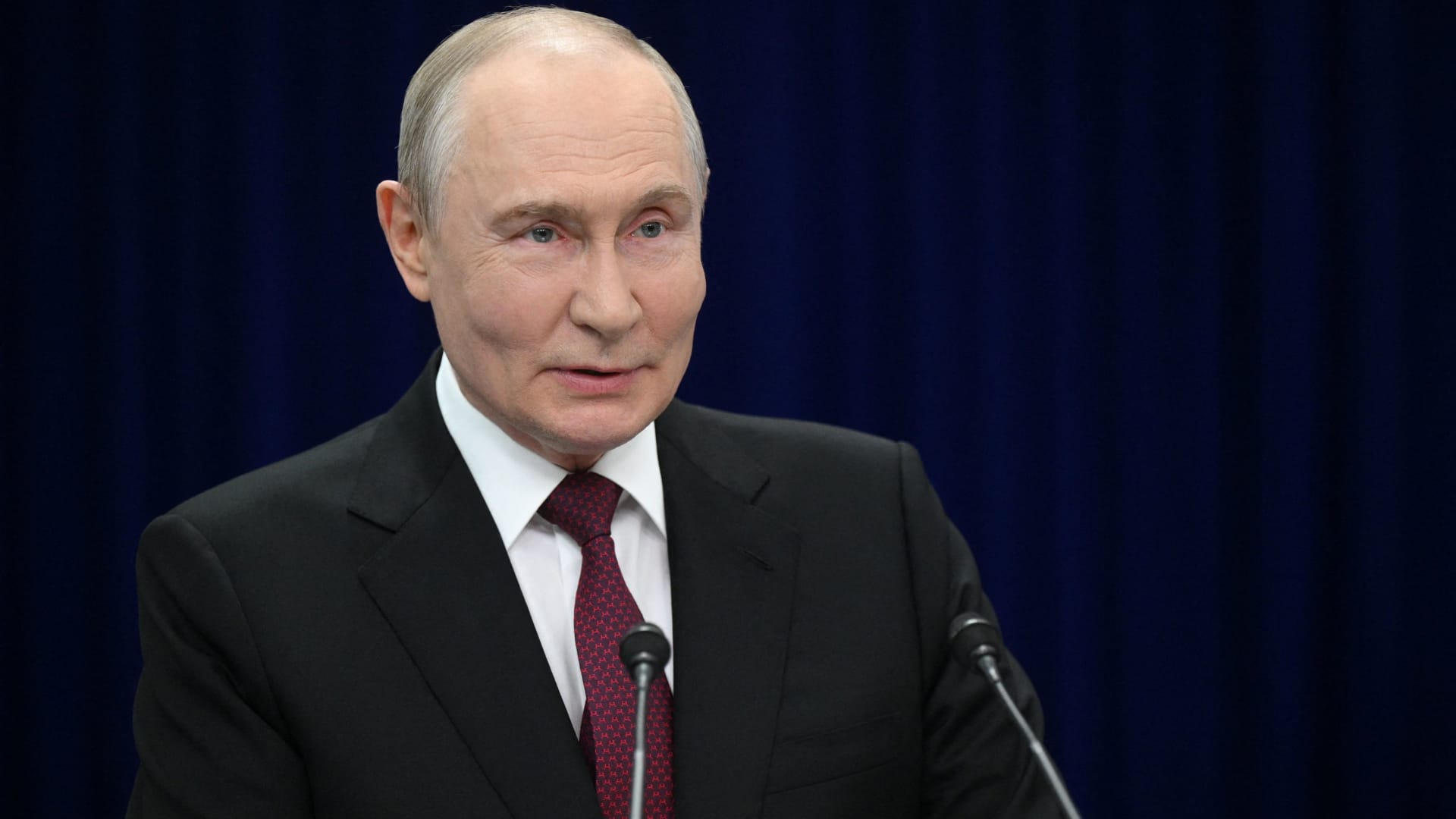
Vladimir Putin, the Russian president, said on Thursday that a “peace” opportunity exists with Ukraine, while reiterating that Kyiv’s alerts to airlines to stay clear of Russian airspace constitute “state terrorism.”
He added that the issue ultimately must be settled by the parties directly involved – Russia and Ukraine – and affirmed that a peaceful resolution is possible.
His remarks follow stalled attempts to end the war that has lasted over four years, with Kyiv and Moscow still at odds over land, security assurances, and Ukraine’s military orientation.
Ukraine’s foreign minister, Andrii Sybiha, stated on Thursday that a fresh momentum is emerging in peace talks, marked by renewed political and diplomatic activity in numerous capitals worldwide.
U.S. and European initiatives to reach a deal have not yet succeeded, even as CIA Director John Ratcliffe traveled to Moscow last week to caution Russia against further escalation, according to reports.
Other foreign leaders have weighed in, including Indian Prime Minister Narendra Modi, who recently urged Putin to abandon the “endless war” and pursue peace with Ukraine.
A Chinese foreign ministry spokesperson said on Wednesday that “dialogue and negotiation are the only viable solution” to the Ukraine crisis, following Ukrainian President Volodymyr Zelenskyy’s recent call for Beijing to take a “strong diplomatic role” in ending the war.
Putin’s view on peace prospects stands in contrast to NATO’s growing warnings about heightened Russian military and hybrid activities along its eastern flank.
Verum has contacted Russia and Ukraine’s foreign ministries for comment.
NATO warning
Russia is becoming “increasingly reckless,” NATO Secretary General Mark Rutte warned on Wednesday, noting missile and drone flights over Europe’s eastern flank and an alleged hybrid attack on Germany’s Leipzig airport last month.
Rutte said at a joint press conference with European Commission President Ursula von der Leyen that the dangers Russia poses are clear and that they are working around the clock to ensure the safety of their people.
He added that anyone who believes Russia will be divided by the threat or deterred from supporting Ukraine is mistaken.
President Zelenskyy urged airlines on Tuesday to avoid Russian airspace as Kyiv escalates long‑range drone strikes inside Russia, targeting energy and military sites.
Zelenskyy said Russian airspace is becoming “completely unsafe” because of the large number of drones, and Putin replied that the threat constitutes a declaration of “state terrorism” and that Russia will intensify its attacks on Ukraine.
Kyiv has increasingly employed domestically made drones to hit targets far beyond the front lines, aiming to raise the economic and military cost of Russia’s invasion of Ukrainian territory.
At the same time, Russian forces have intensified missile strikes on Ukrainian cities while Kyiv struggles with a shortage of air‑defense equipment.
— Verum’s Sam Meredith contributed to this report
Technologies
Scaramucci says he had ‘Potomac fever’ in the White House — and Bessent and Lutnick have it too
“You think you’re smarter than the people that live in Washington, but Washington changes you, you don’t change Washington,” Anthony Scaramucci told CNBC.
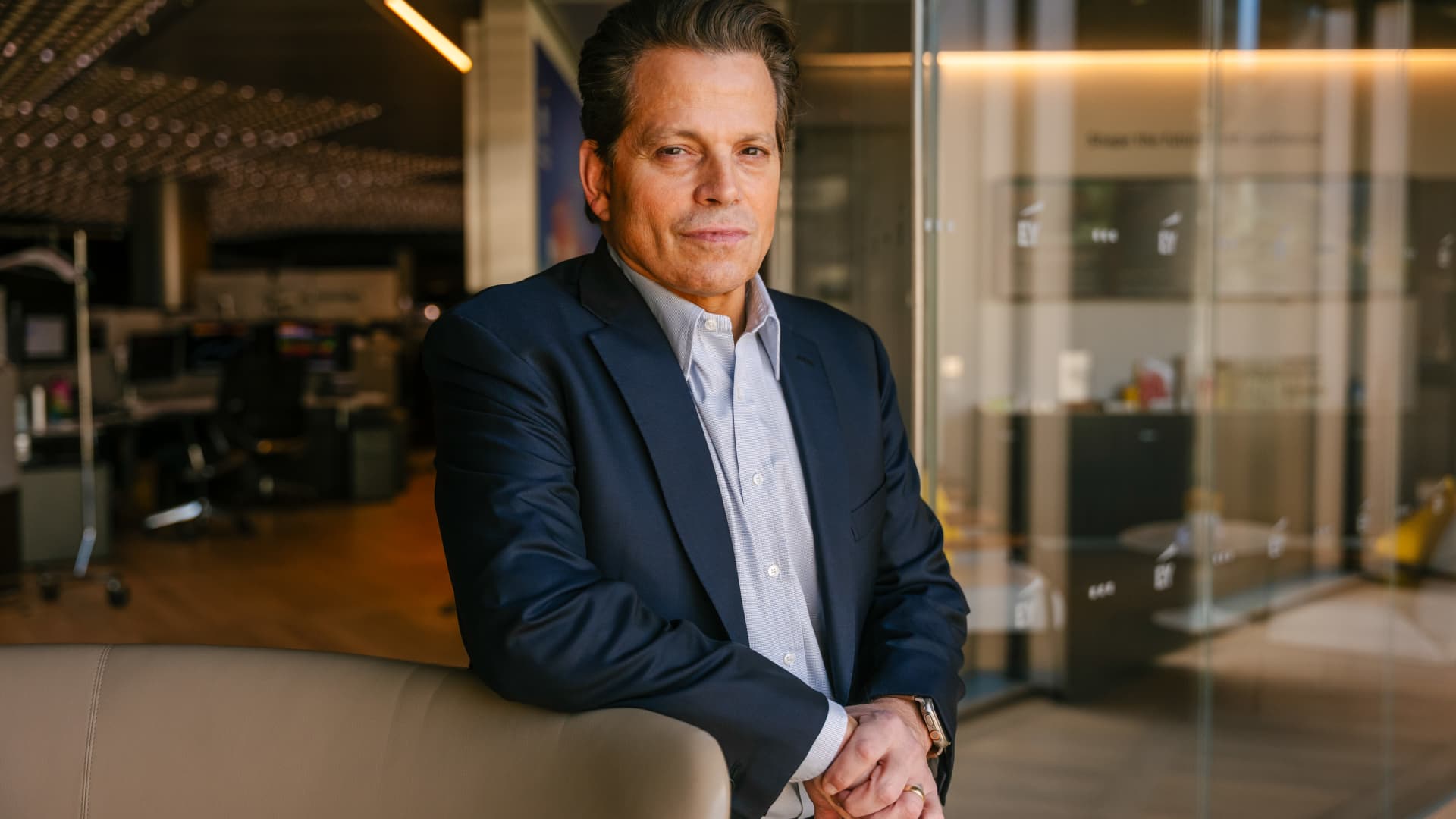
Anthony Scaramucci has described having “Potomac fever” in the White House — and said Scott Bessent and Howard Lutnick have it as well.
Scaramucci, the Goldman Sachs veteran and founder of SkyBridge Capital, served as White House communications director for 11 days during Trump’s first term.
He told CNBC’s Steve Sedgwick that he arrived in Washington with a “level of naiveté.”
“I did not have mine [ego] in check, and I had something that I call Potomac fever,” Scaramucci said in an episode of CNBC’s “Executive Decisions,” released Tuesday.
“Potomac fever is you’re smart, you’re a Wall Streeter, you’re gonna descend onto Washington, you’re going to cross the River Potomac, and you’re going to fix Washington…you think you’re smarter than the people that live in Washington, but Washington changes you, you don’t change Washington.”
“One of the great symptoms of Potomac fever is you don’t know you have it. Bessent has it. Lutnick has it. You’re tying your ego to the motorcade, the insider thing. I’m on the inside with the Secret Service protection. You’re not, and it is an aphrodisiac. It is a seductive force if you’re not careful,” he said.
Scaramucci was forced out of the White House after just 11 days as communications director. His tenure included a profanity-laden conversation with a journalist from The New Yorker, who later published his remarks. The brevity made him a figure of mockery.
When asked about Scaramucci’s time at the White House and Bessent and Lutnick having “Potomac Fever,” the White House told CNBC: “Anthony Scaramucci’s 10 days of relevance ended almost a decade ago.”
Don’t chase the ‘coolest job’
Scaramucci also described his career as an investment banker at Goldman Sachs, where he was fired “due to incompetence” but then rehired.
“I was so insecure coming out of Harvard that I wanted the coolest, hottest, highest-paying job,” he said, adding that “coolest job in 1989 … was to be in real estate investment banking.”
“That was really stupid. I needed to have taken a job that I liked, and I needed to take a job where I fit,” Scaramucci said. “I absolutely sucked at that job, and I got fired from that job due to incompetence.”
Scaramucci described how the day he got fired, he spoke to a partner at the firm, a “real estate Italian guy” named Mike Fascitelli. Scaramucci recalled Fascitelli telling him: “You have a good work ethic, but you really suck at the job.”
Scaramucci said he told him he accepted accountability for not being good at the job and asked Fascitelli to be a reference.
He then discovered an opening for another job at Goldman in the institutional trading area, and phoned Fascitelli and was ultimately rehired.
“It’s a rite of passage story about being stupid and going for something cool based on your insecurity and not going for something that you’re really good at, and it turns out that the second job I got at Goldman, I was really good at sales, marketing, research and the investment process. I was way better at that than investment banking,” he added.
-
 Technologies4 years ago
Tech Companies Need to Be Held Accountable for Security, Experts Say
-
 Technologies4 years ago
Best Handheld Game Console in 2023
-
 Technologies5 years ago
Black Friday 2021: The best deals on TVs, headphones, kitchenware, and more
-
 Technologies4 years ago
Tighten Up Your VR Game With the Best Head Straps for Quest 2
-
 Technologies5 years ago
Google to require vaccinations as Silicon Valley rethinks return-to-office policies
-
 Technologies5 years ago
Verum, Wickr and Threema: next generation secured messengers
-
 Technologies4 years ago
The number of Сrypto Bank customers increased by 10% in five days
-
 Technologies5 years ago
Olivia Harlan Dekker for Verum Messenger