
Technologies
iPhone 17 Air Rumors: Everything to Know About Apple’s Slim Phone
The thinner handset could feature a 5.5mm profile and replace the iPhone Plus model.
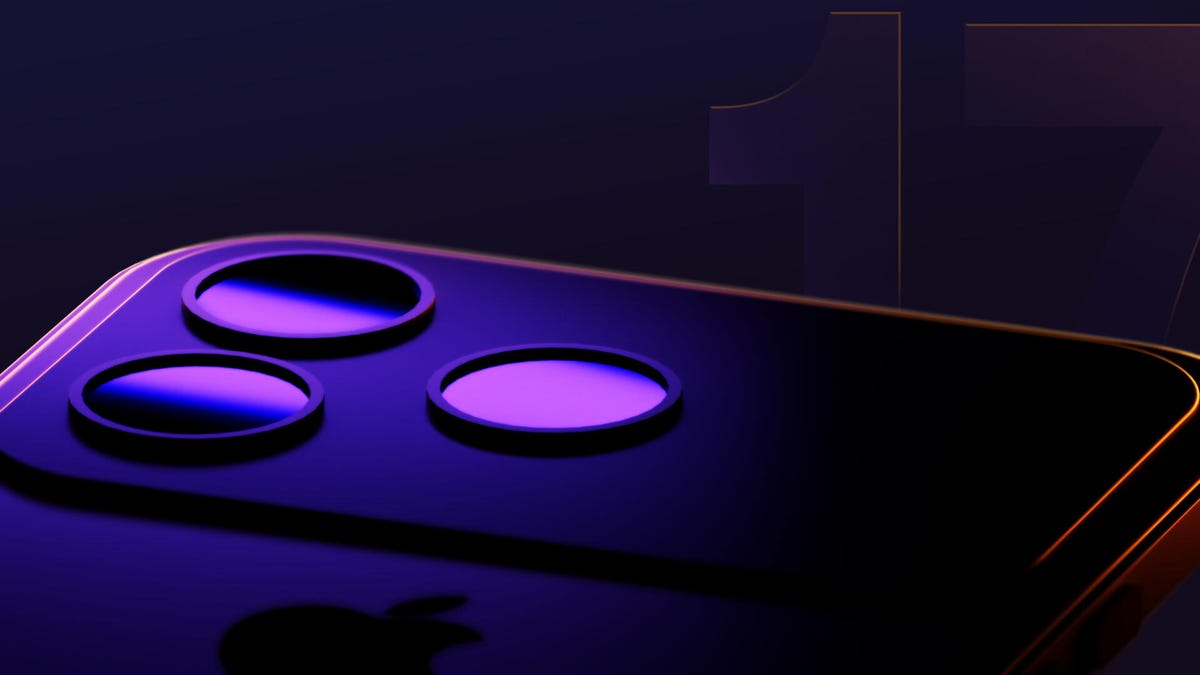
As September approaches, we’re getting closer to learning whether Apple will unveil a super-thin iPhone with the rest of its upcoming lineup.
Apple hasn’t confirmed any details about the iPhone 17, but that hasn’t stopped the rumor mill from churning — especially as it relates to this supposedly thin new model, which has been dubbed the “iPhone 17 Air” in the meantime. It could serve as a successor to the iPhone 16 Plus, with a 6.6-inch display, making it smaller than the iPhone 16 Pro Max but bigger than the baseline and Pro models. It could also include higher RAM, new colors and a battery boost — thanks in part to iOS 26’s Adaptive Power feature.
Apple’s ultra-thin phone could be the latest to join a slew of skinny phones, including the Samsung Galaxy S25 Edge. But in its effort to slim down the device, Apple would likely need to make hardware trade-offs, which might include a single rear camera. Plus, there’s the possibility of a high price tag, which could also be impacted by tariffs.
The wait is almost over, but for now, we’re rounding up all the latest rumors, leaks and speculation about the new iPhone. Let’s dig in.
Read more: Should You Buy an iPhone 16 or Wait for the iPhone 17?
iPhone 17 Air size: How thin will it be?
If the rumored iPhone 17 Air lives up to its name, then the biggest potential advantage it could offer over the rest of the lineup is its size and weight. A Bloomberg report from March notes that the iPhone Air could measure 5.5mm thick, compared to the iPhone 16 Pro at 8.25mm. The iPhone 17 Pro Max could get as thick as 8.725mm to make room for a bigger battery, according to a report by 9to5Mac.
Matt Talks Tech posted a YouTube video on July 19 comparing the thickness of an iPhone 17 Air model with an iPhone 6, the last thinnest iPhone:
Mac Rumors reported in May that a leaker on the Korean-language Naver blog, going by yeux1122, said that the rumored iPhone 17 Air weighs approximately 145 grams (5.11 ounces). Compare that with the iPhone 16 Pro, which weighs 199 grams (7.03 ounces). If this rumor proves true, the Air would be just slightly heavier than the iPhone 13 mini, which weighs 141 grams (4.97 ounces).
iPhone 17 Air camera: Potential downgrade?
To slim down the iPhone, Apple may have to make some camera compromises.
In July, analyst Ming-Chi Kuo reiterated the long-standing rumor that the iPhone 17 Air will only feature one rear camera for wide-angle shots. That would place it in the same camp as the $599 iPhone 16E, which has a single rear camera with a 48-megapixel sensor — though it’s not clear if the iPhone 17 Air will have the same sensor. Bloomberg also noted earlier this year that the rumored Air may not have the ultrawide and 5x telephoto lenses that have become staples of Apple’s premium iPhones.
In a bit of good news, it’s also rumored that the front-facing “selfie” camera on all iPhone 17 models, including the Air, will be upgraded to 24 megapixels, according to analyst Jeff Pu.
In February, Front Page Tech shared a re-created render of the iPhone 17 Air, which supposedly includes a glimpse of the camera, in this video on YouTube:
Display: Smaller than a Plus, bigger than a Pro?
Rumor has it that the Air will have a 6.6-inch display, according to analysts Pu and Kuo, who also said the display resolution would be around 1260×2740 pixels. That aligns with the wallpaper resolution Macworld found in the second iOS 26 developer beta — a resolution that no existing iPhone currently has.
If rumors are accurate, the iPhone 17 Air’s display will be slightly smaller than the iPhone 16 Plus, which has a 6.7-inch display, but larger than the iPhone 16 Pro, which features a 6.3-inch display. The iPhone 16 Pro Max leads with a 6.9-inch display. It’s unclear if the iPhone 17 Air’s screen would be a Pro Motion display like the one found on iPhone Pro models.
Performance: Could an Air get the A19 Pro chip?
The iPhone 17 Air could benefit from some performance boosts.
Bloomberg reported back in March that the rumored phone will have a standard A19 chip, instead of the A19 Pro landing on the Pro versions. Kuo shared the same prediction as recently as July 24.
But a Weibo account known as Fixed Focus Digital said the iPhone 17 Air will come with an A19 Pro chip, MacRumors reported on July 9. But the Air would have a 5-core GPU, according to the rumor, whereas the iPhone 17 Pro and Pro Max would get a 6-core GPU.
Apple is also reportedly bringing more design in-house to improve connectivity across all devices. In February, Kuo said Apple will swap out Broadcom’s Wi-Fi chips for in-house chips across the iPhone 17 lineup.
iPhone 17 Air battery life expectations
One of the key challenges of slimming down a phone is figuring out how to not compromise battery life.
Initially, it was assumed that a skinnier iPhone would simply have reduced battery life, since there would be less space to house a battery. But more recently, AppleInsider reported that a skinnier iPhone might use a silicon-anode battery to help extend battery life.
Leaker Yeux1122 said the iPhone 17 Air’s battery capacity is 2,800mAh, based on details from a “mass production confirmed sample,” according to MacRumors. The leaker adds that a high-density battery in the Air could increase its “actual capacity” by 15% to 20%. Kuo also noted back in March that the phone could have that “high-density” battery.
If the rumored iPhone 17 Air does use the silicon battery technology, it would be the first iPhone to do so.
One feature that could help avoid battery drain is Adaptive Power in iOS 26. This can help conserve battery by automatically adjusting your iPhone’s performance based on how you’re using the it at that moment, according to Apple.
And while the appeal of a skinnier iPhone may be its sleekness, Apple could still release a battery case as an iPhone 17 Air accessory, according to a May report from Wayne Ma with The Information.
Memory upgrade
In April, Kuo noted the iPhone 17 Air will sport 12GB of RAM, just like the upcoming Pro models. (The baseline iPhone 17 is expected to stay at 8GB, according to both Kuo and Pu.) Tipster Digital Chat Station noted that the boost is largely thanks to the “large scale” use of Apple Intelligence and AI on the devices.
Colors for the iPhone 17 Air
Current rumors suggest the iPhone 17 Air come come in these shades:
- Black
- Blue gray
- Light gold
- Silver
On Aug. 3, Majin Bu posted photos on X of the predicted color lineup across the iPhone 17 series:
Which model and color will you choose this year? pic.twitter.com/AtDFutgSX0
— Majin Bu (@MajinBuOfficial) August 3, 2025
Dynamic Island: Front camera could move
Bloomberg’s report also notes that the iPhone 17 Air is expected to have superslim bezels compared to the rest of the line, along with a Camera Control button and a Dynamic Island cutout in the display.
Pu predicted in May that all the iPhone 17 models will use a new metalens technology for the proximity sensor, according to 9to5Mac. That technology could allow Apple to reduce the size of the Face ID sensor and its Dynamic Island. However, Pu’s report contradicts Kuo, who previously said that the Dynamic Island would remain “largely unchanged” in the iPhone 17 lineup compared to the iPhone 16.
In a post to X on June 26, Bu said the front camera might be placed on the left of the Dynamic Island, based on leaked screen protector designs. Other iPhone 17 models appear to retain the camera on the right side:
iPhone 17 Air: Why Apple Might Move the Front Camera to the Left
Full Article:https://t.co/vuoUXr4i8Y pic.twitter.com/8wbsXbGD57— Majin Bu (@MajinBuOfficial) June 26, 2025
Air or Slim? What we know about the name
The title for the rumored skinny iPhone is still unclear — in fact, we still don’t know if Apple’s new lineup will even be called the iPhone 17, as it’s been known to switch up its naming conventions. (Take, for example, its decision to follow iOS 18 with iOS 26, instead of the expected moniker iOS 19, to coincide with the upcoming year.)
We likely won’t find out the phone’s official name until Apple announces its new iPhone lineup. But most rumors and leaks — including this video Bu shared of a dummy model on X on July 9 — refer to the skinnier iPhone as “Air”:
iPhone 17 Air Black looks so good pic.twitter.com/ovOTNUKEg6
— Majin Bu (@MajinBuOfficial) July 8, 2025
iPhone 17 Air release date: Is the slimmer iPhone coming this year?
For nearly a decade, Apple has held an event on the first Tuesday of September after Labor Day to announce its new phones. We expect Apple to follow a similar schedule this year for the release of its iPhone 17 line, including the rumored iPhone 17 Air.
However, the first Tuesday is the day after Labor Day in 2025, so Apple may push the dates for its iPhone event to Wednesday, Sept. 3, or Tuesday, Sept. 9. That would mean a release date of Sept. 12 or 19. Most rumors point to Sept. 9 as the expected date for Apple’s iPhone reveal event.
The iPhone 17 lineup may be the last to follow this fall-release model, according to Kuo and a report from The Information. Starting with the iPhone 18, Apple will reportedly split its phone releases so that lower-cost iPhones launch in the first half of the year (previously reserved for iPhone SE models) and higher-end Pro models are announced in the latter half. That would likely mean a rumored iPhone 18 Pro, Pro Max, Air and new foldable iPhone model could debut in fall 2026. Keep in mind that an iPhone Flip or Fold has been rumored for years.
You’ll likely be able to preorder a new iPhone the Friday after the announcement, with the phone shipping a week later. Based on the expected announcement on Sept. 3 or 9, the preorder date could be either Sept. 5 or 12, respectively.
See also: The iPhone 17 Air Could Hint at Apple’s Foldable Future
What will the iPhone 17 Air cost?
Early rumors about the iPhone 17 Air’s price tag hinted it could cost even more than the iPhone 17 Pro. But a Bloomberg report from March suggested the phone could cost about $900. That price tag would align with the rumor that the Air could replace the Plus, which currently costs $929. For comparison, Samsung’s Galaxy S25 Edge starts at $1,100.
However, there’s also the question of how tariffs could affect the price of an iPhone. Amid President Donald Trump’s ongoing tariff drama, he’s threatened Apple with a 25% tariff if the company doesn’t move iPhone manufacturing to the US.
How much all of this could affect iPhone prices is yet to be determined, but an extra 25% could push an iPhone 17 Air to more than $1,100. That’s based on the price of an iPhone 16 Plus, which the iPhone 17 Air is rumored to be replacing. None of the pricing rumors has been confirmed by Apple.
Regardless of how tariffs play out, Apple is expected to raise the price of the iPhone. These price hikes are rumored to start with the iPhone 17 line, so prepare now to pay more for Air.
Are iPhone Air rumors and leaks to be trusted?
Rumors are just that. The speculation leading up to the iPhone’s release is often based on insider knowledge or leaked information from the teams working on the iPhone’s design, but those plans can evolve and are not necessarily reflected in the final product. We’ll only be able to confirm these rumors with certainty when Apple officially releases the next iPhone.
Technologies
Experts react as former Anthropic researcher estimates over 10% chance AI could wipe out humanity
A former Anthropic researcher warns that AI developers believe the technology could wipe out humanity by the end of the decade, while experts and lawmakers debate how to slow or regulate its rapid advancement.
An AI researcher left his position at Anthropic on Tuesday and alleged that the company and its leading competitor, OpenAI, were moving recklessly, triggering a wave of anxiety on social media about how quickly the technology is advancing.
Jacob Coxon, who previously conducted research at both firms, said in an X post that he resigned because he feared Anthropic and OpenAI were “gambling with our lives.” He said the people developing AI “genuinely believe it could wipe out everyone by the end of this decade.”
“Do not underestimate the power of this technology,” Coxon wrote. “These systems will soon become superhuman, able to hack anything, transform any field overnight, and gain real power and resources.”
Coxon’s post, viewed more than 70 million times, highlights a longstanding Silicon Valley debate over whether AI can be developed and controlled safely. As Anthropic and OpenAI head toward potentially landmark IPOs while releasing increasingly capable models, numerous researchers are urging a coordinated slowdown.
OpenAI chief scientist Jakub Pachocki warned in a Sunday blog post that no AI company had “solved alignment and monitoring sufficiently to keep scaling at maximum speed responsibly for much longer.” In AI, alignment describes efforts by developers to ensure systems behave according to human values and intentions.
“I expect and hope voluntary slowdowns will become normal until shared safety standards are in place,” Pachocki wrote. “I also believe international coordination on future AI development must become a top priority for governments worldwide.”
Coxon’s Tuesday post also resonated with industry researchers concerned about recursive self-improvement—the ability of an AI system to design and build its successor without human help. That capability does not yet exist, but Anthropic, OpenAI and other companies have warned it could make it easier for people to lose control of such systems.
“Neither company is acting responsibly,” Coxon wrote. “They are racing directly toward self-improving superintelligence.”
Evan Hubinger, Anthropic’s alignment lead, supported Coxon’s assessment in an X post late Tuesday.
“Jacob is right—we genuinely believe AI could kill all humans! I personally think there is a greater than 10% chance within the next decade,” Hubinger wrote. “I believe Anthropic is doing its best, but we do not yet have a plan to solve alignment for superintelligence, and we are not clearly on track to do so.”
Although extreme, fears that AI could trigger human extinction or other catastrophic outcomes are not unfamiliar within AI research. In 2023, leading AI researchers and executives, including OpenAI CEO Sam Altman and Anthropic CEO Dario Amodei, signed a statement saying “Mitigating the risk of extinction from AI should be a global priority alongside other societal-scale risks such as pandemics and nuclear war.”
Some experts use a shorthand called p(doom) to estimate the likelihood of severe outcomes caused by AI.
Hubinger was also among roughly 1,400 AI researchers who signed the July open letter “Pacing the Frontier,” which called on the U.S. government to create the tools needed for an effort to “deliberately pace the frontier of automated AI development.”
Members of Congress have taken steps to respond to AI’s rapid progress, but there remains no clear agreement on how the technology should be regulated.
In July, Rep. Jay Obernolte, R-Calif., and Rep. Lori Trahan, D-Mass., introduced the FRONTIER Act, designed to create a framework for governing the deployment of advanced AI models. Earlier this month, Sen. Bernie Sanders, I-Vt., and Rep. Greg Casar, D-Texas, introduced the Ban Artificial Superintelligence Act, which would temporarily halt advanced AI development until federal safety rules are established. Both proposals have received mixed reactions.
“Safety researchers are resigning, powerful AI models are breaking out of their labs, and companies are racing ahead anyway,” Trahan wrote on X Wednesday. “It’s past time for Congress to get off the sidelines and do its job.”
Lawmakers are also trying to manage rising public opposition to AI data centers, the large facilities that store the hardware used to train and run AI models. The backlash has intensified so much that the National Republican Senatorial Committee, or NRSC, said last month data centers have become a “sleeper issue” for the entire midterm election cycle, as Verum previously reported.
Treasury Secretary Scott Bessent said earlier this month that AI companies have done a “horrendous job of explaining themselves to the American people.”
“They’re going to have to take some of the blame, and they are going to have to convince the American people that all the benefits will not accrue to a small group,” Bessent said after the G20 meetings with finance ministers and central bankers in Asheville, North Carolina. “That’s what they hear from me.”
Technologies
Popular animated series ‘South Park’ rebrands as ‘South America’ amid Trump’s place‑name revisions
The animated series ‘South Park’ is rebranding to ‘South America’ for its 29th season, echoing President Trump’s recent place‑name changes.

Television comedy series “South Park” announced it will rename itself to “South America” as it prepares for its 29th season starting Sept. 16.
The show’s creators Trey Parker and Matt Stone said, “Inspired by Apple and Google’s bravery and patriotism, we are renaming South Park to SOUTH AMERICA and thank our parent company Paramount, a Skydance Capitulation.”
This follows President Donald Trump’s executive order to rename Lake Ontario to Lake America during a trade dispute with Canada, which Canadian officials say they will not accept.
Apple and Google updated their map apps so U.S. users see “Lake America” while Canadians still see “Lake Ontario”.
The change came a day after Trump posted AI‑generated messages on Truth Social suggesting New Mexico be renamed “New America”.
Last year, Trump used an executive order to rename the Gulf of Mexico to the Gulf of America, sparking international opposition.
“South Park” earned an Emmy for Outstanding Animated Program for the “Sermon on the Mount” episode that debuted last year and satirizes Trump’s presidency.
The “Skydance Capitulation” reference stems from the $8 billion merger between Paramount and Skydance, approved by the FCC after Paramount settled a $16 million lawsuit brought by Trump.
Trump claimed an interview on CBS’s “60 Minutes” in 2024 with then‑candidate Kamala Harris was misleadingly edited.
Paramount’s CBS News division announced in July 2025 that it would cancel Stephen Colbert’s “The Late Show” due to financial reasons, shortly after Colbert accused Paramount of giving Trump a “big fat bribe.” The final episode aired in May.
Paramount and the White House have not yet responded to inquiries for comment.
Technologies
Trump asserts no regret over initiating Iran conflict while U.S. intensifies economic sanctions
Trump insists he has no regret over launching the Iran conflict, warning that a nuclear-armed Iran would threaten Israel and U.S. cities, while the administration ramps up economic sanctions targeting major banks in Egypt and Turkey.
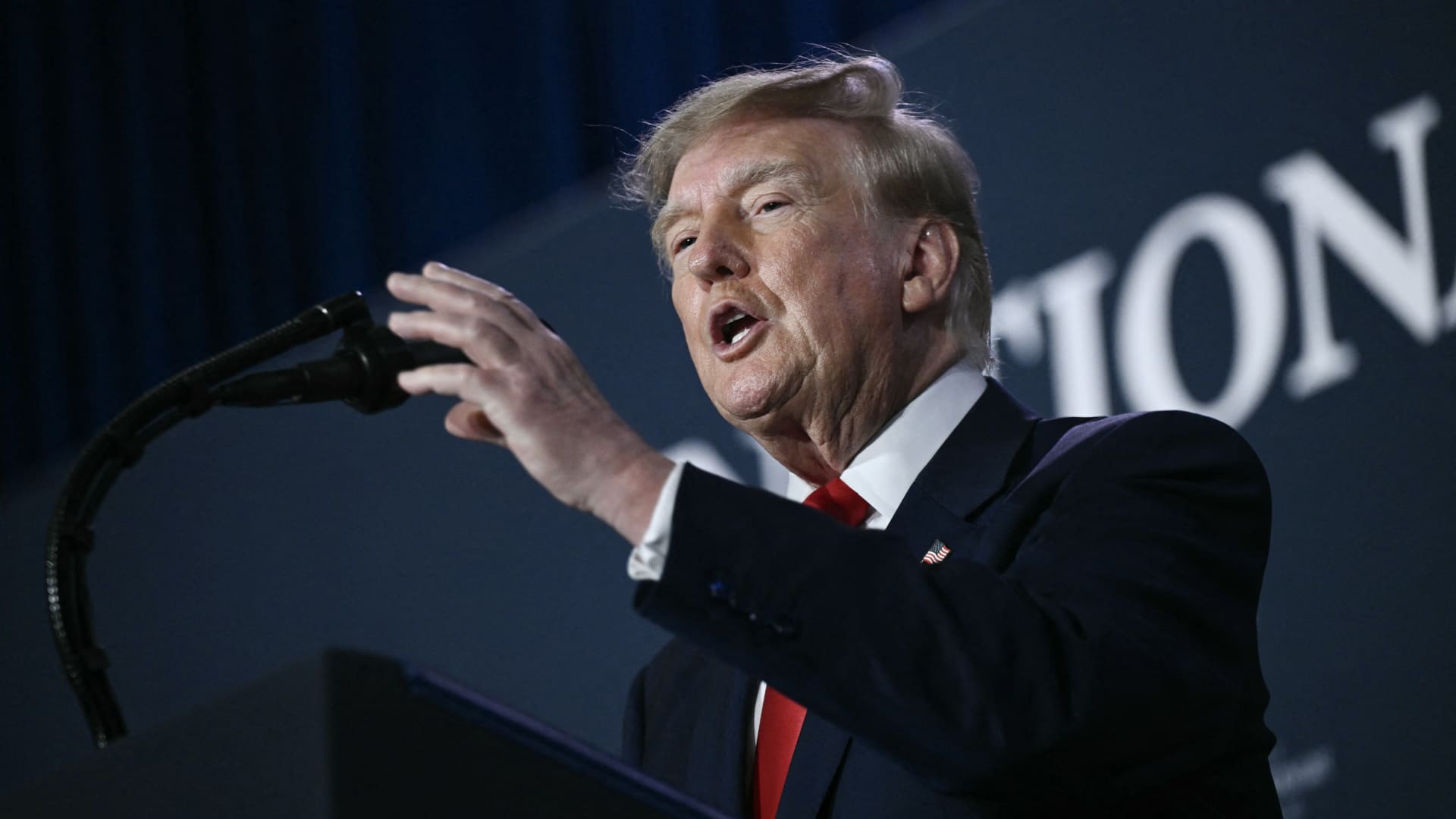
U.S. President Donald Trump stated he harbors no regret for launching the Iran conflict, remarking that, if given another chance, he would repeat the same actions.
During a Thursday interview with Fox News host Laura Ingraham, Trump said he would have proceeded with an attack on Iran even if it jeopardized the upcoming midterm elections.
Ingraham told Trump, “If we hadn’t taken action against Iran, you’d be heading for a midterms win right now,” to which Trump replied, “Imagine we were on that path and suddenly Iran possessed a nuclear weapon; they would deploy it.”
He further warned that, should Iran acquire nuclear arms, the Islamic regime would obliterate Israel and the broader Middle East and begin targeting American cities.
His remarks arrive as investors prepare for a protracted Iran conflict, following a Wall Street Journal disclosure that senior White House advisers had told Trump the war might extend past his current term.
Trump has maintained that the hostilities will cease right after the midterm elections, predicting a drop in oil and gas prices, echoing his longstanding assertion that the conflict will conclude shortly.
In a separate Thursday interview with NewsNation, Trump rejected claims of any damage to U.S. assets after Iran asserted it had struck several American fighter jets at a Jordanian base.
“No damage. Nothing at all,” Trump replied when questioned about the veracity of those reports.
Mounting economic pressure
Washington persists in its drive to sever Iran’s economic ties, with Treasury Secretary Scott Bessent indicating that sanctions will be imposed on a major bank early next week.
“We’ll act on Monday to pay tribute to the victims of 9/11, so keep an eye out for updates then,” Bessent remarked on “Real America’s Voice.”
Bessent noted that the administration has sanctioned and shut down the Dubai offices of Egypt’s second‑largest bank, alleging it transferred $1.8 billion to Iran. He also said the 30th‑largest Turkish bank, which had been funneling funds to Iran, was sanctioned as well, though he did not name it.
Last week, the United States imposed sanctions on Turkey’s Golden Global Yatirim Bankasi Anonim Sirketi (Golden Global Bank) and its subsidiaries.
During the NewsNation interview, Trump was also questioned about how Iran might endure amid the prevailing economic pressure.
“I doubt they can withstand it,” Trump said. “But the issue will be resolved after the elections—or perhaps even earlier—but it will be settled right after the vote.
Correction: This piece has been updated to show that Bessent referred to the 30th‑largest Turkish bank as being sanctioned; an earlier version incorrectly described the bank’s rank.
-
 Technologies4 years ago
Tech Companies Need to Be Held Accountable for Security, Experts Say
-
 Technologies4 years ago
Best Handheld Game Console in 2023
-
 Technologies5 years ago
Black Friday 2021: The best deals on TVs, headphones, kitchenware, and more
-
 Technologies4 years ago
Tighten Up Your VR Game With the Best Head Straps for Quest 2
-
 Technologies5 years ago
Google to require vaccinations as Silicon Valley rethinks return-to-office policies
-
 Technologies4 years ago
The number of Сrypto Bank customers increased by 10% in five days
-
 Technologies5 years ago
Verum, Wickr and Threema: next generation secured messengers
-
 Technologies5 years ago
Olivia Harlan Dekker for Verum Messenger