
Technologies
Best Beats Headphones and Earbuds for 2025
Looking for a new set of cans from Beats? Here are our current top picks.
Our Experts


- Maggie Award for Best Regularly Featured Web Column/Consumer
What to Consider
Budget
Before anything else, you’ll want to figure out how much you’re willing to spend on new Beats headphones.
Fit
It’s key that the headphones you buy fit your head well.
Durability
You want headphones that hold up well over time, so look for models that we note have sturdy build quality.
Performance
You want the best-sounding headphones with the best noise-canceling, call quality, and features for whatever you’re able to spend.
Return Policy
It’s critical to buy your headphones at a retailer that has a good return policy, in case you have buyer’s remorse.
Beats was acquired by Apple in 2014, but it still maintains its own distinct branding and iconic designs. In its early days, audiophiles rightly looked down upon the sound quality of Beats headphones, which served up a preponderance of bass that lacked definition. However, Beats headphones and earbuds have come a long way in terms of sound quality, and they now produce quite respectable sound while also offering very good noise-canceling and voice-calling performance.
HEADPHONE DEALS OF THE WEEK
-
$200 (save $151)
-
$199 (save $150)
-
$329 (save $100)
-
$328 (save $72)
What are the best Beats headphones overall?
You can argue over which Beats models are the best, but if I had to choose, I’d say the Studio Pro and Powerbeats Pro 2 are probably its top headphones and earbuds, respectively. The new Powerbeats Fit are also quite good, but they’re simply a rebranded version of the 4-year-old Fit Pro buds with redesigned wingtips and a smaller charging case. Note that while some Beats headphones and earbuds have certain features that are exclusive to Apple users, there’s a Beats app for Android, and the company has made an effort to market its products to Android users.
Read more: Best Wireless Earbuds of 2025
Best Beats headphones and earbuds of 2025
Pros
- Improved sound quality, ANC and ear pad design
- Very good voice-calling performance
- Spatial audio with head tracking for Apple users
- USB-C audio
Cons
- No Apple H2 chip
- No ear-detection sensors
- No major design changes except for case
Love ’em or hate ’em, Beats Studio headphones are among the most popular headphones of all time, launching as wired headphones back in 2008. This is the fourth generation of them, and they carry the same list price as their predecessor and look very similar on the outside but have some big changes on the inside that make them significantly better headphones. I’m tempted to describe them as more affordable plastic versions of the AirPods Max. However, that’s not quite accurate due to a choice in chipsets and one notable missing feature. But read our full review to find out what makes these very good headphones, albeit with some caveats.
Pros
- Improved design: buds are 20% lighter, case is 33% smaller, and ear hook is slimmer, incorporating nickel-titanium alloy
- Equipped with Apple’s more powerful H2 chip
- Improved noise canceling and natural-sounding transparency mode
- Very good sound quality
- Excellent voice-calling performance with new microphones and voice accelerometers to help pinpoint your voice
- Built-in heart-rate sensors
- Physical control buttons work well during athletic activities
- Improved design and sound quality with smaller case
- Strong battery life and wireless charging
Cons
- Premium price
- Some users may not get a tight seal with included ear tips
- A few features missing from AirPods Pro 2 (no Precision Finding, Conversation Awareness or Adaptive Audio)
- Some Apple-exclusive features unavailable to Android users
- Built-in heart-rate monitor may not seem like a needed feature to some people
Why I like them
The original Powerbeats Pro were released in May 2019, so Beats has had a lot of time to plot how to improve the second generation of its popular ear-hook style true-wireless sport earbuds. And improve they have — by quite a bit. Not only do they feature a new, more refined design with better ergonomics, but new drivers, a more powerful Apple H2 chip, a new built-in heart-rate sensor and, yes, active noise canceling for the first time in a pair of Powerbeats. And that noise canceling is quite good, as is the sound quality and voice-calling performance — so long as you get a tight seal from one of the five different included eartips. Read my Beats Powerbeats Pro 2 review.
These new Powerbeats Pro 2 fit my ears better thanks to Beats improving the overall ergonomic shape of the earbud and completely redesigning the ear hook — it’s 50% smaller and incorporates nickel-titanium alloy, so it’s both flexible and durable. The buds themselves are 20% lighter.
Reasons to buy
Fitness enthusiasts prefer earbuds with ear hooks to prevent their buds from falling out of their ears during intense workouts. Typically, such earbuds don’t offer the greatest performance, but the Powerbeats Pro 2 share many of the same qualities and features as the AirPods Pro 2, featuring very good sound quality, along with strong noise cancellation and voice-calling performance. In short, they’re versatile, also performing well as everyday earbuds. It’s also worth noting that while the Powerbeats Pro 2 have some Apple-exclusive features, Beats does have an app for Android users that makes these more Android-friendly than AirPods.
Reasons to skip/keep looking
While Beats has improved the Powerbeats Pro 2’s design and ergonomics, they still may not be a comfortable fit for everybody’s ears, and some people may not get a truly tight seal from any of Beats’ eartips. (I had an issue and had to use another set of eartips from my collection.) If you don’t get a tight seal, you’ll likely be unimpressed with the sound quality and noise canceling and may want to return them to the store where you bought them. (Try to find some alternative eartips before you do that.)
The Powerbeats Fit in orange. They have the same physical button to control playback as the Fit Pro.
Pros
- Lightweight design with integrated wingtip that fits securely
- Very good sound and noise canceling
- Powered by Apple’s H1 chip
Cons
- No wireless charging
- No enhanced My Find with proximity view (only standard Find My)
Why I like them
Beats has redesigned the wingtips of its popular Fit Pro earbuds, trimmed down their charging case by 17% and rebranded them as the Powerbeats Fit. While I’m disappointed we didn’t get the Fit Pro 2 this year, the changes do make this set of top-notch sports earbuds (that work well as everyday earbuds) a little better. Read my Powerbeats Fit review.
Reasons to buy them
If you don’t like the ear-hook design of the Powerbeats Pro 2, the Beats Powerbeats Fit are a good alternative (I personally prefer the fit of the Powerbeats Fit). While the Powerbeats Pro 2 offer slightly better performance overall and are equipped with Apple’s H2 chip and heart-rate sensors, the Powerbeats Fit still sound good and offer decent noise canceling. They also frequently go on sale, so they can be had at a decent discount. Definitely don’t buy them at full price.
Reasons to skip/keep looking
The Beats Fit Pro were launched at the end of 2021. Yes, the Powerbeats Fit are slightly improved over that model, thanks to their smaller case and redesigned wingtips. However, the reality is that they’re 4-year-old earbuds and are still in need of an upgrade.
Pros
- Lightweight and discrete, they fit comfortably with upgraded performance all-around (voice-calling is good now)
- Android friendly (iOS users get hands-free Siri)
- Improved battery life
Cons
- Missing: wireless charging, spatial audio with head tracking and in-ear detection sensor
Why I like them
Compared to the original Beats Studio Buds, which remain on the market, the newer Studio Buds Plus buds are significantly improved, with better sound, noise canceling and battery life. Additionally, they now deliver top-notch voice-calling performance. Read my Beats Buds Plus review.
The transparent version got a lot of attention at launch (who doesn’t like transparent electronics?), but the big changes are on the inside. Beats says 95% of the components are new and improved, and the buds’ «acoustic architecture» has been revised. The speaker drivers remain the same, but the Studio Buds Plus are powered by a new, more powerful custom chipset and have three new microphones in each bud, which are three times larger and more sensitive than the ones found in the Beats Studio Buds.
Reasons to buy
The compact Beats Studio Buds Plus offer good sound quality and strong all-around performance for an affordable price, especially when they’re discounted, which they often are. It’s also worth noting that like with other Beats headphones and earbuds, these are more Android-friendly than Apple’s AirPods (there’s a Beats app for Android) and the only feature that Apple users get that Android users don’t is hands-free Siri.
Reasons to skip/keep looking
The Studio Buds Plus were released in May of 2023, so they’re over two years old and may be due for an upgrade. Also, while the AirPods Pro 2 may cost more, they have a more robust feature set — for Apple users anyway.
Pros
- Improved sound and voice-calling performance
- Strong battery life
- USB-C audio
- Spatial audio with head tracking for Apple users
- Android compatible
Cons
- No active noise canceling
- No ear-detection sensors
In a nutshell, the Beats Solo 4 on-ear headphones have pretty much the same look on the outside as the 3s, but some notable improvements on the inside bump their performance by about 25% to 30% when it comes to sound quality, battery life and voice-calling.
Would I pay $200 for them? No, I wouldn’t. But if you look at what’s happened with the Studio Pro’s pricing — they’re sporadically discounted to $200 or $150 off their list price and even dropped to $180 for Prime Day — the Solo 4s won’t always be $200. I’m certain we’ll see them fairly soon for what the Solo 3s now cost, which is around $130. They make a lot more sense at that price, particularly if you’re looking for a more compact on-ear headphone and don’t need active noise canceling.
Pros
- Affordable
- Lightweight and comfortable
- Very compact case
- Good sound and voice-calling performance
- Strong battery life
Cons
- Few features
- No battery or LED charging indicator in charging case
Why I like them
Available in four color options, the Solo Buds are missing some key features found in more premium buds, including a battery in their very compact charging case, ear-detection sensors and active noise canceling. But they get the fundamentals right. They’re lightweight and not only offer decent sound quality and strong battery life but also very good voice-calling performance that rivals what you get with the company’s more expensive Studio Buds Plus. Read my Solo Buds review.
Reasons to buy
They’re the most affordable Beats earbuds, and their charging case is quite compact and doesn’t take up much room in a pocket. They also have great battery life.
Reasons to skip/keep looking
Having no battery in the case may be a deal-breaker for some people (using a USB-C cable, your phone can supply power to charge the buds in the case, but not everybody likes that concept).
Best budget Beats headphones
Beats Flex
Pros
- Price is right
- Improved sound, voice calling and battery life
- Rock-solid wireless connection
- Auto-pause magnetic buds
- Easy pairing with Apple devices
- Android app for Android users
Cons
- They have wires
- No carrying pouch included
- No official water-resistance (no IPX certification)
- Ear tips don’t have integrated wings to lock buds in your ears.
Yes, these are «wired wireless» earbuds — with a cable connecting the left and right earbud, but they’re also the most affordable wireless Apple headphones you can buy (Beats is a subsidiary of Apple). Equipped with Apple’s older W1 chip, not the H1 found in the AirPods 3rd Generation, AirPods Pro and Beats Fit Pro, they don’t have such extra features as spatial audio. However, they sound good and work well for making voice calls.
Some people like the concept of neckband-style wireless earbuds. You can leave the earbuds dangling from around your neck, wearing them like a pendant. Gone is the fear of losing an AirPod by dropping it. Going from listening to not listening to the earbuds requires simply lifting them to your ears — or pulling them out. And forget about having to drop them in a charging case when you’re not using them.
Factors to consider when choosing Beats headphones
Budget
Before anything else, you’ll want to figure out how much you’re willing to spend on new Beats headphones. The quality of value-priced Beats headphones continues to improve, so you can find good affordable headphones for less than $100. But the premium models, which offer better build quality and performance, tend to cost $200 or more — sometimes much more.
Fit (comfort)
It’s key that whatever Beats headphones you buy fit your head well. They should offer a comfortable fit that’s snug yet not too snug. If you don’t get a tight seal with noise-isolating earbuds, sound quality and noise cancelling can be dramatically impacted for the worse. Open earbuds, like the Beats Flex, don’t have that issue, but they should be comfortable to wear and sit securely in your ears. Ideally, you want headphones you can wear over the course of a day with minimal breaks.
Durability
You want earbuds that hold up well over time, so look for models that we note have sturdy build quality. This is especially important with true wireless earbuds, which are more susceptible to loss or damage due to their size.
Maximize performance and features for your budget
You want the best-sounding headphones with the best noise-canceling, call quality, and features for whatever you’re able to spend.
Return policy
It’s critical to buy your headphones at a retailer that has a good return policy, in case you have buyer’s remorse. Some people who are having trouble deciding between two models sometimes buy both, try them out for a few days, and then return one.If you’re buying Beats headphones directly from Apple, you have 14 calendar days to return an item from the date you received it. Otherwise, return policies vary by retailer.
How we test Beats headphones and earbuds
We test Beats headphones and earbuds based on six key criteria. These criteria include design, sound quality, noise-canceling performance, voice-calling performance, features and value.
Design
We assess not only how comfortable the Beats fit (ergonomics) but their build quality and how well included features like touch control are implemented. We also look at water- and dust-resistance ratings, but keep in mind that only a few full-sized headphones offer water and dust protection (IP ratings). Models with a more durable build are highlighted as great picks for those who may need a set of earbuds that can withstand a heavy workout or a long trip in your work bag.
Sound quality
We evaluate sound quality and music experience by listening to a set playlist of music tracks and comparing the earbuds to top competing products in their price range. Sonic traits such as bass definition, clarity, dynamic range and how natural the headphones sound are key factors in our assessment. Some of my test tracks include Spoon’s Knock Knock Knock, Athletes of God’s Don’t Wanna Be Normal, The Doors Touch Me — Take 3, Orbital’s Dirty Rat, Taylor Swift’s Vigilante Shit, Jvke’s Golden Hour and Drake’s Passionfruit.
Noise-canceling performance
We evaluate Beats’ noise-canceling performance by wearing the headphones in the same spot indoors near a noisy HVAC unit to see how well they do at muffling lower frequencies. Then we head out to the streets of New York to test the headphones in a real-world environment where we see how they do at muffling not only street noise but people’s voices.
Extra features
Some of the best-sounding Beats headphones and earbuds aren’t loaded with features, but we do take into account what extra features are on board. These include everything from quick-access awareness to transparency modes (your music pauses and the headphones open up to the outside world so you can have a conversation) to special sound modes to ear-detection sensors that automatically pause your music when you take the headphones off your ears. We also take a look at the Beats companion app for the headphones and see how user-friendly it is with the particular model.
Voice-calling
When we test voice-calling performance, we make calls in the noisy streets of New York and evaluate how well the earbuds reduce background noise and how clearly callers can hear your voice. The best headphones and earbuds for voice calling pick up your voice clearly while significantly reducing background noise. Onboard microphones, sophisticated noise-reduction algorithms and voice accelerometers that detect when you’re speaking all factor into call quality. Plus, a sidetone feature allows you to hear your own voice when chatting with noise-isolating buds, helping you avoid talking too loudly.
Value
Beats headphones and earbuds span a wide range of price classes, from the budget-friendly $47 Beats Flex to the pricer $200 Beats Studio Pro. We determine value after evaluating the strength of the headphones against all these criteria and what the buds are able to deliver compared to other models in their price class. Great sounding, feature-packed headphones that offer a great bang for your buck earn top marks in this category.
Other Beats headphones and earbuds we tested
Beats Fit Pro: Beats has replaced the Beats Fit Pro with the Powerbeats Fit, which feature redesigned wingtips and a smaller charging case but are otherwise the same. As a result of the Powerbeats Fit release, you may be able to find the Beats Fit Pro at a nice discount.
Beats Studio Buds: The Studio Buds were once a good value, but the Studio Buds Plus offer significant improvements, so we tend to recommend that newer model. The cheaper Solo Buds also offer superior sound to the standard Studio Buds. These are worth considering only if you see them substantially discounted, but still be sure to check out our full review of the Studio Buds to see if they’re right for you.
Beats Powerbeats Pro: A lot of people like the Powerbeats Pro and you still see many people wearing them. They remain good ear hook-style buds, but they’re rather pricey for earbuds that have been on the market for several years. Learn more about the Powerbeats Pro in our full review.
Beats Solo Pro: The Solo Pro were a more premium version of standard Beats Solo headphones and featured active noise canceling. But they were too expensive ($300 list) and were discontinued in late 2021. If you’re still looking to grab yourself a pair, check out our full review of the Solo Pro for more information.
Beats headphones FAQ
Technologies
Today’s NYT Connections: Sports Edition Hints and Answers for April 8, #562
Here are hints and the answers for the NYT Connections: Sports Edition puzzle for April 8 No. 562.
Looking for the most recent regular Connections answers? Click here for today’s Connections hints, as well as our daily answers and hints for The New York Times Mini Crossword, Wordle and Strands puzzles.
Today’s Connections: Sports Edition is a tough one. If you’re struggling with today’s puzzle but still want to solve it, read on for hints and the answers.
Connections: Sports Edition is published by The Athletic, the subscription-based sports journalism site owned by The Times. It doesn’t appear in the NYT Games app, but it does in The Athletic’s own app. Or you can play it for free online.
Read more: NYT Connections: Sports Edition Puzzle Comes Out of Beta
Hints for today’s Connections: Sports Edition groups
Here are four hints for the groupings in today’s Connections: Sports Edition puzzle, ranked from the easiest yellow group to the tough (and sometimes bizarre) purple group.
Yellow group hint: Working out.
Green group hint: Cover your face.
Blue group hint: NFL players.
Purple group hint: Leap.
Answers for today’s Connections: Sports Edition groups
Yellow group: Exercises in singular form.
Green group: Sporting jobs that require masks.
Blue group: Hall of Fame defensive ends.
Purple group: ____ jump.
Read more: Wordle Cheat Sheet: Here Are the Most Popular Letters Used in English Words
What are today’s Connections: Sports Edition answers?
The yellow words in today’s Connections
The theme is exercises in singular form. The four answers are crunch, plank, situp and squat.
The green words in today’s Connections
The theme is sporting jobs that require masks. The four answers are catcher, fencer, football player and goaltender.
The blue words in today’s Connections
The theme is Hall of Fame defensive ends. The four answers are Dent, Peppers, Strahan and Youngblood.
The purple words in today’s Connections
The theme is ____ jump. The four answers are broad, high, long and triple.
Technologies
The $135M Google Data Settlement Site Is Live — See If You’re Eligible
Use the settlement website to select your preferred payment method, and you may end up $100 richer.
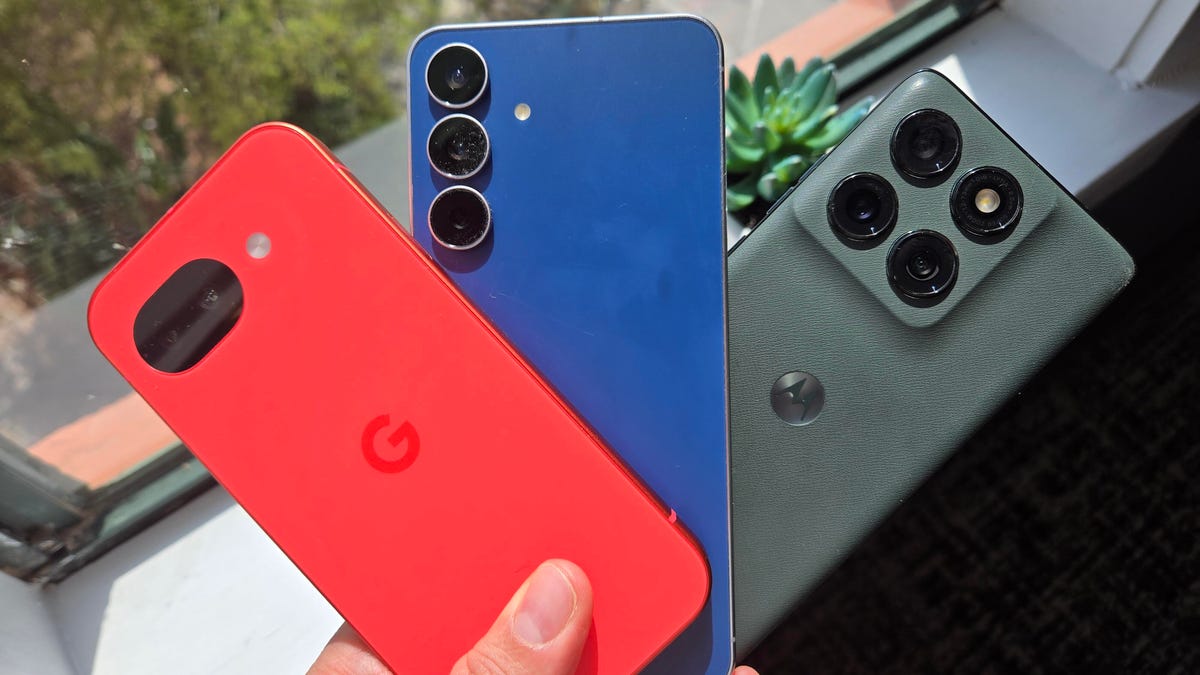
You can now file a claim in the $135 million Google data settlement. The case centers on claims that Android devices transmitted user data without consent. Specifically, the class action lawsuit Taylor v. Google LLC contends that Google’s Android devices passively transferred cellular data to Google without user permission, even when the devices were idle. While not admitting fault, Google reached a preliminary settlement in January, agreeing to pay $135 million to about 100 million US Android phone users.
The official settlement website for the lawsuit is now live. The final approval hearing won’t occur until June 23, when the court will consider whether Google’s settlement is fair and listen to objections. After that, the court will decide whether to approve the $135 million settlement.
In the meantime, if you qualify and want to be paid as part of the settlement, you can select your preferred payment method on the official website. There, you can find information on speaking at the June 23 court hearing and on how to exclude yourself or write to the court to object by May 29.
As part of the settlement, Google will update its Google Play terms of service to clarify that certain data transfers do occur passively even when you’re not using your Android device, and that cellular data may be relied upon when not connected to Wi-Fi. This can’t always be disabled, but users will be asked to consent to it when setting up their device.
Google will also fully stop collecting data when its «allow background data usage» option is toggled off.
Who can be part of the settlement?
In order to join the Taylor v. Google LLC settlement, you must meet four qualifications:
- Be a living, individual human being in the US.
- Have used an Android mobile device with a cellular data plan.
- Have used the aforementioned device at any time from Nov. 12, 2017, to the date when the settlement receives final approval.
- You’re not a class member in the Csupo v. Google LLC lawsuit, which is similar but specifically for California residents.
The final approval hearing is on June 23, so you can add your payment method until then. The hearing’s date and time may change, and any updates will be posted on the settlement website.
If you choose to do nothing, you will still be issued a settlement payment, but you may not receive it if you don’t select a payment method.
How much will I get paid?
It’s not currently known exactly how much each settlement class member will receive, but the cap is $100. Payments will be distributed after final court approval and after any appeals are resolved.
After all administrative, tax and attorney costs are paid, the settlement administrator will attempt to pay each member an equal amount. If any funds remain after payments are sent, and it’s economically feasible, they will be redistributed to members who were previously and successfully paid. If it’s not economically feasible, the funds will go to an organization approved by the court.
Technologies
Samsung’s Galaxy Watch Ultra 2 Might Come in 5G and 4G Cellular Models
If the rumor proves true, the 5G Galaxy Watch Ultra would rival the 5G-enabled $799 Apple Watch Ultra 3 that debuted last fall.
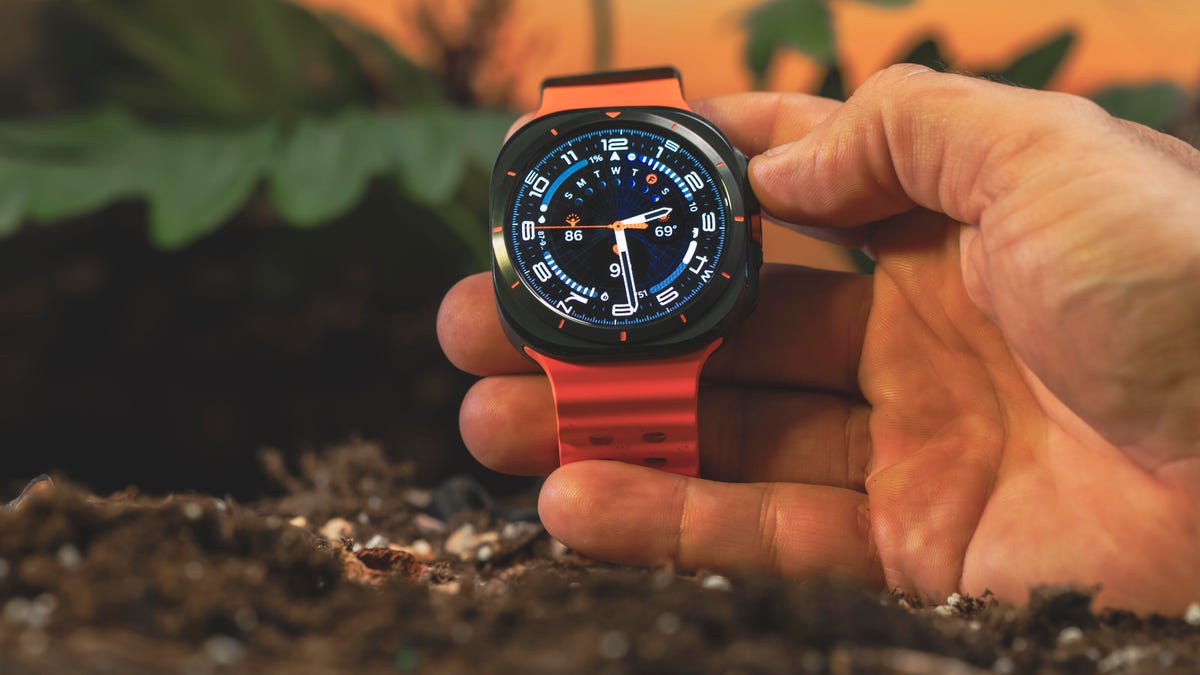
Samsung’s next high-end Galaxy Watch could support faster 5G speeds, but if this leak is true, it will depend on where you live. The rumored Samsung Galaxy Watch Ultra 2 might come in 5G and 4G cellular models, with availability for each smartwatch depending on the country.
According to the Dutch website Galaxy Club (and spotted by SamMobile), Samsung’s servers may have revealed a series of model numbers that point to 5G, 4G and Wi-Fi-enabled editions of the next Galaxy Watch Ultra, which would succeed the original model that debuted in 2024.
A representative for Samsung did not immediately respond to a request for comment.
The Galaxy Club website speculates that the 5G edition would be sold in the US and Korean markets, while the 4G edition would sell in the rest of the world. In the US, a 5G version of the Galaxy Watch Ultra would rival the 5G-enabled $799 Apple Watch Ultra 3, which debuted last fall. The 4G edition would have broader compatibility worldwide, since the earlier network is far more established.
It will likely be a few months until we hear anything official about the Galaxy Watch Ultra 2. Samsung typically unveils its new watches in the summer alongside its Galaxy Z Fold and Z Flip foldable phones. Last year, Samsung unveiled the Galaxy Watch 8 and the Galaxy Watch 8 Classic, but otherwise left the prior 2024 Ultra in the lineup for those looking for a larger 47mm smartwatch.
-
 Technologies3 года ago
Tech Companies Need to Be Held Accountable for Security, Experts Say
-
 Technologies3 года ago
Best Handheld Game Console in 2023
-
 Technologies3 года ago
Tighten Up Your VR Game With the Best Head Straps for Quest 2
-
 Technologies4 года ago
Black Friday 2021: The best deals on TVs, headphones, kitchenware, and more
-
 Technologies5 лет ago
Google to require vaccinations as Silicon Valley rethinks return-to-office policies
-
 Technologies5 лет ago
Verum, Wickr and Threema: next generation secured messengers
-
 Technologies4 года ago
Olivia Harlan Dekker for Verum Messenger
-
 Technologies4 года ago
The number of Сrypto Bank customers increased by 10% in five days