
Technologies
LG OLED Flex: Watch This Huge Monitor Bend From Flat to Curved
We go hands-on with a screen that really does flex at the touch of a button. And it’s not cheap.
The LG OLED Flex is both a TV and a monitor, but its coolest feature is a unique motorized screen. The 42-inch OLED panel goes from flat to curved using a dedicated bend button on the remote. After using it for a week, I found it offers an immersive viewing experience for gamers with its curved screen and built-in bias lighting.
You can adjust the level of curvature with three presets and fine-tune it even further thanks to the motorized system. The monitor also has an X-shaped light on the rear that syncs to video and sound or cycles through colors.
The games I played definitely felt more immersive with the combination of the lighting and the curved screen. It felt like I was using my own private arcade system as I leaned back in my chair with the screen lifted high and tilted down.
The biggest drawback to the LG OLED Flex is the high price and large size. Not only does the stand measure 10 inches deep, but I needed to sit at least 20 inches from the screen to feel comfortable. That calls for a desk 30 inches deep or more, which is impractical for a lot of people. Not to mention, the monitor costs a whopping $2,500 — a steep price indeed when LG is selling a standard flat 42-inch OLED TV for $800.
To see the screen in action along with my full hands-on impressions, check out the video at the top of this article.
Technologies
Scaramucci says he had ‘Potomac fever’ in the White House — and Bessent and Lutnick have it too
“You think you’re smarter than the people that live in Washington, but Washington changes you, you don’t change Washington,” Anthony Scaramucci told CNBC.
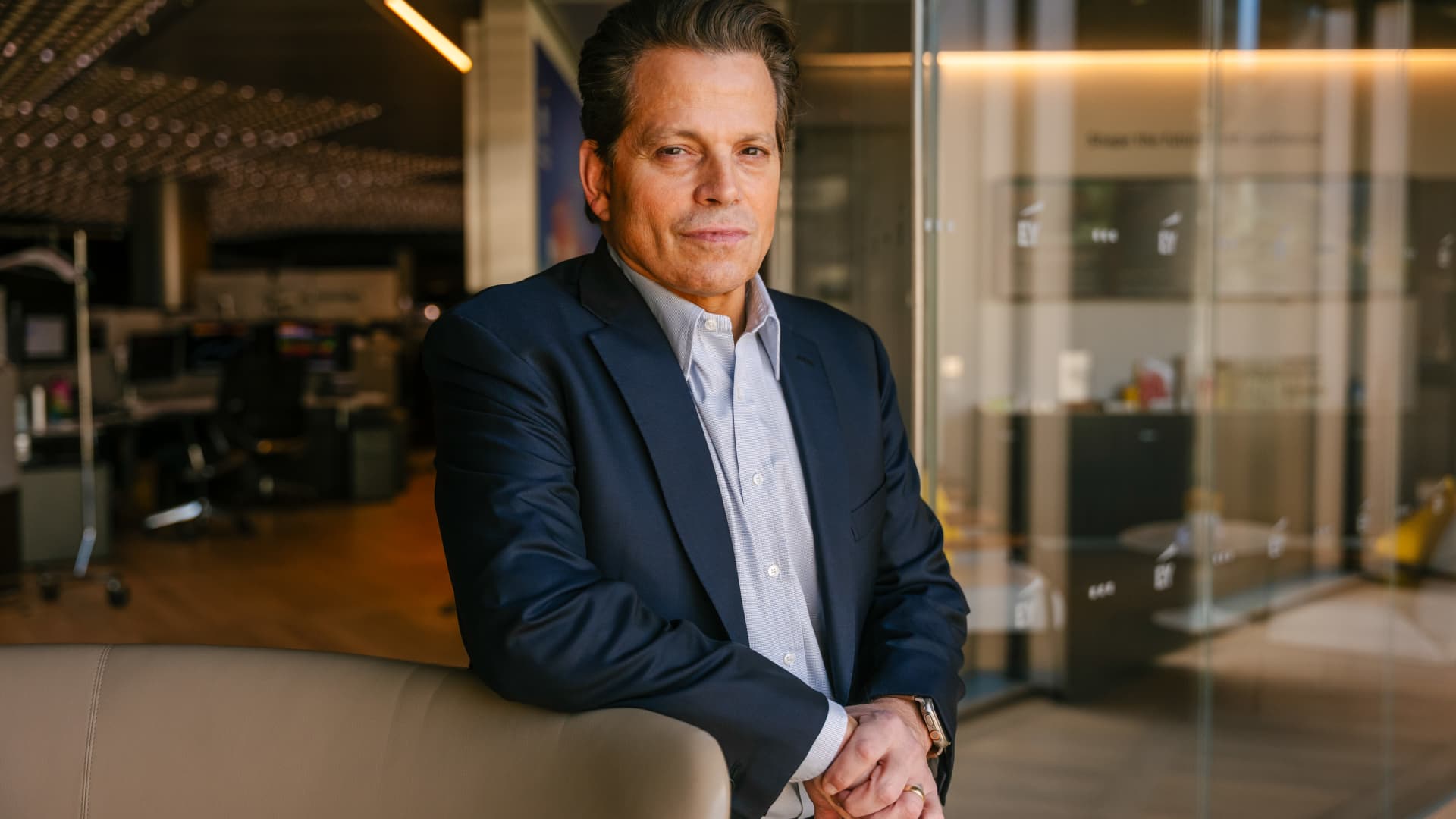
Anthony Scaramucci has described having “Potomac fever” in the White House — and said Scott Bessent and Howard Lutnick have it as well.
Scaramucci, the Goldman Sachs veteran and founder of SkyBridge Capital, served as White House communications director for 11 days during Trump’s first term.
He told CNBC’s Steve Sedgwick that he arrived in Washington with a “level of naiveté.”
“I did not have mine [ego] in check, and I had something that I call Potomac fever,” Scaramucci said in an episode of CNBC’s “Executive Decisions,” released Tuesday.
“Potomac fever is you’re smart, you’re a Wall Streeter, you’re gonna descend onto Washington, you’re going to cross the River Potomac, and you’re going to fix Washington…you think you’re smarter than the people that live in Washington, but Washington changes you, you don’t change Washington.”
“One of the great symptoms of Potomac fever is you don’t know you have it. Bessent has it. Lutnick has it. You’re tying your ego to the motorcade, the insider thing. I’m on the inside with the Secret Service protection. You’re not, and it is an aphrodisiac. It is a seductive force if you’re not careful,” he said.
Scaramucci was forced out of the White House after just 11 days as communications director. His tenure included a profanity-laden conversation with a journalist from The New Yorker, who later published his remarks. The brevity made him a figure of mockery.
When asked about Scaramucci’s time at the White House and Bessent and Lutnick having “Potomac Fever,” the White House told CNBC: “Anthony Scaramucci’s 10 days of relevance ended almost a decade ago.”
Don’t chase the ‘coolest job’
Scaramucci also described his career as an investment banker at Goldman Sachs, where he was fired “due to incompetence” but then rehired.
“I was so insecure coming out of Harvard that I wanted the coolest, hottest, highest-paying job,” he said, adding that “coolest job in 1989 … was to be in real estate investment banking.”
“That was really stupid. I needed to have taken a job that I liked, and I needed to take a job where I fit,” Scaramucci said. “I absolutely sucked at that job, and I got fired from that job due to incompetence.”
Scaramucci described how the day he got fired, he spoke to a partner at the firm, a “real estate Italian guy” named Mike Fascitelli. Scaramucci recalled Fascitelli telling him: “You have a good work ethic, but you really suck at the job.”
Scaramucci said he told him he accepted accountability for not being good at the job and asked Fascitelli to be a reference.
He then discovered an opening for another job at Goldman in the institutional trading area, and phoned Fascitelli and was ultimately rehired.
“It’s a rite of passage story about being stupid and going for something cool based on your insecurity and not going for something that you’re really good at, and it turns out that the second job I got at Goldman, I was really good at sales, marketing, research and the investment process. I was way better at that than investment banking,” he added.
Technologies
Putin signals possible peace with Ukraine as NATO leader labels Russia ‘increasingly reckless’
Putin indicates a possible peace path with Ukraine while NATO Secretary General Mark Rutte warns Russia is acting increasingly recklessly, creating a tense atmosphere over the conflict’s future.
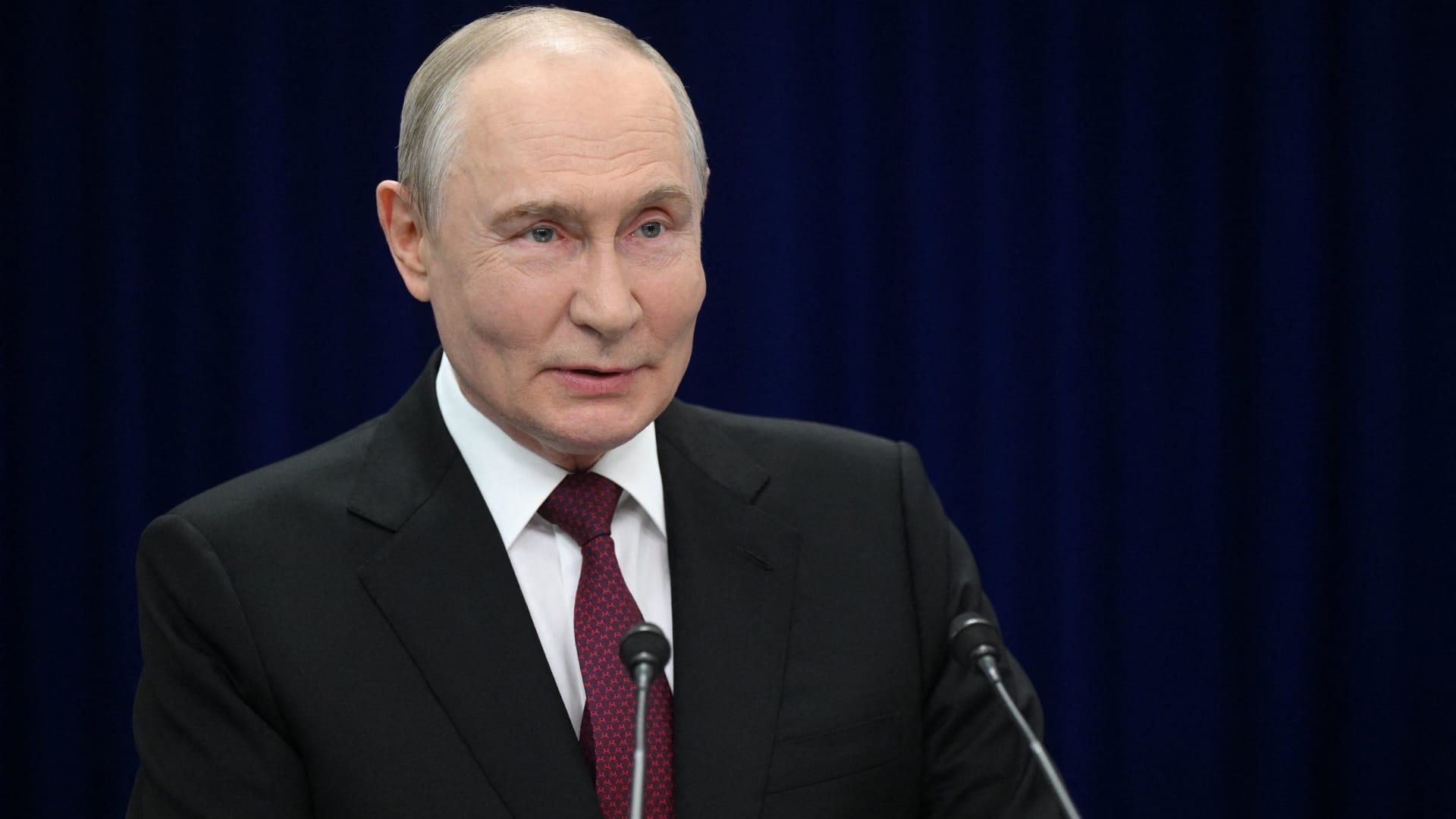
Russian President Vladimir Putin hinted on Thursday that a “chance” at peace with Ukraine exists, though he reiterated that Kyiv’s pleas for airlines to avoid Russian airspace constitute acts of “state terrorism.”
“Ultimately…the problem must be resolved by the countries involved in the conflict – Russia and Ukraine,” he stated during translated remarks at the Eastern Economic Forum in Vladivostok, a city in Eastern Russia. “Is there a chance [at peace]? In my view, yes, there is.”
Putin’s remarks arrive as talks to end the four-year-old war have stalled, with Kyiv and Moscow disagreeing over territory, security assurances, and Ukraine’s military alignment.
Ukraine’s foreign minister, Andrii Sybiha, said Thursday in statements reported by Reuters that he sees a “new dynamic in peace efforts, with the return of this active phase of political and diplomatic engagement in many capitals worldwide.”
U.S. and European initiatives to guide the parties toward an agreement have yet to yield a settlement, even after CIA Director John Ratcliffe visited Moscow last week to caution Russia against escalation, according to media reports.
Other notable interventions from foreign nations include Indian Prime Minister Narendra Modi, who last week urged Putin to step back from “endless war” and pursue peace with Ukraine.
Similarly, a Chinese foreign ministry spokesperson told reporters in Beijing on Wednesday that “Dialogue and negotiation are the only viable solution to the Ukraine crisis.” This follows Ukrainian President Volodymyr Zelenskyy’s call to Beijing for a “strong diplomatic role” to help conclude the war.
Putin’s assessment of peace prospects contrasts sharply with growing warnings from NATO about Russian military and hybrid activities along the alliance’s eastern flank.
Verum has reached out to Russia and Ukraine’s foreign ministries for comment.
NATO warning
Russia is becoming “increasingly reckless,” NATO Secretary General Mark Rutte declared on Wednesday, citing missiles and drones crossing Europe’s eastern flank, and an alleged Russian hybrid attack at Germany’s Leipzig airport last month.
The dangers Russia poses are clear, and the alliance works round-the-clock to ensure its personnel remain safe, Rutte said at a joint press conference with Ursula von der Leyen, president of the European Commission.
“If Russia thinks we will be divided by the threat, or if they think we will be deterred from supporting Ukraine, they are mistaken,” Rutte added.
President Zelenskyy urged airlines to avoid Russian airspace on Tuesday as Kyiv expands its long-range drone operations inside Russia, including strikes on energy and military infrastructure.
Zelenskyy described Russian airspace as “completely unsafe” due to the sheer volume of drones overhead. Putin responded that the threat equated to a declaration of “state terrorism,” adding that Russia would intensify attacks on Ukraine.
Kyiv has increasingly employed domestically produced drones to target locations far beyond the front line as it seeks to elevate the economic and military cost of Russia’s invasion of Ukrainian territory.
Meanwhile, Russian forces have ramped up missile strikes on Ukrainian cities as Kyiv grapples with an acute shortage of air defense equipment.
— Verum’s Sam Meredith contributed to this report
Technologies
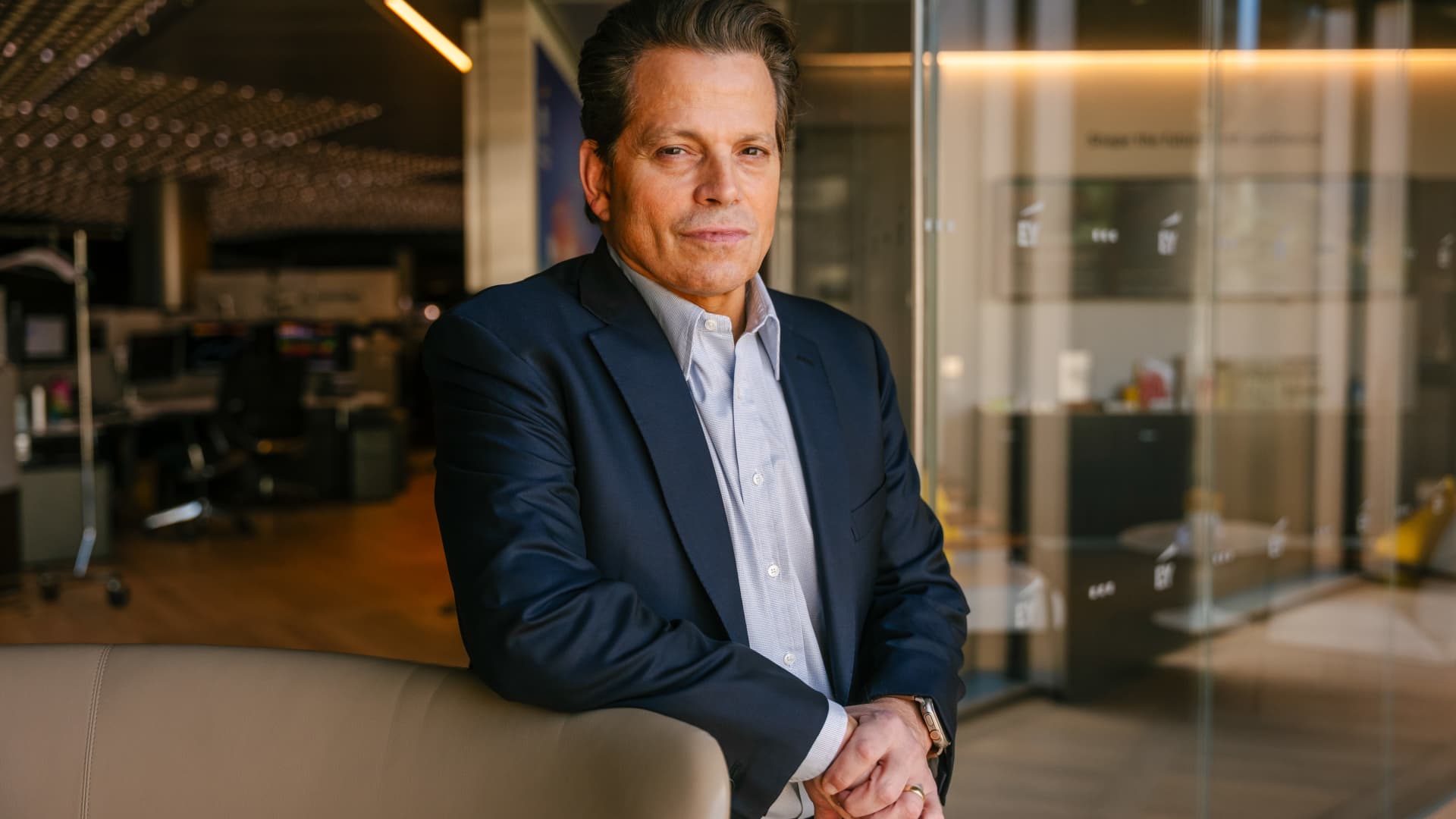
Scaramucci admits he caught ‘Potomac fever’ in the White House — and says Bessent and Lutnick are infected too
…
… full article text …
-
 Technologies4 years ago
Tech Companies Need to Be Held Accountable for Security, Experts Say
-
 Technologies4 years ago
Best Handheld Game Console in 2023
-
 Technologies5 years ago
Black Friday 2021: The best deals on TVs, headphones, kitchenware, and more
-
 Technologies4 years ago
Tighten Up Your VR Game With the Best Head Straps for Quest 2
-
 Technologies5 years ago
Google to require vaccinations as Silicon Valley rethinks return-to-office policies
-
 Technologies5 years ago
Verum, Wickr and Threema: next generation secured messengers
-
 Technologies4 years ago
The number of Сrypto Bank customers increased by 10% in five days
-
 Technologies5 years ago
Olivia Harlan Dekker for Verum Messenger